
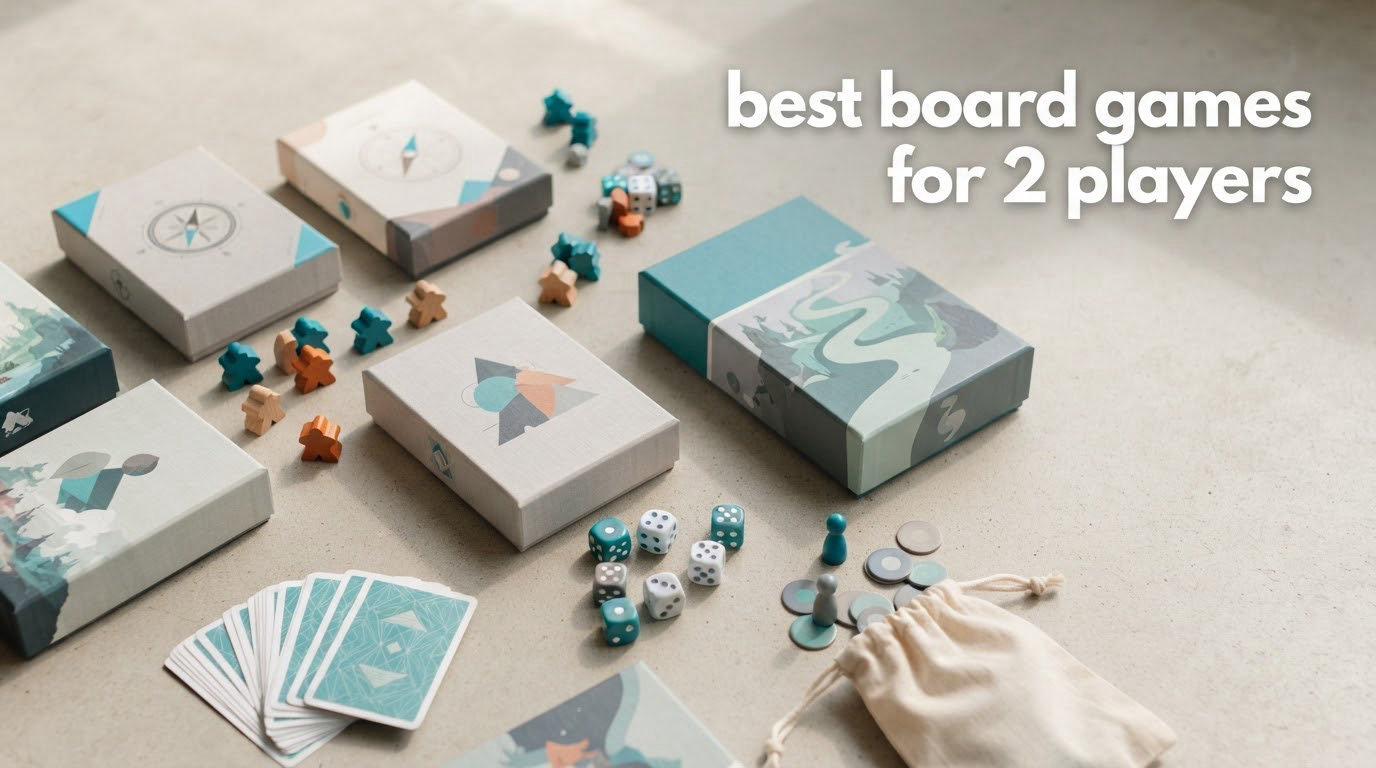
Two-player board games range from 10-minute card duels to slow, tense engine-building sessions where every card you deny your opponent matters. If you have been searching for the best board games for 2 players, the honest answer is that there is no single winner, because the best pick depends on how much time you have, how much teaching you are willing to do, and whether you want to talk or go quiet.
Our team played through twelve of the strongest two-player boxes available right now, from a 20-minute flip-tile classic to a pocket-sized trick-taking game that fits in a jacket pocket. We tracked the things that actually matter after the novelty wears off: real teach time, whether a second game feels different from the first, and how a box holds up when two people play it twice in one evening.
Every pick below is designed or tuned for exactly two competitors, and every one of them has a large body of owner reviews behind it. The short version: 7 Wonders Duel is the one to buy first, Jaipur is the one that gets played most often, and Othello is the one a non-gamer will understand fastest. Keep reading for the full breakdown, and if you also play video games, our explainer on what permadeath means in games is a good side read for a slow evening.
Table of Contents
Top 3 Picks for the Best Board Games for 2 Players in 2026
These are the three boxes that earned repeat sessions on our table more than any others, and they cover three completely different moods: strategic, social, and fast.

7 Wonders Duel tops the list because it delivers genuine strategic depth in half an hour and supports three different win conditions, so the second game rarely repeats the first. Jaipur earns its place as the most replayed pick, with a race format that ends well before bedtime. Guess Who? closes the set as the fastest way to get a non-gamer or a child engaged in under five minutes.
Quick Overview: All 12 Two-Player Games in 2026
The table below lists every pick with the specs that decide whether it fits your evening, before the longer write-ups.
| Product | Specifications | Action |
|---|---|---|
| 7 Wonders Duel |
|
Check Latest Price |
 Guess Who? Guess Who? |
|
Check Latest Price |
 Othello Othello |
|
Check Latest Price |
 Battleship Battleship |
|
Check Latest Price |
 Fox in the Forest Fox in the Forest |
|
Check Latest Price |
 Jaipur Jaipur |
|
Check Latest Price |
 Onitama Onitama |
|
Check Latest Price |
 Stratego Stratego |
|
Check Latest Price |
 Lost Cities Lost Cities |
|
Check Latest Price |
 Catan Rivals Catan Rivals |
|
Check Latest Price |
 Splendor Duel Splendor Duel |
|
Check Latest Price |
 BOOP BOOP |
|
Check Latest Price |
1. 7 Wonders Duel – Best Overall Two-Player Strategy Game
Asmodee 7 Wonders Duel Board Game BASE GAME – Intense Two-Player Battles in the Ancient World, Strategy Game for Kids and Adults, Ages 10+, 2 Players, 30 Minute Playtime
Ages 10+
2 players
30 minute playtime
Card drafting and area control
Pros
- Three separate win paths keep both players fighting to the last turn
- Engine building softens losing
- Fast setup and teardown
- Symbols communicate the rules without a rulebook
Cons
- Rulebook assumes you already know the game
- Resource math adds real cognitive load
- Small cards can be fiddly to shuffle
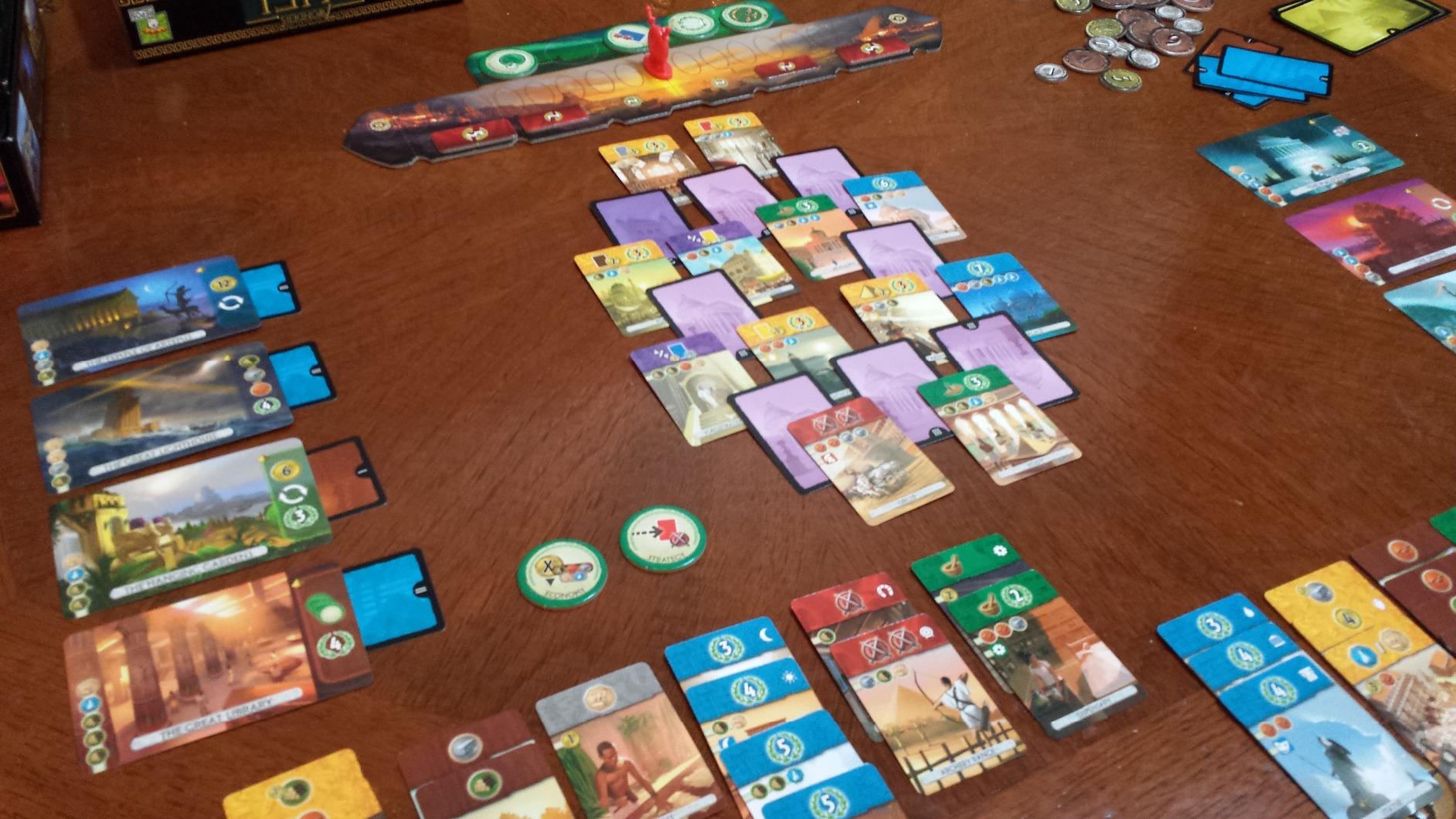
This is the game we recommend to almost anyone who asks for a single recommendation. Two civilizations build across a seven-round timeline, and every turn you draft from a face-down pyramid of cards, so your opponent can never predict what you will take next. It plays in about half an hour, which makes it one of the few strategic two-player games that genuinely fits a weeknight.
What separates it from most card games is that there are three ways to win. You can outscore your rival on points, conquer their capital militarily, or complete a set of science symbols to claim scientific supremacy. In our experience, the balance shifts as players improve, and a second game rarely feels like a rematch of the first.
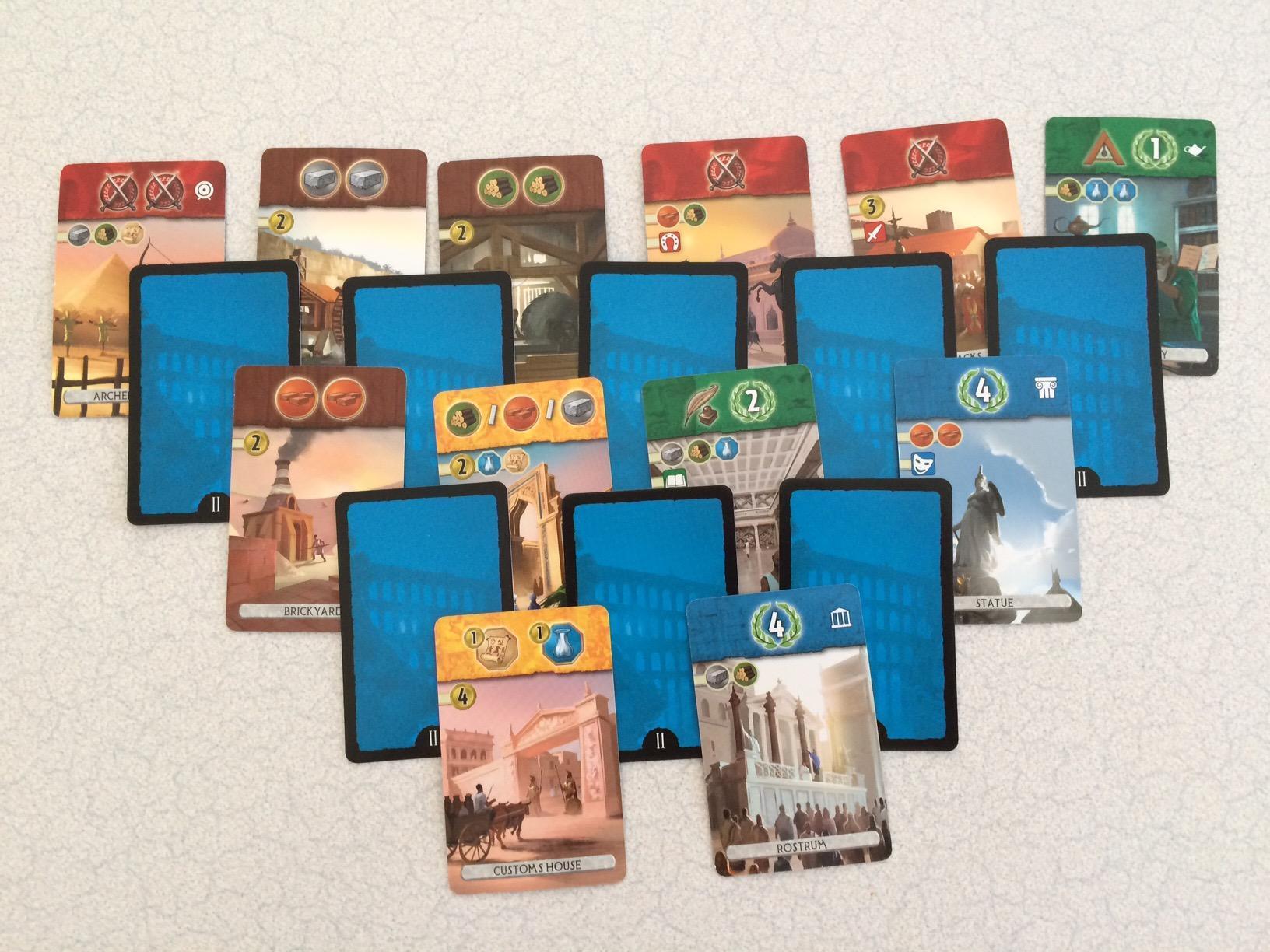
Owners consistently point to the same strength: the loss never feels like a wasted evening. Building your own engine means a losing player is usually one good draw away from a comeback, which keeps the mood friendly even when the result is decisive.
The honest drawback is teach time. The printed rulebook is written for players who already know how the game works, and the pricing and resource math takes a few games before it clicks without help. We taught it in about ten minutes, and only after a second attempt did the deeper lines start making sense.
Who will like this most
Two players who want a real game and only have an evening. It is competitive without being hostile, and the point totals usually come down to a few points, so nobody gets buried.
If you are introducing someone to modern board games, this is a strong second or third game rather than a first one. Jaipur or Othello will get them comfortable at the table faster.
Who will not enjoy this
Players who want a theme, a story, or something to talk about between turns. The experience is numbers and symbols, and the card art is atmospheric rather than narrative.
It is also a strictly competitive box with no cooperative option built in. If your household wants shared wins, look at a dedicated cooperative two-player game instead.
2. Guess Who? – Best Deduction Game for Kids and Non-Gamers
Guess Who? Board Game with Classic Characters, Game for 2 Players, Minimum Age 6 and Up, Number of Players: 2, by Winning Moves Games USA
Ages 6 and up
2 players
Flip up display boards
48 face cards
Pros
- Children grasp the rules immediately
- No reading required
- Repeats well with the same cast
- Sturdy plastic display boards
Cons
- Faces are simple so games can feel repetitive
- Small cards are fiddly for young children
- 1980s cast lacks diversity
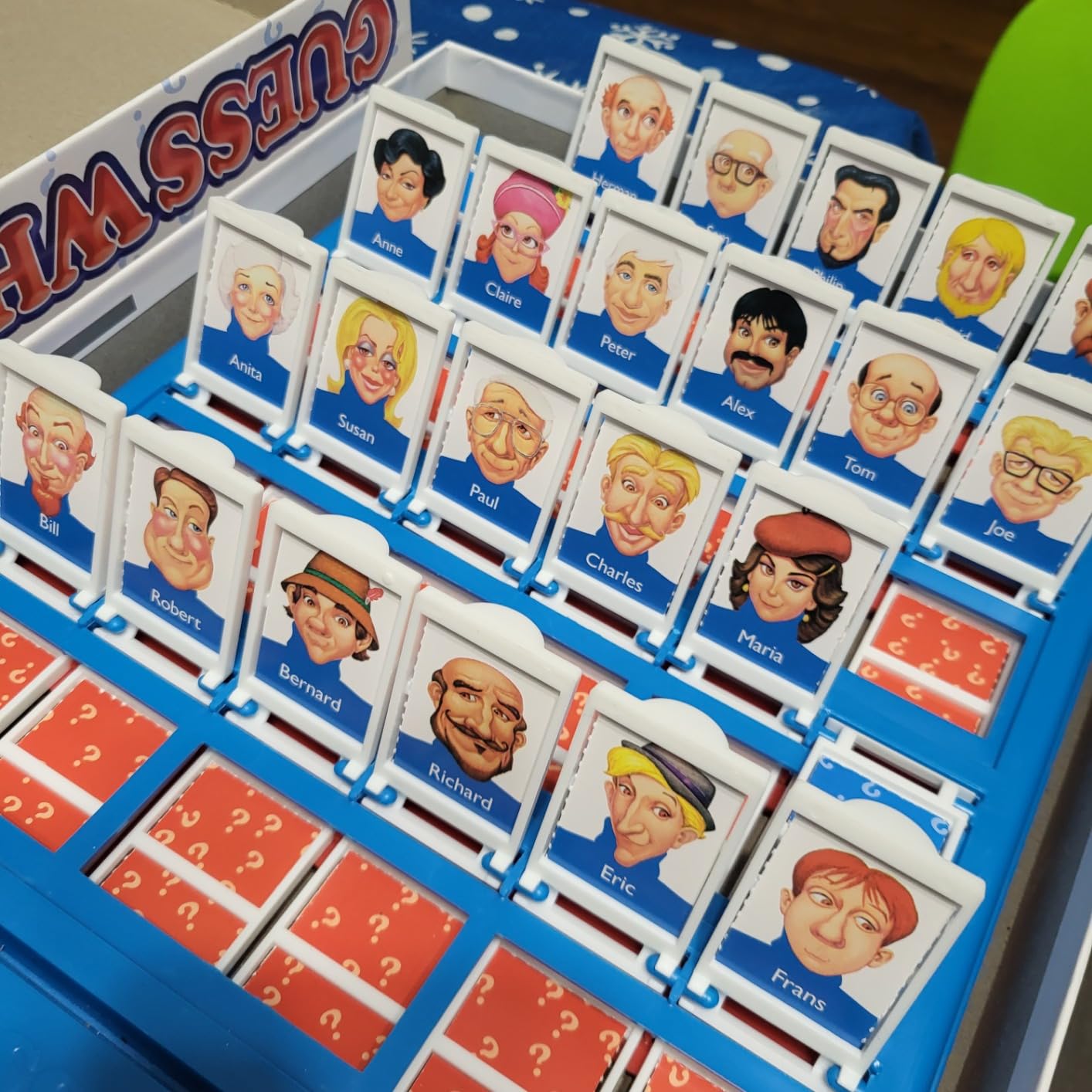
This is the game we hand to a six-year-old and a grandparent in the same evening. Each player picks a mystery face card and slots it into a plastic display board, then the two of you take turns asking yes-or-no questions to narrow down the hidden character. A full round takes minutes, and nobody needs to read a rule.
Because it is pure deduction, it also works on adults, particularly two adults who like a low-effort filler between heavier games. The component quality is the surprise: the flip-up plastic boards hold all the cards and make setup almost instant.
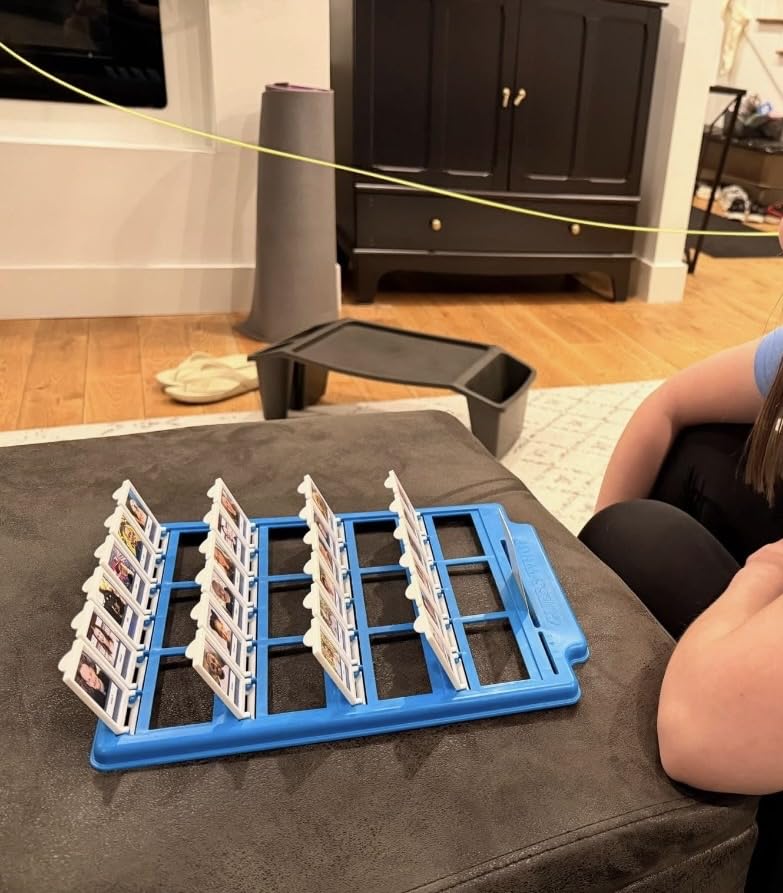
Buyers mention over and over that children ask to play it again unprompted, which is the highest compliment a family game can earn. It is a screen-free evening default that works every single time.
The catch is repetition. Because the cast is fixed, the same handful of questions works again and again once both players know the faces. After five or six games you will want to move on, which is exactly why we treat it as an on-ramp rather than a long-term habit.
Who will like this most
Families with children between six and ten, and any pair who wants a game that needs zero explanation. It is also a comfortable choice for a parent and an adult child who are not both hobbyists.
If you are shopping for a gift, this is the safest pick on our list because the age range is wide and the learning curve is flat.
Who will not enjoy this
Two adults who want tension. Nobody manipulates a shared board, and the outcome depends more on memory than on planning, so a sharp player will win most sessions.
The most common complaint in reviews concerns the cast, which is drawn entirely from white characters in this edition. Some buyers simply skip it for that reason.
3. Othello – Best 20-Minute Flip Strategy Game
Ravensburger Othello – Classic Strategy Board Game for 2 Players – Easy to Learn, Hard to Master – Fast-Paced Family Fun – Ages 8+
Ages 8+
2 players
20 minute playtime
64 reversible disks
Pros
- Rules take minutes to learn
- Slide out storage drawers
- Weighty disks feel solid
- 20 minute matches
Cons
- Instruction sheet is English only
- Simple play can feel easy to experienced players
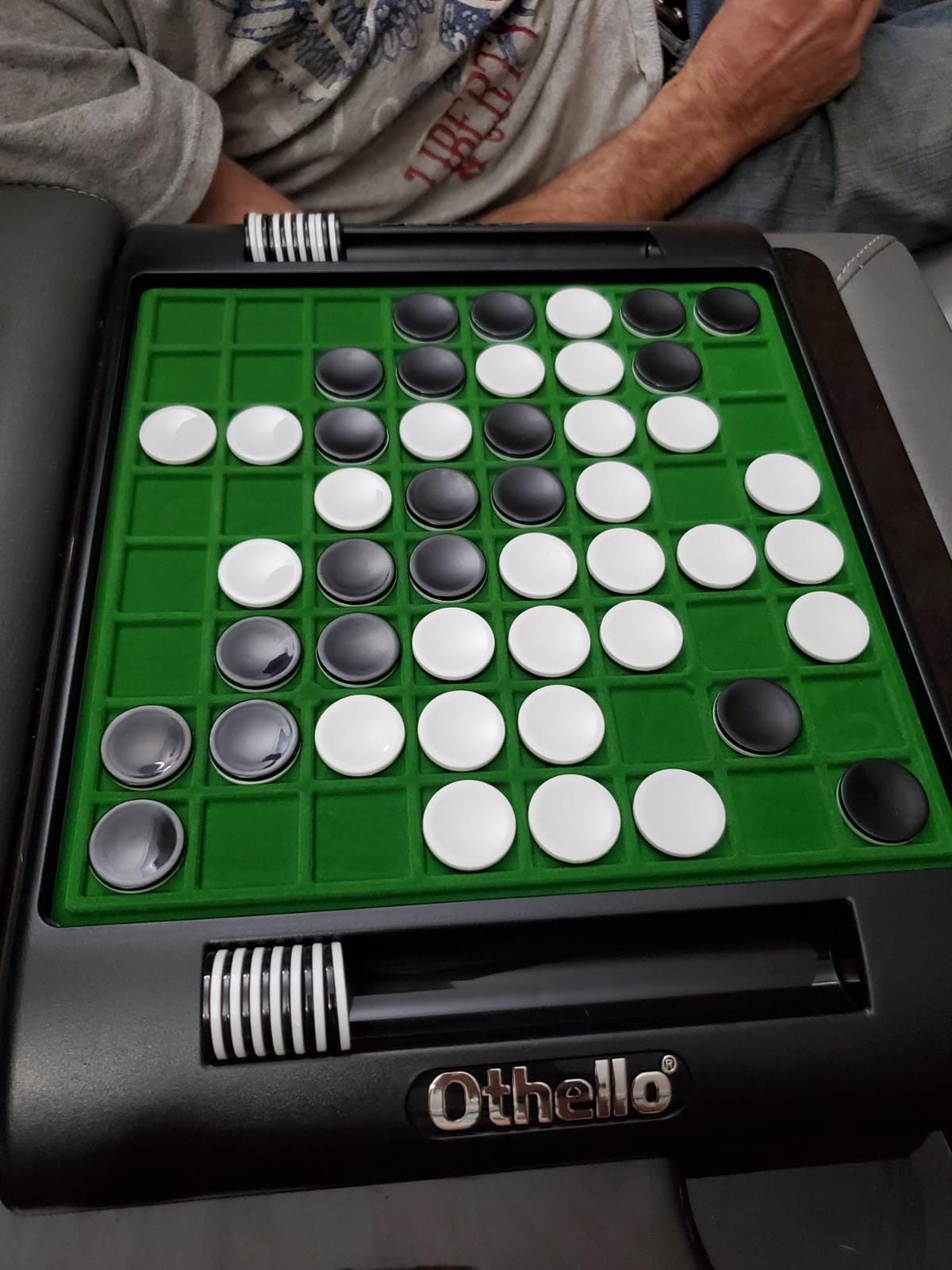
Othello is the best board game for 2 players if one of you has never played a strategy game. You place a disk, every adjacent line of the opposing color flips, and the board can change completely in a single move. That single rule is the whole game, and it is taught in about two minutes.
Underneath that simplicity is genuine depth. Positioning around the corners matters far more than raw piece count, and a good player can see a losing position several turns before it arrives. Twenty minutes is a generous estimate for a full match with two beginners, and less once you know what you are looking at.

The build quality is what separates this edition from a cheap travel set. The disks are reversible and weighty enough to flick reliably, and the slide-out storage drawers on each side of the board mean setup and cleanup take seconds rather than minutes.
Owners comparing it to childhood copies usually note the storage and the smoother disks as the upgrade. The board itself does not shift during play, which matters more than it sounds when you are placing quickly.
Who will like this most
A parent and child aged eight or older, or a couple who wants a competitive game with a very short session. The 20-minute length is short enough to fit before anyone gets restless.
It is also a good bridge game. Play Othello with someone new, and if they want more, step up to 7 Wonders Duel next.
Who will not enjoy this
Experienced strategy players who want a long game. Once the opening patterns are familiar, the decisions get thinner, and 20 minutes will feel short.
One practical limitation: the instruction sheet in this edition is English only, so check that it suits everyone at the table before you commit.
4. Battleship – Best Classic Deduction Game for Families
Hasbro Gaming Battleship Classic Board Game | Strategy Games for Kids and Adults | Ages 7+ | 2 Players | Fun Kids Games | Family Games
Ages 7+
2 players
30 minute playtime
Salvo option
Two portable cases
Pros
- Generations of families already know the rules
- Portable cases store everything neatly
- No batteries or screens needed
- Salvo rule adds strategy for adults
Cons
- Games drag once the grid fills with pegs
- A very large number of small pegs go missing
- Pieces are small relative to the board
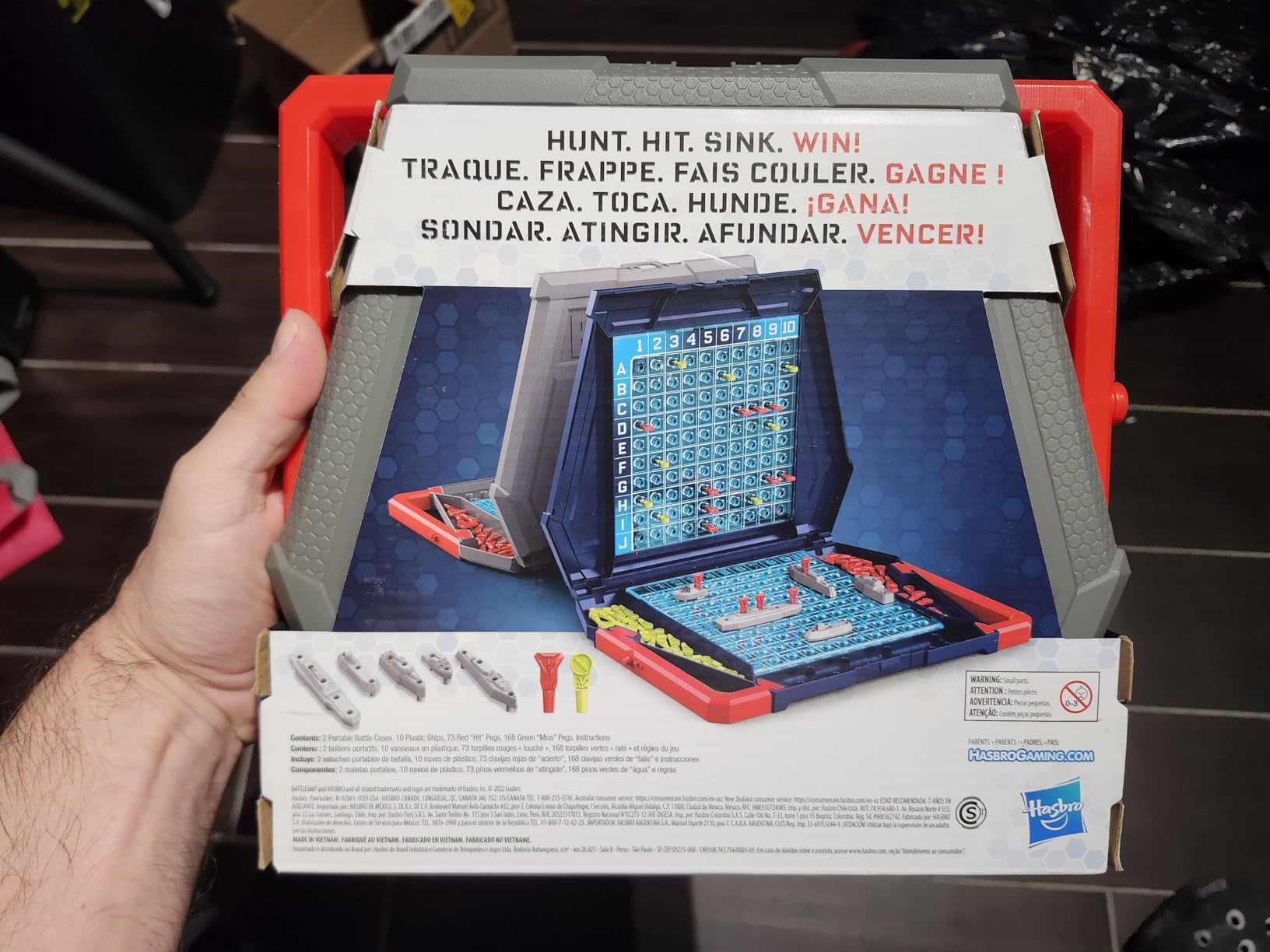
Battleship is the most teachable game on this list. You secretly place a small fleet on a grid, then call out coordinates trying to land hits before your opponent sinks yours. Nobody needs an explanation, and the tension builds in a way children visibly enjoy.
What makes this edition better than a flat cardboard set is the two portable battle cases. Every piece and peg stores inside them, so the game survives a move between rooms or a trip away without anything rolling under a sofa.
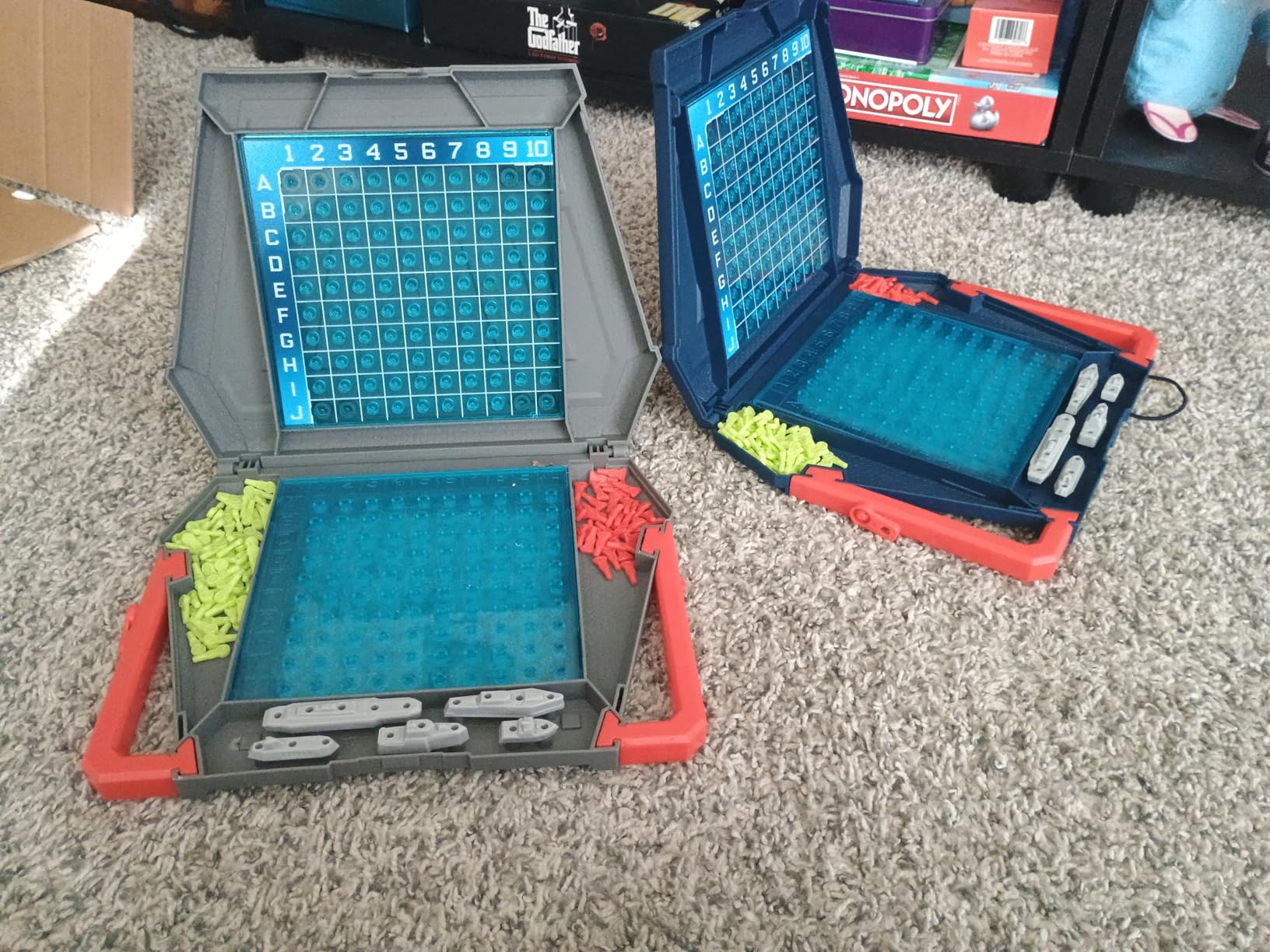
Adults tend to stay in for this one because the optional salvo rule lets you fire on two or more coordinates at once. It adds a small strategic edge once you have played a few basic games.
Buyers describe it as a nostalgia hit with kids and grandchildren, and that is fair. The snap-together boards stay put during play, which is exactly what you want from a game played by enthusiastic seven-year-olds.
Who will like this most
Families with children aged seven and up, and anyone who wants a nostalgic evening that does not require anyone to concentrate on rules. It also packs well for vacations.
Two players who enjoy guessing and memory rather than planning will get more out of it than two players who want to out-engineer each other.
Who will not enjoy this
Patient players. The two most common complaints in reviews are that games drag as the grid fills with red and green pegs, and that the huge number of tiny pegs is easy to lose.
At around 30 minutes it also runs longer than most quick fillers here, so pair it with a shorter game rather than expecting it to fill a small gap in the evening.
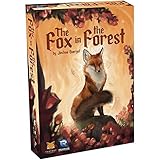
5. Fox in the Forest – Best Travel-Sized Trick-Taking Game
Renegade Game Studios Fox in the Forest ,2 Player Card Games, Trick-Taking Strategy Game for Adults, Compact Travel Board Game, 30 min
2 players
30 minute playtime
Trick taking
4 x 1.25 x 6.25 inch box
Pros
- Pocket sized box with quality cardstock
- 10 to 15 minute rounds
- Fairy tale artwork is genuinely beautiful
- Balanced for exactly two players
Cons
- Takes a few games to grasp the scoring goal
- Only 40 cards so scope feels small
- Replay value is moderate
This is the game we pack for trains, flights, and hotel rooms. The box measures about 4 by 1.25 by 6.25 inches and holds 40 cards, which is genuinely small enough to live in a coat pocket. Rounds land in the 10 to 15 minute range, so it fits into waiting time without a setup ritual.
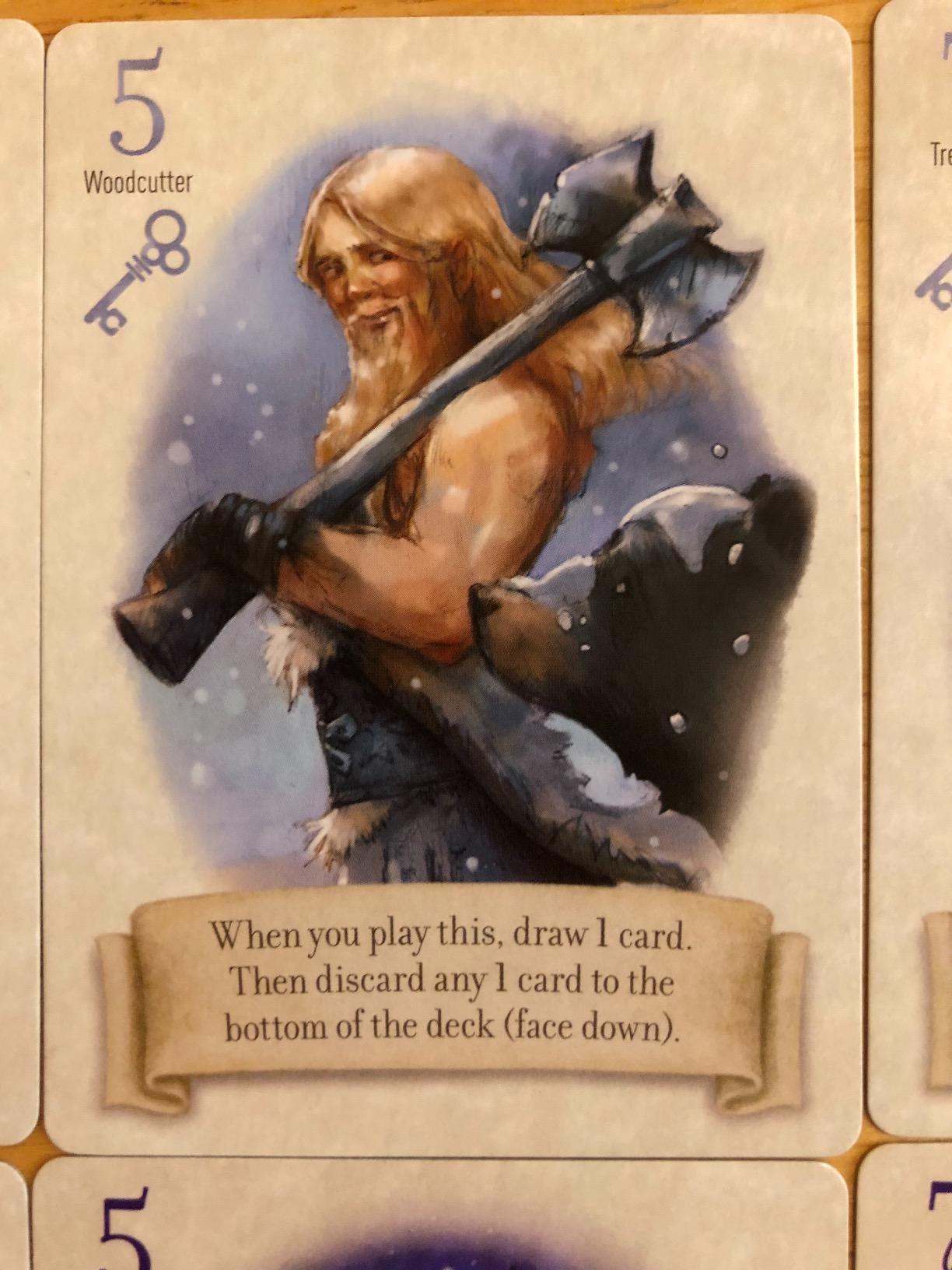
The play is trick-taking with a twist. You follow suit and play high to win tricks, but the special power cards let you change the trump suit or take the lead back after losing. Winning the trick is not always the best move, which turns a familiar format into something that rewards thinking ahead.

The artwork is the other reason this box travels well. The fairy-tale characters are illustrated with fine botanical detail, and it gives you something to look at while the other player decides whether to take the trick.
Owners praise the combination of portability and the unusual scoring, and several report playing it dozens of times without hitting a repeat. The counterpoint is that 40 cards is a small scope, and it shows after a long stretch of play.
Who will like this most
Travelers, commuters, and anyone who plays on a small table. It is the least bulky box in this guide and the fastest to deal from a hand.
It is also a good evening filler for two adults who want card play without the commitment of a 30-minute strategic game.
Who will not enjoy this
Players new to trick-taking. The special powers are unusual, and the win condition takes a couple of games before it feels natural rather than fiddly.
Some reviewers note the game can feel like it might be approximated with an ordinary deck, and the replay ceiling is moderate rather than exceptional. For a longer card duel, see Lost Cities below.
6. Jaipur – Best Two-Player Trading Card Game
Asmodee Jaipur 2-Player Trading Card Strategy Game, Ages 10+
Ages 10+
2 players
30 minute playtime
Card drafting and set collection
Pros
- About 15 minutes to get playing
- Small table footprint
- Direct interaction instead of multiplayer solitaire
- Spans ages 10 upward
Cons
- Strictly a two player game with no third option
- Setup takes slightly longer than some prefer
- Rules need a walkthrough for first timers
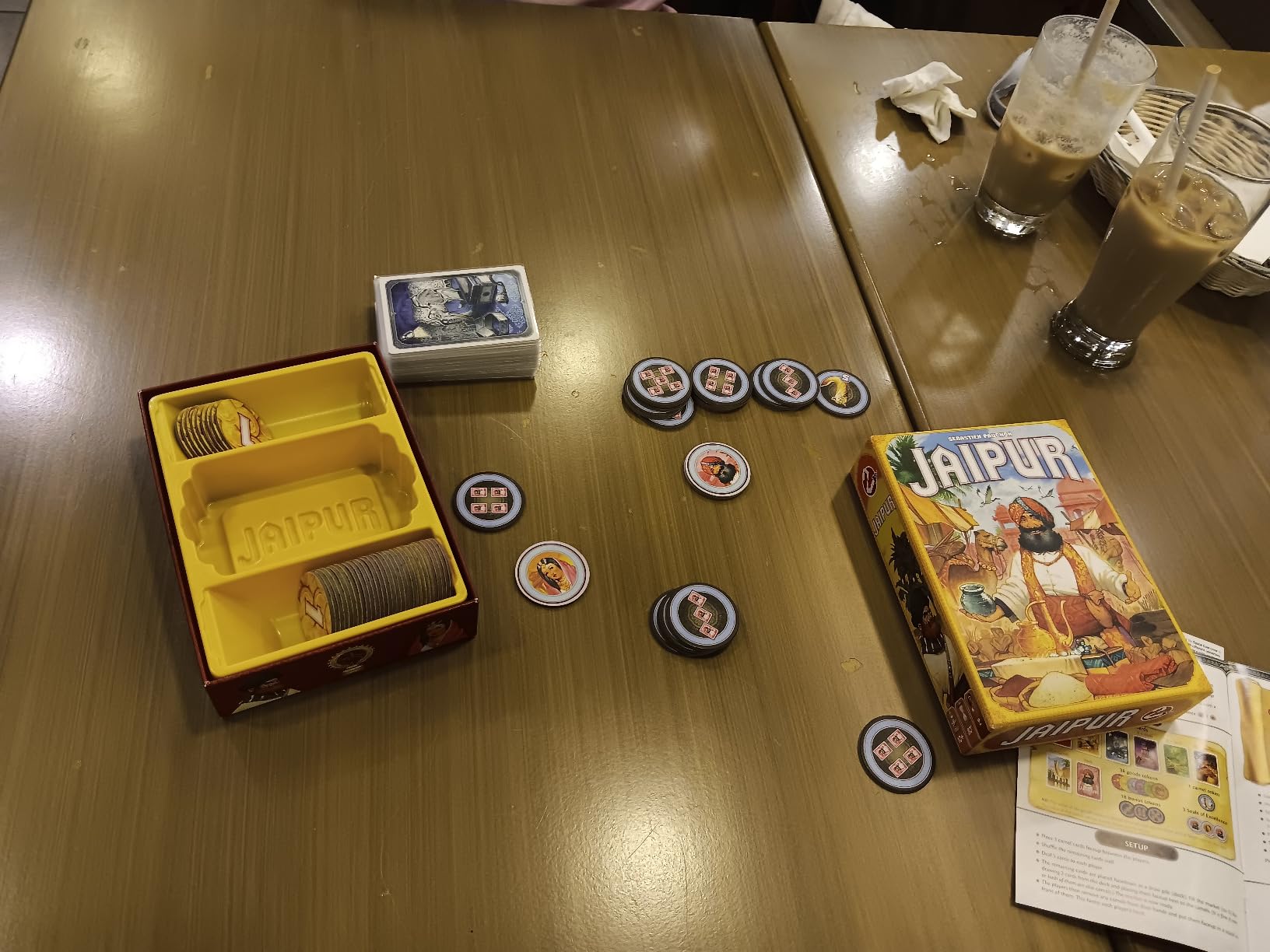
Jaipur is the most replayed game in our testing, and it does something most two-player card games avoid. You and your opponent are rival merchants, you both draft from the same face-up market, and every sale you make is a decision the other player reacts to directly. Nothing happens in a private corner of the table.
The tension comes from timing. Cards carry different values, and holding a group of leather for one more turn can pay out much better, but your opponent is watching and can buy the exact thing you were saving. A round ends when a player takes the final card of a type, and the bonus tokens reward smart cash-outs rather than greed.
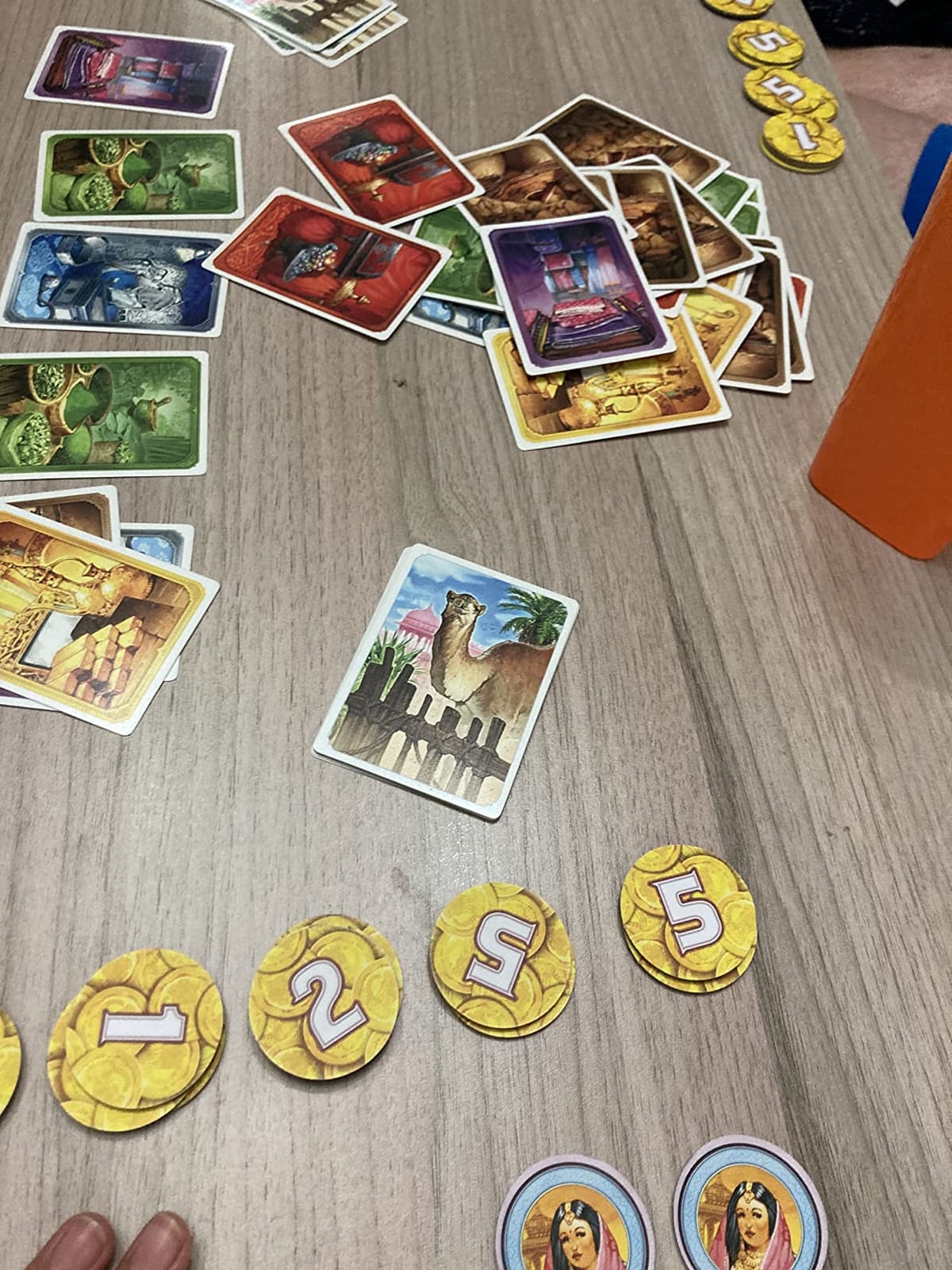
Teach time is one of the lowest here. We had both players buying and selling within about 15 minutes, and the box footprint is small enough for a kitchen table or a hotel desk.
Buyers highlight the same thing we did: the simplicity works with kids and adults at the same time, and the flipping market keeps the race moving. The near-universal caveat is that it is strictly a two-player box, which is a feature here and a limitation if your group ever grows.
Who will like this most
Couples and friends who want a competitive game with almost no downtime. There is no long turn sequencing, so both people are engaged the whole time.
It also scales across ages, which makes it a workhorse for a household with kids of different sizes or for a parent playing with an older child.
Who will not enjoy this
Anyone hoping for a deep strategic arc. The decisions are quick and readable rather than layered, so a serious strategy player may find it shallow after a few games.
Setup takes a little longer than the fastest fillers, and players learning without a video walkthrough sometimes need the rules re-explained once. There is no three-player option in this box.
7. Onitama – Best Abstract Duel in 10 Minutes
Arcane Wonders Onitama, 2-Player Abstract Duel with Modular Movement Cards
2 players
10 minute playtime
5 x 5 board
Shared movement cards
Pros
- Compact board with perfect information
- Shared cards reshape options every turn
- Setup takes seconds and travels well
- Two separate ways to win
Cons
- Abstract theme gives little immersion
- Card flips can feel luck driven at first
- Small footprint has little table presence
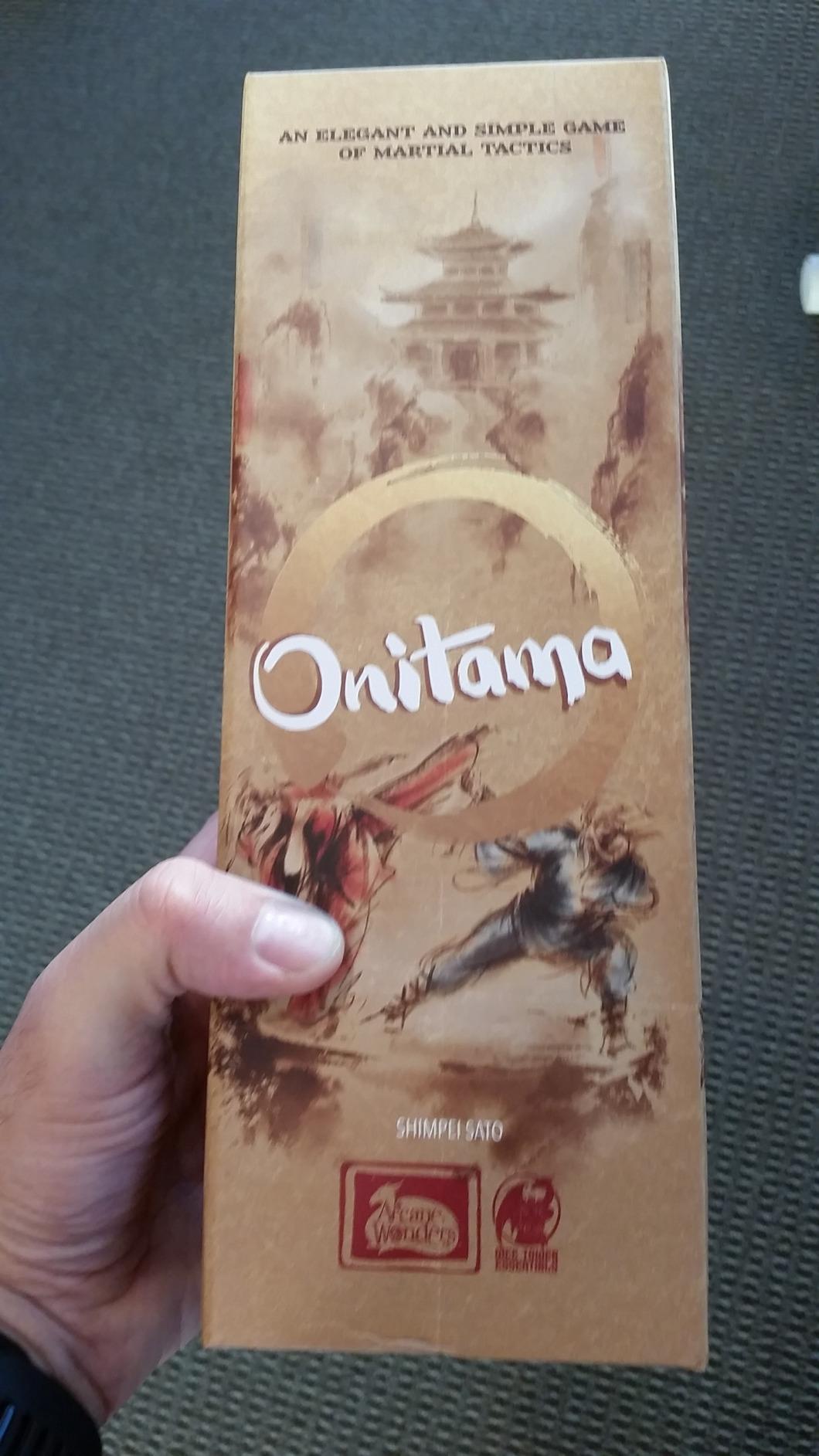
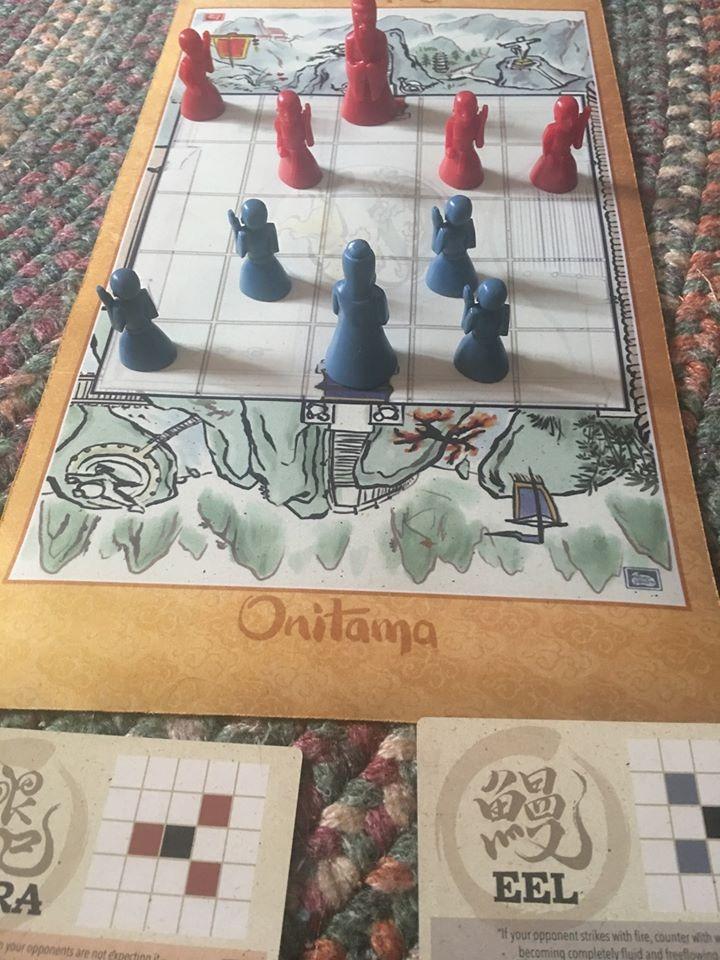
Onitama is the shortest game in this guide at around 10 minutes, and it is also one of the deepest. The board is a 5×5 grid, each player controls a master and a student pawn, and you share a small set of open movement cards describing how a piece may move. Play a card, move the matching pawn, then slide a new card into the gap.
Because those five cards are visible to both players, neither of you has a private plan. Every move reshapes your opponent’s options, and the game becomes a pure positional duel with perfect information and no dice anywhere. There are two ways to win, which keeps the endgame from being solved after one pattern.
Buyers describe it as a distilled, chess-like experience that travels well and has far more depth than the small footprint suggests. Setup is quick enough that we played several games in a row without touching the rulebook again.
The honest weakness is presentation. The board is small and the theme is deliberately thin, so it does not command a table the way a scenario game does. A few owners also find that the reshuffled cards feel random during the first few games.
Who will like this most
Two players who like abstract strategy and short sessions. If you enjoy chess, Go, or any perfect-information duel, this will land immediately.
It is also an excellent travel game, since the whole box is narrow and light and reaches a finished result before a train journey gets interesting.
Who will not enjoy this
Players who want theme, art, or a sense of story. There is no narrative beyond a martial arts framing, and the presentation is deliberately sparse.
New players sometimes read the card flips as luck rather than planning. Give it three games before judging the depth, and pair it with something warmer if presentation matters to your group.
8. Stratego – Best No-Luck Strategy Game for Older Kids
Jumbo, Stratego – Original, Strategy Board Game, 2 Players, Ages 8 Year Plus
Ages 8+
2 players
45 minute playtime
40 pieces per side
Pros
- No luck element at all
- Pre printed pieces plus sorting trays
- Folding board stores in the box
- Kids learn the basics quickly
Cons
- Strategy takes several games to become clear
- Longer than most quick fillers
- Piece artwork less detailed than premium editions
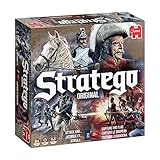
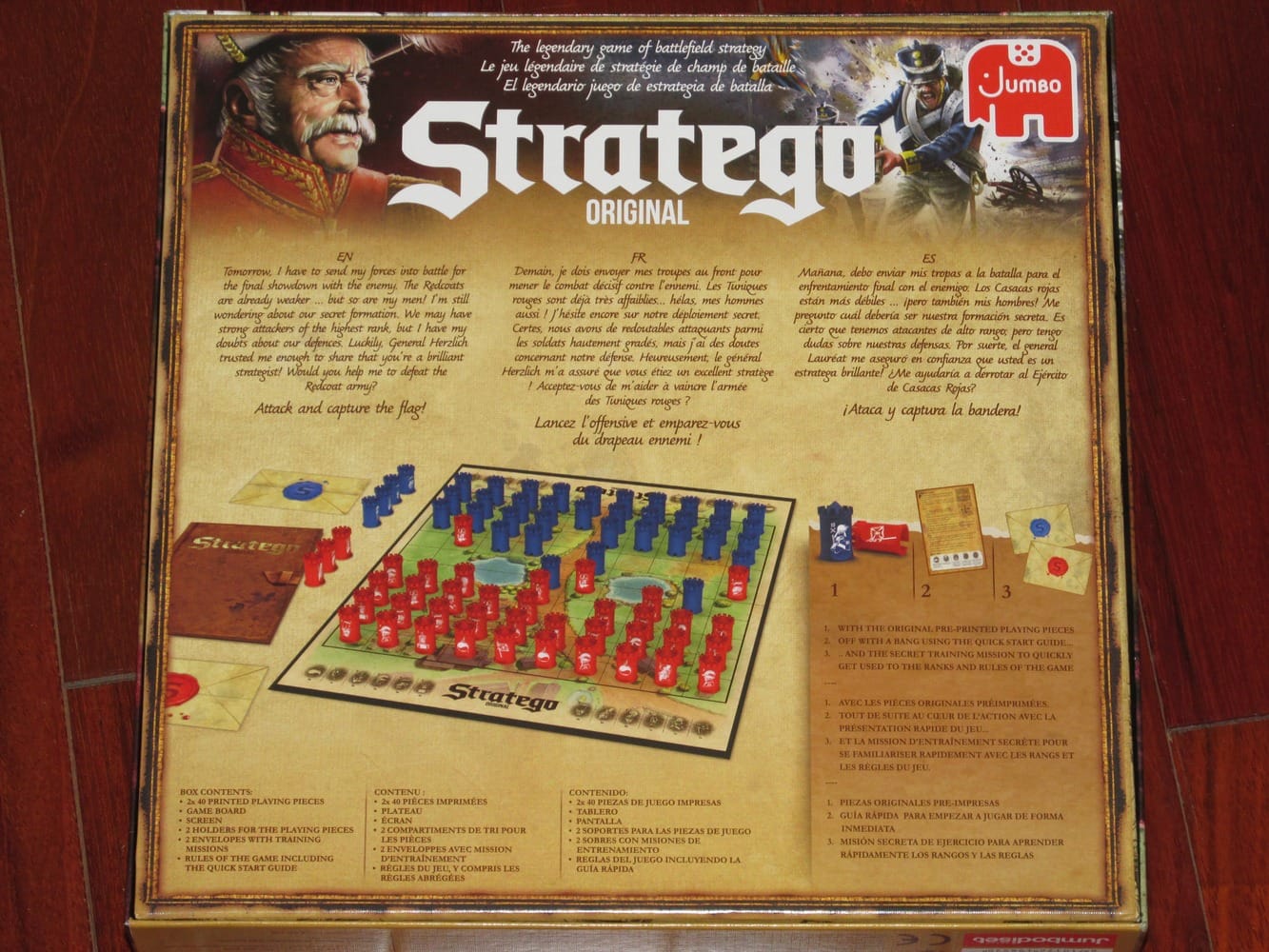
Stratego is the only game in this guide with no dice, no draw, and no hidden randomness of any kind. Every outcome comes from bluffing, memory, and deduction, which makes it a rare choice for a parent who does not want luck deciding the evening. You move graded pieces across the board trying to capture the enemy flag while defending your own.
It also ages well. Many buyers describe buying it for children and then continuing to play it themselves years later, because the pieces are pre-printed and a round takes around 45 minutes rather than the twenty minutes a quick filler needs.
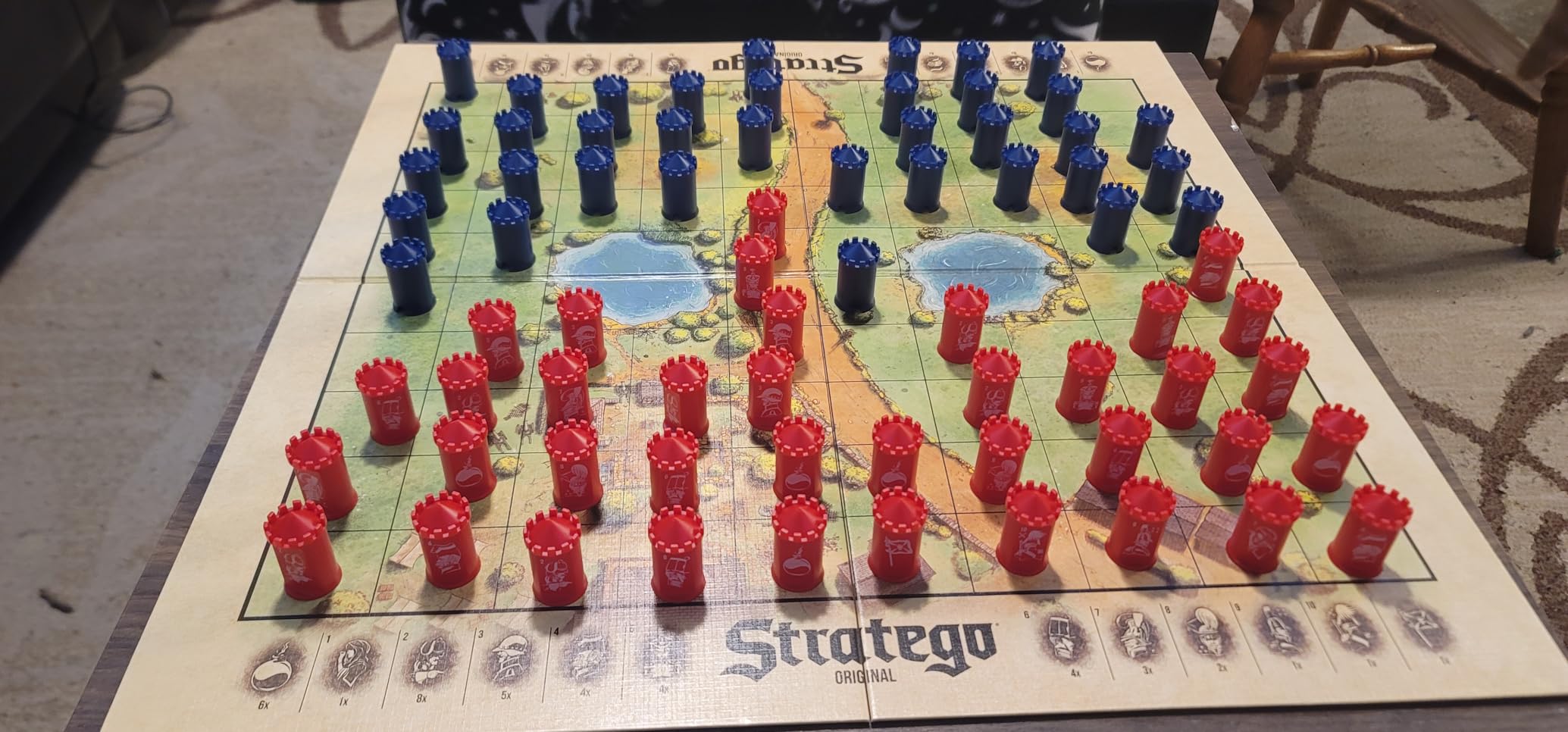
The set includes two sorting trays and a folding board, so everything packs back into the box without loose pieces rattling around. That detail matters more than expected in a household with other games on the shelf.
The most common criticism in reviews is the learning curve. The basic rules take a game or two, and the real strategy only becomes clear after several rounds of watching your opponent’s habits.
Who will like this most
Families with children aged eight and up, and any two players who want outcomes decided by thinking rather than by the roll of a die.
It is a good parent-and-child evening game because the pressure builds slowly and nothing feels punishing when a child loses.
Who will not enjoy this
Players who want a short session or a modern theme. At roughly 45 minutes it is the second-longest game here, and the military presentation is functional rather than exciting.
If you want a no-luck duel that finishes faster, Onitama reaches the same result in a fraction of the time. Piece artwork is also simpler than premium editions, which some buyers notice immediately.
9. Lost Cities – Best Card Duel for Risk and Reward
Lost Cities Card Game – with 6th Expedition | Two-Sided Board for Classic or New Edition | By Reiner Knizia | A Kosmos Game
2 players
10 to 15 minute rounds
72 cards
Sixth expedition included
Pros
- Very fast setup and very short matches
- Depth keeps growing after the first few games
- Sixth expedition adds a new column
- Distinct artwork on every card
Cons
- Card values printed only on the face
- Some cards frayed after light use
- No compact card only box included
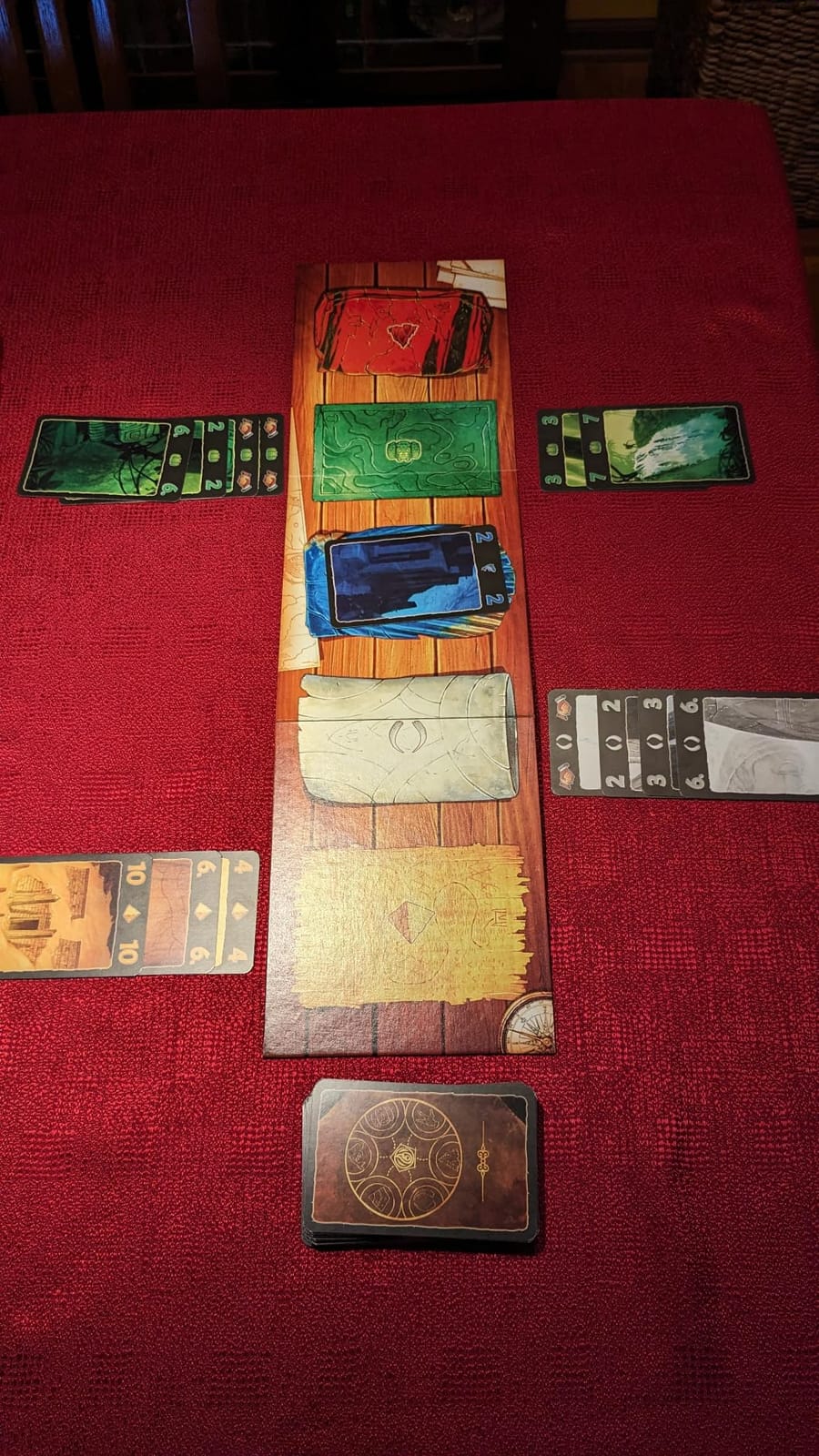
Lost Cities is the box we recommend to two adults who want real tension in a very short window. Each player races an expedition to one of five locations, laying down cards that must be played in ascending or descending order of value. Every card you commit raises the stakes on that location, and the payout at the end depends on how exposed you leave it.
The core decision repeats constantly: start a new expedition for safety, keep pushing one location for a bigger score, or abandon a line that is going badly. That risk-versus-reward structure is why the rules are simple but the play is not, and it is why the second game usually plays better than the first.
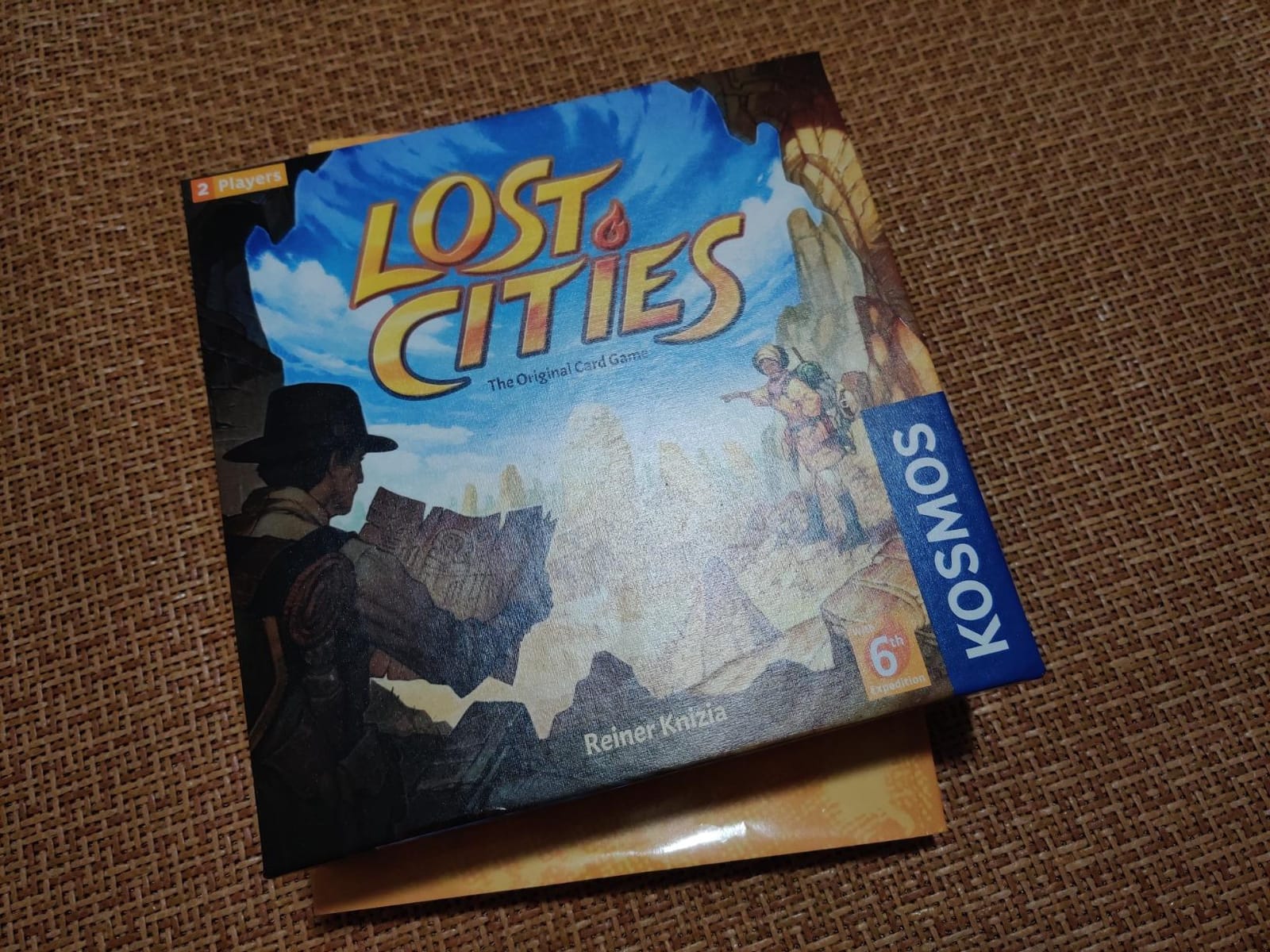
This edition ships with a sixth expedition set and a two-sided board, which adds a column of locations and more opening options. Rounds often resolve in 10 to 15 minutes, and only the deck is strictly required to play.
Owners call it an essential two-player card game, and the recurring nitpicks are physical rather than mechanical: values are printed only on the card face, so hands need sorting after each shuffle, and some buyers report fraying after light use.
Who will like this most
Two players who enjoy push-your-luck decisions and short games. The math is light, so you can play while talking instead of concentrating on a rulebook.
Because only the cards are needed, it is the easiest game here to take on a trip and to play on a smaller table than a normal board allows.
Who will not enjoy this
Players who want visible component quality. There is no compact card-only case in this edition, and scoring asks you to keep track as you go, so a pen and scrap of paper help.
If you want components that survive heavy handling, a board-and-piece game like Onitama or Stratego will hold up better over years of play.
10. Catan Rivals – Best Two-Player Catan Experience
CATAN Rivals for CATAN Card Game – Build, Trade and Conquer! Strategy Game, Family Fun for Kids and Adults, Ages 10+, 2 Players, 45-60 Minute Playtime
Ages 10+
2 players
45 to 60 minute playtime
Three theme sets included
Pros
- Captures Catan building for exactly two
- Three theme sets add variety
- Die rolls create tension without runaway wins
- Compact card format replaces the big board
Cons
- Steep curve for players new to Catan
- Rulebook references are out of order
- Cards are small and hard to read
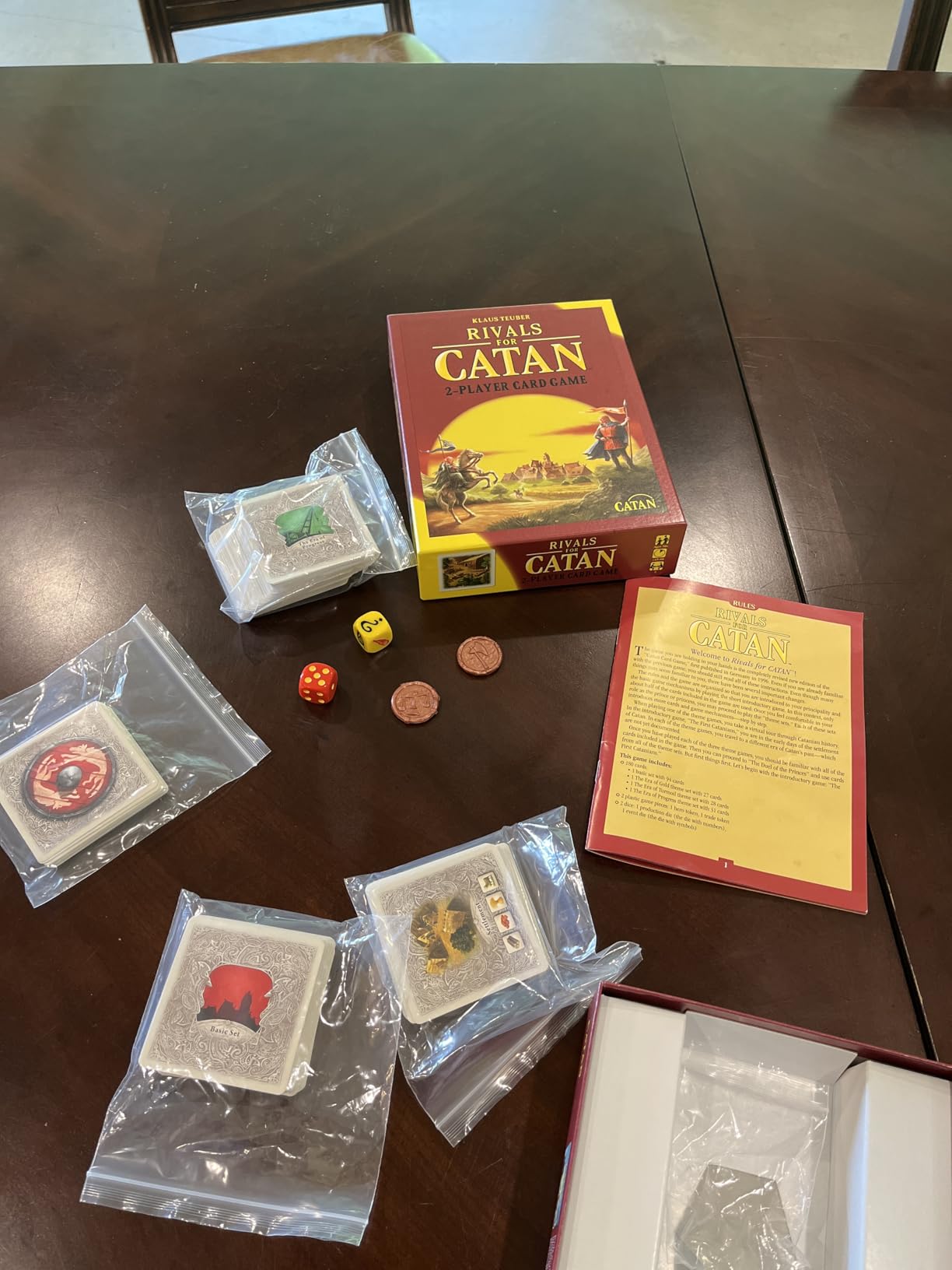
If your household already knows Catan, this is the version built for head-to-head play. Two factions develop settlements on a new island, drawing resource cards and rolling for what you can build, and the large base board is replaced by a compact card game that takes about 45 to 60 minutes.
Three theme sets are included, covering an Age of Gold, an Age of Turmoil, and an Era of Progress. They escalate the difficulty, so the same box works for a first game and for players who already know what they are doing, and buyers report close finishes rather than blowouts.
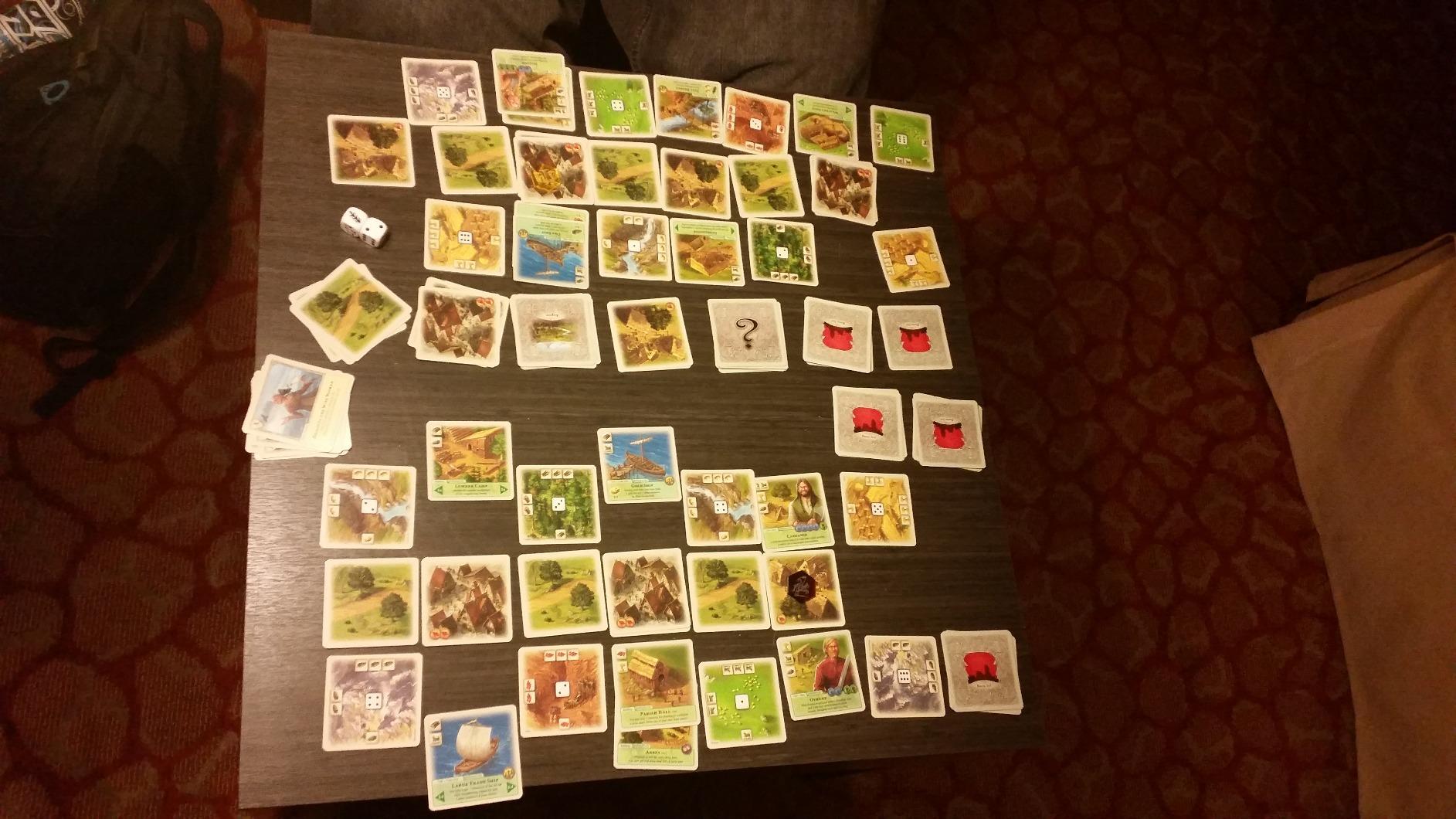
The dice keep this competitive without being unfair, which is why it works for mixed-skill pairs. A stronger player can still lose to a weaker one, and the theme sets keep a familiar design from going stale.
The honest weaknesses are physical and instructional. The cards are small and somewhat flimsy with type that is hard to read under low light, and the rulebook references jump around, so first-time Catan players should expect to reread sections.
Who will like this most
Couples or friends who already enjoy Catan and want the two-player version without setting out a large board. It reuses a familiar system with a much smaller footprint.
It also works as a bridge to heavier card games later, since the building and development structure resembles broader card-driven designs.
Who will not enjoy this
Anyone starting from scratch. The learning curve is the steepest on this list, and the box has no way to secure the cards, so they slide when handled heavily.
One more gap: player trading was removed in this design, and some Catan players miss that element. If you want a quicker introduction instead, Jaipur delivers similar trading tension in half the time.
11. Splendor Duel – Best Gem Collecting Duel for Families
Splendor Duel Board Game – Two-Player Strategy Game for Intense Gem Collecting Battles – Fun Family Game for Kids and Adults, Ages 10+, 2 Players, 30 Minute Playtime, Made by Space Cowboys
Ages 10+
2 players
30 minute playtime
67 jewel cards
Privilege scrolls
Pros
- Tighter than the original at two players
- Extremely easy to set up and learn
- Privilege scrolls and pearl add variety
- Plays well with young children
Cons
- Cards are small and hard to see across a table
- Only two pearl tokens
- Less essential if you own the original
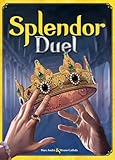
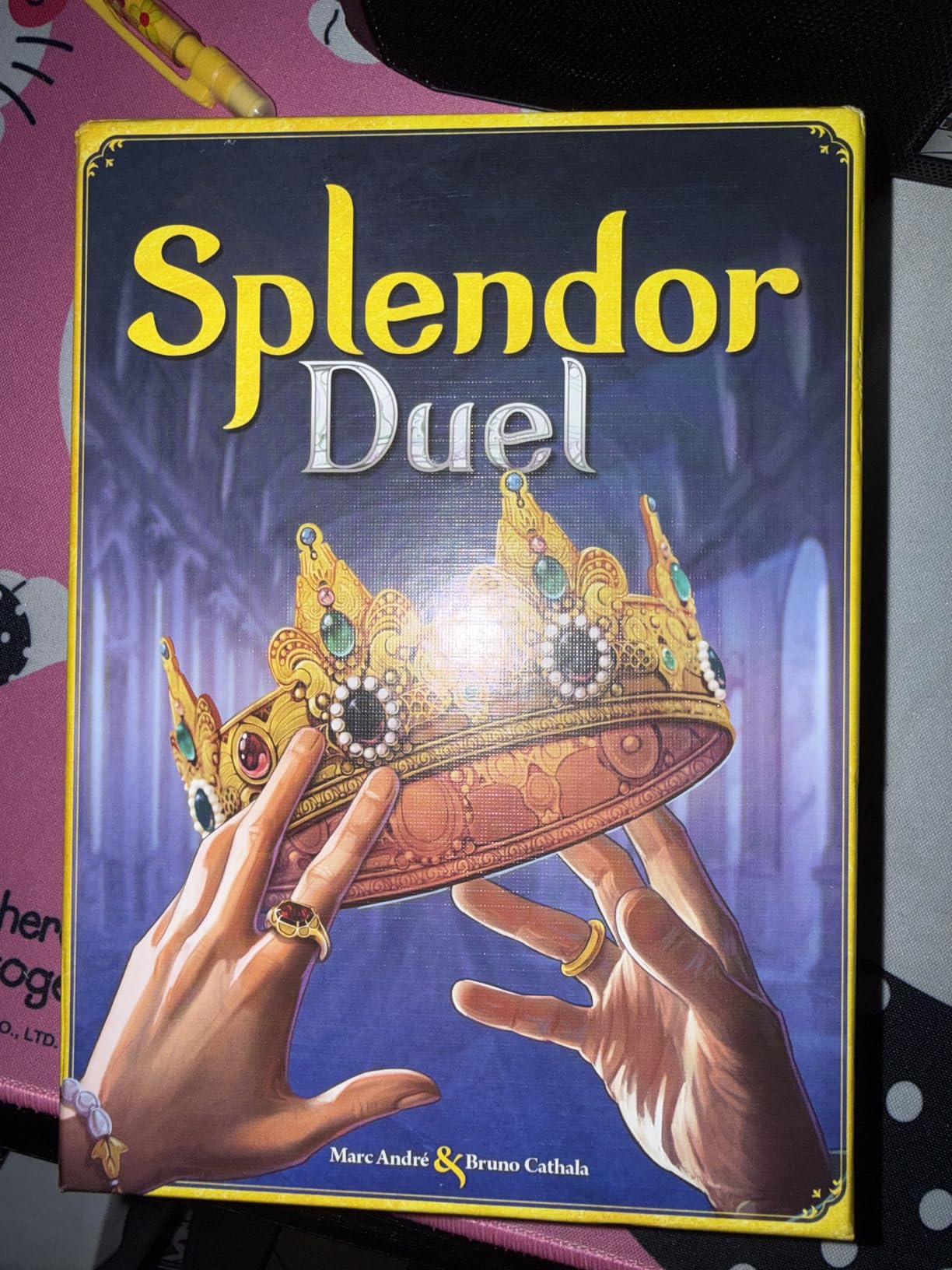
Splendor Duel takes the familiar gem-collecting engine and rebuilds it for exactly two. You collect low and high value gems, claim development cards that give permanent bonuses or prestige points, and race to a victory tile. The box includes 67 jewel cards, 25 plastic gem tokens, privilege scrolls, and four royal cards.
What changes for two players is the directness. Privilege scrolls let you take an action your opponent would prefer you did not, and the pearl acts as a wildcard, so every turn is spent reading what the other person is building rather than planning alone. Sessions run about 30 minutes.
Buyers who already play the original generally rate the duel version higher, crediting the pearl, the scrolls, and the new victory conditions with more tension at the table. It is also one of the easiest games here to teach, and the small box travels well.
The most repeated complaint is card size. The cards are noticeably small and can be hard to see across a wider table, and several owners wish for a larger edition. Reviewers also note that only two pearl tokens are included.
Who will like this most
Families with children from about six or eight upward, and players who enjoy competitive engine building without a heavy ruleset. The components look good enough to leave on the table.
It pairs well as a second game after Jaipur, since both are drafting and timing games with very different pressure points.
Who will not enjoy this
Players who already own the original Splendor. Several reviewers consider the duel version a replacement rather than an addition, so check your shelf first.
If you want deeper decisions, move up to 7 Wonders Duel instead. The two pearl tokens are also a balance point some players would change.
12. BOOP – Best Quick Session With Wooden Cats
Smirk and Dagger BOOP 2-Player Cat Strategy Board Game
Ages 10+
2 players
20 minute playtime
32 wooden cat pieces
Push mechanic
Pros
- Sessions under 30 minutes with intuitive rules
- Boon chains create shifting board states
- Adorable wooden cat and kitten pieces
- Simple rules hide real depth
Cons
- Chain rules feel chaotic on a first game
- Thin theme beyond the cat framing
- Wooden pieces awkward for very young hands
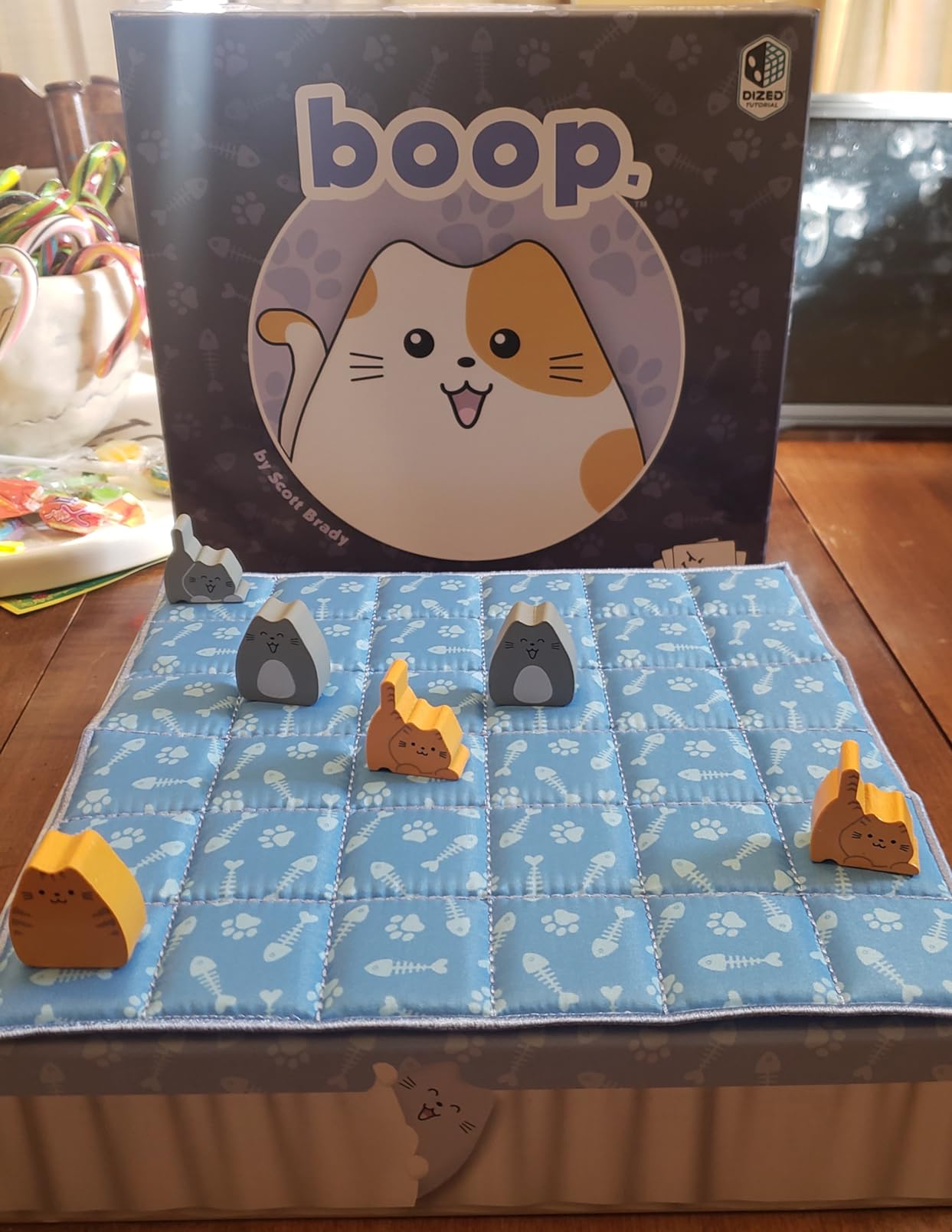
BOOP is the game we reach for when two people want something fast, tactile, and slightly silly. You place cats and kittens on a quilted bed board, and each kitten nudges the adjacent pieces one space, which can shift a whole row in your favour or ruin a good position. A session runs about 20 minutes.
The push mechanic means the board is never still. Planning two turns ahead is nearly impossible because a single kitten placement can rewrite your line, and that unpredictability is the entire appeal. The 32 crafted wooden kittens and cats are also the best-looking pieces in this guide.

Owners love the combination of cute components and genuinely tense abstract play, describing the push mechanic as a source of surprise openings and constant back and forth. It works for kids, adults, friends, and couples without any adjustment.
The recurring criticism is that the chain reactions feel chaotic rather than strategic on a first game, and that the theme is thin once you have seen the whole board. The wooden pieces are also small for very young hands.
Who will like this most
Two players who want a short, physical, low-teach session. Once you understand placement, nobody needs the rulebook again.
It is a good choice for a couple who does not want a heavy evening, and the wooden pieces make it a satisfying object to keep on the shelf.
Who will not enjoy this
Players who want a theme with narrative or a long arc. Beyond the cat framing there is no story, and the randomness of shifted pieces can frustrate anyone who prefers deliberate control.
Very young children may struggle with the small wooden pieces. For a similar length with clearer strategy, Othello is the better fit.
How to Choose a Two-Player Game: 5 Things to Check
The biggest mistake in this category is choosing on theme alone. Two boxes about naval combat can feel completely different at the table, and the deciding factors are practical. Here is the checklist we use when someone asks us to pick for a specific pair.
1. Match the session length to the evening you actually have
Decide the window before you choose. Onitama and BOOP finish in about 10 and 20 minutes, Lost Cities and Fox in the Forest land around 10 to 15 minutes per round, and 7 Wonders Duel, Jaipur, and Splendor Duel take about half an hour. Catan Rivals and Stratego sit at 45 to 60 minutes and want a proper evening.
2. Be honest about teach time
Teach time is the most underrated spec in this category, and the range is wide. Guess Who? and Othello need two or three minutes of explanation. Jaipur, Splendor Duel, and BOOP take about fifteen. 7 Wonders Duel and Catan Rivals take longest, and both come with rulebooks that assume some familiarity, so plan on showing a video or explaining the pricing structure yourself.
3. Decide whether you want a zero-sum duel or a shared win
Every game in this guide is competitive: one player wins and one player loses. That is exactly what a two-player evening with a friend is often for, but couples sometimes want something gentler. If a shared win matters, look for games explicitly labelled cooperative, and expect to shop outside this list.
4. Check the physical footprint against your table and your travel plans
Fox in the Forest and Onitama are the smallest boxes here and fit any surface. Battleship stores everything in two portable cases, and Lost Cities needs only its deck. At the other end, 7 Wonders Duel and Splendor Duel use most of a small table because both players want to see the whole market at once.
5. Check whether one player is new to the hobby
If one of you games and one does not, start flat. Othello, Guess Who?, and Jaipur require almost no teaching, and the jump from there to 7 Wonders Duel or Splendor Duel is a natural step up. Starting with Stratego or Catan Rivals in the same situation usually ends with one person explaining rules for half an hour.
Frequently Asked Questions
What are some good board games for two players?
The strongest all-around pick is 7 Wonders Duel, a 30-minute card drafting game with three separate win conditions. Jaipur and Splendor Duel cover lighter drafting, Othello and BOOP finish in about 20 minutes, and Fox in the Forest fits in a coat pocket for travel. For absolute beginners, Guess Who? needs no explanation at all.
What is the ultimate 2 player game?
There is no single answer, but 7 Wonders Duel is the one we recommend most often because it combines real strategic depth with a 30-minute runtime, supports three ways to win, and softens losses with engine building. If your group prefers shorter or lighter sessions, Jaipur is the more flexible pick.
What are the 10 most popular board games?
Popularity lists usually name broad multiplayer titles such as Catan, Azul, and Exploding Kittens, which are designed for three or four players and only work at two with adjustments. This guide is different: all 12 picks here are built for exactly two competitors, and most of them do not have a third player option at all.
What are some fun games for 2 people?
For pure fun with almost no friction, Guess Who? and BOOP take almost no teaching and finish quickly. Jaipur and Splendor Duel add competitive tension with very little downtime, while Lost Cities and Fox in the Forest deliver card play in short rounds. Every one of these works well for a couple or a friend.
What is the best co-op board game for two people?
None of the twelve games in this guide is cooperative, because all of them are two-player duels where one player wins and the other loses. If you want a shared victory, search specifically for co-op two-player games, which are a separate category and use hidden information and shared planning rather than direct competition.
Can these board games be played solo?
Every box here is listed by its manufacturer as a two-player game, and none of them advertises a solo mode, so buying one of these as a strictly solo title would be a mistake. If solo play is your main use, look for boxes that list a one-player option on the packaging before you commit.
Final Verdict: Which Two-Player Game Should You Buy First?
Buy 7 Wonders Duel first. It is the best all-around entry to this whole category because it is short enough for a weeknight, deep enough to stay interesting after a dozen plays, and structured so that a second game rarely repeats the first. If either of you is brand new to strategy games, start with Jaipur or Othello instead and move up to it once the drafting feels comfortable.
From there, the rest of the shelf fills in fast. Add Onitama for ten-minute abstract duels, BOOP for something tactile and quick, Lost Cities for short card tension, and Fox in the Forest for the travel bag. Every game here is built for exactly two people, so whatever you choose will not sit waiting for a third player.
Whichever box you pick first, play it twice before you judge it. The best board games for 2 players all look similar on a shelf and behave very differently on the table, and the second game is where each of these starts to show what it really is.