

A classroom-ready STEM set is not the same thing as a good STEM toy. A toy lives in one child’s hands on a Saturday. A classroom set has to survive a full rotation of 28 students, get charged or reset between periods, fit into the storage bins you already own, and still teach something on the last day of the unit. That durability, turnaround and storage math is what separates the best stem sets for classrooms from the crowded shelf of building sets that get opened once and abandoned.
We spent weeks going through classroom STEM sets the way a teacher would: sorting them by discipline, counting pieces, checking age labels against the actual difficulty, and asking the questions competitors almost never ask. How many kits do I need for a class of 30? What breaks first? What has to be replaced at the end of the year? If you are outfitting a makerspace, you will also want our engineering STEM toys roundup and our robotics kits for STEM learning picks as companions to this list.
Below are 12 sets that hold up in a real classroom, grouped by what they actually teach: building and engineering, circuits and making, and hands-on science. Every entry includes the age range, the realistic student-to-kit ratio, and the honest drawbacks, so you can size a purchase before you commit to it.
Table of Contents
Top 3 Picks for the Best STEM Sets for Classrooms (October 2026)
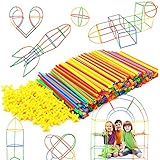
RAINBOW TOYFROG 300-Pc Straw Set
- 300 straws and connectors
- Reusable storage pouch
- Dishwasher safe
- Ages 3 and up

PLUS PLUS 600-Piece Basic Mix
- 600 waffle blocks
- One shape endless models
- Dishwasher safe
- Ages 5 and up

Snap Circuits Beginner SCB-20
- 21 guided projects
- Real working circuits
- Child-safe parts
- Ages 5-9
The straws win on piece count and durability for the money. The PLUS PLUS set is the one teachers reach for when they want flat mosaics and 3D models from a single shape. Snap Circuits is the only pick here that teaches electronics in a way young students can debug on their own.
All 12 STEM Sets Compared Side by Side in 2026
| Product | Specifications | Action |
|---|---|---|
| RAINBOW TOYFROG 300-Pc Straw Constructor Set |
|
Check Latest Price |
| PLUS PLUS 600 Piece Basic Mix |
|
Check Latest Price |
| Snap Circuits Beginner SCB-20 |
|
Check Latest Price |
 Learning Resources Primary Science Lab Set Learning Resources Primary Science Lab Set |
|
Check Latest Price |
 Engino Structures, Buildings and Bridges Engino Structures, Buildings and Bridges |
|
Check Latest Price |
 Makey Makey STEM Kit Makey Makey STEM Kit |
|
Check Latest Price |
 Thames and Kosmos Structural Engineering Bridges Thames and Kosmos Structural Engineering Bridges |
|
Check Latest Price |
 Hydraulic and Pneumatic STEM Kit, 30 Sets Hydraulic and Pneumatic STEM Kit, 30 Sets |
|
Check Latest Price |
 Carson Dellosa STEM Challenges Cards Carson Dellosa STEM Challenges Cards |
|
Check Latest Price |
 Learning Resources STEM Explorers Machine Makers Learning Resources STEM Explorers Machine Makers |
|
Check Latest Price |
 K’NEX Intro to Simple Machines K’NEX Intro to Simple Machines |
|
Check Latest Price |
 TOMYOU 300 Pieces Building Blocks TOMYOU 300 Pieces Building Blocks |
|
Check Latest Price |
One note on ratios before you read further. The sets in the building and circuits categories scale down to about one kit per four students, because four kids can share a straw pile or a Snap Circuits board without arguing. Coding and device-dependent kits need closer to one per two. The hydraulic bulk pack is the only one here that arrives in a genuinely classroom-sized quantity.
1. RAINBOW TOYFROG 300-Piece Straw Constructor Set – Best Overall Classroom Building Set
RAINBOW TOYFROG Straw Constructor Toys Stem Building Toys – 300 Pcs Connectors Toy Building Sets Kids Toys for Boys & Girls – Straw Building Set Engineering Kit – Autism Toy STEM Games
300 straws and connectors
0.55 kg
Reusable storage pouch
Recommended for ages 3 and up
Pros
- Huge piece count for whole-class collaborative builds
- ZIP pouch makes bin storage and reset trivial
- Dishwasher safe so cleanup is a rinse and a cycle
- Works for preschool through upper elementary
Cons
- Straws flex under heavy or cantilevered loads
- Pieces pop apart when forced into unusual shapes
- Trimming extra part sizes needs adult cutting tools
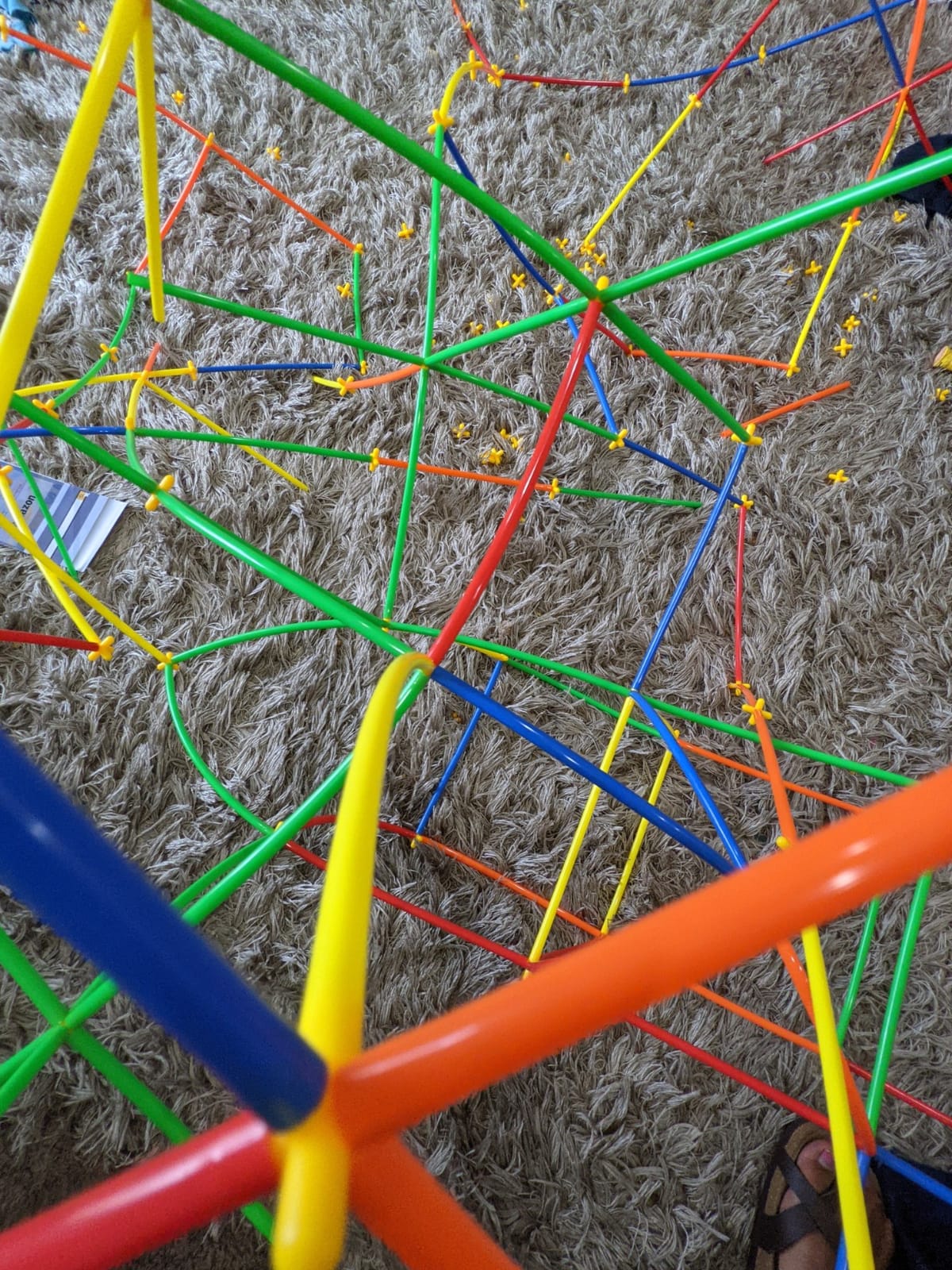
This is the set we hand to a first-year teacher who wants a STEM bin that works on day one. 300 straws and connectors is enough material for a table of four to build something genuinely large, and the whole thing folds into the zippered pouch that comes in the box. That pouch is the unglamorous reason it wins in our testing: it goes into a standard classroom bin without a lid fight at the end of the period.
We put it in front of kindergarteners through fourth graders, and the same open-ended challenge produced wildly different results at each level. The youngest students built flat patterns and simple shapes. The oldest ones attempted a multi-story tower and discovered on their own why base width matters. Nobody needed an adult to run the activity, which is the single biggest predictor of whether a kit survives a school year.
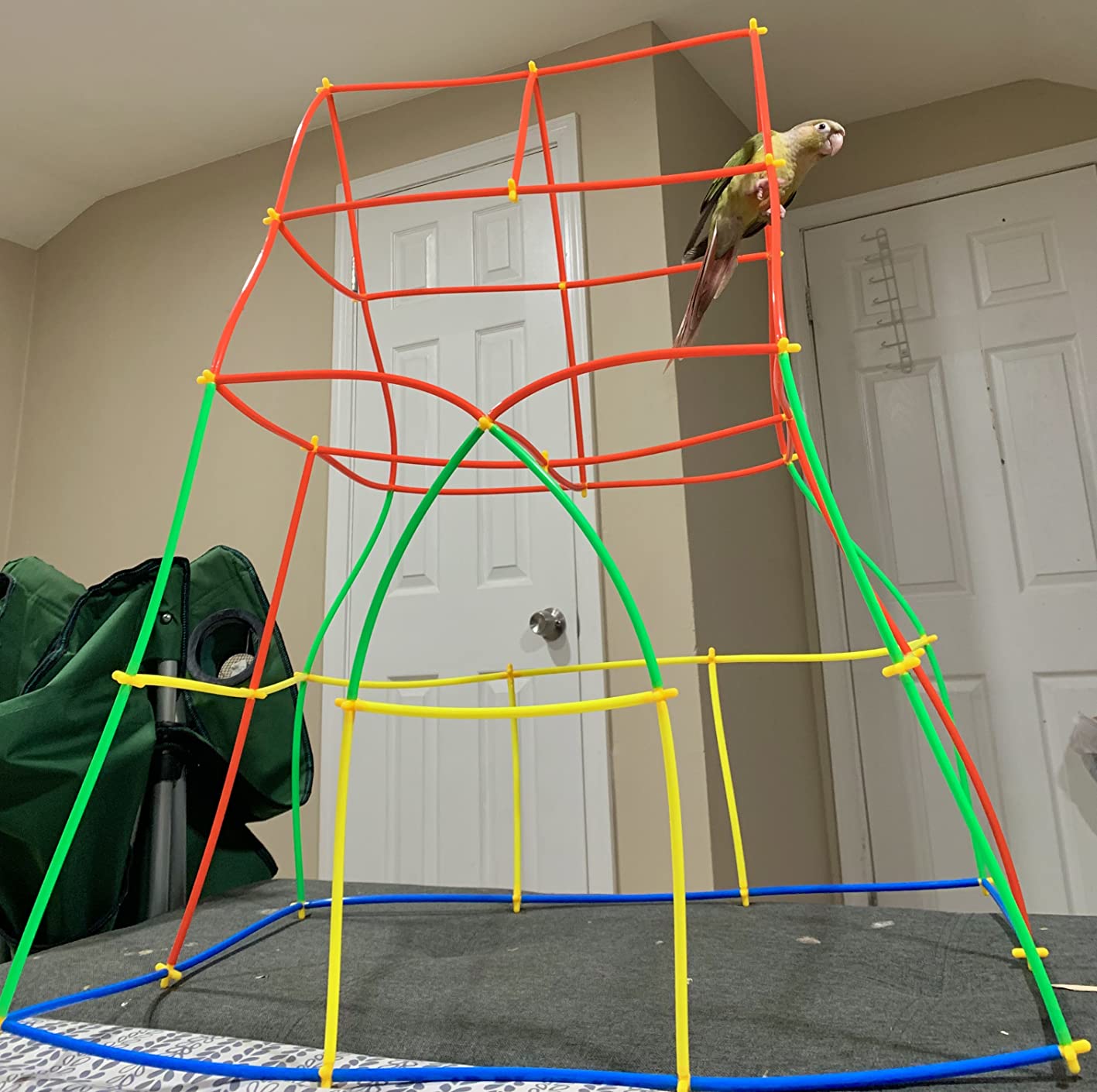
Cleaning is a non-issue. The connectors and straws are BPA-free flexible plastic rated dishwasher safe, and the manufacturer states the set is non-toxic, which is what you need on a spec sheet when a district review committee asks. At roughly half a kilogram the whole kit is light enough for a child to carry from the cart to a table without asking for help.
What to check before you buy in bulk
Count your tables, not your students. Four students per 300-piece set gives each pair of students roughly 75 pieces, which is enough for a substantial build without the pile becoming unsortable. If you have tables of six, buy two sets per table rather than one and let them share, because loose straws swept under a desk are a real cleanup cost.
Buy one set first and let a group finish it before you order for the whole class. The common complaint is that straws flex, so very tall or cantilevered builds will not hold, and you want to know whether your students are content with wide, stable structures before you scale the purchase.
Where it falls short
This is a construction material, not a curriculum. There are no instructions, no challenge cards, and no assessment built in, so the learning sits entirely in how you frame the task. If you want guided challenges with a built-in progression, our engineering STEM toys roundup covers kits that come with lesson structure.
Watch the ends. Pieces can pop apart when children force them into unusual shapes, and the plastic is thin enough to show stress marks at connection points after a heavy term. Budget for a replacement pouch or a few refill sets rather than assuming one purchase covers three years.
2. PLUS PLUS 600 Piece Basic Mix – Best Value for Flat and 3D Building
PLUS PLUS 600 Piece Basic Mix – Mini Waffle Blocks, Classroom Must Haves
600 waffle blocks
368 g
3/4 inch by 1/2 inch pieces
BPA-free, made in Denmark
Pros
- One shape builds both 2D mosaics and intricate 3D models
- 600 pieces supports whole-class or multi-child builds
- Screen-free tactile play with strong fine motor value
- Dishwasher safe and phthalate-free
Cons
- 600 small pieces are slow to count out for younger children
- Included idea guide is thin
- Plays best at about age 5 and above
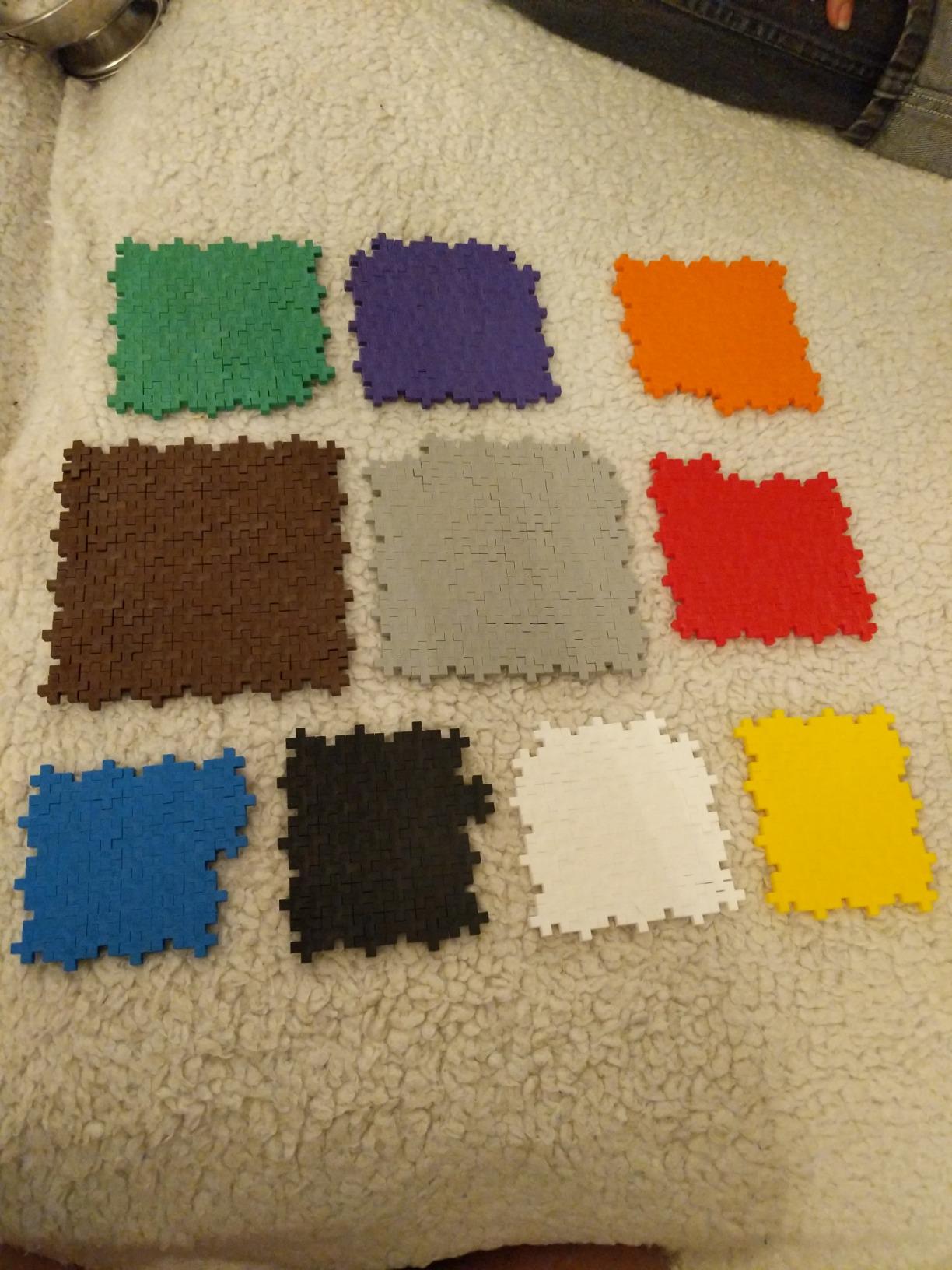
The defining feature of PLUS PLUS is that every piece connects to every other piece. One shape, 600 of them, and suddenly a flat mosaic and a three-dimensional model are made from the same material. That single-property design is why this set keeps appearing in sensory bins and quiet corners alongside the main STEM table.
Reviewers describe it as a classroom staple, and the durability claim checks out: the plastic is BPA-free and phthalate-free, made in Denmark in a zero-plastic-waste factory powered by wind, and the pieces snap together firmly enough to hold a model without glue. The pieces are small at roughly three-quarter by one-half inch, which is a genuine consideration for your youngest students.

There is one classroom-specific benefit that gets overlooked. The pieces float, so the same set works for buoyancy and displacement experiments in a water tray. That means one purchase can serve a structures unit, a fine motor center, and a sink-time science rotation without anyone hunting for a different kit.
Several reviewers specifically mention pairing it with tactile, screen-free play for autistic and ADHD students, where the repetitive snap-together action is genuinely calming and the finished model is visible, tangible proof of the work.
How to handle 600 small pieces in a classroom
Buy a set of sorting trays and a parts-count routine before the first lesson, because the biggest practical cost here is counting, not building. Teachers running this as a center usually give a portion count per station and store the remainder in a lidded bin, which keeps the floor clear and the reset under a minute.
Plan on a one-to-four ratio. Four students with 150 pieces each produce the same collaborative outcome as a single student with 600 and free up three more kits for other centers in the room.
Where it falls short
Counting out 600 pieces is genuinely slow for children under five, and the manufacturer recommends age 5 and up for that reason. If you are outfitting a pre-K room, the TOMYOU blocks in this list handle the same job with larger pieces and a faster reset.
The included Building Idea Guide Booklet is basic, so most of the value comes from open-ended play rather than guided instruction. Budget time to demonstrate one build yourself, because without a model to copy, some students will stall in the first five minutes.
3. Snap Circuits Beginner SCB-20 – Best Classroom Set for Teaching Electronics
SNAP CIRCUITS Beginner SCB-20 STEM Electronics Toy for Kids Ages 5-9
21 guided projects
11.7 x 2 x 7.4 inch board
0.23 kg
Recommended for ages 5-9
Pros
- Builds real functioning circuits rather than pretend electronics
- 21 distinct projects scaffold planning and troubleshooting
- Extra childproofing suits younger engineers
- Colorful illustrated manual written for ages 5-9
Cons
- Snap connections loosen with heavy repeated classroom use
- Batteries are sometimes not included
- Harder projects need adult help past the starter builds
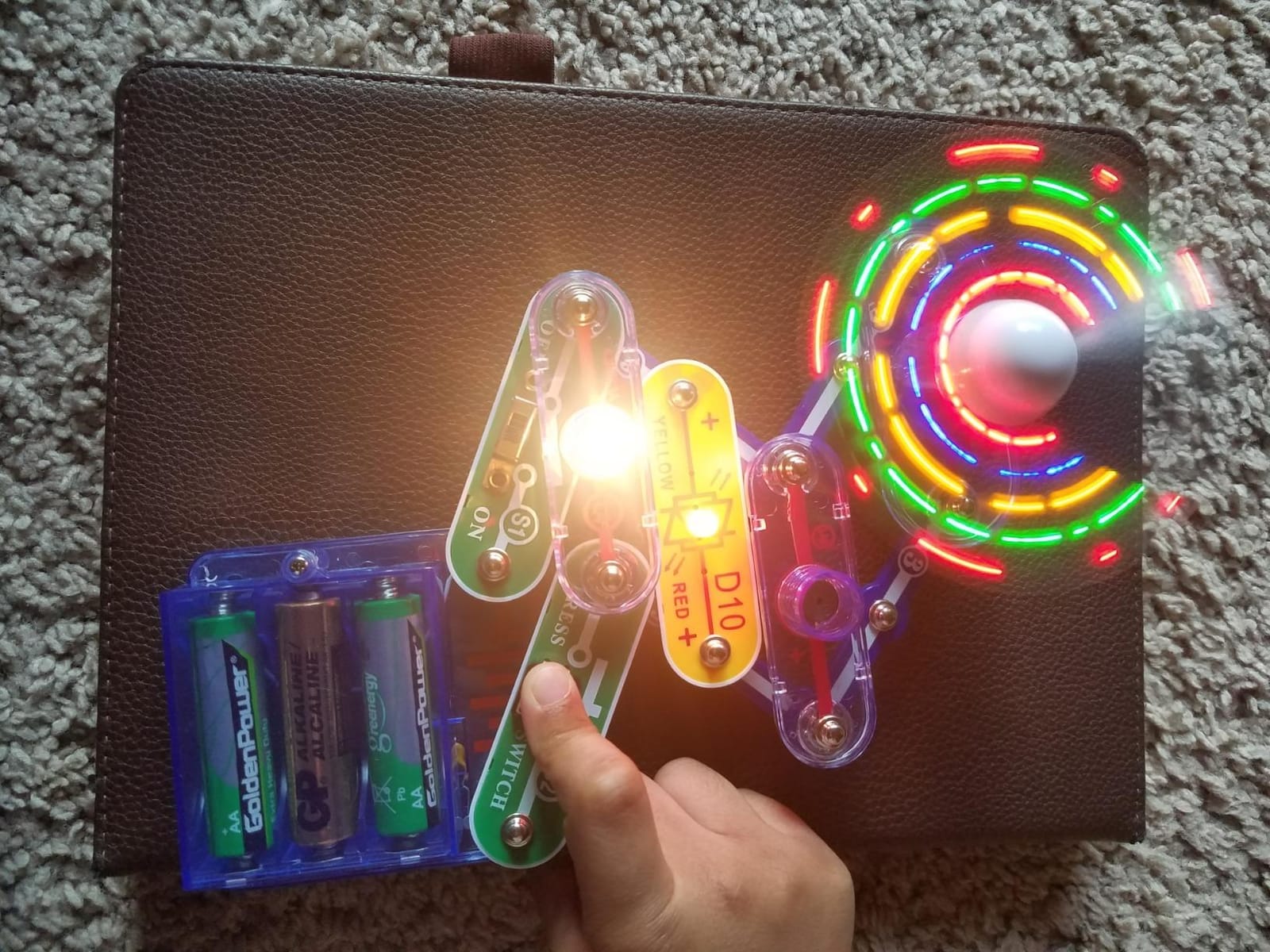
Snap Circuits is the only set on this list where a child can build a circuit that genuinely works, and that changes how they learn. When a fan does not spin, the problem is real, the debugging is real, and the fix belongs to the student. That is the difference between electronics as a topic and electronics as an experience.
The Beginner SCB-20 includes 21 projects with age-appropriate diagrams and language, plus a lighted color-changing fan so there is an obvious win on day one. The components snap onto a base board, which means a build either holds together or fails for a reason the child can investigate. No loose wires, no breadboard confusion at this level.
It has won Specialty Toy of the Year and carries the STEM.org approval mark, which matters if you are writing a purchase justification for a grant or a district review. Reviewers frequently pair it with a projector or the Snap Circuits app when they want the whole class to follow the diagram at once.
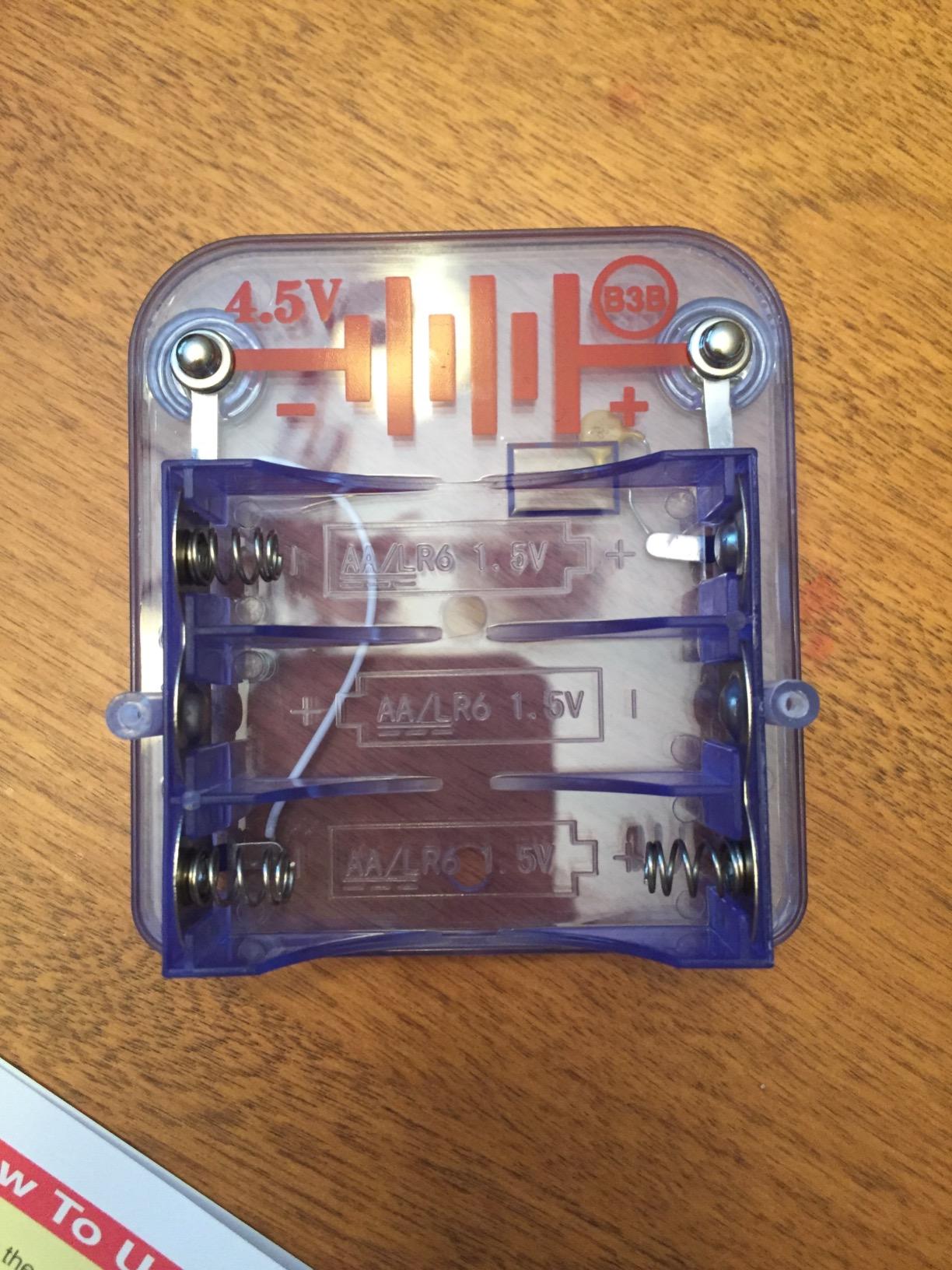
The kit itself runs on alkaline batteries, so add a battery pack to your spare-parts list at the start of each term. The base board and modules are a manageable 11.7 by 7.4 inches, which is good news for cart storage.
Plan for a shared-board rotation
One board per three or four students is realistic if you structure it as a station with roles: builder, reader, tester, recorder. The projects are short enough that a group finishes one in a single period, and the 21-project library gives you weeks of material before anything repeats.
Keep a laminated copy of the project diagrams in the bin. Several teachers report the biggest gain comes from students working from a visible card rather than hunting for the manual, and it removes most of the adult help needed past the starter builds.
Where it falls short
Durability is the honest weakness. Reviewers report that snap connections wear or loosen with repeated classroom use over a school year, so a kit that is in constant rotation will need pieces replaced sooner than a box of building pieces would.
It is also a fixed project kit, not an open-ended one. Once children have worked through the projects, the set needs new challenges or a companion electronics kit to stay interesting, so plan the purchase as the start of a sequence rather than a complete electronics program.
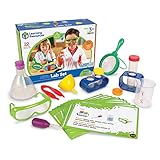
4. Learning Resources Primary Science Lab Set – Best for Preschool and Pre-K Science
Learning Resources Primary Science Lab Set
22-piece lab set
1 kg
10 laminated activity cards
Recommended for ages 4-7
Pros
- Real functional lab tools genuinely sized for small hands
- Thick plastic survives drops and enthusiastic play
- Goggles and chunky pieces work for independent preschool use
- Ten double-sided cards give adults a guided structure
Cons
- Test tube lids are not leak-proof during vigorous shaking
- Tweezers do not fit inside the test tubes
- None of the 10 cards use the included flask
For a pre-K or kindergarten room, this is the set most teachers end up recommending. The tools are real laboratory tools, not pretend ones: flask, beaker, magnifying glass, eyedropper, funnel and tweezers, with lidded test tubes, stands, and child-sized safety goggles. Daycare and preschool teachers report children fighting over the goggles, which is usually a good sign.
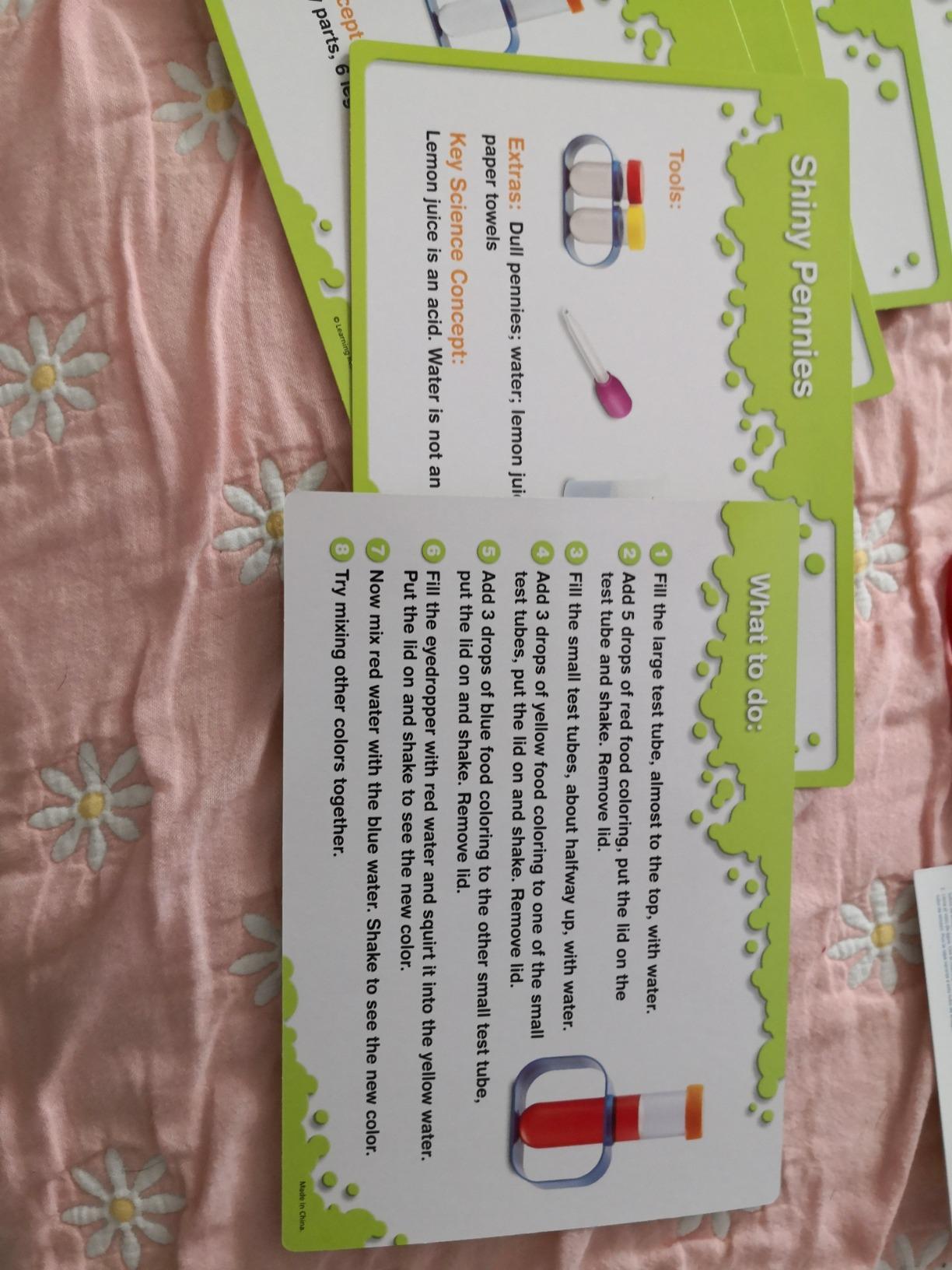
The 10 double-sided laminated activity cards are the reason it works in a classroom rather than just at home. Each one gives an adult a structure to run, which means a center can operate semi-independently while you work with a small group elsewhere.
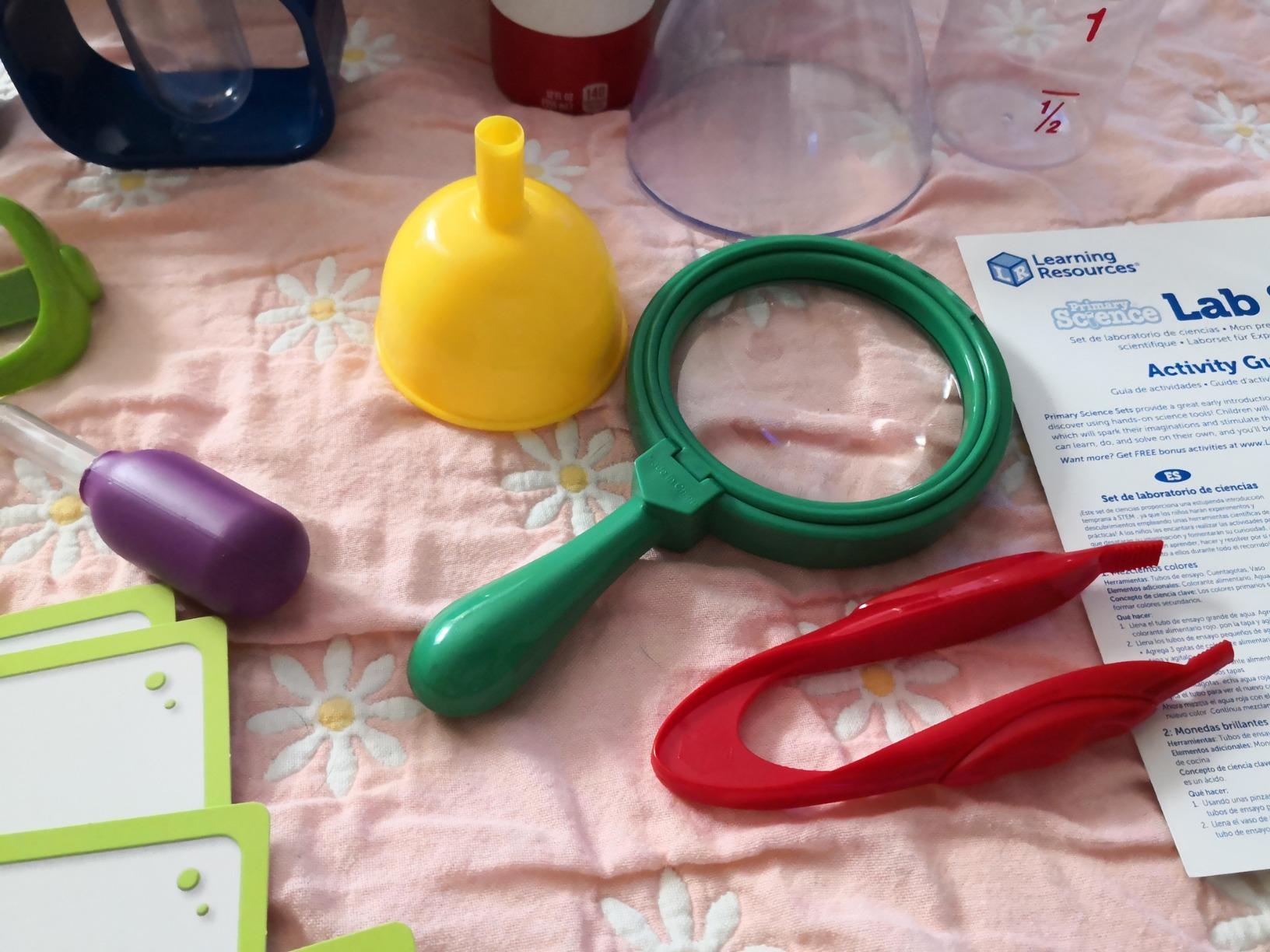
Everything is thick, sturdy plastic that survives being dropped, which is the entire reason to spend more than a cheap pretend set. The activities use common household ingredients, so the material cost is a few dollars in baking soda, vinegar and food coloring for a full rotation of students.
One nice bonus: the set doubles as a bath toy. Reviewers mention this constantly, and for a preschool room that extends the life of the purchase considerably.
What to prep before the first lab session
Gather your consumables in a single labeled bin and refill it monthly. The cards assume basic pantry ingredients, and running out of food coloring mid-lesson is the fastest way to lose a class. Pre-portion into small squeeze bottles so four-year-olds are not pouring from a large container.
Skip the shaking activities. The lids are not leak-proof, so choose the stirring and observing projects instead, or have students carry the tubes to the sink in a tray rather than lifting them off the table.
Where it falls short
There are small design gaps worth knowing before purchase. The tweezers do not fit inside the test tubes, so a few card steps cannot be completed exactly as written, and none of the ten cards use the included flask, which can frustrate rule-following preschoolers.
Children also tend to exhaust the ten cards in a few sessions and need new ideas afterward. Pair it with the Carson Dellosa activity cards later in the list so you have a second activity stream for the same room.
5. Engino Structures, Buildings and Bridges – Best Engineering Kit for Ages 9 and Up
Engino- STEM Toys, Structures, Buildings & Bridges, Building Toys for Kids 9+, STEM Projects, Creative Engineering Kit, Gifts for Boys & Girls (9 Model Options)
9 engineering models
680 g ABS plastic
10 pages of theory and a quiz
Recommended for ages 9 and up
Pros
- Teaches real structural engineering rather than just snapping blocks
- ABS plastic holds up to repeated build-and-rebuild cycles
- Theory booklet with experiments and a three-page quiz
- Designed by an engineer and a teacher
- 2-year limited warranty
Cons
- Most models need the companion app and are not self-contained
- Cable and rope models are poorly explained
- Some reviewers found older PDF instructions necessary
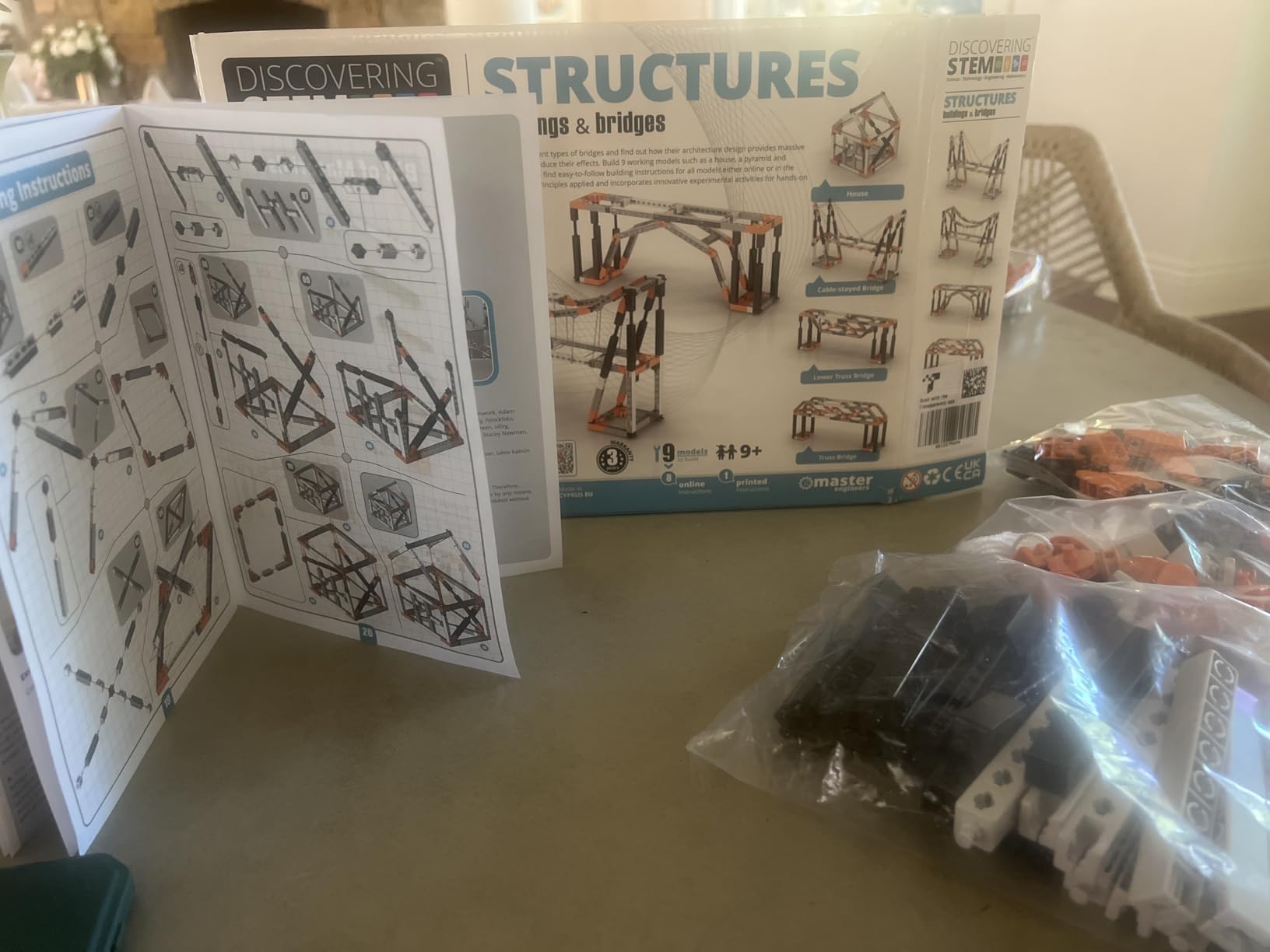
Engino is the pick for a middle school or high school structures unit. The 9 models span a house, a pyramid, a beam bridge, an arch bridge, a truss bridge, a cable-stayed bridge and a suspension bridge, so students are not just copying the same connection type nine times. They encounter different structural logic each time, which is where the actual learning sits.
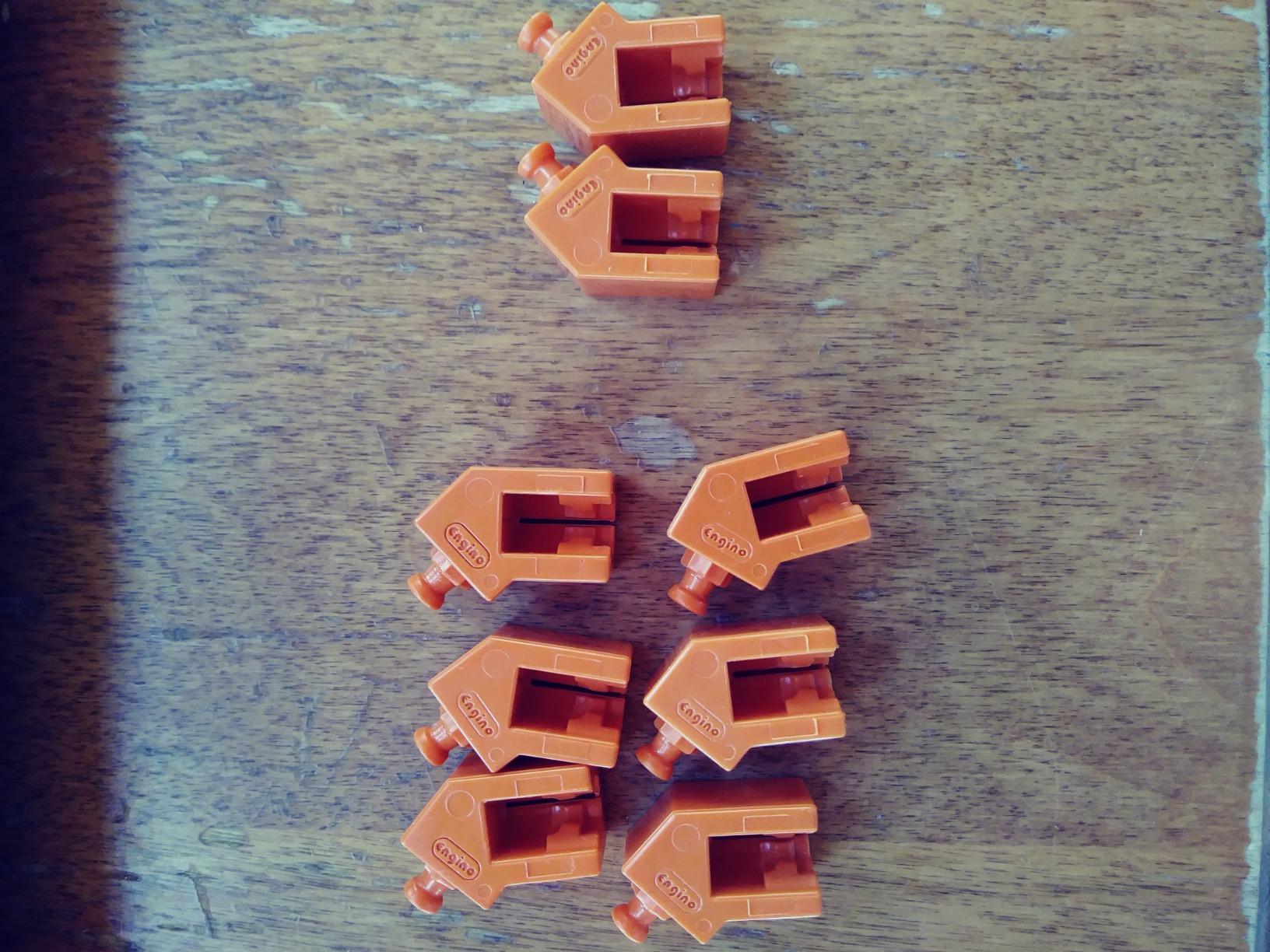
The patented multi-directional snap-fit system is the mechanical reason the models hold. Pieces connect in more than one plane, which allows genuinely complex three-dimensional structures rather than flat assemblies, and the ABS plastic survives the repeated build-and-tear-down cycle that a classroom demands.
Content matters here too. The kit includes 10 pages of theory, facts and experiments plus a three-page quiz, and it was designed by a working engineer and teacher, so the printed material reads as instruction rather than marketing. Many owners report children building with it daily for months.
There is a two-year limited warranty, which is unusual in this category and worth noting in a district purchase justification. A document camera also becomes genuinely useful here, since the app diagrams are small and students need to see them at the same time.
Set up for a device-dependent class
Read the app requirement before you buy in numbers. Most models depend on the free companion app, so every station in the room needs a device, and you should confirm the app works on whatever district hardware you actually have rather than assuming it will.
Plan on one kit per two or three students. This is a focused, guided build rather than a free-play pile, and three students per kit keeps the conversation focused on the structure instead of on who holds the pieces.
Where it falls short
The instruction gap is the dominant complaint in reviews. Anything beyond the simplest models needs the app, and the cable and rope sections are the weakest part of both the app and the printed booklet, with several reviewers going online to find older PDF instructions to finish bridge models.
A few owners also report the cable-tie hardware feels inexpensive and the finished rope-and-cable bridges look less polished than the rest. If suspension bridges are your target topic, test those models with your strongest students first.
6. Makey Makey STEM Kit – Best for Open-Ended Coding and Invention
Makey Makey STEM Kit from Joylabz, Educational Science Kits, 1000s of Engineering and Computer Coding Activities, Hands-on Technology Learning Fun, Engineering Kits for Kids, STEM Kits
USB input board
6 wires and 7 alligator clips
4.75 x 3 x 2 inches
Recommended for ages 8 and up
Pros
- Turns everyday objects like bananas into touchpads
- No programming knowledge or software installation required
- Works across Mac Windows and Chromebook
- Essentially unlimited open-ended invention potential
- Compact and durable for repeated classroom use
Cons
- Requires a computer and is not a standalone toy
- Older or slower machines can struggle with the USB connection
- Activities can be advanced for children under 8
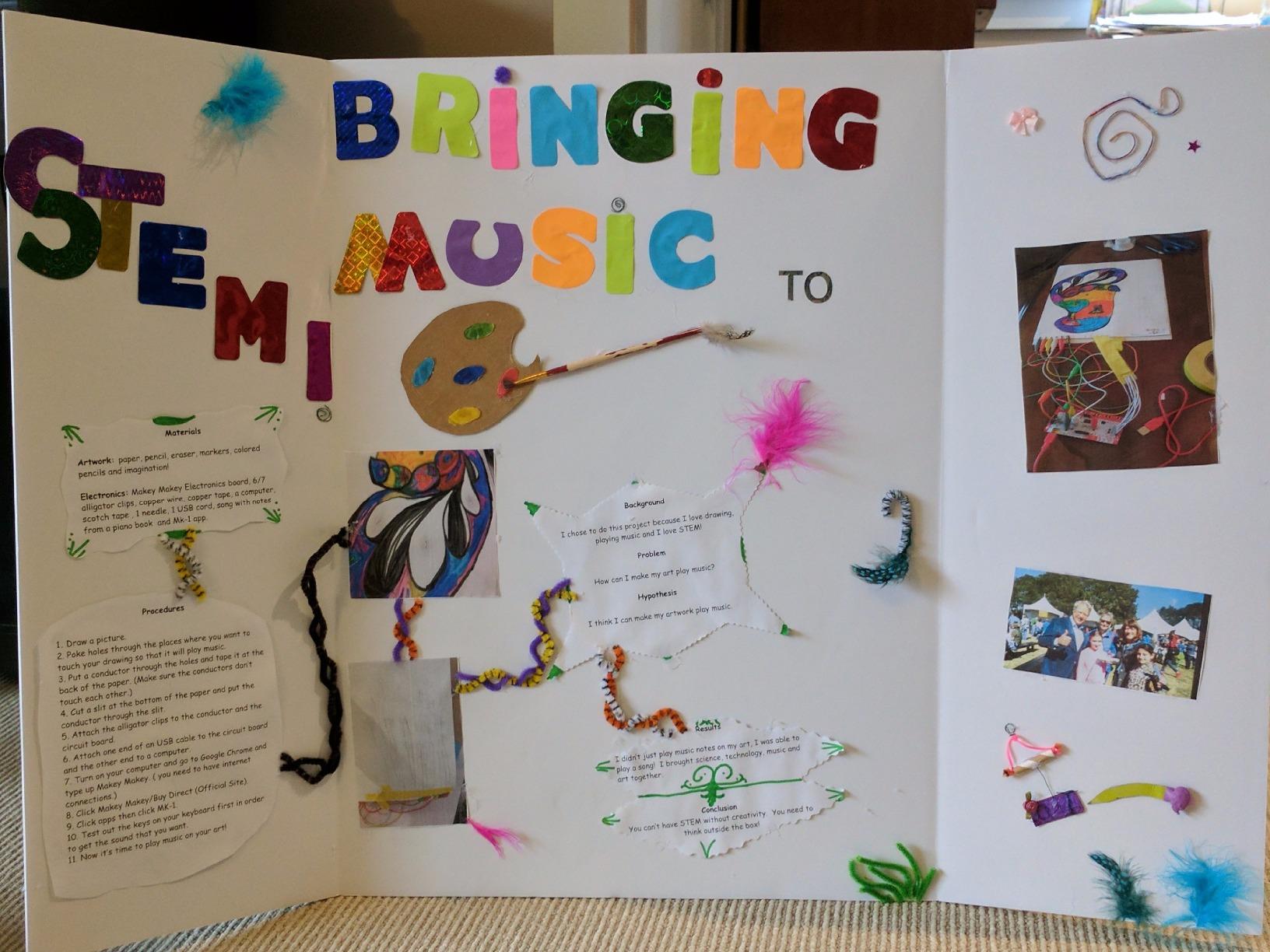
Makey Makey bridges coding and physical making better than anything else in this list. The board connects over USB and turns conductive objects into keyboard inputs, so a banana, a pencil drawing on aluminum foil, or a wet sponge becomes a controller. Students are writing real code, and the input is something they built with their hands.
There is no software installation, which removes the single most common barrier in a school IT environment. It works on Mac, Windows and Chromebook, so a mixed device room is fine. Reviewers consistently describe it as the rare kit that genuinely makes coding tangible rather than abstract.
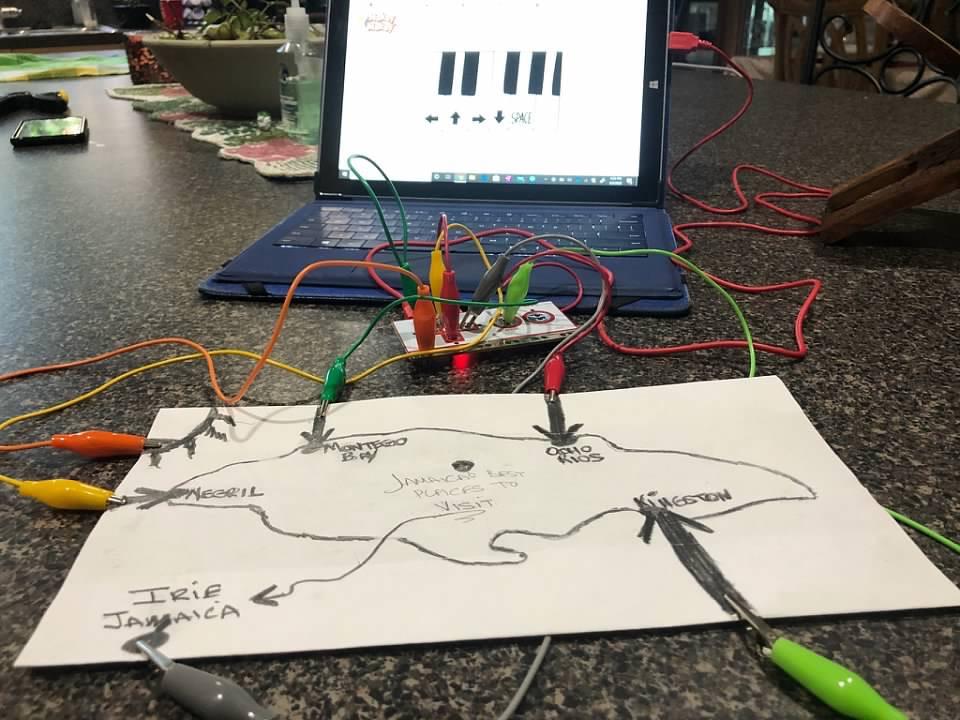
The included components are modest and sufficient: 6 connector wires, 7 alligator clips, and 20 color stickers, with a visual project start guide and online documentation. It was created and designed by MIT PhDs, and that open-ended framing is deliberate. Classroom and homeschool users report children inventing controllers, musical circuits and interactive art installations that were never in any guide.
Size is a real advantage for storage. At under 5 inches wide, a class set of these fits in a single shelf organizer, which matters more than it sounds when you are sharing a makerspace closet between six teachers.
Budget a device per pair of students
This is the most device-dependent kit here. A one-to-two ratio is realistic because each pair shares a board, a set of clips and a set of objects to turn into sensors, and two students per machine keeps a Chromebook cart manageable for a full class.
Test your oldest machines before committing. Reviewers report that older or slower hardware can struggle with the USB connection, and that failure is confusing for students rather than obviously a hardware problem. Keep one known-good device as your demonstration station.
Where it falls short
It is a component kit, not a project kit. You get a board, clips and wires, and everything else has to come from your classroom, so build time depends on how creative your students are and what conductive materials you have stocked.
The clip connections also need regular checking in a busy room. When a wire is loose the code still runs, and a ten-year-old will often blame the program before checking the clip, so make inspecting connections part of your debugging routine from day one.
7. Thames and Kosmos Structural Engineering: Bridges and Skyscrapers – Premium Structural Set
Thames & Kosmos | Structural Engineering: Bridges & Skyscrapers | Science & Engineering Kit | Build 20 Models | Learn about Force, Load, Compression, Tension | Parents’ Choice Gold Award Winner, Blue
287 total pieces
20 buildable models
36-page experiment manual
Recommended for ages 8-14
Pros
- 20 distinct models give a large amount of varied structural practice
- Clearly illustrates compression tension load and force
- Complex enough for older elementary and middle school
- 36-page illustrated manual readable without heavy adult help
Cons
- Connector joints can crack after about a year of regular use
- Included yellow disassembly tool does not grip pieces well
- Instructions are English only
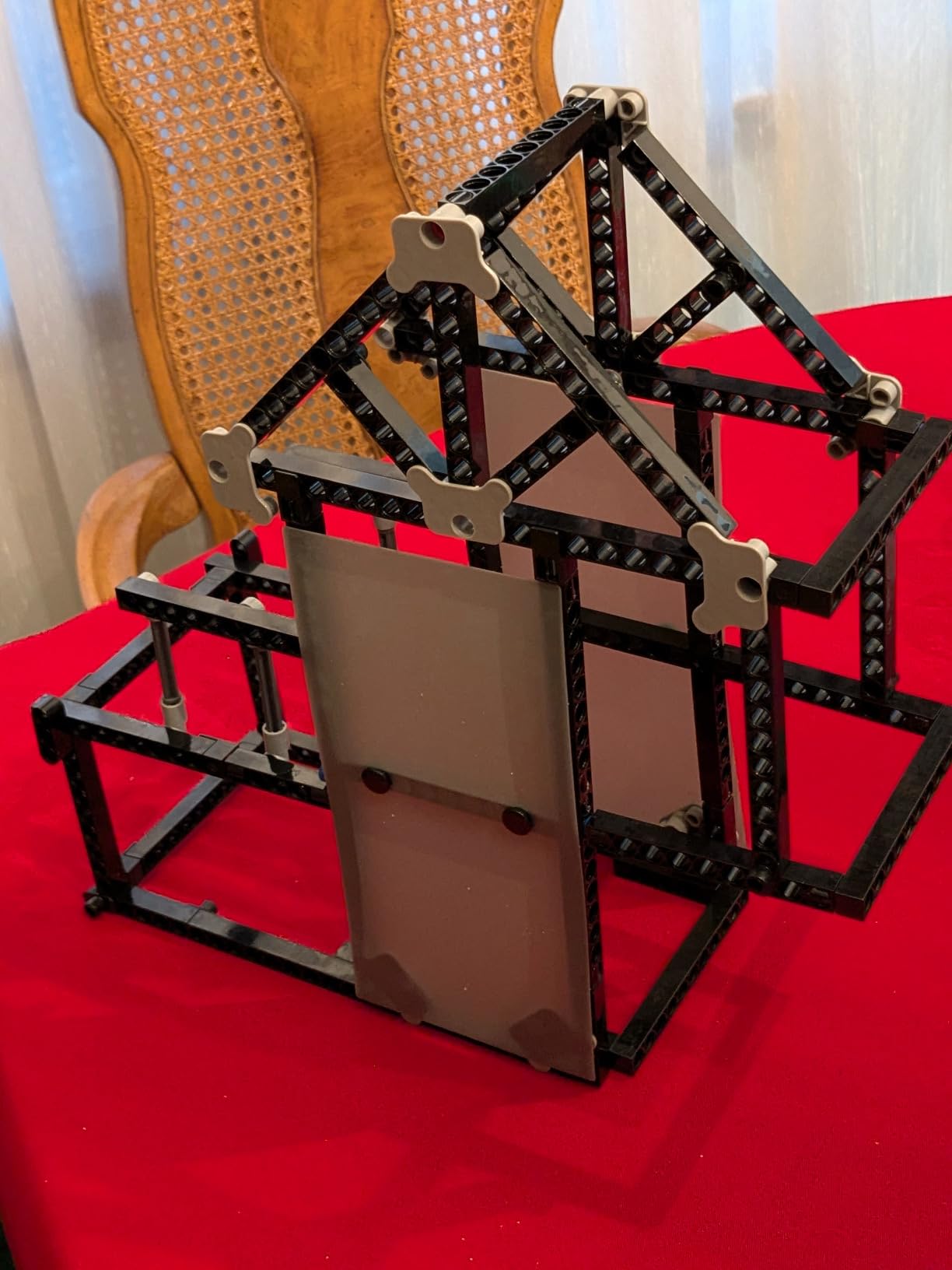
This is the deepest structural content in the roundup. 287 interchangeable pieces and 20 models give students repeated, varied practice with force, load, compression and tension, and the 36-page illustrated experiment manual is thorough enough to run a unit from. Parents and teachers report that it visibly supports civil-engineering concepts in older children.
Skill level is intermediate and the recommended range is 8 to 14, which places it above the basic construction kits in this list. Once a model is built it holds up, so a finished bridge can stay on display for the rest of the term as evidence of the design process.
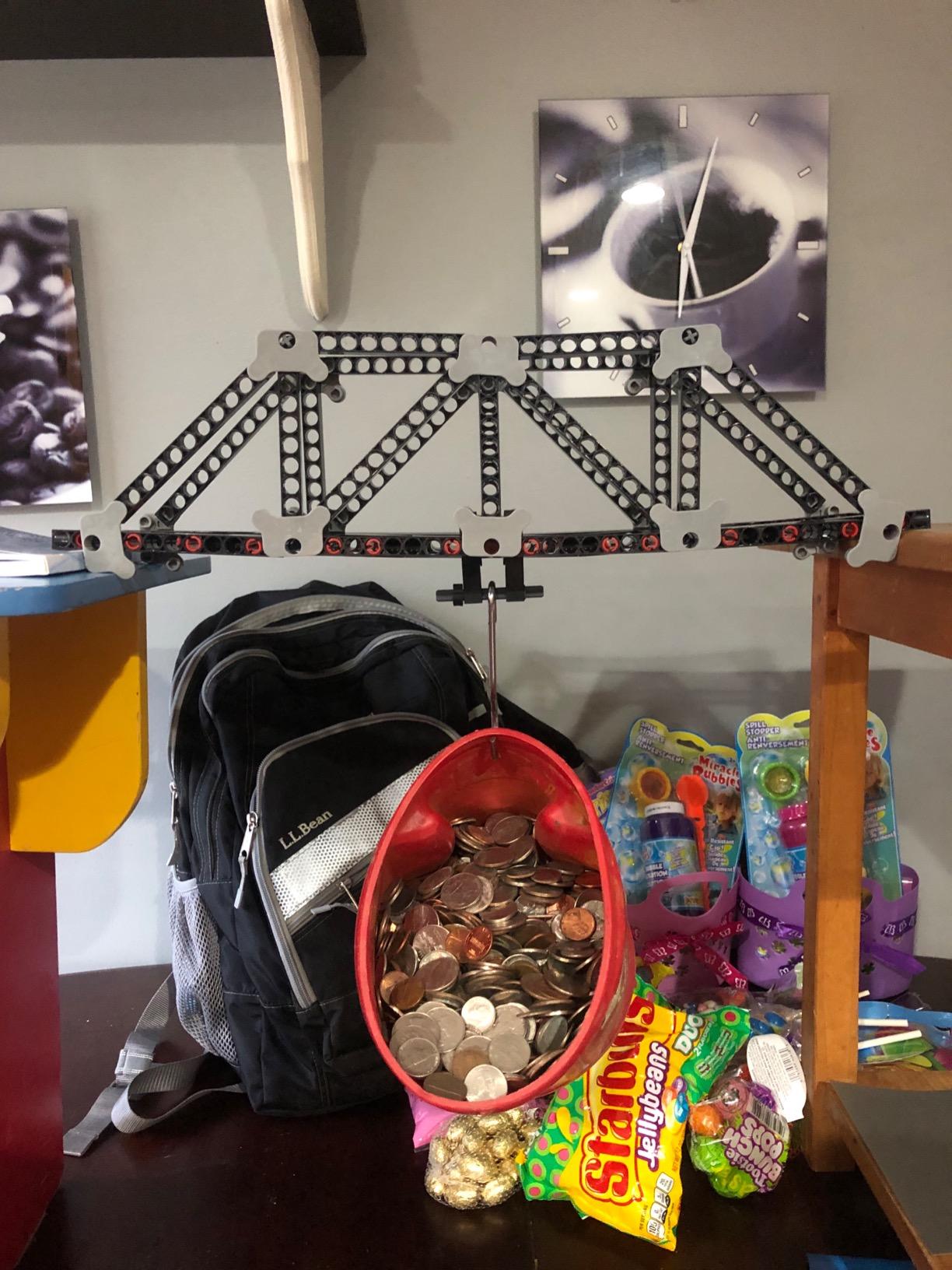
The manual is the quiet strength. Reviewers specifically praise that it is heavily illustrated and readable without heavy adult help, so a center can run semi-independently while you teach elsewhere. It pairs naturally with a durable work surface for older students who will be building and dismantling repeatedly.
There is a one-year warranty against manufacturer defects, so keep your receipt and your purchase date in a shared file for the department.
Budget for the durability timeline
Several reviewers report joints cracking at roughly a year of regular use, so if this kit is going to be in constant rotation, treat the first year as the warranty window and price a replacement into your second-year budget rather than assuming a one-time purchase.
Keep the included disassembly tool with the kit in a labeled bag, and consider adding a plastic spudger to your tool kit, since the most repeated complaint is that the supplied yellow tool does not grip the pieces well.
Where it falls short
Two practical limits are worth flagging. String-based projects need adult assistance to complete, so budget extra adult time for those specific models, and the instructions are in English only, which matters if you have students who are still acquiring English.
The manual density also means younger students need a demonstration. Pair it with a shorter, more guided kit for your lower ability group rather than expecting one set to serve a wide range in the same period.
8. Hydraulic and Pneumatic STEM Kit, 30 Sets – Best Full-Class Bulk Set
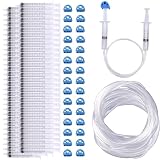
Hydraulic and Pneumatic STEM Kit, 30 Sets – Bulk Syringes, Tubing
30 complete student sets
60 10ml syringes
45 feet of vinyl tubing
30 syringe adapters
Pros
- Bulk 30-set configuration keeps per-student cost low for whole-class use
- Genuine syringe and tubing components build working systems
- Makes pressure force and fluid transfer directly observable
- Components connect without tools or glue
- Enough tubing to link multiple syringe stations
Cons
- Syringes tubing and adapters are consumables and wear out
- Bulky for storage compared with box-based building sets
- Components pack rather than a self-contained curriculum
This is the only kit in the roundup that is actually packaged for a full class. Thirty student sets come as one order, so a class of 30 can each build their own hydraulic or pneumatic mechanism instead of watching a demonstration. Buyers equipping robotics and fluid-mechanics units rate the value of the bulk configuration highly for exactly that reason.
The component list is 60 high-quality 10ml plastic syringes, 540 inches of flexible vinyl tubing, and 30 syringe adapters. The generous tubing length is the most useful reported attribute, because it allows large-group builds where stations connect to one another and students can see pressure moving through a system.
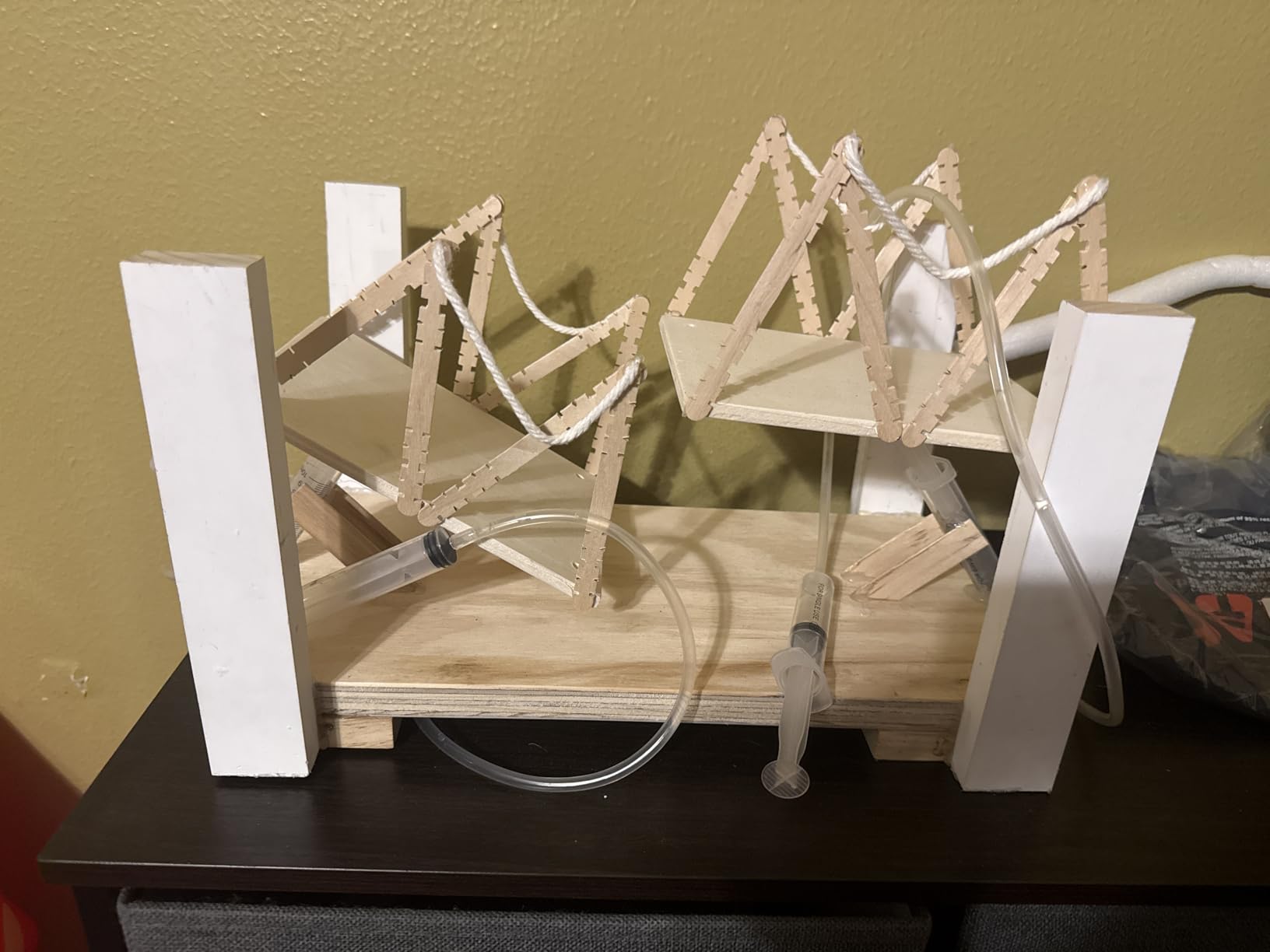
Everything connects without additional tools, glue or hardware, which means setup time is genuinely short. Students build robotic arms, lifts and other pressure-driven mechanisms and can test how force and distance trade off against each other, with the effect visible in front of them rather than on a worksheet.
It works as a natural extension for students who finish a robotics kit early. If you have already covered coding and basic construction, this is a productive way to keep fast finishers challenged.
Plan for consumable replacement
This is a total-cost-of-ownership purchase, and you should budget accordingly. Syringes, tubing and adapters degrade with heavy classroom use, so order a spare set at the start rather than waiting for the midyear failure, and keep damaged tubing out of circulation immediately since small leaks are hard to spot in a busy lesson.
Storage is the other tradeoff. Loose tubing is far bulkier than a box of building pieces, so test whether your STEM cart has room before committing, and consider zip bags per station to keep resets fast.
Where it falls short
It is a components pack, not a curriculum. You will need your own challenges, instructions and assessment, and a teacher new to fluid mechanics will spend planning time building those from scratch.
The bulky components are also less appealing for free play than structured kits, so a student who wanders over with nothing assigned will not spontaneously build anything with it. It rewards a directed task and does nothing without one.
9. Carson Dellosa STEM Challenges Cards – Best Low-Prep Center Resource
Carson Dellosa STEM Challenges, Hands-On, Science Kits
30 activity cards plus divider
33 pieces total
7.75 x 5.5 inch cards
Designed for grades 2-5
Pros
- Covers all four core science domains not just one topic
- Each card lists materials and steps so centers run semi-independently
- Durable cardstock holds up to repeated handling
- Compact boxed set with an included divider card
- Works as a free-choice center or homeschool reference
Cons
- Cardstock shows marker and glue smudging over time
- Activities require common materials sourced separately
- Prompt card set rather than a self-contained project kit
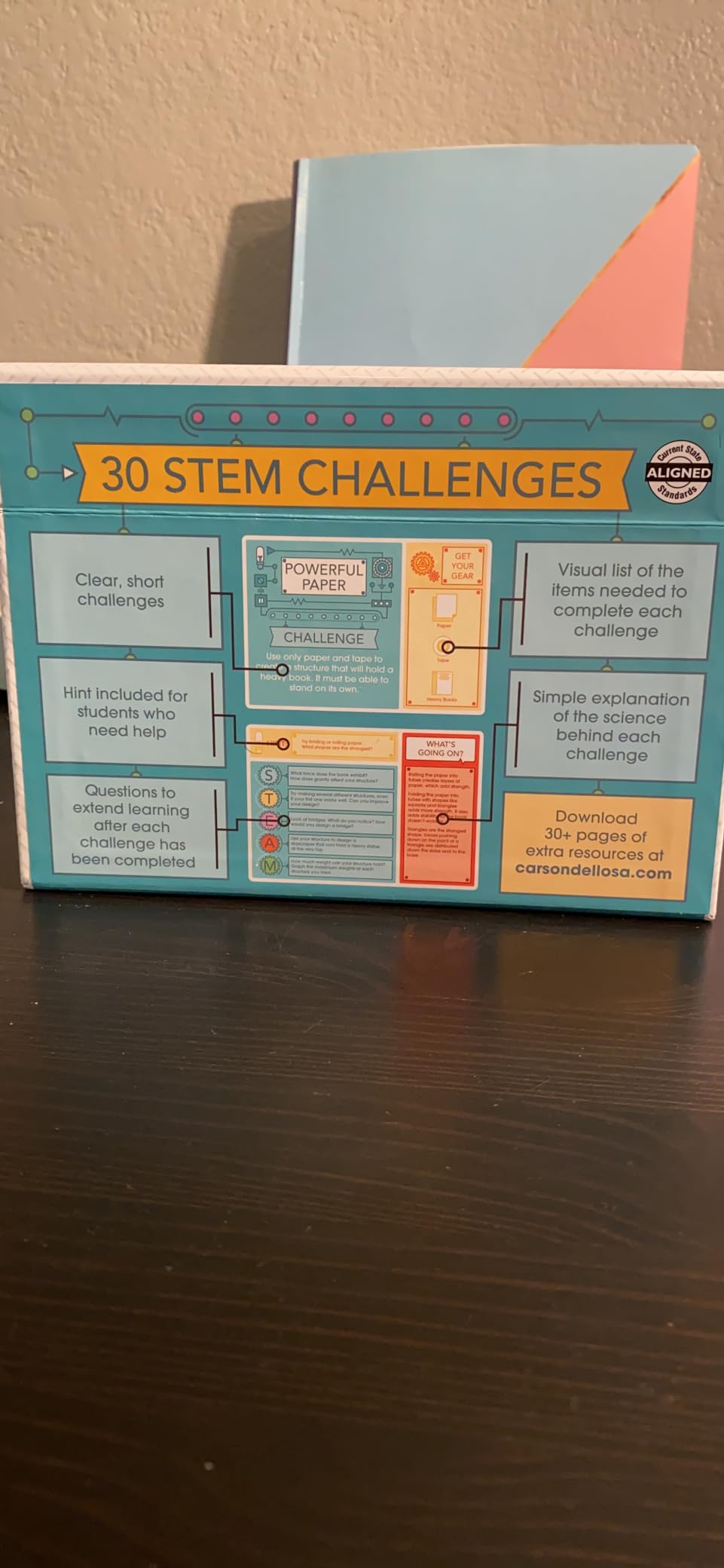
When prep time is the constraint, cards win. Thirty activity cards cover physical, life, earth and space science, so a single purchase gives you a genuinely broad STEM center rather than four centers in four different subjects. Each card lists the materials, the directions, an explanation of the challenge and hints.
Teachers describe these as an easy, low-prep way to add real STEM stations, and they work particularly well for reading and written follow-up after a hands-on lesson. The hint structure is the underrated feature: when a student is stuck, the card gives them a next step instead of sending them to you.
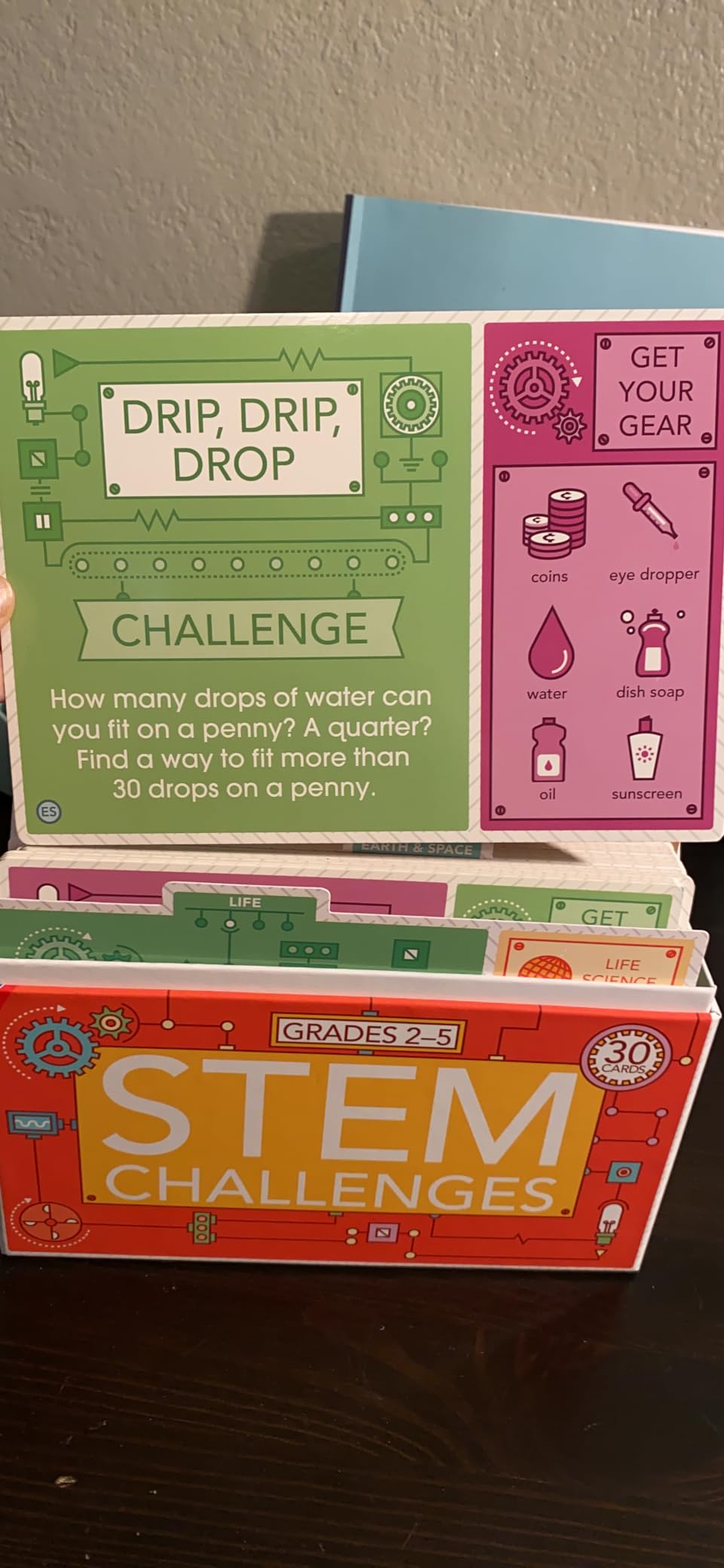
Each card is 7.75 by 5.5 inches, so it is portable enough to hand to a student at a desk and small enough to file in a center drawer. The included divider card keeps the boxed set sorted, which is a small thing that matters when six different people are reaching into the same cabinet.
Coverage is the real value. Most single-domain kits leave you with a physical science box and nothing for life science. This covers all four, so a semester of center rotations is possible from one purchase.
Build a materials station alongside the card station
The cards assume common household and classroom materials that you supply, so the real work is gathering supplies. Create a single materials bin per card and label the lid with the card number. When a card is finished, students refill the bin, and the center stays self-running for a week at a time.
Photograph each card and post the images in your learning platform, which gives you a paper-light version for absent students and for families who want to run the activity at home.
Where it falls short
It is a prompt set, not a project kit. A student who prefers building will find cards less engaging than a bag of pieces, so pair this with a construction kit rather than using it as your only STEM provision.
Cardstock wears. Markers, glue and hands take a toll over a year, and reviewers specifically mention smudging. If you intend to keep these for multiple years, laminate or place them in sheet protectors from the start, which is a five-minute job that extends their life considerably.
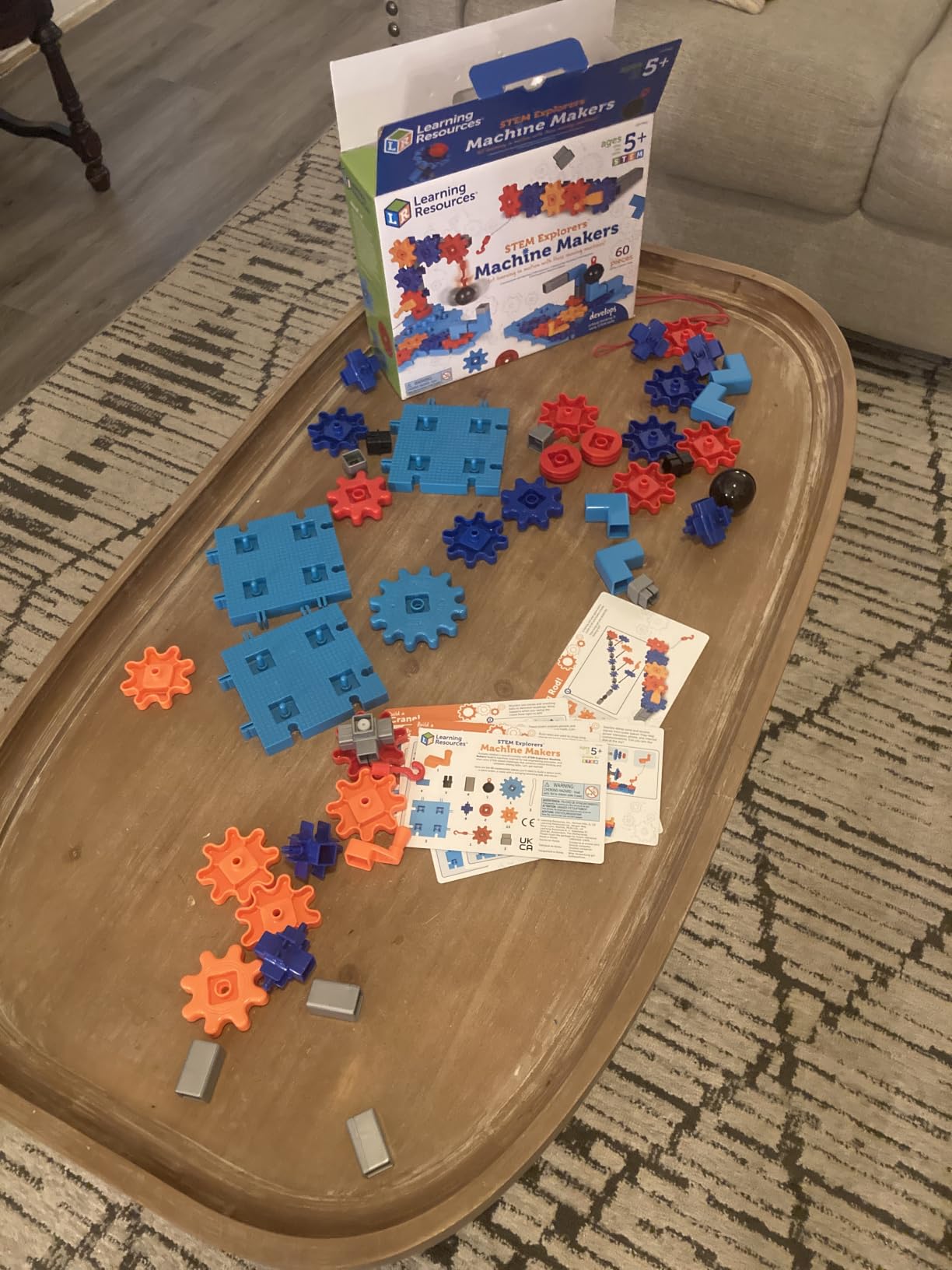
10. Learning Resources STEM Explorers Machine Makers – Best for Young Engineers Building Mechanisms
Learning Resources STEM Explorers Machine Makers
50 pieces with gears and pulleys
9 STEM challenges
10 activity cards
Recommended for ages 5-8
Pros
- Real gear pulley and belt-drive mechanisms give genuine mechanical motion
- Nine challenges with activity cards scaffold independent problem solving
- Buildable models like a crane and rover are highly motivating
- Expands with any Gears! Gears! Gears! set already in the room
- No batteries to lose or replace
Cons
- Smaller parts and thinner plastic than premium building sets
- Some pieces can be tight to press together for younger hands
- Cords and belts can slip off under heavier loads
Machine Makers is the mechanical set for early elementary, and the gears, pulleys and belt drives actually move. That matters more than it sounds, because a child who sees a belt drive turn a wheel understands cause and effect in a way no worksheet delivers. Reviewers specifically praise that the mechanisms move and that the activity cards guide children toward models independently.
There are 9 STEM challenges and 10 activity cards, and the models are drawn from real engineering: a satellite dish, a crane and a space rover. Concrete, recognizable machines are far more motivating at this age than abstract exercises.
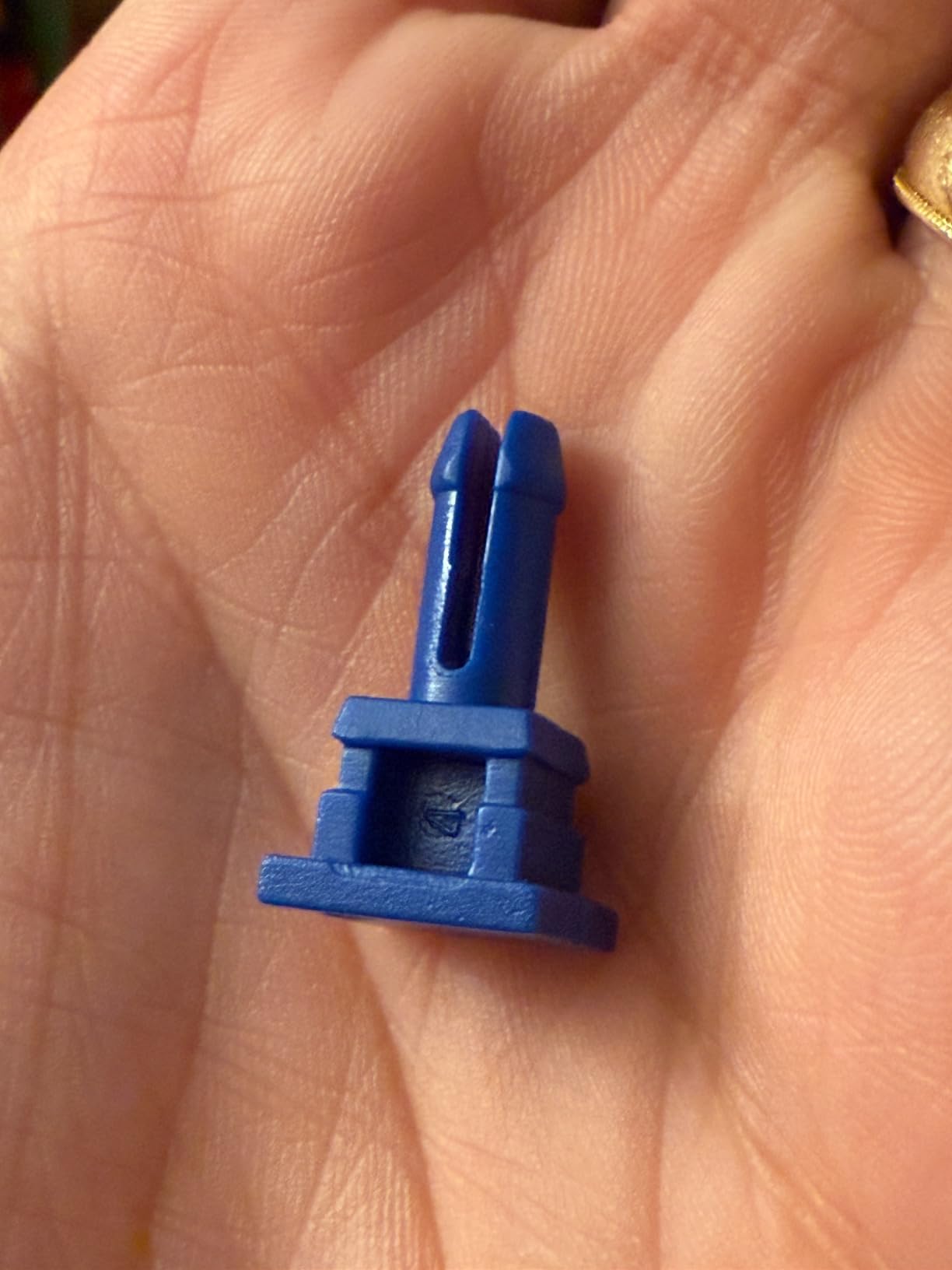
It needs no batteries, so there is nothing to lose, replace or recharge. For a makerspace that already owns Gears! Gears! Gears! sets, this is pure expansion, and several teachers mention pairing the two specifically to stretch a makerspace budget across more students.
It is also a good bridge kit between pure building sets and structured engineering kits like Engino. A student can outgrow it in a year and has somewhere obvious to go next.
Use it as an expansion purchase, not a first one
At 50 pieces, one set supports roughly two to three students. If you already run a Gears set, buy enough of these so every existing group gets a machine build of its own, rather than adding one kit per classroom and leaving most students watching.
Expect a shorter attention cycle than the bigger construction kits. The 9 challenges are enough for several sessions at a center, so plan to rotate to another discipline after a couple of weeks rather than stretching one set across a whole term.
Where it falls short
The recurring critique is build quality. Pieces are smaller and thinner than premium building sets, and some can be tight to press together for younger hands, which costs you time in a period you do not have.
Cords and belts can also slip off under heavier loads, so keep loads light with younger students and frame the set around motion and mechanism rather than strength testing. If you need something that survives rough handling, choose a larger-piece option instead.
11. K’NEX Education Intro to Simple Machines – Best Standards-Aligned Set for Grades 3-5
K’NEX Education – Intro to Simple Machines: Levers and Pulleys Set – 178 Pieces – For Grades 3-5 – Construction Education Toy
178 K'NEX pieces
8 working machine models
Storage bin included
Designed for grades 3-5
Pros
- Eight fully working machine replicas make levers and pulleys concrete
- Comprehensive Teacher's Guide with standards-aligned lesson plans
- All parts fit in a single storage bin
- Rods and connectors tolerate repeated rebuilds
- Guide aligned to ITEEA NSES NCTM NGSS and Common Core
Cons
- Snap-together rods require firm pinching
- Small parts are difficult for younger students to handle independently
- Manual assumes mechanical reading ability
If you need to justify a purchase in writing, this is the easiest kit in the roundup. The Teacher’s Guide is aligned to ITEEA, NSES, NCTM, NGSS and Common Core, with lesson plans and inquiry-based experiments written by expert educators. You can copy the alignment straight into a grant application without translating objectives yourself.
The builds are genuinely functional. Eight real machine replicas, one at a time, mean students can test their own mechanisms rather than assembling a static model. Educators consistently praise that the models actually work, because it makes the mechanics visible instead of abstract.
Classroom management is handled well. All 178 parts pack into the included storage bin, so the kit returns to a shelf in one trip, and K’NEX rods and connectors are durable enough to tolerate repeated rebuilds across groups.
Plan a one-model-per-period rotation
Educators typically run one model at a time and rebuild to the next lesson, which is what the guide is written around. Budget roughly 178 pieces for two to three students, and pick groups by strength because the snap-together rods require a firm pinch that some hands struggle with.
Use the bin as a checkout system. Students sign the kit out, and the bin returns complete, which makes missing parts visible immediately rather than at the end of the unit when you cannot trace them.
Where it falls short
Two practical limits stand out. Small parts are difficult for some younger students to handle independently even inside the stated grades 3-5 range, and the manual assumes a level of mechanical reading ability that not every student at that grade has.
The set also contains wooden elements that can chip or splinter with rough handling, so inspect before each term and remove damaged pieces. A K-2 or grade 3 room doing parallel work is better served by the larger-piece options in this list.
12. TOMYOU 300 Pieces Building Blocks – Best Budget Set for a Whole Classroom
TOMYOU 300 Pieces Building Blocks Kids STEM Toys Educational Classroom
300 interlocking pieces
1.01 kg
7.4 x 5 x 6 inch box
Recommended for ages 3 and up
Pros
- Very high piece count suited to whole-class builds
- Solid plastic that holds connections better than lighter block sets
- Large pieces easy for small hands to pick up and connect
- Combines fine motor practice with color and shape recognition
- Works for indoor and outdoor group work
Cons
- Single floral-stem piece design is less versatile than mixed-shape sets
- Off-brand packaging shows no certification information
- Molded seams may need trimming before class
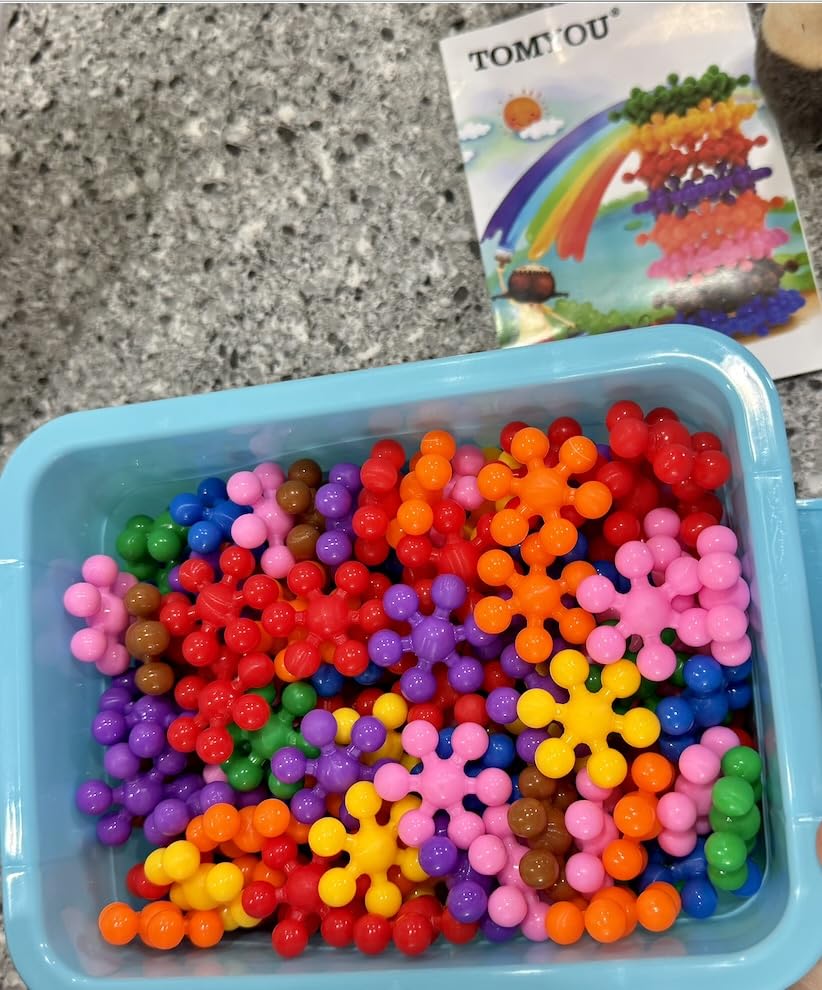
This is the one to buy when the budget is the binding constraint and you need every table building something. 300 solid plastic interlocking pieces per set, with the large piece size that makes sense for preschool and kindergarten hands. Reviewers overwhelmingly frame it as a value purchase and praise the solid plastic feel as better than cheaper block sets.
At roughly one kilogram the set has real weight to it, so pieces stay where they are put and a dropped piece is unlikely. Pieces are large enough for small children to pick up and connect independently, which removes the frustration that slows down a table of four-year-olds.
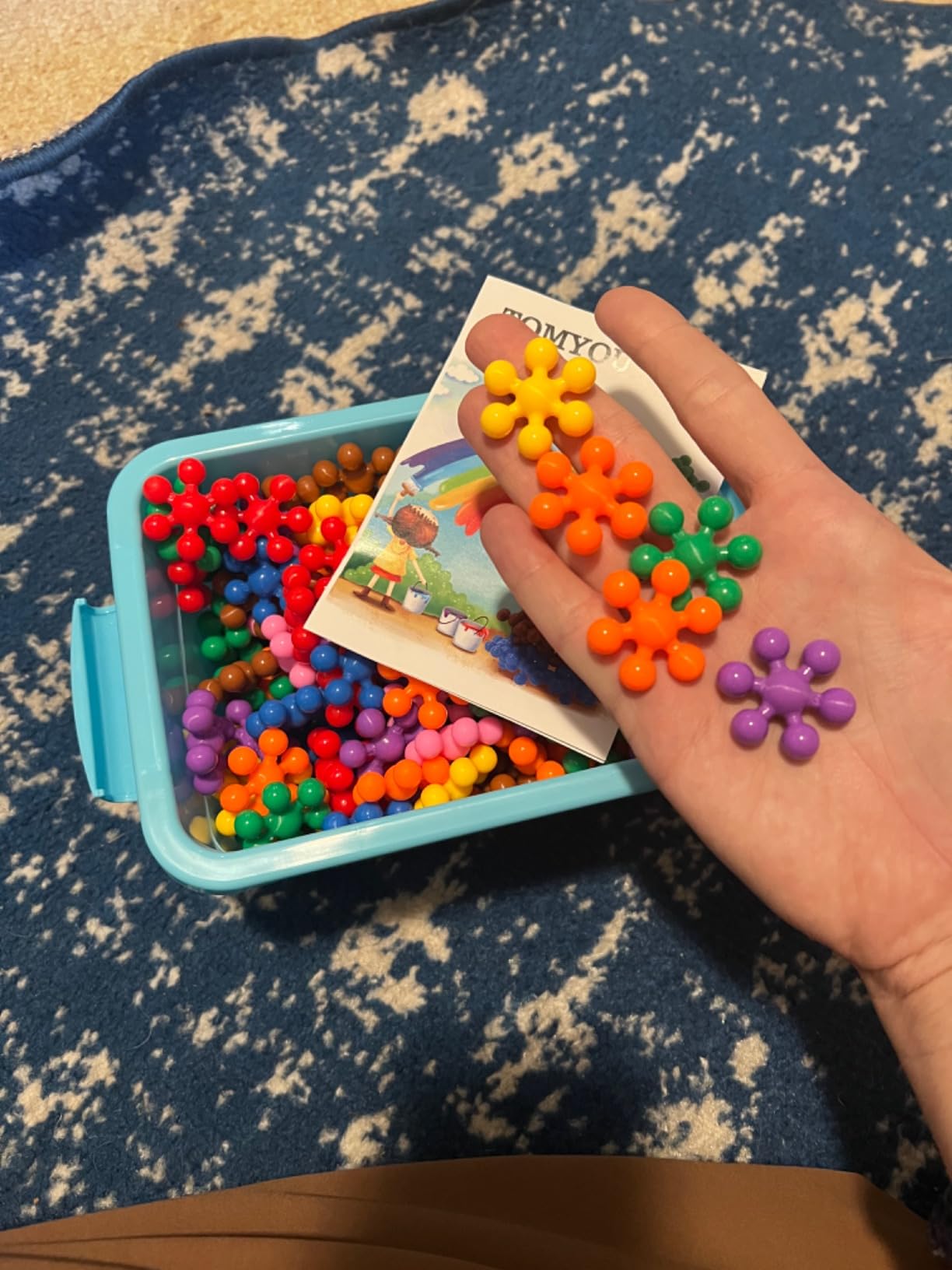
Because every piece is the same interlocking shape, students build flowers, animals, cars, buildings and whole scenes. For kindergarten through early elementary that range is plenty, and the repetitive construction quietly builds fine motor control, spatial imagination and shape and color recognition.
It works indoors or out, which means it can double as a rainy-day recess activity or a family math night station. Many buyers use multiple sets to support collaborative group projects where a single set would be too thin.
Count pieces per group before ordering
Because the design is single-shape, the per-group piece count matters more here than with a mixed-shape set. Four children sharing 300 pieces is workable, but six children per set gets thin quickly and the build becomes about passing pieces instead of designing.
Inspect a single set before ordering class quantities. Reviewers note that molded seams and flashing on some units need trimming, and it is much easier to catch that on one open box than on twenty.
Where it falls short
There is no honest way around the certification question. Reviewers specifically flag off-brand packaging that shows no manufacturer information or safety certifications, and if your district requires documented safety compliance on shared classroom materials, you will need to request that documentation before purchase.
The single floral-stem piece is also less versatile than a mixed-shape block set, so a child who has mastered it will move on quickly. Treat it as a foundational manipulative rather than a long-term makerspace centerpiece.
How to Choose a STEM Set for Your Classroom
Work out your student-to-kit ratio first
Your ratio is the single biggest driver of what a STEM program costs, and no competitor publishes it. The rule of thumb we use: one kit per four students for open-ended building sets, one per three for guided electronics or mechanics kits, one per two for anything device-dependent like Makey Makey, and one per student only when the activity itself is individual. For a class of 30 that means roughly eight straw or block sets, ten Snap Circuits boards, fifteen Makey Makey boards, or one bulk pack like the hydraulic set.
Then check your tables. Ratio math only works if the kits physically land on a surface. Three kits spread across two tables is worse than two kits on two tables, because one group is always waiting.
Screen-free or screen-based?
Screen-free sets win on student access. A bag of straws, a PLUS PLUS bin and a Snap Circuits board do not compete for devices, so all 30 students can be building at once. That matters enormously in a room with 12 tablets.
Screen-based sets win on depth. Makey Makey and Engino teach things a block set cannot, because the code and the instructions are part of the learning. The cost is device availability and adult troubleshooting time. A practical compromise is a screen-based kit at one station and a screen-free set at every other station, so device access is never the reason a student is excluded.
Check the four classroom-ready tests
Before you buy anything, run four checks. Durability: will the weakest joint survive a term of being rebuilt daily, and what is the expected failure point. Turnaround: how long does a reset take, and does everything return to one bin. Storage: does the kit fit your existing bins and cart, or are you buying furniture too. Support: is there a guide a substitute teacher can pick up cold, or is the adult knowledge trapped in your head.
Total cost of ownership matters as much as the purchase. Budget for replacement parts, spare batteries, consumable tubing, and the odd snapped connector. Kits listed as consumable components, like the hydraulic pack, need a replacement line in your second-year budget from day one.
Six mistakes teachers make when buying STEM sets
Buying too many kits for one lesson. Twenty-eight kits for a group of eight is not enrichment, it is a storage problem. Buy for your largest single group, not for your entire class, if the activity is collaborative.
Trusting the age label. Manufacturers recommend from 3 years and up, and plenty of classrooms run sets with older students with no problem. The label is a safety floor, not a difficulty rating. Trial a set with your actual group before scaling.
Buying for free play when you need curriculum, or the reverse. Open-ended building materials need a framed task or they sit unused. Guided project kits need a device or a teacher who can support the instructions.
Ignoring small-parts rules for K-2. Snap pieces, test tubes, and 600-piece waffle block sets are choking hazards. Check your district’s actual age thresholds rather than assuming, and choose large-piece sets like the TOMYOU blocks or the straws for your youngest group.
Forgetting the storage infrastructure. Clear bins, sheet protectors, a cart, and a labeling system are what make the kits usable. Budget for them in the same purchase request so the kits do not sit in a closet.
Skipping the cleaning protocol. Shared kits that go near food, water, or mouths need a defined wipe-down routine. Dishwasher-safe sets like the straws and PLUS PLUS pieces make this trivial, but any set with clips, boards, or tubing needs an alcohol-wipe step added to your duty roster.
Frequently Asked Questions
How many STEM kits do I need for a class of 30?
For open-ended building sets, plan on one kit per four students, so a class of 30 needs about eight sets. Guided electronics and mechanics kits need closer to one per three students, which is ten sets. Device-dependent coding kits need one per two students, so fifteen. Only individual activities justify a 1:1 ratio. Check that the kits fit your table count as well, since spreading three kits across two tables creates a group that is always waiting.
What are the best STEM materials for classrooms?
The best classroom STEM materials combine a high piece count with a one-bin reset, real physical mechanism or working circuit, and age-appropriate instructions. For building and engineering, straw sets, PLUS PLUS waffle blocks and K’NEX simple machines sets cover early elementary through middle school. For electronics, Snap Circuits is the most proven entry point. For early years science, a real-tool lab set with safety goggles beats a pretend set every time.
What is the best STEM kit for kindergarten?
For kindergarten, prioritize large pieces, few small parts and a reset under a minute. A straw constructor set or large interlocking blocks work for building, and a real lab tool set with chunky plastic and safety goggles works for science. Both hold up to being dropped and both are easy for small hands to use independently. Avoid circuit kits and 600-piece waffle block sets at this level for choking hazard and counting-time reasons.
Are STEM kits worth the cost?
They are worth it when they get used repeatedly and when one kit serves multiple students over a school year. The math works out at a one-to-four ratio for building sets because four children share one pile. They are not worth it when a set is too simple for the grade, when no adult has framed a task around it, or when the storage infrastructure was never bought, which leaves an expensive kit in a closet after term one.
What are 10 things a classroom must have for hands-on STEM?
Ten essentials: clear labeled storage bins that match your kit footprint, a rolling cart with working casters, sheet protectors for cards and diagrams, a parts-counting routine, a charging and battery checklist for powered kits, a cleaning and sanitizing wipe routine, a labeled consumables refill bin, a short written task card for every open-ended set, a device reservation system for screen-based kits, and a documented safety and small-parts policy for your youngest students.
Final Verdict
Start with one set per STEM center rather than one kit per student. Pick a building set as the anchor, add an electronics or mechanics kit for depth, and add a card-based activity set so fast finishers have somewhere to go. Our pick as the best of the best stem sets for classrooms is the RAINBOW TOYFROG 300-piece straw set, because the piece count, the storage pouch and the dishwasher-safe cleanup are what make it work in a real rotation, and it holds its own with older students who have already exhausted block sets.
Whichever route you take, buy one set, run it for two full weeks with your actual students, and only then order for the room. Every gap we found in these kits showed up in the second and third rotation, not the first, and that is the part no product description will tell you. For the furniture and equipment that surrounds your STEM center, our classroom lectern roundup covers the demo side of the room, so your kits get the table time they need.