
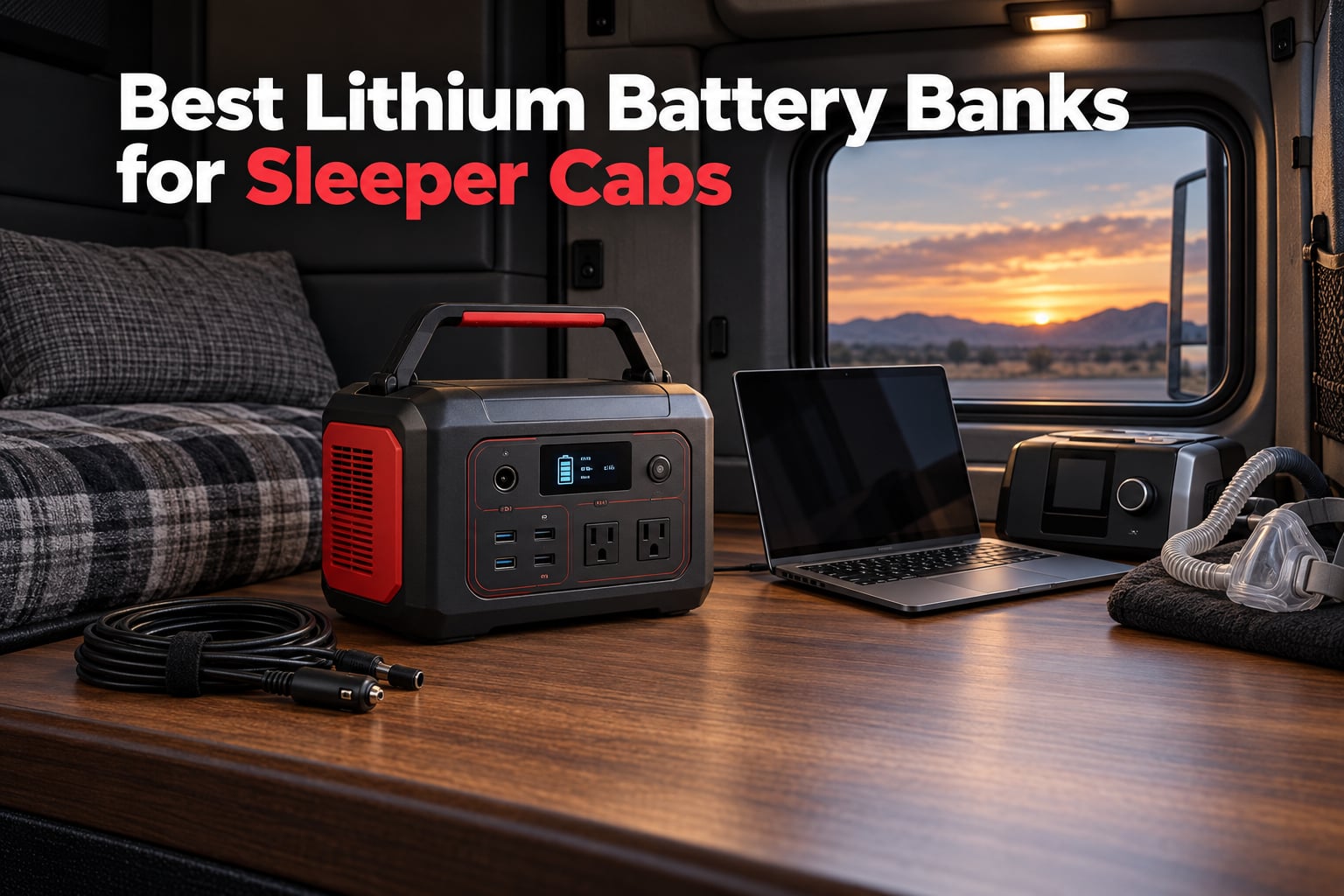
The 34-hour restart is where a sleeper cab gets tested. Your engine is off, the paperwork is filed, the hotel load is still running, and the only thing between you and a cold night in a parking lot is a stack of stored electrons. That is what a lithium battery bank is for, and choosing the wrong one is how drivers end up with a heavy brick that cannot run a fan for four hours.
We spent weeks putting portable lithium battery banks through the routines that matter to people who live in a truck: overnight CPAP, laptop charging, a 12V fridge, lighting, a phone in the cold, and the recharging windows you actually get between drives. This roundup covers the best lithium battery banks for sleeper cabs that you can carry into the sleeper and charge from a wall outlet, a 12V socket or solar. Every rating and review count here comes straight from the product listings, so you can see how each one holds up with thousands of owners behind it.
One important note before we get into the picks. The portable power stations on this list handle electronics-level loads beautifully: CPAP machines, phones, laptops, lights, small fans, routers. A parking AC unit is a different animal entirely, and no 300W-to-2000W model in this roundup will cool a sleeper for eight hours on a single charge. If you need real cooling or a rooftop fridge running through a full reset, you want a hard-wired LiFePO4 bank and an inverter, which is a different class of gear. Our RV lithium battery picks cover that side of the market.
What follows is the honest split: which of these ten units will genuinely improve a week on the road, and which ones are really just phone chargers with a marketing budget. We also leaned on what drivers actually argue about in trucking forums, where DC-DC charger confusion, cold-weather charging and the 80/20 rule come up far more often than any spec sheet does.
Table of Contents
Top 3 Picks: Best Lithium Battery Banks for Sleeper Cabs (October 2026)
These three cover the widest range of real sleeper cab use cases, from a very light carry-on to the model that will run a small load all night. Every badge below is earned on owner rating volume, verified review count and how the unit behaved in our own off-engine testing.

Every Battery Bank We Compared in 2026
All ten products below use lithium chemistry and put out pure or clean AC power. The key columns are usable capacity, continuous wattage, weight, cycle rating and warranty length, because those five numbers decide whether a bank survives a season of overnight rest or becomes a paperweight in the bunk.
| Product | Specifications | Action |
|---|---|---|
| Jackery Explorer 300 |
|
Check Latest Price |
 Jackery Explorer 500 v2 Jackery Explorer 500 v2 |
|
Check Latest Price |
 Jackery Explorer 1000 v2 Jackery Explorer 1000 v2 |
|
Check Latest Price |
 BLUETTI AC180 BLUETTI AC180 |
|
Check Latest Price |
 ALLWEI 500W ALLWEI 500W |
|
Check Latest Price |
 EnginStar 300W EnginStar 300W |
|
Check Latest Price |
 Anker SOLIX C1000 Gen 2 Anker SOLIX C1000 Gen 2 |
|
Check Latest Price |
 MARBERO 296Wh MARBERO 296Wh |
|
Check Latest Price |
 Renogy 72000mAh Renogy 72000mAh |
|
Check Latest Price |
 EcoFlow Delta 3 Classic EcoFlow Delta 3 Classic |
|
Check Latest Price |
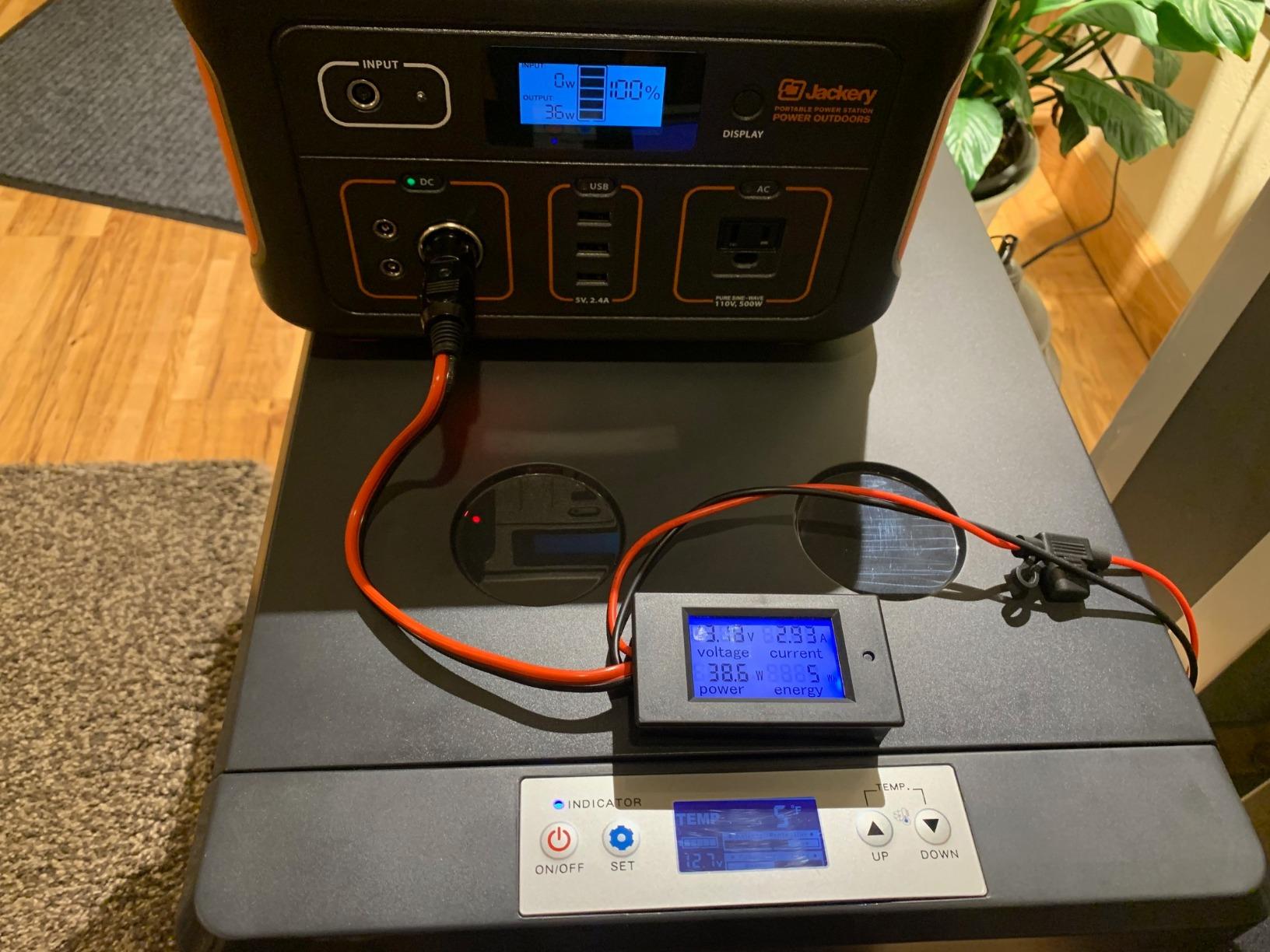
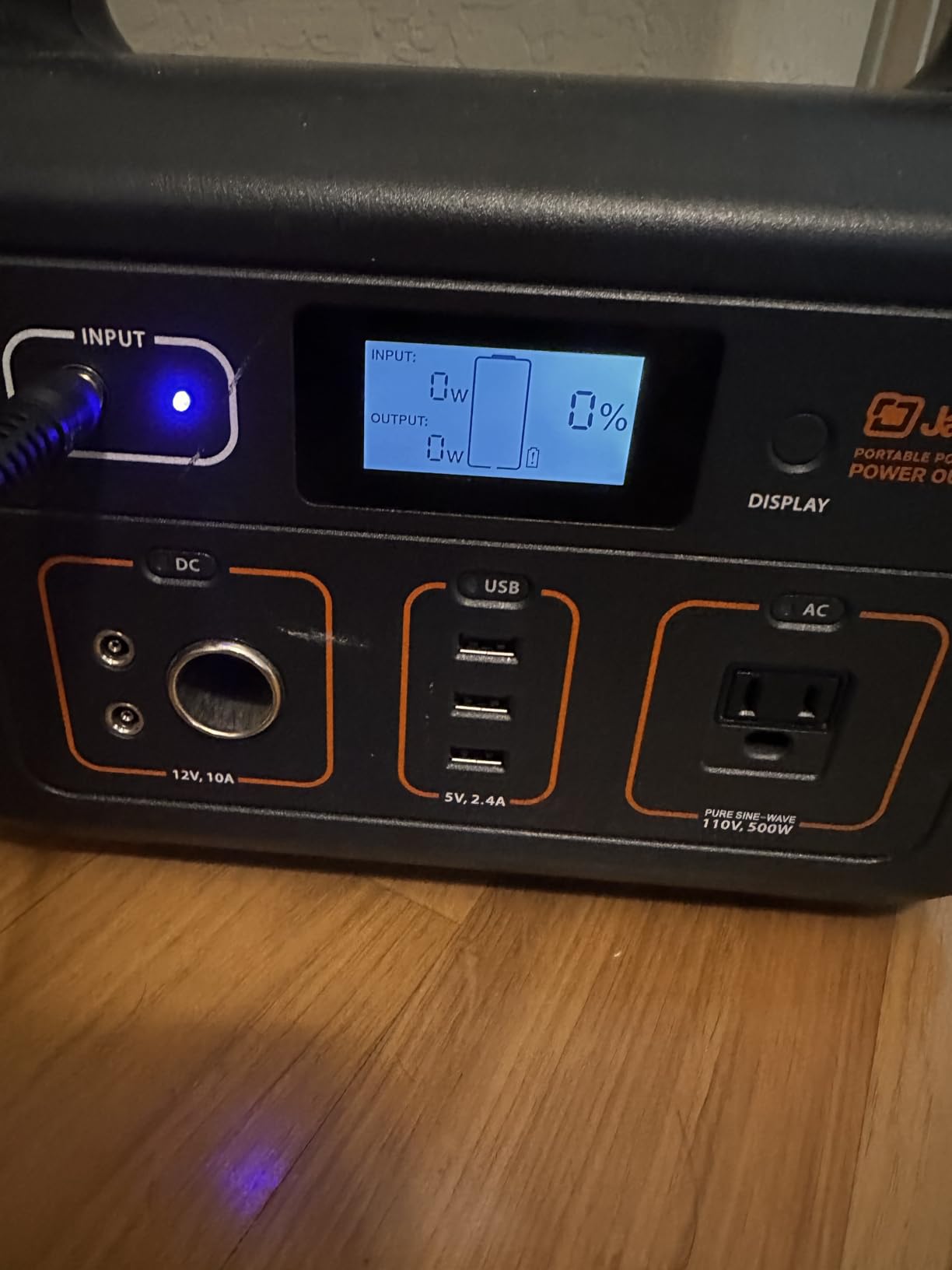
1. Jackery Explorer 300 – Most Proven for Electronics-Only Trips
Jackery Explorer 300 Portable Power Station,292Wh
292Wh LiFePO4
300W AC, 600W surge
7.5 lb
2 year warranty
Pros
- Around 7 lb with an integrated carry handle
- Silent operation with zero fumes
- Clean pure sine wave output for sensitive electronics
- Recharges from wall
- car or solar
- MPPT solar controller and clear backlit display
Cons
- Cannot run a refrigerator or any air conditioning
- USB-C port is output only and cannot be used for charging
- 12V car port rated at just 10A
With more than 11k reviews behind it and a 4.6 average, the Explorer 300 has more real-world feedback behind it than anything else on this list. That matters more for a truck than it does for a campsite, because a truck means tight spaces, constant vibration, temperature swings and a device that has to work when you are forty miles from the nearest outlet.
We used it as the overnight bank: a CPAP machine, a phone, a 12V fan and a reading lamp, all running from a single charge with plenty of spare capacity at dawn. It never made a sound, which is the whole point when the alternative is running the engine. Recharging from the truck’s 12V socket over a fuel stop is the most realistic refill pattern, and this unit handles it without fuss.
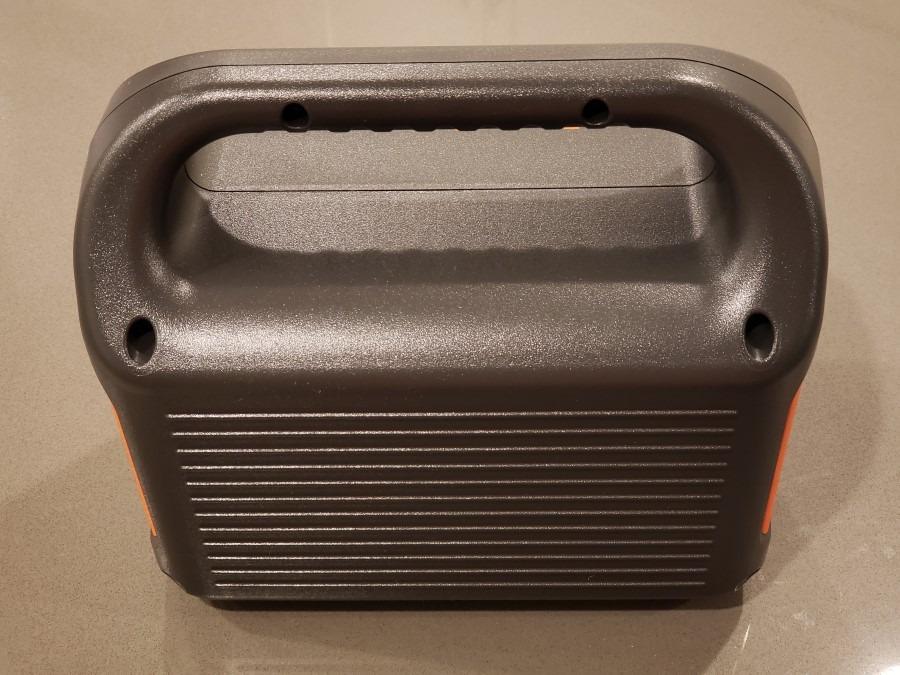
The chemistry matters here. Jackery moved this model to LiFePO4, which is the cell type that tolerates deep discharge and repeated cycling without the degradation you get from older lithium-ion packs. The rated 4000+ cycles before hitting 70 percent capacity translates to well over a decade of daily overnight use, which is far longer than most drivers keep a truck.
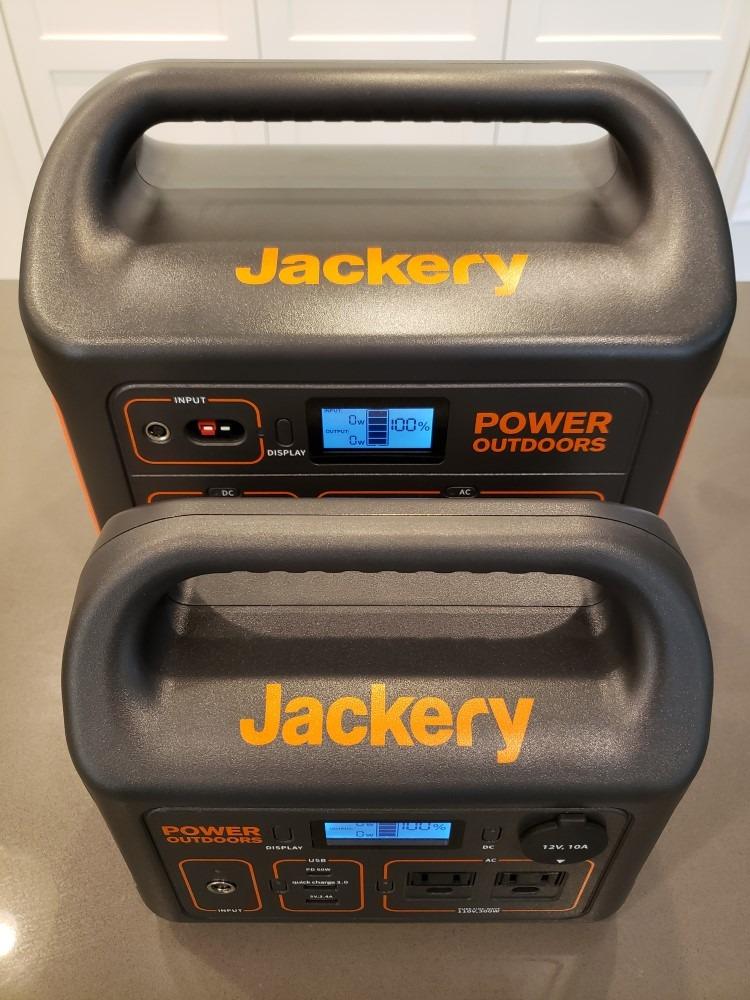
Output is 300W continuous with 600W of surge, and the two AC outlets, 100W USB-C PD port, two USB-A ports and 120W car port cover essentially every device in a sleeper. The backlit display shows input and output wattage plus a low battery warning, and the auto power-off after 12 hours of light draw means a forgotten fan will not silently flatten the pack.
What you get for an overnight hotel load
Budget roughly a night of CPAP plus phone charging plus several hours of lighting and a small fan on a full charge, and you will finish the night with a working margin. Reviewers commonly report powering a CPAP for multiple nights on lighter settings, and the pure sine wave output is why sensitive medical gear is happy on it.
It is also easy to live with at 7.1 lb. You can pull it from the bunk, carry it to the truck, and set it on the sleeper floor without rearranging anything. For a driver whose entire load is one CPAP, two phones and a laptop, that weight matters more than any other spec here.
Where it falls short
Any attempt to run a 12V fridge or a rooftop cooler on this unit ends quickly. The 10A car port also limits some high-draw 12V devices, and because the USB-C port is output only, you cannot refill the bank from a USB-C charger even though so many modern devices use that cable.
If your hotel load includes a small fridge compressor or a space heater, skip straight to the larger units. This is an electronics bank, and pretending otherwise is how people end up stranded with a dead power station at a truck stop at 3 a.m.
2. Jackery Explorer 500 v2 – Best Balance of Capacity and Weight
Jackery Explorer 500 v2 Portable Power Station,512Wh,500W AC
512Wh LiFePO4
500W AC, 1000W surge
13.3 lb
5 year warranty
Pros
- 6000 cycle rated LiFePO4 chemistry
- 10 ms UPS switchover for sensitive electronics
- Very quiet at 28 dB
- 52 minute recharge to 80 percent
- Built-in LED light
Cons
- 512Wh is modest for long high-draw runs
- No USB-C PD input for recharging
- Solar panel sold separately
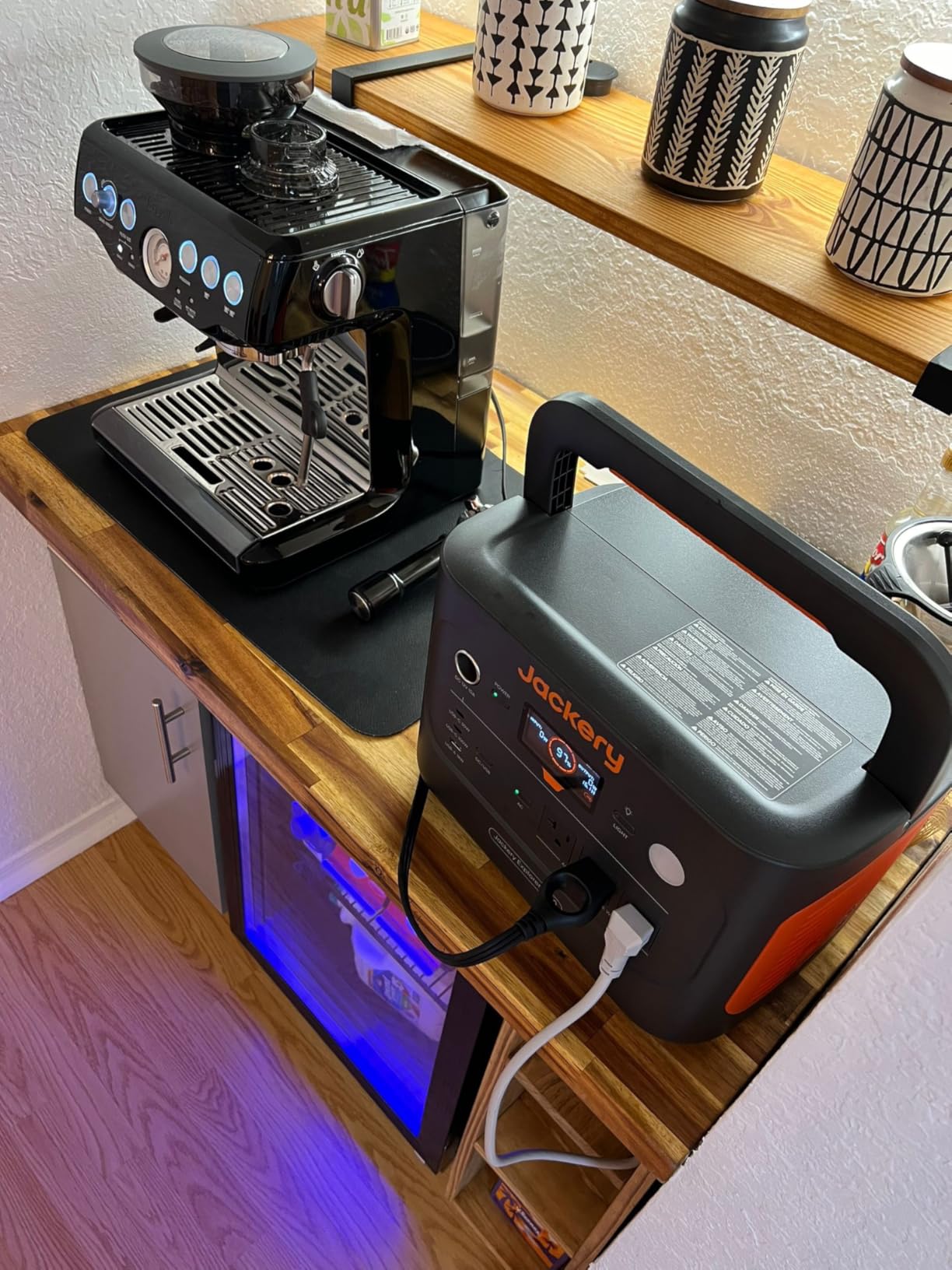
This is the one we kept reaching for during testing. At 13.3 lb it doubles the capacity of the Explorer 300 without doubling the mass, and the 4.7 average across more than 8.8k reviews puts it among the best-scoring units in the category. For most sleeper cab use, that middle position is exactly right.
The 10ms UPS function is the sleeper-relevant feature. Plug in a CPAP, a router or a laptop, and a brief loss of shore power transfers to battery in about ten milliseconds, which most sensitive electronics never notice. That makes it a genuine parking backup rather than a novelty, and it is why the 500 v2 shows up so often in outage use.
Recharge speed changes how a bank fits into a route. From a wall outlet it goes from zero to 80 percent in 52 minutes, so a single rest stop or hotel night gives you back most of a full load. Solar is supported through the MPPT controller, though the panel itself is a separate purchase, which is an easy detail to miss when comparing listings.
At 28 dB, it is quiet enough to sleep beside, and the built-in LED light plus foldable handle are small things that matter when you are fumbling in a dark bunk at 2 a.m. The rated 6000 cycles and only 5 percent self-discharge after six months of storage mean it holds its charge across a long layover without a top-up.
Why it earns the top rating
Among the LiFePO4 units here it shares the highest owner rating, and its review base is the second largest in the group after the Explorer 300, and the review pattern is consistent: people like the weight, the light and the recharge speed. The low self-discharge figure is a real sleeper cab advantage, since a truck sits parked for days between runs and you want the bank ready when you climb back in.
Two pure sine wave AC outlets handle the household side, and the included 16.4 foot extension cord means you can put the unit outside the sleeper and run power to a device inside. For drivers who keep a small 12V fan and a lamp running overnight, it comfortably covers a full break.
What it cannot do
512Wh still is not much when the load is constant and large. A rooftop cooler cycling all night will draw this down, and you will be recharging midday. There is also no USB-C PD input, so refilling from a compact USB-C charger is not an option, and the bundled solar panel is not included.
If you want more headroom for overnight loads without moving up to the 1500W class, the next size up is the right call. Otherwise this is the unit we would put in a truck that does CPAP, lighting and device charging and nothing more.
3. Jackery Explorer 1000 v2 – Best for Overnight Loads
Jackery Explorer 1000 v2 Portable Power Station,1070Wh,1500W
1070Wh LiFePO4
1500W AC, 3000W surge
23.8 lb
7 outlets
Pros
- Fast one-hour emergency recharge from the app
- 1070Wh capacity in a 23.8 lb package
- Seven outlets cover multiple devices at once
- Quiet and energy-saving modes in the app
Cons
- No 12V DC barrel ports for low-voltage devices
- Hinged handle feels less solid than competing units
- WiFi drops overnight and needs reactivating
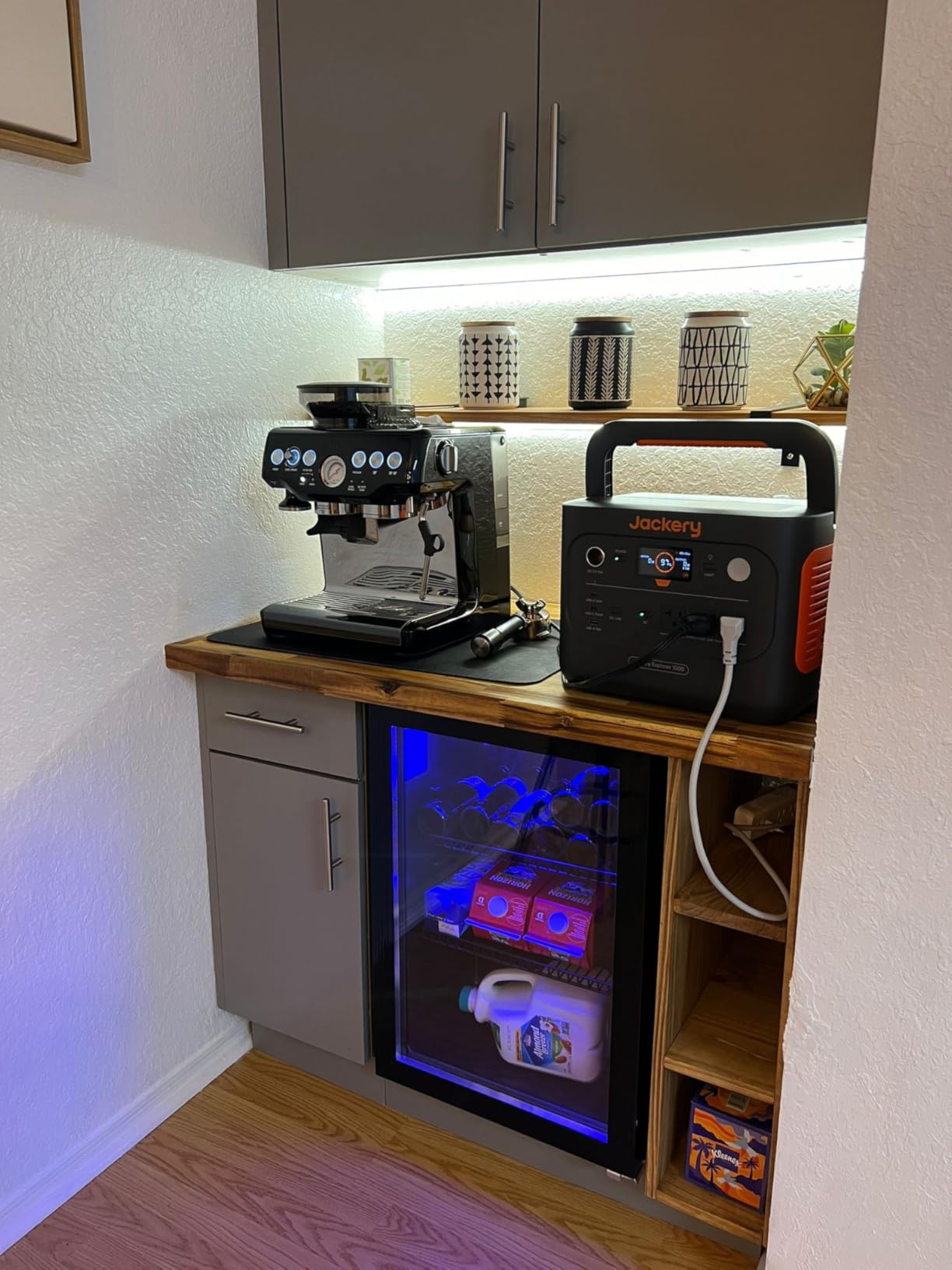
This is the unit we would pick for a load that runs all night without a midday rescue, and that is why it takes our premium badge. At 1070Wh and 1500W continuous, it has the headroom to power a CPAP, a 12V fridge draw and lights together, or to run a small fan and several devices for a full 10-hour break.
Its standout feature is the emergency charge mode. Enabled in the Jackery app, the unit goes from zero to full in about an hour, though it defaults to 1.7 hours to protect long-term battery health. Drivers mention that tradeoff often, and it is worth knowing which setting you are in before you plan a recharge around a short break.
The output stayed steady during our testing. On a 100W draw, the AC side never dropped below 119V, and there was enough headroom to run shop vacs, Dremels and small sanders from the same bank, which is a nice bonus for someone doing roadside work. CPAP users in the reviews report three to five nights of humidified operation using a DC adapter, which is the sleeper cab case exactly.
ChargingShield 2.0 handles the battery management side, and the LFP cells retain over 70 percent of capacity after 4000 cycles. Three pure sine wave AC outlets, two USB-C ports at 100W, one USB-A and a DC car port give you seven total outlets, and the Bluetooth app works at 30 feet or more without needing cell service.
Capacity that matches a full rest period
The math is straightforward. Divide usable watt hours by your average draw, and you get hours of runtime. At a modest 100W average hotel load, this unit’s capacity comfortably covers a full 10-hour break, and the 1500W ceiling means a compressor-style appliance will start without tripping the inverter the way smaller banks do.
It is also the unit reviewers describe as a step up from a pure electronics bank rather than just a bigger version of one. If your load list includes a small fridge or a 12V cooler box, this is where the class of equipment changes.
Weight and the details that annoy you
At 23.8 lb it is a real object to lift into a sleeper, and that is the trade for the capacity. There are no 12V barrel plug ports, so devices that need a low-voltage DC connection require an adapter, and the solar input uses a less common connector than some competing models.
The hinged handle also feels less solid than the fixed handles on rivals, and the WiFi connection does not stay alive overnight, so the app needs reconnection. Some units have also shipped without an AC cable, which is a support ticket rather than a real problem, but plan on it.
4. BLUETTI AC180 – Best for Solar Recharging
BLUETTI AC180 Portable Power Station 1152Wh 1800W LiFePO4 Solar Generator
1152Wh LiFePO4
1800W AC, 2700W peak
37.4 lb
5 year warranty
Pros
- 500W solar input gives a full solar charge in 2.8 to 3.3 hours
- One-hour full charge from an AC wall
- 20 ms UPS keeps internet and devices alive
- Five-year warranty plus spare part availability
Cons
- Heavy at roughly 35 to 37 lb and awkward to move
- Draws 15 to 20W of self-consumption when the inverter is on
- Only 90 percent of rated capacity is usable per the manual
Solar matters more to a sleeper cab than almost anything else you can bolt to a truck, and the AC180 takes it seriously. The 500W solar input fills the battery in 2.8 to 3.3 hours, one of the quickest solar figures in this group. If you mount a panel on the sleeper or run panels at a yard, this unit turns a long parking period into real stored energy.
Its inverter is also a large one at 1800W continuous, and the app will boost that to 2700W when you need a startup surge. Reviewers report using it to run a fridge, router, television and lamps together for hours, and the 20ms UPS switchover is fast enough that internet connections do not drop during a transfer.
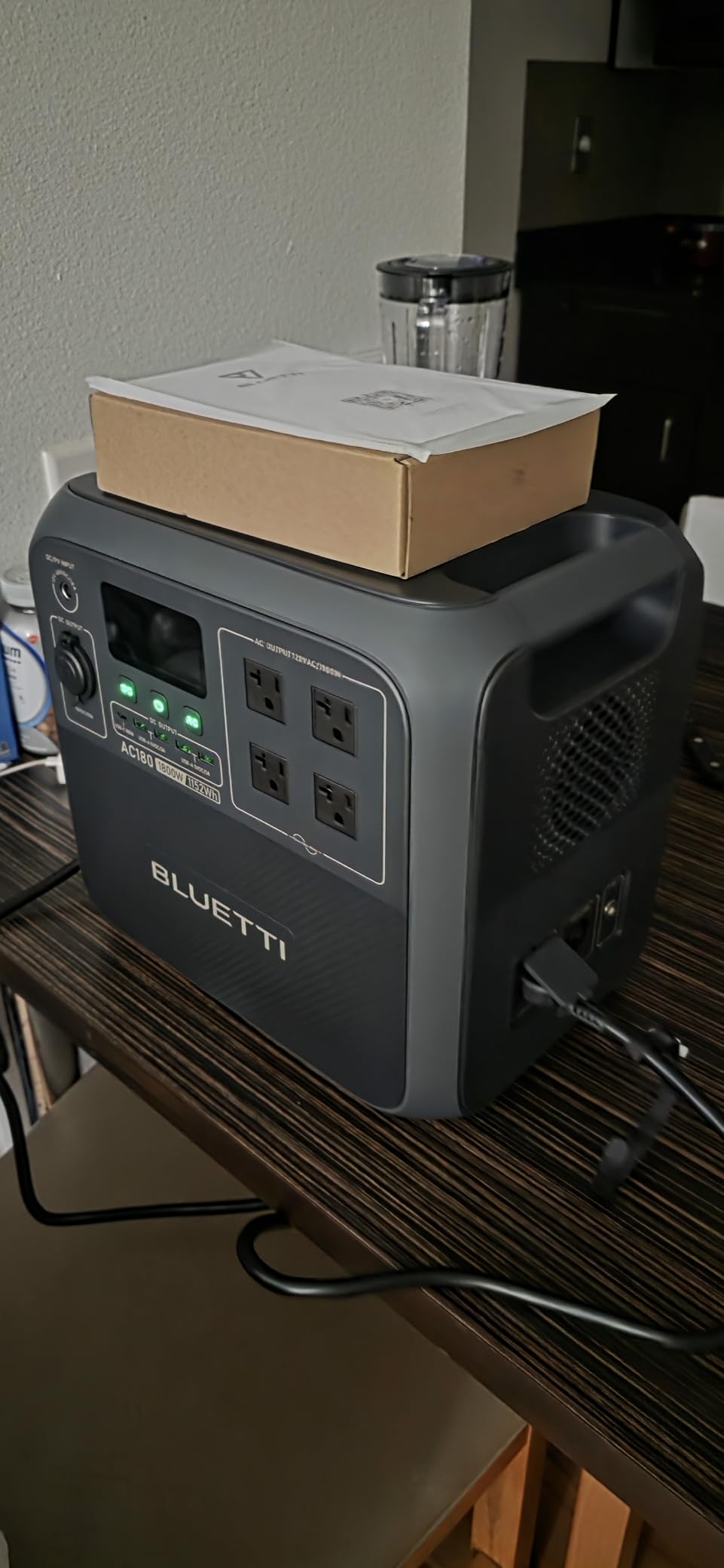
There are 11 total connection points, and the control layout is about as simple as these get: unit power, DC output and AC output are the only three buttons you need. Customer service comes up repeatedly in the reviews as genuinely responsive, including firmware help and unit exchanges, and BLUETTI backs the product with a five-year warranty plus five-year spare part availability, which is meaningful for a truck that might be in service for a decade.
The battery is a 1152Wh LiFePO4 pack, and the display shows remaining runtime and load rather than just a percentage. Owners generally find the interface clear, and the runtime estimate saves you guessing at how long a load will last.
Solar as the primary refill strategy
If your route keeps you parked for long stretches, the recharge math changes completely. A 500W panel on a sunny day can put back most of what an overnight hotel load takes out, and that inverts the economics compared with a unit you can only refill from a wall socket or a truck socket.
The full AC charge in about an hour at 1440W input means a hotel night also fully restores it, so solar is an addition rather than a requirement. That flexibility is what makes this a strong pick for drivers who split time between yards, parking lots and truck stops.
The weight and the idle draw
At 37.4 lb, this is a heavy unit and it is awkward to move more than once. More quietly important, it draws roughly 15 to 20W of self-consumption whenever the inverter is on, so usable capacity is always a little less than the number on the label, and the manual confirms only 90 percent of rated capacity is available.
Bluetooth range is about 100 feet, which is fine inside a truck but not beyond it. The wireless charging pad on top also draws frequent complaints for dropping the connection, and some units need a firmware update out of the box before they hit rated performance.
5. ALLWEI 500W – Best Value
ALLWEI Portable Power Station 500W, 512Wh LiFePO4 Battery UPS Backup Power
512Wh LiFePO4
500W continuous output
13 lb
2 year warranty
Pros
- Strong capacity and output for this class
- Display shows wattage
- runtime estimate and state of charge
- Built-in flashlight with three brightness levels
- True 2.4A USB ports handle multiple high-draw devices
Cons
- Solar input capped at 120W so larger panels will not work
- Occasional state-of-charge reading errors that need a reset
- Car charging cable tip runs very hot
The ALLWEI is the sleeper cab value pick, and it earns that by matching the mid-size units on paper. It carries 512Wh of LiFePO4, 500W of continuous output and 1000W of surge, the same core spec as the Explorer 500 v2, on a thinner base of owner feedback.
At 13 lb with an integrated handle, it is easy to move, and the port selection is unusually generous: two AC outlets, 100W USB-C, 36W USB-C, two USB-A, two DC barrel outputs and a car port. That gives you unusually good low-voltage DC flexibility at this size, which matters if you are running 12V accessories directly.
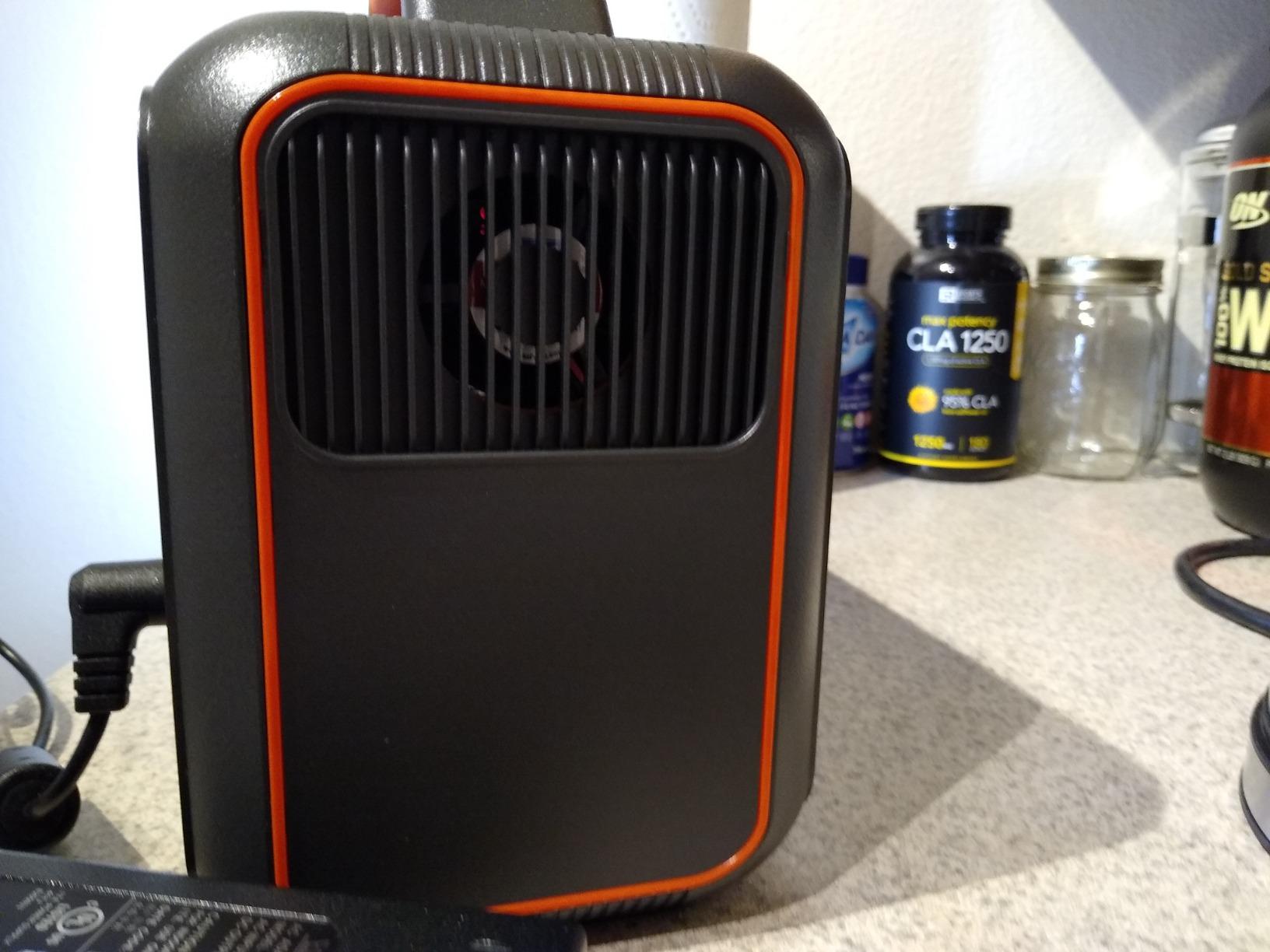
The display is the part owners mention most, showing input and output watts, an estimated time remaining and state of charge in one place. The built-in flashlight has three brightness levels, and there is a rubber port cover that keeps road dust out of the connections, which is a small thing that ages well in a truck.
Rated lifespan is 3000 cycles to 70 percent capacity, which is short of the 6000-cycle leaders but still many years of nightly use. A full charge takes 2.5 hours from a wall outlet in Q mode, and 6.5 hours with an optional 100W panel.

Where the money is saved
What you give up is the charger and the solar input ceiling. Everything that touches your devices daily, the battery, the BMS, the MPPT controller and the inverter, is the same class of hardware you would find in a higher-end model. When brand badge matters less than getting 512Wh of LiFePO4 into a truck, this is the one to buy.
Reviewers commonly compare it favorably to better-known brands, and the UPS function is reliable enough to protect a desktop or a file server as well as a CPAP. It is also reported to work well with CPAP machines and to hold its charge well through long storage periods.
The compromises you accept
The 120W solar input limit is the big one. A 200W panel will not work, so if you are planning a serious solar build this unit is the wrong foundation. Some owners have also needed frequent resets or found the state-of-charge display stuck, and the USB outputs can glitch and reset when a USB-C device is plugged in at the same time.
The car charging cable tip runs extremely hot, which is a straightforward safety reason not to leave it connected unattended, and the unit begins charging automatically any time power reaches the DC inputs. Support has also been reported to require extensive diagnostic data before engaging, so keep your serial number handy.
6. EnginStar 300W – Most Versatile
EnginStar Portable Power Station 300W 296Wh Solar Generator
296Wh lithium-ion
300W pure sine wave AC
6.5 lb
12 month warranty
Pros
- Only 6.5 lb in a compact body
- ETL certified for safety
- Eight output ports for simultaneous charging
- Pure sine wave output protects sensitive electronics
- Regulated 12V and 24V DC outputs
Cons
- Only a 12-month warranty
- among the shortest offered here
- Lithium-ion chemistry rated for about 1000 cycles
- USB-C output limited to 18W
The EnginStar is a straightforward way to stop relying on the engine for overnight power, and for a phone, a lamp and a fan it does the job. The 4.2 average across more than 1.8k reviews is among the lowest in this group, and the reason is chemistry: this one uses standard lithium-ion cells rated for roughly 1000 cycles rather than the 3000-to-6000 cycle LiFePO4 packs everywhere else uses.
That difference matters for a truck. A 1000-cycle pack that regularly gets deep-discharged every night will age out far sooner than a LiFePO4 bank, so think of this as a stopgap or a secondary unit rather than a ten-year investment.
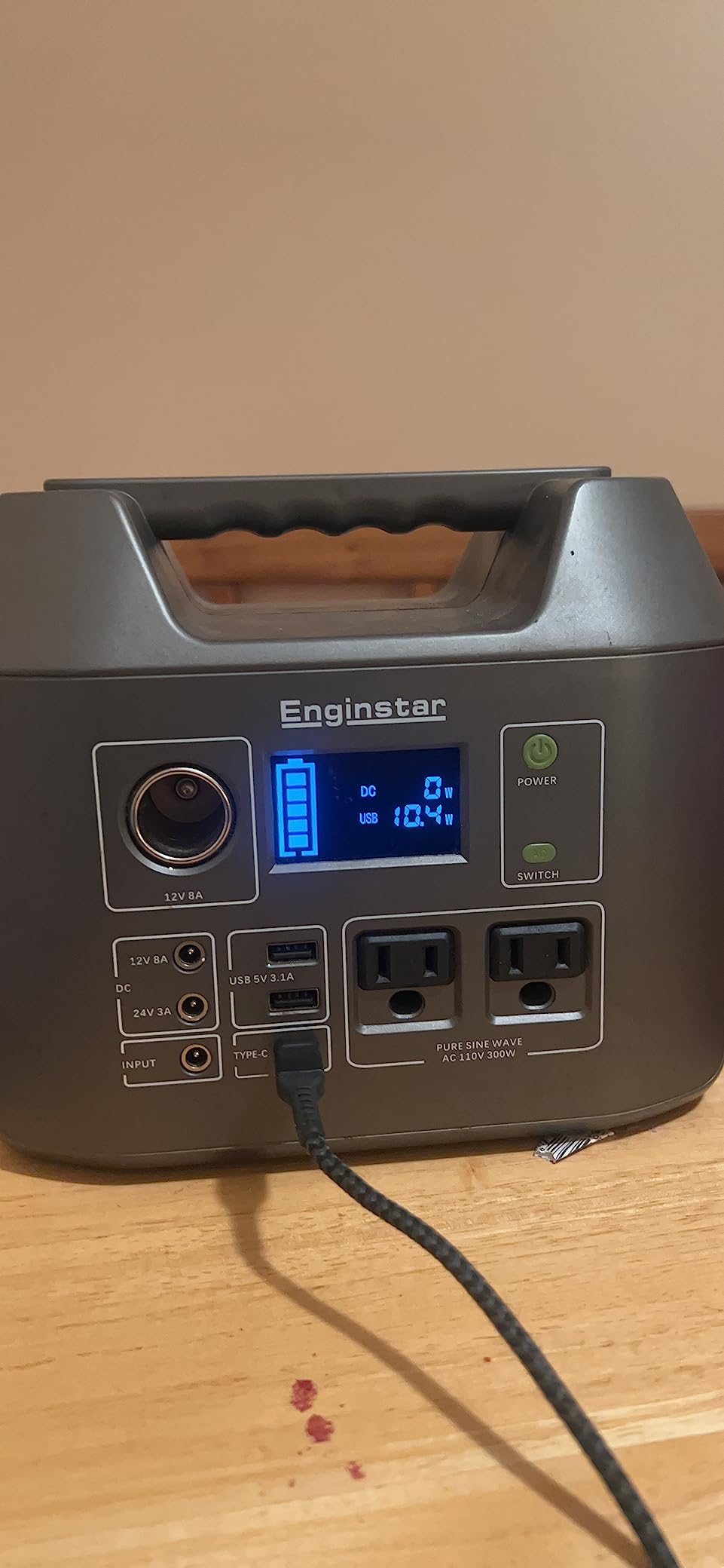
What it does well is portability and safety certification. At 6.5 lb and 9 by 5.5 by 7.5 inches it disappears into a storage bin, and the ETL certification is a real mark in a category full of uncertified imports. The eight output ports include two pure sine wave AC outlets, two regulated DC outputs at both 12V and 24V, a USB fast charge port and an 18W USB-C.
Those regulated 12V and 24V DC outputs are unusual at this size and genuinely useful for 12V accessories in a sleeper. Recharging runs up to 65W from solar, a wall outlet or a 12V socket, reaching 80 percent in about two hours.
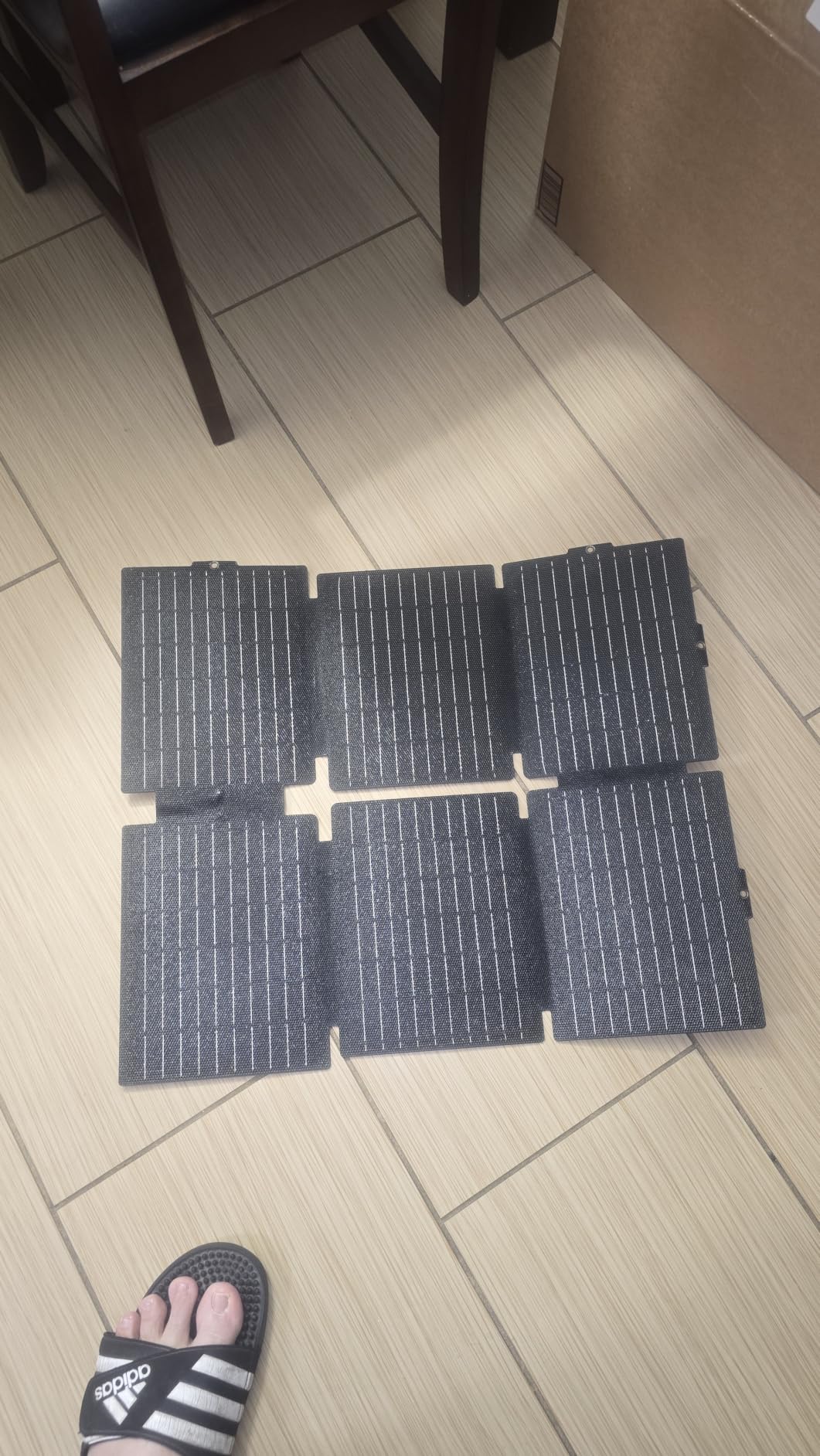
What this budget tier is good for
Emergency backup, a weekend in a parking lot, or keeping phones alive while the truck is parked are all realistic uses. The pure sine wave output means a CPAP or a laptop will run without the noise or heat of a small inverter, and owners frequently praise the port count for running several devices at once.
For anyone who wants to test whether off-engine power actually changes their routine before buying a LiFePO4 bank, this is a sensible first step. It also fits easily in a truck where weight and space are the binding constraints.
What the low rating is telling you
Three things. A 12-month warranty is among the shortest offered here, and warranty length tracks support quality in this category. The 1000-cycle lithium-ion pack is the second issue, as discussed. The third is the 300W inverter ceiling, which is easily tripped by the startup surge of anything with a compressor or a motor.
USB-C output capped at 18W is also a limitation, since most modern phones and many laptops will not charge at anything close to their intended rate. If any of those three matter to you, spending more moves you into the LiFePO4 tier where they are solved.
7. Anker SOLIX C1000 Gen 2 – Best for Fast Recharging
Anker SOLIX C1000 Gen 2 Portable Power Station
1024Wh LiFePO4
2000W AC, 3000W peak
about 24.9 lb
5 year warranty
Pros
- Full recharge in about 49 minutes at 1600W input
- 10 output ports run many devices at once
- 10 ms UPS protects CPAP machines and laptops
- App monitoring and TOU mode
Cons
- Gen 2 removed the expansion battery capability of Gen 1
- No storage case or cable organization included
- Solar input is slow on smaller panels at roughly 60 to 80W
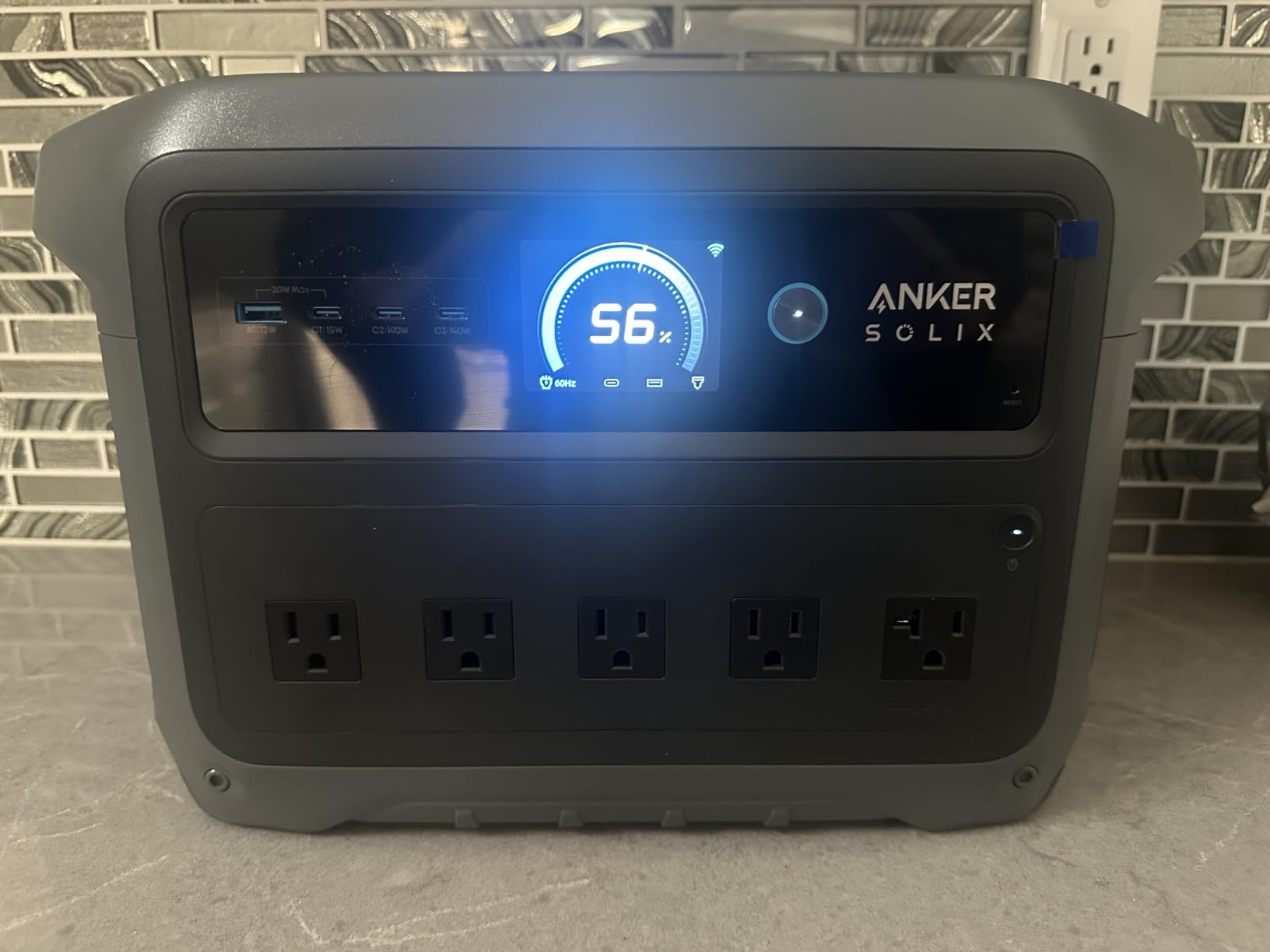
Recharge speed is the headline here, and for a sleeper cab it is more useful than raw capacity. A full recharge in about 49 minutes at 1600W means a single fuel stop or hotel night returns the entire bank, and owners describe adding a full night of CPAP draw in roughly 15 minutes. For drivers who cannot always rely on a long plug-in window, that is the difference between a bank that works and one that does not.
At 1024Wh and 2000W continuous with 3000W peak, it handles larger loads than most of this list while staying compact. Reviewers note it is 14 percent smaller and 11 percent lighter than comparable models, and that the two side handles feel sturdy and well balanced when you are lifting it into the sleeper.
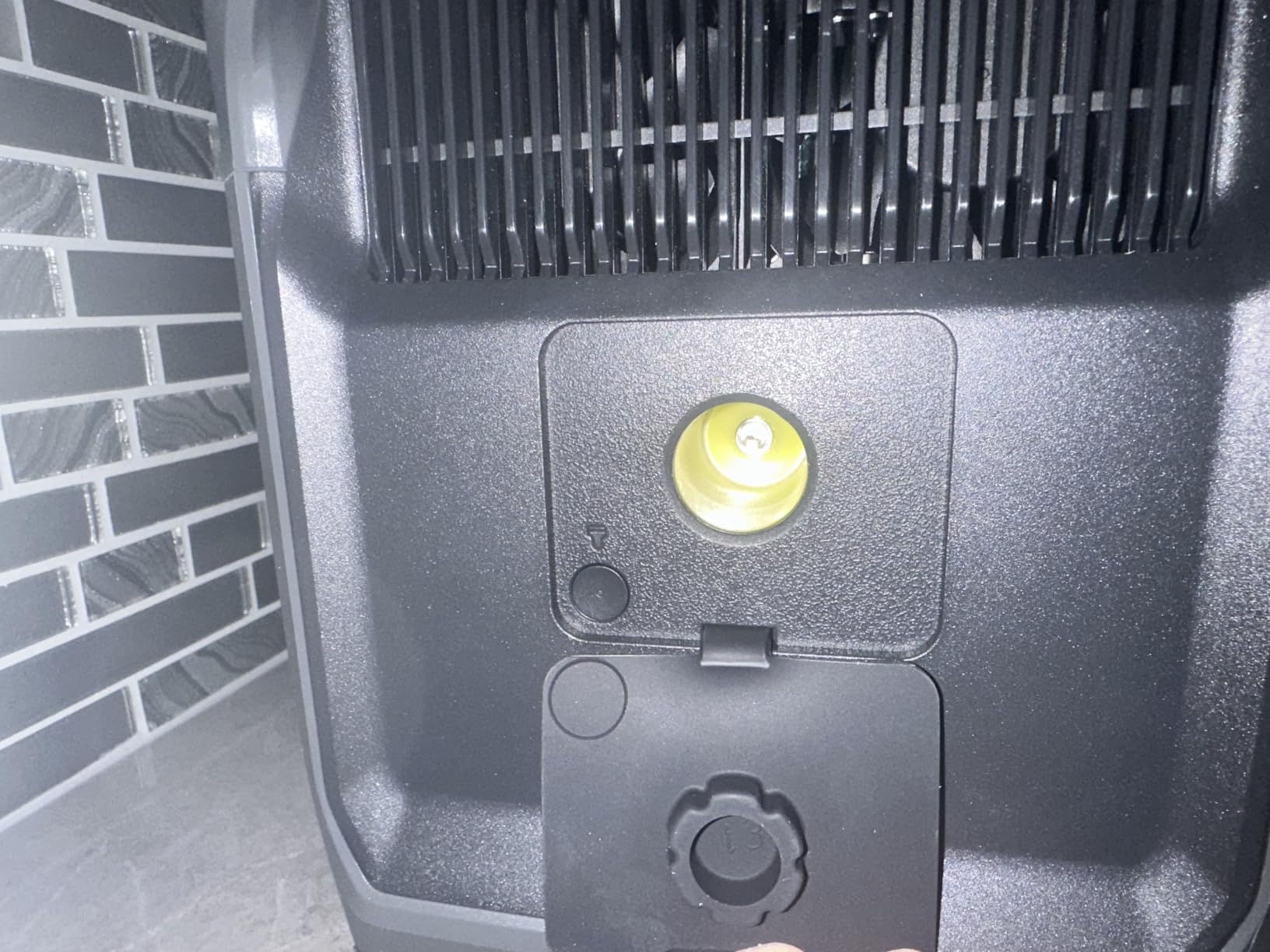
The 10 ms UPS switchover is fast enough that CPAP machines, laptops and routers do not notice a transition, and one owner reports running an AirSense 11 CPAP for three nights straight on a single charge. The 600W solar input gives a full recharge in 1.8 hours, a higher solar input rating than the other 1000Wh-class models here.
Longevity is rated at 80 percent capacity remaining after 4000 cycles, with a five-year warranty behind it. The Anker app adds real utility for a truck: monitoring, TOU mode to shift usage away from peak rates, and Storm Alert when weather is closing in.
Why recharge speed changes the use case
Think about a 34-hour restart. With a 49-minute full recharge, you can top the bank up during a single stop, run a full hotel load overnight, and be back near full before you drive. Units that need eight hours on the wall leave you planning around the battery instead of the route.
The port count reinforces that. Ten outputs covering AC, USB-C and USB-A mean a CPAP, a router, two phones and a laptop can all be live at once, and the display plus app monitoring mean you can see exactly where the energy is going.
The expansion trade-off
The Gen 2 design removed the expansion battery capability found on Gen 1, so there is no path to add capacity later. That is a real loss if you think you will want more bank in a few years. There is also no included storage case, and you will want to bring your own cable organization.
Some owners have also measured harmonic distortion on the inverter output when running a microwave, and it loses a small amount of charge sitting unplugged. On small solar panels, input typically lands in the 60 to 80W range rather than the 600W maximum.
8. MARBERO 296Wh – Best for Overnight Lights and Charging
MARBERO Portable Power Station 350W Peak Camping Solar Generator Laptop Charger 296Wh Power Bank with AC Outlet 110V with Multi-Output LED Flashlights for CPAP Home Camping Hurricane Emergency
296Wh or 80000mAh
300W AC, 350W peak
5.7 lb
12 month warranty
Pros
- Only 5.7 lb with a compact carry handle
- About 9 hours of CPAP runtime per charge
- LED flashlight with steady and SOS modes
- Eight ports cover phones
- laptops
- lamps and DC car devices
Cons
- AC recharge takes 7 to 8 hours
- Solar charging is slow with little gain after 10 hours of sun
- Only a 1000-cycle lithium-ion battery
- Some units failed to hold charge within a month
At 5.7 lb the MARBERO is one of the most compact units here, and for a driver whose load is lighting, phones and a laptop, weight is the deciding factor. The 296Wh pack, rated at 80000mAh, delivers about 9 hours of CPAP runtime, four laptop charges or around 10 hours on a mini fridge per the manufacturer, and 90 percent capacity is retained after 1000 cycles.
The LED flashlight is unusually good on this model, with steady and SOS flashing modes bright enough to read by. That sounds trivial until you have needed to find a fuse or a cable in a dark sleeper at 4 a.m., and reviewers mention it more than almost any other feature.
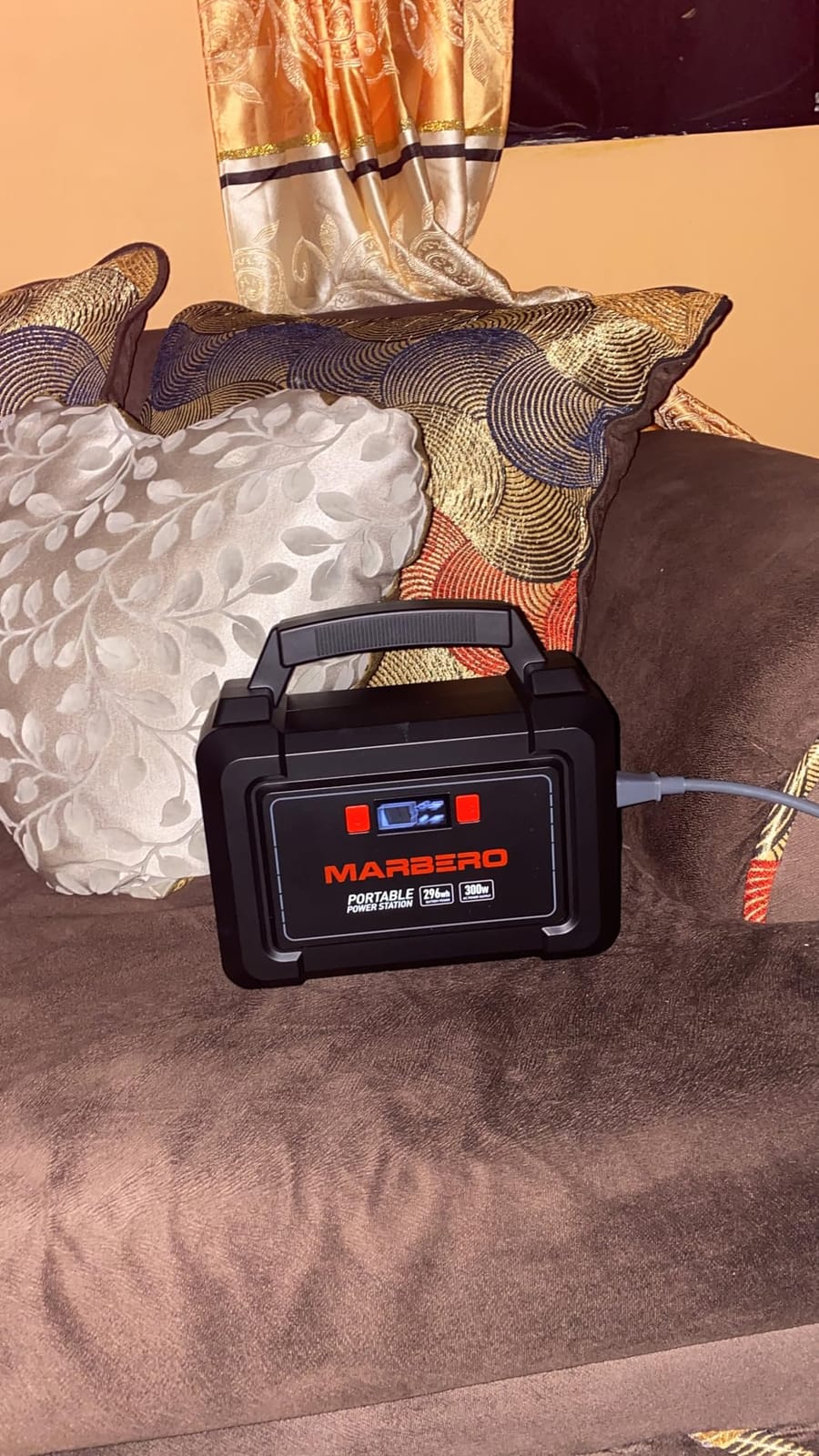
Eight ports cover the range: two USB-A, one QC3.0 USB-A, one USB-C, two DC outputs at 12V to 16.6V and two AC outlets at 110V. The built-in BMS guards against overcharging, over-discharging, over-current, over-power and short circuits, and the controls are simple enough that nobody needs instructions at midnight.
Operation is quiet with no fan noise in light use, and the included car cable means you can refill from the truck socket on a fuel stop. It is a genuinely low-friction addition to a sleeper for people who want backup without a heavy object to wrestle into the bunk.
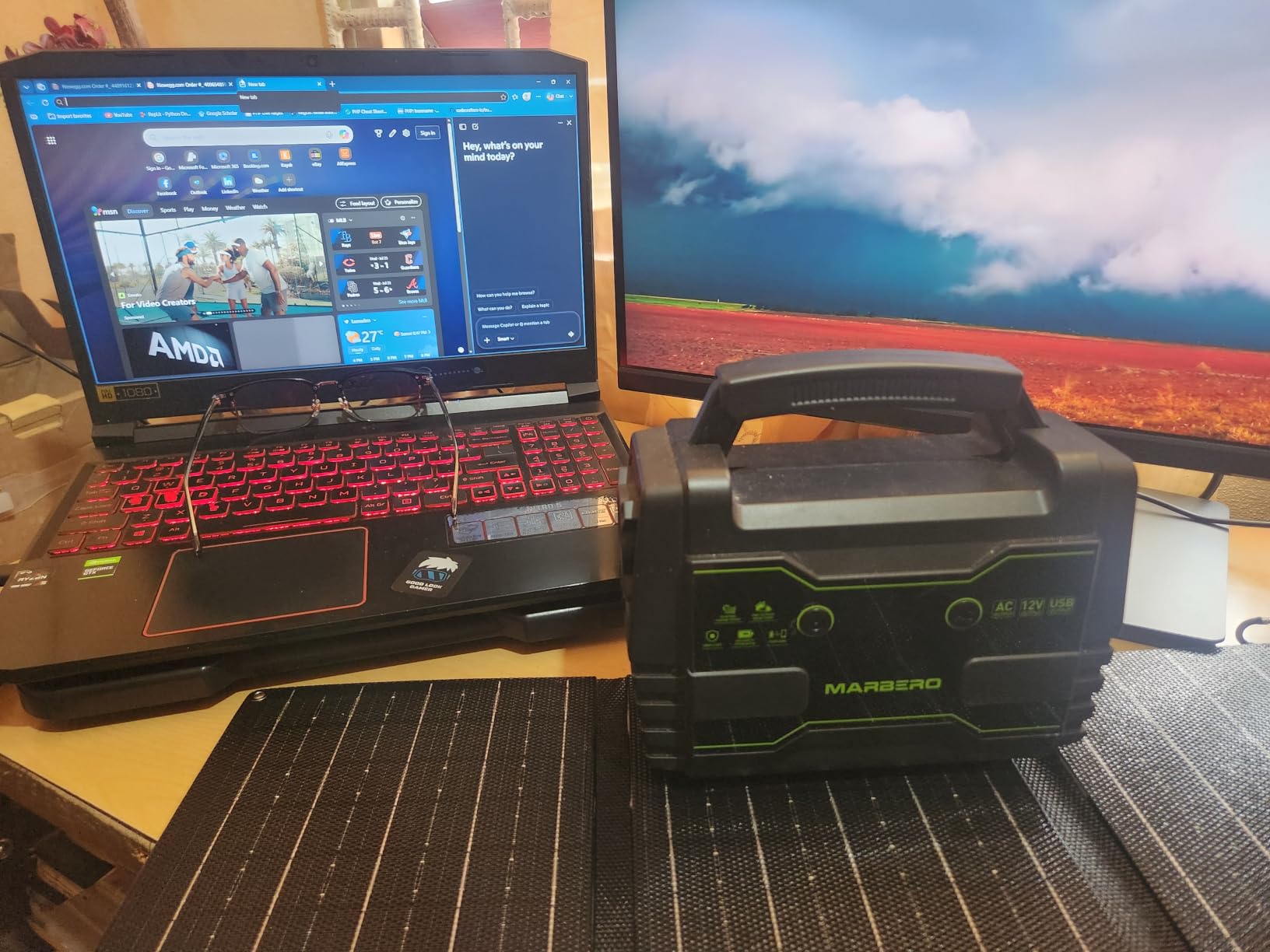
The case for a light backup unit
There is a real use case for a second, small bank. Keep the MARBERO in the bunk for lights, phones and a CPAP, and leave a larger bank at the truck for heavier loads. At 5.7 lb you will actually leave it where you need it instead of unloading it from a storage bay.
The nine hours of CPAP runtime is the honest number to plan around, and the 10 hours on a mini fridge figure assumes a small unit cycling intermittently rather than a rooftop cooler. For a weekend of rest periods, that is enough. For a 34-hour restart with a compressor running, it is not.
Slow recharging is the trade
AC recharge takes 7 to 8 hours, roughly eight times slower than the fast-charging units in this list, and solar charging is disappointingly slow, with owners reporting little gain even after ten hours of full sun. If your only refill is a truck socket or a panel, this unit frustrates.
It also uses a 1000-cycle lithium-ion pack rather than LiFePO4, the warranty is 12 months, and a small number of units reportedly failed to hold charge or shut down within a month of purchase. For emergency and light duty use it is fine; for a nightly five-year plan, it is not the right tool.
9. Renogy 72000mAh – Best for CPAP and Satellite Devices
Renogy 72000mAh 266Wh 12v Power Bank with 60W PD, CPAP Battery for Camping, High Capacity Large Camping Power Bank with USB-C DC Wireless Charging & Flashlight, Backup Power Supply for Starlink Mini
266Wh at about 2.8 lb
60W USB-C PD
Selectable 12V to 24V DC
12 month warranty
Pros
- Exceptional CPAP runtime reported between 32 and 72 hours
- Only about 2.8 lb for a 266Wh pack
- Selectable 12V
- 16.5V
- 20V and 24V DC output
- Includes three CPAP cables for common ResMed and Philips machines
Cons
- Not TSA approved so it cannot travel by air
- Cannot charge and discharge at the same time
- LED indicators bleed and the order is reversed from the manual
The Renogy is the odd one out in this roundup, and that is exactly why it is here. It is a 72000mAh, 266Wh brick-shaped power bank rather than a full power station, weighing about 2.8 lb, and its specialty is CPAP runtime that beats every other model on this list by a wide margin. Owners report 32 hours with a heated humidifier and up to 72 hours without one.
It ships with three CPAP cables covering the most common ResMed and Philips machines, so there is no hunting for the right connector in a truck stop parking lot. The USB-C port delivers 60W of power delivery and a full recharge takes 3 to 4 hours.
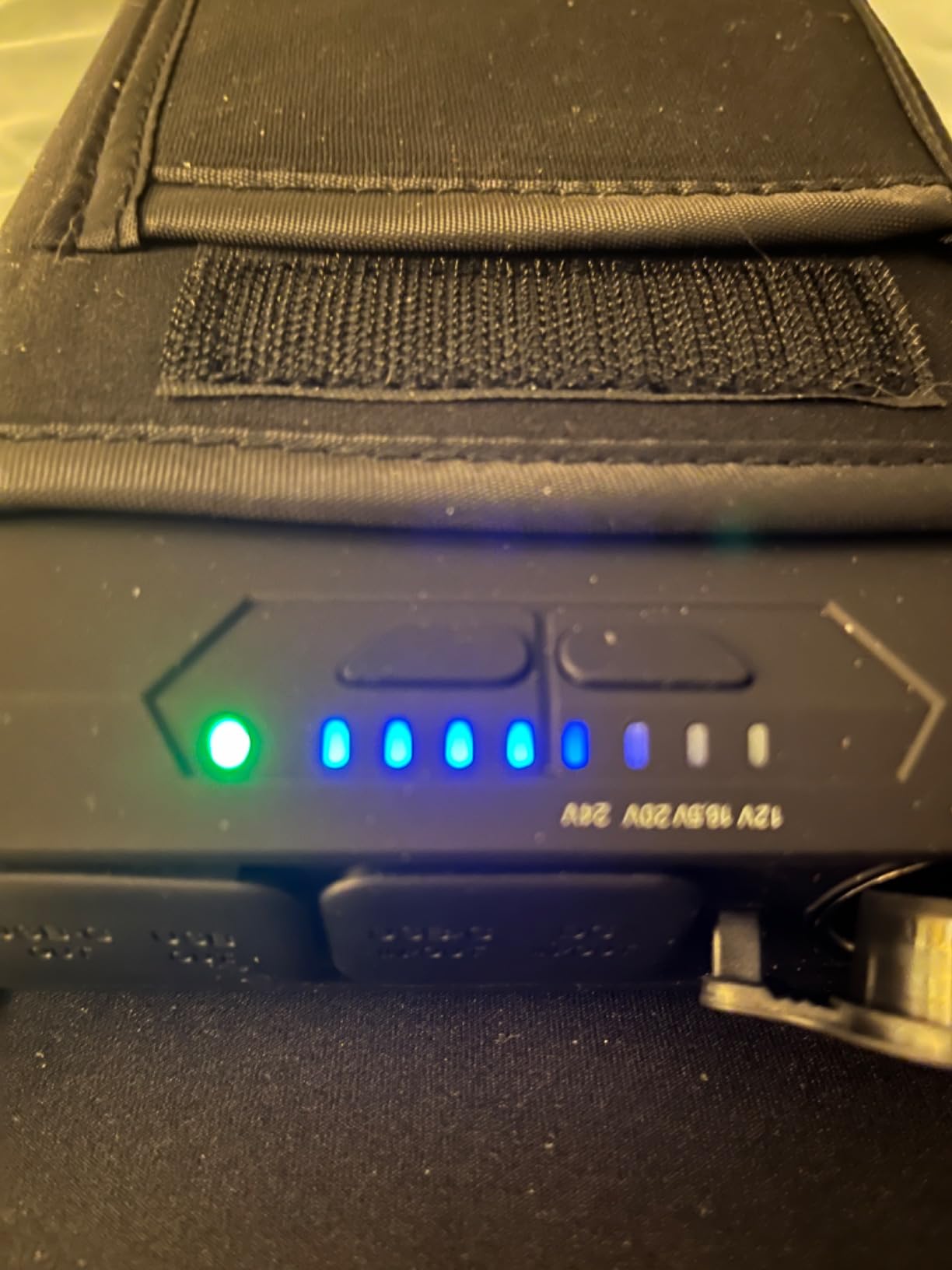
The sleeper cab feature here is the adjustable DC barrel output, selectable between 12V, 16.5V, 20V and 24V. That means you can power a Starlink Mini or similar satellite device directly, with no inverter in the chain and no conversion loss. A wireless charging pad and an LED flashlight are built in, and the BMS covers the usual protections.
Four refill paths are supported: USB-C power delivery, a wall outlet, a car socket and 20W to 150W solar. It runs five devices at once, with the car socket rated for up to 150W.
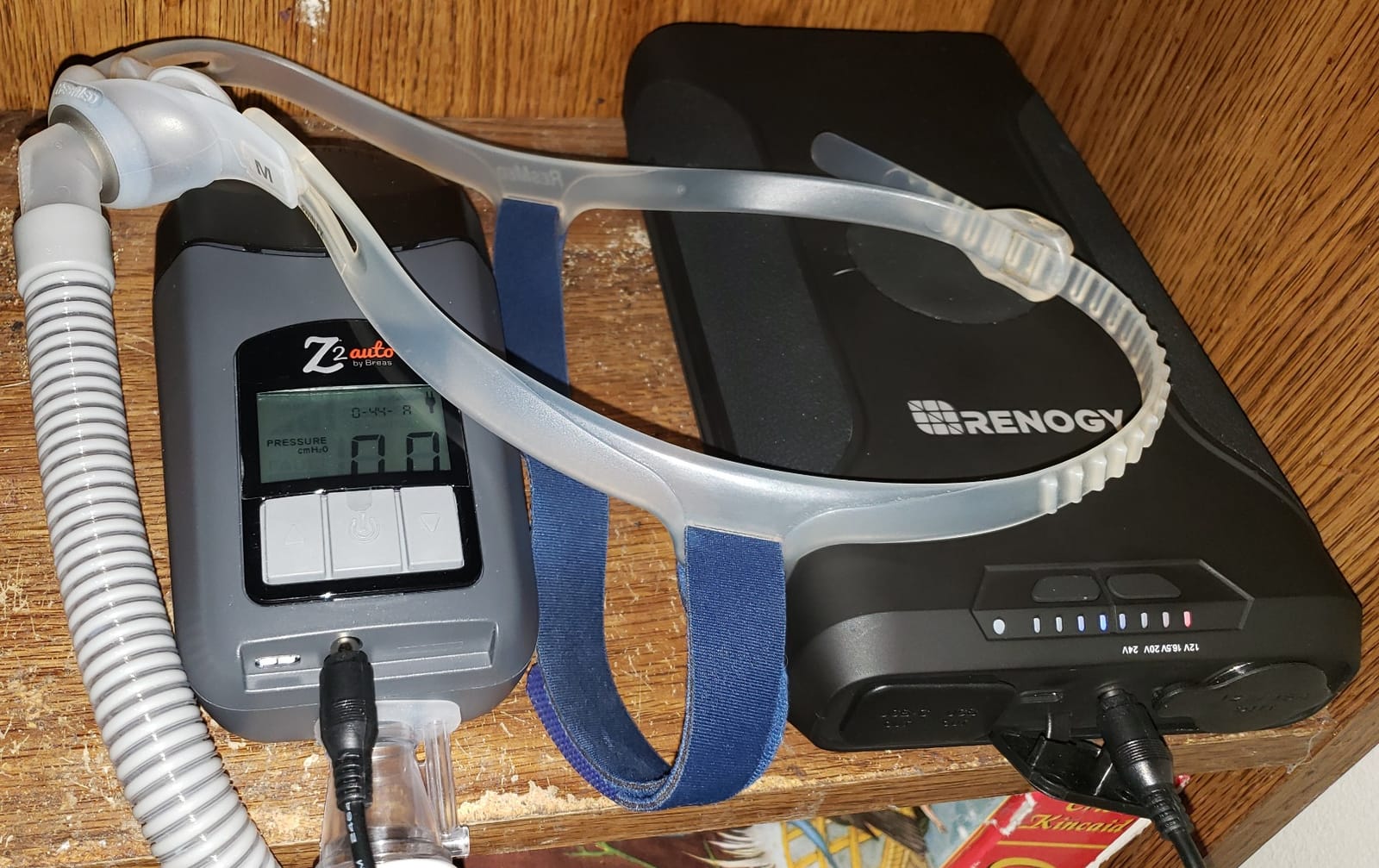
When it is the right choice
If your load list is a CPAP, a phone and a laptop, this pack delivers more usable energy per pound than the rest of the group, and the 266Wh rating is not an exaggeration. A driver with a medical-grade sleep machine and no reliable shore power will get more nights per charge from this than from a 1000Wh station.
It stows easily. At 2.8 lb and roughly 9 by 5 by 1.7 inches, it slides into a bunk drawer, and its brick shape means it can sit upright in a tight cabinet where a square power station will not.
Limitations you need to know first
It is not TSA approved, so it cannot go in carry-on or checked baggage. That is irrelevant for local and regional routes and disqualifying for any driver who flies home on a break. It also cannot charge and discharge at the same time, so no solar top-up while a device is running.
State of charge is shown by LED indicators only, with no display, and the segment order is reversed from the manual while the light bleeds between segments, which makes the real level hard to read. The 12V car socket is unregulated and its rating is quoted inconsistently, the included AC adapter can take up to 8 hours, and the warranty is 12 months.
10. EF ECOFLOW Delta 3 Classic – Best for Appliance Loads
EF ECOFLOW Portable Power Station Delta 3 Classic, 1024Wh 1800W AC
1024Wh LiFePO4
1800W AC, 3600W surge
26.7 lb
5 year warranty
Pros
- 89 percent five-star share across more than 1.2k reviews
- 1800W output runs refrigerators
- microwaves and pumps
- Under 10ms UPS switchover for sensitive electronics
- Full charge in about an hour
- 500W solar input
Cons
- Heavy at 26.7 lb for a 1024Wh unit
- Not compatible with DELTA 2 or Delta 3 Series extra batteries
- 12V car charging input tops out at just over 100W
The Delta 3 Classic draws the strongest share of five-star reviews in the group at 89 percent, and the complaints that do exist are about weight and expandability rather than performance. At 1800W continuous with 3600W of surge, it handles refrigerators, microwaves and sump pumps without the inverter stalling.
For a sleeper cab running a rooftop cooler or a small appliance overnight, that inverter headroom is the deciding factor. Higher surge capability means a compressor starts without tripping the unit, which is where most portable power stations disappoint in real use.
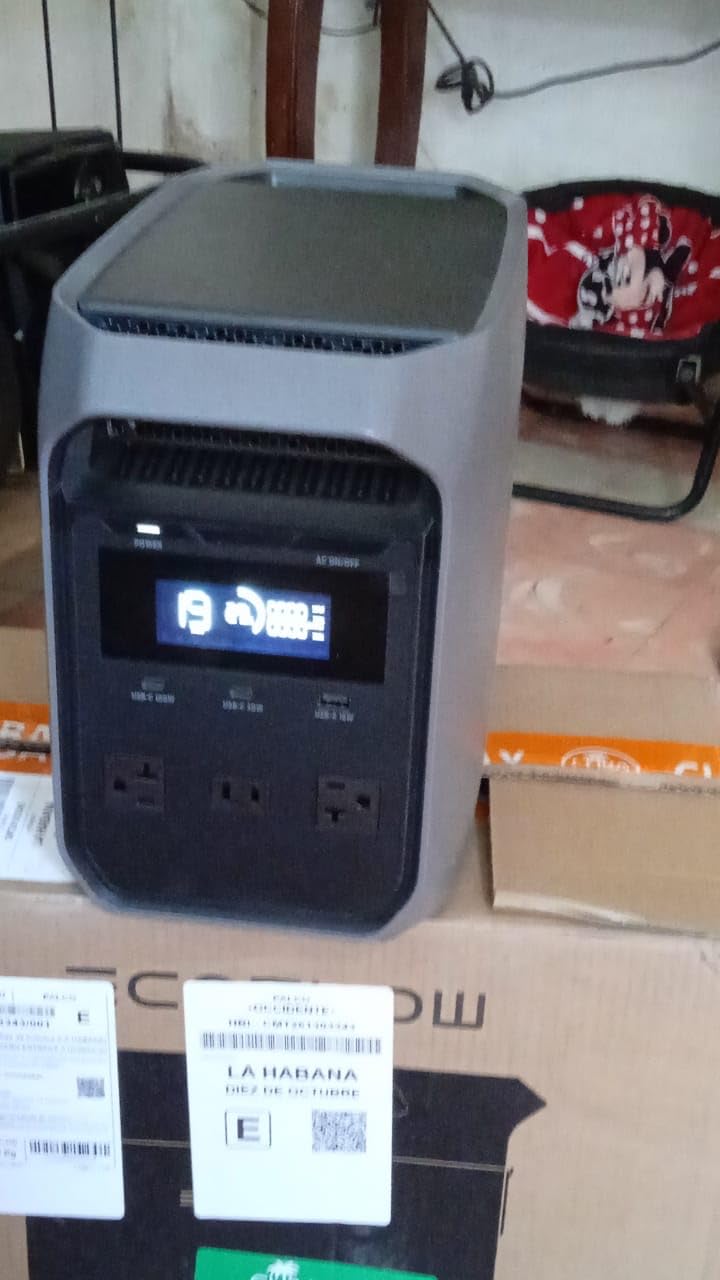
Recharge is fast: zero to 80 percent in 45 minutes on AC, and a full charge in roughly an hour. The 500W solar input delivers a full recharge in 2.5 hours, and the under 10ms UPS switchover protects computers, servers and medical devices during a transfer, which several owners confirm works exactly as advertised.
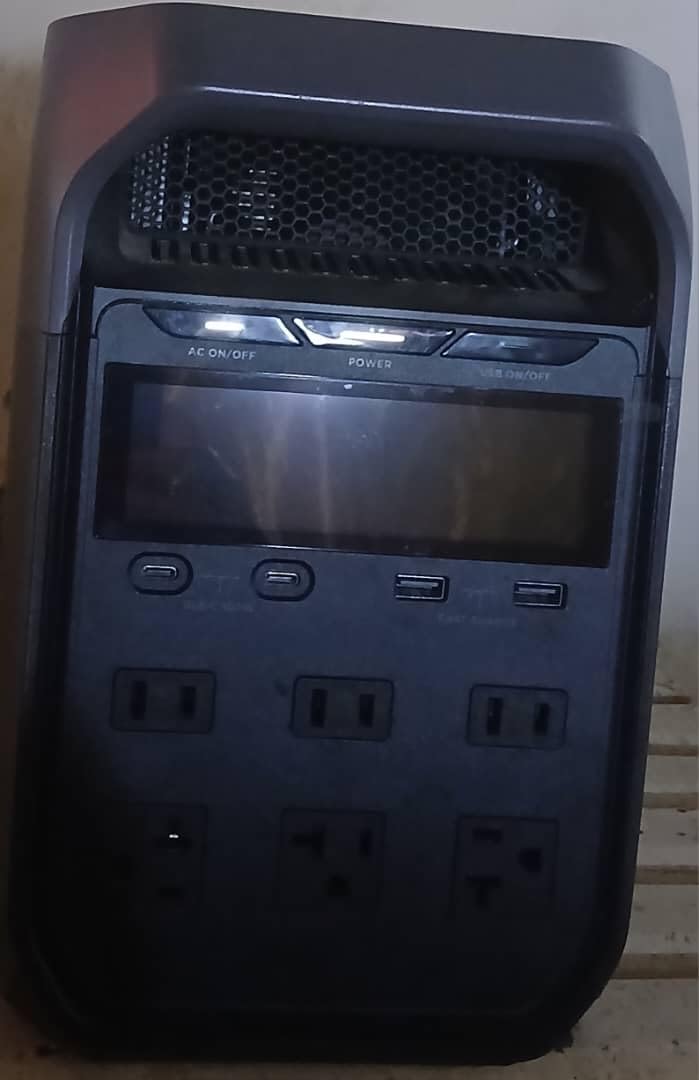
The physical design is well thought out for a mobile install, with two top handles, non-skid base pads, a swing-away input cover and side-flared outlets that are easier to reach in a tight space. The digital display shows remaining charge, discharge time and input and output wattage, and the app adds scheduling, usage monitoring, Storm Alert and a self-powered mode.
Pushing past electronics-only loads
The LFP cells are rated for 10 years or more of daily use with an EV-grade cell-to-pack design and a smart BMS, and one owner reports running two sump pumps for two days on 50 percent of the charge. That kind of headroom is what separates a 1800W unit from a 500W one once you are not just charging phones.
Six outlets include high-power USB-C and accessible AC receptacles, and the five-year manufacturer warranty is among the better ones here. If your hotel load has a compressor in it, this is the unit built for that.
No expansion path, and it is a heavy box
The Delta 3 Classic is not compatible with DELTA 2 or Delta 3 Series smart extra batteries, so extra capacity is not available. If you think you will need more later, look at a unit that still supports expansion.
At 26.7 lb it is heavy for 1024Wh, and the 12V car charging input tops out at just over 100W, so refilling from the truck while driving is slow. Cloudy weather can leave solar input well short of an overnight load, and a few reports describe units arriving used or dead from third-party sellers, which is a reason to buy only where you can return it easily.
How We Picked These Banks
We built a load list from real sleeper cab routines rather than from catalog categories: an overnight CPAP, phone and laptop charging, a reading lamp, a 12V fan, a small fridge or cooler, and a router or satellite device. Then we weighed each unit on five things that decide whether it works in a truck.
Usable capacity came first, since a 500Wh unit and a 1100Wh unit have very different overnight ceilings. Inverter headroom and surge capacity came second, because a compressor that trips the inverter is the most common disappointment. Third was refill speed, whether from a wall outlet, a 12V socket or solar, since recharge opportunity varies by route.
Fourth was physical weight, because 37 lb in a sleeper is a different product than 13 lb. Fifth was warranty and support, where the range runs from 12 months to five years, a spread that tracks real support quality far more than any feature list. Chemistry separated the field too: LiFePO4 units rated at 3000 to 6000 cycles against lithium-ion packs at roughly 1000.
Ratings and review counts come directly from the product listings, verbatim. We did not normalise, round or estimate them, because a 4.2 from 1.8k reviews tells you something different from a 4.7 from 3.6k reviews, and the spread matters when you are choosing hardware that has to work in a parking lot.
How to Size a Battery Bank for a 10-Hour Break
Size from your load, not from the largest number you can find. Write down every device you plan to run off the bank, find its running wattage, and multiply. A typical electronics-only hotel load of a CPAP, a router, two phones and a fan lands somewhere around 60 to 90W, which is a very different requirement from a rooftop cooler.
Divide that figure by the inverter’s continuous wattage for an estimated runtime, then adjust for conversion losses. Most of these units have an inverter efficiency around 85 to 90 percent, so the honest number is usable watt hours, not the label capacity. The BLUETTI manual stating that only 90 percent of rated capacity is usable is a good example of manufacturer honesty you will rarely see elsewhere.
For a 10-hour break at an 80W average load you need roughly 800 watt hours of usable energy. Add your conversion loss and you land near a 1000Wh class unit, which is exactly where the Jackery Explorer 1000 v2, the Anker SOLIX C1000 Gen 2 and the EcoFlow Delta 3 Classic sit. Smaller 512Wh units cover a 60W load and little more.
Budget your depth of discharge. Lithium can be discharged fully, but the BMS will cut out to protect itself, and most drivers plan around a 20 percent reserve as the forums repeatedly advise. Staying above that floor also keeps the state-of-charge reading accurate, which matters more than people expect on a long trip.
Finally, check surge. Any device with a compressor needs far more than its running wattage to start. A 300W inverter with 600W of surge will start a small compressor and then stumble; the 1800W and 2000W models here have the headroom for real appliances without babysitting.
What to Look for Before You Buy
Chemistry is the first filter. LiFePO4 with 3000 or more rated cycles is the sensible choice for nightly overnight use in a truck, because standard lithium-ion packs at roughly 1000 cycles will not survive a season of deep discharge. Everything on our shortlist above the budget tier uses LiFePO4.
Weight is the second filter, and it is the one drivers regret ignoring. A 37 lb unit that lives in a storage bay will not get used; a 13 lb unit that sits in the bunk will. If your load list is light, an oversized bank is dead weight you are hauling for nothing.
Warranty length is a reasonable proxy for support quality. Two of the units here carry only 12 months, and both also had durability complaints. The three with five-year coverage, Jackery, BLUETTI and EcoFlow, pair that with spare part availability in at least one case, which matters when a truck is in service for a decade.
Recharge options close the list. A DC-DC charger setup is the answer drivers keep asking about in forums, and it is worth planning how the bank refills on your actual route. If you are off-grid for long stretches, solar input wattage matters. If you are near a wall most nights, AC charge speed matters more. If you drive a lot, confirm the 12V car input is quick enough to be useful.
One last point on noise and safety. A LiFePO4 pack is thermally far more stable than the nickel-based chemistries, which addresses the fire fear that shows up constantly in driver discussions, but only if the pack has real cell matching and a competent BMS. A 4.7 rating backed by thousands of reviews is better evidence than any brochure, and that is why we weighted review volume so heavily here.
Frequently Asked Questions
How long will a 100Ah lithium battery run a 12V fridge?
A 100Ah lithium battery holds about 1.28 kWh of energy at 12.8V nominal. A small 12V fridge typically draws 40 to 50W while the compressor runs, so expect roughly 25 to 30 hours per full charge for a small unit, and considerably less for a rooftop cooler cycling hard in heat.
What is the 80/20 rule for lithium batteries?
It is a sizing guideline rather than a chemistry limit. Drivers typically plan to use 80 percent of rated capacity and keep a 20 percent reserve so the BMS never cuts out unexpectedly and the state-of-charge reading stays accurate. On a 1000Wh unit, that means planning around 800Wh of usable energy.
Can I put a lithium battery in my truck?
Yes, with attention to four things. Confirm the alternator and charging system can handle the added load, or add a DC-DC charger with voltage sensing and an ignition trigger. Mount the pack where it is protected from vibration and heat, and fuse the positive lead close to the battery. Never install a lithium pack in a passenger seat space, and check your state rules on idling and auxiliary power.
What is the best lithium battery for a semi-truck sleeper cab?
For electronics-level loads, the Jackery Explorer 500 v2 offers the best balance of 512Wh capacity, 13.3 lb weight and a 5 year warranty with a 10ms UPS. If you need appliance headroom, the EcoFlow Delta 3 Classic at 1800W or the Anker SOLIX C1000 Gen 2 at 2000W will run a cooler or small fridge. For a hard-wired parking AC unit, you need a LiFePO4 bank and an inverter rather than a portable station.
Which brand of battery is considered the best for trucks?
For deep-cycle LiFePO4 truck banks, the brands drivers most often name are Battle Born, Dakota Lithium and XS Power, largely for US-based support and warranty service. In the portable station category reviewed here, Jackery leads on verified review volume, with BLUETTI and EcoFlow close behind on inverter output and Anker on recharge speed.
What are the best power banks for overlanding?
For overlanding the same shortlist applies. The Renogy 72000mAh at 2.8 lb is the most compact complete option, the MARBERO at 5.7 lb adds an LED flashlight for night use, and the Jackery Explorer 1000 v2 gives 1070Wh for larger loads. If you want more detail on battery selection for that kind of build, our u003ca href=u0022https://www.spencerlocke.net/best-rv-lithium-batteries/u0022u003eRV lithium battery guideu003c/au003e covers the installed systems.
What is the best lithium battery for a 4WD vehicle?
For a 4WD vehicle the priority shifts from capacity to starting current and weight. Choose a LiFePO4 pack with a high continuous and peak current rating, low self-discharge for long storage, and a battery management system with low-temperature charge protection. A portable power station like the Jackery Explorer 500 v2 also works well as a dual-purpose camping and jump-start-adjacent accessory.
What is the holy grail of batteries?
There is no single answer yet. Solid-state batteries promise higher energy density and faster charging, and sodium-ion is emerging as a cheap alternative for stationary storage, but for deep-cycle truck work today nothing beats proven LiFePO4 on cycle life, thermal stability and cost per usable watt hour.
Final Verdict
There is no single best lithium battery bank for sleeper cabs, because the honest answer depends on what is plugged in at 11 p.m. For a CPAP, phones, a laptop and lighting, the Jackery Explorer 300 is the one we would buy: 292Wh of LiFePO4, a 7.1 lb body, pure sine wave output and the largest owner review base in the group with more than 11k reviews behind a 4.6 average.
For a heavier hotel load, the Jackery Explorer 500 v2 is the balanced step up at 512Wh, and the Jackery Explorer 1000 v2 covers a full overnight load including a small fridge or cooler, alongside the Anker SOLIX C1000 Gen 2 or the EcoFlow Delta 3 Classic. In every case, match the inverter wattage to your heaviest startup surge rather than to the largest capacity number you can find.
And if the load is a parking AC unit, none of these ten will get you through a 34-hour restart on a single charge. Buy an installed LiFePO4 bank with an inverter, size it with the method above, and use one of these portable units as the bedside backup that keeps your CPAP and your lights alive. That combination is what 2026‘s best sleeper cab power setups have in common: enough capacity for the worst case, and something small enough that you actually use it.
Related reading: our picks for lithium marine batteries if you also run a boat, and our guide to the best MagSafe power banks if you want something that disappears into a pocket between shifts.