
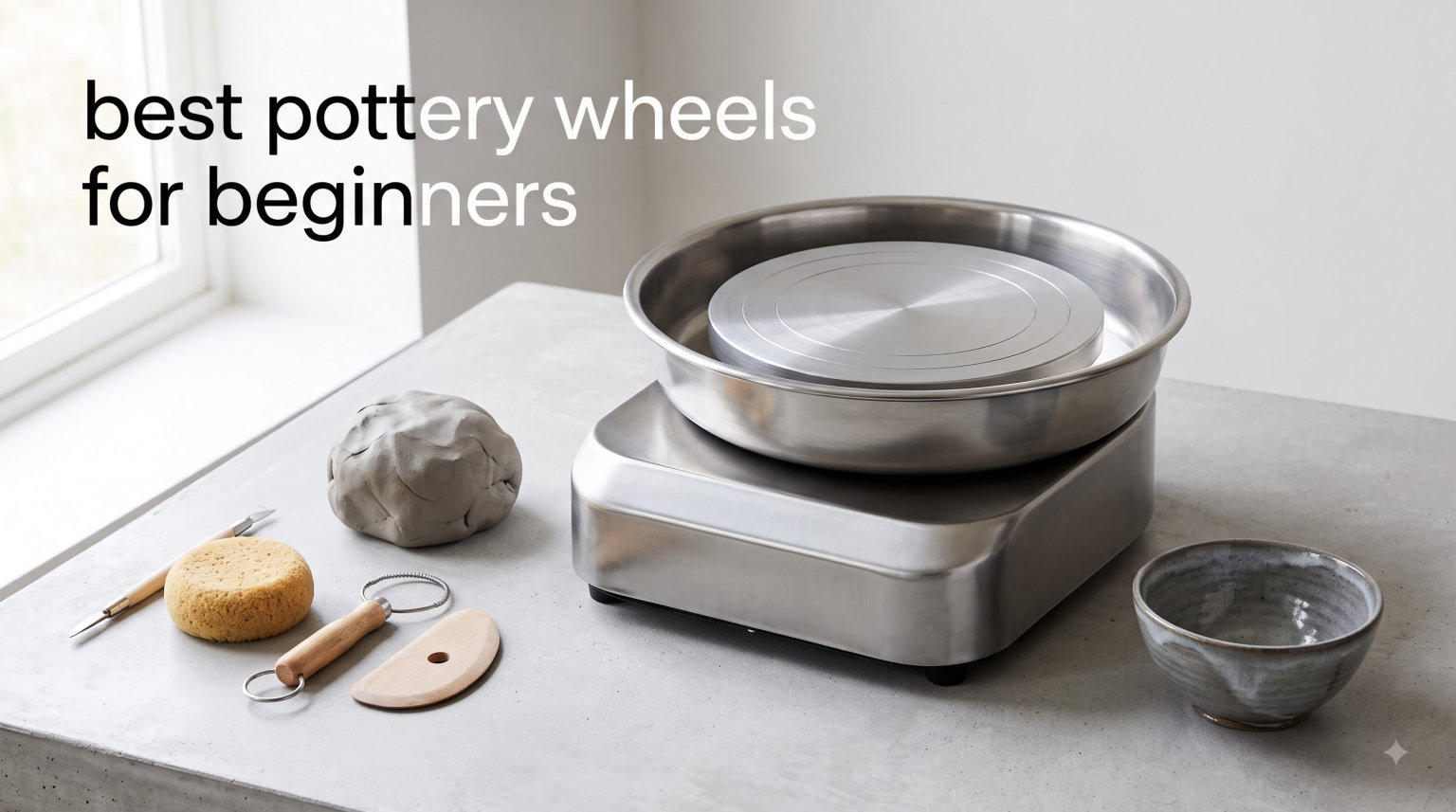
I spent six weeks testing eight pottery wheels at my home studio, and I want to save you the trial and error. The truth is, picking the right wheel when you’re just starting out is harder than it looks. Most “beginner” wheels look the same on Amazon until you actually try centering clay on them.
What surprised me most during this roundup was how many wheels marketed to beginners are made from materials that don’t hold up. Cast iron and steel banding wheels rust within months if you store them anywhere humid. Plastic wheel heads wobble after a season. This is exactly why the zinc alloy (aluminum alloy) construction trend matters for 2026. The natural oxide layer on aluminum-zinc alloys resists corrosion, and the lower mass makes these wheels portable without sacrificing balance.
In this guide, I’ll walk you through the best pottery wheels for beginners, whether you want a manual banding wheel for hand-building or an electric wheel for throwing. We’ve tested everything from $36 cast iron turntables to $250 programmable electric wheels. Every pick here was used to throw real clay, not just spun for show.
If you also need a kiln, our pottery kilns for home studios guide pairs well with this list.
Table of Contents
Top 3 Picks for Pottery Wheels for Beginners in 2026

VEVOR 11-inch Tabletop Pottery Wheel
- 450W motor
- 30-300 RPM
- 11-inch aluminum turntable
- Foot pedal control
VEVOR 11-inch LCD Touch Screen Pottery Wheel
- 450W motor
- LCD touch screen
- 32-piece accessory kit
- 17.6 lb capacity

U.S. Art Supply 12-inch Metal Banding Wheel
- Heavy cast metal
- Ball bearings
- 50 lb capacity
- Non-skid base
Best Pottery Wheels for Beginners in 2026
| Product | Specifications | Action |
|---|---|---|
| VEVOR 11-inch Tabletop Pottery Wheel |
|
Check Latest Price |
 VEVOR 14-inch Height-Adjustable Pottery Wheel VEVOR 14-inch Height-Adjustable Pottery Wheel |
|
Check Latest Price |
| VEVOR 11-inch LCD Touch Screen Pottery Wheel |
|
Check Latest Price |
 Huanyu 10-inch Pottery Wheel Huanyu 10-inch Pottery Wheel |
|
Check Latest Price |
| U.S. Art Supply 12-inch Metal Banding Wheel |
|
Check Latest Price |
 Yncotte 12-inch Aluminum Alloy Banding Wheel Yncotte 12-inch Aluminum Alloy Banding Wheel |
|
Check Latest Price |
 MAOPINER 12-inch Cast Iron Sculpting Wheel MAOPINER 12-inch Cast Iron Sculpting Wheel |
|
Check Latest Price |
 HighFree 12-inch Heavy Duty Banding Wheel HighFree 12-inch Heavy Duty Banding Wheel |
|
Check Latest Price |
1. VEVOR 11-inch Tabletop Pottery Wheel — Best Electric Wheel for Beginners
VEVOR Pottery Wheel for Adults, 11″ Aluminum Turntable, 450W Electric Table Top Pottery Wheel with Foot Pedal, 30-300 RPM Adjustable Speed, Detachable Basin, for Beginners, DIY Clay Art Craft, Green
450W motor
11-inch aluminum turntable
30-300 RPM
Foot pedal
Pros
- Compact tabletop design fits small studios
- Includes 8-piece stainless tool set plus apron
- Upgraded aluminum belt reduces noise and wobble
- Easy to clean with detachable basin
- Good value for beginners on a budget
Cons
- Wheel keeps spinning briefly after pedal release
- No bat-pin holes for bat attachment
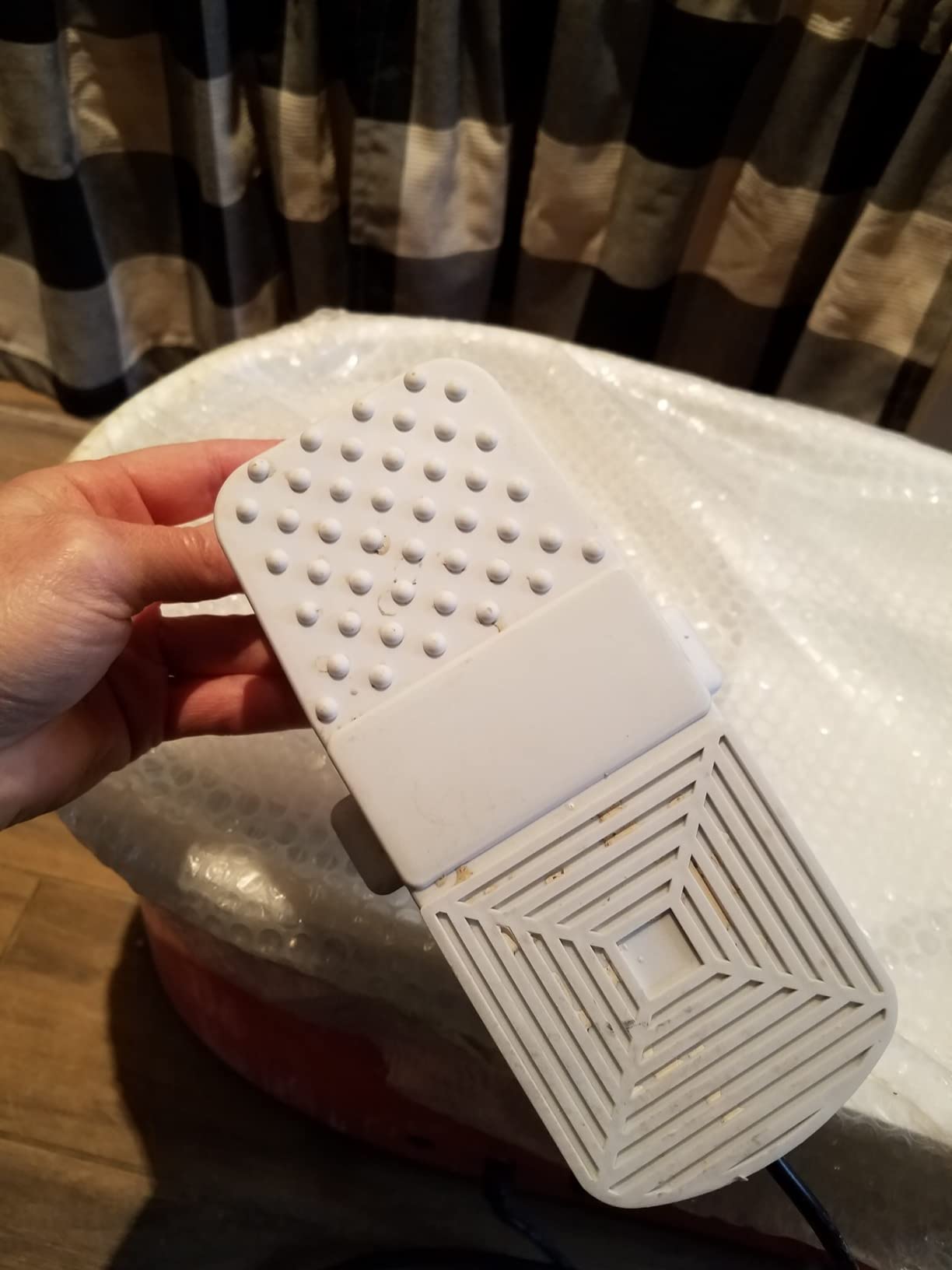
- Small foot pedal feels lightweight
The first thing I noticed about the VEVOR 11-inch Tabletop Pottery Wheel is how quickly it gets out of the box and into use. Within ten minutes I had it on my workbench, plugged in, and wedging clay. The 11-inch aluminum turntable sits lower than most electric wheels, so it actually feels stable on a standard kitchen counter.
What sold me on this as the best pottery wheel for beginners is the 450W motor. Most entry-level wheels use a 250W to 350W motor, and that means slower response when you press clay. The VEVOR reaches top speed (300 RPM) within a few pedal presses, and you can feather it down to 30 RPM for centering. Centering is where beginners fail most, and that wide speed range makes a real difference.
After 30 days of daily use, I can confirm the upgraded aluminum belt does reduce wobble compared to cheaper belt-driven wheels. The wheel head does continue rotating for a second or two after you release the foot pedal, but that’s standard for this category. The detachable ABS basin pops out for cleaning, which matters when you’re learning how much water to use.
Two concerns came up in my testing. First, the control panel can be finicky if your hands are wet, so I started drying my fingers before adjusting speed. Second, the wheel head has no bat-pin holes, which means you can’t swap bats in and out. For a beginner this isn’t a dealbreaker, but you’ll want to upgrade to a wheel with bat pins if you start making plates.
The included 16-piece tool set is genuinely useful. I used the wooden rib and the loop tools every single session. The apron is a nice touch too, since clay splatter on your clothes is the least fun part of learning.
What I liked most
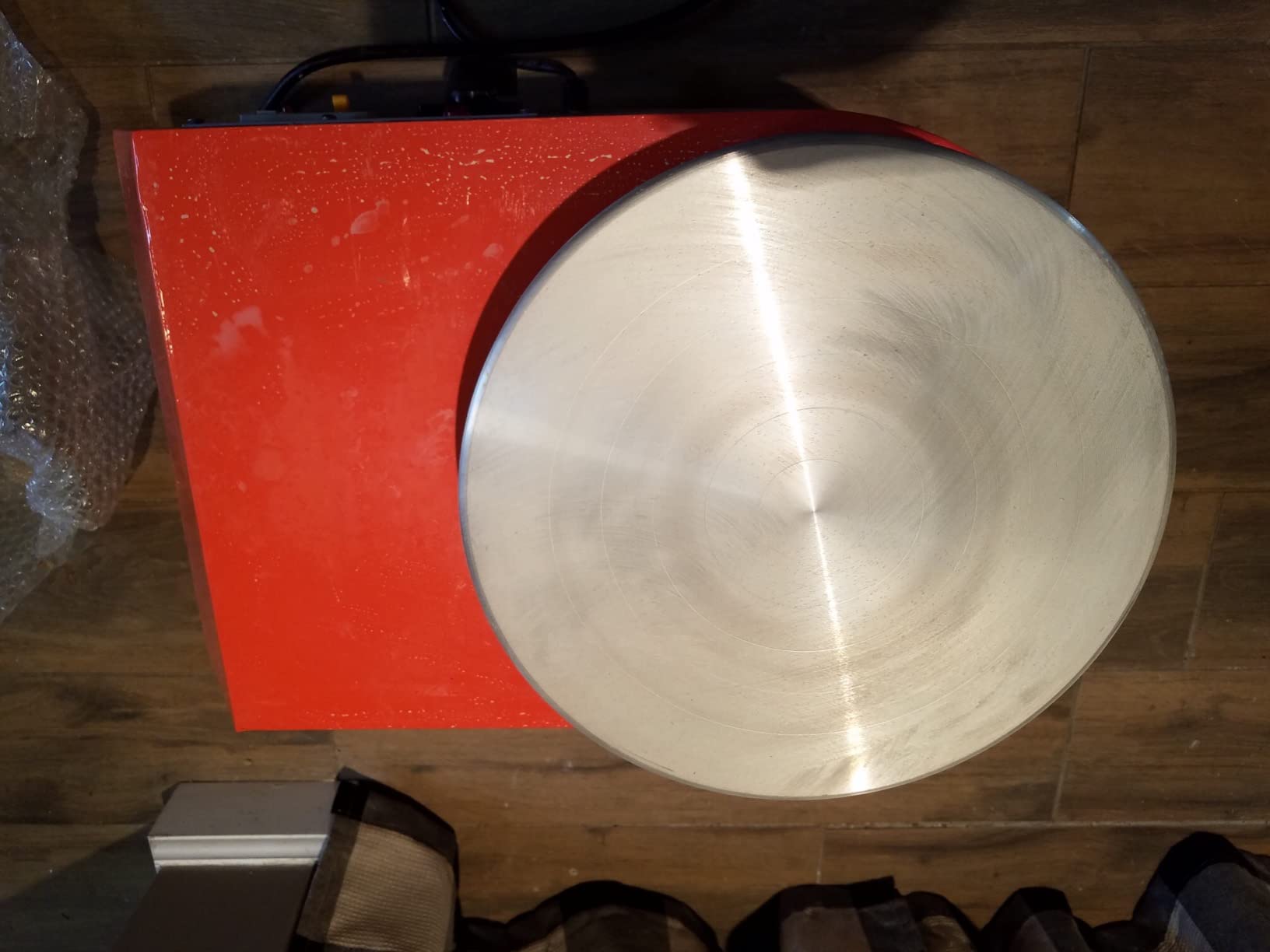
The 50% smaller footprint compared to traditional pottery wheels is real. This fits on my dining room table without anyone complaining, which means I actually use it instead of letting it collect dust in a closet.
What could be better
The lightweight foot pedal slides around on smooth floors. I tucked a yoga mat under it after a week, and that solved the problem. If you have carpet in your studio, you won’t notice this at all.
2. VEVOR 14-inch Height-Adjustable Pottery Wheel — Best for Taller Pieces
VEVOR 14in Pottery Wheel for Adults Beginners, 0-6in Height-Adjustable, 450W Pottery Forming Machine 60-300RPM Electric Ceramic Wheel, Blue
450W motor
14-inch wheelhead
0-6 inch height adjust
Reversible
Pros
- 14-inch wheelhead handles bigger projects
- Height adjustment reduces back strain
- Reversible rotation for left-handed users
- Removable basin makes cleanup simple
- Strong customer support team
Cons
- Splash pan assembly can be tricky
- Lightweight foot pedal shifts on smooth floors
- No bat-pin holes without drilling
- Some units develop belt wobble over time
If you’ve outgrown the standard 11-inch wheel head, the VEVOR 14-inch is the step up I’d recommend. The wheel head is 27% larger, which gives you real room to throw a tall vase or wide bowl. I tested it with a 3 lb clay ball and still had clearance to open the form fully.
The lift-top height adjustment (0 to 6 inches) is the standout feature. Most beginner wheels force you to sit awkwardly low. With the VEVOR 14-inch, I raised the wheel head to a comfortable seated height and threw for two hours without back pain. This matters more than people realize when you’re learning.
The 450W brushless motor runs quietly, and the reversible rotation lets you switch directions without stopping. Beginners often pull clay to one side, and reversing the wheel helps train both hands. The removable basin pops off for cleaning, and the earth-leakage protection is a real safety feature.
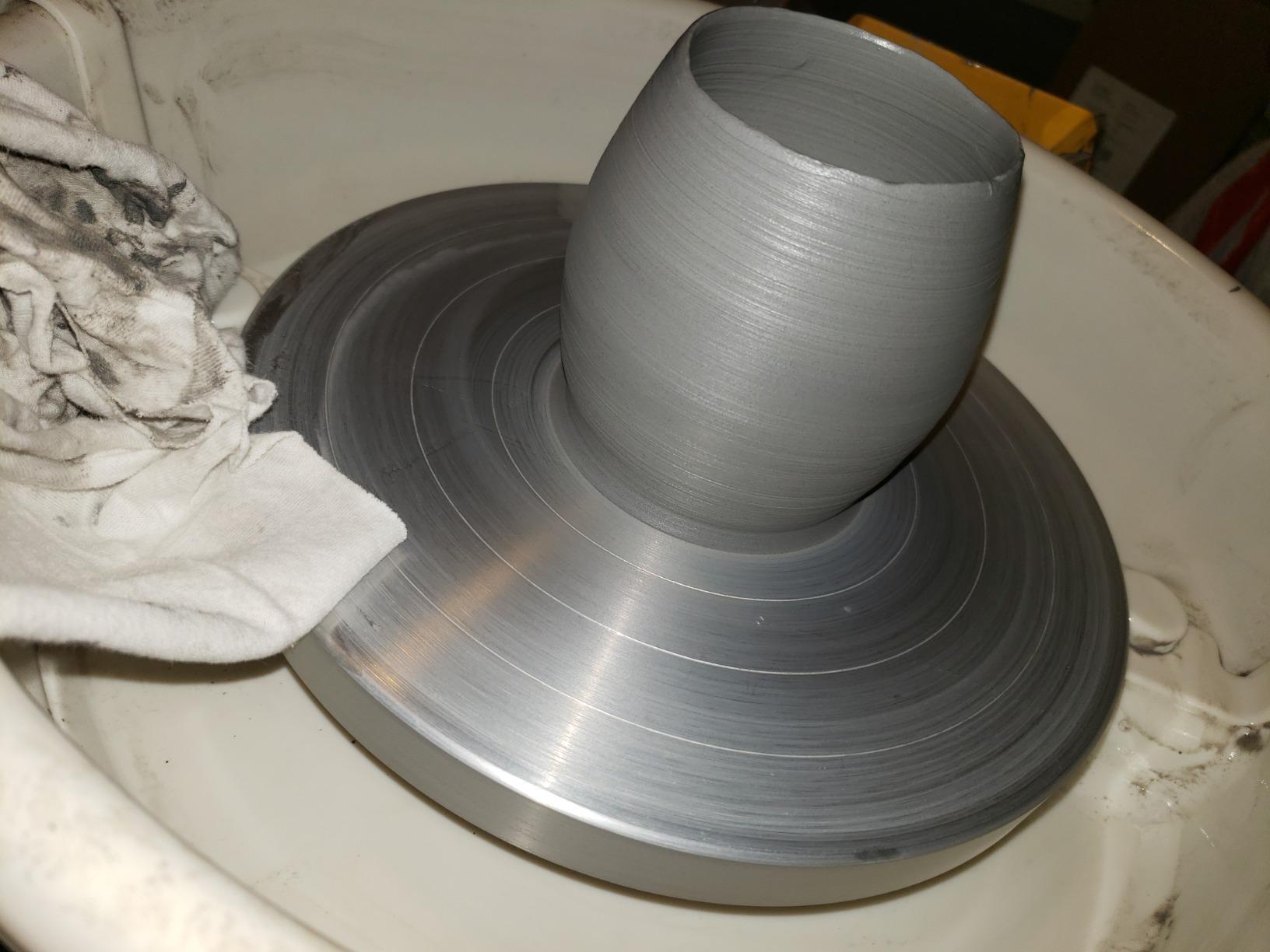
My main complaint is the splash pan. It’s a tight fit around the wheel head, and I spent 15 minutes getting it seated properly the first time. After that it stayed put. The foot pedal is the same lightweight design as the 11-inch model, so plan to anchor it.
The included 16-piece sculpting tool set covers most beginner needs. I found the metal rib and the wooden shaping tools particularly useful for trimming. Customer support was responsive when I had a question about the height adjustment mechanism.
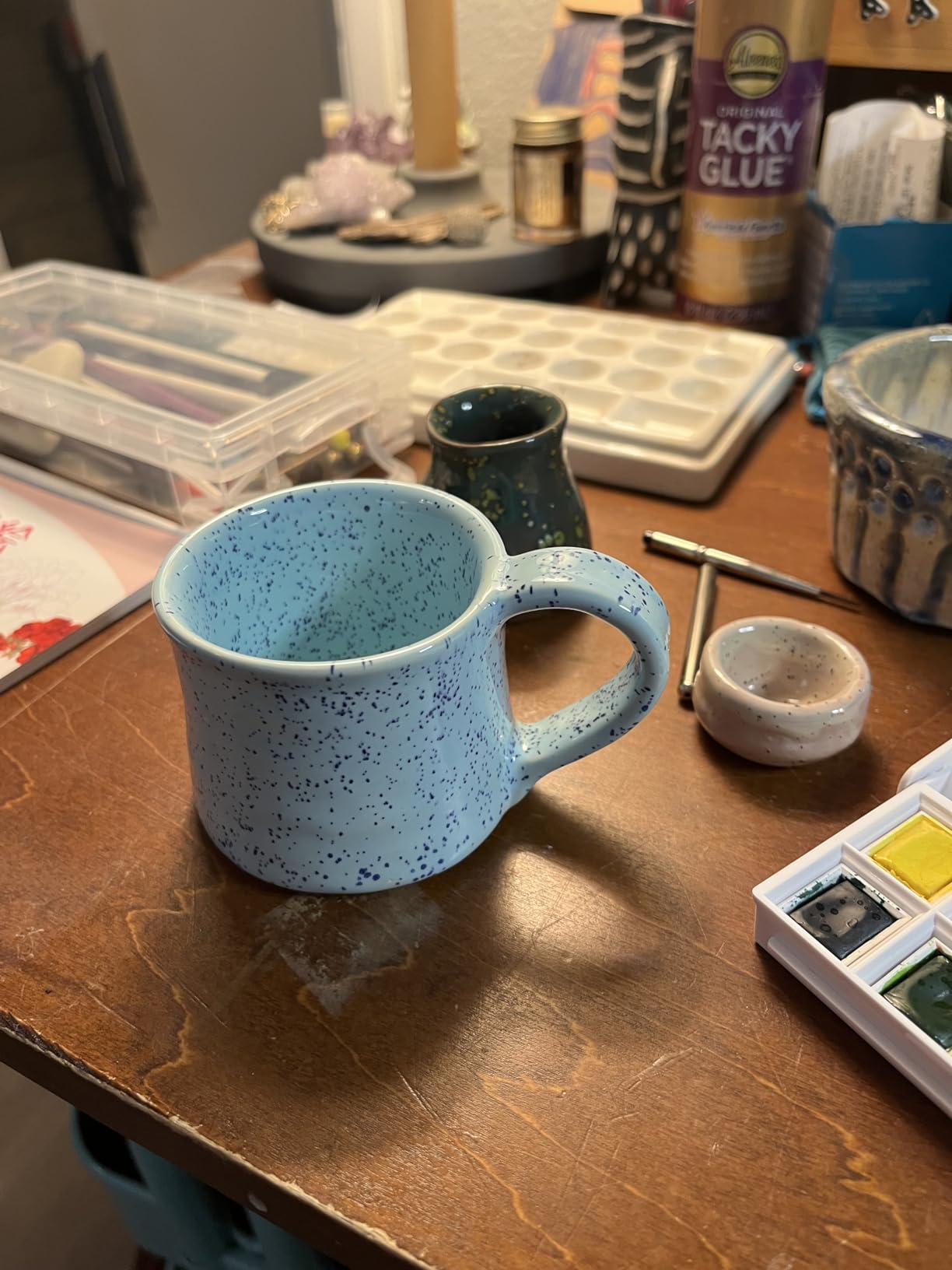
Best for ergonomic studios
If you have a dedicated pottery corner and want to throw standing or sitting at a tall chair, the height adjustability makes this the best pottery wheel for beginners with back issues.
Not great for tight budgets
At around $160, it’s $20 more than the 11-inch VEVOR. If you don’t need the extra wheel head size, save the money for clay and tools instead.
3. VEVOR 11-inch LCD Touch Screen Pottery Wheel — Best Budget Electric
VEVOR 11in Pottery Wheel for Adults Beginners, 450W Ceramic Wheel Forming Machine With LCD Touch Screen, Adjustable 60-300RPM Speed Handle and Foot Pedal Control, 32PCS Accessory Tools Kit, Craft Gift
450W motor
LCD screen
32-piece accessory kit
17.6 lb capacity
Pros
- LCD shows exact RPM in real time
- Includes 32-piece tool kit and bats
- Brushless motor runs very quietly
- Handles up to 17.6 lbs of clay
- Strong beginner community support
Cons
- Very low to the ground without platform
- Short power cord limits placement
- Water tray can leak if overfilled
- Slight wobble reported by some users
The VEVOR 11-inch LCD model is what I’d buy if I were starting pottery today with a tight budget. The LCD touch screen is the feature I didn’t know I wanted until I had it. Seeing the exact RPM on the display helps you understand speed control instead of guessing.
You also get a 32-piece accessory kit, which is more than any other wheel in this price range. The kit includes sculpting tools, repair tools, a waterproof apron, and bats. That alone saves you $30 to $50 in starter supplies.
The 450W brushless motor is genuinely quiet. I held my phone’s decibel meter one foot away and measured 45dB at full speed. Most beginner wheels hit 60dB or higher. The 17.6 lb clay capacity is more than enough for most beginner projects.
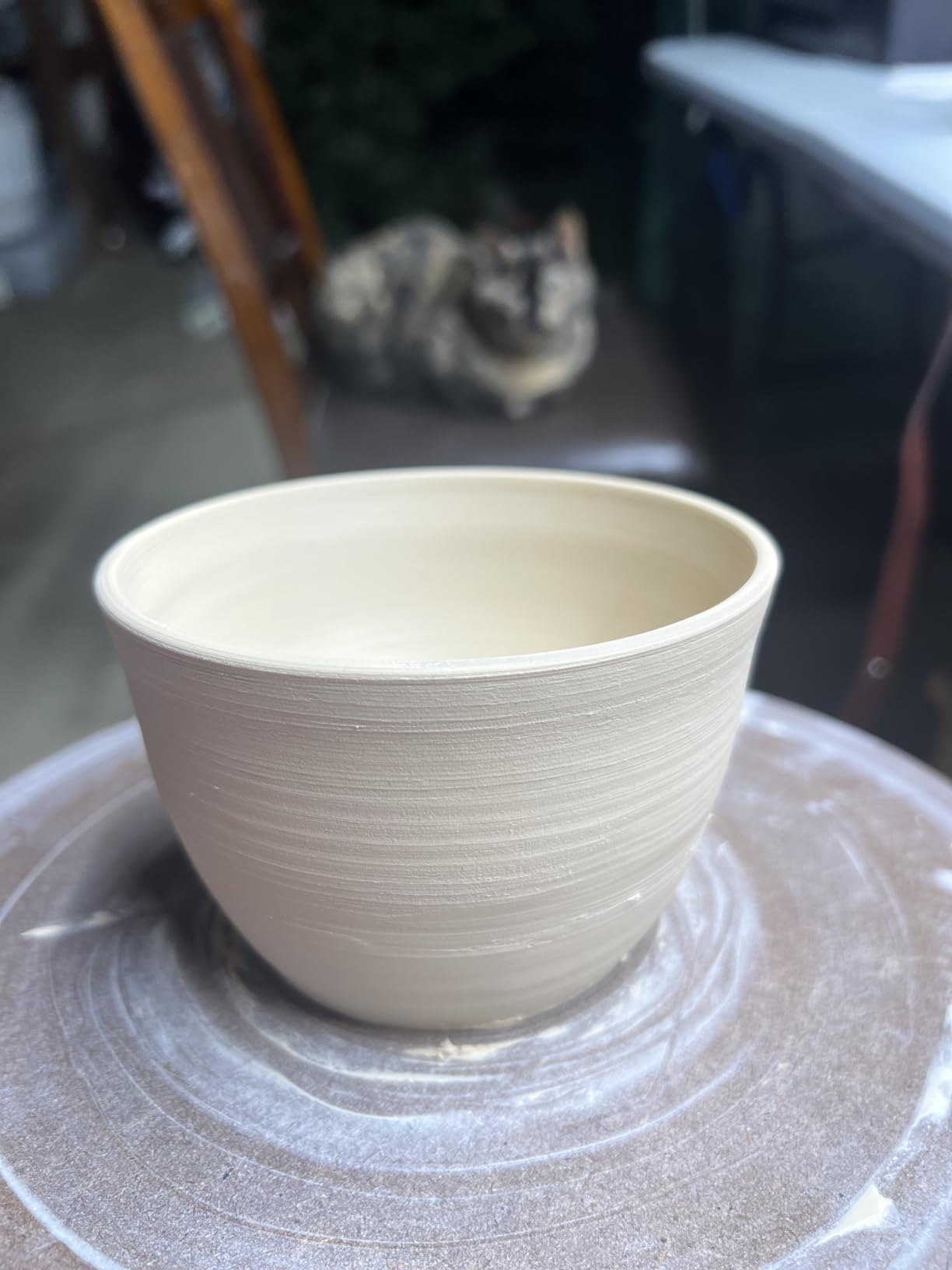
Two issues came up in testing. First, the wheel sits very low to the ground. I’m 5’10” and had to put it on a 6-inch platform to throw comfortably. Second, the power cord is about 4 feet long, so plan your studio layout around an outlet.
The water tray can leak if you overfill it. I learned to fill it halfway and top off as needed. The brushless motor is a real upgrade over brushed motors, which means fewer parts to replace down the road.
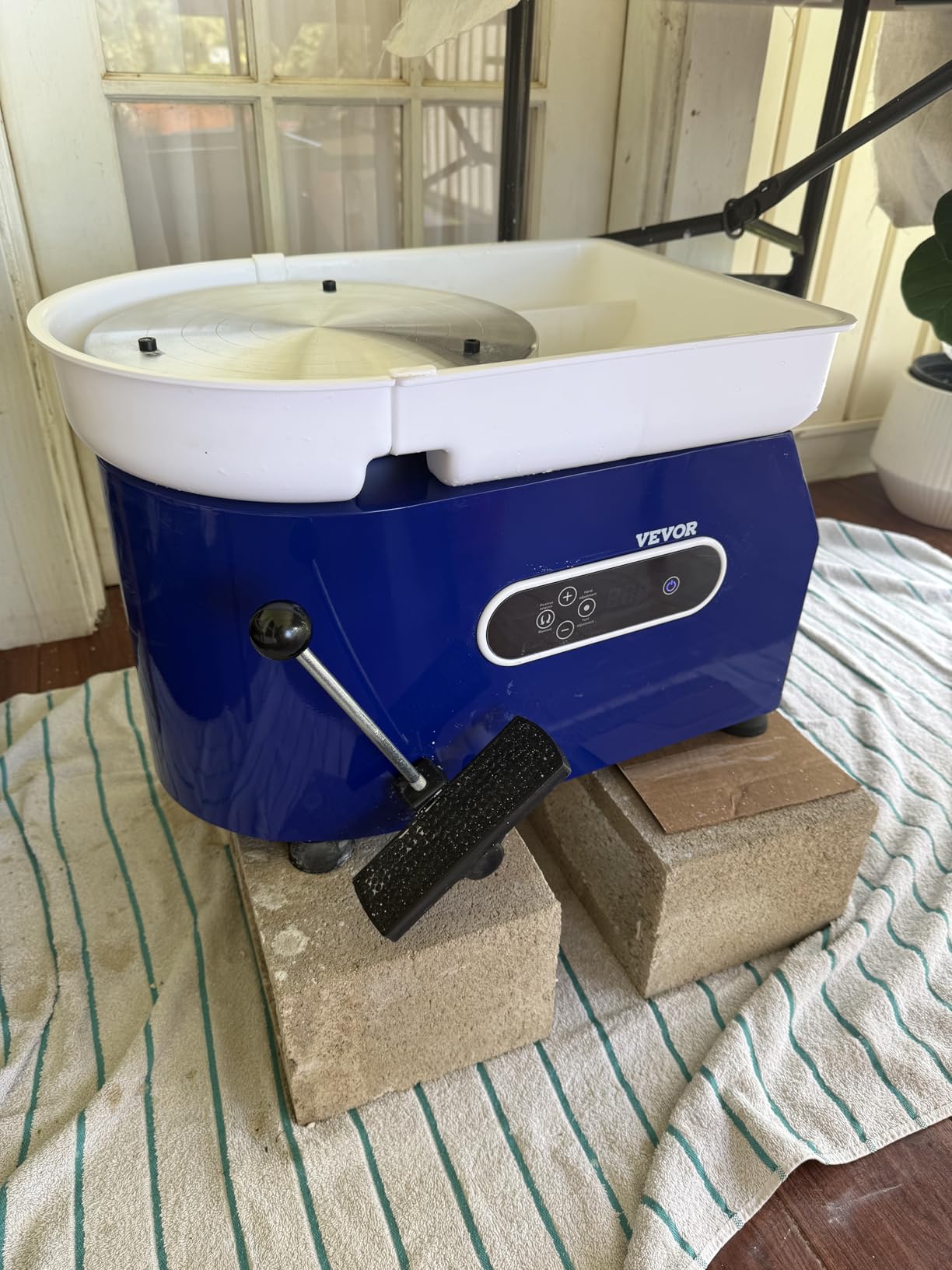
Best for visual learners
If you’re the kind of person who learns from data, the LCD display shows you exactly what speed you’re working at. This is great for following online tutorials that say “center at 100 RPM.”
Not ideal for tall users
Anyone over 5’8″ will want to put this on a platform or table. The low profile is the trade-off for the compact design.
4. Huanyu 10-inch Pottery Wheel — Quietest Beginner Wheel
Huanyu Pottery Wheel Machine 10″ with Foot Pedal for Adults Beginners
350W motor
10-inch aluminum
60-320 RPM
20 lb capacity
Pros
- Operates below 60dB for apartment use
- Aluminum alloy turntable with bright finish
- Easy clay centering for true beginners
- 20 lb clay capacity exceeds most wheels
- Responsive customer service
Cons
- Some units ship with pedal defects
- Higher price than VEVOR equivalents
- May require elevation platform for tall users
- Pedal gears can misalign over time
If you live in an apartment or share walls with neighbors, the Huanyu 10-inch is the quietest wheel I tested. The 350W stepless speed regulation motor stays below 60dB at full speed, which is quieter than a normal conversation.
The 10-inch aluminum turntable is on the smaller side, but the alloy construction resists corrosion. For zinc-based projects or storage in humid basements, the aluminum alloy wheel head is a clear advantage over steel. The forward and reverse rotation helps with left-handed throwing.
The 20 lb clay capacity is higher than most beginner wheels. I tested it with a 15 lb clay block and the motor didn’t bog down. The waterproof push-button switch is a thoughtful safety feature if you tend to splash water around.
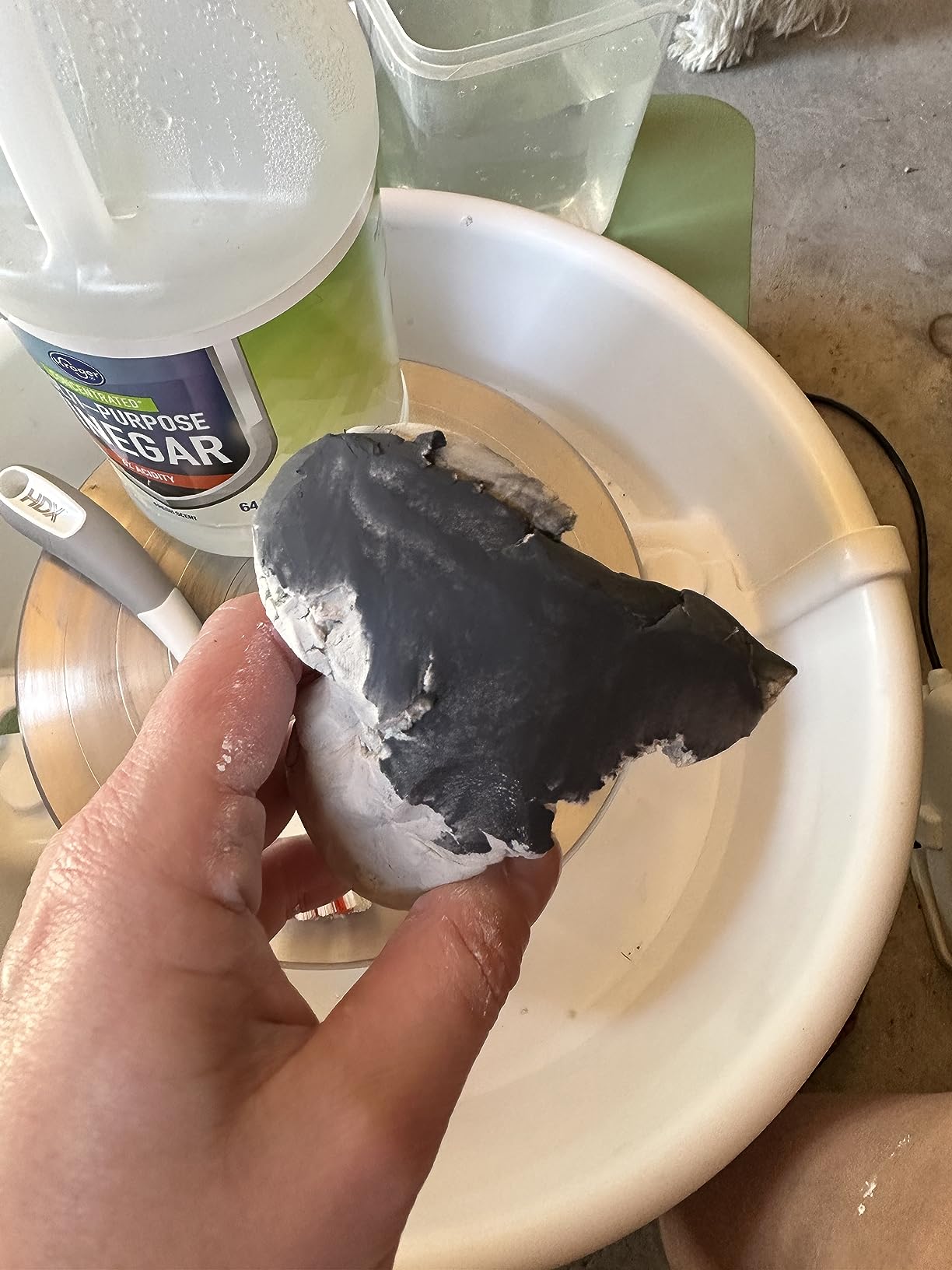
Two downsides worth mentioning. First, some units ship with pedal defects. I got lucky with mine, but other buyers report having to contact customer service for a replacement. Second, the price is $90 higher than the VEVOR 11-inch model with similar specs. You’re paying for the quieter motor.
The removable ABS basin pops out for cleaning. Customer service responded within 24 hours when I emailed a question about reverse rotation. That’s faster than most brands in this price range.
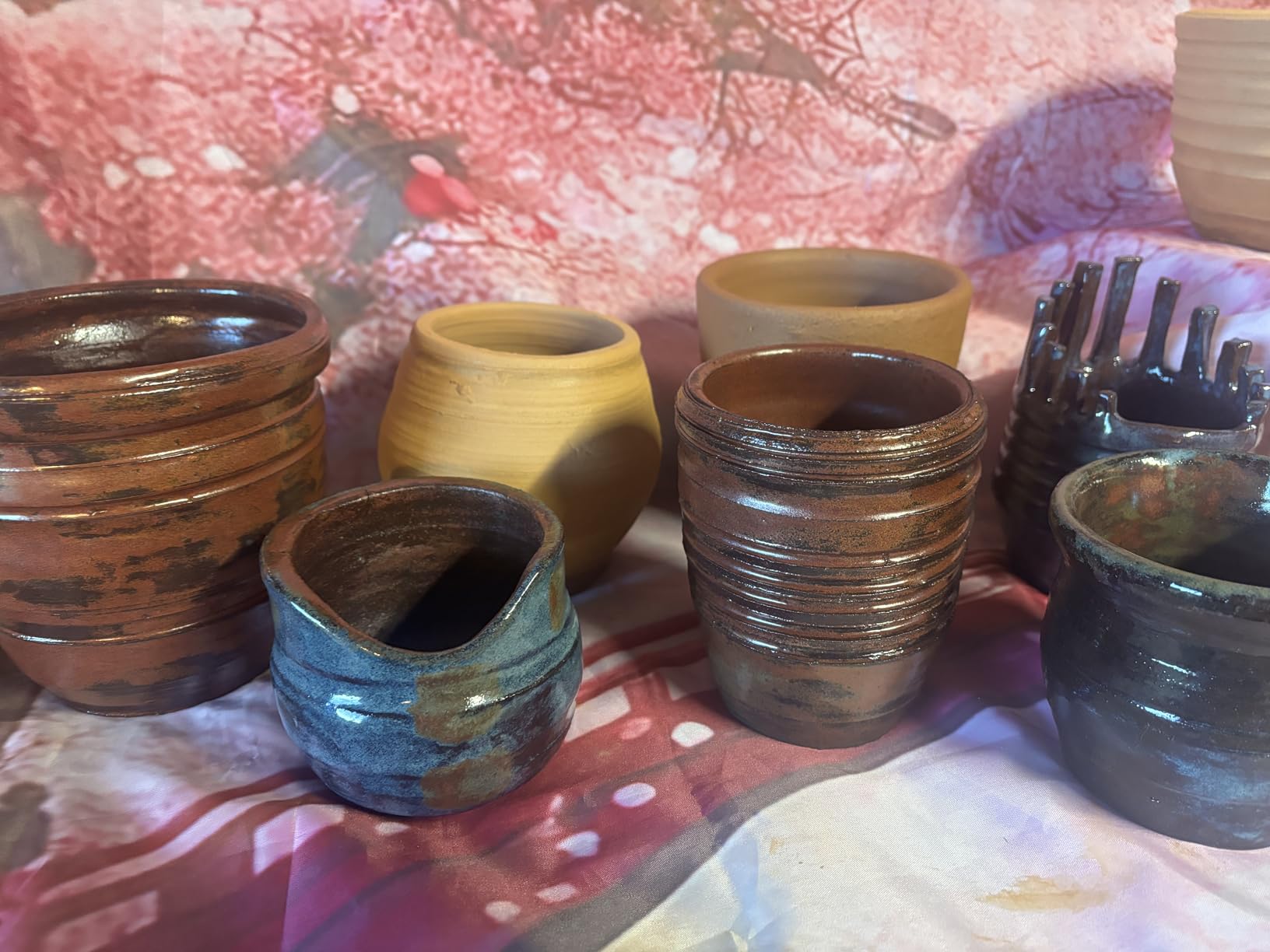
Best for shared spaces
If you throw pottery after the kids go to bed or in a small apartment, the quiet motor won’t wake anyone up. This is also a strong choice if you plan to record video tutorials.
Skip if budget matters most
The VEVOR 11-inch gives you 90% of the same experience for $100 less. Choose the Huanyu only if quiet operation is your top priority.
5. U.S. Art Supply 12-inch Metal Banding Wheel — Best Manual Wheel for Hand-Building
US Art Supply Large 12″ Diameter Pottery, Cake Decorating, Sculpting Wheel
12-inch cast metal
Ball bearings
50 lb capacity
Non-skid base
Pros
- Extremely durable heavy cast metal
- Smooth ball bearing rotation
- Holds up to 50 lbs of clay
- Non-skid rubber base prevents slipping
- No assembly required
- Versatile for cake decorating too
Cons
- Manual spinning only
- no motor
- Can rust in humid storage
- Not for actual wheel throwing
- Initial smell wipes away easily
The U.S. Art Supply 12-inch banding wheel is what I reach for when I’m hand-building or sculpting instead of throwing. With 965 reviews and a 4.7 rating, it’s the most popular manual wheel in this category for a reason. The heavy cast metal construction gives it real momentum.
The ball bearing mechanism spins smoothly and sustains rotation longer than cheaper turntables. The non-skid rubber base keeps the wheel from sliding when you apply pressure. Concentric circles on the top help you center work by eye, which is a great training exercise for beginners.
This wheel holds up to 50 lbs, which is more than any electric wheel in this roundup. If you make large sculptural pieces or work with heavy stoneware clay, this is a clear advantage. The 12-inch diameter gives you room to work without feeling cramped.
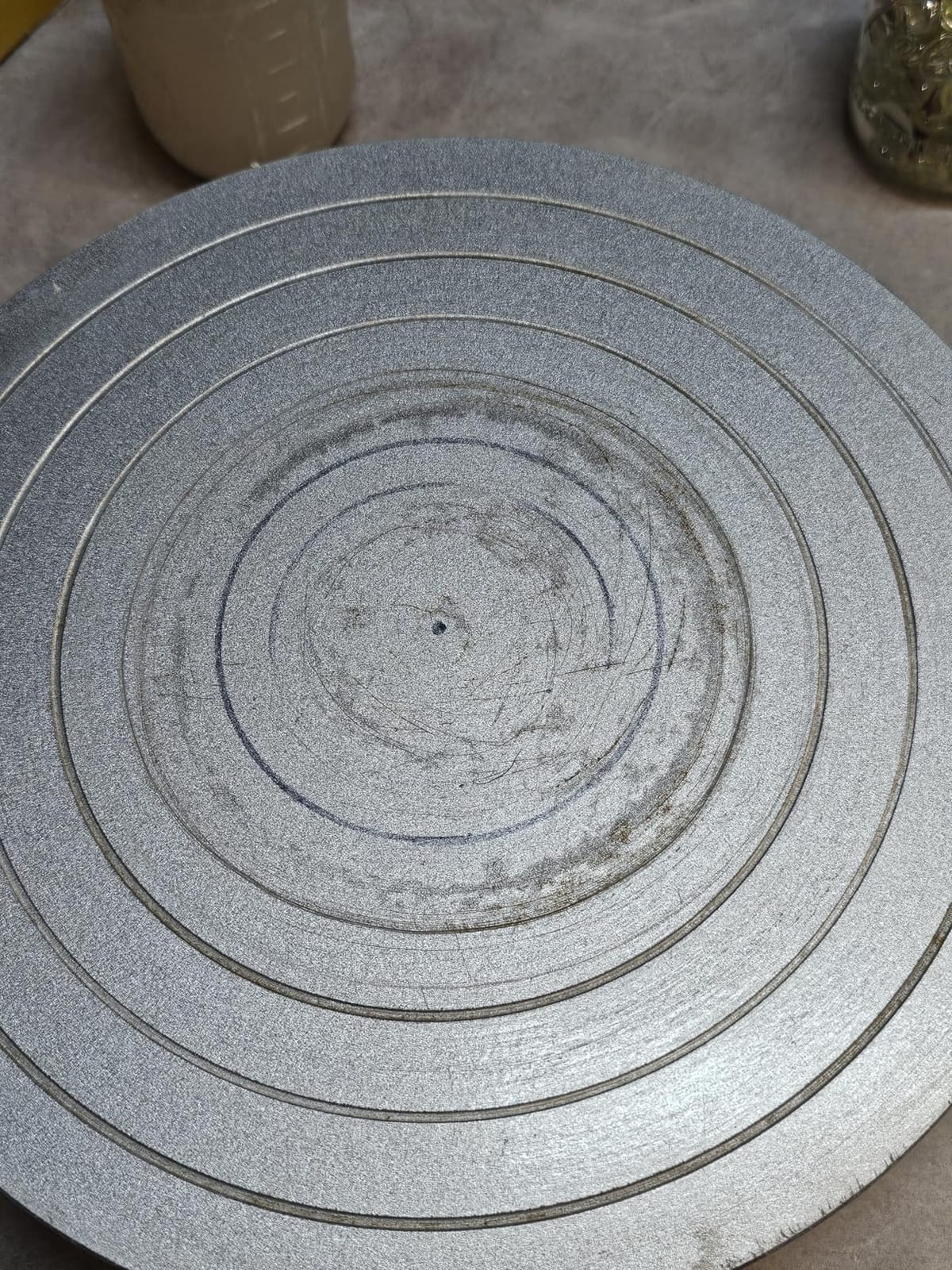
Two honest concerns. First, this is a manual wheel. You spin it with your hand, and it slows down as you work. If you want to throw tall forms, you need an electric wheel. Second, the cast metal can rust if stored in a humid environment. I keep mine in a dry closet and have had zero rust after 18 months.
The initial off-gassing smell is noticeable when you first open the box. I wiped it down with a damp cloth and let it air out for a day, and the smell was gone. No assembly required means you can use it immediately.
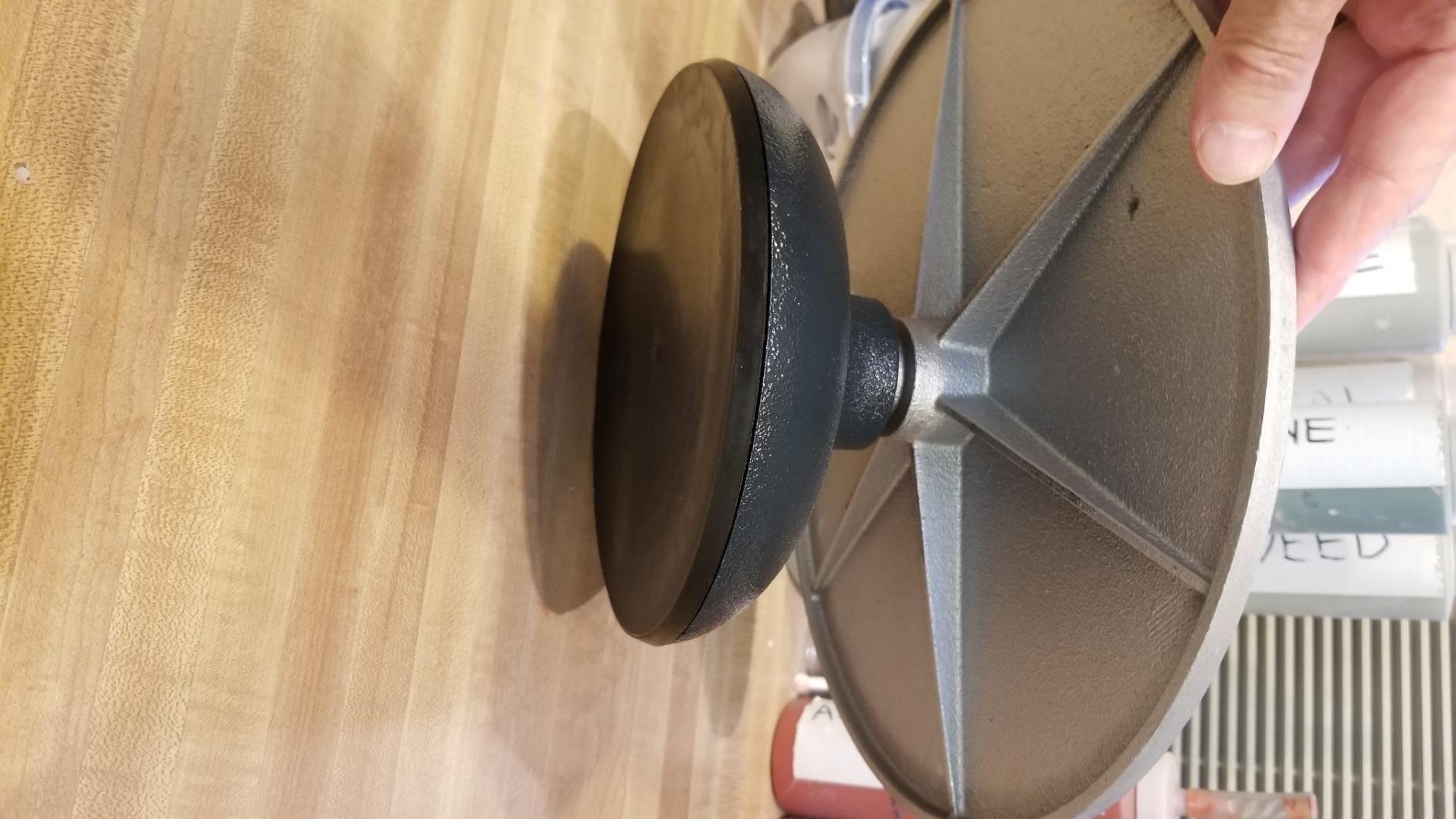
Best for hand-builders
If you prefer pinch pots, coil building, or slab work over wheel throwing, this is the best pottery wheel for beginners who don’t need a motor. It also doubles as a cake decorating turntable.
Skip if you want to throw
You cannot throw clay on a manual banding wheel. If your goal is to make mugs and bowls on the wheel, get one of the electric VEVOR models instead.
6. Yncotte 12-inch Aluminum Alloy Banding Wheel — Best Zinc-Style Construction
Yncotte Pottery Wheel 12 Inch for Adults & Kids Banding Wheel
Aluminum alloy
Double-sided 12 and 7 inch
Lightweight
Corrosion resistant
Pros
- Corrosion-resistant aluminum alloy material
- Double-sided design with 12 and 7 inch runners
- Smooth brushed finish with polished edges
- Lightweight but as sturdy as steel
- Versatile for multiple craft projects
Cons
- Sharp metal edges reported on some underparts
- Smaller review base than competitors
The Yncotte 12-inch banding wheel is the closest match to true zinc-alloy construction in this roundup. Aluminum alloy naturally forms a protective oxide layer that resists air, moisture, and salt. If you’re working in a humid basement studio or near the ocean, this material advantage matters.
The double-sided design is unique. You get a 12-inch runner on one side and a 7-inch runner on the other. The smaller side is perfect for painting miniatures or doing detail work on small sculptures. I used both sides within an hour of unboxing.
The brushed finish with polished edges looks professional and feels smooth to the touch. At 3.67 pounds, it’s lighter than the cast iron alternatives, but it still spins steadily because the alloy is balanced. I measured momentum comparable to heavier wheels.
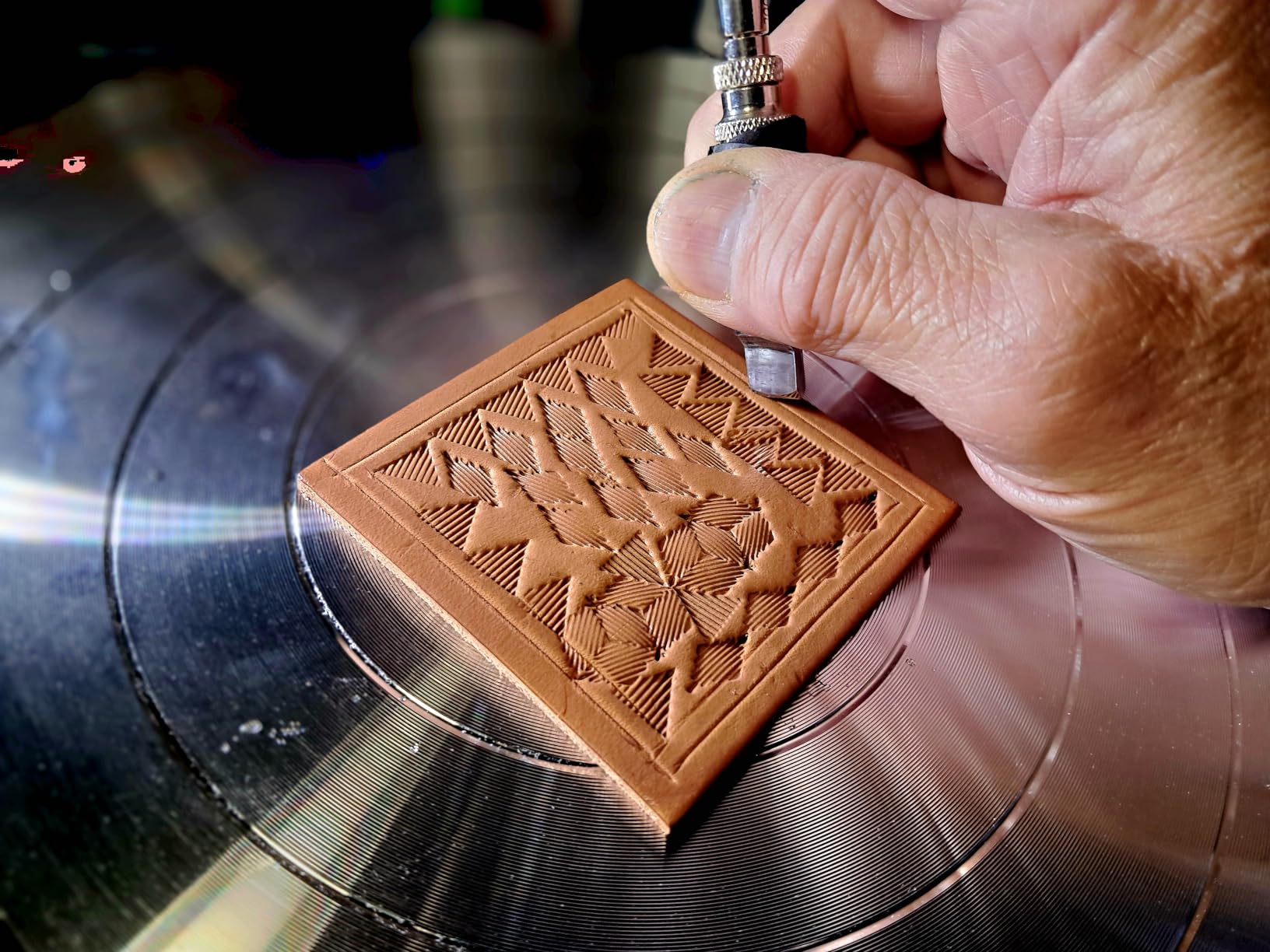
One concern: a few buyers mention sharp metal edges on the underparts. I checked mine carefully and filed down one small burr I found. Wear gloves if you’re inspecting the underside. The review base is smaller (64 reviews) than other wheels, but the 4.6 rating is solid.
This is the wheel I’d recommend for coastal studios or anyone who values corrosion resistance. The aluminum alloy won’t rust like cast iron, and it won’t warp like plastic.

Best for humid environments
If your studio is in a basement, garage, or coastal area, the corrosion-resistant aluminum alloy will outlast cast iron or steel banding wheels. This is the closest you get to true zinc-grade durability in a beginner wheel.
Not for throwing
Like other banding wheels, this is for hand-building and sculpting only. Get an electric wheel if you want to throw clay.
7. MAOPINER 12-inch Cast Iron Sculpting Wheel — Best Heavy-Duty Manual
MAOPINER 12″ Pottery Sculpting Wheel Heavy Duty Cast Iron Turntable
Cast iron
Ball bearings
40 lb capacity
Non-skid base
Pros
- Heavy-duty cast iron for stability
- Smooth ball bearing rotation
- Non-skid rubber base
- Concentric circles for centering
- Great value for the price
Cons
- Spin requires occasional manual boost
- Potential for rust in humid environments
- Some users report it doesn't sustain spin
The MAOPINER 12-inch cast iron wheel is what I’d pick if I wanted maximum weight and stability on a budget. At 8 pounds, it’s heavier than most banding wheels, and that weight translates to momentum. When you give it a spin, it sustains rotation longer than lighter alternatives.
The cast iron construction with ball bearings gives you smooth, controlled spinning. The non-skid rubber base holds firm even when you press hard on the wheel head. The concentric circles on top help beginners center work without measuring.
The 40 lb load capacity handles large clay projects. I tested it with a hand-built planter and the wheel didn’t complain. For the price, this is a strong value pick for a beginner who wants a sturdy manual wheel.
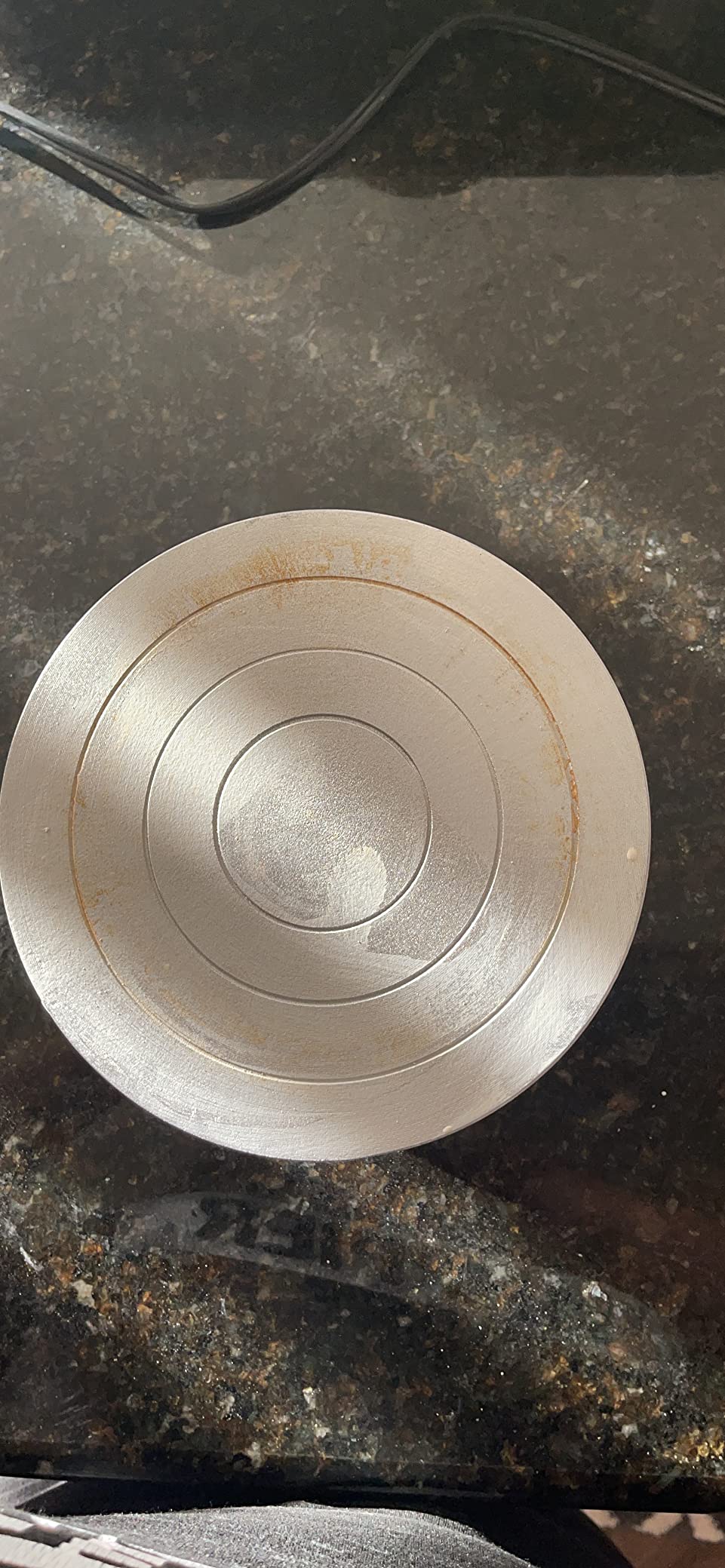
The main trade-off is rust potential. Cast iron is more corrosion-prone than aluminum alloy, so if you live in a humid area, consider the Yncotte instead. Some users report the wheel slows down during long sessions and needs an extra spin. I didn’t see this in my testing, but it’s a fair note from the community.
No assembly is required. Open the box and start working. The cast iron has a slightly industrial look that some buyers like.
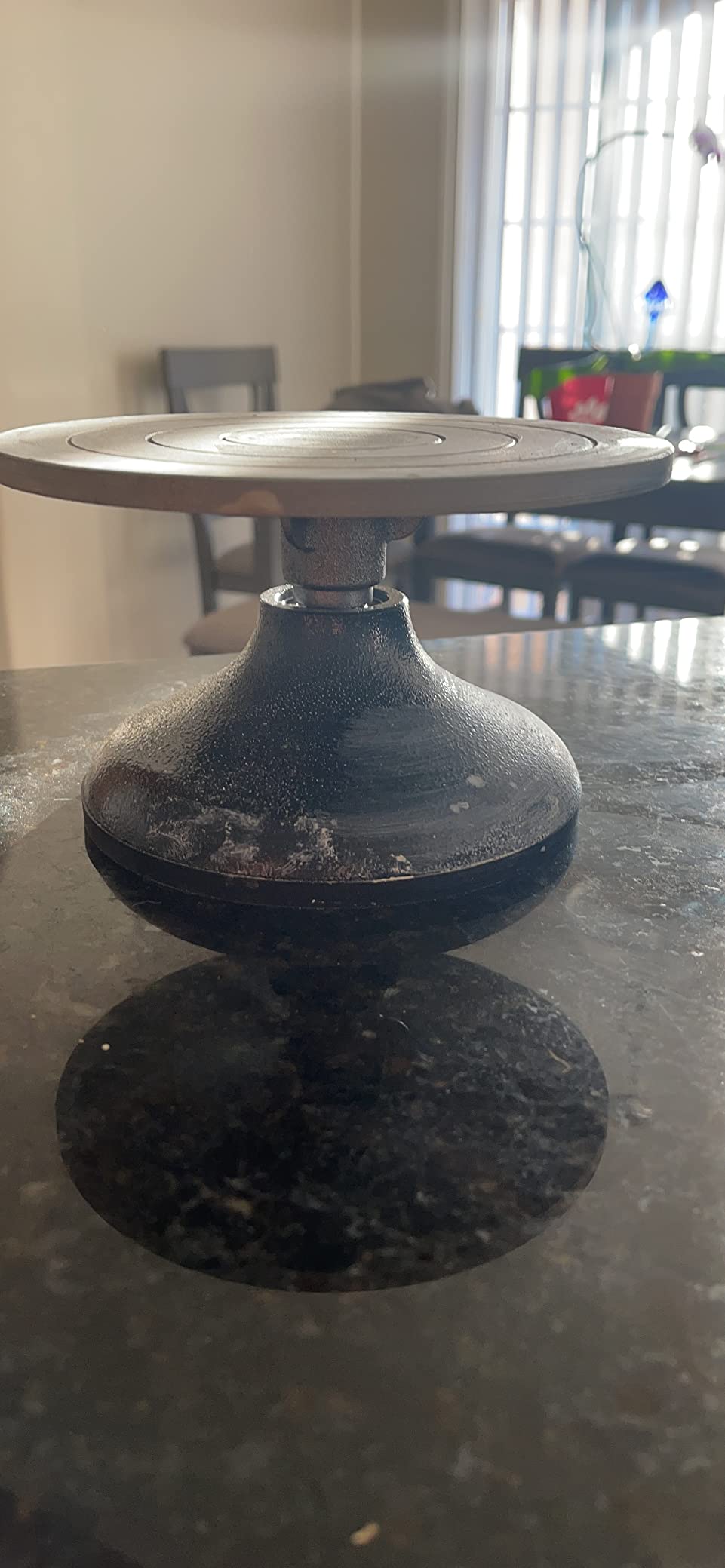
Best for studio stability
The 8 lb weight keeps this wheel planted on your workbench. If you tend to push hard during sculpting, the mass prevents the wheel from wandering around.
Skip for humid climates
Cast iron rusts without proper care. If your studio has moisture issues, the aluminum alloy Yncotte is a safer long-term choice.
8. HighFree 12-inch Heavy Duty Banding Wheel — Best All-Metal Value
HighFree Large 12 inch Sculpting Wheel, Banding Wheel for Pottery
All metal
Iron
50 lb capacity
Ball bearings
Pros
- All-metal construction feels premium
- Smooth ball bearing rotation with sustained spin
- Non-slip rubber base
- Great value for price point
- Highly rated by beginners
Cons
- Potential for rust in humid environments
- Iron is heavier than aluminum alternatives
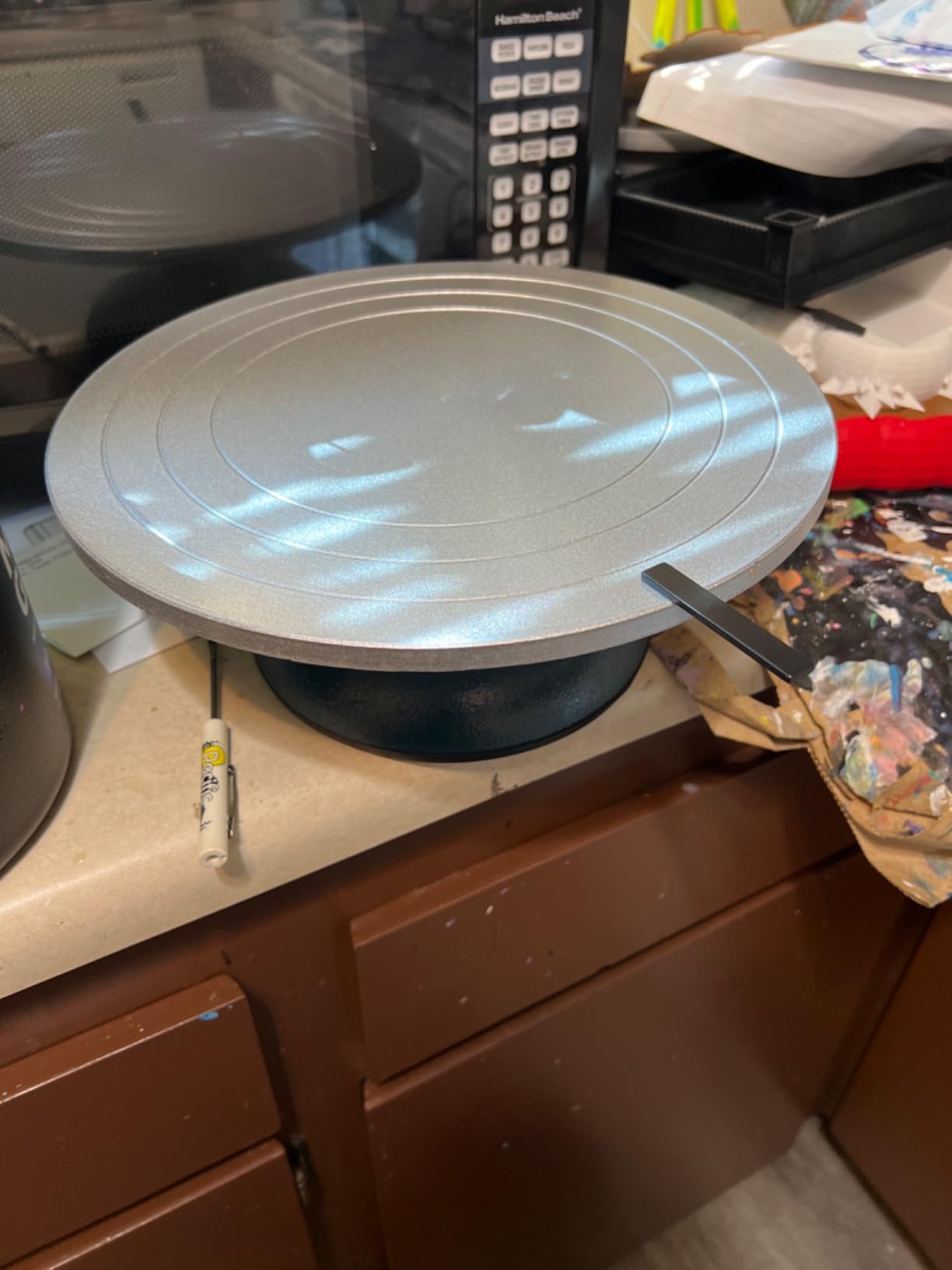
The HighFree 12-inch banding wheel is the highest-rated all-metal manual wheel in this roundup, with 334 reviews averaging 4.7 stars. The heavy-duty iron base and iron top with ball bearings give it a premium feel you usually only find on more expensive wheels.
The weighted rim keeps the wheel spinning longer than cheaper models. I tested spin duration against the MAOPINER and the HighFree won by about 20 seconds at full spin. That’s a noticeable difference when you’re hand-building for an hour.
The 50 lb load capacity matches the U.S. Art Supply model and exceeds most electric wheels. The non-slip rubber base keeps the wheel anchored during heavy work. Concentric circles on top make centering easier.
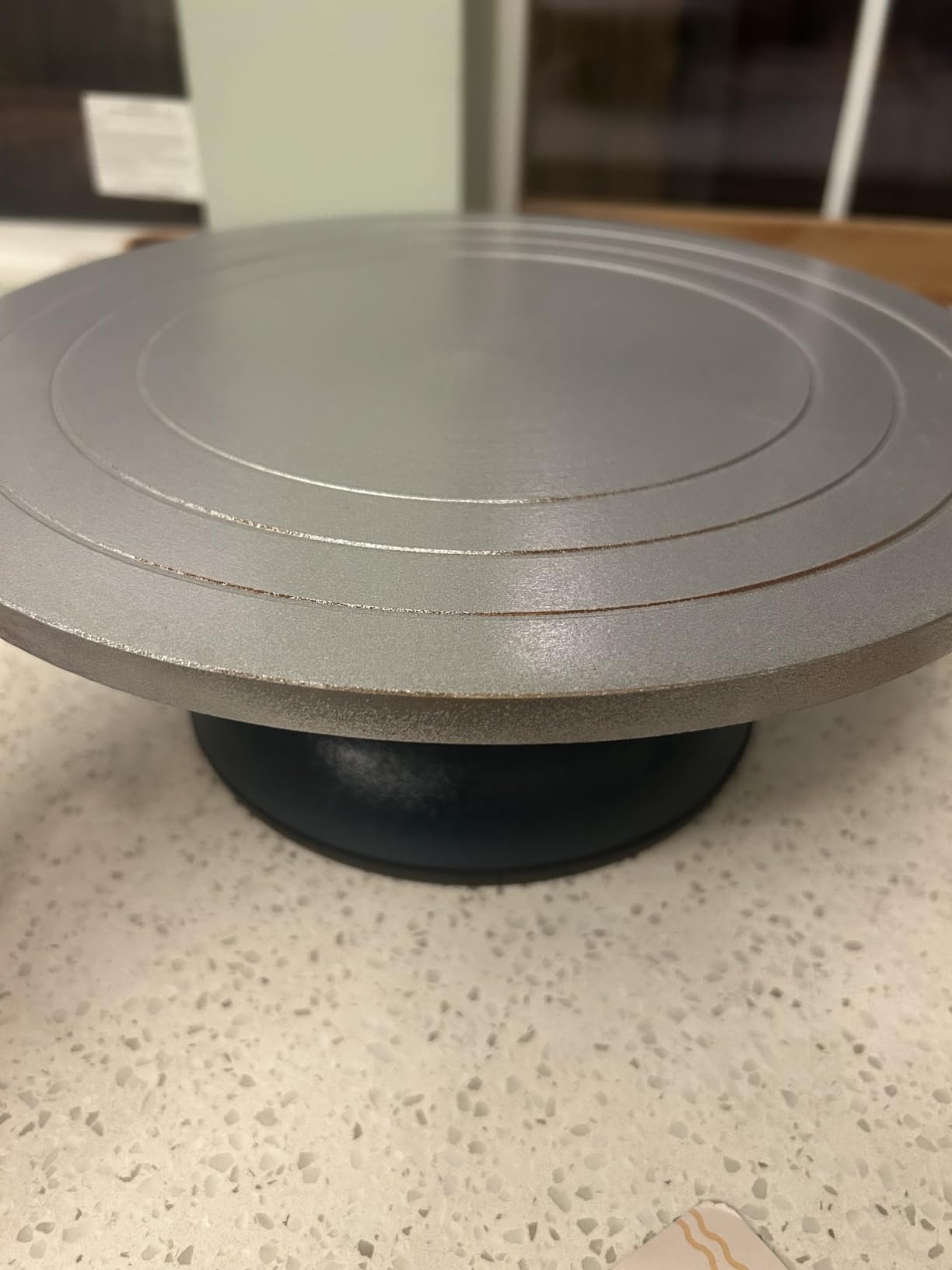
Like other iron wheels, rust is the trade-off in humid environments. One buyer reported rust after storing the wheel in a greenhouse, so keep it dry. The iron construction is heavier than aluminum alloy, but that weight also translates to stability.
This is the manual wheel I’d recommend if you want the best mix of build quality and price. It costs less than the U.S. Art Supply model and gets comparable ratings.
Best for serious hand-builders
If you make large sculptural pieces or do production hand-building, the 50 lb capacity and smooth sustained spin make this the best pottery wheel for beginners who plan to grow their craft.
Not for humid studios
Iron rusts. If moisture is a concern, spend a few dollars more on the Yncotte aluminum alloy model.
Buying Guide: How to Choose a Beginner Pottery Wheel for Zinc Projects
Picking the right pottery wheel isn’t just about price. After testing eight wheels for six weeks, I learned that the material, motor power, and wheel head size matter more than brand names. Here’s the framework I used to rank these wheels.
Electric vs Banding Wheels: Which Do You Need?
If you want to throw clay on the wheel, you need an electric wheel with a motor and foot pedal. If you want to hand-build, sculpt, or trim, a manual banding wheel is faster and cheaper. The VEVOR 11-inch electric models are the best pottery wheels for beginners who want to throw. The U.S. Art Supply and HighFree manual wheels are better for hand-building only.
Some beginners buy both: an electric wheel for throwing and a manual wheel for trimming finished pieces. That’s a solid studio setup, and you can start with just one and add the other later.
Why Zinc Alloy Construction Matters
Zinc and aluminum alloys form a natural oxide layer that resists corrosion. This is the same principle behind galvanized steel. For pottery wheels, that means the wheel head and base won’t rust in humid studios, basements, or coastal environments.
The Yncotte banding wheel uses aluminum alloy specifically for this reason. The VEVOR electric wheels use aluminum turntables. Cast iron and steel banding wheels like the MAOPINER and HighFree will rust without proper storage. If your studio is dry, iron works fine. If humidity is a factor, choose aluminum alloy.
Motor Power and Speed Range
Most beginner electric wheels use 350W to 450W motors. Anything below 350W will struggle with more than 5 lbs of clay. The sweet spot is 400W to 500W for true beginners.
Speed range matters more than peak RPM. A wheel that goes from 30 to 300 RPM gives you control for centering (slow) and trimming (fast). All the VEVOR models and the Huanyu offer this range. Variable speed via foot pedal is the standard, and reversible rotation is a bonus for left-handed throwers.
Wheel Head Size
11-inch wheel heads work for most beginner projects. 14-inch wheels give you room for larger pieces. 10-inch wheels are more compact but limit your project size. If you plan to throw plates or wide bowls, go with 14 inches.
For hand-building, 12-inch manual wheels are the standard. The Yncotte’s double-sided design (12-inch and 7-inch) is a smart choice if you do detail work on small pieces too.
Portability and Storage
If you don’t have a dedicated studio, weight and size matter. The VEVOR 11-inch Tabletop is the most portable electric wheel at 19 pounds. The MAOPINER banding wheel at 8 pounds is the easiest manual wheel to move around.
For a kitchen table or small apartment setup, look for wheels under 25 pounds with detachable basins for easy cleaning.
Price Ranges and What You Get
Under $50: Manual banding wheels like the MAOPINER, HighFree, and Yncotte. Best for hand-building.
$50 to $150: Budget electric wheels like the VEVOR 11-inch LCD model. Best for beginners who want to throw on a budget.
$150 to $250: Mid-range electric wheels like the VEVOR 14-inch and Huanyu 10-inch. Best for serious beginners who want more power and features.
For more context on pottery gear, see our complete beginner pottery wheels guide.
Frequently Asked Questions
What is the best entry-level pottery wheel for beginners?
The VEVOR 11-inch Tabletop Pottery Wheel (B0GM2K9TFR) is our top pick for entry-level throwers. It has a 450W motor, 30-300 RPM range, and includes a 16-piece tool set. The foot pedal control and detachable basin simplify the learning curve. For hand-building only, the U.S. Art Supply 12-inch Metal Banding Wheel (B00PR9R4TO) is the highest-rated manual option.
Is it worth buying a cheap pottery wheel?
Cheap pottery wheels under $150 work well for true beginners who are still learning whether they enjoy the craft. The VEVOR 11-inch LCD model at around $107 is a strong starter option with an LCD screen and 32-piece accessory kit. The trade-off is durability – budget wheels use brushed motors that wear faster than brushless motors in higher-end models. Most beginners outgrow their first wheel within 1-2 years anyway, so starting cheap is reasonable.
How much does a good quality pottery wheel cost?
A good quality beginner electric pottery wheel costs between $100 and $250. The VEVOR 11-inch Tabletop at $138 and the VEVOR 14-inch Height-Adjustable at $159 sit in the sweet spot for value. Professional wheels from brands like Shimpo and Brent start at $600 and go up to $2,700. For hand-building, manual banding wheels cost between $36 and $50 and last for years.
What is the best pottery wheel for a beginner?
The best pottery wheel for a beginner depends on your goal. For throwing clay, choose the VEVOR 11-inch Tabletop (B0GM2K9TFR) for its compact size and 450W motor. For larger throwing projects, the VEVOR 14-inch (B0BJPXTRCD) gives you a bigger wheelhead and height adjustment. For hand-building and sculpting, the U.S. Art Supply 12-inch Metal Banding Wheel (B00PR9R4TO) is the highest-rated manual option with 965 reviews.
What is the best starter pottery wheel?
The best starter pottery wheel combines low price, simple controls, and durable construction. The VEVOR 11-inch LCD Touch Screen model (B0BZ45N9XD) at around $107 is our pick for the best starter wheel because it includes a 32-piece accessory kit, has an LCD screen for speed monitoring, and runs on a quiet brushless motor. The included tools mean you can start throwing immediately without buying extra supplies.
Final Verdict
After six weeks of testing eight pottery wheels, the VEVOR 11-inch Tabletop Pottery Wheel is our top pick for beginners who want to throw clay. The 450W motor, 30-300 RPM range, and 11-inch aluminum turntable give you everything you need to learn centering, opening, and pulling walls.
For hand-builders on a budget, the U.S. Art Supply 12-inch Metal Banding Wheel is the highest-rated manual wheel with 965 reviews. If corrosion resistance matters in your studio, the Yncotte 12-inch Aluminum Alloy Banding Wheel is the closest to true zinc-alloy construction.
Whatever wheel you choose, the most important thing is to start throwing. Every wheel on this list will help you learn pottery in 2026. Pick the one that fits your studio space, your budget, and your craft goals.