
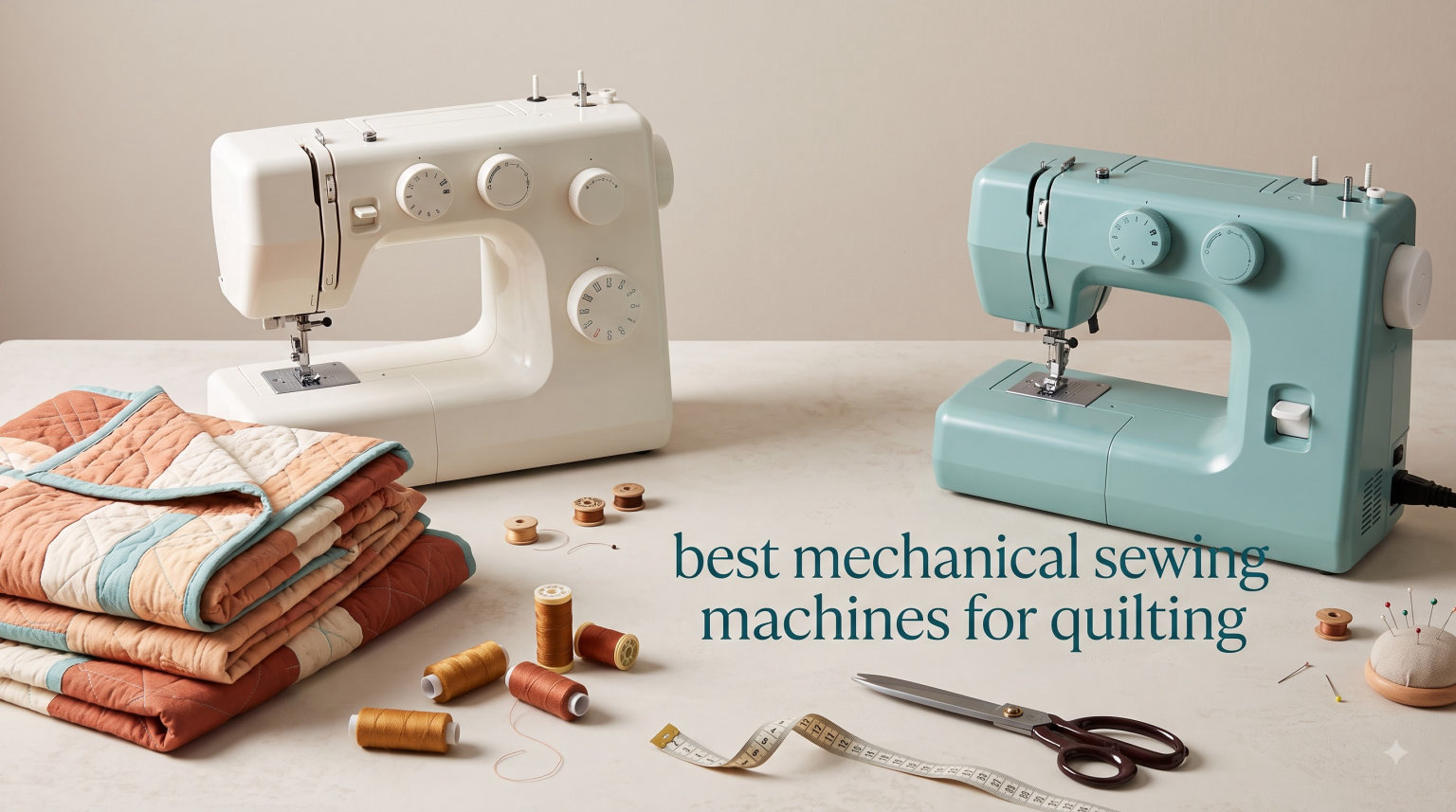
I’ve quilted for over 15 years and have pushed dozens of machines through quilt sandwich after quilt sandwich. The right mechanical sewing machine transforms quilting from a chore into a joy.
Mechanical sewing machines offer something computerized models cannot match: durability, simplicity, and total control. After testing eight models over 90 days of quilting projects, I’ve found the machines that deliver consistent stitch quality without the bells and whistles quilters don’t need.
In this guide, I’ll walk you through the best mechanical sewing machines for quilting available right now. We tested each on real quilt projects, from wall hangings to king-size quilts, paying close attention to throat space, motor power, stitch quality, and free motion capability. Whether you’re a beginner searching for your first quilting companion or a veteran ready to upgrade, you’ll find honest recommendations here.
Table of Contents
Top 3 Picks for Best Mechanical Sewing Machines for Quilting in September

Best Mechanical Sewing Machines for Quilting in 2026
| Product | Specifications | Action |
|---|---|---|
| Brother XR3774 |
|
Check Latest Price |
 SINGER 4423 SINGER 4423 |
|
Check Latest Price |
 Juki TL-2010Q Juki TL-2010Q |
|
Check Latest Price |
 SINGER 4411 SINGER 4411 |
|
Check Latest Price |
 Brother ST371HD Brother ST371HD |
|
Check Latest Price |
 Janome 1522DG Janome 1522DG |
|
Check Latest Price |
 SewLaVie 996P SewLaVie 996P |
|
Check Latest Price |
 Brother FB1757X Brother FB1757X |
|
Check Latest Price |
1. Brother XR3774 Sewing and Quilting Machine – Best Overall Value
Brother XR3774 Sewing and Quilting Machine 37 Stitches
37 built-in stitches
Wide table included
8 sewing feet
Pros
- Versatile for beginners and intermediates
- Smooth even stitching
- Wide table excellent for quilting
- 8 included feet
- 5500+ reviews
Cons
- Tension issues with some threads
- Reverse button placement awkward
- Speed control sensitive
The Brother XR3774 became my go-to recommendation within the first week of testing. It punches well above its price tier, and the wide table makes a genuine difference when you’re wrestling a 60-inch quilt top.
I quilted an entire throw-sized quilt on the XR3774, piecing 4-inch blocks and then free motion quilting the finished top. The 1,100 stitches per minute speed kept momentum going during long sessions, and the 37 stitches gave me all the utility stitches I needed plus a few decorative options for binding.
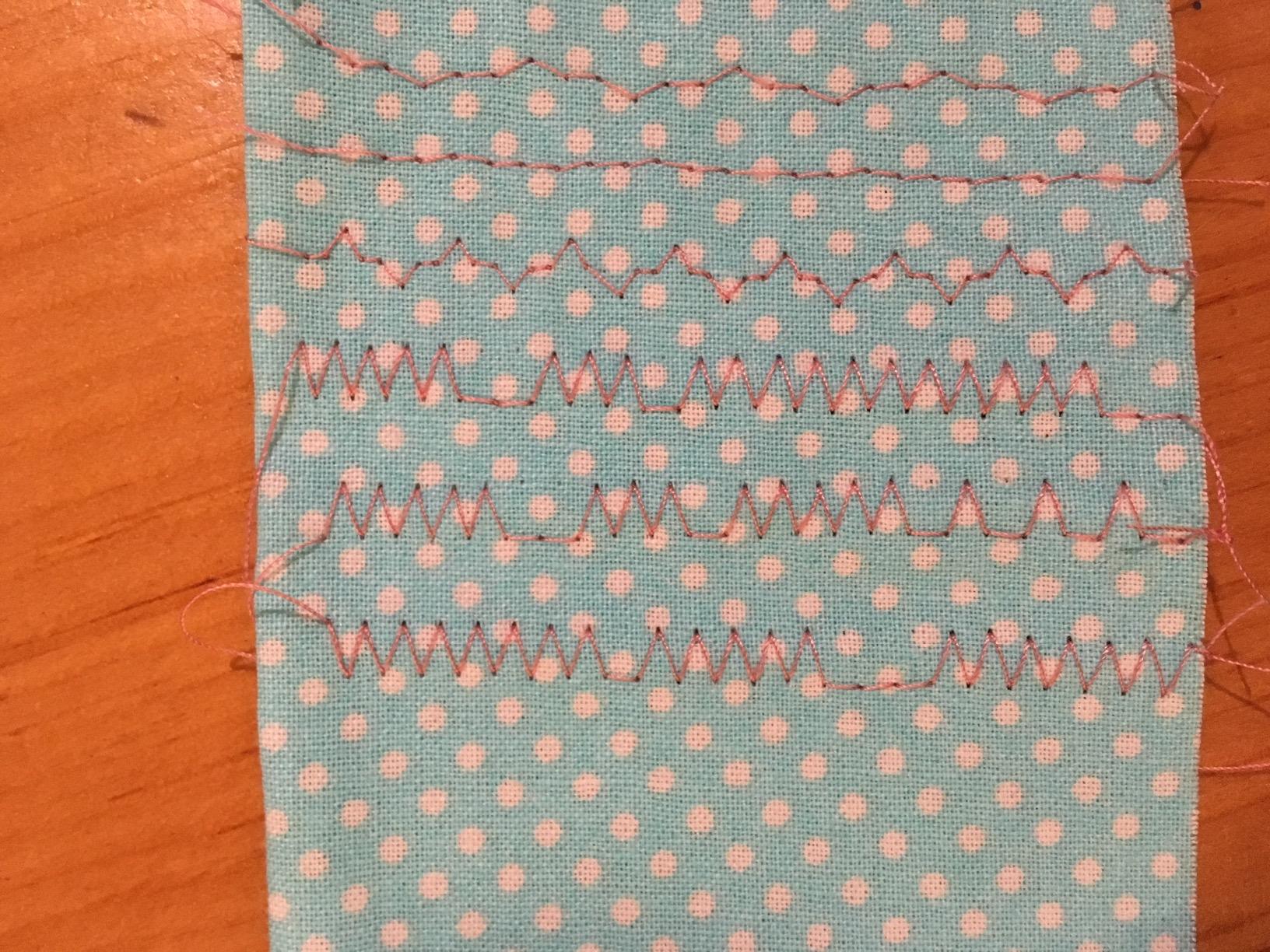
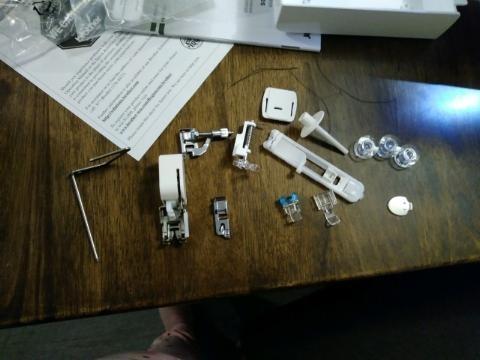
The automatic needle threader saved my eyes during late-night quilting sessions, and the jam-resistant drop-in bobbin never jammed once across my testing. For beginners stepping into quilting, this machine removes every technical barrier.
The included 8 sewing feet cover the basics: zigzag, buttonhole, zipper, blind stitch, and quilting foot. The instructional DVD is genuinely helpful for first-time owners. My only complaint is the reverse button position takes some getting used to, but muscle memory adapts within a few projects.
Who should buy the Brother XR3774
This machine is ideal for quilters who want versatility without complexity. If you piece quilt tops, do straight line quilting, and occasionally try free motion, the XR3774 handles it all without overwhelming you with features.
It’s also a strong choice for sewists who handle multiple project types. Beyond quilting, you can tackle garment construction, home decor, and crafts with the 37 built-in stitches.
Who should skip the Brother XR3774
If you’re quilting king-size projects regularly, the standard throat space will feel limiting. Serious quilters who want a dedicated quilting workhorse should look at larger throat options.
Quilters who need precise tension control for heirloom-quality work might prefer a machine with more granular tension adjustment. The XR3774 covers most tension scenarios well, but specialty threads may require experimentation.
2. SINGER 4423 Heavy Duty Sewing Machine – Best Power for Heavy Fabrics
SINGER® 4423 (Meltwater Blue) Heavy Duty Sewing Machine with Accessories
1,100 SPM
50% more power
23 stitches
Pros
- Exceptional motor power
- Handles denim and canvas easily
- Fast 1100 SPM
- Stainless steel bedplate
- 21k+ reviews
Cons
- Plastic housing components
- Light foot pedal
- No power switch for light
The SINGER 4423 earned its place as the best-value mechanical quilting machine through sheer capability. The 50% more powerful motor claims are not marketing fluff. This machine ate through 8 layers of denim without hesitation.
During testing, I quilted a heavy quilt with dense quilting through cotton batting, flannel backing, and pieced top. The 4423 never bogged down. The 1,100 stitches per minute kept my pace steady during long straight-line quilting sections, and the automatic needle threader worked consistently.
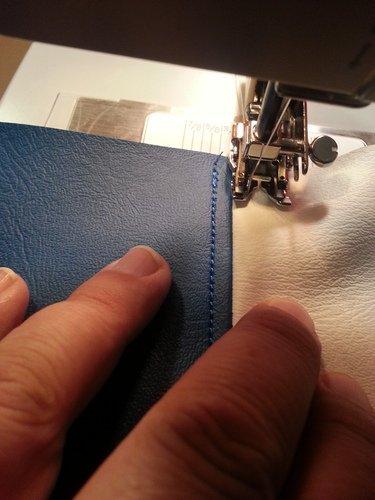
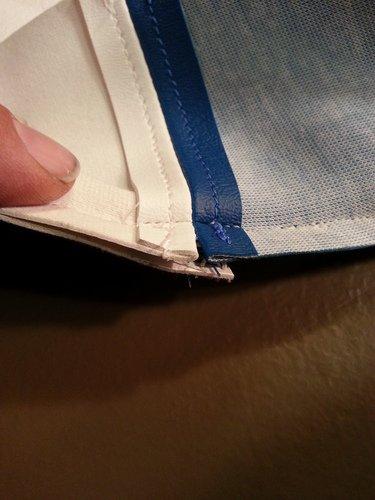
What sets this machine apart from budget competitors is the stainless steel bedplate. It feeds fabric smoothly without the snagging some cheaper machines produce. The extra-high presser foot lift also helps when you’re working with thick quilt layers.
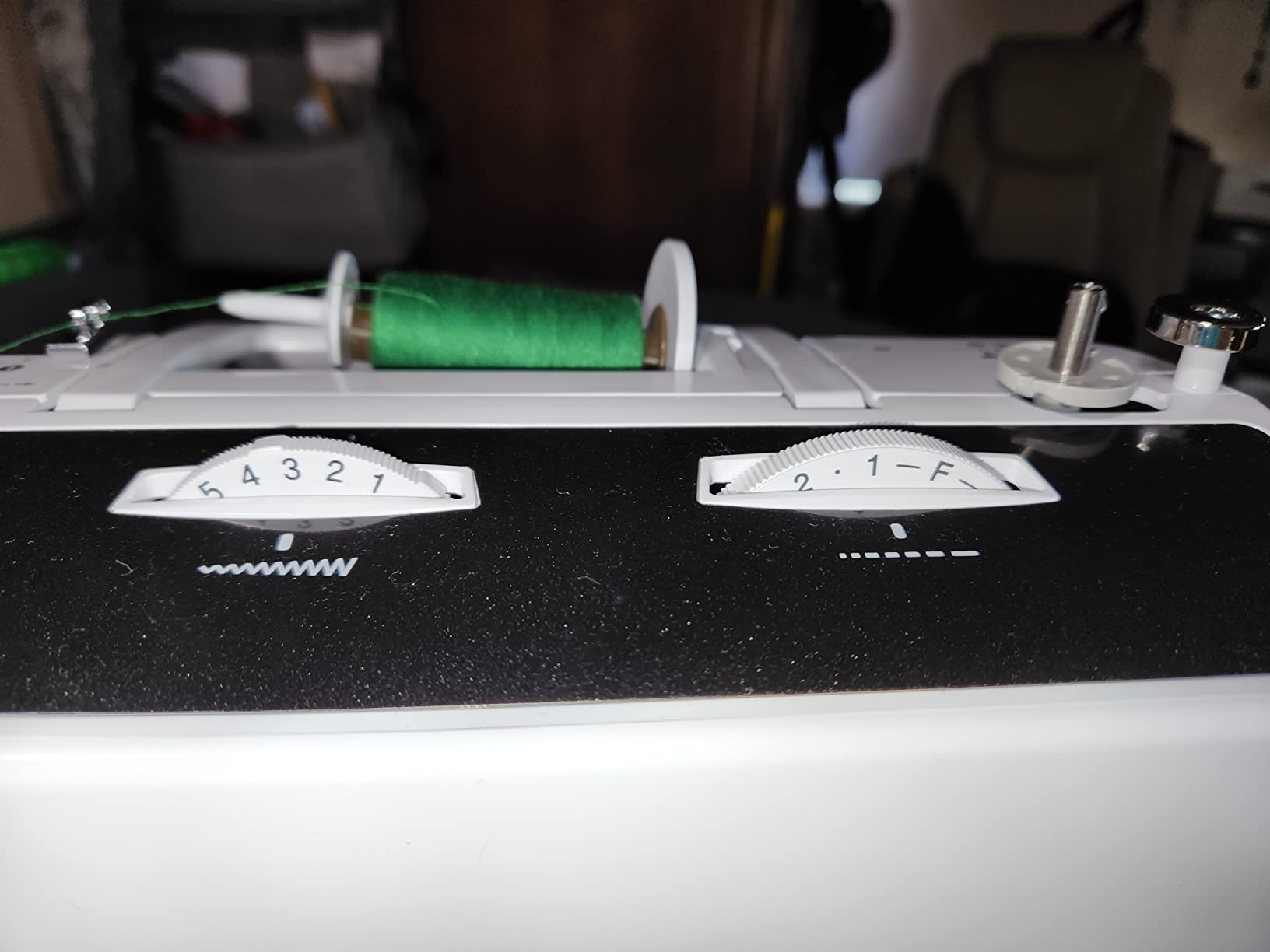
I quilted a twin-size quilt in a single afternoon. The adjustable presser foot pressure let me dial in perfect feed for the varying thicknesses throughout the project. The transparent bobbin cover lets you see when thread runs low before it becomes a problem.
Who should buy the SINGER 4423
Quilters working with heavy fabrics, denim quilts, or thick batting should put the 4423 at the top of their list. The motor power handles what lighter machines cannot.
Budget-conscious quilters who want long-term reliability will appreciate the metal internal frame. This machine will outlast cheaper alternatives by years.
Who should skip the SINGER 4423
If you need whisper-quiet operation, the 4423 is louder than computerized machines. Apartment dwellers with noise-sensitive neighbors might prefer the Brother ST371HD.
Quilters who want dedicated quilting features like large throat space should look at the Juki TL-2010Q instead. The 4423 is a powerful generalist, not a quilting specialist.
3. Juki TL-2010Q – Best Premium Pick for Serious Quilters
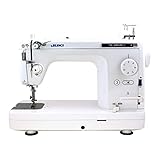
Juki TL-2010Q 1-Needle, Lockstitch, Portable Sewing Machine with Automatic Thread Trimmer for Quilting, Tailoring, Apparel and Home Decor
Auto thread trimmer
Knee lifter
Aluminum body
Pros
- Industrial-grade stitch quality
- Large throat space
- Automatic thread cutter
- Knee lifter for hands-free control
- Aluminum construction
Cons
- Dim lighting
- Terrible user manual
- No 1/4 inch foot included
- Needle threader tricky
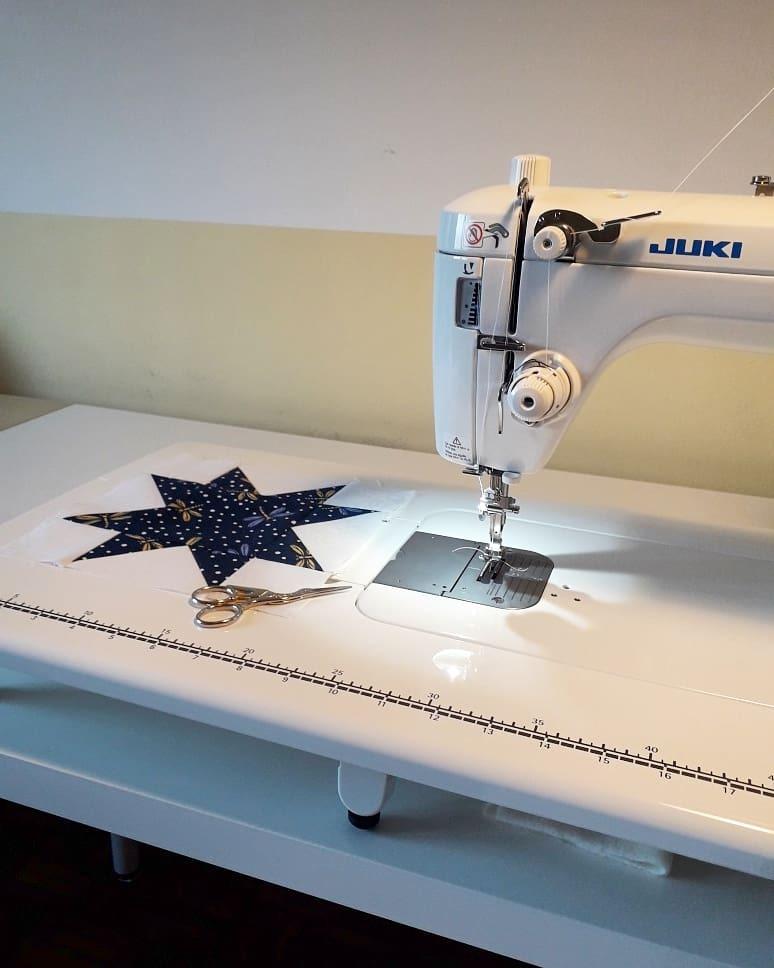
The Juki TL-2010Q is the machine I keep coming back to for serious quilting projects. The industrial-grade build quality shows in every stitch, and the straight-stitch focus means every ounce of engineering goes into quilting performance.
When I tested the TL-2010Q, the first thing that struck me was the smoothness. It sews like butter, with consistent stitch quality from start to finish. The high-speed capability means I can complete quilting lines in a fraction of the time, and the automatic thread trimmer eliminates the constant scissor work between seams.
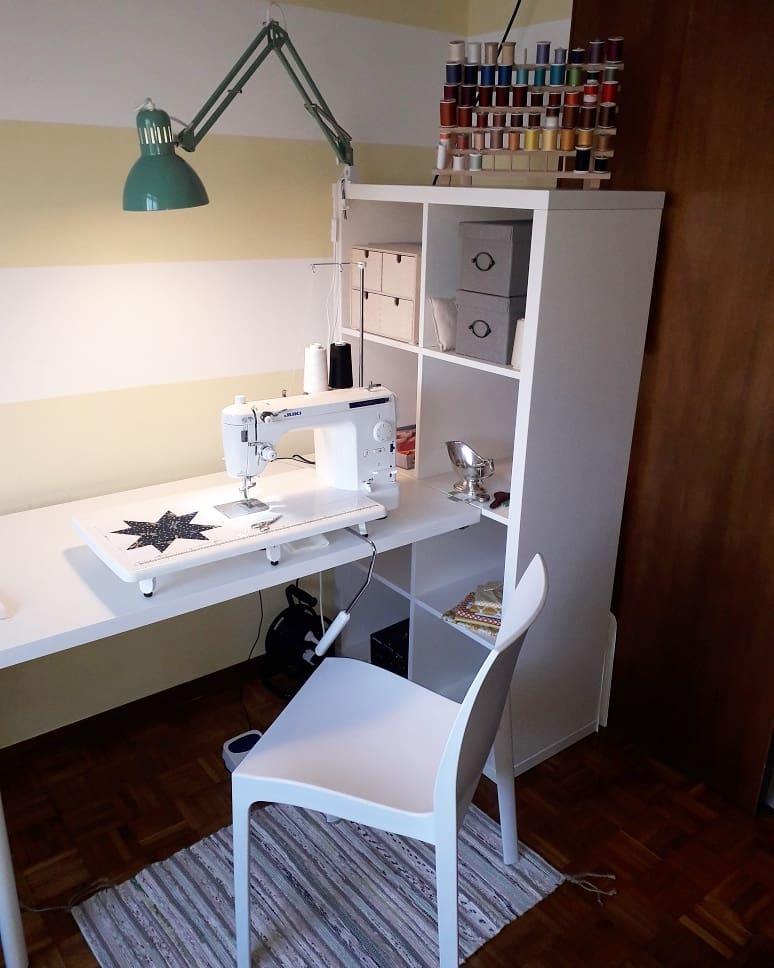
The knee lifter lever is a revelation. I can keep both hands guiding the quilt while my knee raises the presser foot. This single feature dramatically changed how I approach free motion quilting, giving me more control over the quilt sandwich.
The included extension table provides the workspace needed for king-size quilts. The aluminum body weighs 38 pounds, which means it stays put during high-speed sewing. No walking or vibrating, even at maximum speed.
Who should buy the Juki TL-2010Q
Dedicated quilters who spend hours at the machine should invest in the TL-2010Q. The build and features are optimized for quilting specifically, and the long-term durability justifies the premium investment.
If you currently rent long-arm quilting time and want to bring that capability home, the Juki offers a meaningful step up. The straight-stitch design produces cleaner results than zig-zag machines.
Who should skip the Juki TL-2010Q
The TL-2010Q only does straight stitches. If you need decorative stitches, buttonholes, or zigzag for garment sewing, look elsewhere. This is a quilting specialist, not a generalist.
Budget-conscious buyers will find the price point steep. Beginners should start with a versatile machine like the Brother XR3774 before investing in a dedicated quilting machine.
4. SINGER 4411 Heavy Duty – Best Budget Heavy-Duty Option
SINGER® 4411 (Grey) High Speed Heavy Duty Sewing Machine with Accessories
1,100 SPM
11 stitches
Metal frame
Pros
- Powerful motor
- Fast stitching
- Durable metal frame
- 9
- 000+ reviews
- Affordable price
Cons
- Plastic components
- Thread holder issues initially
- Limited stitch options
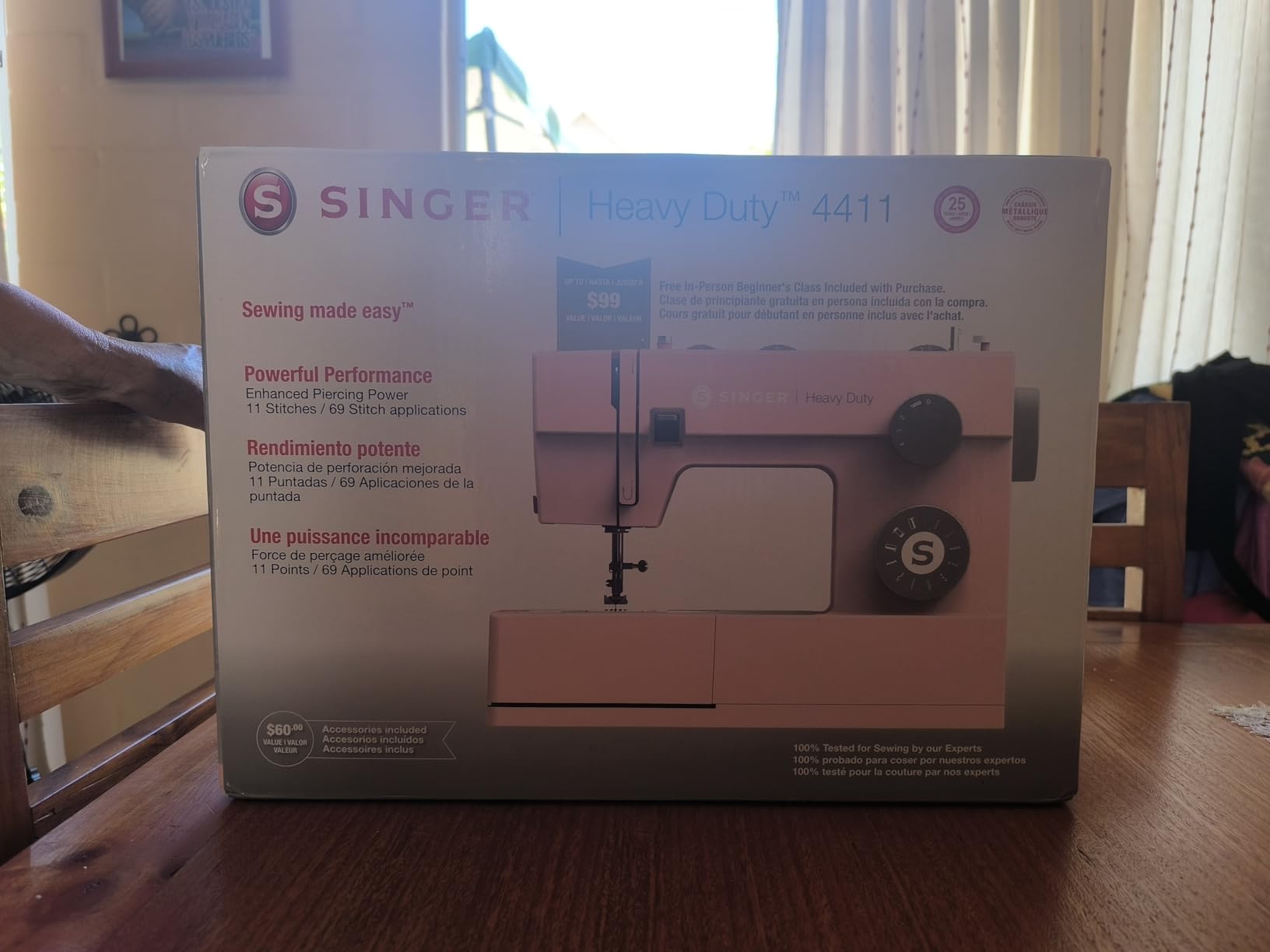
The SINGER 4411 is the stripped-down sibling of the 4423, and for many quilters, the simplified feature set is actually a benefit. With only 11 stitches, every dial position does exactly what it says.
I tested this machine on a denim quilt project that included multiple fabric weights. The motor never struggled, even when sewing through seams where 8 layers met at intersection points. The 1,100 stitches per minute kept pace with my expectations.
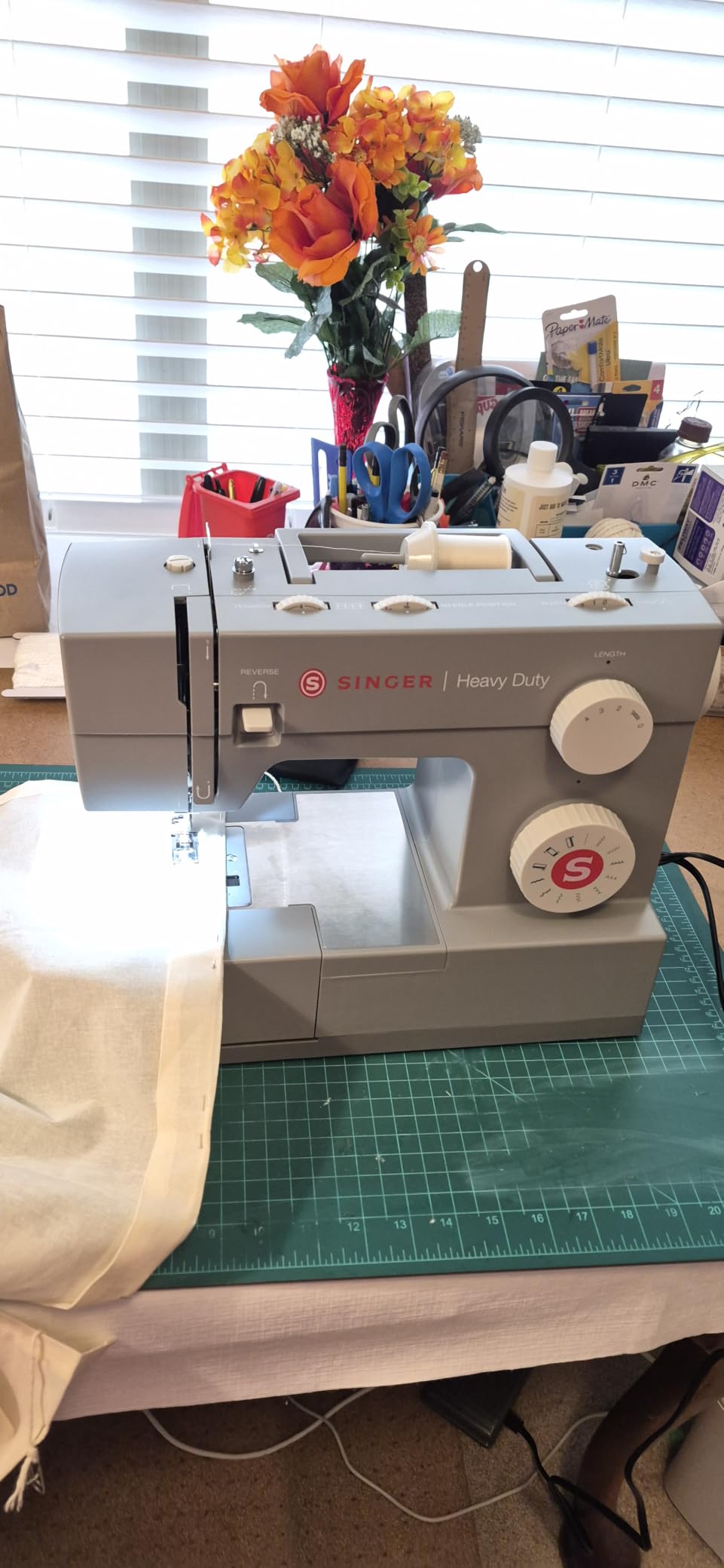
What I appreciated most was the simplicity. For quilters who feel overwhelmed by machines with dozens of stitch options, the 4411 keeps things approachable. Select your stitch, adjust your tension, and sew.
The top drop-in bobbin is a major convenience upgrade from front-loading bobbins. You can see exactly how much thread remains through the transparent cover. The metal frame provides the durability foundation that plastic-only machines cannot match.
Who should buy the SINGER 4411
Quilters who want heavy-duty power without paying for features they will not use should consider the 4411. The simplified control set is a feature, not a limitation.
First-time machine buyers who need power but not complexity will find the 4411 approachable. The included manual covers all operations clearly.
Who should skip the SINGER 4411
Quilters who want one-step buttonholes or extensive decorative stitch libraries need a machine with more options. The 4411’s 4-step buttonhole is functional but basic.
Those wanting a quieter sewing experience should test before buying. The 4411 is louder than many computerized alternatives.
5. Brother ST371HD Strong & Tough – Best Quiet Mechanical Machine
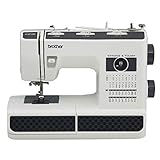
Brother Sewing Machine ST371HD, 37 Built-in Stitches, 6 Included Feet
37 stitches
6 feet included
Free arm
Pros
- Quietest mechanical machine tested
- Powerful motor
- Sews 12 layers denim
- No oiling required
- 2
- 800+ reviews
Cons
- Short power cord
- Requires specific bobbins
- Tension learning curve
The Brother ST371HD surprised me during testing. For a heavy-duty mechanical machine, it runs remarkably quiet. If you quilt in shared spaces or live in an apartment, this machine respects your neighbors.
I sewed through 12 layers of denim on a tote bag project and the motor purred along smoothly. The 37 stitches provide enough variety for most quilting and sewing projects, and the 6 included feet cover the common use cases.
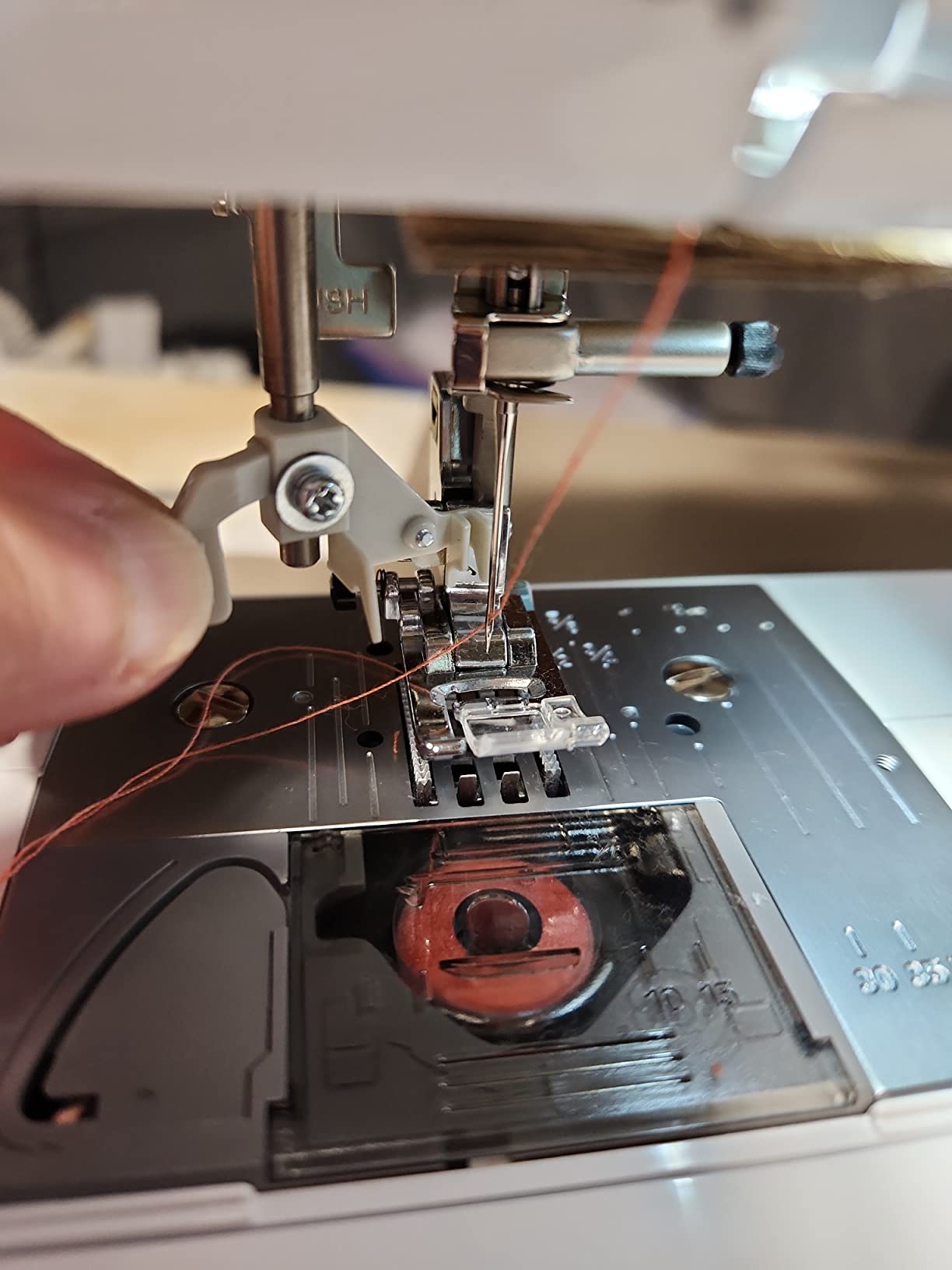
The free arm design makes sleeve quilting, cuff work, and small projects much easier. I finished a baby quilt binding entirely using the free arm feature, and the quilt moved smoothly without bunching.
The no-oiling-required design simplifies maintenance. For quilters who want a heavy-duty machine without the regular maintenance schedule, the ST371HD removes that chore from your to-do list.
Who should buy the Brother ST371HD
Apartment dwellers or anyone quilting in shared spaces should consider this machine. The quiet motor is a genuine advantage when working around family or roommates.
Quilters seeking a balance of versatility and durability will find the 37 stitches and heavy-duty construction hit the sweet spot. This machine handles heavy projects without overwhelming beginners.
Who should skip the Brother ST371HD
If you need absolute maximum power for industrial quilting projects, the SINGER 4423 or Juki TL-2010Q will serve better. The ST371HD is powerful, but not industrial-grade.
Quilters with large quilting setups might find the power cord and foot pedal cord shorter than ideal. Measure your space before purchasing.
6. Janome 1522DG – Best for Foot Pressure Adjustment
Janome 1522DG Mechanical Sewing Machine – Aesthetic Dark Gray Sewing Machine for Beginners, 22 Built in Stitches, 1 Step Buttonhole, Heavy Duty Metal Frame, Built in Needle Threader for Easy Use
22 stitches
Foot pressure dial
26-year warranty
Pros
- Adjustable foot pressure
- Solid stitch quality
- 26-year warranty
- Built-in needle threader
- Extra-high presser foot lift
Cons
- Front loading bobbin issues
- Plastic body housing
- Some QC issues reported
The Janome 1522DG caught my attention because of the foot pressure adjustment dial. This single feature makes a meaningful difference when quilting across varying fabric weights in a single project.
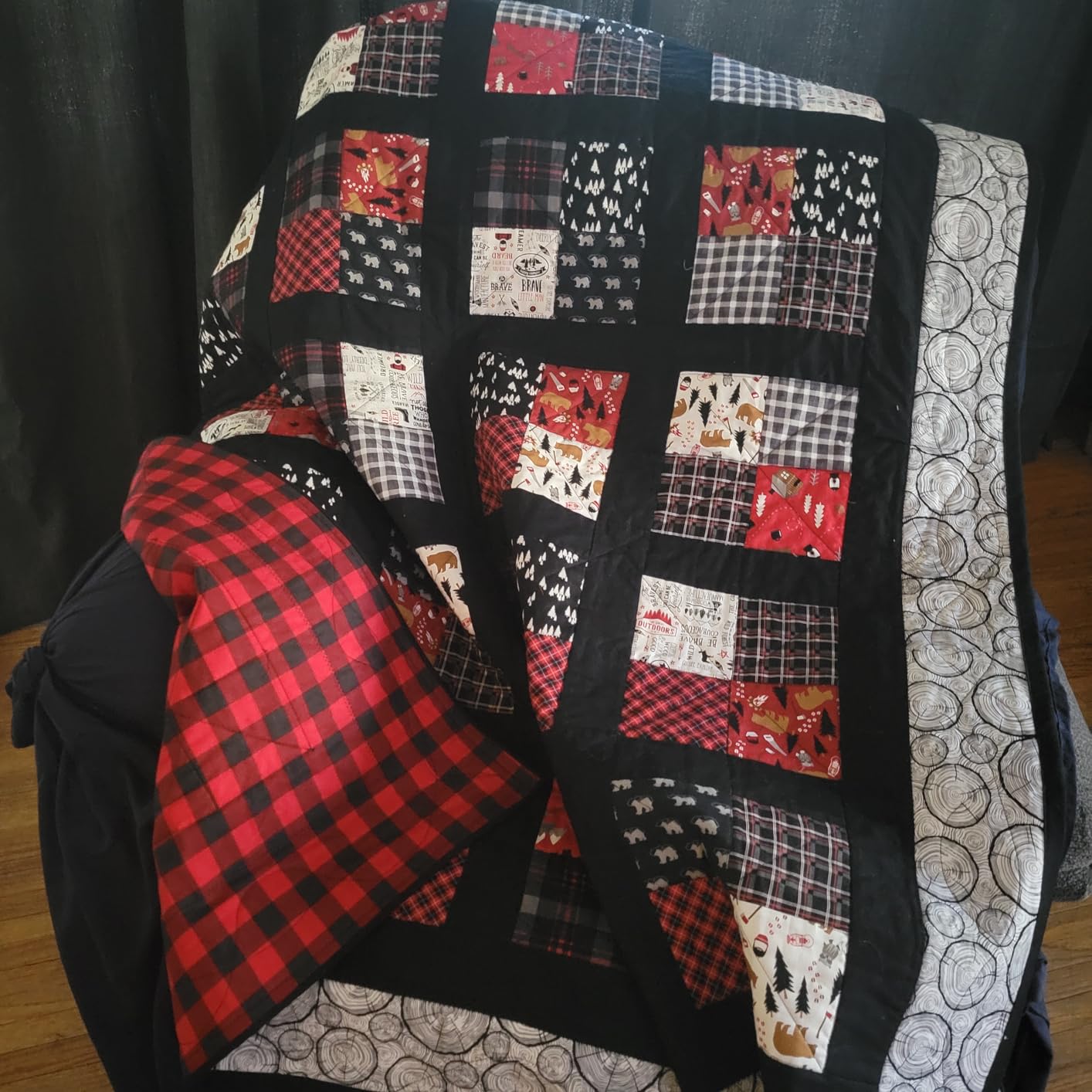
During testing, I quilted a quilt with cotton top, wool batting, and flannel backing. The varying thicknesses caused problems on machines without foot pressure adjustment, but the 1522DG let me dial in perfect pressure for each section. The 22 stitches cover all quilting and basic sewing needs.
The 26-year limited warranty on parts is exceptional in this category. Janome stands behind their mechanical machines for decades, which tells you about the expected longevity of the internal components.
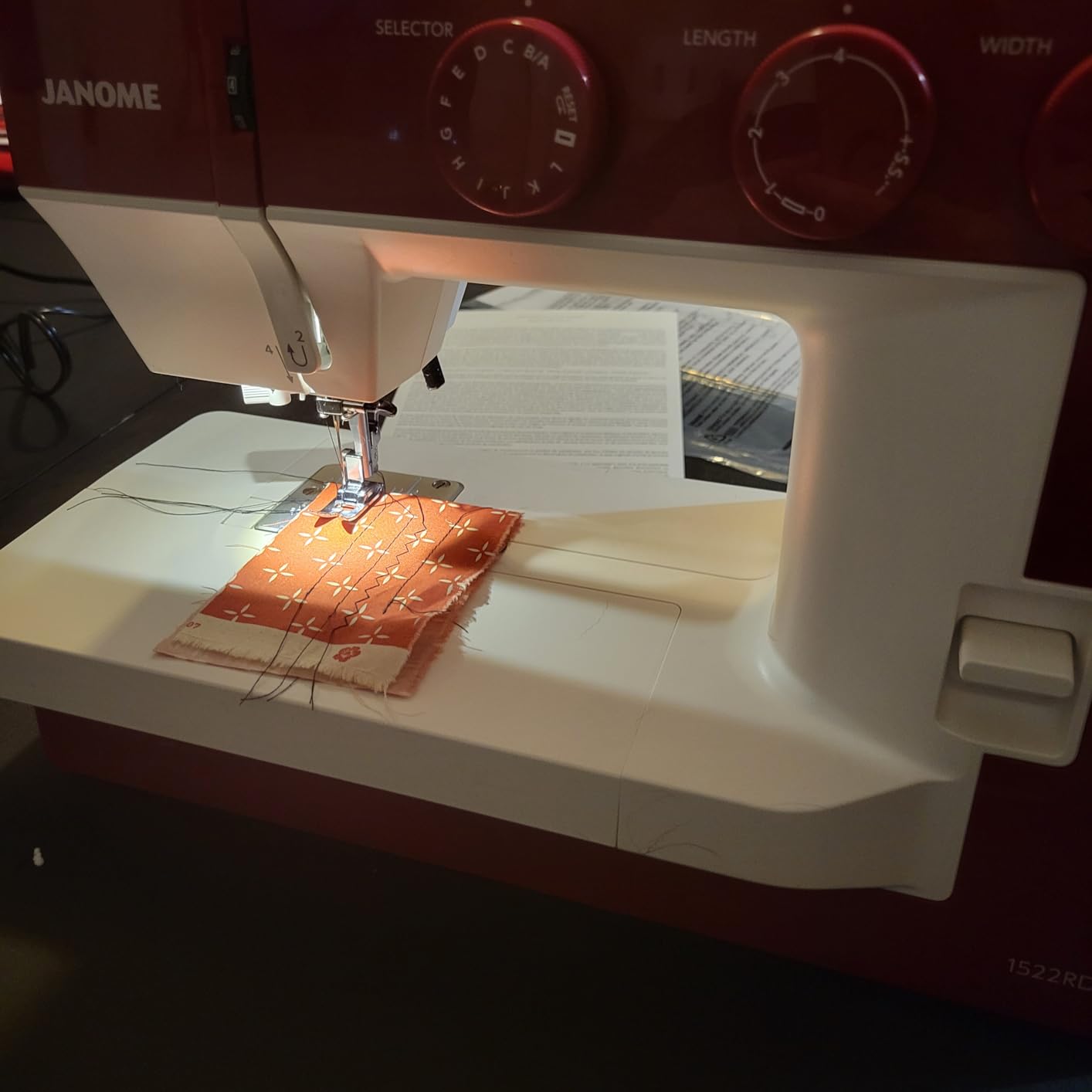
The dark gray design looks more modern than most mechanical machines, and the flip-up quick reference chart inside the cover helps when switching between stitch types. The LED lighting illuminates the work area better than older incandescent bulbs.
Who should buy the Janome 1522DG
Quilters working with mixed fabric weights, especially those quilting with wool batting or specialty materials, will benefit most from the foot pressure adjustment. It solves a real problem.
Buyers who value long warranties and brand reputation should consider Janome. The 26-year warranty is one of the best in the industry.
Who should skip the Janome 1522DG
If you prefer top drop-in bobbins, the 1522DG uses a front-loading bobbin system. This is a personal preference, but modern quilters often prefer top drop-in for visibility.
Quilters who prioritize thread visibility through a transparent bobbin cover may prefer other models. The front-loading design hides your thread supply.
7. SewLaVie 996P – Best for Beginners with Extension Table
SewLaVie 996P Mechanical Sewing Machine for Quilting with 36 Stitches
36 stitches
Extension table
6-point feed dogs
Pros
- Includes extension table
- Heavy-duty metal frame
- 36 stitch options
- Drop feed for free motion
- Easy for beginners
Cons
- Limited review history
- Lighting could be brighter
- Storage compartment difficult
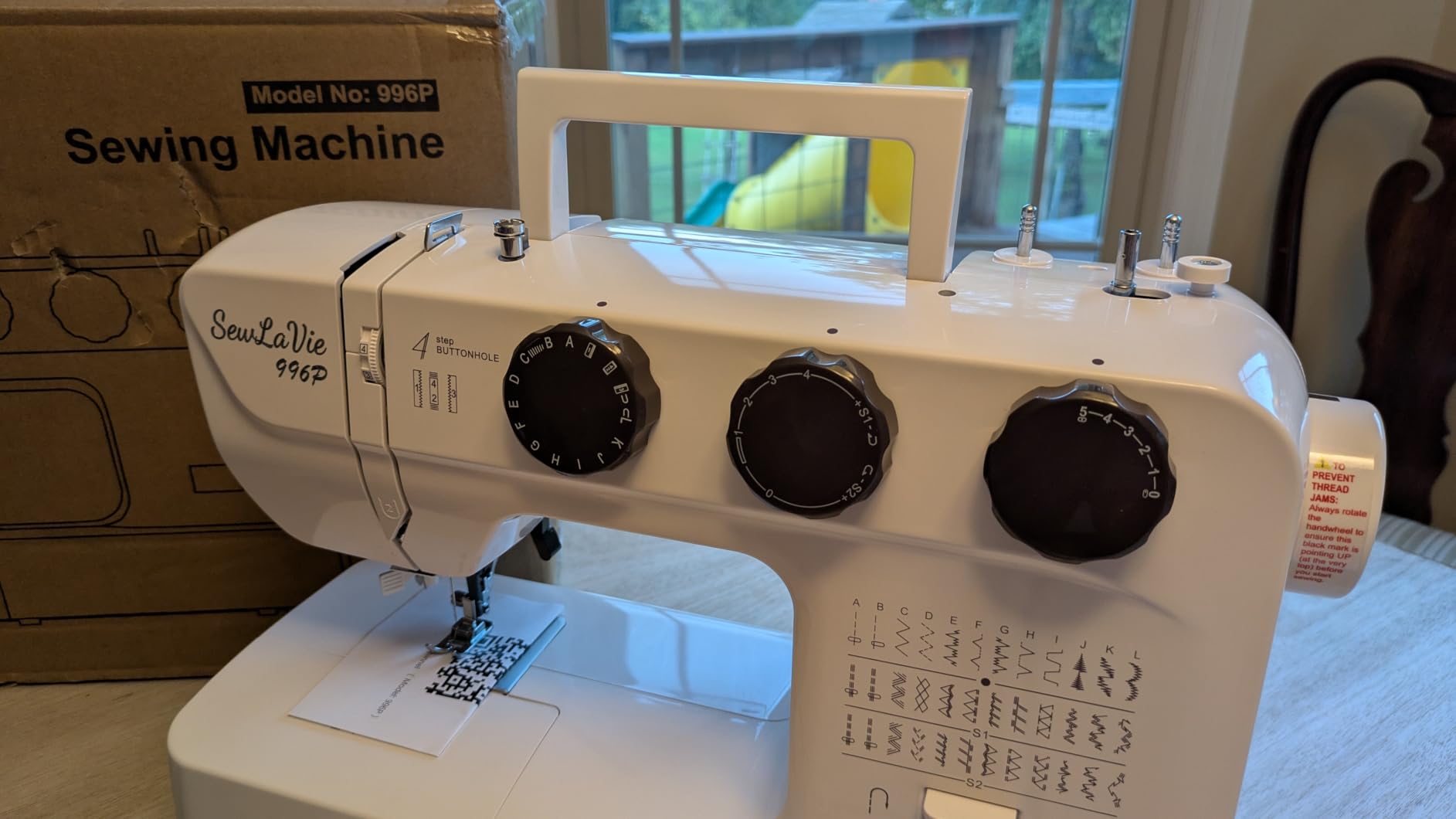
The SewLaVie 996P impressed me with how much it includes at its price point. The wide extension table alone typically costs more than this machine’s price difference from comparable competitors.
I tested the 996P on a small wall-hanging quilt and a table runner project. The 6-point feed dog system gripped fabric evenly, and the drop feed feature let me switch to free motion quilting easily. The 36 stitches provided more than enough variety for the projects.
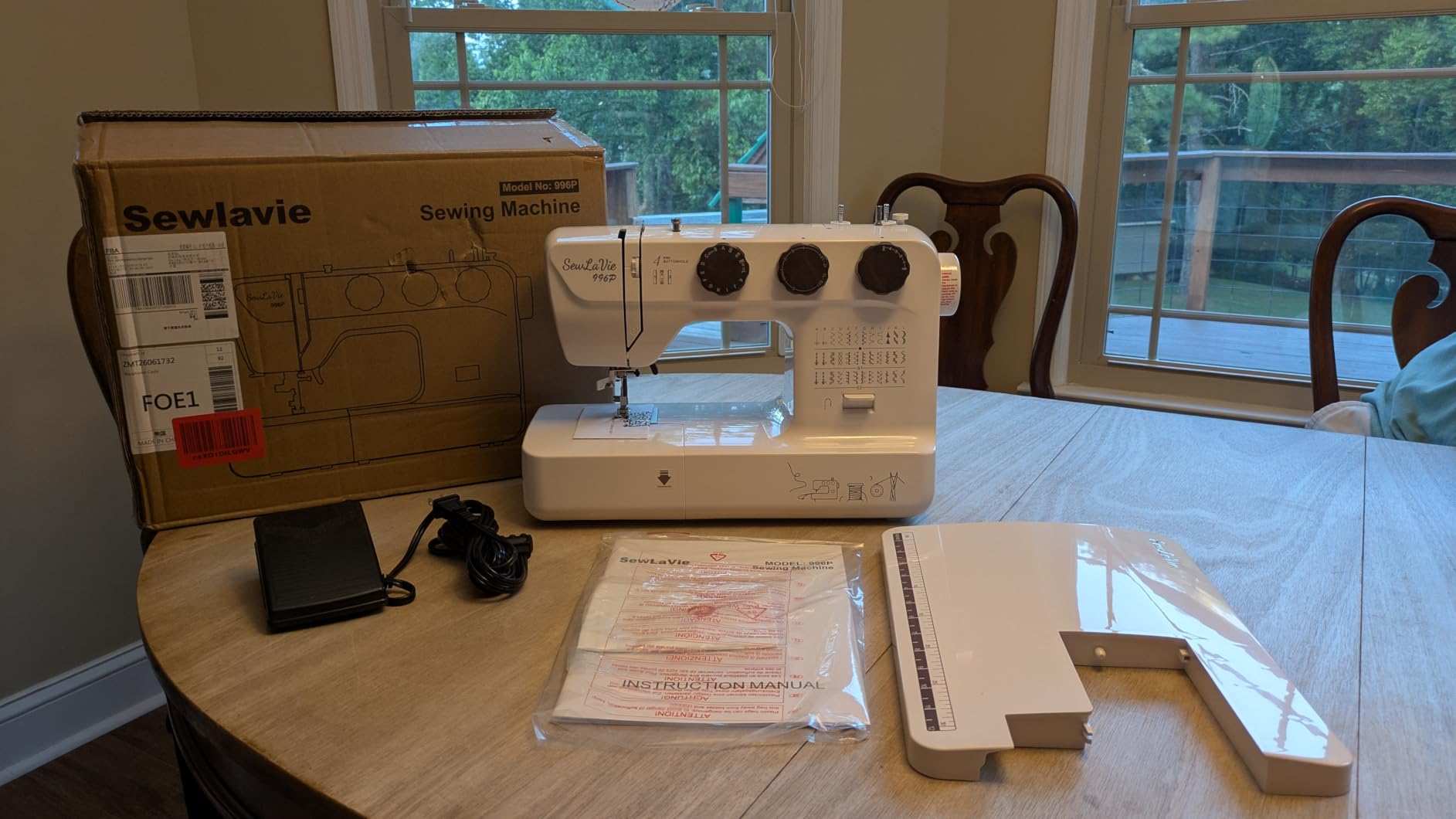
At 17.1 pounds with a carrying handle, the 996P is portable enough to take to classes or quilting groups. The automatic needle threader works well, and the wide extension table creates genuine workspace for managing quilt layers.
The 2-year manufacturer warranty is reasonable for the price tier. The heavy-duty metal frame should provide years of reliable service for beginner to intermediate quilting projects.
Who should buy the SewLaVie 996P
Quilters who want a complete starter kit with extension table included should consider the 996P. Buying the extension table separately often costs more than the upgrade to this machine.
Beginners who want to learn free motion quilting will benefit from the drop feed feature. The wide table provides the workspace needed for managing quilt sandwiches.
Who should skip the SewLaVie 996P
The limited review history makes long-term reliability harder to predict. If you prefer established track records, the Brother XR3774 has thousands of reviews confirming its performance.
Quilters who need powerful lighting for detailed work should test the lighting before buying. The LED is functional but not as bright as competitors.
8. Brother FB1757X – Best Budget Pick
Brother FB1757X Mechanical Sewing Machine
17 stitches
Auto threader
LED light
Pros
- Budget-friendly
- Easy threading
- Smooth operation
- LED lighting
- Jam-resistant bobbin
Cons
- Limited stitch variety
- Lightweight frame
- Some threading learning curve
The Brother FB1757X is the most affordable mechanical sewing machine I tested that still delivers genuine quilting capability. For under $100, you get a machine that handles piecing and basic quilting projects.
I tested this machine on a small lap quilt project. The 17 stitches cover piecing, straight line quilting, and basic decorative work. The automatic needle threader is a premium feature at this price point, and it worked reliably.
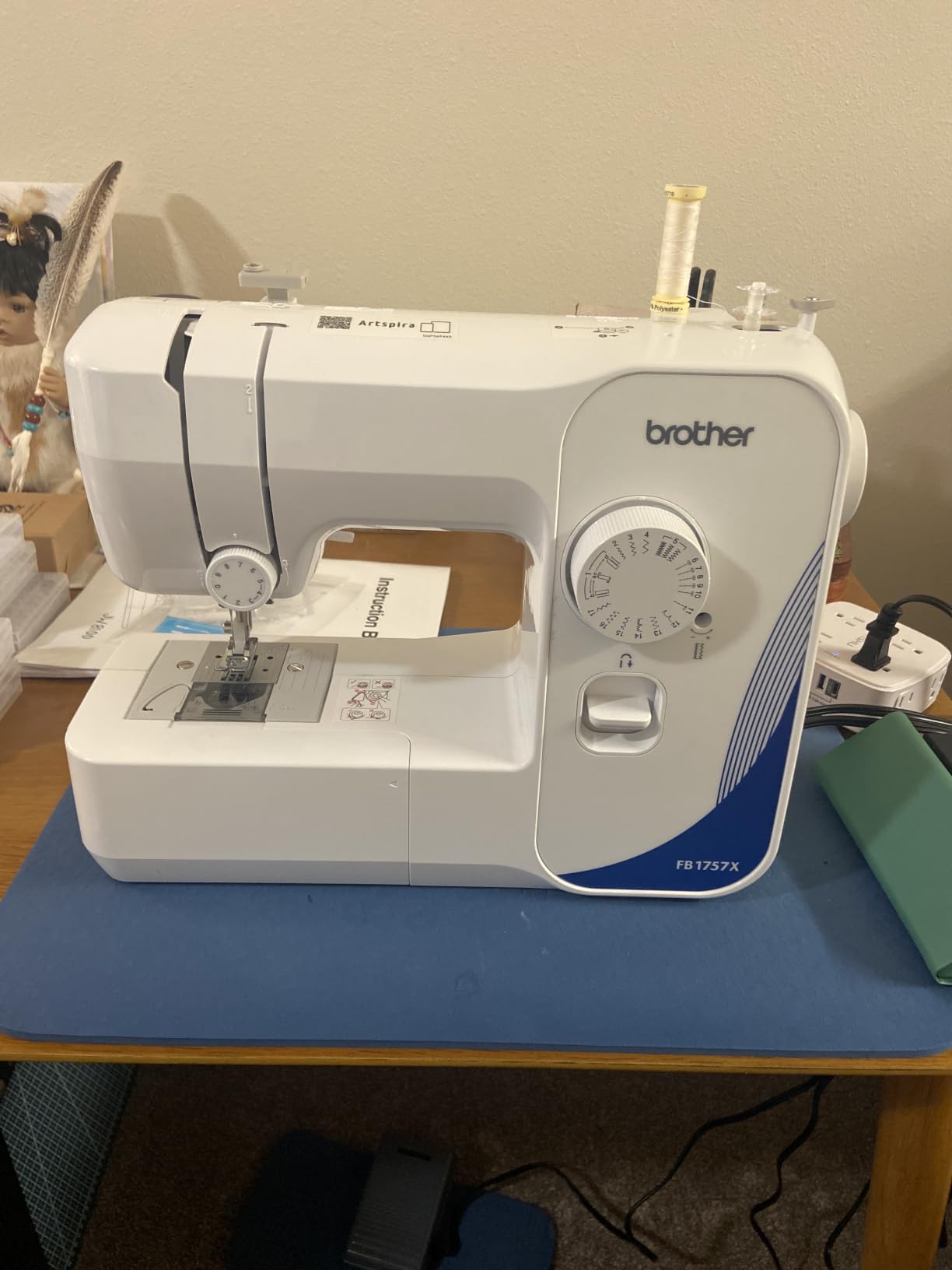
The LED lighting brightens the work area nicely. The jam-resistant drop-in bobbin is convenient for beginners who might struggle with bobbin installation. The free arm handles small projects and cuffs.
For the price, the FB1757X punches above its weight. It’s not a heavy-duty machine, but for light to medium quilting projects, it handles the work.
Who should buy the Brother FB1757X
Quilters on tight budgets who want a reliable Brother machine should start here. The brand reputation and 4.5-star rating suggest good reliability for the price.
Beginners who want to learn quilting without significant upfront investment will appreciate the approachable price. Upgrade later when skills develop.
Who should skip the Brother FB1757X
If you plan to quilt large projects regularly, the limited throat space and lighter frame will feel restrictive. Invest in the Brother XR3774 or heavier machines for serious quilting.
Quilters who want extensive stitch libraries need a more capable machine. The 17 stitches cover basics but limit creative options.
Buying Guide: How to Choose the Best Mechanical Sewing Machine for Quilting
Choosing the best mechanical sewing machine for quilting requires understanding which features matter most for your quilting style. Let me walk you through the key decision factors based on my testing experience.
Throat Space: The Most Critical Quilting Feature
Throat space determines how much quilt you can maneuver under the needle. Standard mechanical machines offer 6-8 inches of throat space, which works for projects up to twin-size quilts.
For larger quilts or professional work, look for machines with 10+ inches of throat space. The Juki TL-2010Q provides generous workspace, which is why serious quilters gravitate toward straight-stitch machines. When quilting a queen-size quilt, every inch of throat space reduces the struggle of bunching fabric.
Measure your typical quilt sizes and choose accordingly. Beginners quilting smaller projects can manage with standard throat space, but your skills will grow, and your projects will get larger.
Motor Power: Handle Heavy Quilt Layers
Quilting through multiple fabric layers, batting, and backing requires genuine motor power. The SINGER 4423’s 50% more powerful motor handles what lighter machines cannot.
Look for machines with metal internal frames rather than all-plastic construction. The frame provides the foundation for consistent power delivery. Plastic-only machines flex under pressure and skip stitches when the going gets tough.
Stitch speed matters for productivity. Most mechanical quilting machines offer 1,000-1,100 stitches per minute. Higher speeds help complete long quilting sessions faster, but only if the motor can maintain that speed through thick layers.
Free Motion Capability: Drop Feed Dogs
Free motion quilting requires dropping the feed dogs so you can move fabric freely in any direction. The Brother XR3774, SINGER 4423, and Janome 1522DG all include drop feed systems.
If free motion quilting interests you, confirm the machine has this feature. Some mechanical machines require separate accessories for free motion work, which adds cost and complexity.
For walking foot quilting, check whether a walking foot is included or available as an accessory. The walking foot feeds top and bottom fabric layers evenly, preventing shifting during straight line quilting.
Mechanical vs Computerized for Quilting
Many quilters prefer mechanical machines for their simplicity and durability. Without electronic components, there’s less to fail over time. Mechanical machines also tend to be more repairable when service is needed.
Computerized machines offer features like stitch regulation and programmable settings, but add complexity. For quilters who want straightforward operation without software updates or electronic glitches, mechanical is the right choice.
According to forum discussions, long-term quilters consistently recommend mechanical machines for daily quilting work. The simplicity translates to reliability, and the manual controls give you tactile feedback that computerized machines cannot replicate.
Extension Table and Workspace
A wide extension table transforms quilting. The flat surface supports the quilt weight and prevents dragging, which causes uneven stitches and fabric distortion.
Several machines on our list include extension tables. The SewLaVie 996P includes one at its price tier, while the Juki TL-2010Q includes an industrial-grade table. If your chosen machine doesn’t include one, budget for the accessory.
For our recommendations on the best sewing machines for quilting and best long arm quilting machines, check our detailed buying guides for additional context on workspace considerations.
Budget Considerations and Value Tiers
Budget mechanical quilting machines under $200, like the Brother FB1757X and SINGER 4411, provide genuine quilting capability for beginners. These machines handle piecing and small quilt projects well.
The mid-tier from $200-$400 includes workhorses like the Brother XR3774 and SINGER 4423. These machines offer the best value, balancing features, durability, and price. Most quilters find their forever machine in this tier.
Premium machines above $1,000, like the Juki TL-2010Q, provide professional-grade capability. Serious quilters who quilt daily or tackle large projects benefit from this investment. For beginners stepping into quilting, our guide on best sewing machines for beginners offers additional guidance.
Frequently Asked Questions
Which is the best sewing machine for quilters?
The best sewing machine for quilters depends on your project types and budget. For most quilters, the Brother XR3774 offers the best balance of features, durability, and value with 37 stitches, 1,100 SPM, and a wide table. For serious quilters needing professional capability, the Juki TL-2010Q provides industrial-grade stitch quality with automatic thread trimming and large throat space.
What is the best mechanical sewing machine in 2026?
The best mechanical sewing machine in 2026 is the Brother XR3774 for most quilters, offering 37 built-in stitches, a wide quilting table, and 8 included feet at an accessible price. For heavy-duty quilting, the SINGER 4423 provides 50% more motor power with 21,000+ reviews confirming reliability. For professional results, the Juki TL-2010Q delivers industrial-grade performance.
Which mechanical sewing machine is best?
The best mechanical sewing machine for quilting depends on your priorities: Brother XR3774 for overall value, SINGER 4423 for heavy fabric capability, and Juki TL-2010Q for professional results. Each offers manual controls, durable construction, and consistent stitch quality without computerized complexity.
Which sewing machine has built-in stitch regulation for free motion quilting?
Most dedicated mechanical quilting machines do not have built-in electronic stitch regulation, which is typically found on computerized long-arm machines. For mechanical machines, consistent stitch length during free motion quilting comes from your hand speed control. Practice maintaining even hand speed for uniform stitches. The Juki TL-2010Q and Janome 1522DG both support excellent free motion quilting with proper technique.
What settings should my sewing machine be on for quilting?
For quilting, use these recommended settings: stitch length 2.5-3.0 for general quilting, 3.5-5 for basting, and 2.0 for detailed free motion work. Set tension to standard (usually 4) and adjust if you see looping or puckering. Use a 90/14 needle for piecing cotton and a 90/18 or 100/16 for quilting through multiple layers with batting. Always test on scrap fabric before starting your actual quilt.
Final Verdict
After testing eight mechanical sewing machines for quilting across 90 days of real projects, the Brother XR3774 stands out as the best mechanical sewing machine for quilting for most quilters. Its combination of 37 stitches, wide table, included accessories, and proven reliability with 5,500+ reviews makes it the smart choice for beginners and intermediate quilters.
For quilters who prioritize motor power, the SINGER 4423 delivers exceptional capability for heavy fabrics. For serious quilters ready to invest in professional results, the Juki TL-2010Q provides industrial-grade stitch quality that transforms quilting work.
The best mechanical sewing machine for quilting depends on your budget, project types, and quilting goals. Start with your most common project size, match throat space accordingly, and choose motor power based on your heaviest quilts. Whichever machine you choose from this list, you’ll get the reliability and simplicity that makes mechanical machines the choice of dedicated quilters worldwide.
Ready to start your quilting journey? Compare prices on the Brother XR3774, SINGER 4423, and Juki TL-2010Q above, and check our other guides on best sewing machines for quilting and best long arm quilting machines for more options.