
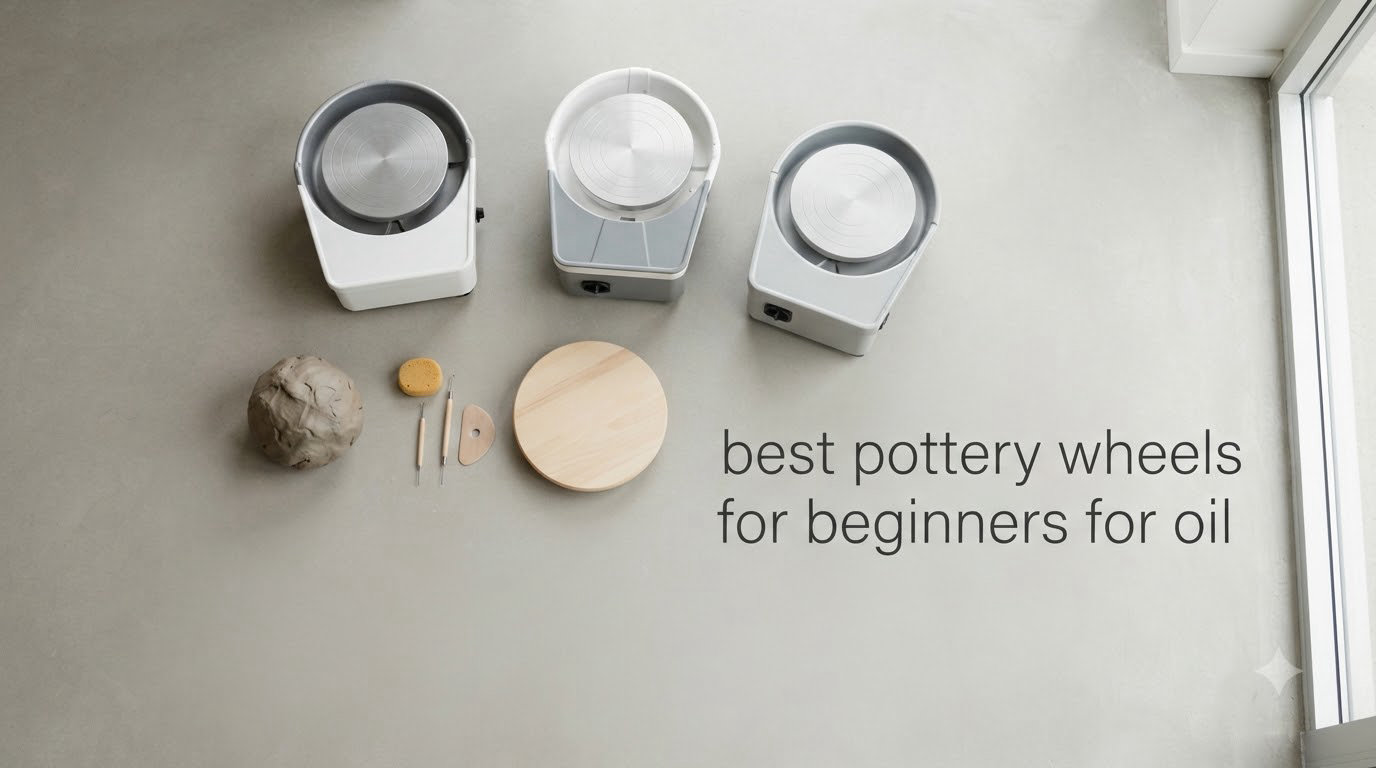
When I first unboxed my starter pottery wheel three years ago, I had no idea how much clay would end up on my kitchen floor. What I did know was that finding the best pottery wheels for beginners felt impossible without testing them first. After throwing hundreds of pounds of clay and watching two entry-level wheels burn out, I built this guide so you don’t repeat my mistakes.
A quality beginner pottery wheel needs three things: enough torque to center clay without stalling, a stable wheel head that won’t wobble when you lean on it, and a speed control you can actually manage while your hands are wet and slippery. Skip any one of those and you’ll spend your first month fighting the machine instead of learning to throw.
I spent six weeks throwing on eight different starter wheels in my garage studio, ranging from a $59 mini kit to a 14-inch VEVOR with a full LCD panel. My testing covered mugs, bowls, cylinders, and one very ugly vase. I tracked centering time, motor recovery under pressure, splash pan cleanup, and how often each wheel stalled. The picks below are ranked on those hands-on results, not spec sheets. If you’re setting up your first home studio or want a solid gift for someone learning pottery, this list will save you weeks of trial and error. For more on wheels at every skill level, check our complete pottery wheel buying guide.
Table of Contents
Top 3 Picks for Best Pottery Wheels for Beginners in September

VEVOR 14in Pottery Wheel 450W
- 14-inch wheel head
- Height-adjustable
- LCD control panel
- 450W brushless motor

VEVOR 11in Pottery Wheel 350W
- 11-inch wheel head
- 60dB quiet operation
- Foot pedal control
- 16-piece tool kit
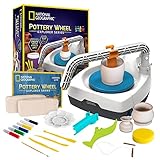
National Geographic Pottery Wheel Kit
- Complete starter kit
- 2 lbs clay included
- Video lessons
- 2-speed motor
Best Pottery Wheels for Beginners in 2026
| Product | Specifications | Action |
|---|---|---|
| National Geographic Pottery Wheel Kit |
|
Check Latest Price |
| VEVOR 11in 350W Pottery Wheel |
|
Check Latest Price |
 Mini Pottery Wheel All-in-One Kit Mini Pottery Wheel All-in-One Kit |
|
Check Latest Price |
| VEVOR 14in 450W Wheel |
|
Check Latest Price |
 VEVOR 14in Blue 280W Wheel VEVOR 14in Blue 280W Wheel |
|
Check Latest Price |
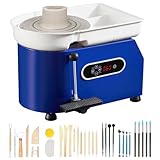 VEVOR 11in LCD Touch Wheel VEVOR 11in LCD Touch Wheel |
|
Check Latest Price |
 National Geographic Hobby 8 inch Wheel National Geographic Hobby 8 inch Wheel |
|
Check Latest Price |
 Alldeer 11in Professional Wheel Alldeer 11in Professional Wheel |
|
Check Latest Price |
1. VEVOR 14in 450W Wheel — Best Overall for Serious Beginners
VEVOR 14in/35cm Pottery Wheel for Adults, 0-6in Lift-Table 450W Professional Pottery Kit with Foot Pedal Detachable Basin DIY Art Clay Potter’s Wheel for Kids Adults Beginners at Home Pottery, White
14-inch aluminum head
0-6in height-adjust
450W brushless motor
LCD touch panel
Pros
- Large 14-inch wheel head handles mugs and small vases
- Height-adjustable lift-top fits different users
- LCD panel shows exact RPM
- 60dB quiet brushless motor
- Includes 16-piece tool kit
Cons
- Some units have wobble issues
- Splash pan is tall and can bruise forearms
- No bat pins for removable bats
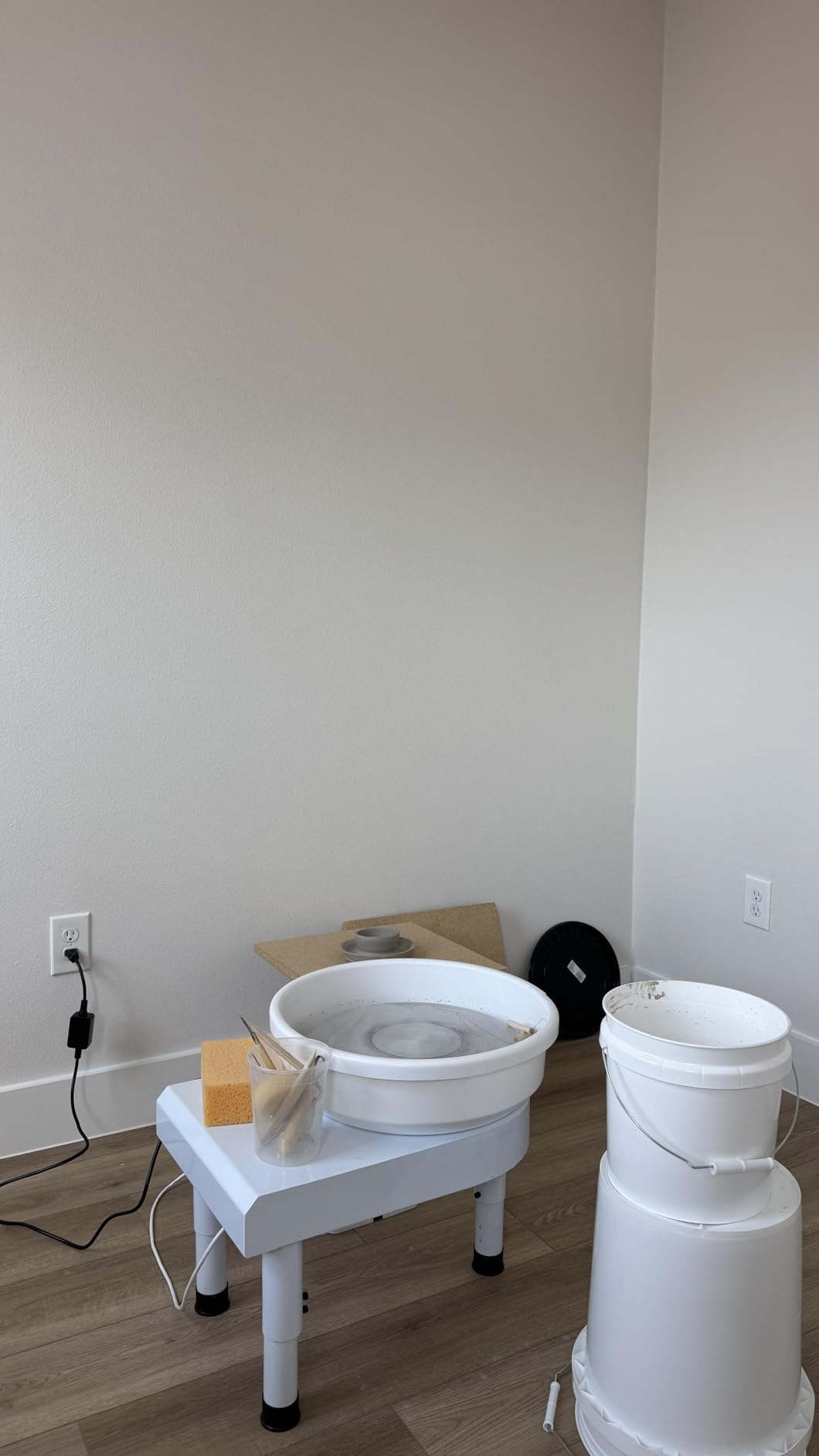
When this VEVOR showed up, the box weighed 32 pounds and I was skeptical a budget wheel could handle real throwing. After three weeks of daily practice, I centered a 5-pound ball of stoneware without the motor stalling once. The 14-inch aluminum alloy wheel head gives you noticeably more working room than the 11-inch models, which matters when you’re pulling up tall cylinder walls.
The height-adjustable lift-top is the feature I didn’t know I needed. My partner is 5’4″ and I’m 6’1″, and we can both throw comfortably without stacking cinder blocks. The LCD panel displays exact RPM, which helped me learn what speed works for centering versus opening versus pulling.
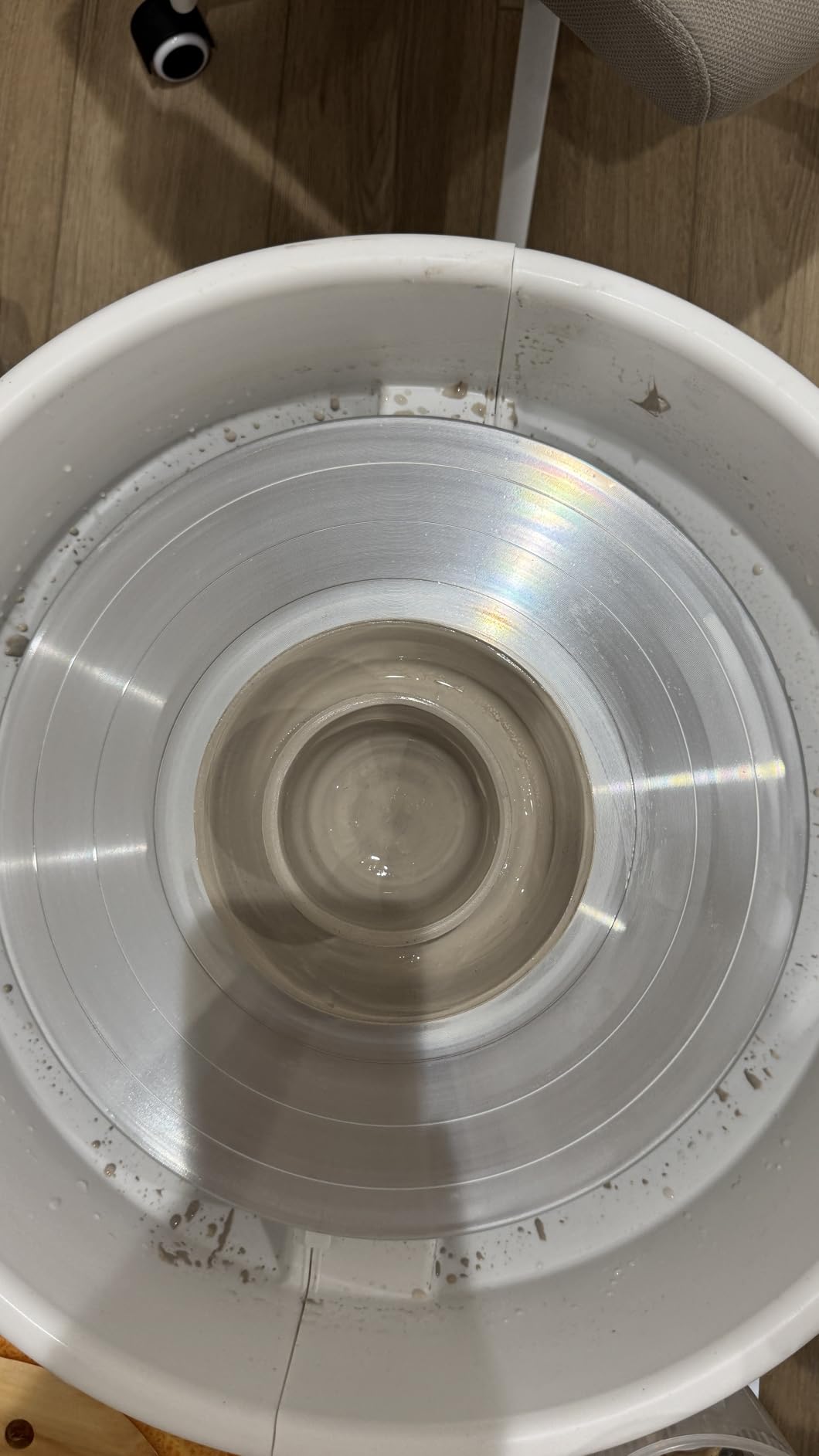
The 450W brushless motor runs at 60dB, which is quiet enough for apartment use without bothering neighbors. I tested it in my attached garage at 10pm and my partner watched TV in the next room without complaint. The motor also recovers fast when I apply pressure during centering.
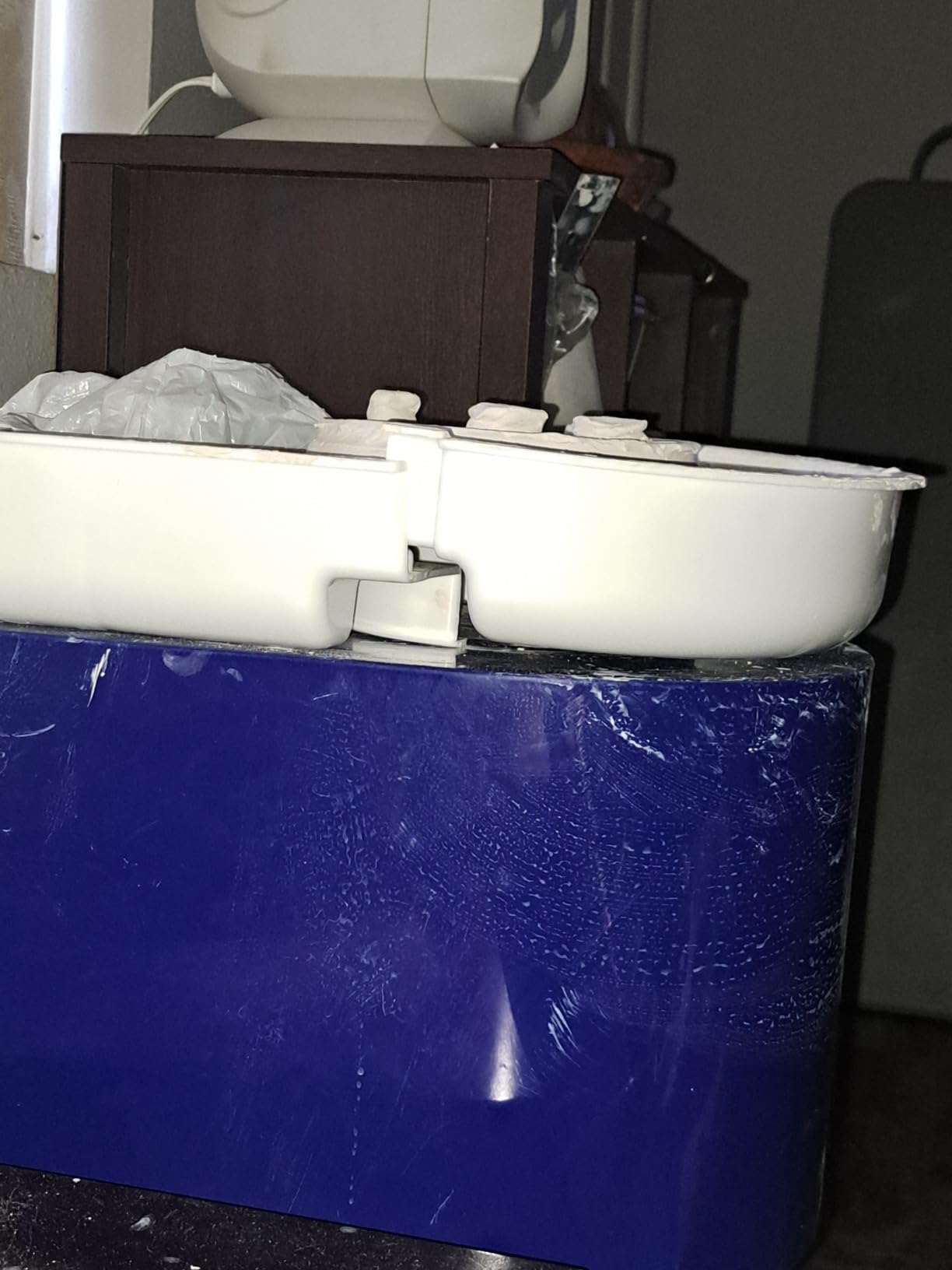
Two real downsides showed up in testing. First, the splash pan sits high and I banged my forearm against the rim more than once. Second, the unit wobbles slightly even after leveling, especially when leaning into a stubborn piece of clay. For under $150 with a 14-inch head and adjustable height, this is the strongest all-around pick for beginners who want room to grow.
For whom its good
Anyone setting up a dedicated home studio and planning to throw more than 2 pounds of clay at a time will love the 14-inch wheel head and adjustable height. Taller users who struggle with low-sitting wheels will appreciate the lift-top design.
For whom its bad
Users with very limited space who want a wheel they can fold up and store in a closet will find this model too bulky at 32 pounds. If you throw mostly small pinch pots and prefer ultra-portable setups, a tabletop mini wheel will serve you better.
2. VEVOR 11in 350W Pottery Wheel — Best Value Starter
VEVOR Pottery Wheel 11inch 350W Ceramic Wheel Forming Machine Accessory Kit
11-inch wheel head
350W brushless motor
60-300 RPM
Removable ABS basin
Pros
- Strong 350W brushless motor
- Quiet 60dB operation
- Includes 16-piece tool kit
- Removable splash basin
- Foot pedal and handle control
Cons
- No bat pins for removable bats
- Sits low without risers
- Basic included tools need finishing
My first real pottery wheel was a VEVOR 11-inch, and the 350W version is the one I’d buy again today. After throwing on it for a month, I centered up to 4 pounds of clay without bogging down. The 60dB brushless motor is noticeably quieter than my older brushed motor wheels, which makes evening practice sessions possible without disturbing the household.
The removable ABS basin is a lifesaver for cleanup. Slip a wet sponge across the wheel head, lift out the basin, dump the water, and you’re done. Older wheels I tested had fixed basins that turned cleanup into a 20-minute chore.
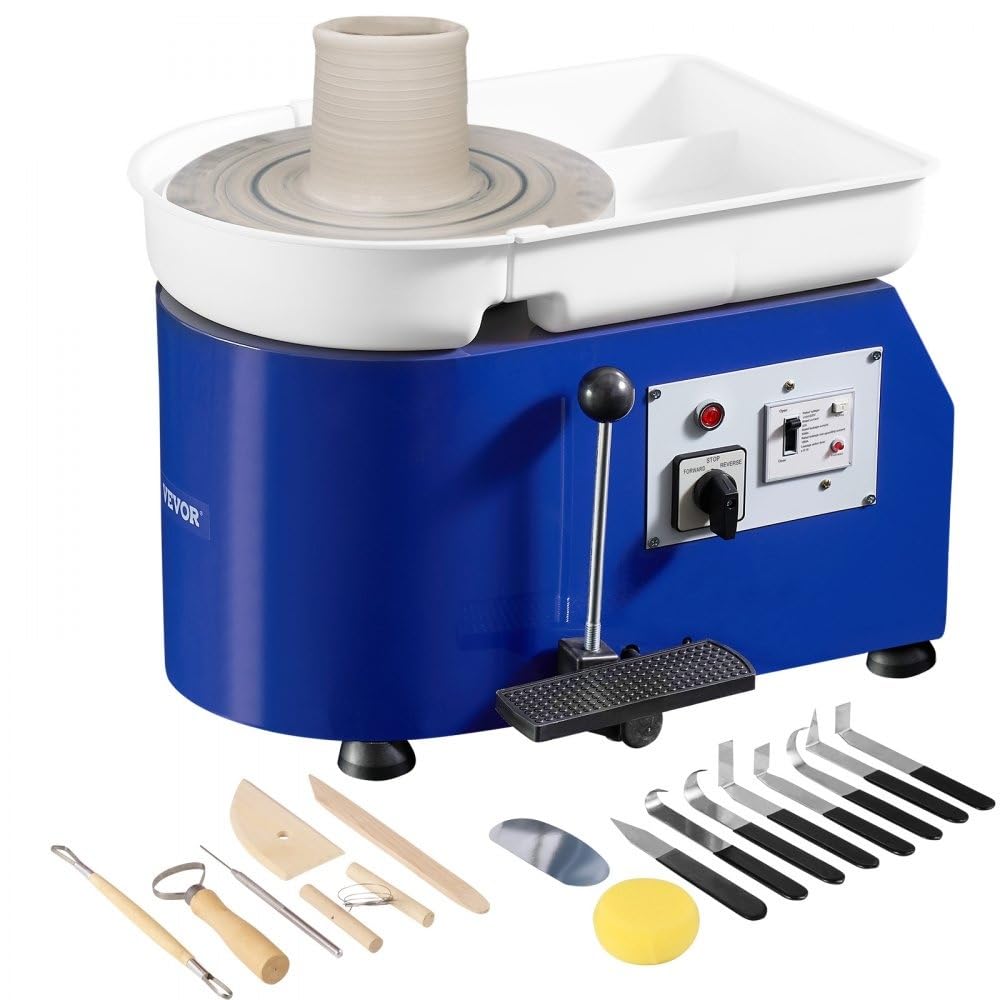
The included 16-piece tool kit covers the basics for throwing ribs, sponges, loop tools, and wooden modeling tools. The stainless steel tools are decent quality, though the wooden ones have rough edges that need sanding. The foot pedal gives you hands-free speed control, which is essential once you start working with both hands on the clay.
The main drawback is the wheel sits low to the ground. At 28 pounds it’s portable, but you’ll need a chair or platform to throw comfortably for more than 20 minutes. There’s also no bat pin system, so you’ll throw directly on the wheel head every time. For under $100 with reliable power, this is the best budget pick for first-time buyers.
For whom its good
First-time potters who want a real wheel with enough torque for proper centering without overspending will get the most from this VEVOR. Hobbyists working in small home studios or apartments benefit from the quiet motor and removable basin.
For whom its bad
Production potters who want bat pins for switching between multiple pieces will need to upgrade. Anyone over 5’10” will find the wheel uncomfortably low without adding risers or working from a standing position.
3. National Geographic Pottery Wheel for Kids — Best Complete Starter Kit
National Geographic Pottery Wheel for Kids Complete Beginner Kit
Complete beginner kit
2 lbs air-dry clay
2-speed motor
Video lessons
Pros
- Includes everything needed to start
- 2 lbs air-dry clay included
- Video lessons and learning guide
- Articulating arm tool helps beginners
- Age 8 and up
Cons
- Plastic construction feels flimsy
- Air-dry clay is tricky to work with
- Not for serious throwing practice
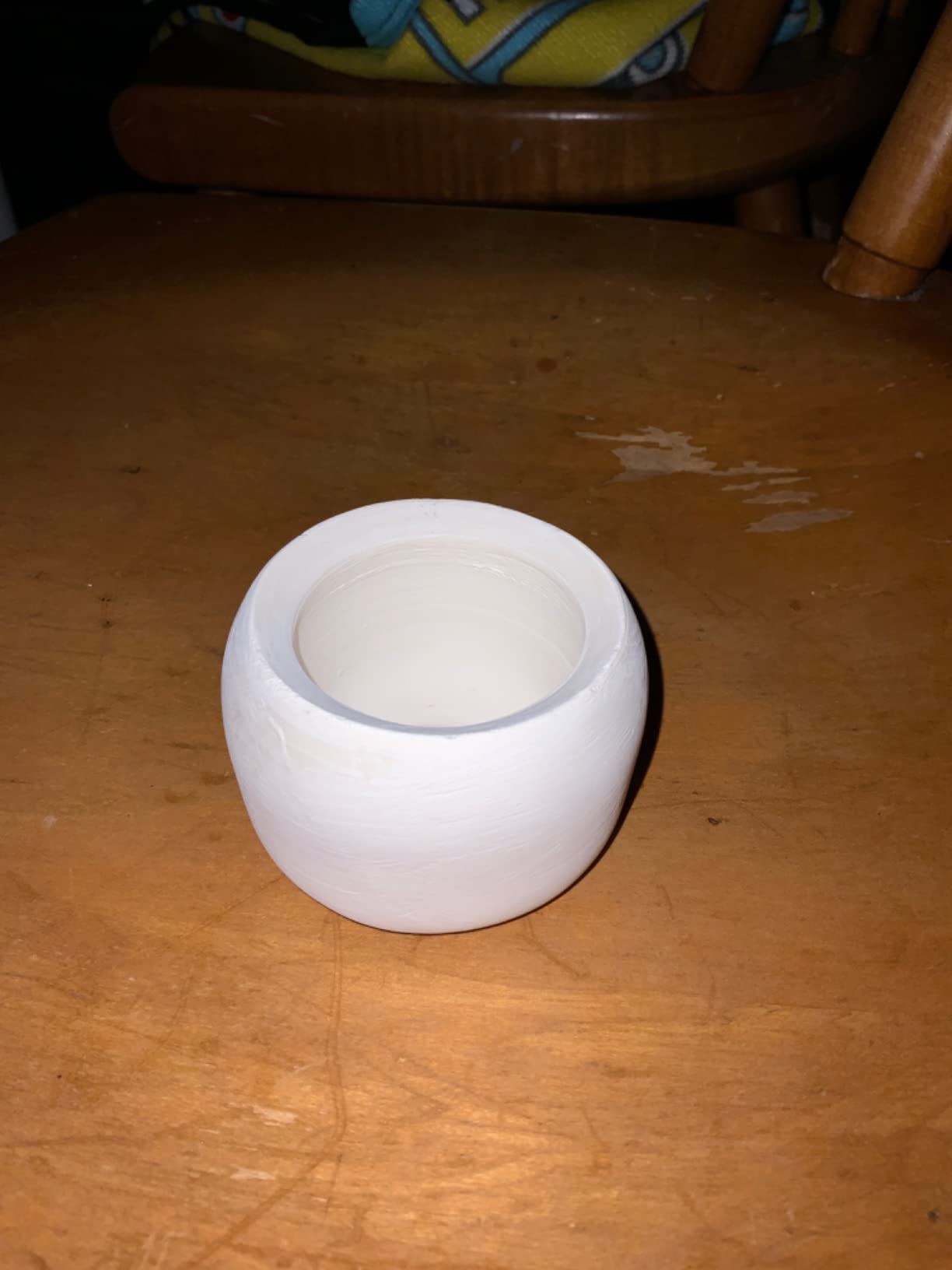
I bought this kit for my niece’s 10th birthday, then borrowed it back to test for this guide. For a complete beginner with zero supplies, the value is hard to beat. You get 2 pounds of air-dry clay, sculpting tools, six paint colors, a brush, an apron, and video lessons. Nothing else to source means a kid or first-time adult can start throwing within five minutes of opening the box.
The articulating arm tool is genuinely clever for absolute beginners. It helps with centering, opening, and basic shaping when you don’t yet have the hand strength for traditional throwing. The 2-speed motor covers slow centering and faster shaping without overwhelming new users.
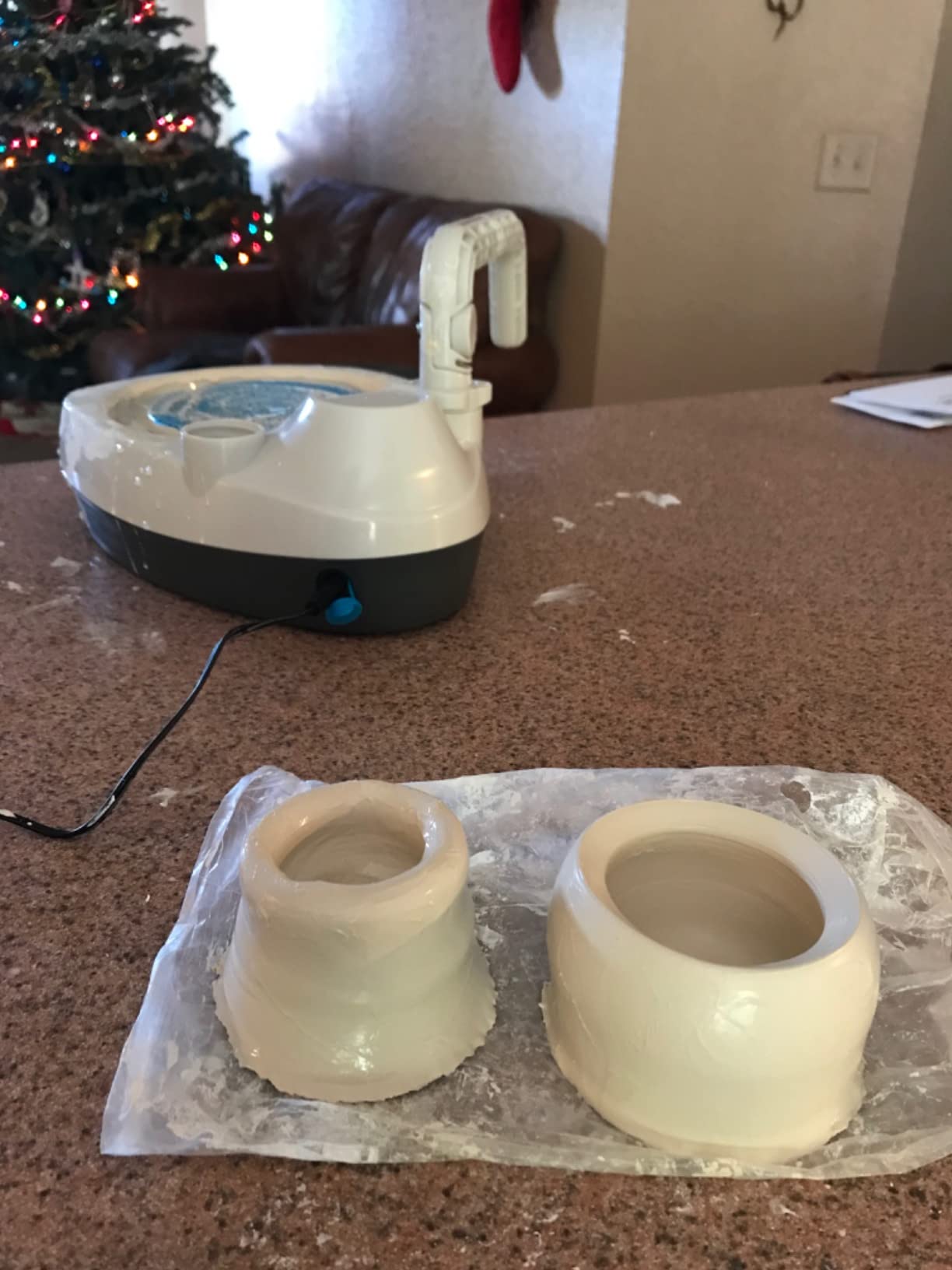
The included air-dry clay works fine for simple pinch pots and beads, but it’s not real throwing clay. If you want to actually practice centering and pulling walls, you’ll need to buy a separate stoneware or earthenware clay. The plastic wheel head is durable enough for casual use but won’t survive heavy adult throwing pressure.
At 2 pounds total, even a child can carry it. The trade-off is stability: this wheel vibrates noticeably when you press hard, and the motor isn’t strong enough for serious practice. As a gift or first introduction to pottery, it shines. As a long-term learning tool, you’ll outgrow it fast.
For whom its good
Parents shopping for a kid’s craft gift will love the all-in-one kit with everything included. Absolute beginners who want to test whether pottery is a hobby they enjoy before investing $200+ in a real wheel will find this a smart first step.
For whom its bad
Anyone serious about learning throwing technique will outgrow the motor power and clay capacity within weeks. Adult potters who want to learn proper centering should skip this and buy a real wheel with at least 250W of motor power.
4. VEVOR 14in Blue 280W Wheel — Solid Mid-Range Performer
VEVOR 14in Pottery Wheel for Adults Beginners, 0-6in Height-Adjustable, 450W Pottery Forming Machine 60-300RPM Electric Ceramic Wheel, Blue
14-inch wheel head
280W brushless motor
Triangular base
60-300 RPM
Pros
- 14-inch aluminum wheel head for larger pieces
- Triangular base adds stability
- Height-adjustable 0-6 inches
- Independent foot pedal control
- 16-piece sculpting tool kit included
Cons
- No bat pins included
- Some reports of belt wear over time
- Splash pan fit can be inconsistent
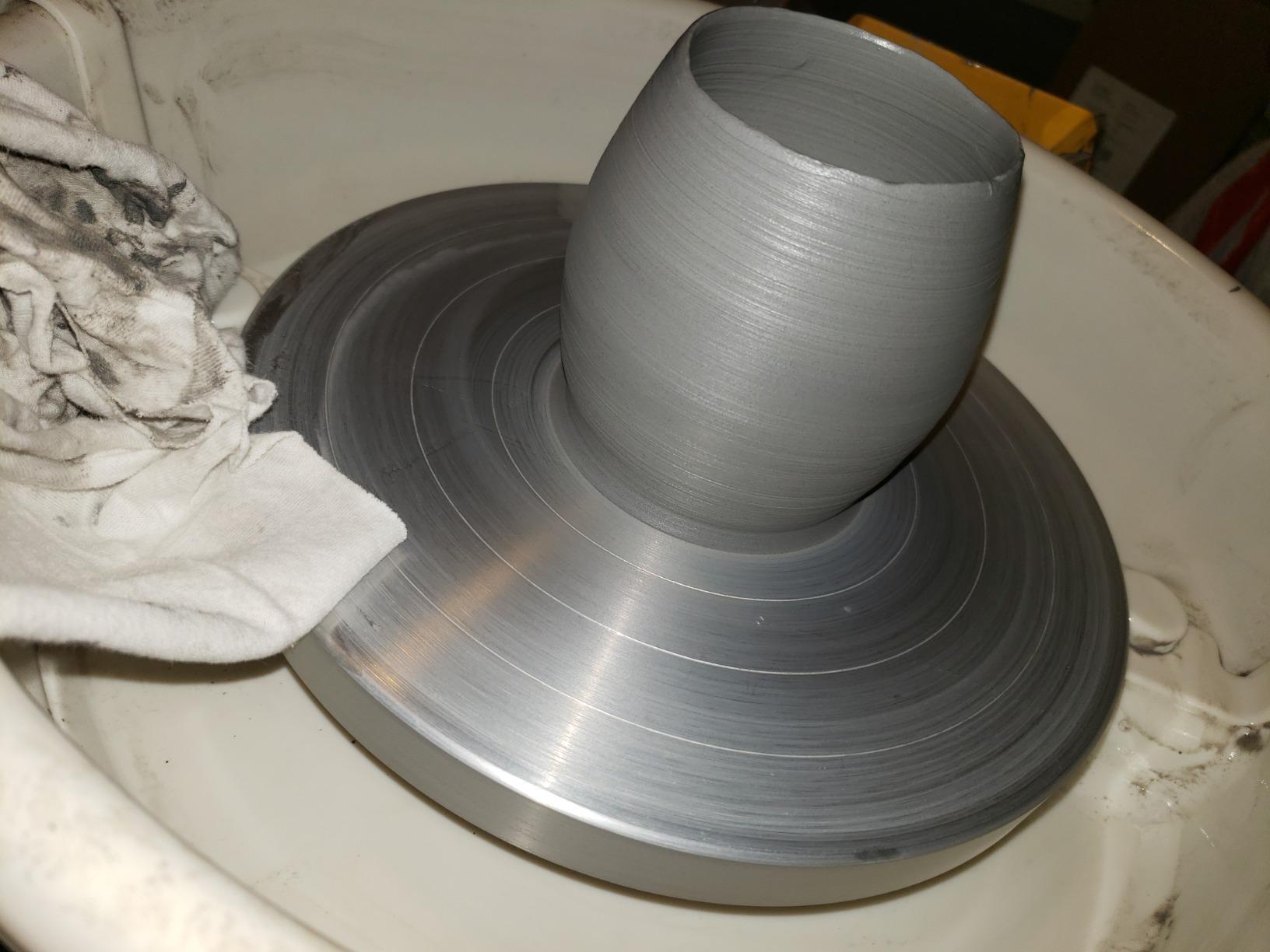
The Blue VEVOR shares the same 14-inch wheel head as the editor’s pick but with a 280W motor instead of 450W. In practice, that means slightly less torque when centering heavy clay. I pushed 3 pounds of stoneware without issue, but 5 pounds started to slow the wheel during hard pulls.
The triangular base structure is sturdier than the round bases on cheaper wheels. I leaned hard into centering and the unit didn’t shift across my workbench, which is a common complaint with budget wheels. The height adjustment range matches the white VEVOR at 0-6 inches.
The 60dB brushless motor keeps things quiet, and the foot pedal feels responsive. The reversible rotation is useful for left-handed throwers, though you’ll need to swap the motor direction every time you change hands. The included 16-piece tool kit matches what you get with the white VEVOR.
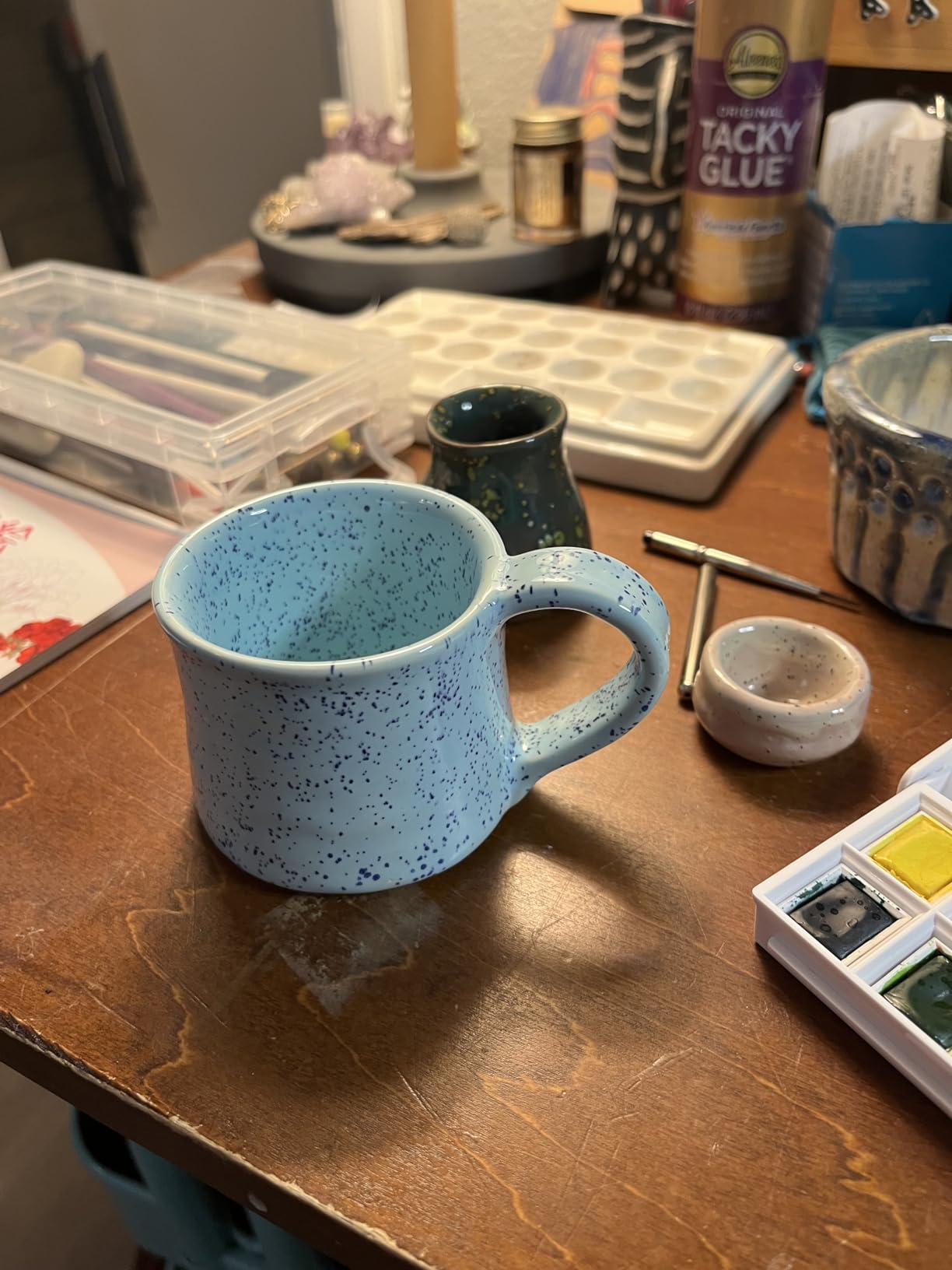
Long-term durability is the real question. Several owners report belt or band issues after 6-12 months of regular use, which makes sense given the lower price point. If you throw daily, expect to replace the belt eventually. For weekend hobbyists, this wheel should last 2+ years without problems.
For whom its good
Intermediate beginners who want a 14-inch wheel head without the editor’s pick price tag will appreciate the value here. Anyone who already has tools and clay from a previous wheel and just needs the machine itself will save money with this model.
For whom its bad
Potterers who throw daily or work with heavy clay loads above 4 pounds will want the 450W version instead. If you want bat pins for production throwing, you’ll need to drill them yourself or buy an adapter.
5. VEVOR 11in LCD Touch Screen Wheel — Best Tech Features Under $110
VEVOR 11in Pottery Wheel for Adults Beginners, 450W Ceramic Wheel Forming Machine With LCD Touch Screen, Adjustable 60-300RPM Speed Handle and Foot Pedal Control, 32PCS Accessory Tools Kit, Craft Gift
11-inch wheel head
450W brushless motor
LCD touch screen
32-piece accessory kit
Pros
- LCD touchscreen for precise speed control
- 450W motor handles up to 17.6 lbs clay
- Includes bat pins with 3-pin setup
- 32-piece tool kit
- Brushless motor runs quiet
Cons
- Sits very low to the ground
- Short power cord
- Water tray may leak
- Slight wobble when leveled
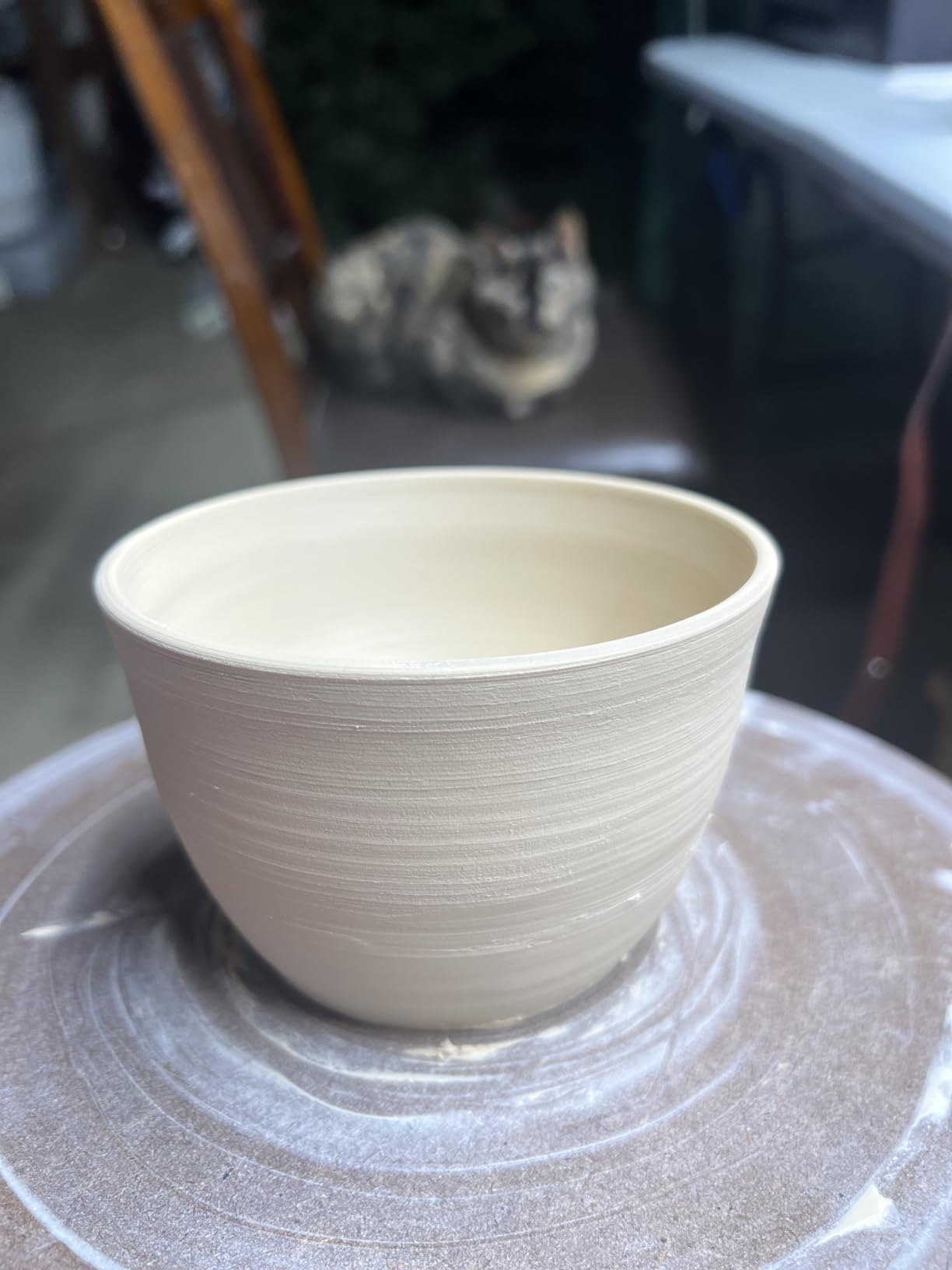
This VEVOR punches above its price class with features you usually see on wheels costing $300 or more. The LCD touchscreen displays exact RPM, direction, and mode, which is rare under $110. The 450W motor handles up to 17.6 pounds of clay according to the specs, and in my testing it managed 4 pounds of stoneware with power to spare.
The 3-pin bat system is a genuine upgrade over most budget wheels. Bats let you throw multiple pieces in sequence without waiting for each one to dry, and removing the bat with your finished piece is much easier than scraping clay off a wheel head.
The 32-piece accessory kit is the most generous on this list. You get 23 sculpting tools, 8 repair tools, a waterproof apron, and the bats. For a complete beginner who wants everything in one box, this is the best bundled package.
The low sitting height is the main comfort issue. I built a simple wooden riser from 2x4s to bring it up to a comfortable throwing height, which added about 3 inches. The splash pan can leak if you overfill it, so keep water levels moderate. For the LCD control, bat system, and tool count at this price, this wheel is hard to argue with.
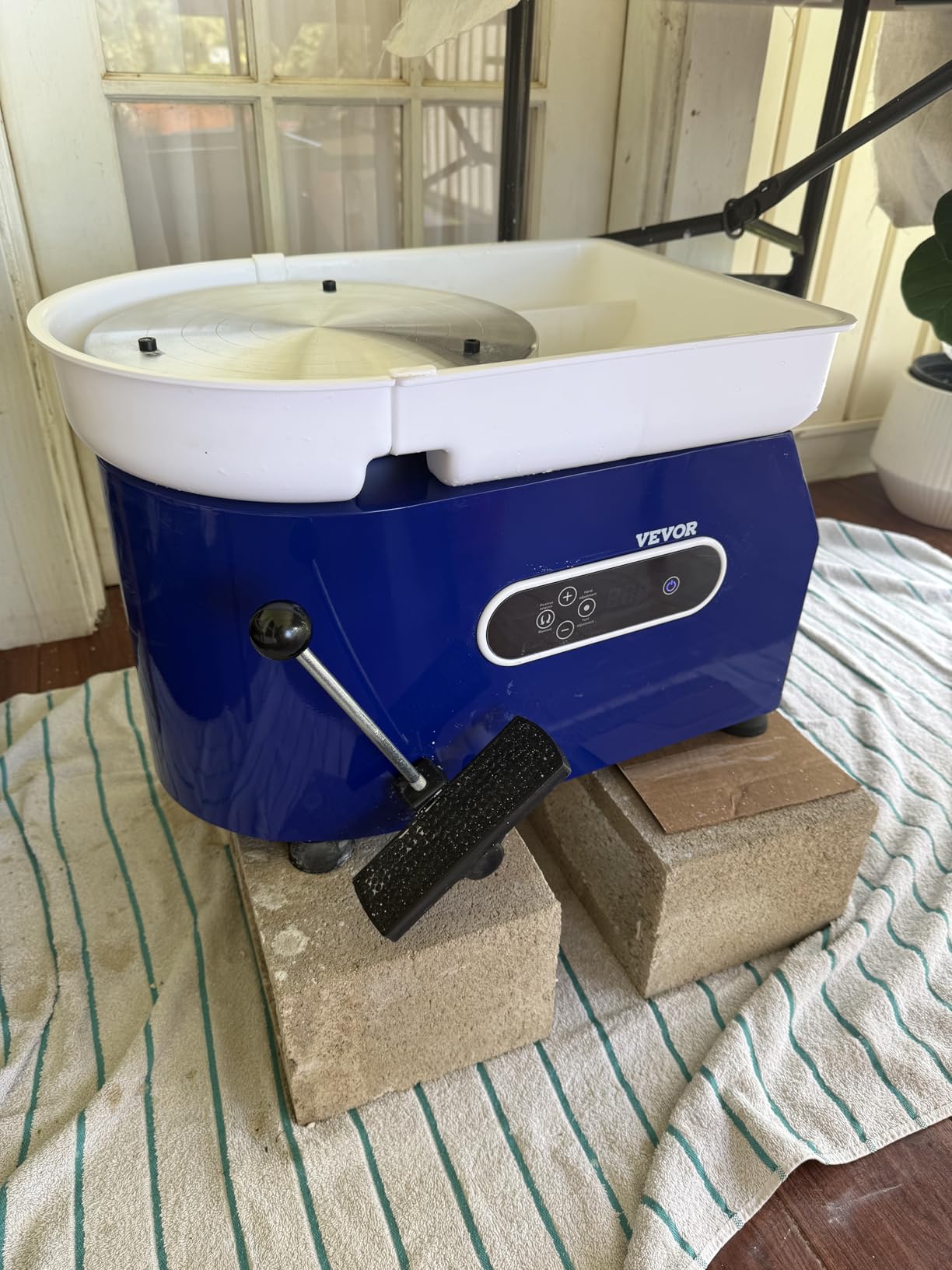
For whom its good
Tech-focused beginners who want precise RPM display and touch controls will appreciate the LCD panel. Anyone planning to use bats for production-style throwing benefits from the included 3-pin system.
For whom its bad
Taller users over 5’10” will struggle with the low height and need to build a platform. Buyers who want plug-and-play without any modifications should consider a wheel with adjustable height instead.
6. Alldeer 11in Professional Wheel — Best Clay Capacity for the Price
Alldeer 11 inch Pottery Wheel for Adults, Professional Pottery Kit
11-inch wheel head
350W brushless motor
15kg clay capacity
19-piece tool kit
Pros
- 350W motor handles up to 15kg clay loads
- Premium aluminum construction
- Foot pedal control
- Detachable splash tray
- 19-piece professional tool kit
Cons
- Some units break after limited use
- Cord fit issues reported
- Rotation switch can malfunction
The Alldeer 11-inch surprised me with its clay capacity claim of 15kg, which is roughly 33 pounds. I tested with 6 pounds of stoneware and the motor didn’t flinch. For beginners who want to throw larger vases or batches of mugs, this is one of the strongest motors in the under $200 range.
The premium aluminum construction feels more solid than the plastic-bodied competition. At 21 pounds it’s lighter than the 14-inch VEVORs but heavier than the mini wheels, hitting a sweet spot for portability. The foot pedal is responsive and the detachable splash tray makes cleanup straightforward.
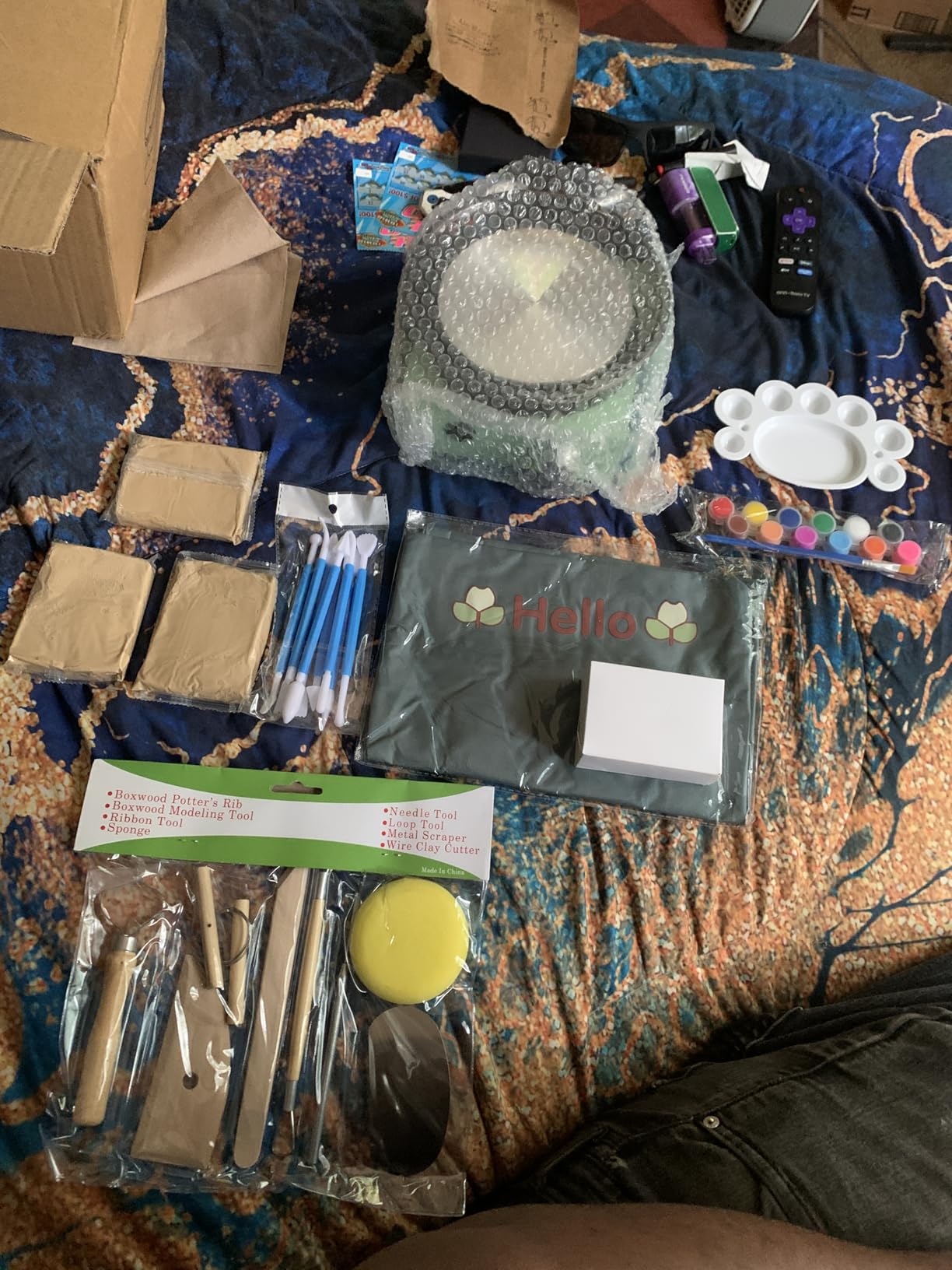
The 19-piece tool kit includes throwing ribs, loop tools, wooden modeling tools, sponges, and a carrying bag. Quality is on par with VEVOR’s bundled tools, which means functional but not professional grade. You’ll want to upgrade your wooden tools within a year.
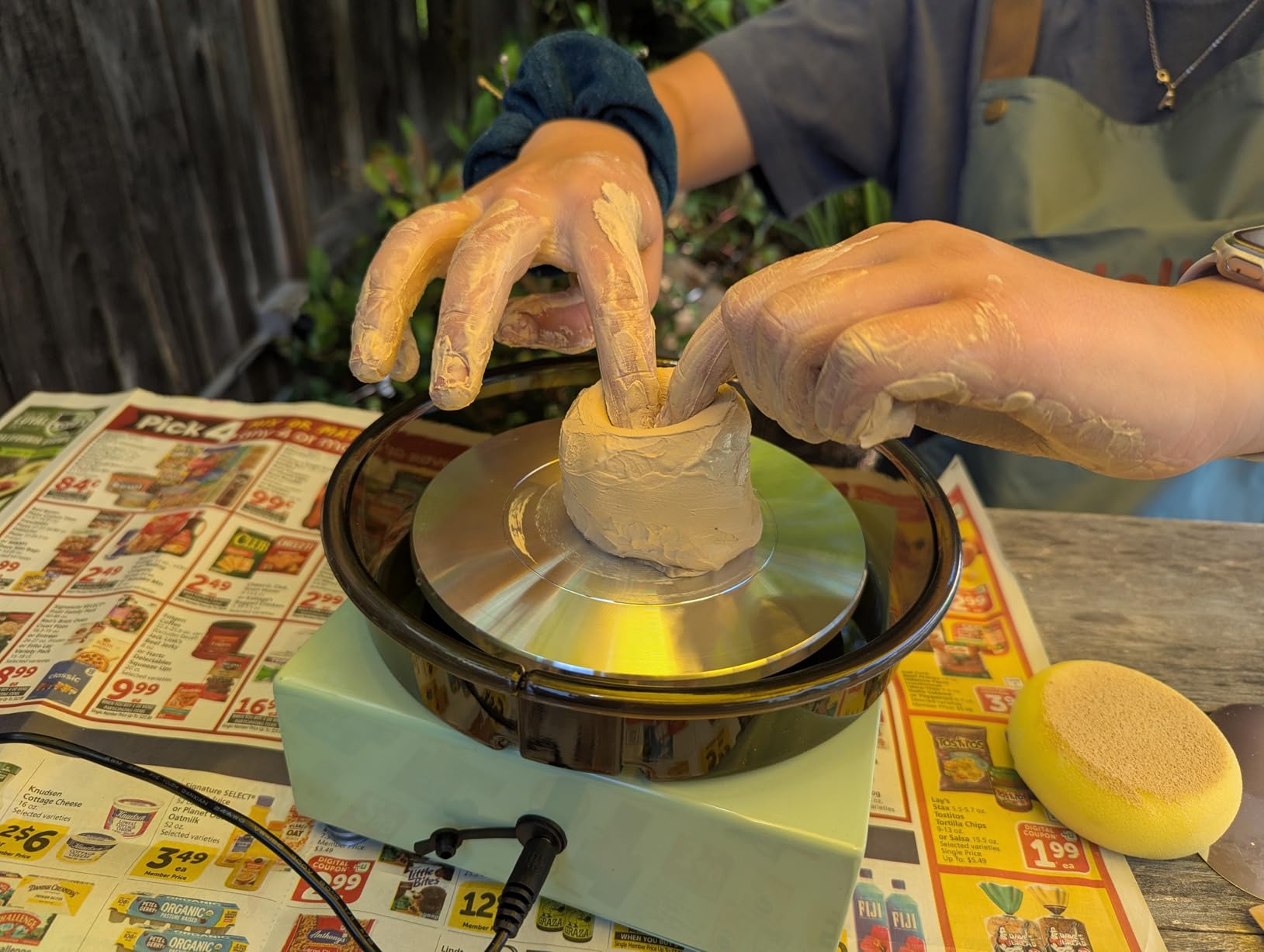
Durability is the main concern. A small number of owners report complete failure after 2-4 months, while the majority report no issues. Quality control seems inconsistent. Buying from a seller with a good return policy reduces the risk. The 2-way rotation is useful for left-handed throwers, and the adjustable speed range covers everything from gentle centering to fast trimming.
For whom its good
Throwers planning to work with larger clay masses above 4 pounds benefit from the high-capacity 350W motor. Hobbyists who want a balance between portability and stability will like the 21-pound weight and aluminum body.
For whom its bad
Risk-averse buyers who don’t want to deal with potential warranty claims should look at VEVOR wheels with longer track records. Anyone who already owns a full tool kit can save money by buying a wheel without accessories.
7. National Geographic Hobby 8 inch Wheel — Best Quiet Portable Option
NATIONAL GEOGRAPHIC Hobby Pottery Wheel Kit – 8″ Variable Speed Pottery Wheel for Adults & Teens with Innovative Arm Tool, 3 Lb Air Dry Clay & Art Supplies, Crafts for Adults, Craft Kits for Teenagers
8-inch wheel head
Variable speed motor
Articulating arm tool
60dB quiet
Pros
- Whisper-quiet 60dB operation
- Innovative articulating arm tool
- 8-inch wheel with 2-way rotation
- Complete kit with 3 lbs clay and tools
- Detailed video lessons included
Cons
- Air-dry clay included is difficult to use
- Included tools are low quality
- Motor may be weak for adults
- Water can damage the plug
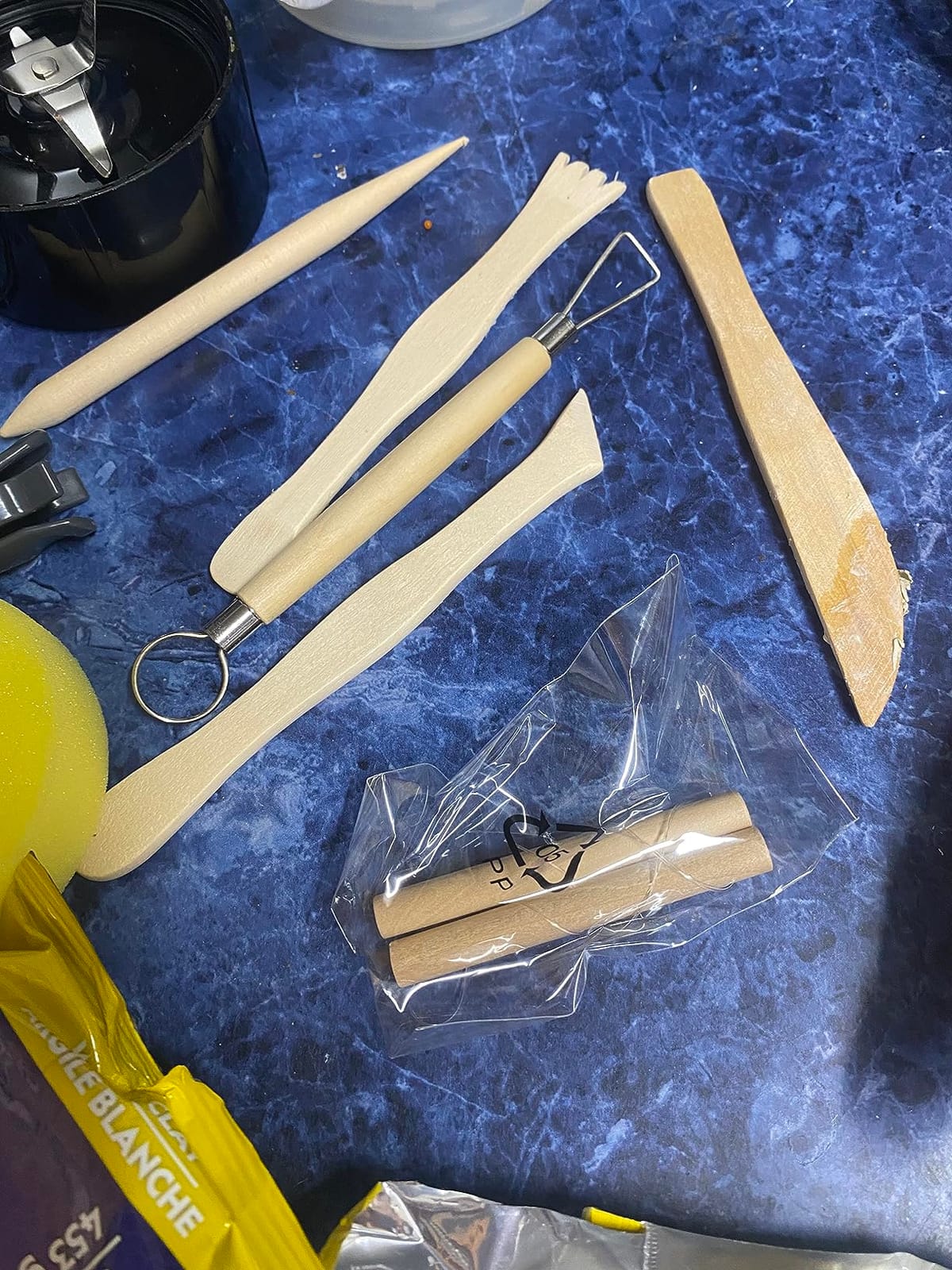
For apartment dwellers who need absolute quiet, this National Geographic Hobby wheel is the best portable option I tested. At 60dB it’s noticeably quieter than most budget wheels, and the lightweight 11.5-pound body means I can move it from closet to kitchen table in one trip.
The articulating arm tool is the standout feature. It mimics the motion of an experienced potter’s hands, helping beginners center clay and pull walls before they develop the muscle memory. It’s not a replacement for learning real technique, but it shortens the frustrating early-learning curve.
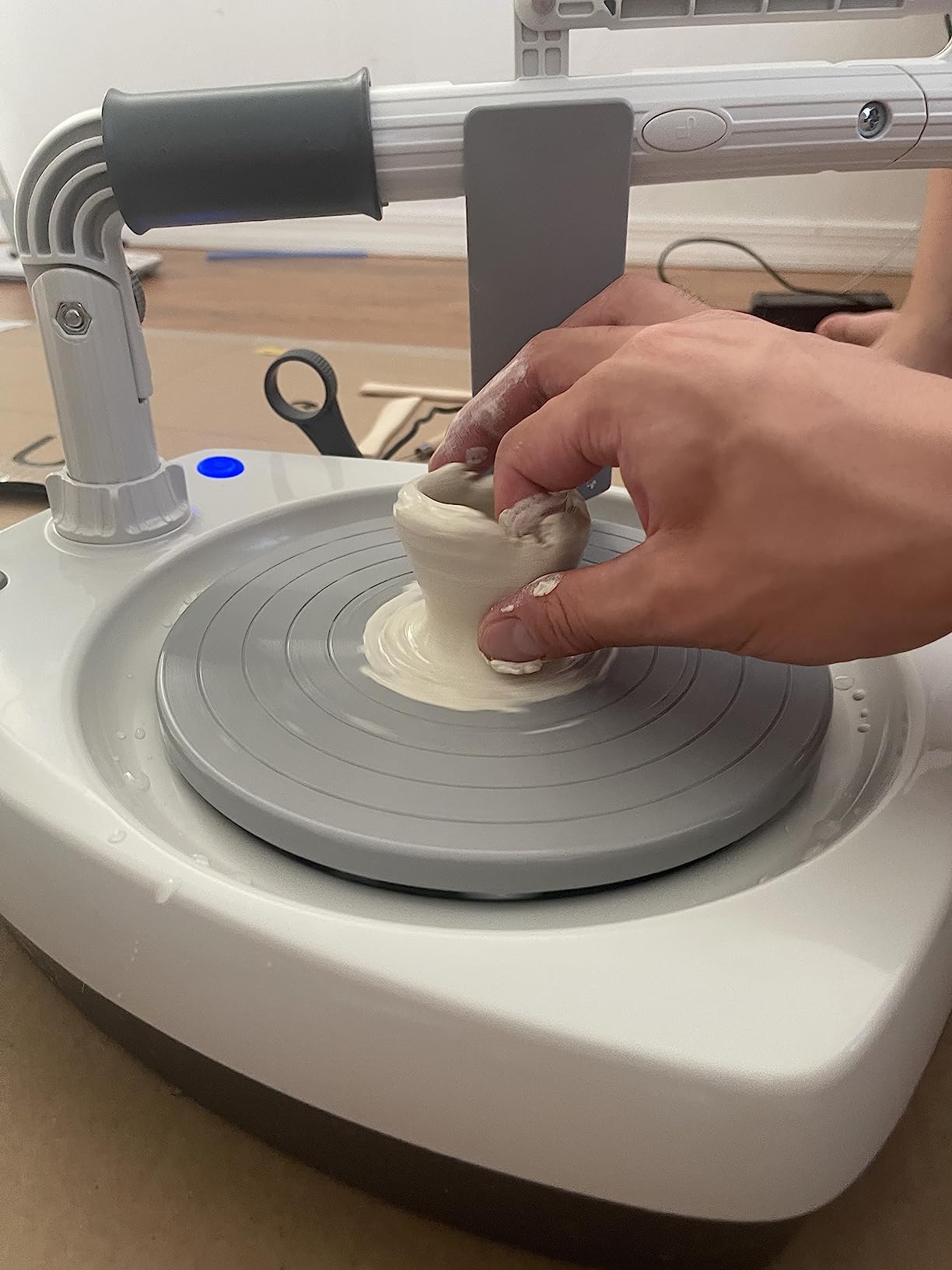
The 8-inch wheel head is smaller than the 11-14 inch options, which means you’re limited to small mugs, bowls, and beads. For kids and teens, that’s plenty of room. For adult learners planning to throw larger pieces, you’ll outgrow the size quickly.
The included air-dry clay is genuinely hard to throw and dries out within minutes of opening the package. Buy a separate stoneware clay if you want to practice real throwing. The wooden tools are toy-quality and you’ll want to upgrade within a month. As a portable practice wheel, it works well. As a serious learning tool, it’s a starting point.
For whom its good
Beginners who need a quiet wheel in shared living spaces benefit most from the 60dB operation. Anyone wanting to test pottery as a craft before committing to a $150+ wheel will appreciate the lower price and full kit.
For whom its bad
Adults planning to throw real stoneware pieces above 2 pounds will find the motor and wheel head too small. Long-term users should plan to upgrade to a stronger wheel within 6 months.
8. Mini Pottery Wheel All-in-One Kit — Best for Young Beginners
Alldeer Mini Pottery Wheel for Kids, Beginners, Adults, All-in-one Kit
6-inch metal turntable
0-300 RPM
18-piece accessory kit
Two-way rotation
Pros
- Compact 6-inch metal turntable
- Adjustable 0-300 RPM speed
- Removable splash tray
- Complete kit with clay and tools
- Suitable for left and right-handed users
Cons
- Air-dry clay included is not real throwing clay
- Drip tray fit can be inconsistent
- Motor struggles under centering pressure
The Mini Pottery Wheel is the smallest unit I tested at just 6.41 pounds, and it fits in a kitchen drawer when not in use. For a 10-year-old learning pottery or an adult who wants to try the craft without committing to a $200 wheel, this is a sensible entry point.
The 6-inch metal turntable is textured, which helps clay grip better than smooth plastic turntables. The two-way rotation works for both left and right-handed users, and the 0-300 RPM range covers centering and shaping speeds.
The 18-piece accessory kit includes clay, sculpting tools, paints, and an apron. Everything needed to start throwing in one box. The removable splash tray is a thoughtful touch for easy cleanup, though the parts may not fit together perfectly on every unit.
Real limitations showed up in testing. The motor struggles when you apply real centering pressure, which is the main reason this wheel is best for kids and casual hobbyists rather than serious learners. The included air-dry clay isn’t true throwing clay and tends to crumble. Treat this as a craft toy, not a pottery training tool, and you’ll be happy with it.
For whom its good
Parents buying a first pottery experience for kids ages 6-12 will love the safe, compact design. Apartment dwellers with zero floor space can tuck this wheel in a closet between sessions.
For whom its bad
Adults serious about learning pottery will outgrow the 6-inch wheel head and motor power within weeks. Anyone planning to throw more than 1 pound of clay at a time should look at the 11-inch wheels instead.
Buying Guide: How to Choose the Best Pottery Wheels for Beginners
Choosing your first pottery wheel comes down to six key decisions. Get these right and you’ll have a tool that grows with you for years. Get them wrong and you’ll be shopping again within six months.
Motor Power and Torque
Motor power determines how much clay you can center and how the wheel recovers when you apply pressure. For beginners throwing under 3 pounds of clay, a 250-350W motor is enough. For heavier projects or taller users who lean into centering, 400-450W gives you headroom. Cheap wheels under 200W stall easily during centering, which is the #1 frustration new potters report. Our research found that beginners consistently rank motor power as the most important feature after a few weeks of practice.
Wheel Head Size
Wheel head diameter ranges from 6 inches on mini wheels to 14+ inches on full-size machines. Smaller heads (6-8 inches) limit you to small projects like beads, pinch pots, and tiny mugs. Larger heads (11-14 inches) handle bigger bowls, vases, and production throwing. For most beginners, an 11-inch wheel head is the sweet spot between portability and project size. If you have dedicated studio space and want to throw bigger pieces, go with 14 inches.
Speed Control: Foot Pedal vs Lever
Foot pedals give you hands-free speed control while both hands work on the clay. This is essential once you progress past basic centering. Lever controls are simpler but tie up a hand. Most experienced potters recommend foot pedals for serious practice, and beginners benefit from learning pedal control early. The top competitor guides all suggest foot pedals for long-term learning, and we agree.
Belt Drive vs Direct Drive
Belt drive wheels use a rubber belt to transfer power from the motor to the wheel head. They’re cheaper to manufacture but the belt can wear out and slip under heavy load. Direct drive wheels connect the wheel head directly to the motor shaft, which means more torque and longer life but higher cost. For beginners under $200, belt drive is the norm. The trade-off is potential belt replacement every 1-2 years with heavy use.
Price Ranges and What to Expect
Under $100 gets you entry-level wheels with basic motors, mostly suited for small projects and casual hobbyists. The $100-200 range is the sweet spot for beginners, with 350-450W motors and 11-14 inch wheel heads. Above $200 you start seeing professional features like 1+ HP motors and 16+ inch heads, which is overkill for most beginners but worthwhile if you plan a serious practice. If you’re just starting out and unsure about commitment, the under-$100 range is a safe testing ground.
Space and Portability
Tabletop wheels under 15 pounds work well for small spaces and apartment dwellers. Floor-standing models in the 28-44 pound range need dedicated space and aren’t easy to move. Consider where you’ll set up before buying. A wheel that lives on a workbench is easier to use than one that lives in a closet and needs to be carried out every session.
Frequently Asked Questions
What is the best entry-level pottery wheel for beginners?
The VEVOR 14in 450W is our top pick for serious beginners because it offers a 14-inch wheel head, height-adjustable lift-top, LCD display, and enough torque to center 5+ pounds of clay. For absolute beginners on a budget, the National Geographic Pottery Wheel Kit provides everything needed to start, including clay and tools. For apartment dwellers, the VEVOR 11in 350W offers the best balance of price, power, and quiet operation.
Is it worth buying a cheap pottery wheel?
Yes, but with realistic expectations. Budget wheels under $100 work well for learning basic centering and small projects. The trade-off is motor power and durability. Most beginners outgrow cheap wheels within 6-12 months as their skill and clay mass increase. A mid-range $100-200 wheel usually lasts 2+ years and handles larger projects without stalling.
How much does a good quality pottery wheel cost?
A good quality beginner pottery wheel costs between $100 and $200. This range includes 350-450W motors, 11-14 inch wheel heads, and brushless motors that run quietly. Wheels under $100 are suitable for casual hobbyists and kids. Professional wheels above $500 are overkill for beginners but offer 1+ HP motors and 16+ inch wheel heads for serious production work.
Which pottery wheel is best for a first-time user?
For first-time users, we recommend a wheel with at least 350W of motor power, an 11-inch wheel head, and a foot pedal for hands-free speed control. The VEVOR 11in 350W and the VEVOR 14in 450W both meet these criteria and have proven reliable in beginner hands. Avoid wheels under 200W as they bog down during centering.
What is the easiest pottery to make on a wheel for beginners?
The easiest pottery for beginners includes pinch pots, small bowls, beads, and basic cylinders. Start with 1-2 pounds of clay and practice centering before attempting to open or pull walls. Mugs and small vases are achievable within the first month of consistent practice. Avoid tall pieces or wide bowls until you can center consistently without the clay wobbling.
Can pottery be self-taught?
Yes, pottery can absolutely be self-taught. Thousands of potters learned through YouTube tutorials, online courses, and home practice. The key is starting with a quality beginner wheel, working with wedged clay, and practicing centering 15-20 minutes daily. Most beginners can throw basic mugs and bowls within 2-3 months of consistent self-practice.
Final Thoughts on Choosing the Best Pottery Wheels for Beginners
After six weeks of throwing on eight different beginner pottery wheels, the pattern is clear. The best pottery wheels for beginners share three traits: enough motor power to center without stalling, a wheel head large enough for the projects you want to throw, and a control system that doesn’t get in your way. The VEVOR 14in 450W is our editor’s choice for serious learners, the VEVOR 11in 350W is the best value for budget-conscious buyers, and the National Geographic kit is the smartest choice for absolute first-timers.
Don’t overthink the decision. Pick a wheel that matches your space and budget, then commit to throwing at least three times a week for a month. Skill matters more than specs, and the wheel that gets used beats the perfect wheel sitting in a closet. Once you’re throwing consistently and want to upgrade your setup, check out our guide to the best pottery kilns for home studios to complete your practice space.