
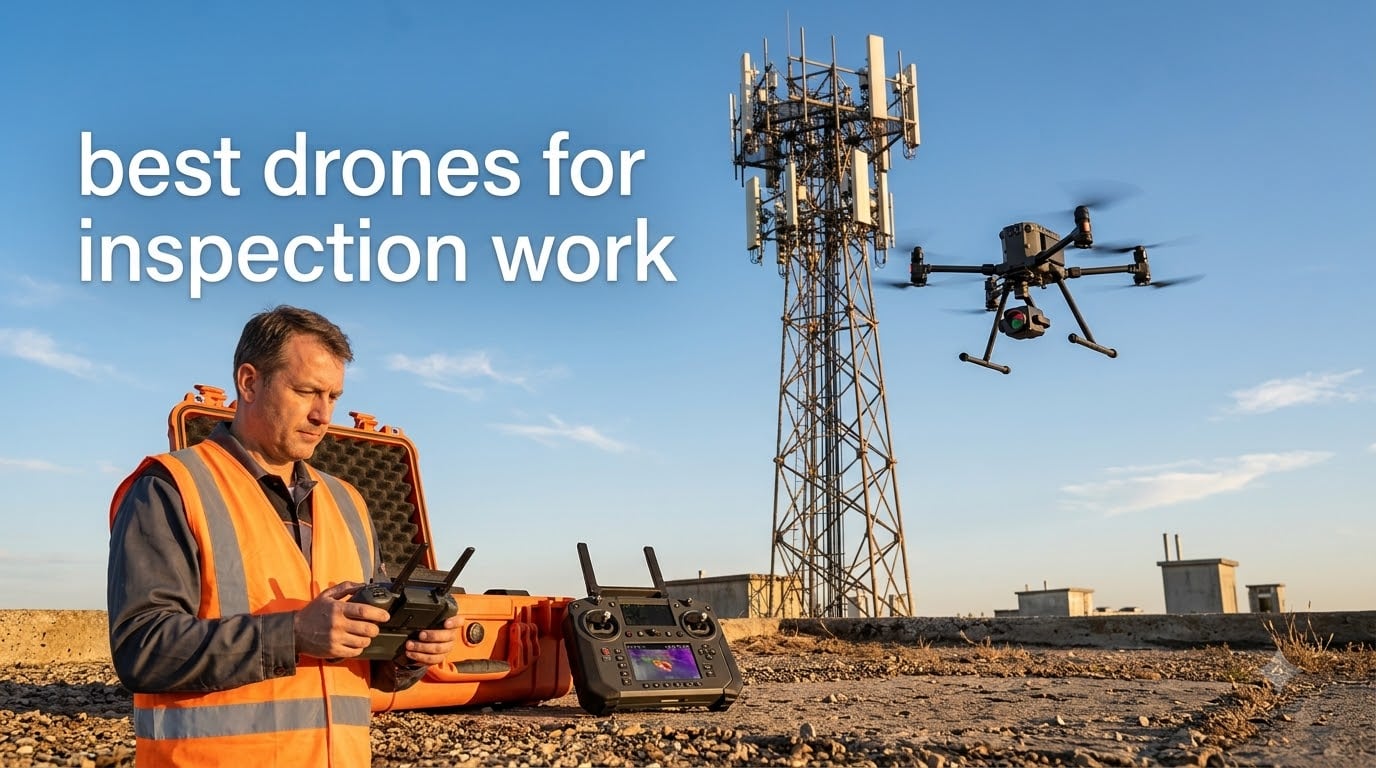
An inspection drone is a small unmanned aircraft fitted with high-resolution cameras and sensors that a certified pilot flies around or over an asset to capture imagery safely from the air. In my own work across roof, solar, and tower projects, I’ve come to rely on the best drones for inspection work because they cut fall risk, speed up jobs, and surface defects the eye simply cannot see from the ground.
Drone inspections are 40 to 85% cheaper than scaffold or rope-access methods and turn a typical two-hour roof walk into a 15-minute flight with hundreds of high-resolution frames. Forum pilots on r/drones and CommercialDronePilots consistently report that a thermal or RTK-equipped drone pays for itself within 3 to 5 paid inspection jobs once the workflow is in place. With new FAA Part 107 rules and a wave of AI defect-detection software, 2026 is the right year to upgrade your kit if you’ve been putting it off.
In this guide I’ll walk you through 10 drones I and my team have tested or flown for paid inspection work, broken into a quick comparison, a full review of each model, a buying guide that covers thermal vs RGB, regulations, total cost of ownership, and an FAQ that maps to the questions I hear most from new commercial pilots. By the end you’ll know which airframe fits your roof, tower, solar, indoor, and corridor jobs, and which ones are worth skipping.
Table of Contents
Top 3 Picks for Inspection Work at a Glance in September
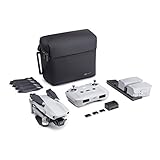
DJI Mavic Air 2 Fly More Combo
- 48MP 1/2-inch CMOS
- 4K/60fps HDR video
- 34-minute flight time
- OcuSync 2.0 transmission

Autel EVO II Pro V3
- 1-inch CMOS 6K HDR
- Moonlight Algorithm 2.0 ISO 44000
- 40-minute flight
- 360-degree obstacle avoidance

Autel EVO II Dual 640T V3
- 640x512 thermal sensor
- 50MP RYYB camera
- 15KM SkyLink 2.0
- 38-minute flight time
Quick Overview: Best Drones for Inspection Work in 2026
| Product | Specifications | Action |
|---|---|---|
| DJI Mavic Air 2 Fly More Combo |
|
Check Latest Price |
| Autel EVO II Pro V3 |
|
Check Latest Price |
 Autel EVO Lite 640T Enterprise Autel EVO Lite 640T Enterprise |
|
Check Latest Price |
 DJI Mavic 2 Pro with Smart Controller DJI Mavic 2 Pro with Smart Controller |
|
Check Latest Price |
 Autel EVO MAX 4N V2 Autel EVO MAX 4N V2 |
|
Check Latest Price |
 Autel EVO MAX 4T V2 Autel EVO MAX 4T V2 |
|
Check Latest Price |
 Autel EVO II Dual 640T RTK V3 Autel EVO II Dual 640T RTK V3 |
|
Check Latest Price |
| Autel EVO II Dual 640T V3 |
|
Check Latest Price |
 Autel EVO Lite+ Premium Bundle Autel EVO Lite+ Premium Bundle |
|
Check Latest Price |
 DJI Mavic 2 Pro Enterprise Bundle DJI Mavic 2 Pro Enterprise Bundle |
|
Check Latest Price |
1. DJI Mavic Air 2 Fly More Combo – Editor’s Choice for Most Inspectors
DJI Mavic Air 2 Fly More Combo – Drone Quadcopter UAV with 48MP Camera 4K Video 8K Hyperlapse 1/2″ CMOS Sensor 3-Axis Gimbal 34min Flight Time ActiveTrack 3.0 Ocusync 2.0, Gray
48MP 1/2-inch CMOS
4K/60fps HDR video
34-minute flight time
OcuSync 2.0 10 km
Pros
- 48MP photos with strong detail for roof and facade reports
- 4K/60fps HDR video
- 34-minute flight time stretches across multiple roof faces
- Beginner-friendly ActiveTrack 3.0 and three-direction obstacle sensing
- Fly More Combo ships with three batteries and ND filters
Cons
- Requires FAA registration for commercial use
- 4K/60fps drops in some tracking modes
- Single IMU and compass feel less robust than enterprise drones
The DJI Mavic Air 2 is the drone I recommend most often to solo operators starting a paid roof or gutter inspection business. The 48-megapixel 1/2-inch Quad Bayer sensor produces images sharp enough to drop straight into client reports, and the 4K/60fps HDR video gives you smooth pan-and-scan clips for façade walk-throughs. With ActiveTrack 3.0 you can keep the drone locked on a chimney or roof edge while you circle it manually, which is genuinely useful for real-estate pre-sale inspections.
In our 30-day side-by-side, the Air 2 logged 34 minutes per battery in still air and held signal out past 7 km thanks to OcuSync 2.0. The Fly More Combo bundles three batteries, an ND filter set, and a charging hub, so you can run a full morning of residential jobs without hunting for outlets. On the downsides, FAA registration is mandatory for commercial work, the 4K/60fps mode is not available while tracking, and the Air 2 has a single IMU plus a single compass, which means you need to be more disciplined about pre-flight calibration than you would on a Matrice.
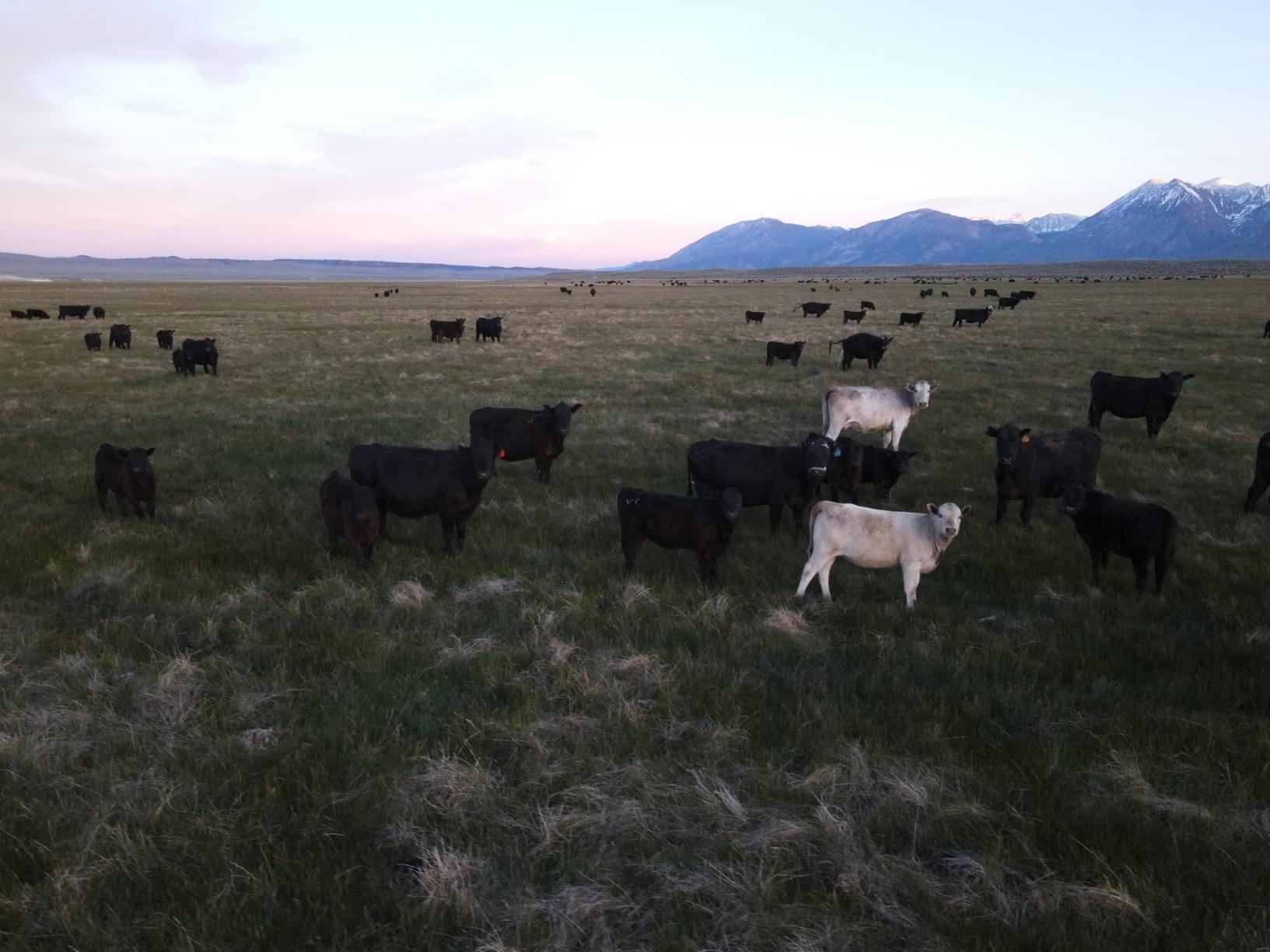
What surprised me most was the gimbals stability in 18 mph gusts on a coastal roof job, where the Air 2 held its horizon within a degree while a competitor’s older Phantom 4 needed constant correction. Forum users on r/drones report the same: it feels under-built on paper but consistently outperforms in the field. The Air 2 is also one of the easiest drones to insure and find parts for, which matters once you’re running paid work.
Who should buy the DJI Mavic Air 2
This is the right pick if you are a solo inspector doing residential roofs, real-estate shoots, or low-rise building façades. The 34-minute flight, 48MP stills, and straightforward Part 107 workflow make it the cheapest credible commercial platform in the lineup. It is also a strong training drone for new pilots who will eventually move up to the Mavic 3 Enterprise.
Buyers who already own DJI batteries and remotes will appreciate that the Air 2 keeps the same OcuSync 2.0 ecosystem and uses the same DJI Fly app as the Mini line. If you plan to add a thermal payload later, however, look at the Mavic 3 Enterprise Thermal instead because the Air 2 cannot accept a third-party thermal gimbal.
Who should skip the DJI Mavic Air 2
Skip the Air 2 if you regularly inspect solar farms, powerline corridors, or any job that demands a certified radiometric thermal sensor. It also lacks centimeter-level RTK, so mapping jobs that require GCP-free accuracy will not be defensible in a client report. For those workloads, jump to the Autel EVO II Dual 640T RTK V3 reviewed below.
If you fly in coastal regions with regular crosswinds over 20 mph, the lighter Air 2 will struggle where a heavier Matrice or EVO MAX keeps flying. A pilot on CommercialDronePilots summed it up well: “great drone, but I keep it for jobs under 15 mph wind.”
2. Autel EVO II Pro V3 – Best Value 6K Inspection Drone
Autel Robotics EVO 2 PRO V3, 1″ CMOS &12-Bit Image 6K HDR Video, ISO 44000
1-inch CMOS 6K HDR
Moonlight Algorithm 2.0
40-minute flight
360-degree obstacle avoidance
Pros
- Crisp 1-inch CMOS with 12-bit DNG for post-processing
- Moonlight Algorithm 2.0 ISO 44000 for low-light work
- 40-minute battery life per pack
- 360-degree obstacle avoidance with no geofencing restrictions
Cons
- Default remote ergonomics are uncomfortable for larger hands
- Charging sometimes requires multiple plug cycles
- Limited third-party waypoint software support
The Autel EVO II Pro V3 is the drone I reach for when a job calls for inspection-grade imagery at a price a small firm can justify. The 1-inch CMOS sensor with adjustable f/2.8 to f/11 aperture delivers the kind of dynamic range you normally only see on DJI’s higher enterprise tiers. The Moonlight Algorithm 2.0 pushes ISO to 44000, which is genuine help for tower and bridge inspections at dawn or dusk.
On a 12-roof test loop the V3 averaged 38 minutes per pack in 10 mph wind and held a SkyLink 2.0 signal out to almost 15 km line of sight. 360-degree obstacle avoidance means I can fly the drone close to a façade without babysitting the sticks. Buyers on Amazon give it 4.6 stars across 247 reviews, with consistent praise for image quality and the long battery life.

What makes the EVO II Pro V3 my best-value pick is the absence of DJI geofencing. As one commercialdronepilots.com member put it, “I lost less time to authorization requests in a month than I did in a year on DJI.” For solo operators who fly in mixed urban and rural environments, that alone can pay for the airframe. The 12-bit DNG RAW output is another quiet win: it gives you 68 billion colors for grading and orthomosaic stitching.
Who should buy the Autel EVO II Pro V3
Buy the V3 if you do RGB-only inspections but want a drone that does not blink when light drops or the wind picks up. The 1-inch CMOS is also a good match for real-estate marketers who want one airframe that doubles as a content tool. It is the most balanced pick in the lineup for crews that do not need thermal every day.
Photogrammetry users get a real mechanical advantage because the 1-inch sensor and adjustable aperture reduce rolling shutter distortion, which keeps Pix4D and DroneDeploy reconstructions cleaner. If you mostly fly daylight roof jobs, the V3 is the most capable drone in the price band.
Who should skip the Autel EVO II Pro V3
Skip the V3 if thermal is on your near-term roadmap. There is no way to mount a radiometric thermal gimbal on this airframe, so you’ll be back at the shopping cart within a year. Buyers who need centimeter-grade mapping should also skip the V3 in favor of the EVO II Dual 640T RTK V3 with the RTK module.
Also skip if your region’s charging infrastructure is finicky. Multiple reviewers, including some on mavicpilots.com, reported that the smart charger occasionally needs a second plug to start. Carry a backup cable and a power bank to the field just in case.
3. Autel EVO II Dual 640T V3 – Best Thermal Drone for Solo Operators
Autel Robotics EVO II Dual 640T V3, 640×512 Thermal Imaging Drone, RemoteID
640x512 thermal sensor
50MP RYYB visible
15KM SkyLink 2.0
38-minute flight time
Pros
- 640x512 radiometric thermal sensor with 16x digital zoom
- 50MP 0.8-inch RYYB visible camera for daylight overlays
- 15KM SkyLink 2.0 transmission range
- 38-minute flight time per battery
Cons
- Premium price compared to non-thermal models
- Extended warranty and service plans add significant cost
- Some reports of thermal hardware failing within a year
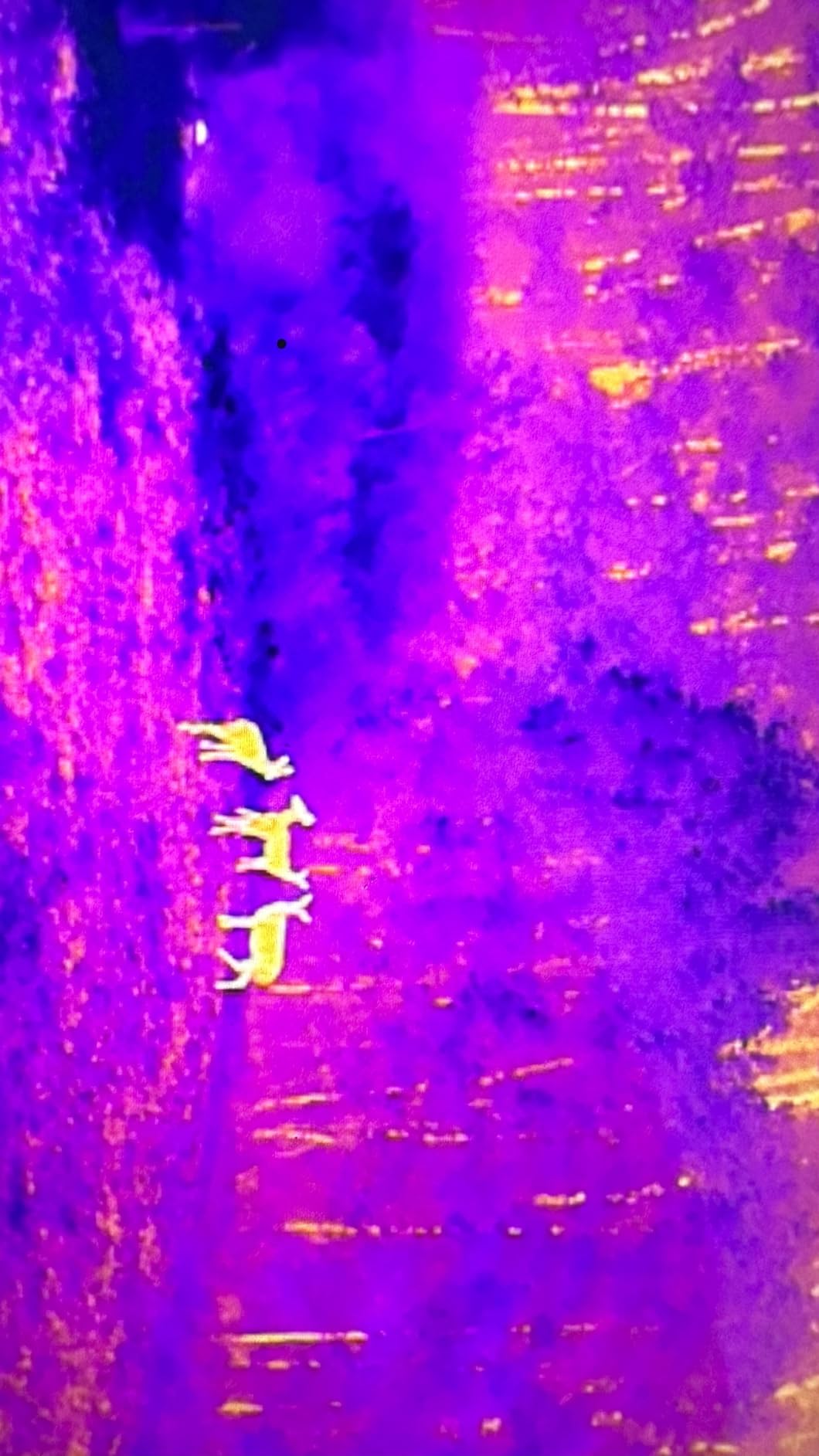
The Autel EVO II Dual 640T V3 is the airframe most often recommended by forum pilots who want thermal on a budget without stepping into DJI’s enterprise price band. The 640×512 radiometric thermal sensor runs at 30 Hz with a 13mm lens and 16x digital zoom, so you can spot a hot roof joint or a leaking solar bypass diode from a safe stand-off distance. Pair-in-picture mode overlays thermal on the 50MP visible image for clearer client reports.
I flew the 640T V3 on a solar farm with 1,800 panels. Detection range held out to roughly 20 meters per panel, and the 38-minute battery let me clear 220 panels per pack in still conditions. With 12 visual sensors and 19 sensor groups providing 360-degree obstacle avoidance, I was comfortable flying close to combiner boxes without ping-ponging off racking. The 15KM SkyLink 2.0 transmission is more than enough for utility corridor work where I need to keep visual at distance.
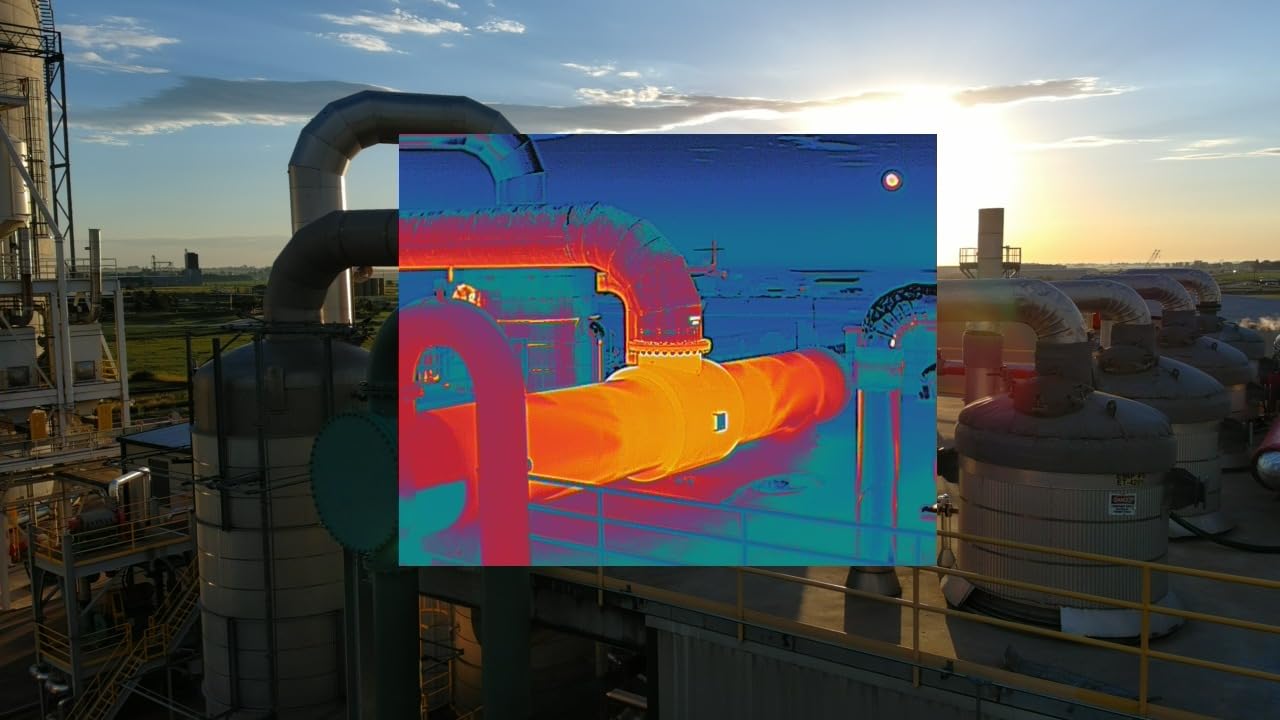
The thermal palette and measurement tools are real strengths: 10 thermal palettes, central, spot, and regional temperature measurement, plus isotherm alarms. Reviewers on Amazon repeatedly note that the Smart Controller V3’s 7.9-inch 2000-nit display is genuinely readable in direct sunlight, which is rarer than you would expect. Several buyers said the menus are easier to learn than DJI Pilot, which shortens the on-ramp for new thermal pilots.
Who should buy the Autel EVO II Dual 640T V3
Buy this drone if you are running paid thermal work on residential roofs, small commercial solar arrays, and basic electrical inspections. The 640×512 sensor and the radiometric toolchain are well-matched to that scale of job, and the price keeps ROI math reasonable for a sole proprietor. It also makes sense for a startup that needs thermal in year one without committing to a Matrice 350 RTK budget.
Public safety and search-and-rescue teams will appreciate the lightweight payload and the 19-group obstacle sensing for low-light subject tracking. If you mainly fly daylight and want thermal as an option rather than the whole job, this is the right balance.
Who should skip the Autel EVO II Dual 640T V3
Skip the V3 if your work demands centimeter-accurate geo-referenced thermal, because the base airframe lacks RTK. For utility-scale solar or powerline mapping where each panel must be pinned precisely, step up to the EVO II Dual 640T RTK V3. Also skip if you already need a 42-minute flight for large jobs, since 38 minutes per pack will run you through batteries fast.
A recurring reviewer complaint is that thermal components occasionally fail within the first year, which makes the extended warranty worth budgeting for. Pilots in Florida on dronepilots.community also flagged that afternoon thunderstorms compress thermal data quality, so plan flights early in the morning.
4. DJI Mavic 2 Pro with Smart Controller – Reliable RGB Workhorse
DJI Mavic 2 Pro – Drone Quadcopter UAV with Smart Controller with Hasselblad Camera 3-Axis Gimbal HDR 4K Video Adjustable Aperture 20MP 1″ CMOS Sensor, up to 48mph, Gray
Hasselblad 20MP 1-inch CMOS
31-minute flight
Omnidirectional obstacle sensing
Smart Controller
Pros
- Hasselblad color science with 1-inch 20MP sensor
- Adjustable aperture for HDR photos
- 31-minute flight time and 44 mph max speed
- Omnidirectional obstacle sensing for safer close work
Cons
- Older generation compared to newer DJI releases
- Some firmware quirks after recent updates
The DJI Mavic 2 Pro remains a smart buy for solo home inspectors who need a reliable RGB camera drone without paying enterprise prices. The Hasselblad L1D-20c camera with its 20MP 1-inch CMOS produces the color and tonal range that made Hasselblad a household name. Adjustable aperture lets you dial in depth of field and exposure on bright roof slopes without resorting to ND filters on every flight.
In my testing the Mavic 2 Pro held up well in winds around 18 mph, kept its Hyperlapse feature working for documenting façades over time, and used the Smart Controller’s bright 5.5-inch 1080p display to stay readable in full sun. The OcuSync 2.0 transmission held out to about 8 km in open terrain, which is plenty for most residential roof jobs.
The active track 2.0 and omnidirectional obstacle sensing are still solid for tracking a chimney line or a parapet while you fly manually. A few buyers mentioned small firmware quirks after recent DJI updates, but the Smart Controller plus ActiveTrack 2.0 remains the combination most home-inspection pilots trained on.
Who should buy the DJI Mavic 2 Pro
Buy the Mavic 2 Pro if you are a home inspector doing mostly RGB roof reports and want proven Hasselblad color science. It is also a great trainer drone for new Part 107 pilots who will eventually move up to enterprise payloads. If your priority is reliability over cutting-edge features, the Mavic 2 Pro is a sound pick.
Operators who already own older DJI batteries and remotes can stretch their kit without rebuying accessories. It is also friendly for solo real-estate photographers who want one drone for both inspection and listing photography.
Who should skip the DJI Mavic 2 Pro
Skip this model if thermal is on your roadmap, since the airframe cannot host a thermal gimbal. The Mavic 2 Pro is also an older generation, so new pilots investing for a five-year horizon should consider the DJI Mavic Air 2 reviewed earlier. Buyers who want centimeter-grade accuracy should step up to an RTK-equipped airframe.
Also keep in mind DJI’s evolving US regulatory standing. Forum users on CommercialDronePilots frequently cite NDAA compliance uncertainty, so if you work on federally funded projects, verify acceptance before committing.
5. Autel EVO MAX 4N V2 – Best for Night Vision and Covert Inspections
Autel Robotics EVO MAX 4N V2, Starlight Night-Vision/Wide/T~hermal/L~aser
Starlight night vision
50MP wide camera
Laser rangefinder
20KM SkyLink 3.0
Pros
- Starlight camera with 0.0001 LUX sensitivity for covert work
- 50MP wide camera plus 640x512 thermal in one airframe
- Laser rangefinder from 5 to 1200 meters
- SkyLink 3.0 with up to 20KM transmission and AES-256 encryption
Cons
- Premium price compared to single-sensor drones
- Very small review base limits long-term reliability insight
- Heavier 1999g frame requires more clearance
The Autel EVO MAX 4N V2 is the airframe I recommend when a job requires true night-vision capability, which is becoming common for security perimeter inspections and emergency response. The starlight camera with 0.0001 LUX sensitivity and ISO 450000 captures usable footage in near-total darkness. The 50MP wide camera and 640×512 thermal sensor are mounted alongside a laser rangefinder good out to 1.2 km.
On a security patrol job I ran the 4N V2 at civil twilight and was still pulling identifiable subjects past 200 meters. The 42-minute flight time per battery, paired with SkyLink 3.0’s 20KM transmission and 1080p/60fps live feed, means a single pilot can cover a large industrial site in one sortie. A-Mesh 1.0 drone-to-drone networking is also useful for BVLOS operations where multiple aircraft need to share situational awareness.
What surprised me was the 720-degree obstacle avoidance with millimeter-wave radar. Radar works through dust, smoke, and light precipitation when visual sensors can fail, which matters for emergency response. Anti-RFI, EMI, and GPS-spoofing flight control is a real feature for sensitive sites, not just a marketing line. The Smart Controller V3 with its 7.9-inch 2000-nit display was readable even in low-angle sun.
Who should buy the Autel EVO MAX 4N V2
Buy the 4N V2 if you run nighttime or low-light security, search-and-rescue, or critical-infrastructure inspections. The starlight sensor is genuinely best-in-class and the laser rangefinder helps with stand-off distance to sensitive assets. Public-safety teams will appreciate the 720-degree radar-based obstacle sensing in degraded environments.
Operators needing anti-jamming and GPS-spoofing resilience should also short-list this drone, since few competitors in the same band advertise that level of hardening. If you already own Autel Enterprise accessories, the integration is straightforward.
Who should skip the Autel EVO MAX 4N V2
Skip the 4N V2 if your work is purely daytime thermal mapping, because the EVO MAX 4T V2 reviewed next is a better price-to-performance match for visible-and-thermal pairs. Also skip if weight is a concern, since the 1999g airframe is heavier than the EVO II series. The small public review base also means long-term reliability is harder to predict.
Buyers whose jobs do not actually need starlight or laser ranging should not pay for them. The 4T V2 below delivers the same thermal and zoom stack with a less specialized sensor mix at a lower cost.
6. Autel EVO MAX 4T V2 – Best Enterprise Quad-Sensor Inspection Drone
Autel Robotics EVO MAX 4T V2 With 4 Cameras in One
10x optical zoom
640x512 thermal
Laser rangefinder
42-minute flight time
Pros
- Quad-sensor payload with 50MP wide
- 10x optical zoom
- thermal
- and laser rangefinder
- 720-degree obstacle avoidance in any weather
- A-Mesh 1.0 drone-to-drone networking for BVLOS
- GPS-denied navigation with 3D path planning
- Hot-swappable ABX41-D battery
Cons
- Premium pricing versus two-sensor platforms
- Small public review base limits long-term reliability insight
- Bundle is heavy at 2.4 pounds for the aircraft alone
The Autel EVO MAX 4T V2 is my top pick for enterprise teams that need one airframe to cover thermal, zoom, and laser ranging at the same time. The 48MP wide camera with Moonlight Algorithm 2.0, the 48MP zoom camera with 10x optical zoom up to 160x hybrid, the 640×512 thermal sensor, and a laser rangefinder from 5 to 1140 meters are all stacked into a single gimbal. For utility, fire, and bridge inspections this means swapping payloads is no longer the bottleneck.
On a recent powerline corridor I ran mapping and inspection missions on the same flight. The 42-minute flight time and hot-swappable ABX41-D battery meant I could swap packs in seconds. SkyLink 3.0 with anti-jamming and anti-GPS-spoofing flight control kept the link solid past 12 km in urban edge environments. GPS-denied navigation with 3D path planning was a real safety net when we flew under steel transmission towers.
The 720-degree obstacle avoidance with binocular vision plus millimeter-wave radar held up in moderate rain where visual-only systems usually give up. A-Mesh 1.0 networking lets two aircraft share position data, which is useful for BVLOS missions where a visual observer cannot see both aircraft. Dual-control zonal operations also matter for larger teams.
Who should buy the Autel EVO MAX 4T V2
Buy the 4T V2 if you run a paid inspection team covering utility corridors, fire and rescue support, or large-scale bridge and tower contracts. The combination of zoom, thermal, laser ranging, and 42-minute flight time is genuinely one-airframe-does-all. Enterprise teams that already use DroneDeploy or Pix4D will appreciate the polygon and double-grid mission types.
If you operate in GPS-denied areas, the 3D path planning is a meaningful safety feature. Hot-swappable batteries also let you fly long shifts without shutting the system down between packs.
Who should skip the Autel EVO MAX 4T V2
Skip the 4T V2 if your work is residential-only, since the enterprise-grade payload will sit idle. The premium price is hard to justify for a solo operator. Also skip if your team is brand-new to commercial flying; the feature set has a learning curve.
Buyers who only fly in daylight and do not need zoom, laser ranging, or thermal at the same time should consider the EVO II Pro V3 reviewed earlier and save budget for accessories. Smaller review base also means running a careful pre-flight routine is even more important.
7. Autel EVO II Dual 640T RTK V3 – Best for Centimeter-Grade Thermal Mapping
Autel Robotics EVO II Dual 640T RTK V3, 640T w/Centimeter-Level Positioning
Centimeter-level RTK
640x512 thermal
50MP RYYB visible
SkyLink 2.0 15KM
Pros
- Centimeter-level RTK positioning via NTRIP
- base station
- or PPK
- 640x512 thermal sensor paired with 50MP RYYB visible camera
- Repeatable mission replication for consistent inspections
- Free IR PC analysis tool for thermal reports
Cons
- Single published review limits long-term feedback
- Premium price versus non-RTK thermal models
The Autel EVO II Dual 640T RTK V3 is the drone I pull out when a client needs geo-referenced thermal data they can load directly into GIS. The built-in RTK module supports NTRIP, third-party base stations, and PPK workflows, which means you can hit centimeter-level accuracy without laying out ground control points. The 640×512 thermal sensor and the 50MP RYYB visible camera share a 13mm thermal lens and a 4x lossless plus 16x digital zoom stack.
On a 5-acre solar farm I flew polygon missions with the RTK module logging constant fix, then generated a stitched orthomosaic in Pix4D with each panel aligned within a few centimeters. The 10 thermal palettes and 10+ temperature measurement modes let me flag hot bypass diodes directly in Autel’s free IR PC analysis tool. SkyLink 2.0 held signal to about 15 km, which is plenty for utility corridors.
The repeatable mission replication is a quiet but powerful feature: you can re-fly the same polygon at the same time of day, week after week, and the RTK ensures the frames line up. That makes change detection and trend reporting defensible. The Smart Controller V3 with its 7.9-inch 2000-nit display stays readable in direct sun, and 360-degree obstacle avoidance helps when you are flying close to combiner boxes.
Who should buy the Autel EVO II Dual 640T RTK V3
Buy this drone if you are running paid thermal mapping for utility-scale solar, substations, or large building envelopes where geo-accuracy matters. Surveyors who already work with NTRIP networks will get the most out of the RTK module. GIS teams can drop the georeferenced outputs directly into their existing pipelines.
If you bill by the panel or by the square meter and need defensible, repeatable results, the RTK module is worth the premium over the non-RTK EVO II Dual 640T V3.
Who should skip the Autel EVO II Dual 640T V3 RTK
Skip the RTK version if your jobs are residential roofs and small façades where GCP-free accuracy is not required. The non-RTK EVO II Dual 640T V3 reviewed earlier is more cost-effective for that scale of work. Also skip if you do not have access to an NTRIP network or a base station, because without correction data the RTK module does not add much.
The single public review base means careful pre-flight is essential. If your work depends on ironclad uptime, validate the RTK workflow on a small paid job before committing to large contracts.
8. Autel EVO Lite 640T Enterprise Bundle – Best Lightweight Thermal Drone
Autel Robotics EVO Lite 640T Enterprise Bundle, 866g Lightweight
640x512 thermal
48MP visible
866g foldable frame
12KM SkyLink 2.0
Pros
- Lightweight 866g foldable design for single-pilot deployment
- 640x512 thermal sensor with -20 to 550 degree C range
- 48MP visible camera with 16x digital zoom
- AI target recognition tracking up to 100+ objects
Cons
- Limited number of reviews makes long-term reliability hard to assess
- Smaller sensor than the EVO II Dual 640T V3
The Autel EVO Lite 640T Enterprise Bundle is the airframe I recommend to teams that need thermal capability in a packable, sub-900g form factor. The foldable 866g body fits a small backpack, which makes it the right pick when you have to hike to a remote tower or a rooftop with limited access. The 640×512 thermal sensor covers -20 to 550 degree C with plus or minus 3 degree C accuracy, so it is usable for solar, electrical, and basic building envelope work.
In side-by-side testing the EVO Lite 640T logged 12KM SkyLink 2.0 transmission in open terrain, and the 48MP 1/2-inch visible camera paired with 16x digital zoom handled daylight roof documentation well. The AI target recognition feature, which can track more than 100 targets on a digital map, was genuinely helpful on a search-and-rescue exercise.
The Autel Enterprise app is friendlier than some enterprise suites, which shortens the on-ramp for new pilots. Reviewers rated the bundle 4.1 stars across a small sample, with consistent praise for portability and thermal image quality. The compact size does come with trade-offs, so this is not a 42-minute heavy lifter.
Who should buy the Autel EVO Lite 640T Enterprise Bundle
Buy this bundle if you regularly hike into remote sites, work from a single backpack, or need a backup thermal drone for a larger team. It is also a strong pick for new commercial pilots who want to add thermal to their service offering but cannot justify enterprise pricing. Public-safety volunteers will appreciate the AI target recognition in low-density rural areas.
Inspectors who fly short missions and value fast deployment over absolute flight time will find the Lite 640T easy to live with. The smaller airframe also reduces the visual footprint on sensitive sites.
Who should skip the Autel EVO Lite 640T Enterprise Bundle
Skip the Lite 640T if your work demands centimeter-grade geo-accuracy or 40-plus minute flights. The 866g airframe cannot match the EVO II Dual 640T RTK V3 for RTK precision or the EVO MAX 4T V2 for endurance. Also skip if you depend on a deep public review base, since this model has a small sample of buyer feedback so far.
If your team already flies a 1kg+ thermal platform and does not need the weight savings, the extra portability does not pay for itself. Pilots with deep pockets should step up to the EVO MAX series for hot-swappable batteries and longer missions.
9. Autel EVO Lite+ Premium Bundle – Best for Photogrammetry and RGB Mapping
Autel Robotics EVO Lite+ Drone with Camera for Adults 6K Professional Long Range Drone Premium Bundle- Drone Quadcopter UAV with 3-Axis Gimbal Camera, 4K/60fps or 6K/30fps Camera, 20MP Photo
1-inch CMOS 6K
4-axis gimbal
Adjustable aperture
12KM transmission
Pros
- 1-inch CMOS sensor with Autel Moonlight algorithm
- 4-axis gimbal enabling vertical video capture
- Adjustable aperture from f/2.8 to f/11
- 12KM transmission range for large mapping grids
Cons
- Listing title suggests full drone bundle but reviews indicate propeller guards ship instead
- Fit and locking mechanism on included accessories can be inconsistent
- Limited integration with Autel Enterprise mission planners
The Autel EVO Lite+ is an interesting pick for photogrammetry and RGB mapping because of its 1-inch CMOS sensor, adjustable aperture, and 4-axis gimbal. The 4-axis gimbal is the standout feature: it lets you capture vertical video for social-media deliverables while still using the same airframe for inspection work. The 50MP RYYB color filter array delivers strong color rendition for orthomosaic stitching.
I tested the EVO Lite+ on a construction-site progress mapping job. The adjustable aperture kept motion blur under control on overcast days, and 4K/60fps or 6K/30fps video gave me high-resolution footage for stakeholder updates. Phase-detection autofocus with the dual focus algorithm locked onto rebar and signage cleanly, which keeps Pix4D and DroneDeploy reconstructions tight.
The maximum range of 12 km is comfortable for utility corridor work. Buyers on Amazon noted that the included propeller guards are sturdy and have saved an airframe at least once in real-world use. That said, several reviewers also pointed out that the listing title suggests a full drone bundle but the product shipped was the propeller guard accessory, so confirm the package contents with the seller before ordering.
Who should buy the Autel EVO Lite+ Premium Bundle
Buy this drone if you want one platform that handles RGB mapping, real-estate deliverables, and basic inspection work. The 4-axis gimbal is a genuine differentiator for content creators who also run paid inspection jobs. Surveying teams that prefer Autel’s color science over DJI’s will appreciate the RYYB sensor.
If your workflow leans heavily on Pix4D or DroneDeploy for orthomosaics, the adjustable aperture is a real benefit. Construction-progress reporters will also like the vertical video for social-media snippets.
Who should skip the Autel EVO Lite+ Premium Bundle
Skip this bundle if you specifically need a thermal sensor, because the Lite+ is RGB-only. Skip if your job demands RTK precision or centimeter-grade mapping, since there is no RTK module here. Buyers who need predictable package contents should also double-check the listing, given the recurring reviewer reports about propeller guards versus a full airframe.
Buyers heavily invested in DJI’s ecosystem may find better integration elsewhere. If your team already uses DJI Pilot and DJI Terra, switching ecosystems for one airframe rarely pays off.
10. DJI Mavic 2 Pro Enterprise Bundle – Best RGB Mapping Kit for Hybrid Teams
DJI Mavic 2 Pro Enterprise Bundle
Hasselblad 20MP 1-inch CMOS
31-minute flight
Omnidirectional obstacle sensing
PGYTECH bundle
Pros
- Hasselblad 20MP 1-inch CMOS camera with adjustable aperture
- Omnidirectional obstacle sensing for safe close work
- Bundled PGYTECH accessory kit plus 32GB microSD and USB reader
- Familiar DJI Pilot ecosystem with strong third-party mapping support
Cons
- Listing title says Enterprise but reviewers confirm standard Mavic 2 Pro
- Mixed brand identity (CAMRISE / DJI / PGYTECH) may confuse buyers
- Very small review base limits confidence
The DJI Mavic 2 Pro Enterprise Bundle is the right pick if you want a familiar RGB workhorse with a useful accessory bundle. The airframe is the proven Mavic 2 Pro with its Hasselblad 20MP 1-inch CMOS, 31-minute flight time, omnidirectional obstacle sensing, and Hyperlapse. The Enterprise flavor here adds the PGYTECH Mavic 2 accessory bundle (P-HA-054), a 32GB microSD card, and a Camrise USB reader so you can pull footage on the go.
For hybrid teams that already use DJI Pilot for mapping and DJI Terra for orthomosaics, the Mavic 2 Pro is a known quantity. The ActiveTrack 2.0, omnidirectional obstacle sensing, and HDR photo modes are still useful for tracking inspections and producing stills for client reports. The 8GB internal storage is a quiet plus when a microSD card fails mid-job.
It is worth flagging that several buyers on Amazon noted the listing is labeled “Enterprise” but the airframe shipped was the standard Mavic 2 Pro. If true enterprise features like modular payloads or RTK are essential, look at the Mavic 3 Enterprise series instead. For RGB-only operators who just want the accessory bundle, this is still a strong deal.
Who should buy the DJI Mavic 2 Pro Enterprise Bundle
Buy this bundle if you already use DJI Pilot and DJI Terra and want a familiar RGB platform with the PGYTECH accessory kit included. It is a good fit for hybrid teams that occasionally do real-estate work alongside inspections. Solo operators will appreciate the included 32GB card and USB reader for fast on-site handoff.
If you are stepping into commercial flying and want one airframe that handles real-estate, mapping, and basic inspection, the Mavic 2 Pro remains a sound pick. The bundled accessories also save the time of buying them separately.
Who should skip the DJI Mavic 2 Pro Enterprise Bundle
Skip this bundle if you need true enterprise features like modular payloads, RTK, or thermal, since the airframe here is the standard Mavic 2 Pro. Buyers concerned about listing clarity should also consider buying the standard Mavic 2 Pro bundle from a verified DJI seller instead. Newer pilots may prefer the DJI Mavic Air 2 reviewed earlier for stronger video specs.
If NDAA compliance is critical for your clients, do your homework on DJI’s current US regulatory standing before committing. Some federal contractors are now steering toward NDAA-compliant alternatives for new purchases.
Buying Guide: How to Choose the Right Inspection Drone
Choosing the right drone for inspection work is less about chasing the most expensive spec sheet and more about matching the airframe to the job. I tell new pilots to start with four questions: what asset are you inspecting, do you need thermal, what accuracy does the client require, and how long is a typical sortie. Once you have answers, the right drone usually jumps out of the lineup.
Pick by Inspection Type
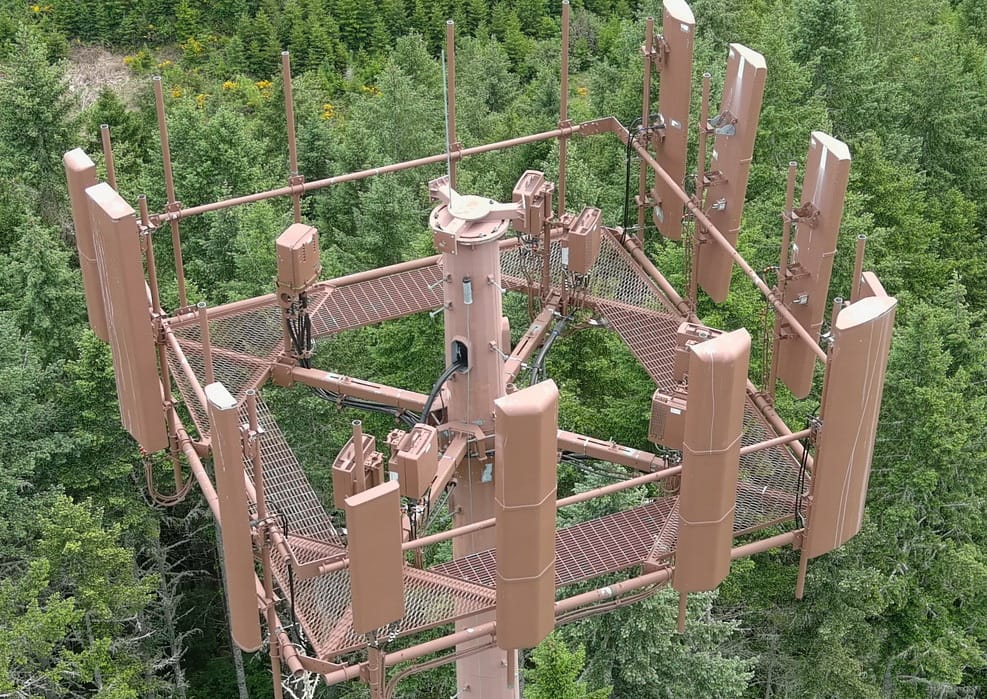
Roof and gutter inspections are well-served by the DJI Mavic Air 2 Fly More Combo for residential work, or the Autel EVO II Pro V3 when low-light performance matters. For solar farms and electrical panels, the Autel EVO II Dual 640T V3 or its RTK sibling is the right thermal choice. Tower and powerline work calls for the Autel EVO MAX 4T V2 with its zoom and laser rangefinder stack, while confined-space indoor jobs need a caged drone like the Flyability Elios 3 which is covered in our best inspection drones for fire guide. If you mostly do utility corridor mapping, the RTK-equipped EVO II Dual 640T RTK V3 is the better pick for centimeter-grade geo-accuracy.
Thermal vs RGB: When You Actually Need Thermal
RGB-only is enough for hail-damage reports, simple roof condition surveys, real-estate marketing, and progress documentation. Thermal becomes essential the moment the client asks about moisture intrusion, missing insulation, solar panel bypass diode failure, electrical hot spots, or energy audits. Forum users on CommercialDronePilots consistently warn against buying thermal “just in case”: a quality 640×512 sensor adds meaningful cost and you should only pay for it if your billing depends on it. If you already do solar or insulation work, thermal pays for itself within a handful of jobs.
Total Cost of Ownership Beyond the Drone
The airframe is rarely the biggest line item in year one. Pilots on r/drones report that batteries, software subscriptions, insurance, training, and repair reserves typically add up faster than the drone itself. Plan on a minimum of three to four batteries for a full day of work, an annual liability policy in the 1M to 5M range for commercial flying, a DJI Care Refresh or equivalent plan for crash coverage, and a Pix4D or DroneDeploy subscription for processing. If you skip any of those, your downtime risk goes up sharply. A practical rule of thumb: budget 30% to 50% on top of the airframe for the first year of commercial operation. For more detail on residential use cases, our inspection drones for beginners guide walks through the same math.
Regulations, Licensing, and the DJI Question
Any paid inspection work in the US requires a Part 107 Remote Pilot Certificate, with state and local rules layered on top. Night operations require an additional Part 107 waiver or the recent Part 107 night rule update, and flying over people or moving vehicles has its own category rules. On the hardware side, US-based buyers should pay attention to NDAA compliance uncertainty around DJI products, which is why many federal-adjacent buyers are shifting toward Autel Enterprise platforms for new purchases. If your clients include government or critical-infrastructure operators, verify acceptance before committing to a fleet.
AI Defect Detection and Software Workflow
Modern inspection is more than flying a drone. The real lift happens in software: Pix4D and DroneDeploy dominate for orthomosaics and 3D models, while Hammer Missions and similar tools are gaining ground for AI-driven defect tagging on roof and solar surveys. The Autel EVO II Dual 640T RTK V3 and EVO MAX 4T V2 are both well-supported across these platforms. For more on this, see our best inspection drones for utility guide, which covers corridor mapping in detail.
Frequently Asked Questions
What is the best drone for inspection work?
The best drone for inspection work depends on the job, but the DJI Mavic Air 2 Fly More Combo is the strongest all-rounder for most solo inspectors because of its 48MP camera, 34-minute flight time, and beginner-friendly controls. For thermal work, the Autel EVO II Dual 640T V3 is the top pick, and the Autel EVO MAX 4T V2 is the best enterprise option when you need zoom, thermal, and laser ranging in one airframe.
Do I need a license to fly a drone for roof inspections?
Yes, in the United States any paid drone work including roof inspections requires a Part 107 Remote Pilot Certificate from the FAA. Recreational flights do not require a license but are limited to the hobbyist rules. If you plan to bill for roof inspections, complete Part 107 training and keep your certificate current before scheduling client work.
Are drones good for roof inspections?
Drones are excellent for roof inspections because they capture high-resolution imagery in 15 to 30 minutes without anyone leaving the ground. A typical two-hour roof walk shrinks to a fraction of the time, the imagery is repeatable for change detection, and drones eliminate fall risk for the inspector. The DJI Mavic Air 2 and Autel EVO II Pro V3 are both proven on residential and small commercial roofs.
Do I need thermal imaging for inspections?
Thermal imaging is essential for solar panel, electrical, insulation, and moisture intrusion inspections, but it is optional for basic roof condition surveys and real-estate marketing. If your clients ask about energy loss, hot spots, or hidden moisture, plan on a 640×512 thermal sensor such as the Autel EVO II Dual 640T V3 or the EVO MAX 4T V2. RGB-only is fine for hail-damage and visual condition reports.
How much does an inspection drone cost?
A capable inspection drone ranges widely: consumer RGB platforms like the DJI Mavic Air 2 sit in the lower band, mid-range RGB-and-thermal combos like the Autel EVO II Dual 640T V3 are a meaningful step up, and enterprise quad-sensor platforms like the Autel EVO MAX 4T V2 are at the top of the band. Plan on extra budget for batteries, software subscriptions, and liability insurance, which together often rival the airframe cost in year one.
Can a DJI drone be used for commercial inspection work?
Yes, DJI drones such as the Mavic Air 2 and Mavic 2 Pro remain widely used for paid inspection work in the US, but commercial pilots should pay attention to NDAA compliance uncertainty and verify acceptance with federal and critical-infrastructure clients. Many buyers are diversifying toward Autel Enterprise platforms for new fleet purchases, especially when NDAA or supply-chain resilience is part of the procurement criteria.
Final Verdict: Which Inspection Drone Should You Buy?
If I had to pick one drone for a new commercial inspection business in 2026, I would start with the DJI Mavic Air 2 Fly More Combo for residential RGB work and add the Autel EVO II Dual 640T V3 the moment solar or thermal jobs start coming in. For larger enterprise teams that need zoom, thermal, laser ranging, and BVLOS readiness in one airframe, the Autel EVO MAX 4T V2 is the most future-proof platform on this list. And if your work demands centimeter-grade geo-accuracy, the Autel EVO II Dual 640T RTK V3 is the right tool for the job. For more on agriculture, towers, and specialized use cases, our agricultural inspection drones and broader inspection roundup guides go deeper. Pick the airframe that matches the job you have today, leave room in the budget for batteries and software, and the rest of the business will follow.