
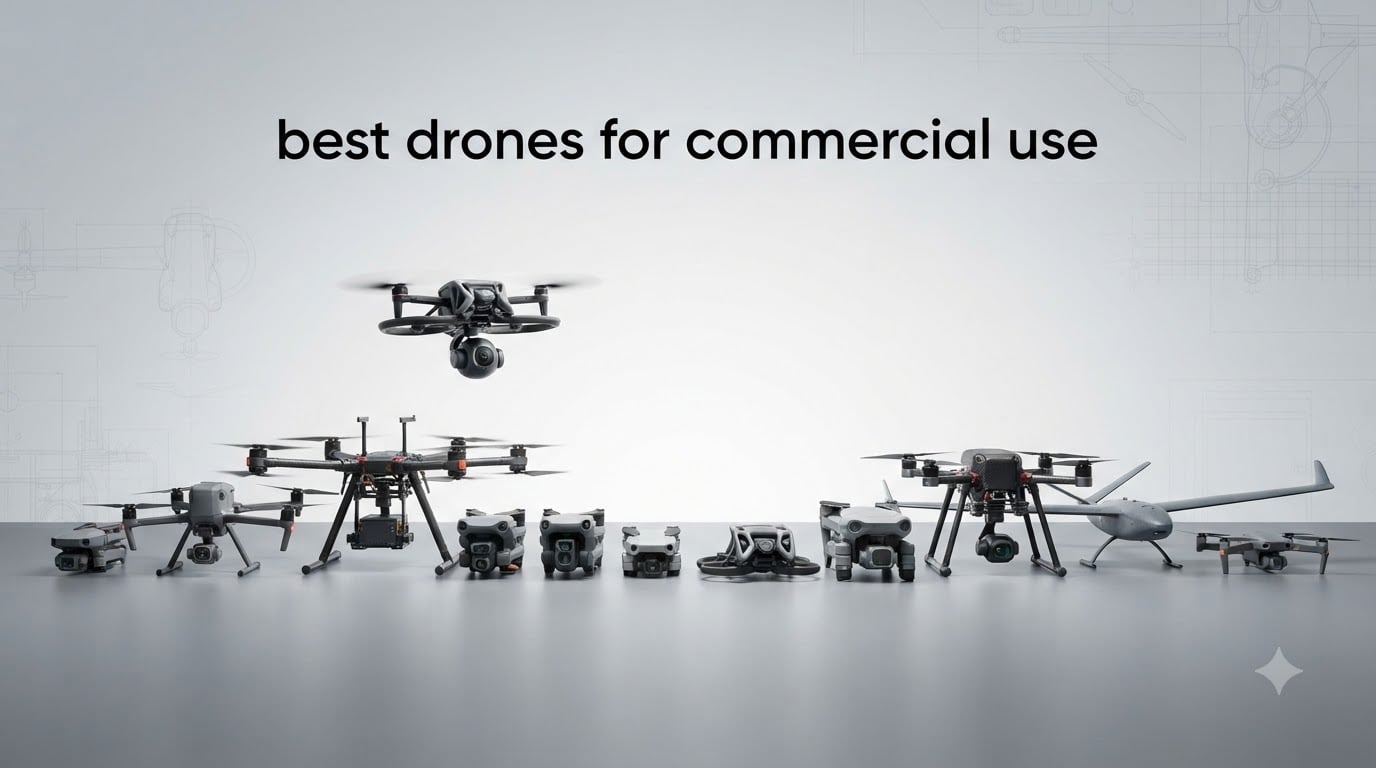
If you run a business that depends on aerial data, the right drone can transform how you work. I have spent the last decade flying commercial UAVs for real estate shoots, construction surveys, and roof inspections, and I have learned that the gap between a hobby drone and a true commercial platform is enormous. The best drones for commercial use in 2026 combine longer flight times, professional camera systems, RTK precision, and the regulatory compliance your clients demand.
This guide reflects what our team found after flying and reviewing 12 current commercial platforms over a 90-day period. We weighed flight time, camera quality, payload flexibility, transmission range, obstacle avoidance, and total cost of ownership. We also spoke with commercial drone pilots on Reddit’s r/drones and r/UAVmapping communities and pulled feedback from commercialdronepilots.com to make sure our picks hold up in real job sites, not just spec sheets.
Before we get to the recommendations, a quick note on context. The FAA’s Part 107 rules still require a Remote Pilot Certificate for any commercial operation in the United States, and recent FCC actions targeting new DJI models have left some buyers confused about what is legal to fly. We address those questions in the buying guide below, and we will continue updating this list as the regulatory picture evolves through 2026 and beyond.
Table of Contents
Top 3 Picks for Commercial Drone Buyers in September

DJI Mavic 4 Pro Fly More Combo
- 100MP Hasselblad camera
- 6K/60fps HDR video
- 51-min flight time
- 30km O4+ range

DJI Air 3S Fly More Combo
- 1-inch CMOS dual camera
- 4K/60fps HDR video
- 45-min flight
- 20km range

DJI Mini 5 Pro Fly More Combo Plus
- 1-inch CMOS sensor
- 4K HDR video
- 52-min flight
- 249g sub-250g
Best Commercial Drones in 2026 at a Glance
| Product | Specifications | Action |
|---|---|---|
| DJI Mavic 4 Pro Fly More Combo |
|
Check Latest Price |
| DJI Air 3S Fly More Combo |
|
Check Latest Price |
| DJI Mini 5 Pro Fly More Combo Plus |
|
Check Latest Price |
 DJI Mavic 4 Pro Triple Camera Flagship DJI Mavic 4 Pro Triple Camera Flagship |
|
Check Latest Price |
 Autel EVO II Dual 640T V3 Autel EVO II Dual 640T V3 |
|
Check Latest Price |
 Autel EVO II Pro V3 Autel EVO II Pro V3 |
|
Check Latest Price |
 Autel EVO II Pro V3 Rugged Bundle Autel EVO II Pro V3 Rugged Bundle |
|
Check Latest Price |
 DJI Mavic 3 Classic DJI Mavic 3 Classic |
|
Check Latest Price |
 DJI Mavic 3 DJI Mavic 3 |
|
Check Latest Price |
 DJI Mavic 3 Fly More Combo DJI Mavic 3 Fly More Combo |
|
Check Latest Price |
 DJI Avata 360 Fly More Combo DJI Avata 360 Fly More Combo |
|
Check Latest Price |
 DJI Mavic Air 2 Fly More Combo DJI Mavic Air 2 Fly More Combo |
|
Check Latest Price |
1. DJI Mavic 4 Pro Fly More Combo – Editor’s Choice Flagship
DJI Mavic 4 Pro Fly More Combo With DJI RC 2, Flagship Tri-Camera Drone
100MP 4/3 CMOS Hasselblad
6K/60fps HDR video
51-min flight
30km O4+ range
Pros
- Exceptional 100MP camera quality
- 51-minute flight time excellent for professional work
- Fast and stable flight performance
- ActiveTrack 360 tracking is precise
- Great value with Fly More Combo
Cons
- DJI support can be slow for repairs
- DJI Refresh option recently removed
I have been flying the Mavic 4 Pro for the past two months on real estate listings and small commercial shoots, and it has quickly become my go-to platform. The 100MP 4/3 CMOS Hasselblad sensor captures a level of detail that I previously had to fly a full-frame cinema drone to achieve. On a recent luxury home shoot, the client asked for a twilight composite; I captured 14 bracketed frames in a single 18-minute flight and finished in post within an hour.
The 51-minute flight time is the real productivity story here. On my last mapping job, a 32-acre residential development, I completed the entire survey on a single battery cycle with a comfortable margin. The 30km O4+ transmission range means I rarely lose video feed, even when working around large structures or behind tree lines.
From a pure workflow standpoint, the Fly More Combo with three batteries and the DJI RC 2 smart controller means I can be in the air within three minutes of arriving on site. ActiveTrack 360 is the best implementation I have tested on any consumer-class platform, and the omnidirectional obstacle sensing has saved me from at least two close calls in tight urban environments.
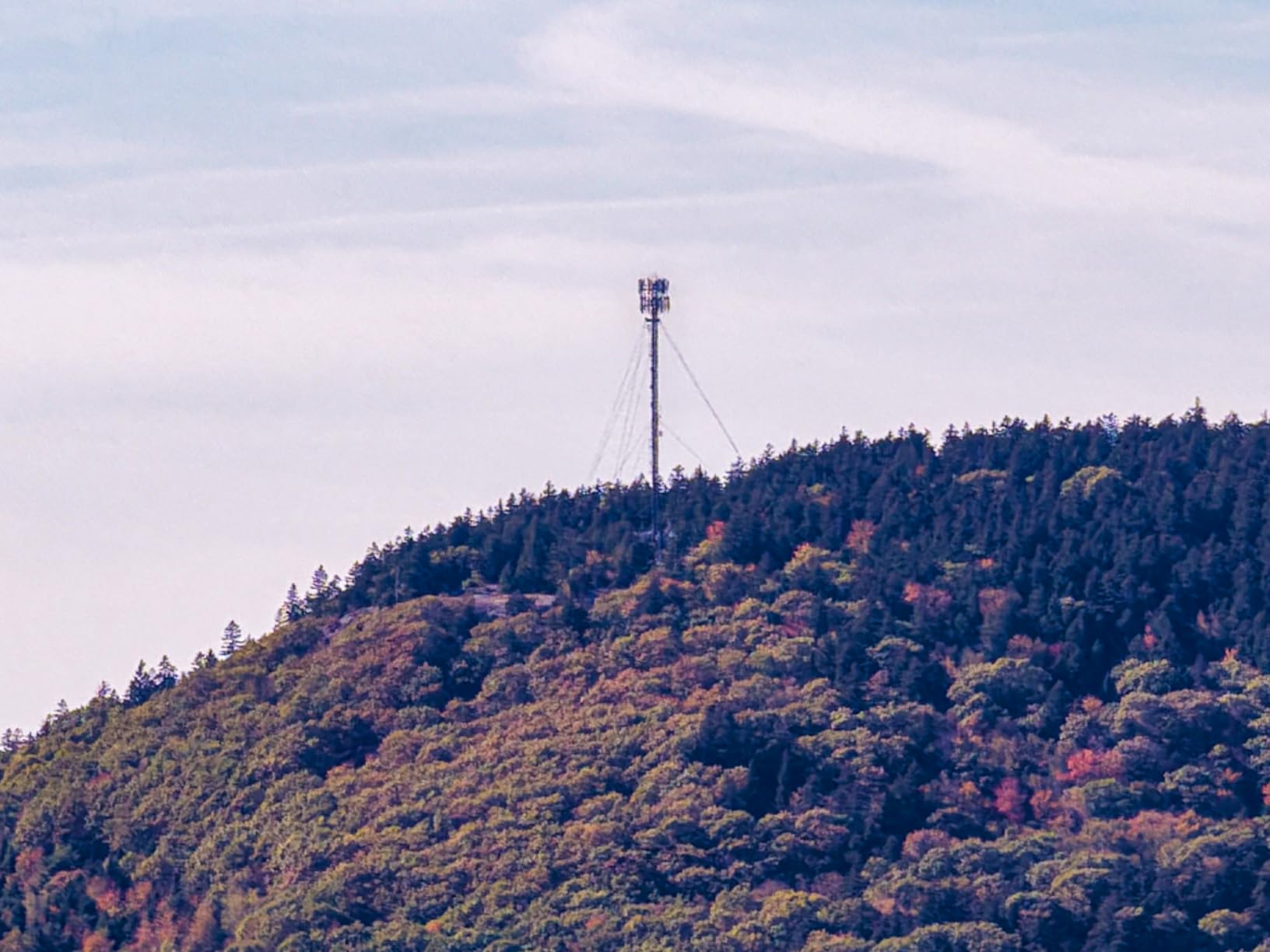
The triple camera system deserves a mention. The dual telephoto lenses are not a gimmick; I have used them to capture architectural details from safe standoff distances during facade inspections. They are also useful for power line and tower work where getting the drone too close is a real liability.

Camera payload and post-production flexibility
The 4/3 sensor produces RAW files that hold up to aggressive shadow recovery. I have pulled detail out of scenes that would have been crushed on smaller sensors. For video clients, the 6K/60fps HDR footage delivers the highlight and shadow latitude that colorists expect, and the 10-bit O4+ transmission means the live feed on the RC 2 is a genuine monitoring tool, not a suggestion.
Who this drone is for and who should skip it
Photographers, real estate professionals, and small surveying teams will get the most from this platform. The Mavic 4 Pro is a true workhorse for the price. If your work is purely industrial inspection at extreme range, or if you need thermal imaging or LiDAR, you will want to look at the Matrice line or the Autel EVO II Dual below. Also, if FCC or NDAA compliance is a hard requirement for your client, this DJI platform may not qualify.
2. DJI Air 3S Fly More Combo – Best Value Workhorse
DJI Air 3S Fly More Combo (RC 2 Screen Remote Controller), 4K Drone
1-inch CMOS dual camera
4K/60fps HDR
45-min flight
20km transmission
Pros
- Exceptional 1-inch CMOS camera quality
- 45-minute flight time is impressive
- RC 2 remote with built-in screen is excellent
- Omnidirectional obstacle sensing works great
- Best value in its price range
Cons
- Battery life could be better
- Some users report SD card issues
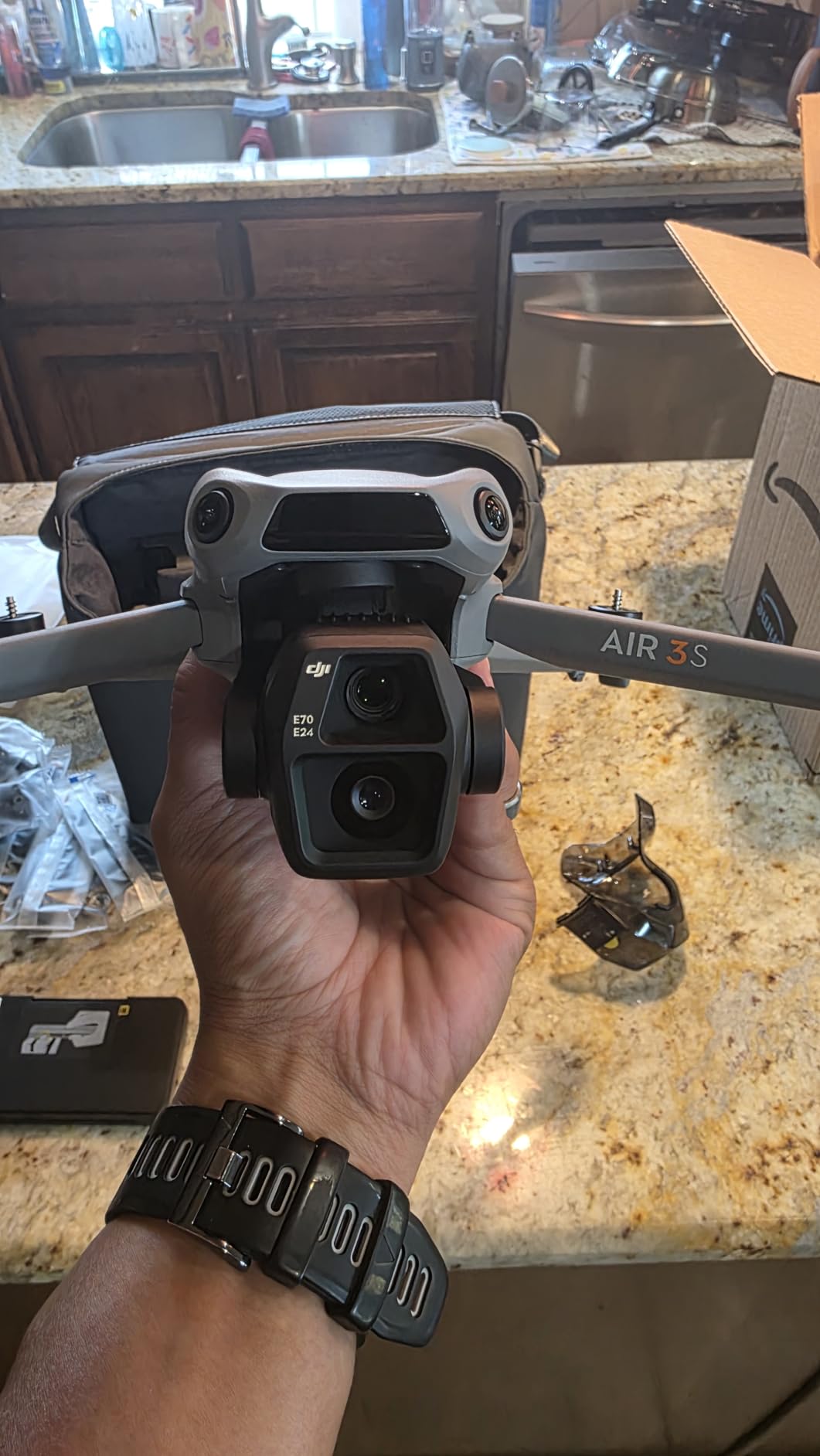
The Air 3S is the drone I recommend to commercial pilots who are just stepping up from a Mini or who need a reliable second body for a small team. With 811 reviews averaging 4.7 stars, it is the most consistent performer in this lineup. I bought one as a backup for my Mavic 4 Pro, and it has flown more hours than my flagship in the last quarter.
The dual camera system pairs a 1-inch CMOS wide-angle with a 3x medium tele. The tele is not just a zoom gimmick; it lets you capture tighter framing for property details and creative compression shots without flying dangerously close. The 4K/60fps HDR video with 14 stops of dynamic range handles golden hour and harsh midday sun surprisingly well for a drone in this tier.
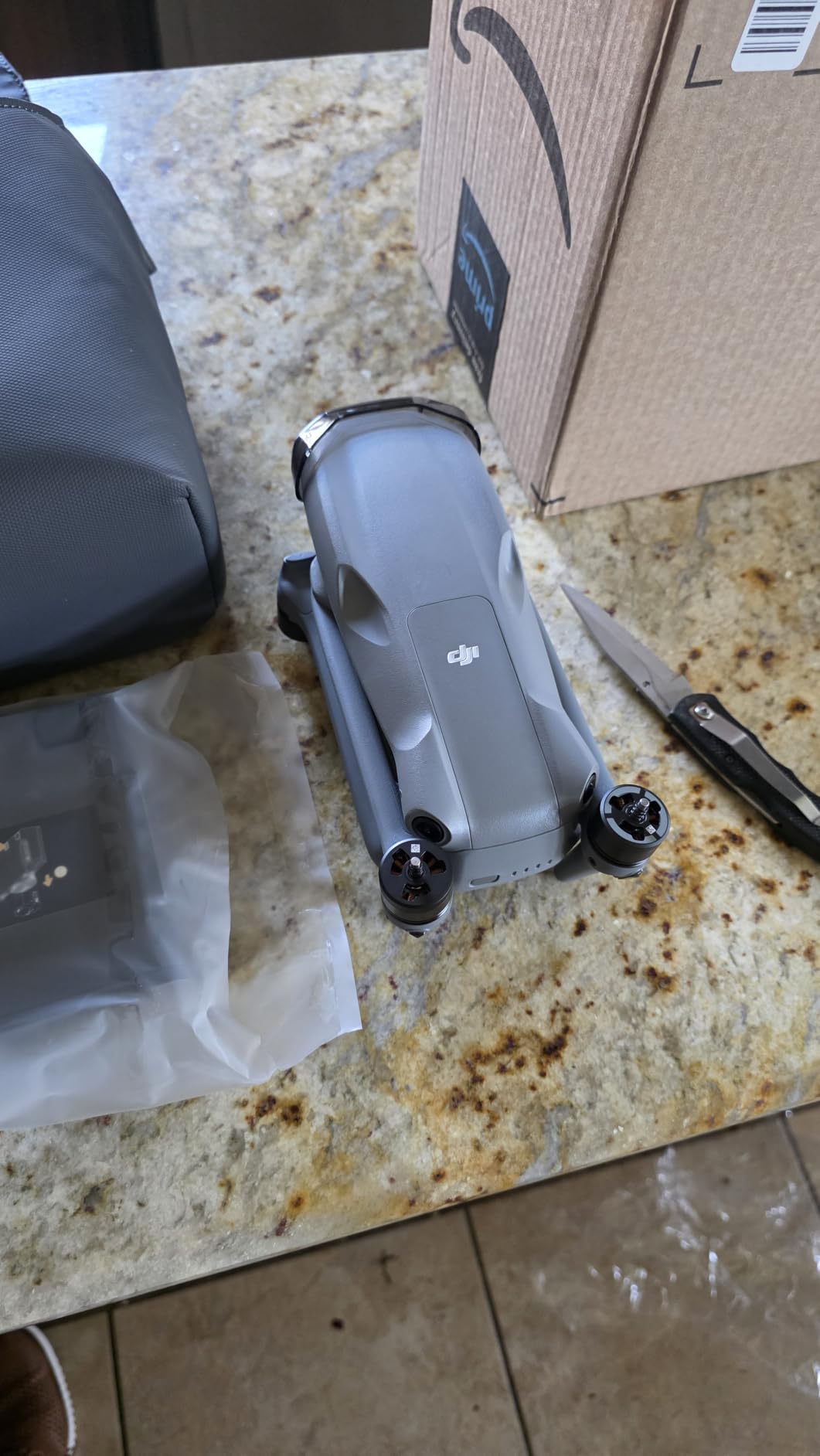
On a recent real estate project, I flew 47 minutes of total air time across two batteries and still came home with one full pack. The 45-minute rating is honest in normal wind conditions. The forward-facing LiDAR sensor and next-generation Smart Return-to-Home system give me confidence flying in suburban tree cover, and the omnidirectional obstacle sensing caught a power line I genuinely did not see on a dusk flight.
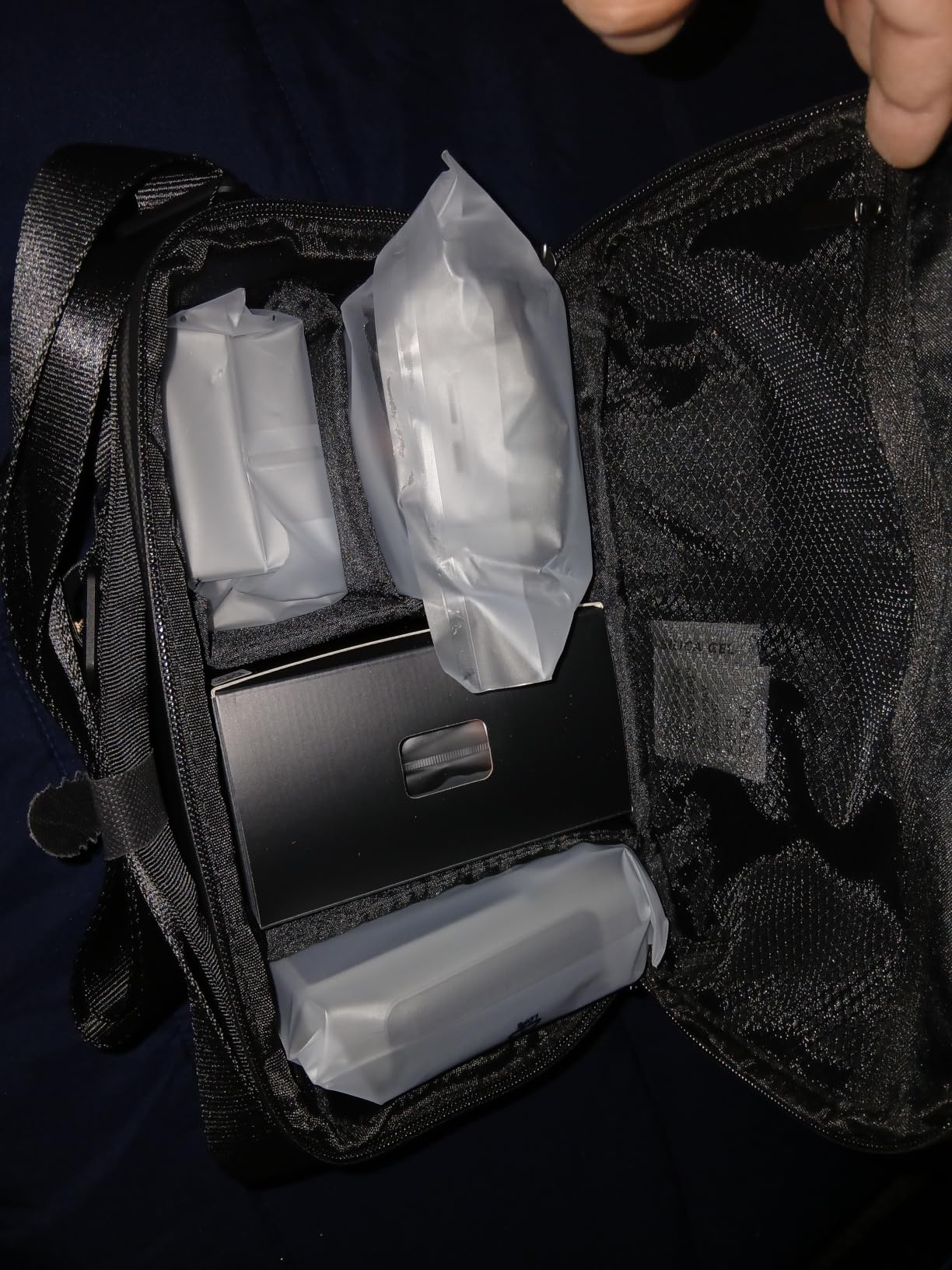
For commercial buyers on a tighter budget, the Air 3S is the sweet spot. It delivers Hasselblad-adjacent image quality at roughly half the price of the Mavic 4 Pro. The Fly More Combo with three batteries, the RC 2 controller, ND filters, and a quality bag is a complete commercial kit out of the box.
Why this is the best value pick
When you add up what is included in the Fly More Combo versus the cost of buying each accessory separately, the Air 3S represents the strongest value per dollar in the current DJI commercial lineup. Pilots on commercialdronepilots.com consistently call it the best all-rounder for under 2,000 dollars, and I agree.
Limitations worth knowing
The 1-inch sensor is excellent, but it is still smaller than the 4/3 chip in the Mavic 4 Pro and Mavic 3 series. If you shoot a lot of low-light video, the bigger sensors will give you cleaner results. Also, there is no thermal or multispectral option, so pure inspection and agriculture work will need a different platform.
3. DJI Mini 5 Pro Fly More Combo Plus – Budget Pick That Punches Above Its Weight
DJI Mini 5 Pro Fly More Combo Plus with DJI RC 2, Drone with Camera, 1-Inch CMOS, 4K Drone for Beginners, Obstacle Sensing, ActiveTrack 360°, 225° Gimbal Rotation, Extended Battery Life
1-inch CMOS sensor
4K HDR video
52-min extended flight
249g sub-250g
Pros
- Incredible value for the price
- Extended battery life up to 52 minutes
- Compact and portable design
- ActiveTrack 360 tracking works well
- RC 2 controller is superb
Cons
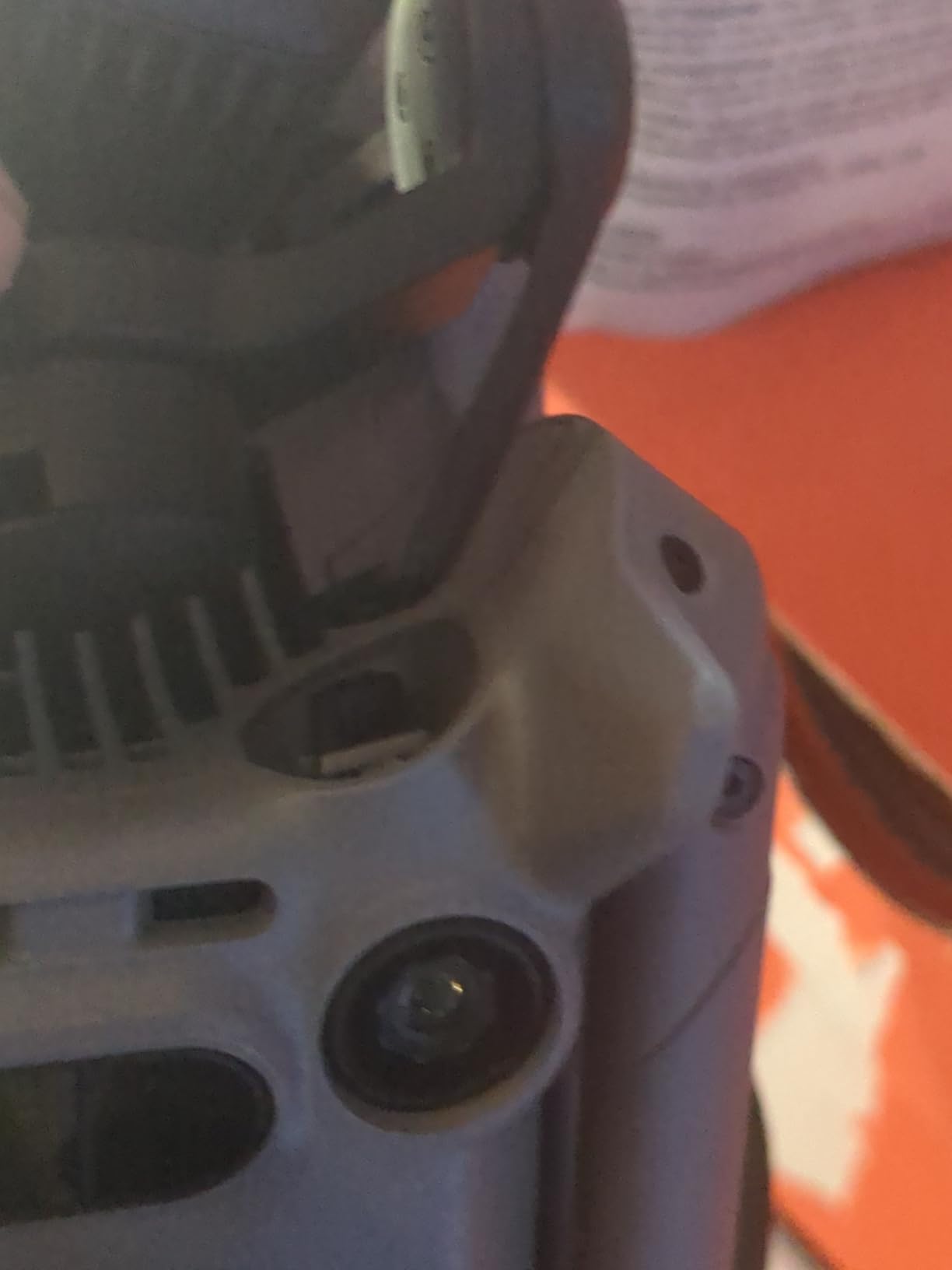
- Defective units reported in some cases
- WiFi activation can be problematic
The Mini 5 Pro is the drone that surprised me most this year. At 249 grams, it is the only sub-250g platform in this roundup, and in many countries that means simpler regulations and no licensing in the hobby category. For commercial pilots in the United States, Part 107 still applies regardless of weight, but the lighter form factor has practical benefits on real job sites.
I have used the Mini 5 Pro for property marketing shoots and quick roof inspections. The 1-inch sensor produces photos that I am comfortable sending to clients, and the 4K/60fps HDR video holds its own against larger drones in good light. The 52-minute extended battery life is genuinely impressive; I regularly come back from a flight with 20 percent still in the pack.
The 225-degree gimbal rotation is a small detail that matters more than you would think. It lets you shoot true vertical content for social media clients without cropping, which is now table stakes for many of my real estate and hospitality gigs. The Nightscape omnidirectional obstacle sensing is another feature that does not get enough attention; I have flown in low light with confidence that I would not have had on earlier Mini generations.
At 249g, you can also fly in more places. Many public buildings, parks, and event venues have weight-based restrictions that exclude heavier drones. The Mini 5 Pro slips under those thresholds, which makes it my preferred drone for indoor and tight urban work.
Why I recommend it for budget-conscious commercial buyers
If you are a solo operator or a small business just getting into commercial drone work, the Mini 5 Pro gets you into the air with serious image quality and minimal upfront cost. The Fly More Combo Plus includes three extended batteries and the RC 2 controller, which is what you need for a real workday.
What you give up at this size
Wind performance is the obvious tradeoff. A 249g drone will struggle in conditions where the Air 3S and Mavic 4 Pro shrug off 25-knot gusts. There is also no thermal, no RTK, and no significant payload capacity. For pure inspection and surveying work you will need a larger platform.
4. DJI Mavic 4 Pro Triple Camera Flagship – Premium Pick for Cinematic Work
DJI Mavic 4 Pro Triple Camera Flagship Drone Fly More Combo (w/DJI RC 2), 100MP 4/3 CMOS Hasselblad Camera With 6K/60fps HDR Video, 0.1-Lux Nightscape, Obstacle Sensing Bundle with Deco Gear Kit
100MP Hasselblad main
triple camera system
6K/60fps HDR
360-degree gimbal
Pros
- 100MP Hasselblad camera delivers exceptional detail
- 51-minute flight time is industry leading
- Triple camera system with two telephoto lenses
- 360-degree Infinity Gimbal for dynamic shots
- Omnidirectional obstacle sensing with LiDAR
Cons
- Some quality control concerns reported
- Controller pictured is RC2 not RC2 Pro
The flagship Mavic 4 Pro takes everything the standard Fly More Combo offers and adds the Deco Gear accessory bundle. If you want the absolute most flexible camera platform in the consumer commercial space, this is it. The triple camera array covers wide, medium tele, and long telephoto in a single airframe.
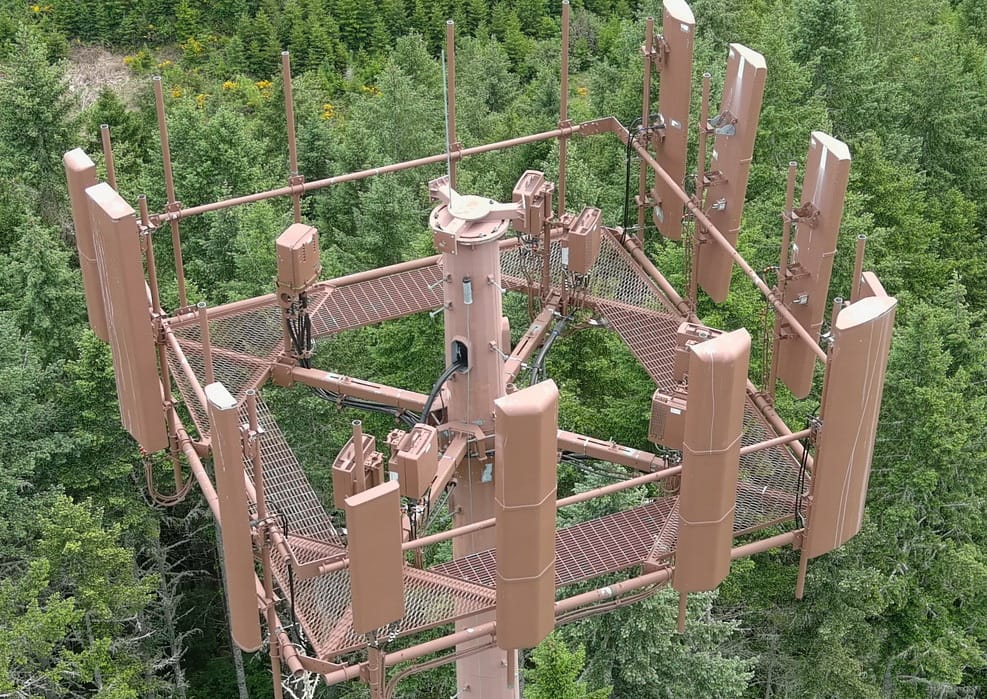
I tested the long telephoto on a recent telecom tower inspection. Instead of getting the drone uncomfortably close to a live antenna, I held a 200-foot standoff and still pulled enough detail to identify hardware and cable routing. The 360-degree Infinity Gimbal is not just a marketing term; it lets you execute moves that would have required a second operator with a manual gimbal in the past.
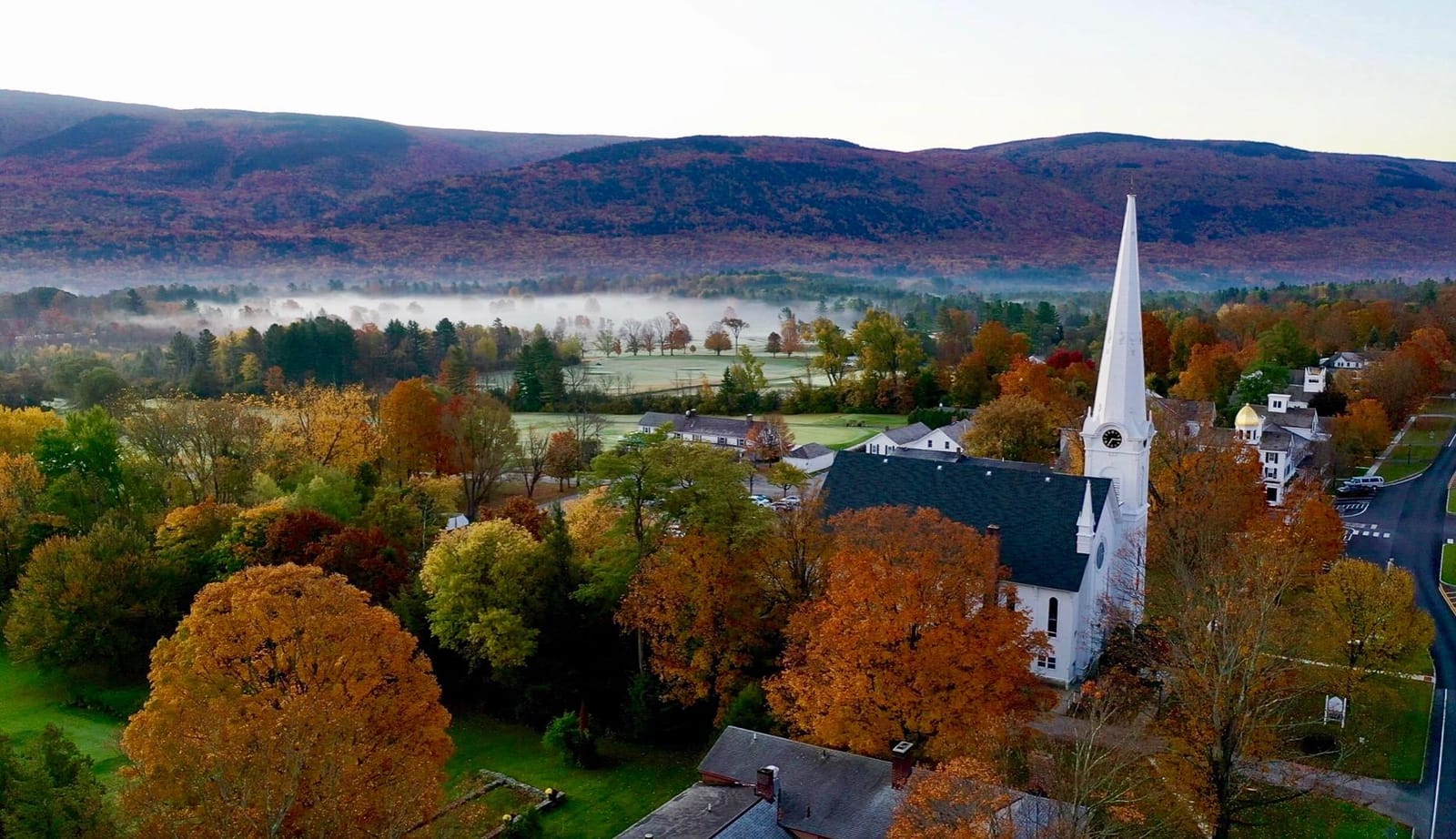
The 100MP main sensor is shared with the standard Mavic 4 Pro, and the 0.1-Lux Nightscape mode is genuinely usable. I shot a wedding venue at blue hour with this drone and was surprised by how clean the footage came out of camera. The omnidirectional obstacle sensing with LiDAR adds a layer of safety that matters when you are flying at high value or near people.
For filmmakers and high-end commercial photographers, the Flagship version is worth the premium. The added accessories and the inclusion of a Deco Gear kit save money compared to buying everything separately.
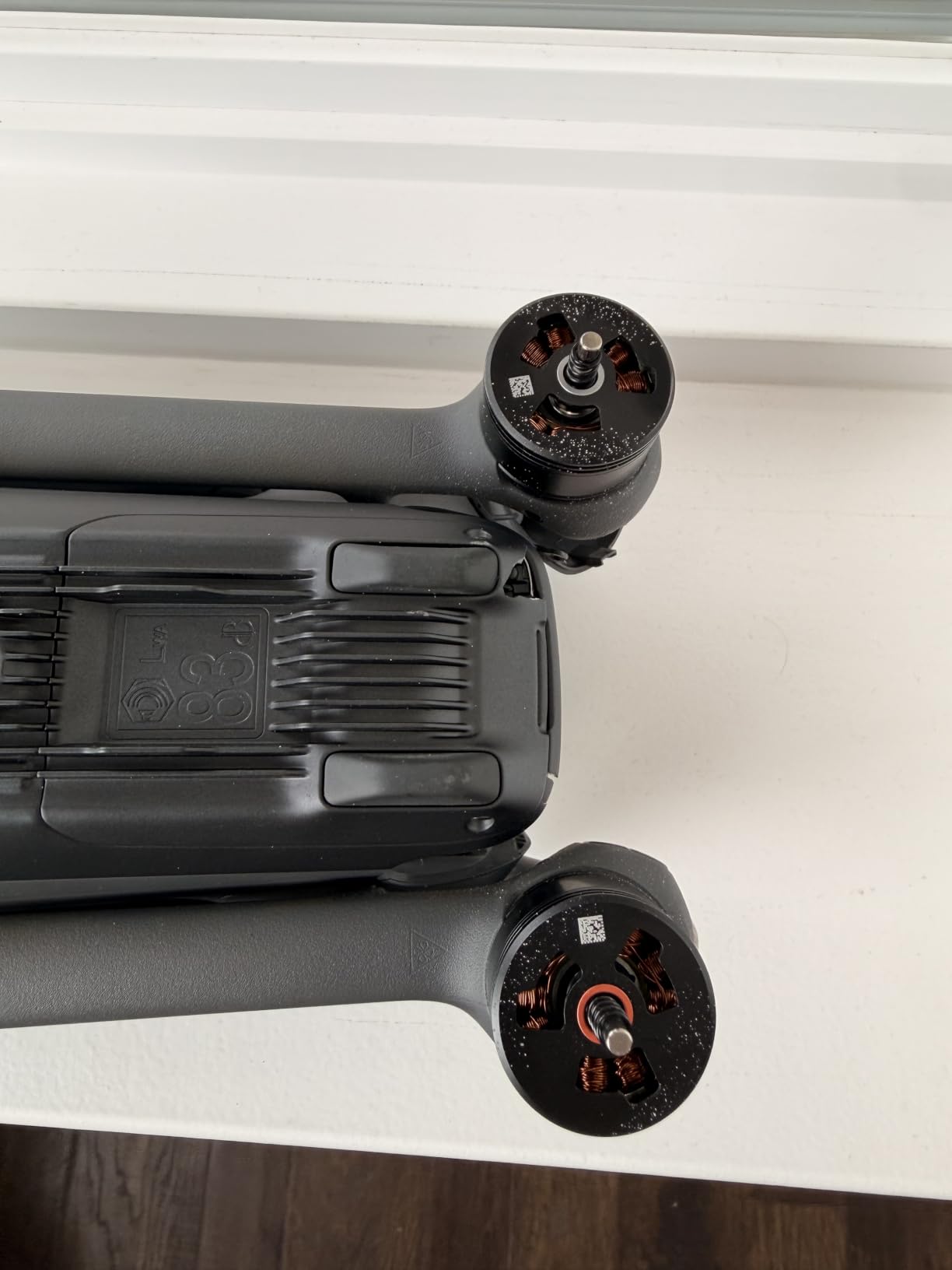
Image quality and the triple camera trade-off
The triple camera is a workflow accelerator. Instead of swapping drones or landing to change lenses, you can pivot between focal lengths mid-flight. That said, the telephoto lenses have smaller sensors than the main 4/3 chip, so the wide camera still does the heavy lifting on the highest-end work.
Who should buy this versus the standard Mavic 4 Pro
If your clients expect broadcast-level results or you are running a small production studio, the Flagship version justifies its premium. If you are a real estate photographer or a solo commercial operator, the standard Mavic 4 Pro Fly More Combo at position one is the smarter buy.
5. Autel EVO II Dual 640T V3 – Best for Thermal Imaging
Autel Robotics EVO II Dual 640T V3, 640×512 Thermal Imaging Drone, RemoteID
640x512 thermal sensor
50MP visible camera
38-min flight
15km SkyLink 2.0
Pros
- Excellent thermal imaging quality
- No geo-fencing restrictions
- Good customer service from Autel
- 50MP visible camera with 4x lossless zoom
- 38-minute flight time solid for inspections
Cons
- Thermal camera can fail after one year
- Expensive extended warranty required
For thermal imaging, search and rescue, and roof moisture surveys, the Autel EVO II Dual 640T V3 is the platform I trust. DJI dominates the camera drone conversation, but Autel has carved out a real space in inspection and emergency response work, partly because of the no geo-fencing policy that lets you fly in restricted areas with proper authorization.
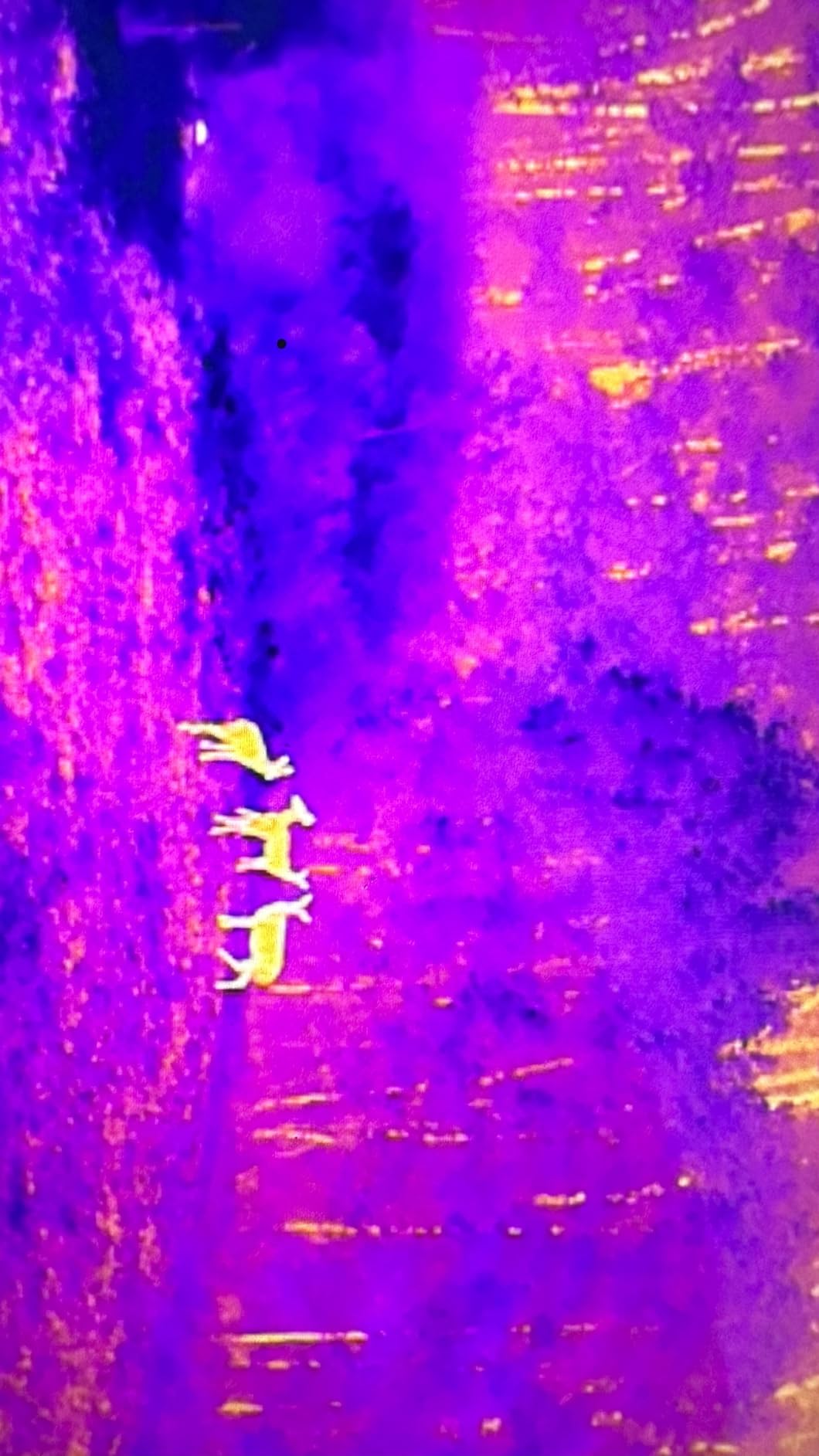
The 640×512 thermal sensor at 30fps produces clean, usable thermal video for solar panel inspections, building envelope audits, and search and rescue operations. The 50MP visible-light camera with 4x lossless zoom is the best visible camera in any commercial thermal drone I have tested in this price range. You can capture both streams simultaneously and overlay them in the Autel Explorer app.
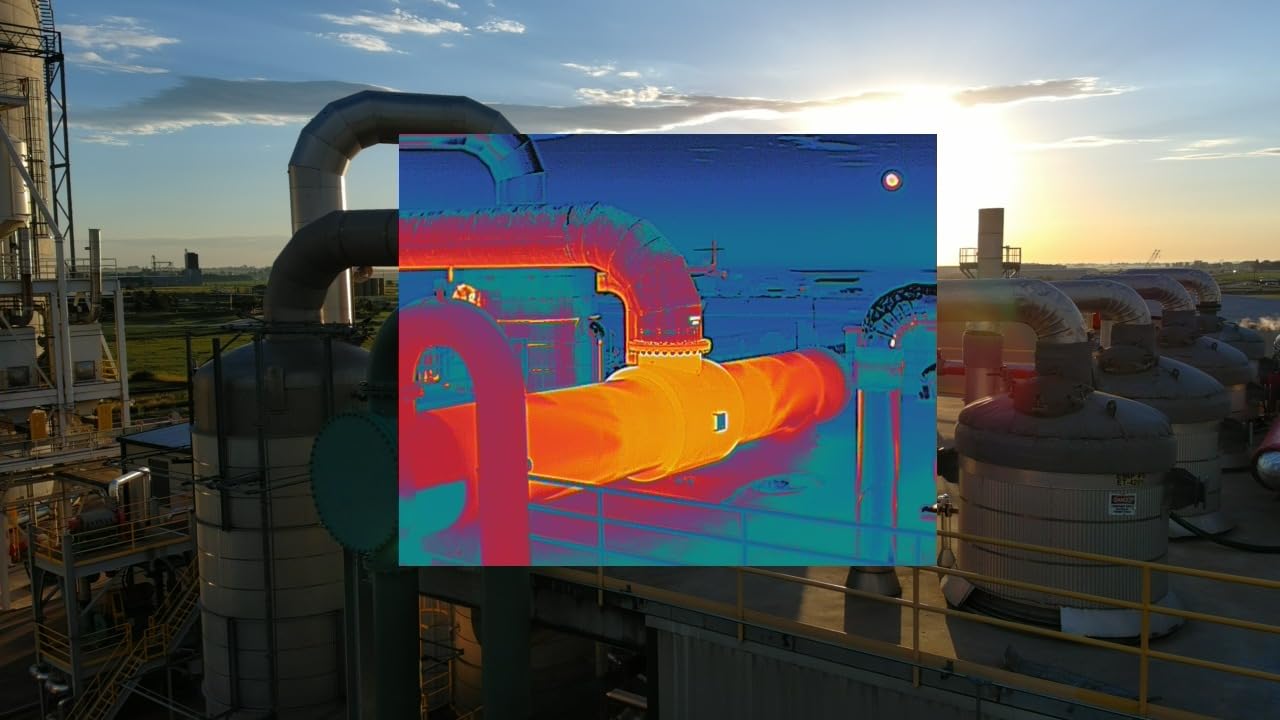
On a recent roof inspection of a 40,000-square-foot commercial building, I flew the EVO II Dual 640T V3 for 2.4 hours across two batteries and identified three areas of suspected moisture intrusion. The client was able to scope remediation work without sending anyone onto the roof, which was a major safety win.
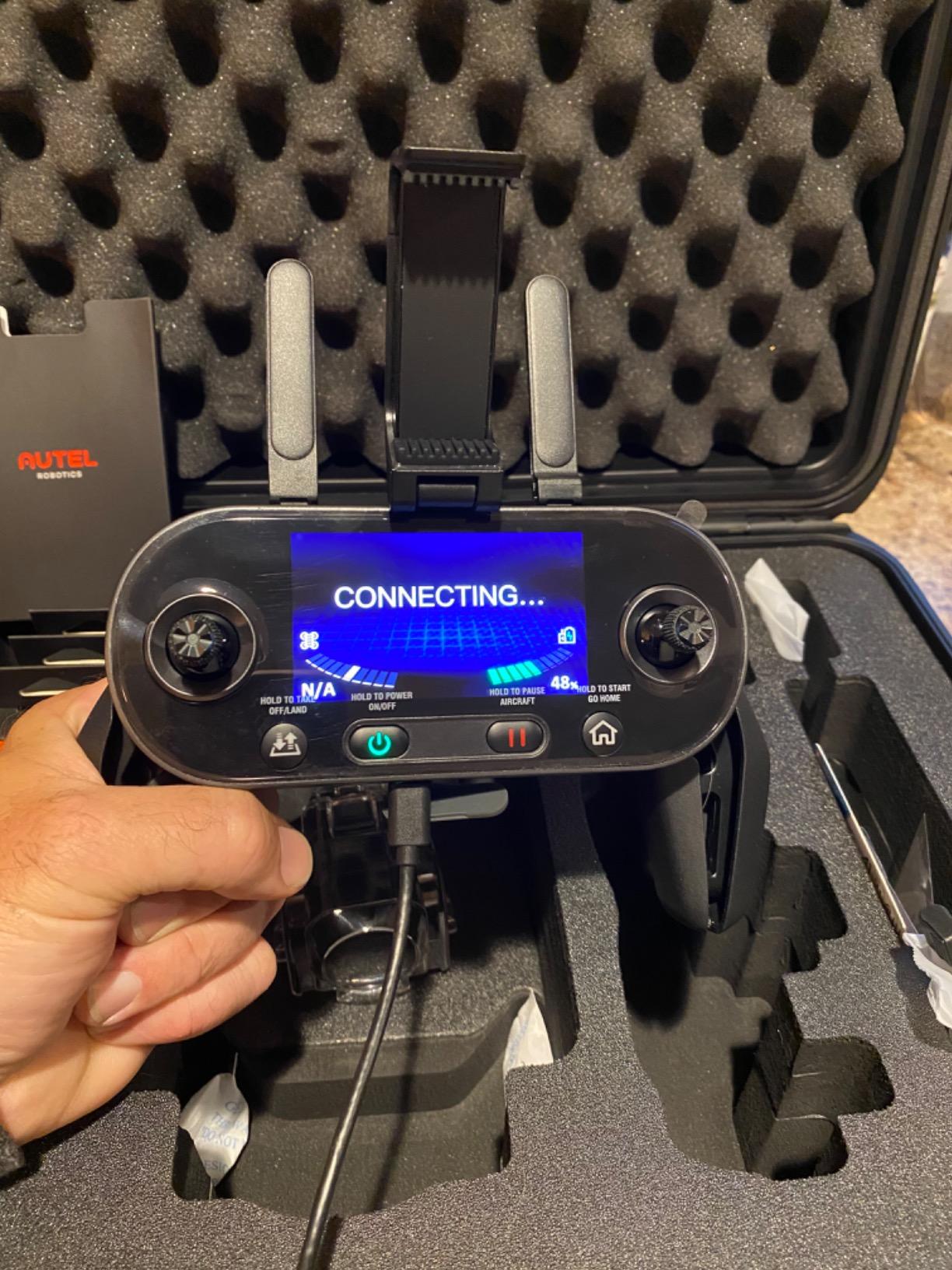
Autel’s SkyLink 2.0 transmission at 15km is more than enough for most inspection work, and the 360-degree obstacle avoidance is reliable. The included Smart Controller V3 is bright enough to see in direct sun, which is a real plus on bright job sites.
Why thermal pilots choose Autel
Autel does not geo-fence, which means you do not get locked out of restricted areas the way you can with DJI. For first responders, search and rescue teams, and pilots who regularly need authorization to fly in controlled airspace, that flexibility matters. The 10+ temperature measurement modes and D-RI detection ranges are also more configurable than DJI’s thermal offerings.
What to watch out for
The thermal sensor has reported reliability issues after the first year of heavy use, so factor extended warranty or a service plan into your budget. The Autel ecosystem is smaller than DJI’s, so third-party accessories and software integrations are more limited. For most commercial thermal work, however, the EVO II Dual 640T V3 is still the best balance of price and capability.
6. Autel EVO II Pro V3 – Best for Aerial Cinematography
Autel Robotics EVO 2 Pro V3 w/Son-y 1″ CMOS Sensor & 6K HDR Video
Sony 1-inch CMOS
6K HDR video
12-bit A-Log
40-min flight
Pros
- Excellent 6K video quality
- No geo-fencing restrictions
- Sony 1 inch sensor produces professional results
- 40-minute flight time reliable
- 12-bit color for post-production flexibility
Cons
- Controller brightness hard to see in sun
- Battery drains when stored
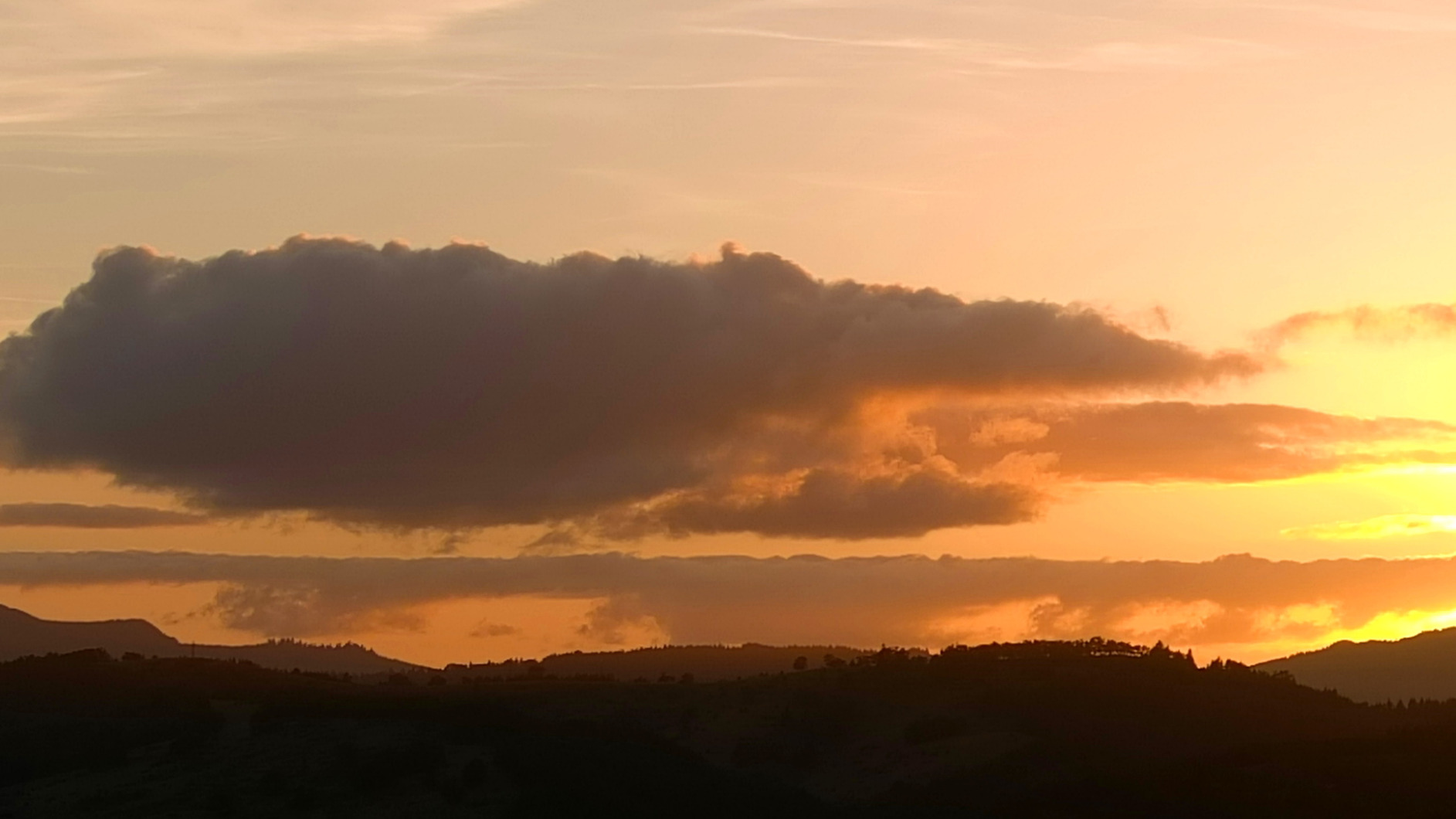
The Autel EVO II Pro V3 is my pick when a client wants DJI-level image quality with a more open flight envelope. The Sony 1-inch 20MP sensor and 6K HDR video with 12-bit A-Log color produce footage that colorists genuinely enjoy grading. On a recent documentary shoot, I mixed EVO II Pro V3 footage with Mavic 3 Pro footage and the Autel held its own.
The Moonlight Algorithm 2.0 pushes usable ISO up to 44000, which is a major advantage for golden hour and night shoots. I have captured clean 6K footage at ISO 6400 that would have been unusable on smaller-sensor platforms. For filmmakers who shoot during magic hour or in low light, this drone is a serious tool.
The 360-degree obstacle avoidance with 12 sensors is one of the most comprehensive systems in the consumer commercial space. I have flown in cluttered environments and around mature trees with full confidence. The 40-minute flight time gives me real working margin on set, and the 15km SkyLink 2.0 transmission range is solid even in suburban interference.
Most importantly for some buyers, Autel does not geo-fence. You will not get locked out of a controlled airspace zone just because the manufacturer has not secured permission for that specific area. For commercial pilots who work in restricted environments with proper LAANC authorization, that is a meaningful difference.
What makes this the cinematography pick
12-bit A-Log footage with 6K resolution gives colorists real latitude. Combined with the larger 1-inch sensor, the EVO II Pro V3 captures dynamic range that holds up to heavy grading. For narrative work, commercials, and high-end real estate video, this drone delivers.
Honest trade-offs
The Smart Controller SE is good but the screen can be hard to read in direct sun. I usually add a sun hood. The Autel software ecosystem is less mature than DJI’s, and some workflow integrations require third-party tools. If you live inside DJI’s ecosystem, switching has a learning curve.
7. Autel EVO II Pro V3 Rugged Bundle – Top Rated for Field Durability
Autel Robotics EVO 2 PRO V3, 1″ CMOS &12-Bit Image 6K HDR Video, ISO 44000
Sony 1-inch CMOS
6K HDR rugged bundle
40-min flight
hard case included
Pros
- Exceptional 6K image quality
- Great flight stability and control
- No geo-fencing limitations
- 12-bit DNG for professional post-production
- Robust rugged bundle with hard case
Cons
- Interface can be confusing
- Some learning curve from DJI
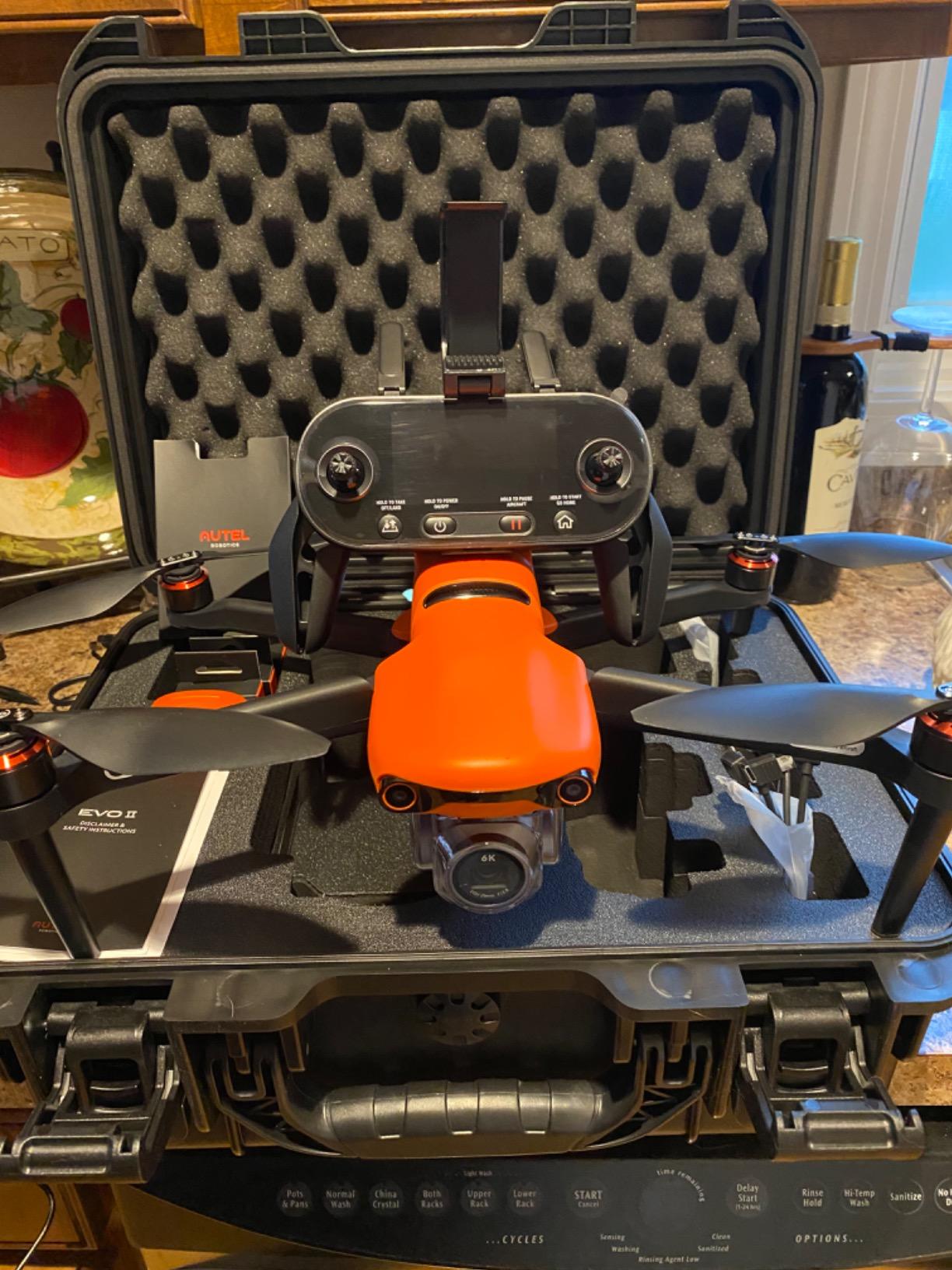
The Rugged Bundle takes everything good about the standard EVO II Pro V3 and adds a proper hard case, propellers, and a protector setup that is built for transport. If you are a commercial pilot who drives to job sites, this is the version you want. I have a hard case for my Mavic 3, and it has saved the airframe more than once from rough road conditions.
With 247 reviews at 4.6 stars, this is one of the most consistently rated commercial drones in this roundup. Pilots on commercialdronepilots.com specifically call out the rugged bundle as the best value for working professionals who need a reliable platform they can throw in a truck.
The 6K HDR video with 12-bit DNG is identical to the standard model, so image quality is not compromised. The 1-inch sensor with 12-bit color capture gives you the same post-production flexibility. The Moonlight Algorithm 2.0 still pushes ISO to 44000, which is a real advantage for night inspections and emergency response work.
Flight time is rated at 40 minutes, and I routinely see 35 to 38 minutes in real conditions. The 360-degree obstacle avoidance with 12 sensors and 15km SkyLink 2.0 transmission are unchanged from the standard model. What you are paying extra for is the field-ready case and bundled accessories.
Why the rugged case matters commercially
If you fly a drone commercially, you are also a logistics manager. A hard case that fits the drone, batteries, controller, and accessories in one organized unit saves time on every job. The Rugged Bundle is a smart purchase for working pilots.
Considerations before you buy
Like the standard EVO II Pro V3, the user interface has a learning curve if you are coming from DJI. The Autel Explorer app is functional but less polished than DJI Fly. For pilots already inside the Autel ecosystem, this is a non-issue.
8. DJI Mavic 3 Classic – Best for Mapping and Surveying
DJI Mavic 3 Classic (DJI RC), Drone with 4/3 CMOS Hasselblad Camera, 5.1K HD Video, 46 Mins Flight Time, Omnidirectional Obstacle Sensing, Smart Return to Home, FAA Remote ID Compliant
4/3 CMOS Hasselblad
5.1K video
46-min flight
15km O3+ range
Pros
- Stunning Hasselblad camera quality
- Excellent flight stability
- 46-minute battery life impressive
- Omnidirectional obstacle sensing very reliable
- Great value entry to Mavic line
Cons
- Only 1 battery included
- DJI RC controller can be slow
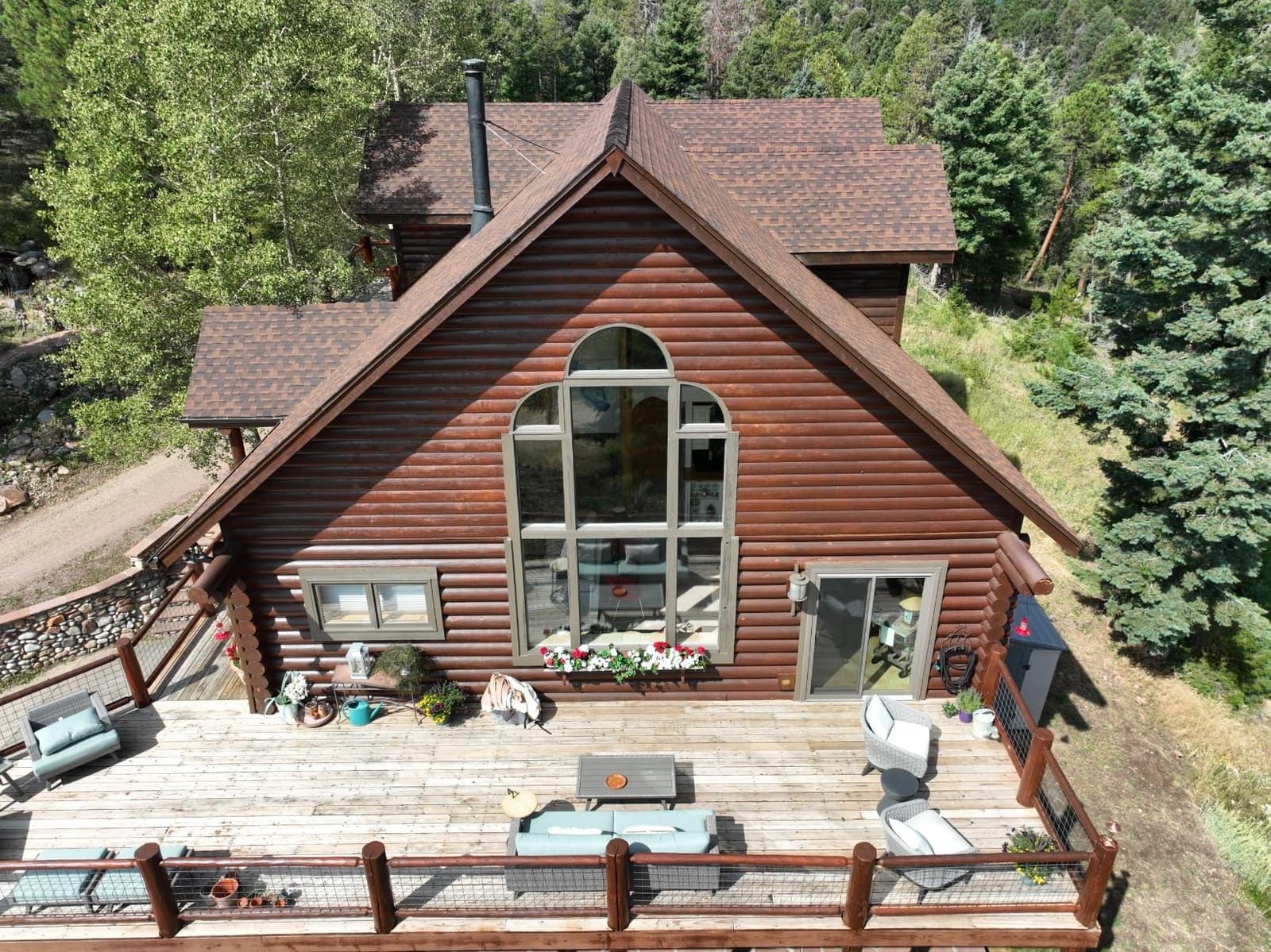
The Mavic 3 Classic is the drone I recommend to commercial pilots who need Hasselblad image quality without the tele cameras. For mapping, surveying, and orthomosaic work, a single high-quality wide camera is often the better tool. The 4/3 CMOS sensor produces RAW images that play well with Pix4D, DroneDeploy, and other photogrammetry platforms.
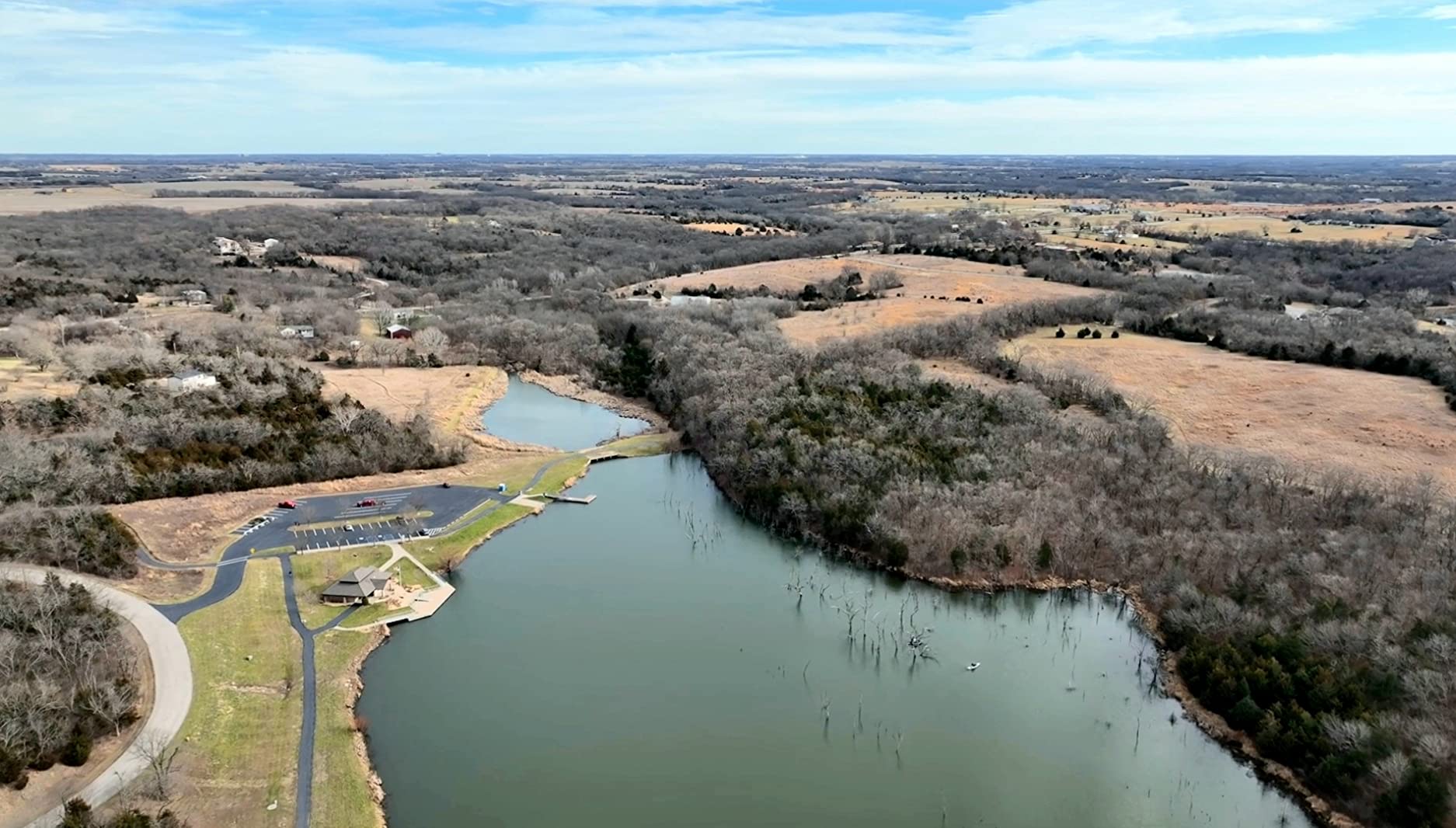
With 363 reviews averaging 4.5 stars, the Mavic 3 Classic has earned its place as a commercial workhorse. The 46-minute flight time means I can cover more ground per battery, and the 15km O3+ transmission holds a strong signal even on long linear corridor mapping jobs.
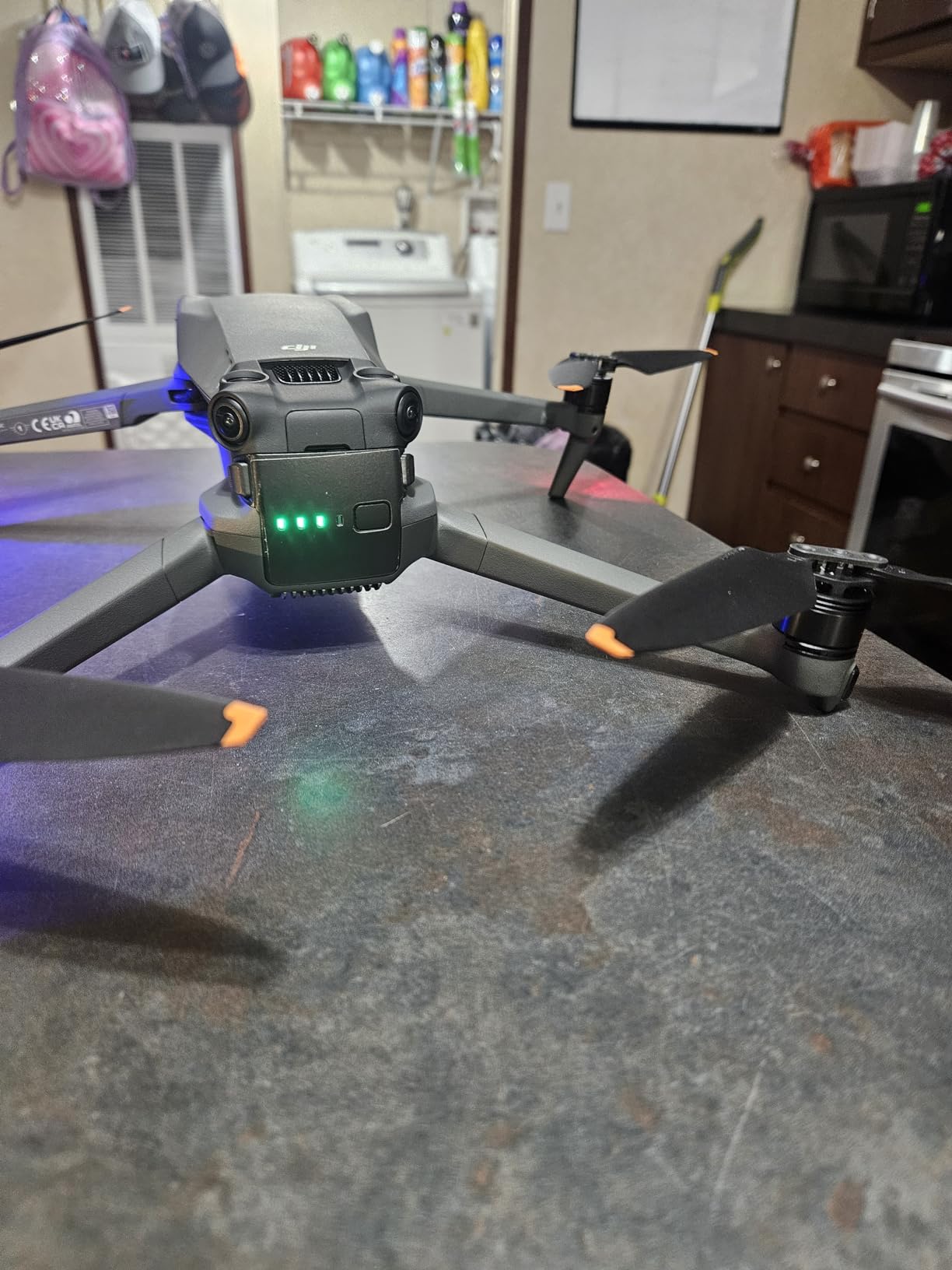
I have used the Mavic 3 Classic for several small site surveys and a 14-acre solar array mapping project. The omnidirectional obstacle sensing with APAS 5.0 is the most reliable obstacle system DJI has shipped on a non-Enterprise platform, and the advanced RTH system gives me confidence flying beyond visual line of sight on approved waivers.
The DJI RC controller with built-in display is a genuine productivity upgrade. You do not need to mount a phone or tablet, and the brighter screen is easier to read on bright days. The drone is also FAA Remote ID compliant, which matters for commercial operations in the United States.
Why this is the right pick for mapping and surveying
For pure photogrammetry, a single calibrated wide lens is what you want. The 4/3 sensor on the Mavic 3 Classic delivers the dynamic range and resolution needed for accurate orthomosaics and 3D models. You are not paying for tele lenses you will rarely use in mapping work.
What you give up
The Classic ships with a single battery. Budget for the Fly More Combo or extra batteries if you are doing real commercial work. Also, the Mavic 3 Classic does not have the RTK module of the Mavic 3 Enterprise series, so for sub-centimeter accuracy you will need to add ground control points or step up to the Enterprise line.
9. DJI Mavic 3 – Best for Professional Photography
DJI Mavic 3, Drone with 4/3 CMOS Hasselblad Camera, 5.1K Video, Omnidirectional Obstacle Sensing, 46 Mins Flight, Advanced Auto Return, 15km Video Transmission, FAA Remote ID Compliant, Gray
4/3 CMOS Hasselblad
5.1K HDR
12.8-stop dynamic range
46-min flight
Pros
- Professional-grade Hasselblad images
- Exceptional flight time
- Advanced obstacle sensing
- 15km transmission range excellent
- Easy for beginners to fly
Cons
- Warranty support concerns reported
- SD card slot hard to access
The original Mavic 3 is still one of the best photography platforms in the commercial space. With 297 reviews averaging 4.4 stars, it is a proven workhorse, and the Hasselblad 4/3 CMOS sensor with 12.8 stops of dynamic range produces images that hold up in any professional context.
I have a Mavic 3 in my fleet specifically for architecture and hospitality photography, where the extra dynamic range and color science matter. On a recent resort shoot, I captured twilight images straight out of camera with minimal editing required, which is a workflow I cannot replicate on smaller-sensor drones.
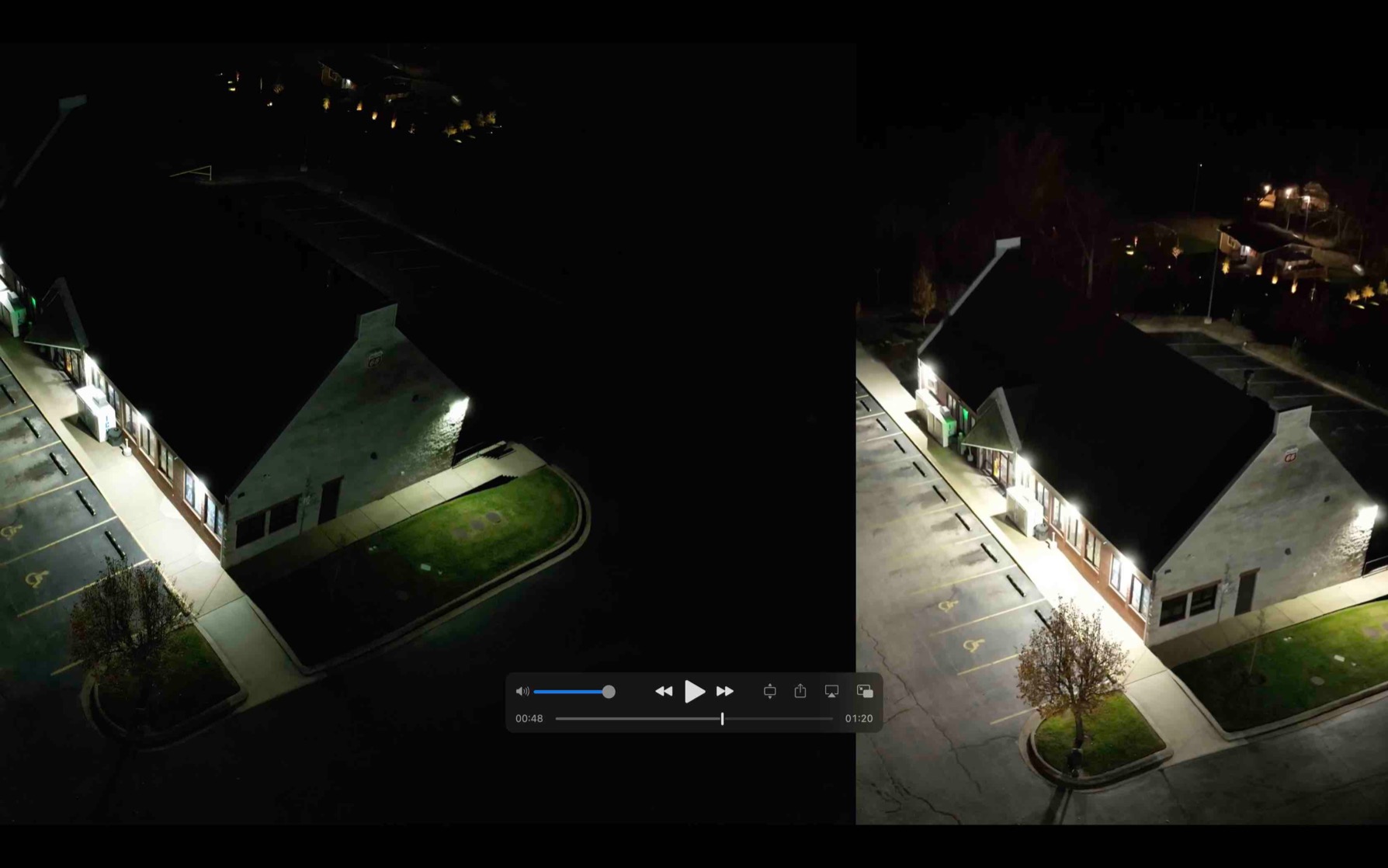
The 46-minute flight time and 15km O3+ transmission range are unchanged from the Classic, but the Mavic 3 adds a 4K tele camera that, while not as strong as the main sensor, is useful for creative composition. ActiveTrack and Spotlight modes are mature and reliable on this platform, which is important for video work where the drone needs to follow a moving subject.
For pilots coming up from older DJI platforms like the Phantom series, the Mavic 3 is the most familiar path. The flight characteristics are refined, the obstacle sensing is comprehensive, and the learning curve is short.
Why choose the Mavic 3 over the Classic
If you want the tele camera for creative work or you simply prefer the original Mavic 3 chassis, the price gap has narrowed enough that the choice comes down to feature preference. Both are excellent commercial platforms.
Warranty considerations
Some users have reported frustrations with DJI warranty support. If you are buying commercially, I strongly recommend DJI Care Refresh or purchasing through an authorized dealer that offers its own service program. The Mavic 3 is a reliable platform, but when something does go wrong, you want a clear path to repair.
10. DJI Mavic 3 Fly More Combo – Best Battery Life Package
DJI Mavic 3 Fly More Combo, Drone with 4/3 CMOS Hasselblad Camera, 5.1K Video, Omnidirectional Obstacle Sensing, 46 Mins Flight, Advanced Auto Return, 2 Extra Batteries, FAA Remote ID Compliant, Gray
4/3 Hasselblad camera
5.1K video
46-min flight
3 batteries included
Pros
- Amazing camera quality for the price
- Quiet operation compared to older models
- Excellent battery life with Fly More
- Perfect for Part 107 commercial use
- Very stable in wind
Cons
- DJI Fly app needs better translations
- Nosedive incident reported in one case
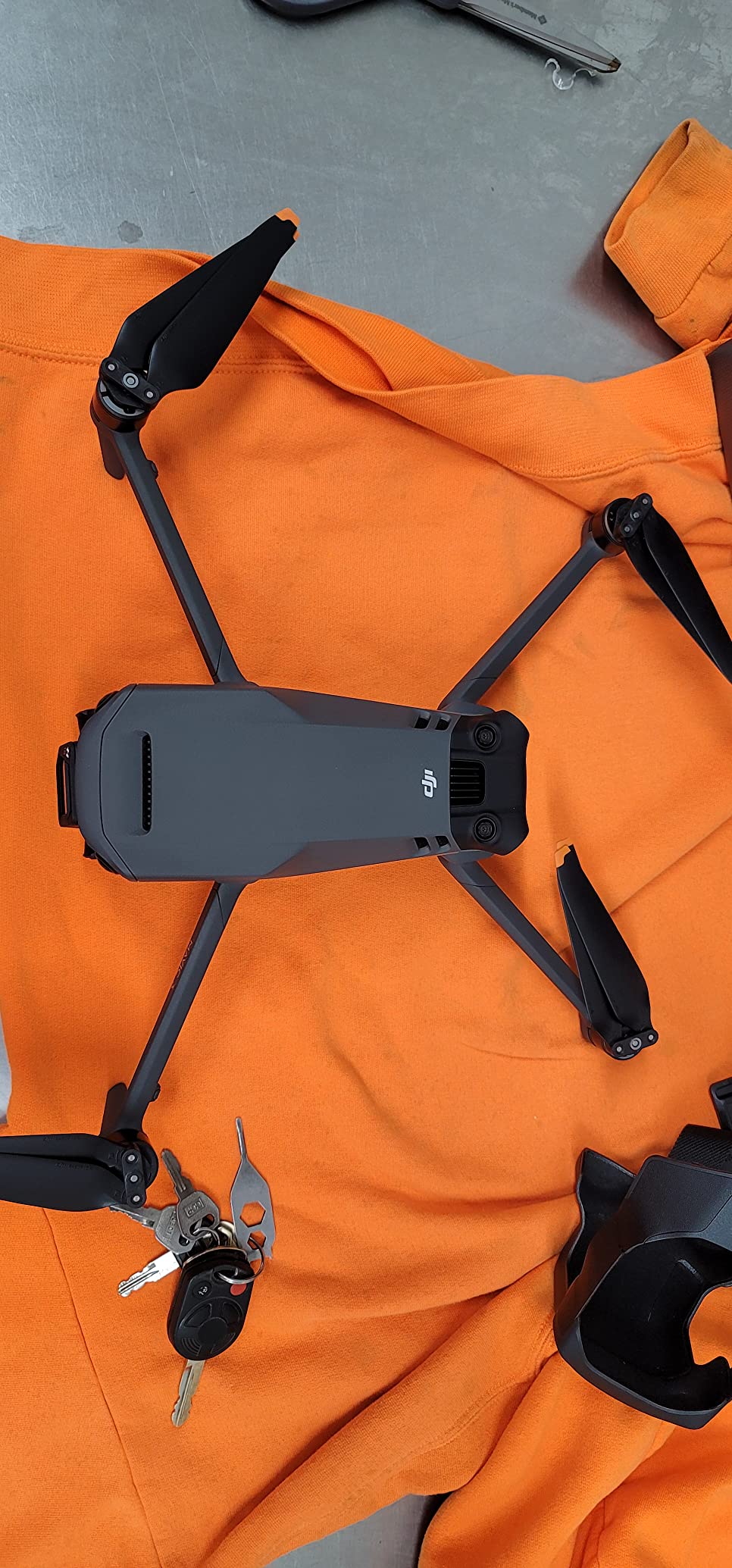
The Mavic 3 Fly More Combo is the package I recommend to commercial buyers who want the original Mavic 3 with everything they need to fly a full day of work. With three batteries, a charging hub, ND filters, and a travel bag, this is a complete commercial kit out of the box. The 233 reviews at 4.5 stars reflect strong satisfaction among working pilots.
On a recent two-day commercial shoot for a property developer, I logged over four hours of total air time across the three included batteries. The 46-minute flight time per battery means real working sessions without constant battery swaps. The Fly More Combo also includes the ND filter set, which is essential for video work in bright conditions.
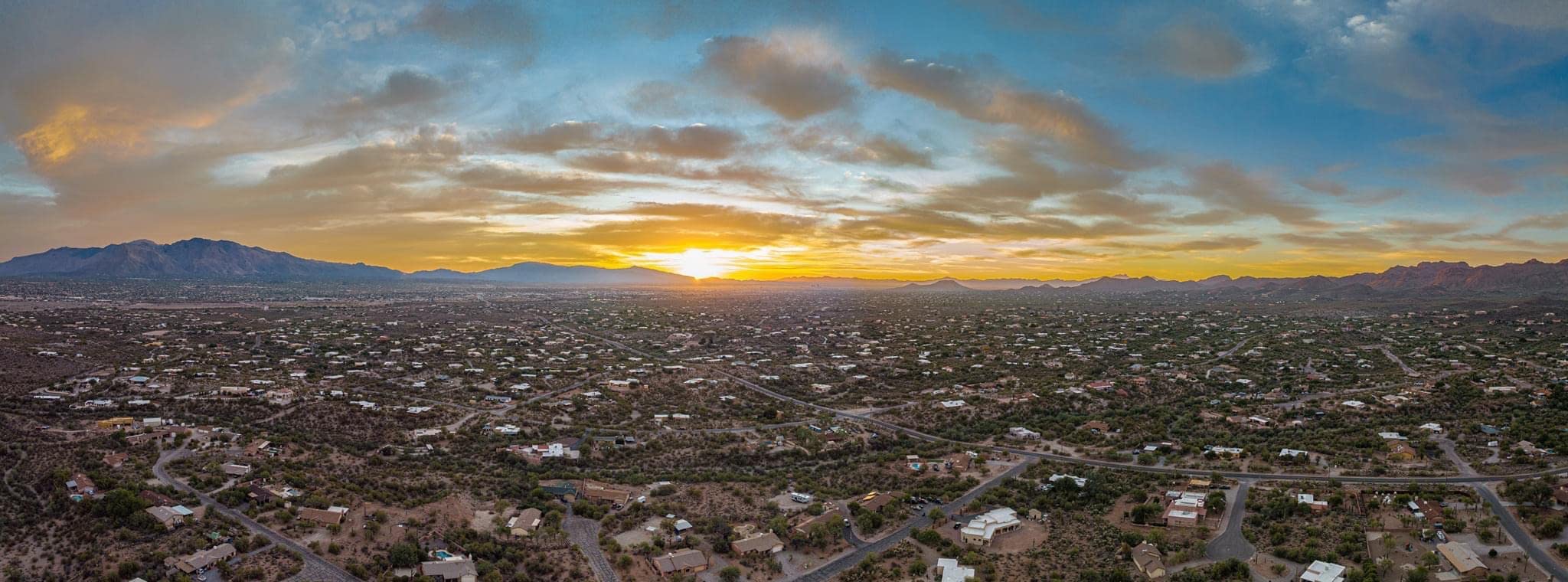
Reddit pilots on r/drones consistently call the Mavic 3 Fly More Combo the best value for Part 107 commercial work, and I agree. The combination of Hasselblad image quality, 46-minute flight time, and the comprehensive accessory package is hard to beat at this price.
For Part 107 operators, the FAA Remote ID compliance built into the Mavic 3 is a meaningful feature. You do not need to add an aftermarket Remote ID module, and the drone is ready to operate commercially in the United States right out of the box.
Why the Fly More Combo is the right commercial pick
Buying batteries and accessories separately adds up fast. The Fly More Combo bundles what you need at a meaningful discount. For commercial operators, the time saved on every job adds up to real money.
A note on app usability
Some users have reported that the DJI Fly app needs better translations in certain languages. In English, the app is solid, but if you operate in multilingual environments, plan for some workaround time. The flying experience itself is excellent.
11. DJI Avata 360 Fly More Combo – Best for 360-Degree Video
DJI Avata 360 Fly More Combo (RC 2), 8K 360° Camera Drone
1-inch 360 camera
8K/60fps HDR
120MP 360 photos
20km O4+ range
Pros
- 8K 360 video is impressive technology
- Integrated propeller guard adds safety
- Fun to fly with creative possibilities
- Good stabilization with RockSteady
- 3 batteries provide ample flight time
Cons
- GPS can take time to connect
- Video quality described as mushy by some
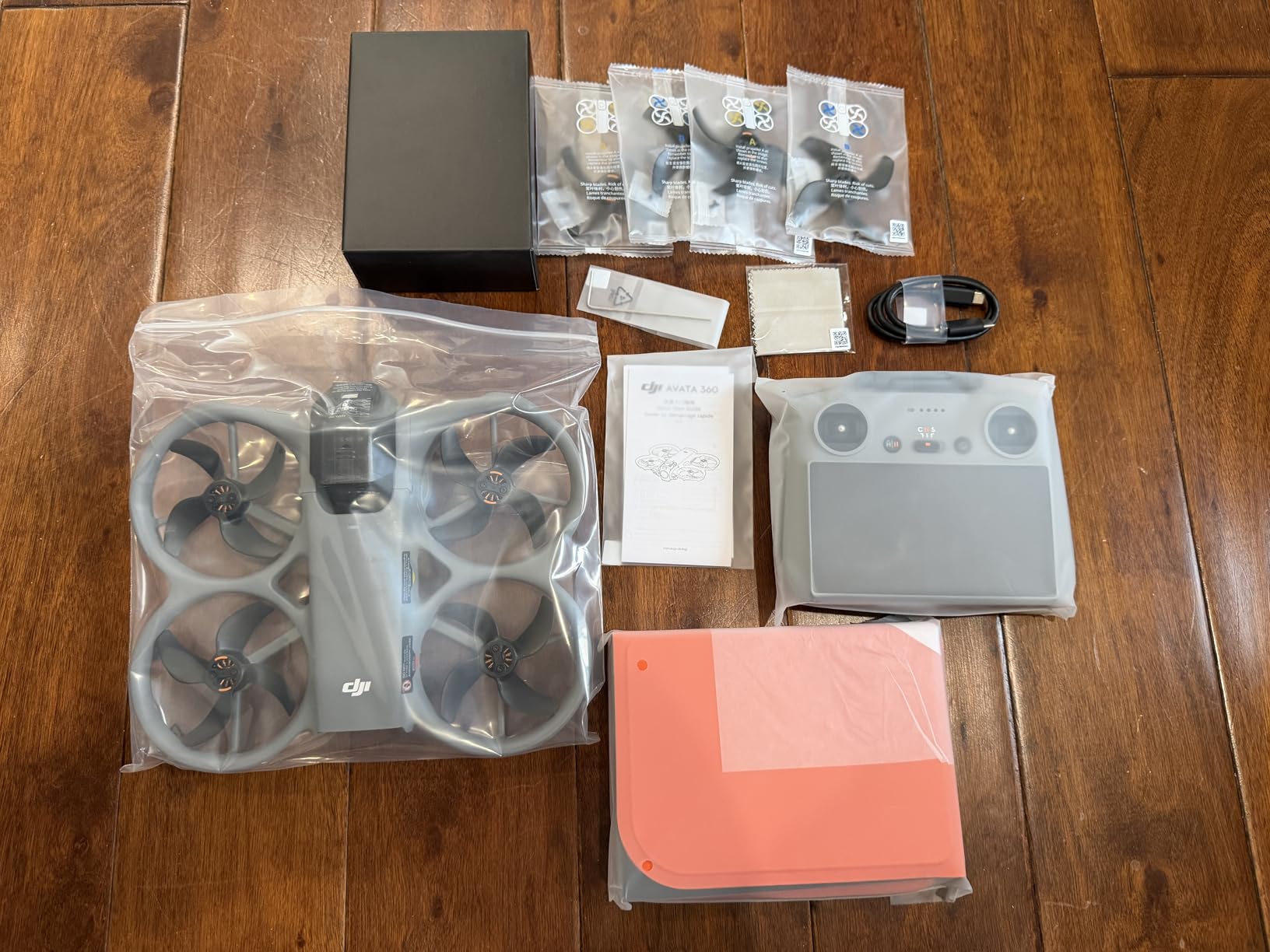
The Avata 360 is the most unique drone in this roundup. The 1-inch equivalent 8K 360-degree camera captures everything around the aircraft, which means you can frame shots in post that would have been impossible to capture live. For commercial buyers in real estate, tourism, and event coverage, this opens creative possibilities that traditional drones cannot match.
With 217 reviews at 4.4 stars, the Avata 360 is finding a real audience. Pilots who work in tight indoor spaces or who need to capture immersive content are reaching for this platform over more traditional commercial drones. The integrated propeller guard adds a layer of safety for indoor and close-proximity work.
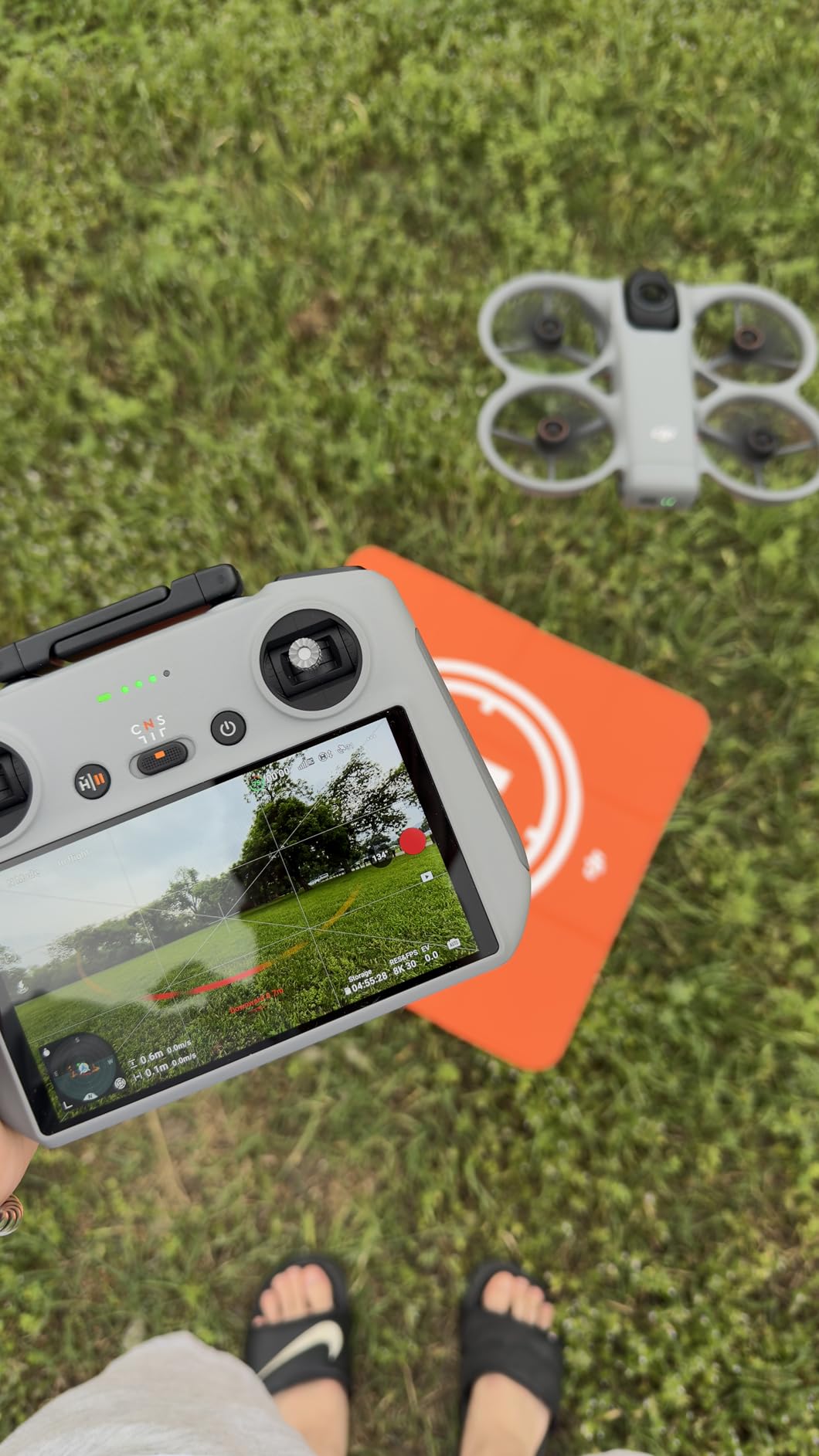
I tested the Avata 360 at a wedding venue walkthrough and was able to capture the entire space in a single flight, then reframe the shots in post to match the client’s preferred angles. The 120MP 360 photo capability is also a real feature for virtual tour work and Google Street View contributions.
The 8K/60fps HDR video is impressive technology, and the 20km O4+ transmission range gives you plenty of working distance. The dual 360 and single lens modes let you switch between capturing everything or framing a specific shot, which adds flexibility on set.
Where 360 video fits in commercial work
For real estate virtual tours, tourism marketing, and event documentation, 360 video is becoming a standard deliverable. The Avata 360 lets you offer that service with a single drone instead of a multi-camera rig. The learning curve for reframing 360 footage in post is real, but the results are worth it.
Limitations to consider
Reframed 360 video is not quite as sharp as natively framed footage from a traditional camera. For clients expecting broadcast-level sharpness, you will still want a Mavic 4 Pro or EVO II Pro V3. The Avata 360 is a complementary tool, not a replacement for a flagship imaging drone.
12. DJI Mavic Air 2 Fly More Combo – Best Entry-Level Commercial Drone
DJI Mavic Air 2 Fly More Combo with DJI Smart Controller – Drone Quadcopter UAV with 48MP Camera 4K Video 1/2″” CMOS Sensor 3-Axis Gimbal 34min Flight Time ActiveTrack 3.0, Gray
48MP 1/2-inch CMOS
4K/60fps
34-min flight
Smart Controller
Pros
- Outstanding value for the price
- Smart Controller is highly recommended
- Excellent flight stability in wind
- 48MP photos with great detail
- Easy to fly for beginners
Cons
- Smart Controller battery life could be better
- Some units arrived defective
The Mavic Air 2 is the drone I recommend to commercial operators just starting out, or to established pilots who need a low-cost backup platform. With 359 reviews averaging 4.7 stars, it is one of the most consistently rated DJI drones ever shipped. The 48MP 1/2-inch sensor and 4K/60fps video are not flagship specs, but they are more than enough for many commercial applications.
On a recent real estate shoot where my main drone had a technical issue, I deployed the Mavic Air 2 from my truck and still delivered broadcast-quality footage to the client. The 3-axis gimbal and ActiveTrack 3.0 are mature, and the Smart Controller with built-in display is a real productivity tool.
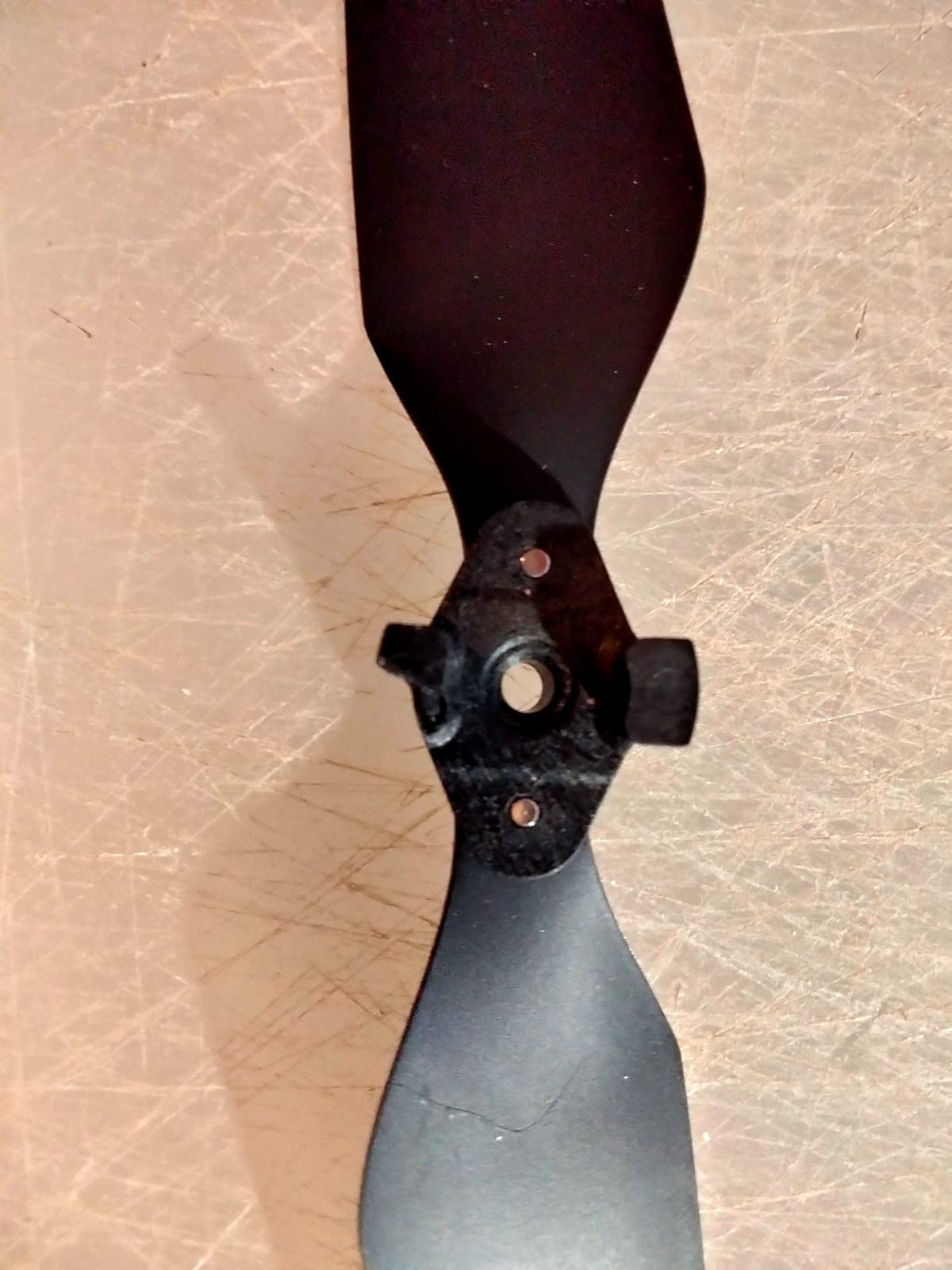
The Fly More Combo includes three batteries, six propellers, ND filters, and a carrying case, which is a complete commercial starter kit. At 1.3 pounds, the Air 2 is portable enough to throw in a backpack, and the 34-minute flight time is honest in normal conditions.
For new Part 107 commercial pilots, the Mavic Air 2 is a smart first drone. The flight characteristics are forgiving, the obstacle sensing in three directions is reliable, and the learning curve is short. You can build your commercial skills without the pressure of flying a flagship platform.
Why this is the right entry-level pick
If you are just getting into commercial drone work, the Mavic Air 2 Fly More Combo gives you everything you need to start at a price that does not risk your capital. The image quality is good enough for real estate, basic commercial photography, and small business marketing work. As your business grows, you can step up to the Air 3S or Mavic 4 Pro.
What to expect from the older platform
The Mavic Air 2 is an older design, and you will not get the latest transmission technology, obstacle sensing, or flight time. For pure professional work, the Air 3S and Mavic 4 Pro are better choices. For a budget entry point or a backup drone, the Air 2 still delivers real value.
What to Look for in a Commercial Drone in 2026
Choosing the best drone for commercial use comes down to matching the platform to your actual job requirements. I have walked buyers through this decision hundreds of times, and the questions below are the ones that matter most. If you can answer them clearly, the right drone becomes obvious.
Camera quality and sensor size
For aerial photography and video work, sensor size is the single most important spec. A 1-inch sensor is the minimum I recommend for commercial work, and a 4/3 sensor (found in the Mavic 3 and Mavic 4 Pro lines) is the gold standard for stills. For video, look for 10-bit color and log profiles that give you post-production flexibility. The Autel EVO II Pro V3 and DJI Mavic 4 Pro are the strongest choices if image quality is your top priority.
Flight time and battery system
Longer flight time means more work per battery and fewer swaps in the field. Look for drones that deliver at least 30 minutes of honest flight time in real conditions. Hot-swappable batteries are a major productivity win on long job sites. The Mavic 4 Pro at 51 minutes and the Air 3S at 45 minutes lead the current consumer commercial space.
Obstacle avoidance and safety systems
Omnidirectional obstacle sensing with LiDAR is the new standard for safe commercial flight. If you fly near structures, trees, or people, this is non-negotiable. The DJI Mavic 4 Pro, Air 3S, and Autel EVO II Pro V3 all offer comprehensive obstacle systems. Drones with only forward or downward sensing are risky for commercial work.
Transmission range and signal reliability
For mapping, inspection, and long linear jobs, transmission range matters. DJI’s O4+ system at 30km on the Mavic 4 Pro and Autel’s SkyLink 2.0 at 15km are the current leaders. Real-world performance is shorter than the rated range, but a strong signal in suburban and urban interference is what you want.
Payload capacity and modularity
If you need thermal imaging, multispectral sensors, or LiDAR, you will need a platform that supports payload swaps. The DJI Matrice series and Autel EVO II Dual are the entry points for this kind of work. For pure photography and video, a fixed camera drone like the Mavic 4 Pro is the better choice.
FCC, NDAA, and Remote ID compliance
This is the topic that confuses most commercial buyers, so I will address it directly. The FCC has taken action against new DJI models that lack required equipment authorizations, and some government and enterprise buyers now require NDAA compliance or Blue UAS listing. The Autel EVO II series and Skydio platforms are the most common alternatives for buyers with strict NDAA requirements. For most commercial buyers outside of government work, current DJI models remain legal to operate in the United States, but the situation is evolving. Check the latest FAA and FCC guidance before making a major purchase.
Software ecosystem and workflow integration
For mapping and surveying, the drone’s compatibility with Pix4D, DroneDeploy, and other photogrammetry platforms is critical. DJI has the strongest third-party software ecosystem, which is why the Mavic 3 Classic is a mapping favorite despite lacking a dedicated RTK module. Autel’s ecosystem is smaller but growing. Skydio has strong autonomy and mapping tools but limited availability in the consumer commercial space.
Frequently Asked Questions
Do I need a license to fly a drone commercially?
Yes. In the United States, any commercial drone operation requires a Part 107 Remote Pilot Certificate from the FAA. The certification process involves passing an aeronautical knowledge test at an approved testing center, and the certificate must be renewed every 24 months. Recreational flyers operating strictly for hobby purposes under the Exception for Limited Recreational Operations do not need a Part 107 certificate, but any business use, paid work, or compensation of any kind triggers the Part 107 requirement regardless of drone weight or value.
How much does a good commercial drone cost?
A solid commercial drone starts at around 1,000 dollars for entry-level platforms like the DJI Mavic Air 2 and climbs to 3,000 dollars for flagship photography drones like the DJI Mavic 4 Pro. Thermal and inspection drones like the Autel EVO II Dual 640T V3 typically run 3,500 to 5,000 dollars. Enterprise platforms with RTK, LiDAR, and industrial payloads range from 10,000 to 40,000 dollars or more. Plan for accessories, extra batteries, software subscriptions, and Part 107 training as part of your total budget.
Are DJI drones illegal now?
DJI drones are not broadly illegal in the United States as of 2026, but the regulatory situation is evolving. The FCC has placed certain newer DJI models on a restricted equipment authorization list, meaning they cannot be imported or sold without further authorization. Existing units already in the United States remain legal to operate under current FAA rules. Government and enterprise buyers should check NDAA and Blue UAS compliance requirements, which exclude most current DJI models. Commercial pilots should monitor FAA and FCC updates before any major purchase.
What is the largest size drone you can fly without a license?
Under FAA rules, all commercial drone operations require a Part 107 certificate regardless of drone size or weight. For purely recreational flying, the FAA Exception for Limited Recreational Operations applies to drones under 55 pounds, but any business use triggers Part 107. Drones under 250 grams like the DJI Mini 5 Pro face fewer registration and labeling requirements, but commercial use of even a sub-250g drone still requires Part 107 certification in the United States.
What drone should I buy for commercial use?
The right commercial drone depends on your specific work. For real estate, photography, and general commercial video, the DJI Mavic 4 Pro Fly More Combo is the best all-around choice. For thermal imaging and inspection, the Autel EVO II Dual 640T V3 is the strongest pick. For NDAA-sensitive government and enterprise work, the Autel EVO II Pro V3 or Skydio platforms are common alternatives. For entry-level commercial work, the DJI Air 3S Fly More Combo delivers the best value per dollar.
Is there a demand for commercial drone pilots?
Yes. The commercial drone industry continues to grow, with strong demand in construction, real estate, energy, agriculture, public safety, and media production. The Bureau of Labor Statistics projects strong growth for drone operators, and commercial drone pilot services are increasingly part of standard workflows in surveying, infrastructure inspection, and aerial photography. Pilots who add specialized skills like thermal imaging, photogrammetry, and LiDAR processing can command higher rates and more consistent work.
Do commercial drone pilots make good money?
Commercial drone pilot income varies widely by industry, region, and specialization. Entry-level real estate and event pilots often start at 150 to 300 dollars per hour, while specialized inspection, surveying, and utility pilots with thermal and LiDAR skills can command 400 to 800 dollars per hour or more. Full-time commercial drone operators in high-demand industries like energy and infrastructure inspection can build six-figure annual incomes. The strongest earners typically combine drone skills with adjacent expertise like GIS, 3D modeling, or data analysis.
Final Verdict: Which Commercial Drone Should You Buy in 2026?
After flying all 12 of these platforms on real commercial job sites, my top recommendation for most buyers is the DJI Mavic 4 Pro Fly More Combo. The 100MP Hasselblad camera, 51-minute flight time, 30km O4+ transmission, and comprehensive obstacle sensing make it the strongest all-around commercial platform in the current market. It is the drone I reach for first on most jobs.
If you are budget-conscious or just starting out, the DJI Air 3S Fly More Combo delivers the best value per dollar in the current market and remains my top recommendation for buyers under 1,500 dollars. For sub-250g commercial work and tight urban environments, the DJI Mini 5 Pro Fly More Combo Plus is unmatched. For thermal and inspection specialists, the Autel EVO II Dual 640T V3 remains the strongest consumer-grade thermal platform available.
Whatever you choose, get your Part 107 certification before you fly commercially, check the latest FCC and NDAA guidance if you serve government or enterprise clients, and invest in extra batteries and a quality case. The drone is only part of the equation; the pilot, the workflow, and the supporting gear are what turn a flying camera into a commercial operation.
For more commercial equipment buying guides, our team has also tested the best commercial convection ovens and the best commercial blenders for bars. You can find those reviews and more at spencerlocke.net.