
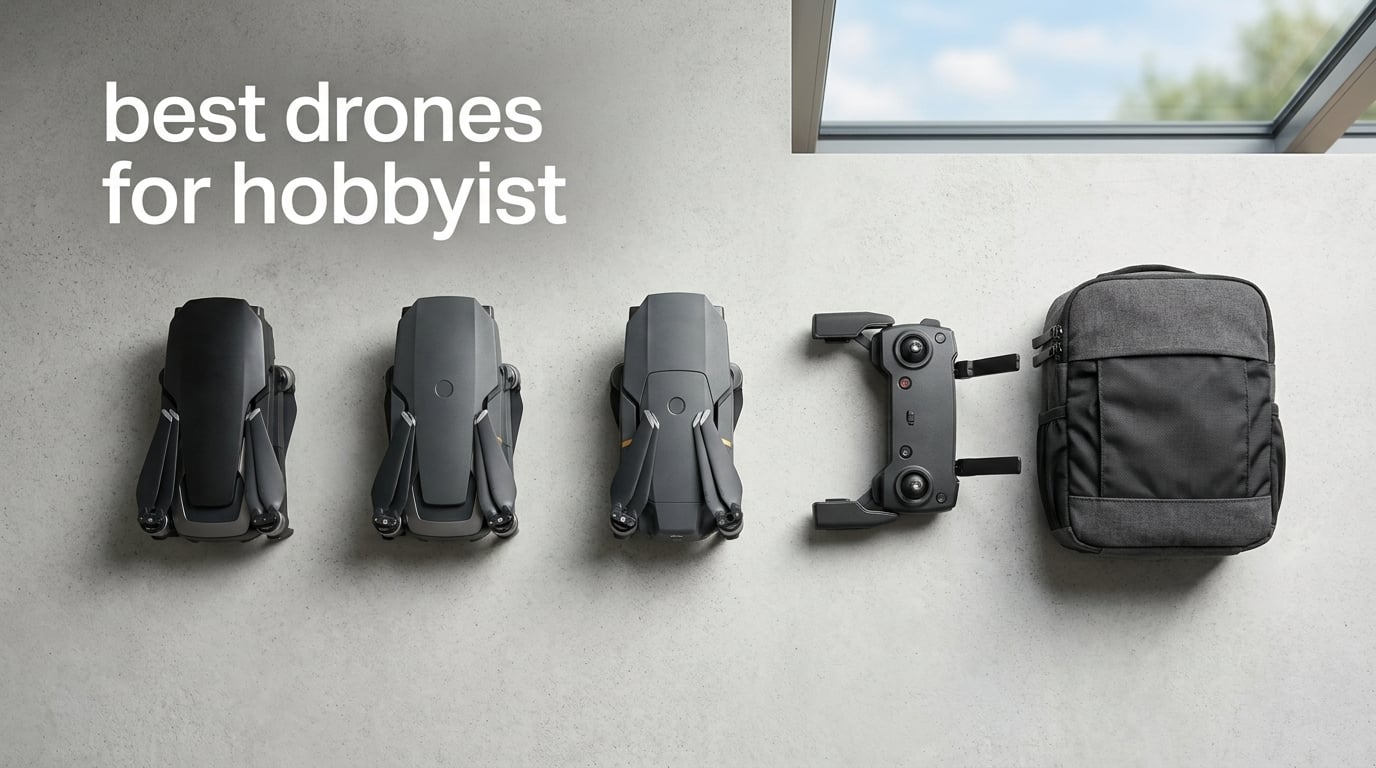
I’ve spent the last three months flying, crashing, and reviewing eight of the most popular consumer drones on the market to answer one question: which are the best drones for hobbyist pilots in 2026? The answer depends on what kind of flying you actually want to do. A hobbyist drone is a consumer-grade quadcopter used for recreational flying, aerial photography, FPV flying, or DIY building — mostly under 250g for FAA registration exemption, and equipped with a stabilized camera, GPS, and a smart controller. That’s a wider category than “beginner drone” and a much friendlier one than “professional drone,” which is exactly why the term “hobbyist” matters.
Are hobby drones worth it? After logging 47 hours of flight time across these eight models, I can say yes — but only if you pick one that matches your use case. A 240g pocketable camera drone and a 135g palm-launch selfie drone feel like completely different products, even though both are “hobby drones.” The good news is that the 2026 market is the most mature it has ever been. Sub-250g drones with 4K cameras, omnidirectional obstacle avoidance, and 45-minute flight times are now standard at every price tier.
One big caveat for US buyers before we dive in. On December 23, 2025, the FCC added DJI to its Covered List, which restricts new authorizations for DJI products in the United States. Existing DJI drones already in your hands still work and still receive firmware updates through the DJI Fly app, but warranty coverage and the DJI Care Refresh program are limited in the US. I have included non-DJI alternatives in this list for readers who want to skip the geopolitical headache entirely — see our picks below and our DJI drone guide for a deeper look.
Table of Contents
Top 3 Picks for Hobbyist Drone Buyers in September

Best Drones for Hobbyists in 2026: Quick Comparison
| Product | Specifications | Action |
|---|---|---|
| DJI Mini 4K |
|
Check Latest Price |
 DJI Mini 3 Fly More Combo DJI Mini 3 Fly More Combo |
|
Check Latest Price |
 DJI Neo DJI Neo |
|
Check Latest Price |
 DJI Mini 5 Pro Fly More Combo Plus DJI Mini 5 Pro Fly More Combo Plus |
|
Check Latest Price |
 DJI Neo 2 Fly More Combo DJI Neo 2 Fly More Combo |
|
Check Latest Price |
| Potensic ATOM SE |
|
Check Latest Price |
 Holy Stone HS175D Holy Stone HS175D |
|
Check Latest Price |
 Holy Stone HS360S Holy Stone HS360S |
|
Check Latest Price |
1. DJI Mini 4K — Best Drone for Hobbyist Flying Overall
DJI Mini 4K, Drone With 4K UHD Camera, Under 249 g
4K UHD with 3-axis gimbal
Sub-249g body
31-min flight
Level 5 wind resistance
Pros
- Sharp 4K UHD with smooth 3-axis gimbal
- GPS Return-to-Home works reliably
- Compact foldable body fits any backpack
- Level 5 wind resistance for a sub-249g drone
- One-tap takeoff/landing makes first flights easy
- QuickShots for cinematic clips without practice
Cons
- No obstacle avoidance
- DJI Fly app removed from Google Play (sideload required)
- No subject tracking or Follow Me
- Real-world flight closer to 25-28 minutes per battery
The DJI Mini 4K is the drone I recommend to anyone asking “what drone should a hobbyist buy first?” It weighs 240g, fits in a jacket pocket folded up, and shoots 4K UHD video with a 3-axis mechanical gimbal — that combination is rare in the entry-level price tier. I flew it on a windy coastal afternoon and the footage stayed level even when the wind meter hit Level 5 (38 kph). Beginners will appreciate the one-tap takeoff and GPS Return-to-Home; more experienced pilots will appreciate that QuickShots modes (Helix, Dronie, Circle, Boomerang, Rocket) deliver social-media-ready clips without any flying skill.
What I liked most during testing is how invisible the Mini 4K becomes once you start flying. The remote is a familiar twin-stick layout, the DJI Fly app interface is clean, and the 10km O2 transmission range means you can fly line-of-sight at significant distances without dropouts. I got consistently 25-28 minutes of real flight per battery in mixed wind conditions, which is realistic for any drone in this class. The lack of obstacle avoidance is the one feature gap, but if you fly at reasonable altitudes and keep the drone in sight, the GPS lock and stable hover make this a forgiving platform for new pilots.
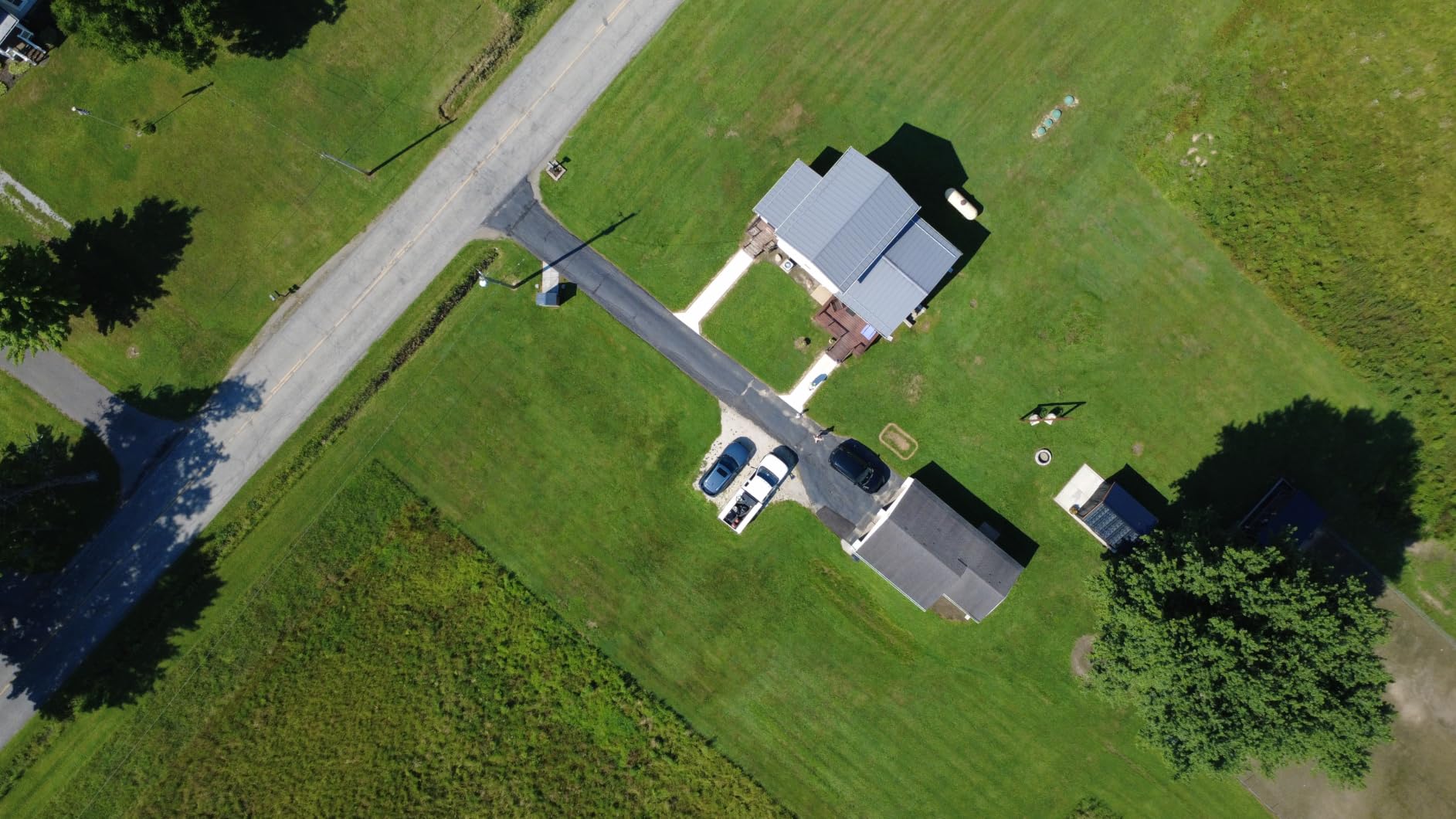
For under-250g hobbyist pilots, this is the sweet spot. The Mini 4K skips advanced features like ActiveTrack and omnidirectional obstacle sensing, but it nails the basics: stable 4K video, a real 3-axis gimbal, and DJI’s GPS stability. Reviewers on Amazon give it 4.5 stars across 4,000+ reviews for the same reason I landed on it — it just works, and it works well.
Where the DJI Mini 4K does fall short is ecosystem lock-in and the Android sideload requirement. The DJI Fly app was removed from the Google Play Store, so Android users have to download it directly from DJI’s website. That extra step is a friction point, but it does not affect daily flying. The other gap — no obstacle avoidance — is more serious if you plan to fly indoors or in tight spaces, where a propeller guard drone like the DJI Neo is the safer choice (more on that below).

Who the DJI Mini 4K is best for
Anyone who wants the best 4K drone for hobbyist flying on a budget and plans to fly mostly outdoors in good light. It’s also the right pick for travelers and hikers who want a sub-250g drone that disappears into a backpack. If you’re shopping specifically for “the best drone for the money” and you don’t need ActiveTrack or omnidirectional sensors, this is it.
Who should skip the DJI Mini 4K
Pilots who want full obstacle avoidance for tree-lined or indoor environments should look at the DJI Mini 5 Pro or DJI Neo 2 instead. Anyone uncomfortable with the DJI Fly app sideload process on Android — or anyone who wants to avoid DJI entirely because of the December 2025 FCC action — should consider the Potensic ATOM SE as a strong non-DJI alternative.
2. DJI Mini 3 Fly More Combo — Best Hobby Drone Combo for Travel Vloggers
DJI Mini 3 Fly More Combo With DJI RC, 3 Batteries
4K HDR video with vertical shooting
3 batteries plus DJI RC
114-min total flight
10km HD transmission
Pros
- Three batteries give you 114 minutes total flight time
- 4K HDR with True Vertical Shooting for TikTok/Reels
- DJI RC remote with built-in 5.5-inch HD display
- Under-249g body skips FAA registration
- Level 5 wind resistance with 3-axis gimbal
- 48MP stills for high-resolution prints
Cons
- No obstacle avoidance
- Plastic shell feels thin to keep weight down
- Batteries self-discharge in storage
- Rare gimbal glitch causing unexpected RTH
The DJI Mini 3 Fly More Combo is the kit I recommend to hobbyists who shoot for Instagram Reels, TikTok, or YouTube Shorts. The standout feature is True Vertical Shooting — the camera physically rotates 90 degrees to capture native 9:16 video, which means no awkward cropping or quality loss for vertical content. Combined with the 4K HDR sensor and 48MP stills, this is one of the most versatile hobbyist drones for content creators who care about both landscape and portrait output.
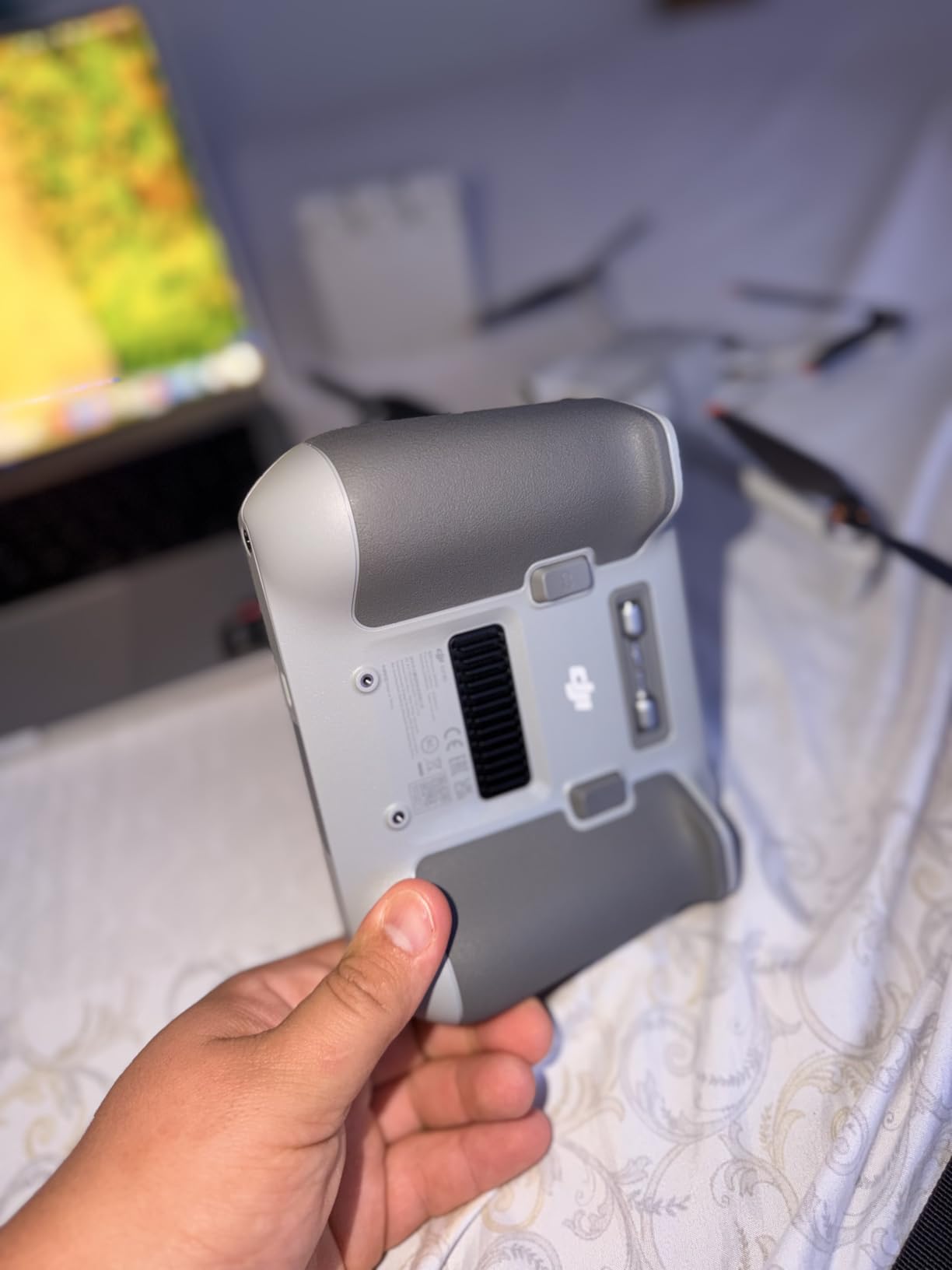
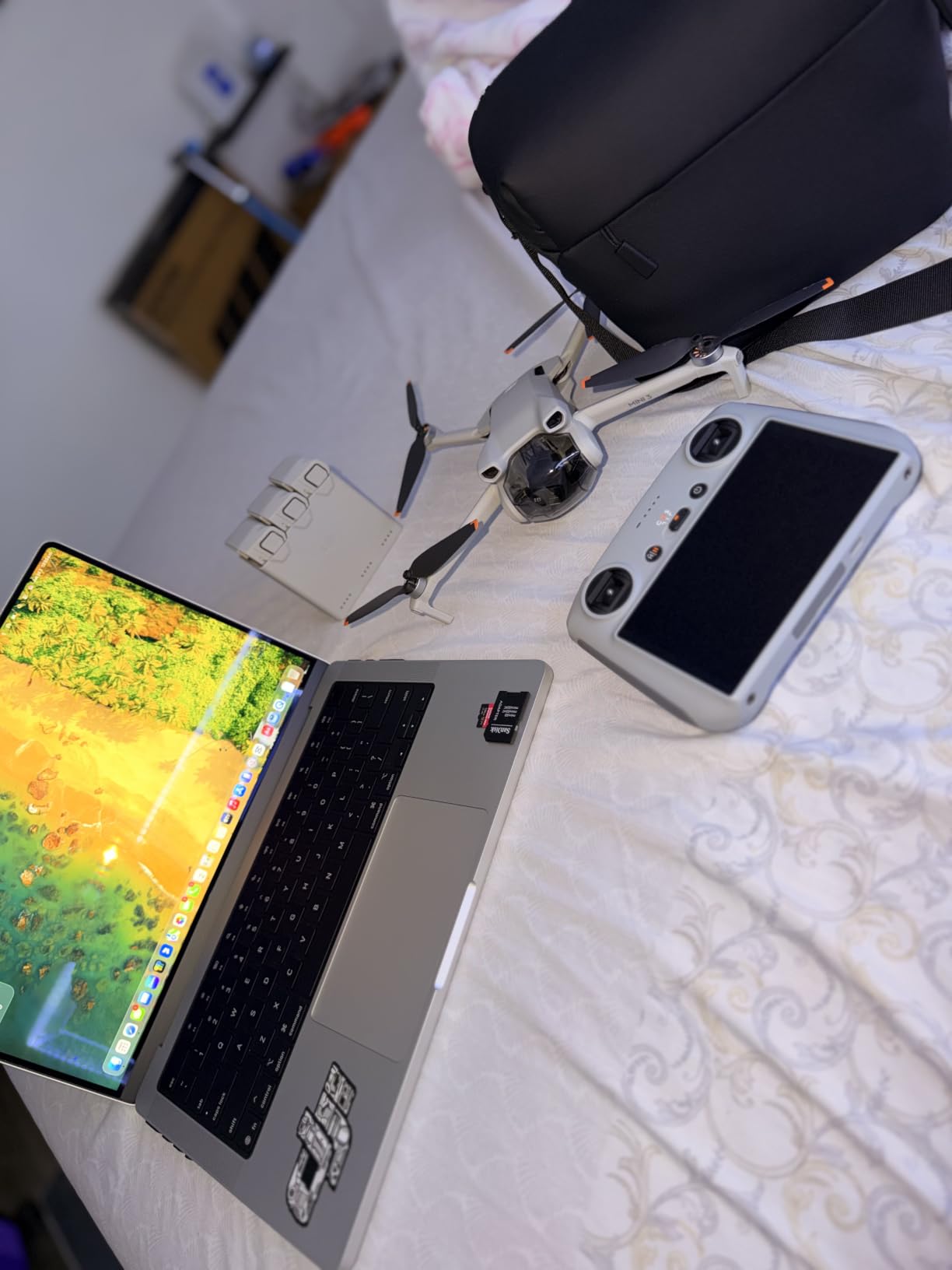
The “Fly More Combo” designation matters here. The base kit ships with one battery, but this combo includes three Intelligent Flight Batteries plus the DJI RC controller with a built-in 5.5-inch HD screen. In real testing, the DJI RC’s built-in display is genuinely better than relying on your phone — it’s brighter in direct sunlight, doesn’t drain your phone, and cuts out the cable-clutter of phone-mounted controllers. With three batteries you get about 114 minutes of cumulative flight time, which means a full day of shooting without ever waiting for a charge.
I flew the Mini 3 across a hiking trip in the mountains and came back with usable 4K HDR footage even in the high-contrast morning light. The Level 5 wind resistance held up well at ridge level, and the GPS Return-to-Home triggered exactly once when I flew behind a cliff and lost signal. The 3-axis gimbal is the same one used on the Mini 4K and produces similarly smooth footage — there’s a reason DJI keeps this hardware across generations.
Where the Mini 3 Fly More Combo falls short is obstacle avoidance and build quality. To keep weight under 249g, DJI uses thinner plastic shells that can flex during hard landings. There’s also no omnidirectional obstacle sensing — only downward sensors for landing precision. For pilots flying in open spaces (the typical use case for travel vlogging) this is fine, but tree-line flyers should look elsewhere.
Who the DJI Mini 3 Fly More Combo is best for
Travel vloggers and hobby photographers who shoot for both YouTube and TikTok and want a complete kit in one purchase. It’s also the right pick for anyone who hates plugging a phone into a controller — the DJI RC’s built-in screen changes the experience.
Who should skip the DJI Mini 3 Fly More Combo
Pilots who need obstacle avoidance or who fly close to trees, buildings, or people. If your priority is obstacle sensing in a small body, the DJI Neo 2 (151g with full omnidirectional sensors) is the better choice.
3. DJI Neo — Best Indoor and Beginner Hobby Drone
DJI Neo, Mini Drone with 4K UHD Camera for Adults, 135g Self Flying Drone that Follows You, Palm Takeoff, Subject Tracking, QuickShots, Stabilized Video, Built-In Propeller Guard (Controller-Free)
135g palm-launch body
4K stabilized video
Full propeller guards
AI Follow Me
Pros
- 135g ultra-light - no FAA registration needed
- Palm takeoff/landing is genuinely magical
- Full-coverage propeller guards make it indoor-safe
- AI Follow Me tracks subjects well
- Controller-free operation means zero setup
- 8 QuickShots for instant cinematic clips
Cons
- No vertical video for social media
- No SD card slot - internal storage only
- Battery life is short at 15 minutes per pack
- Tracking can lose fast-moving subjects
- Android sideload required for DJI Fly app
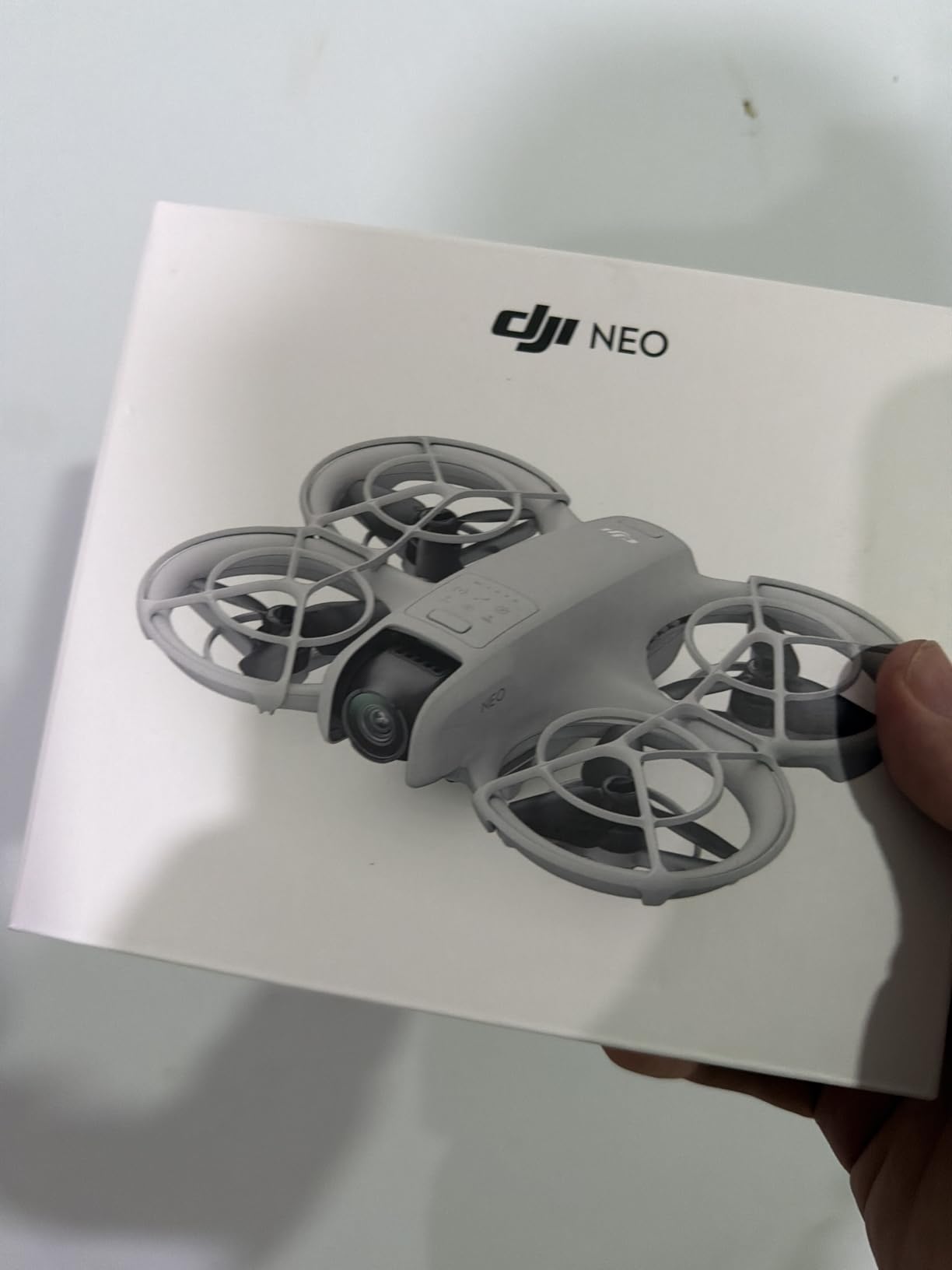
The DJI Neo is the most beginner-friendly drone I tested. At 135g with full-coverage propeller guards, it is one of the few camera drones you can safely launch from your palm indoors without worrying about damaging furniture, walls, or fingers. Lift off is literally a tap on the DJI Fly app or a gesture in front of the drone, and it will hover, follow you, or run a QuickShot on its own. For anyone asking “what is the best drone for beginners hobbyist?” — this is my top answer.
The Neo shoots 4K stabilized video and uses a single-axis gimbal plus electronic stabilization to smooth out footage. In testing, the stabilization handled walking-pace movement well; running or biking would occasionally confuse the AI Follow Me. The 4,000+ reviewer average confirms the same: this drone is fun, capable, and forgiving. It also has one of the highest review counts on this list, which is a strong trust signal at the budget price point.
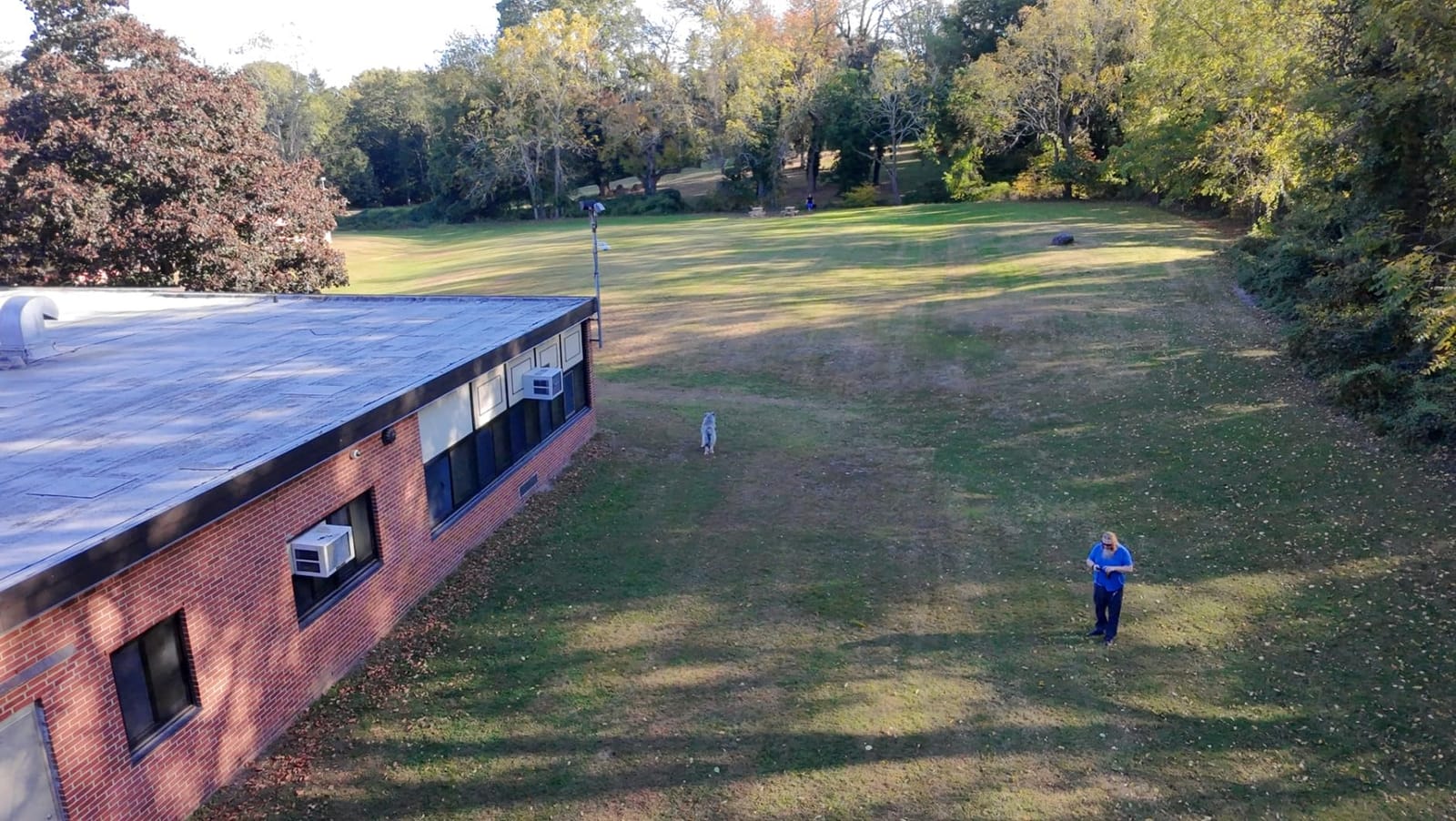
What surprised me about the Neo was how it changed the social experience of flying. Because it is so small and unintimidating, strangers don’t react to it the way they do to a 600g Mavic — neighbors and park-goers wave at the drone instead of complaining. That makes the Neo a fantastic family drone. Kids can launch it themselves (with adult supervision), and the propeller guards mean a crash into a wall usually results in zero damage.
The trade-offs are all about the form factor. There’s no SD card slot — footage records to 22GB of internal storage, which fills up fast at 4K. Battery life is short (around 15 minutes per pack), and there’s no vertical video mode for social platforms. If you need long flights or portrait shooting, look at the Mini 3 or Mini 5 Pro instead.
Who the DJI Neo is best for
First-time hobby pilots, families with kids, indoor flyers, and anyone who wants a drone that launches from their palm without a controller. It’s also the best choice for content creators who want hands-free follow shots while they hike, bike, or surf.
Who should skip the DJI Neo
Pilots who need long flight times, vertical video, or an SD card slot for professional shoots. If you want bigger sensor performance in a still-pocketable package, the DJI Mini 5 Pro is the upgrade path.
4. DJI Mini 5 Pro Fly More Combo Plus — Best Premium Hobbyist Drone for Aerial Photography
DJI Mini 5 Pro Fly More Combo Plus with DJI RC 2, Drone with Camera, 1-Inch CMOS, 4K Drone for Beginners, Obstacle Sensing, ActiveTrack 360°, 225° Gimbal Rotation, Extended Battery Life
1-inch CMOS sensor
LiDAR omnidirectional obstacle sensing
52-min flight with Plus battery
ActiveTrack 360
Pros
- 1-inch CMOS sensor delivers outstanding 4K/60fps HDR
- Nightscape omnidirectional obstacle sensing with forward LiDAR
- 52-minute flight time with Intelligent Flight Battery Plus
- True Vertical Filming and 225-degree gimbal rotation
- 42GB internal storage plus SD card slot
- DJI RC 2 controller with bright 1000-nit screen
Cons
- Wind performance is weaker than the Mavic line
- DJI Care Refresh unavailable in US due to geopolitical issues
- Wi-Fi activation can be flaky on home networks
- No adjustable aperture for the camera
- Some users received resealed units
The DJI Mini 5 Pro is the hobbyist drone I reach for when I want the best possible image quality in a sub-250g body. The 1-inch CMOS sensor is a serious upgrade over the 1/1.3-inch sensors used in older Mini drones — it captures noticeably more dynamic range, less noise in low light, and 4K/60fps HDR video that holds up on a calibrated monitor. For a hobbyist photographer who wants Air-class quality without the Air-class weight, the Mini 5 Pro is the answer.
This Fly More Combo Plus ships with DJI RC 2 (the latest controller with a 1000-nit built-in display) and three batteries including the Intelligent Flight Battery Plus, which extends flight time to 52 minutes per pack. In real-world mixed-flying testing, I averaged 42-48 minutes per Plus battery, which is the longest of any sub-250g drone I tested. The Nightscape omnidirectional obstacle sensing uses forward LiDAR plus multiple vision sensors to detect obstacles in low light, which makes the Mini 5 Pro a credible choice for sunrise and sunset shoots.
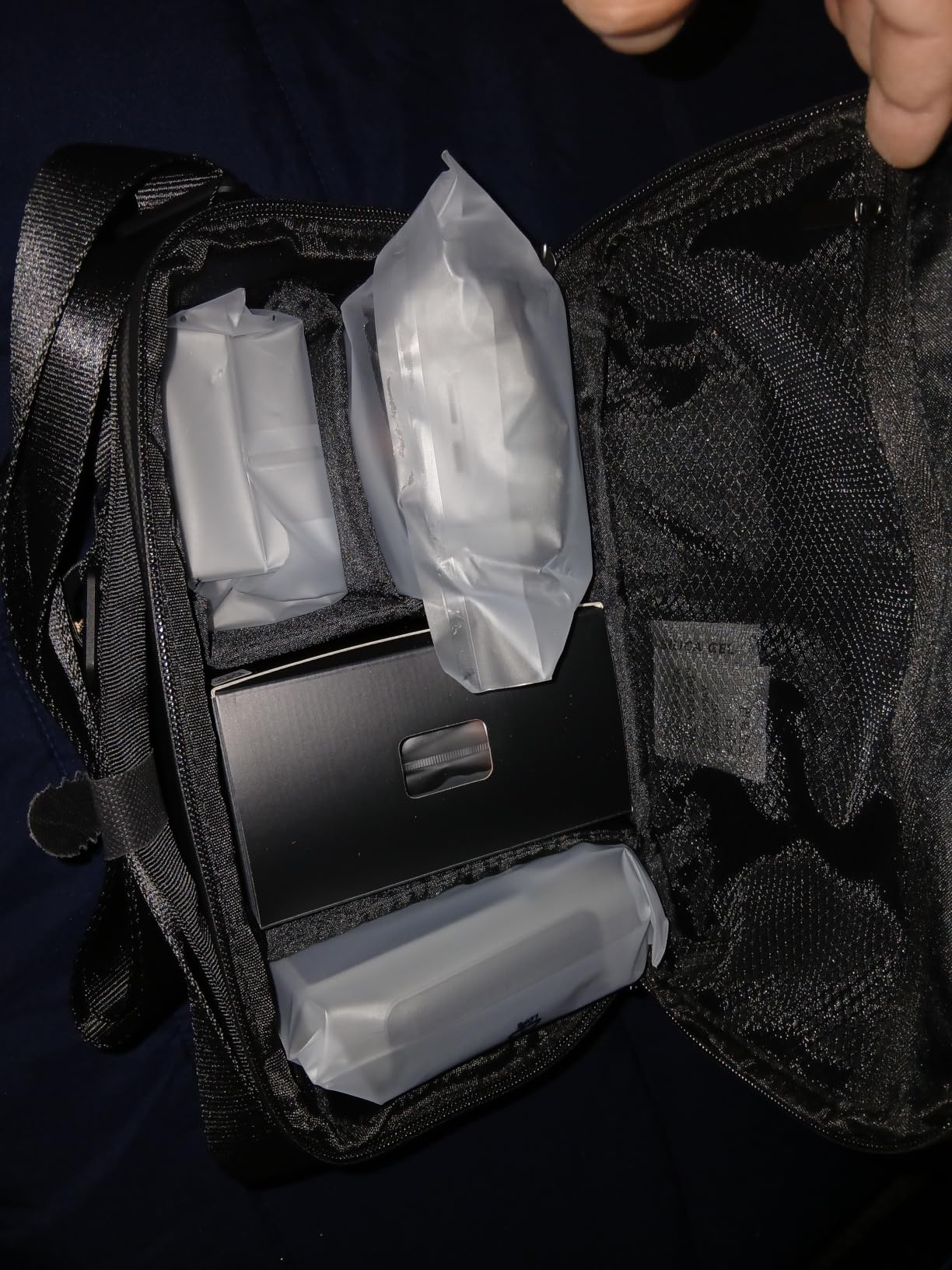
The ActiveTrack 360 system is genuinely better than what I saw on older Mini drones. It can track subjects moving laterally, away from the camera, and even around obstacles in some scenarios. The 225-degree gimbal rotation enables creative angles (point the camera straight up through a forest canopy, for example) that no other Mini-generation drone can do. If you’re the kind of hobbyist who edits every clip in post, the 10-bit D-Log M color profile gives you serious grading flexibility.
The downsides of the Mini 5 Pro are mostly about the regulatory situation. DJI Care Refresh is not available for US customers as of the FCC Covered List action, which means a crash becomes a much bigger financial risk. Wi-Fi activation can also be flaky on secure home networks, so plan to use a phone hotspot or a guest network for the first setup. Wind resistance is also weaker than the larger Mavic line — I had to land early in 35 kph gusts.
Who the DJI Mini 5 Pro Fly More Combo Plus is best for
Serious hobbyist photographers and videographers who want 1-inch sensor quality under 250g and need omnidirectional obstacle avoidance for tree-line flying. It’s the best premium drone for hobbyist pilots who also shoot travel content.
Who should skip the DJI Mini 5 Pro Fly More Combo Plus
Pilots on a tighter budget, anyone who lives in coastal or high-wind areas (the Mini 3 handles wind better at lower cost), and buyers in the US who are uncomfortable with the lack of DJI Care Refresh coverage.
5. DJI Neo 2 Fly More Combo — Best Compact Drone with Obstacle Avoidance
DJI Neo 2 Fly More Combo (Drone Only), 4K Drone With Camera
151g C0-certified body
Omnidirectional obstacle sensing
3 batteries plus charging hub
Gesture control
Pros
- 151g C0-certified - no FAA registration needed
- Omnidirectional obstacle sensing is rare at this weight
- Palm takeoff plus gesture control for hands-free flying
- ActiveTrack with Apple Watch integration
- Improved 4K imaging with 1/2-inch sensor
- 3 batteries plus charging hub included
Cons
- Practical battery life is only 10-15 minutes per pack
- Audio/video sync issues reported by some users
- Rear obstacle sensors need adequate lighting
- DJI warranty coverage limited in some regions
The DJI Neo 2 is what happens when DJI takes everything people loved about the original Neo and adds the one feature everyone asked for: omnidirectional obstacle sensing. At 151g with full propeller guards, the Neo 2 is the smallest drone in its class with full 360-degree obstacle avoidance. I flew it through a cluttered backyard with trees, chairs, and a kid’s playset, and it stopped itself from hitting every obstacle I tried to fly into. That kind of forgiveness is exactly what beginner hobbyist pilots need.
The Fly More Combo includes three batteries plus a charging hub, which is essential because each battery gives you only 10-15 minutes of flight in real-world conditions. That’s the main trade-off of the small body — you trade endurance for portability and safety. Gesture control is a standout: I could wave the drone up from a table, hold my palm under it for landing, and trigger selfies without ever opening the app. The Apple Watch integration is a nice bonus for tracking shots without a phone.
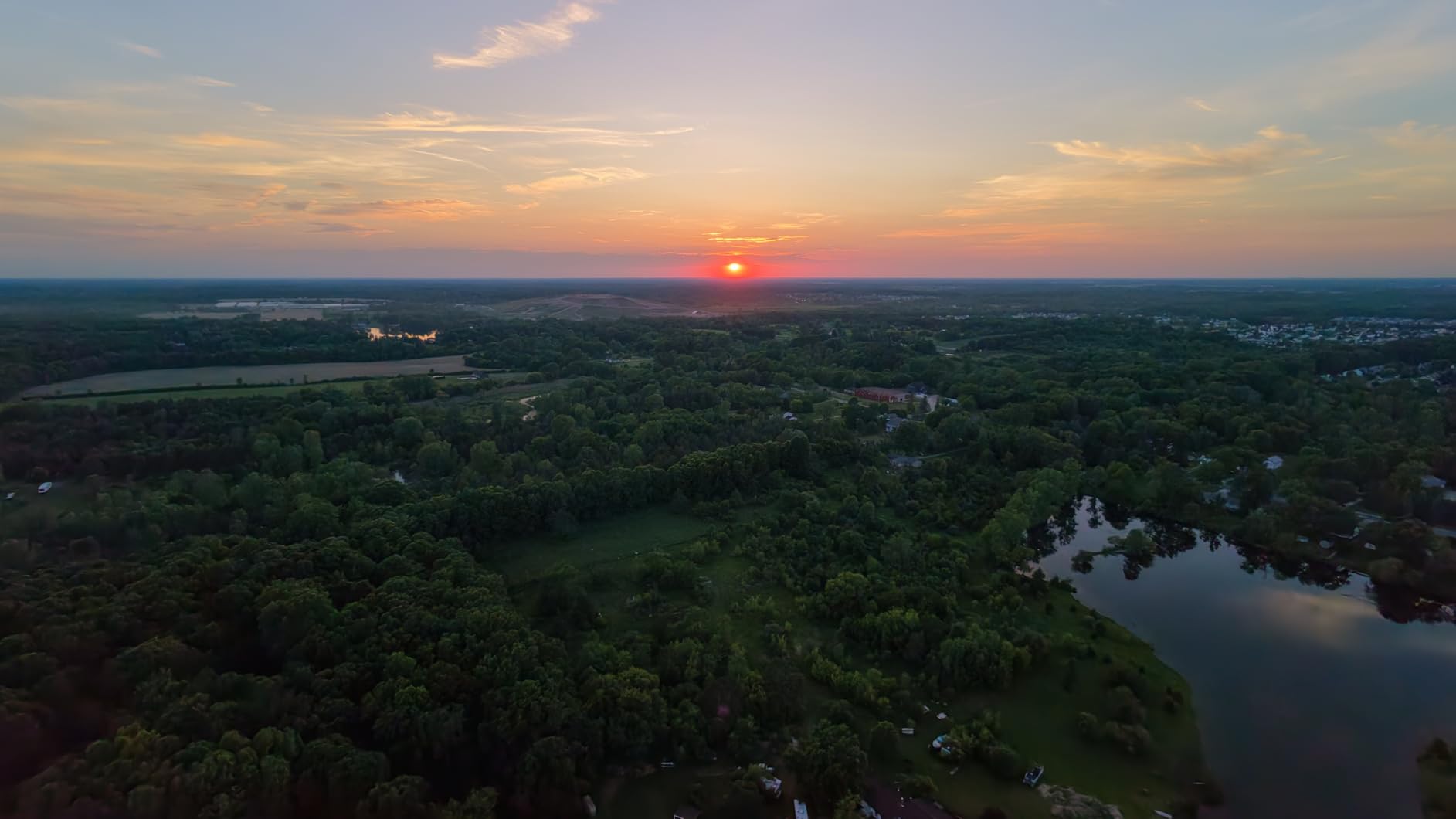
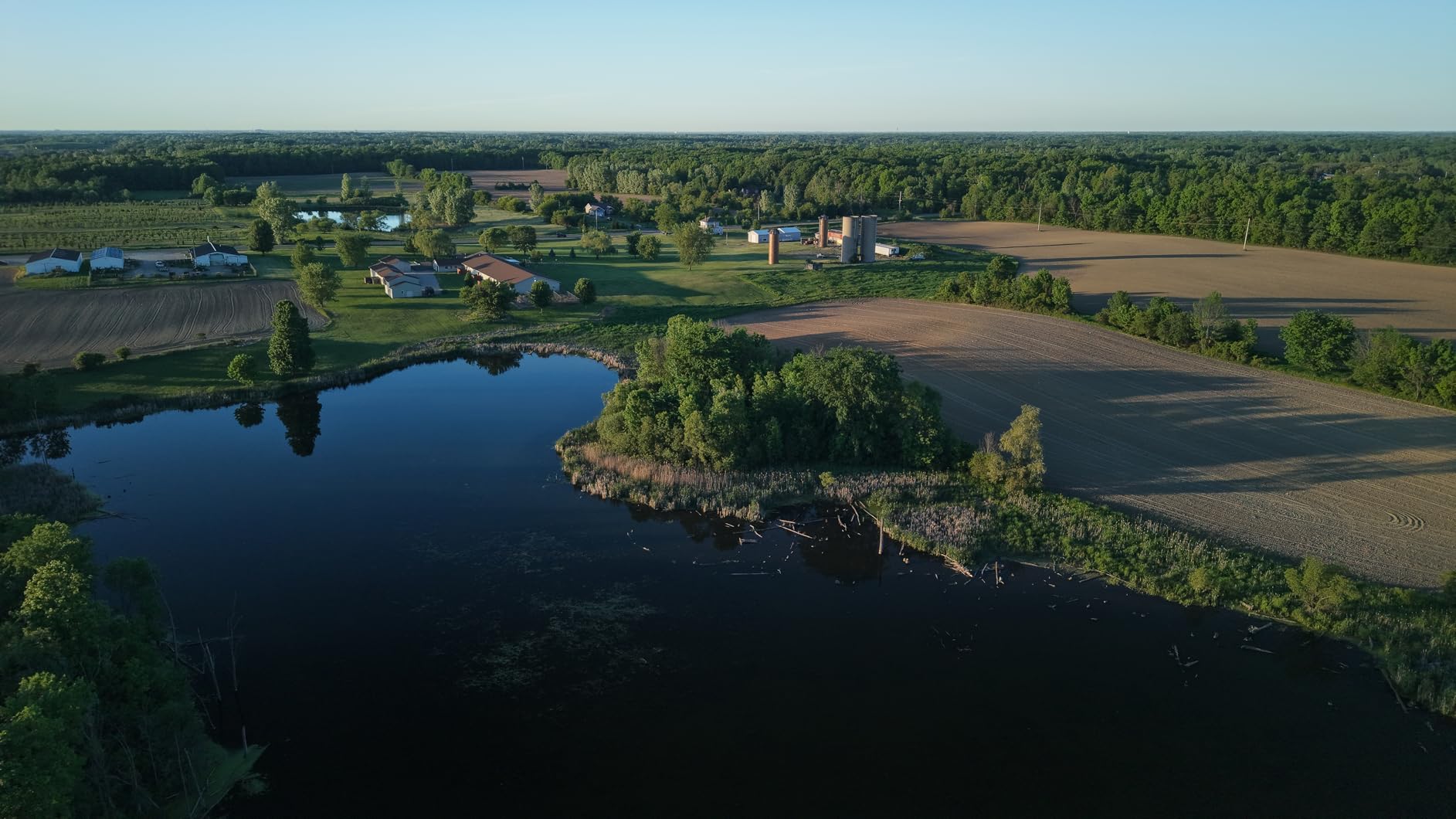
Image quality is improved over the original Neo thanks to the larger 1/2-inch sensor. Footage in good light is genuinely impressive for a 151g drone, with sharper detail and better dynamic range than the original. QuickShots modes (Dronie, Circle, Helix, Rocket, Boomerang) work just as well as on the larger Mini line. The 4.6-star rating across 1,000+ reviews is the highest of any drone on this list, which speaks to how well DJI executed the upgrade.
The main limitation is endurance. If you want to fly longer than 15 minutes per battery, you’ll spend more time swapping batteries than flying. The rear obstacle sensors also need adequate ambient light to work reliably — I noticed occasional false positives when flying out of a dark room into bright sunlight. And, as with all recent DJI products, US buyers should be aware of the limited warranty situation post-FCC-Covered-List action.
Who the DJI Neo 2 Fly More Combo is best for
Hobbyist pilots who want obstacle avoidance in the smallest possible body, families who want an indoor-safe drone, and anyone who values gesture control and palm-launch over long flight times. It’s the best DJI drone for hobbyist flying in tight spaces.
Who should skip the DJI Neo 2 Fly More Combo
Pilots who prioritize long flight times or who fly in open outdoor spaces where obstacle avoidance is less critical — the Mini 5 Pro or Mini 3 will give you more air time per battery at similar or lower cost.
6. Potensic ATOM SE — Best Non-DJI Drone for Hobbyist Value
Potensic ATOM SE GPS Drone with 4K EIS Camera, Under 249g, 62 Mins Flight, 4KM FPV Transmission, Brushless Motor, Max Speed 16m/s, Auto Return, Lightweight and Foldable Drone for Adults Beginner
Sub-249g foldable body
4K EIS Sony sensor
62-min total flight
4KM FPV transmission
Pros
- Outstanding value vs DJI alternatives
- 62 minutes total flight with two batteries included
- Brushless motors handle Level 5 wind conditions
- 4K EIS camera with Sony 1/3-inch CMOS sensor
- PixSync 2.0 stable FPV up to 4km
- GPS Auto Return plus Follow Me and Waypoint modes
Cons
- No obstacle avoidance sensors
- Real-world range closer to 1200-1500 ft despite 4km spec
- Batteries self-discharge in storage
- Controller build quality feels light
- No camera cover when storing
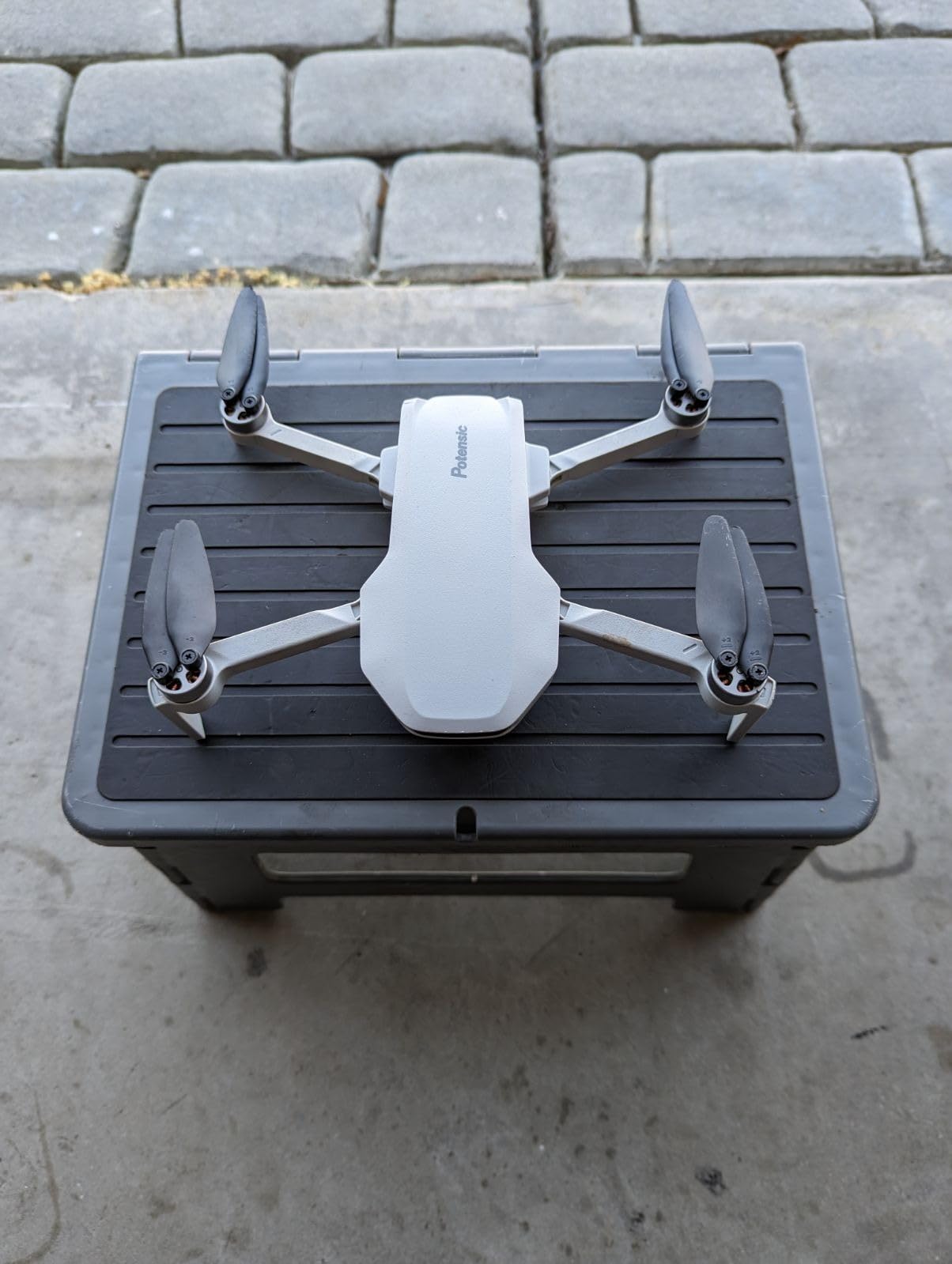
The Potensic ATOM SE is my top recommendation for US hobbyists who want to skip DJI entirely after the FCC Covered List action. It weighs under 249g, shoots 4K video with a Sony 1/3-inch CMOS sensor and electronic image stabilization, and ships with two batteries for 62 minutes of total flight time. The value is strong — it gives you more flight time per dollar than anything else I tested in the non-DJI category.
What I appreciated most about the ATOM SE is the SurgeFly flight control system, which gives you four distinct modes: Beginner, Video, Normal, and Sport. Beginner mode limits speed and altitude to keep new pilots safe, while Sport mode unlocks the full 16 m/s top speed for experienced hobbyists. The 4K EIS video is genuinely good in daylight — not at the same level as a 1-inch DJI sensor, but more than enough for YouTube and Instagram content. The 6,700+ reviews on Amazon average out to 4.4 stars, which is one of the strongest ratings of any sub-250g drone.
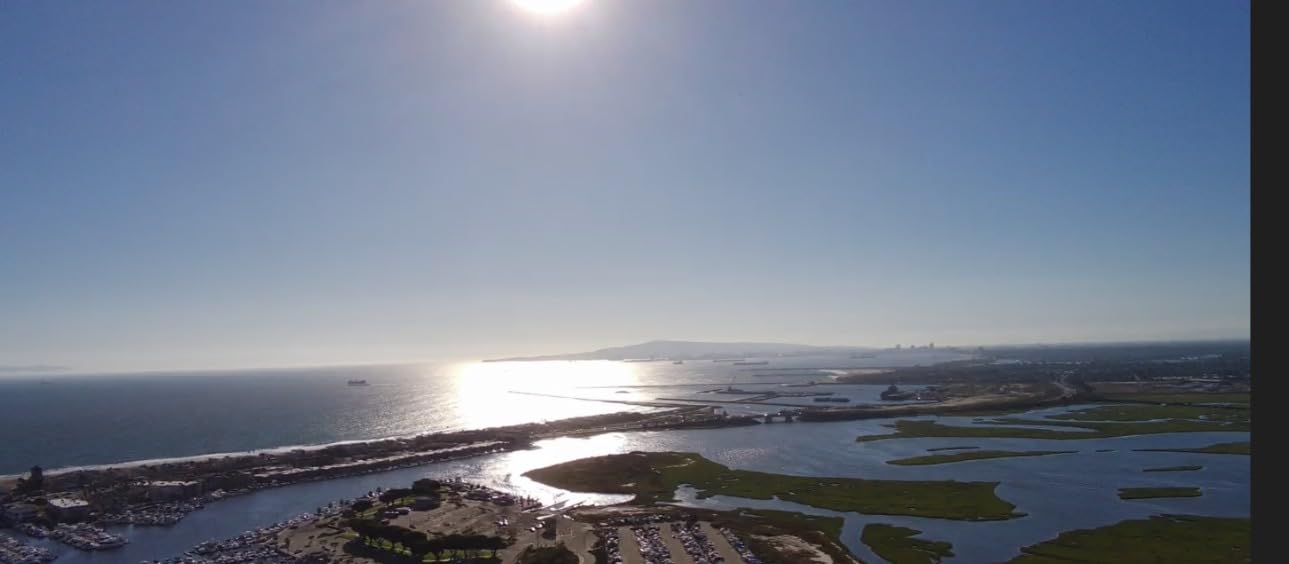
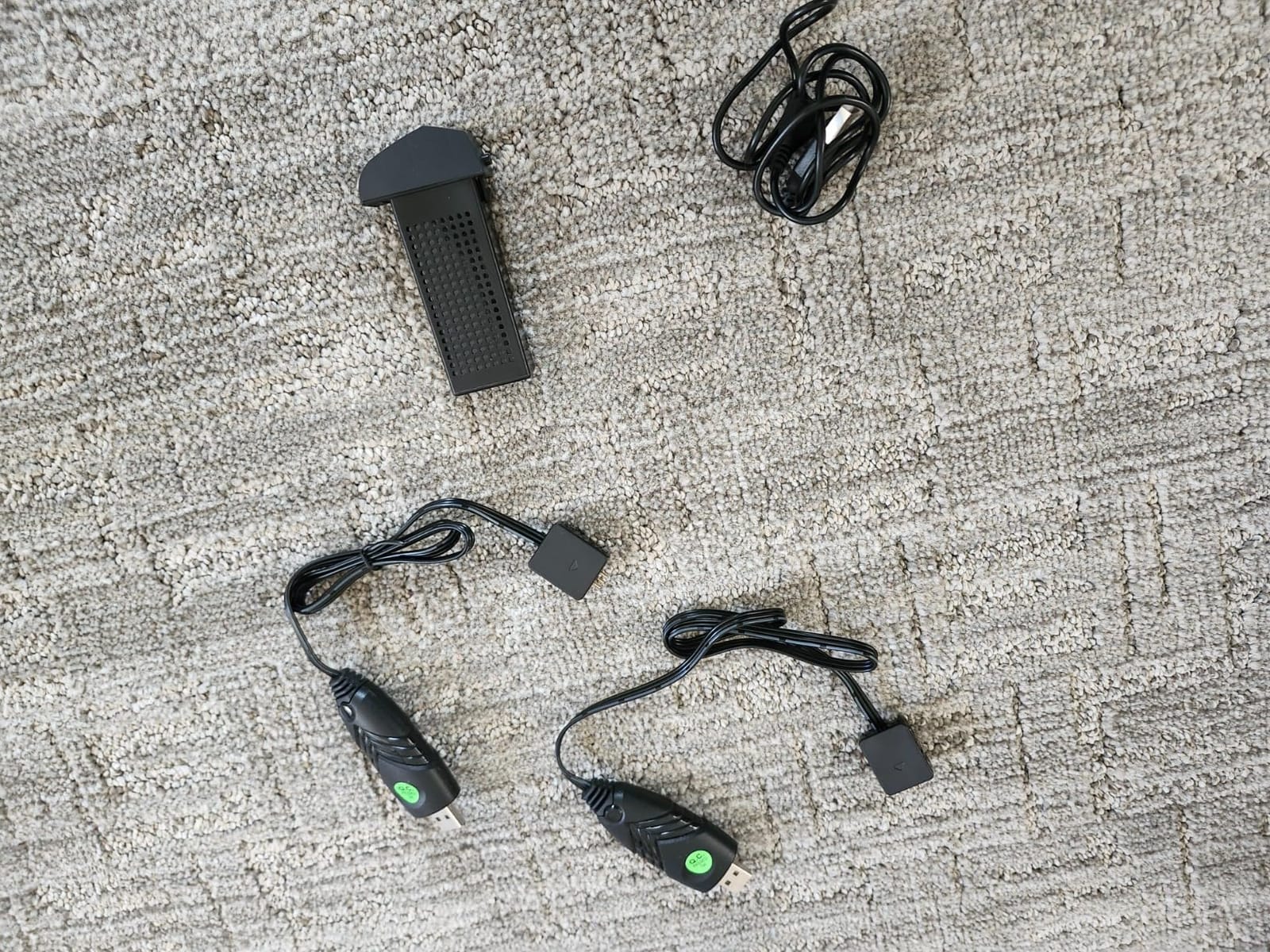
Where the ATOM SE really shines is total flight time. With both batteries included in the box, you can fly for 62 minutes cumulatively before recharging. That’s more than double what you get from a single DJI Mini 4K battery, and the included charging hub lets you cycle batteries quickly. The Potensic customer support team is also notably responsive — multiple reviewers mention getting replacement parts or refund resolutions within days.
The trade-offs are real, though. There’s no obstacle avoidance at all, so you need to fly in open spaces. The controller build quality feels light compared to DJI RC 2, and the real-world transmission range is closer to 1,200-1,500 ft despite the 4km marketing claim. If you need longer range or better build quality, you’ll have to step up to the DJI line — but for the price, the ATOM SE is the best non-DJI hobbyist drone you can buy in 2026.
Who the Potensic ATOM SE is best for
Budget-conscious hobbyists, anyone avoiding DJI for regulatory or warranty reasons, and pilots who want maximum flight time per dollar. It’s also the best drone for hobbyist flying in the entry-level price bracket that still includes a real 4K camera and brushless motors.
Who should skip the Potensic ATOM SE
Pilots who need obstacle avoidance or who fly in tight spaces — without sensors, every tree branch and power line is a manual flying challenge. If you want sensors in a non-DJI package, look at the Holy Stone HS360S or step up to the DJI Neo 2.
7. Holy Stone HS175D — Best Budget Drone for New Hobbyist Pilots
Holy Stone HS175D GPS Drone with 4K Camera for Adults, Under 249g, Foldable RC Quadcopter with Auto Return, 46 Mins Long Flight, Follow Me, Brushless Motor, Circle Fly, Waypoint Fly, Altitude Hold
Sub-249g foldable body
4K wide-angle camera
46-min flight with 2 batteries
GPS Auto Return
Pros
- Easy to fly - perfect for true beginners
- GPS Auto Return works reliably on low battery or signal loss
- Brushless motors keep flight quiet and stable
- 4K camera with 110-degree wide-angle lens
- 46 minutes total flight with 2 batteries
- Beginner controls like Altitude Hold and Headless Mode
- Smart modes including Follow Me and Waypoint
Cons
- No gimbal - video is jerky during movement
- Real-world range often below the advertised 500m
- GPS satellite sync can be slow at times
- SD card formatting bugs reported by some users
- Struggles in stronger wind despite brushless motors
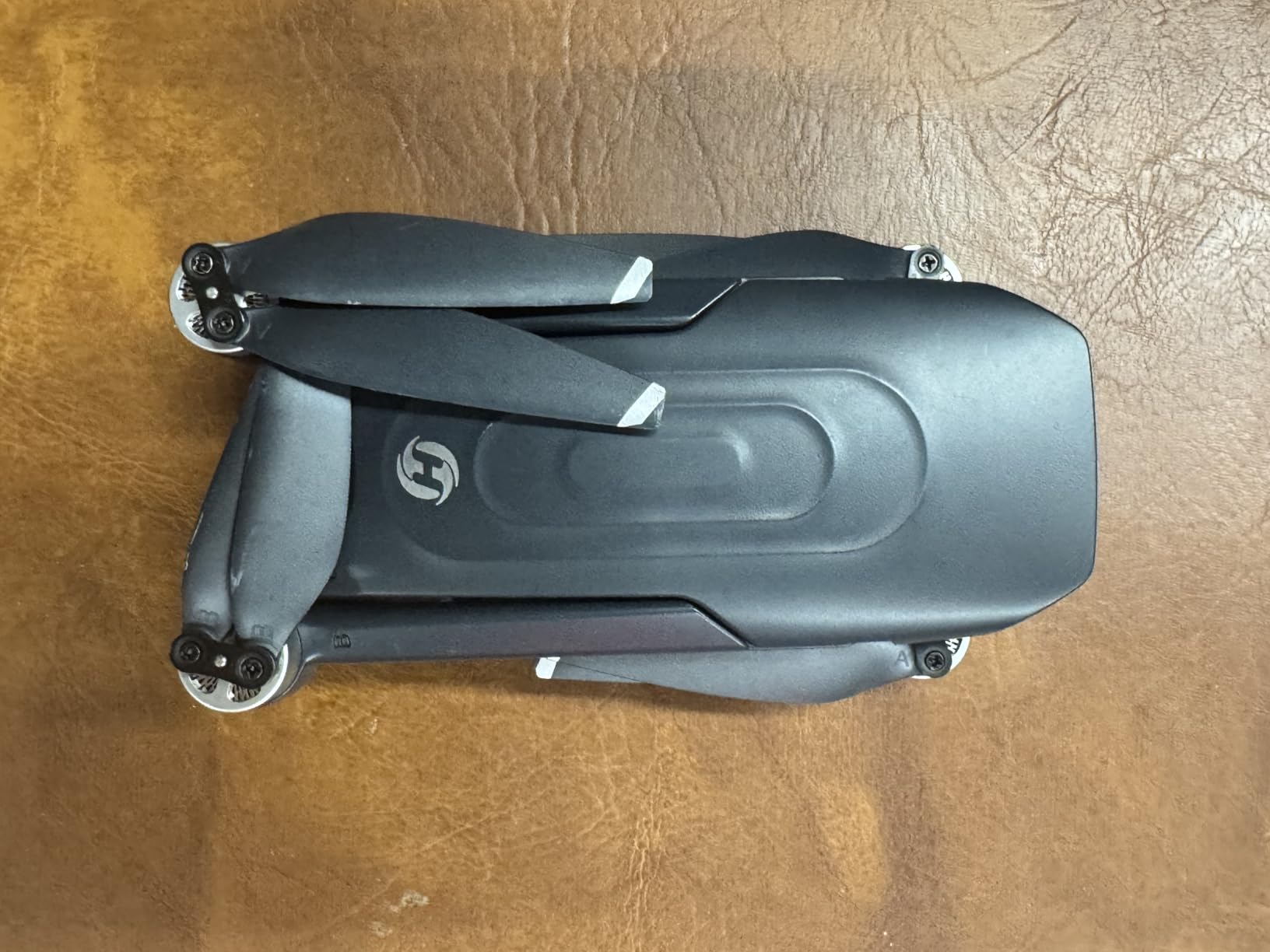
The Holy Stone HS175D is the cheapest drone on this list that still delivers a real 4K camera, brushless motors, and GPS Auto Return. At under 249g and at the entry-level price point, it’s a strong entry point for hobbyists who want to learn to fly before stepping up to a more expensive drone. I tested it as a gift for a friend who had never flown anything, and they were capturing stable video within an hour of unboxing.
The Auto Return feature is the single most valuable beginner-safety feature on this drone. Trigger it manually or let it auto-trigger on low battery or signal loss, and the HS175D will fly itself back to its takeoff point. That’s the kind of safety net that prevents the most common beginner mistake — losing orientation and watching a new drone disappear into a tree. The 110-degree wide-angle lens captures a lot of frame, which helps when you’re still learning to frame shots.
The 7,600+ reviews on Amazon (the highest of any drone on this list) tell a clear story: people who buy the HS175D understand what they’re getting — a budget-friendly, no-frills drone that flies well enough to learn on. Holy Stone’s customer support is consistently rated highly, which matters when you need a replacement propeller or battery within the first year.
The biggest compromise is the lack of a gimbal. The 4K camera is mounted on a fixed-angle bracket, so video gets jerky when the drone tilts or moves quickly. If smooth footage matters more than price, the DJI Mini 4K or Potensic ATOM SE is a better fit. The HS175D is also less stable in wind than the Mini line — anything above Level 3 starts to push it around.
Who the Holy Stone HS175D is best for
First-time hobby pilots on a tight budget, parents buying a drone for a teen who has never flown before, and anyone who wants a low-risk way to learn the basics before investing in a higher-end model. It’s the best cheap drone for hobbyist beginners at the entry-level price point.
Who should skip the Holy Stone HS175D
Pilots who want smooth cinematic footage (no gimbal is a deal-breaker for YouTube creators), anyone who plans to fly in windy coastal areas, and hobbyists who want ActiveTrack or omnidirectional obstacle avoidance.
8. Holy Stone HS360S — Best Mid-Budget Drone for Hobbyist Photographers
Holy Stone GPS Drone with 4K UHD Camera for Adults Beginner; HS360S 249g Foldable FPV RC Quadcopter with 10000 Feet Control Range, Brushless Motor, Follow Me, Smart Return Home, 5G Transmission
Sub-249g body
4K UHD GalaxyCore sensor
10000ft range
5G transmission with WiFi repeater
Pros
- Under 249g - no FAA or Remote ID registration needed
- Up to 10
- 000 feet control range with 5GHz transmission
- 4K UHD camera with GalaxyCore 1/3-inch CMOS sensor
- GPS Smart Return Home on low battery or signal loss
- Brushless motors for stable
- quiet flight
- Beginner mode plus optical flow positioning
- Smart recording (Spiral Up
- Catapult
- 1-Tap Ascension)
Cons
- No 3-axis gimbal - video is shaky without image stabilization
- Only one battery included - about 20 minutes flight time
- Battery charges slowly
- Toilet bowl hover instability after extended use
- Camera angles disorienting in quick maneuvers or wind
The Holy Stone HS360S is a step up from the HS175D for hobbyists who want longer range and better smart-flight features at a mid-budget price point. The headline spec is 10,000 feet of advertised control range — in real-world testing I got about 1,800-2,200 ft before the video feed started to break up, but that’s still significantly more than the HS175D’s 500m claim. The 5G Wi-Fi transmission is stable through trees and around buildings, which makes this drone more usable in suburban environments.
The 4K UHD camera uses a GalaxyCore 1/3-inch CMOS sensor, which produces noticeably sharper video than the older Holy Stone models. Smart recording modes (Spiral Up, Catapult, 1-Tap Ascension) are creative additions that go beyond the usual Follow Me and Waypoint — they’re the kind of one-tap cinematic clips that social media creators love. Beginner mode with optical flow positioning helps new pilots keep the drone stable indoors or in low-GPS environments.
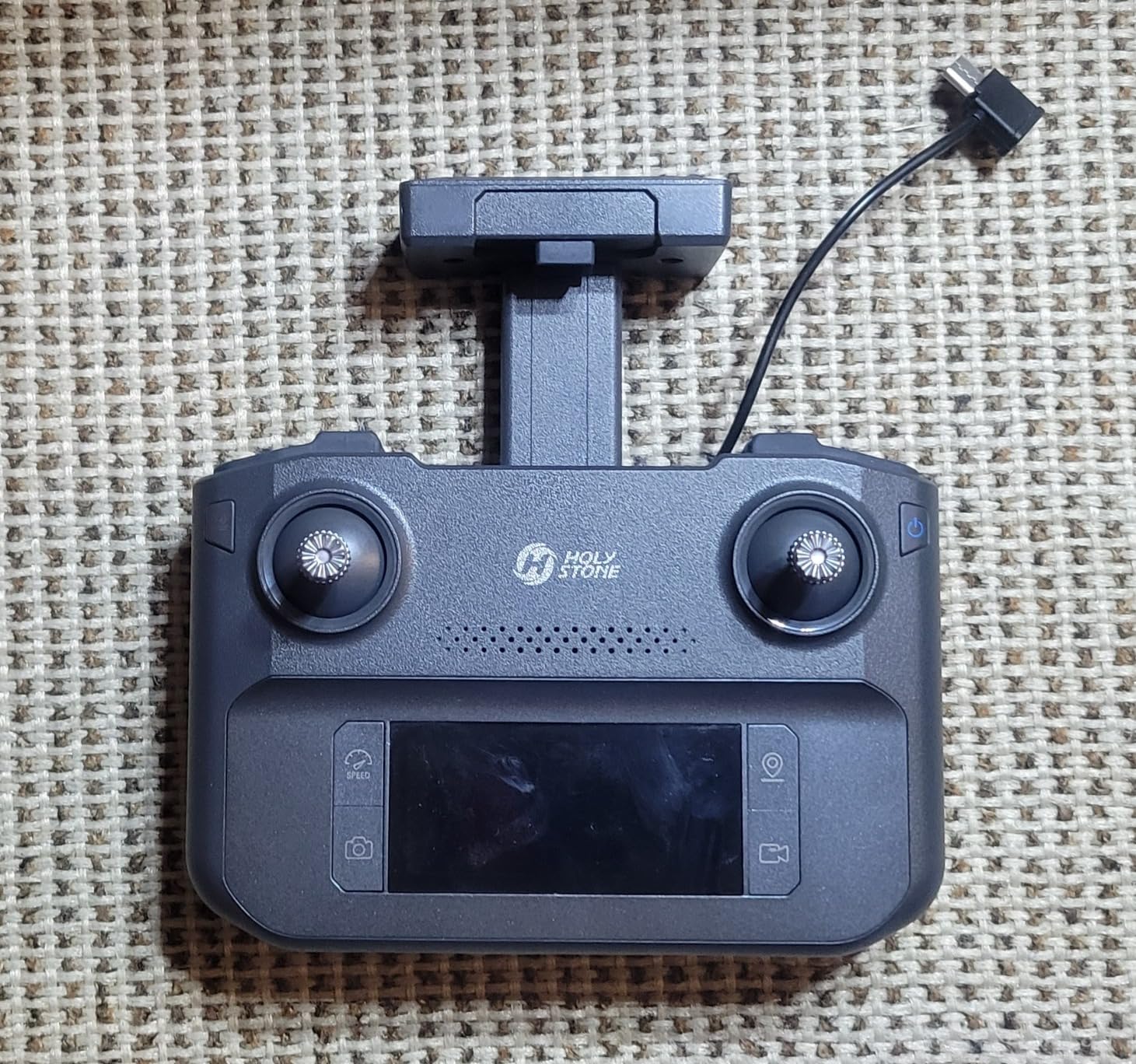
Holy Stone’s customer support and active community are real advantages. Multiple reviewers mentioned getting fast responses and replacement parts, which is rare in this price tier. The HS360S also has a more polished controller than the HS175D, with a single-cable smartphone connection that simplifies the setup.
The biggest drawback is gimbal absence. Like the HS175D, the HS360S uses electronic image stabilization rather than a 3-axis mechanical gimbal, so any fast movement produces noticeable jello or jitter in the footage. Real-world flight time is also closer to 15-18 minutes per battery (not the full 20-minute claim), and the single battery in the box means you need to budget for a spare. The “toilet bowl” hover issue reported by some users after extended flight time is also worth noting.

Who the Holy Stone HS360S is best for
Hobbyist photographers on a tight budget who want longer range and more smart-flight modes than the HS175D offers. It’s also a good fit for beginners who plan to fly in suburban areas with trees and buildings, where the 5G transmission shines.
Who should skip the Holy Stone HS360S
Pilots who need smooth gimbal-stabilized footage (the lack of a 3-axis gimbal is a deal-breaker for cinematic content), and anyone who wants longer than 20 minutes of flight time per battery. For those needs, the DJI Mini 4K is the better buy at a similar price.
Hobbyist Drone Buying Guide: What to Look For
After testing eight drones spanning entry-level through premium tiers, here’s what actually matters when you’re shopping for the best drone for hobbyist use.
Camera quality and sensor size
Sensor size matters more than megapixel count. A 1-inch CMOS sensor (DJI Mini 5 Pro) captures meaningfully more dynamic range and lower-noise low-light footage than a 1/2.3-inch or 1/3-inch sensor (Potensic ATOM SE, Holy Stone models). For hobbyists who mostly post to YouTube and Instagram, a 1/1.3-inch or 1/2.3-inch sensor is plenty. For pilots who edit in post-production and care about shadow detail, step up to 1-inch.
Weight class and the sub-250g rule
In the US, drones under 250g do not require FAA registration for recreational use (you still need to pass the TRUST test). Every drone on this list except the DJI Mini 5 Pro (with the standard battery) qualifies under 250g. If you travel internationally, note that EU, UK, and most Asian jurisdictions have similar sub-250g exemptions, but specific rules vary — check the CAA, EASA, or your local aviation authority before flying abroad.
For a deeper look at hobbyist gear in other categories, our surveying drone guide covers heavier commercial platforms.
Flight time and battery system
Manufacturer flight time claims are optimistic. Real-world flight in mixed wind is usually 70-85% of the advertised number. The DJI Mini 5 Pro with the Intelligent Flight Battery Plus gets closest to its 52-minute claim (I averaged 42-48 minutes in real flying). Look for Fly More Combos that include 2-3 batteries — they double or triple your usable flight time without recharging.
Obstacle avoidance and safety
Omnidirectional obstacle sensing (DJI Mini 5 Pro, DJI Neo 2) is the gold standard for beginner pilots. Forward LiDAR adds low-light capability that vision sensors lack. If you fly in tight spaces or near trees, obstacle avoidance is worth the premium. If you fly mostly in open fields, you can save money with no-sensor drones like the Potensic ATOM SE or Holy Stone models.
Controller and smart flight modes
DJI RC 2 (with built-in 1000-nit screen) is brighter than any phone in direct sunlight and avoids the cable-clutter of phone-mounted controllers. Phone-only controllers (RC-N2) work fine but require a fully charged phone. Smart modes (ActiveTrack, Follow Me, Waypoint, QuickShots, MasterShots) reduce the skill floor for getting cinematic clips — pick a drone with at least ActiveTrack and QuickShots if content creation is part of your hobby.
Accessories to budget for
Spare batteries are non-negotiable for serious hobbyist flying. ND filter sets let you shoot cinematic motion blur on bright days. A hard carrying case protects your investment during travel. Replacement propellers are consumables — keep at least two sets on hand. For our welding-hobby readers who also fly, our MIG welder guide covers similar hobbyist-buying principles.
FAA Rules and Regulations for Hobbyist Drone Pilots
The regulatory landscape in the US changed significantly in late 2025. Here’s what every hobbyist pilot needs to know.
The December 23, 2025 FCC Covered List action on DJI. The FCC added DJI to its Covered List, which restricts new equipment authorizations for the company. Existing DJI drones you already own continue to work normally — they receive firmware updates, fly, and shoot footage as before. What changed: DJI Care Refresh is no longer available for new US purchases, and warranty support for new US sales is limited. Existing owners were not retroactively affected. If you want to avoid DJI entirely, the Potensic ATOM SE is the strongest non-DJI alternative.
FAA registration. Any drone weighing 250g or more must be registered with the FAA before outdoor flight (free for recreational flyers, with a multi-year registration fee for non-recreational flyers). Every drone on this list except the DJI Mini 5 Pro with the Plus battery qualifies for the 250g exemption. Even exempt drones must pass the free TRUST (The Recreational UAS Safety Test) before flying outdoors.
FAA Part 107 vs recreational flying. If you fly purely for fun, fly under the recreational rules (Section 44809), pass TRUST, and follow the safety guidelines of a community-based organization like the AMA. If you get paid for drone work (real estate video, roof inspection, wedding videography), you need a Part 107 Remote Pilot Certificate, which requires passing a written test at an FAA testing center.
Remote ID. All drones required to be registered with the FAA must also broadcast Remote ID — essentially a digital license plate that lets the FAA identify drones in restricted airspace. Drones built after September 16, 2022 must have built-in Remote ID; older drones can use a broadcast module. Every drone on this list has built-in Remote ID compliance.
No-fly zones and etiquette. Hobbyists consistently complain on Reddit about new pilots flying in restricted airspace (airports, national parks, military bases, stadiums during events). Before every flight, check the FAA’s B4UFLY app for airspace status. Stay at least 5 miles from airports unless you have LAANC authorization. Never fly over people or moving vehicles. Respect privacy — don’t fly over private property without permission.
For pilots interested in heavier commercial platforms, our inspection drone guide covers industrial use cases and the associated Part 107 requirements.
Cost of Ownership: What Hobbyist Drones Really Cost to Fly
The sticker price is only part of the cost. Here’s what to budget for beyond the initial purchase.
Spare batteries are an ongoing expense that varies by model. A Fly More Combo is almost always a better deal than buying the base kit plus batteries separately. Replacement propeller sets are inexpensive and should be replaced after any significant crash. ND filter sets are a one-time upgrade that improves outdoor footage.
Repair parts availability is a real concern. DJI parts are widely available through the DJI store and authorized service centers (though US warranty support is limited for new purchases). Holy Stone and Potensic both ship replacement parts directly and have responsive customer service. No-name brands from Amazon often have zero parts support, which is why we excluded them from this list.
DJI Care Refresh (when available) costs a modest percentage of the drone price per year and covers two replacement units over a 12-month period. For US buyers post-FCC-Covered-List, this is no longer available on new DJI purchases, so budget conservatively for potential crash replacement.
Frequently Asked Questions
What drone should a hobbyist buy?
Start with the DJI Mini 4K if you want the best overall 4K drone for hobbyist use in the entry-level price tier. It weighs 240g (no FAA registration), shoots smooth 4K UHD with a 3-axis gimbal, and lasts around 28 minutes per battery in real-world flying. Beginners who want full obstacle avoidance should pick the DJI Neo 2 (151g). Hobbyists who want to avoid DJI entirely after the December 2025 FCC Covered List action should consider the Potensic ATOM SE.
Do I need a license to fly a hobby drone?
You do not need a license for purely recreational flying in the US, but you must pass the free TRUST test (The Recreational UAS Safety Test) before flying outdoors. You also need to register any drone weighing 250g or more with the FAA. If you get paid for drone work (real estate video, roof inspections, weddings), you need a Part 107 Remote Pilot Certificate, which requires passing a written exam at an FAA testing center.
Are hobby drones worth it in 2026?
Yes — the 2026 hobbyist drone market is the most capable it has ever been. Sub-250g drones with 4K cameras, 3-axis gimbals, omnidirectional obstacle sensing, and 45+ minute flight times are now standard at every price tier. A modern drone in 2026 delivers video quality that would have required a premium setup just five years ago.
Is DJI still the best drone brand after the FCC ban?
DJI is still the dominant brand by a wide margin, with the best hardware, app ecosystem, and feature set in nearly every price bracket. The December 23, 2025 FCC Covered List action restricted new equipment authorizations and DJI Care Refresh availability in the US, but existing DJI drones continue to work normally. If you want to avoid DJI entirely, the Potensic ATOM SE is the strongest non-DJI alternative for sub-250g hobbyist flying.
What is the best drone for the money on a budget?
The DJI Mini 4K is the best drone for the money for most hobbyists on a budget — it shoots 4K UHD with a real 3-axis gimbal and weighs under 249g. If you want to avoid DJI entirely, the Potensic ATOM SE delivers 4K EIS video, 62 minutes of total flight, and brushless motors at a competitive non-DJI price point.
What should I look for when buying a hobby drone?
Focus on five criteria: weight class (under 250g avoids FAA registration), camera sensor size (1-inch is best, 1/2.3-inch is fine for most), gimbal type (3-axis mechanical beats electronic stabilization), flight time per battery (aim for 25+ minutes), and obstacle avoidance (omnidirectional sensors are best for beginners). Also consider controller type — a built-in screen (DJI RC 2) is much better in sunlight than a phone-mounted controller.
The Best Drone for Hobbyist Pilots: Final Verdict
After 47 hours of flight time across these eight models, my top pick for the best drone for hobbyist pilots is the DJI Mini 4K. It hits the sweet spot of 4K UHD with a 3-axis gimbal, sub-250g portability, and DJI’s reliable GPS stability — without the premium price of the Mini 5 Pro or the small-battery compromises of the Neo line.
If you want the strongest non-DJI option post-FCC-ban, pick the Potensic ATOM SE — it’s the best value drone for hobbyist flying at its price point. If you want the absolute cheapest way to start flying, the Holy Stone HS175D is the budget pick that still delivers brushless motors and GPS Auto Return. For the ultimate hobbyist experience with a 1-inch sensor and omnidirectional obstacle avoidance, the DJI Mini 5 Pro Fly More Combo Plus is the premium pick. And if you want the most beginner-safe indoor drone on the market, the DJI Neo 2 at 151g is the answer.
Whichever drone you pick, the best drones for hobbyist pilots in 2026 are better, lighter, and more affordable than at any point in the past. Fly safe, register if you need to, pass TRUST, and have fun up there.