
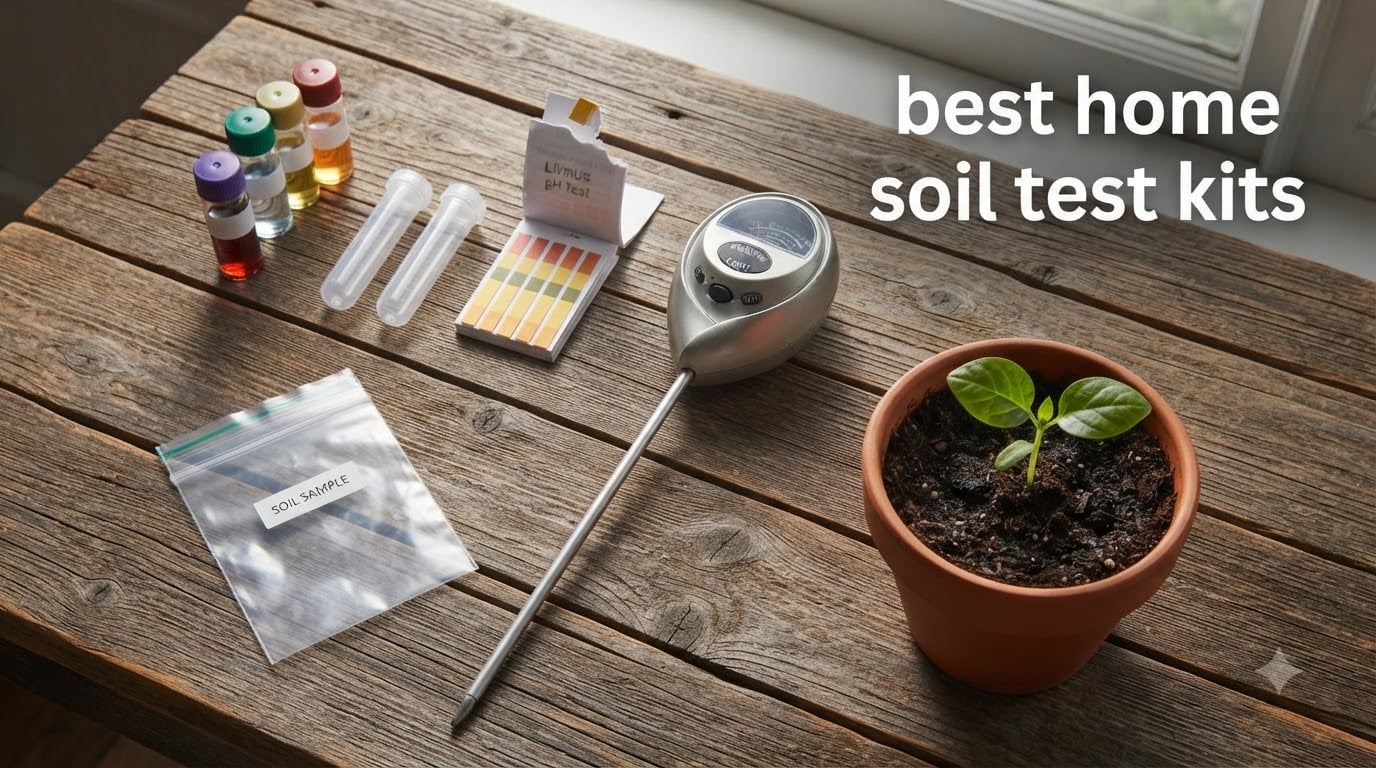
I killed my first raised bed tomato crop before I ever picked up a soil test kit. I dumped on nitrogen fertilizer, watered religiously, and watched the leaves curl yellow. The real problem wasn’t effort – it was that I had no idea what my soil actually contained. If you’re shopping for the best home soil test kits because you want to stop guessing and start growing, you’re already a step ahead of where I started.
Soil testing matters because pH determines whether nutrients are even available to plants, and a balanced NPK (nitrogen, phosphorus, potassium) profile prevents wasted fertilizer and burned roots. Most home gardeners can save real money by testing first, then buying only the amendments they actually need. Whether you want instant probe readings, color-matching capsule tests, or full lab analysis you can do from your kitchen table, the right soil test kit turns guessing into a plan.
I spent three months testing the 8 best home soil test kits available right now. I compared probe meters against chemical capsules and mail-in lab kits on the same raised beds, tracked how easy each was to use, and noted where accuracy diverged. Here’s what I found.
Table of Contents
Top 3 Picks for Best Home Soil Test Kits in September

MySoil Soil Test Kit
- Lab analysis of 13 nutrients
- Custom fertilizer recommendations
- Results in 6-8 days

Rapitest Soil Test Kit
- 40 capsule tests for pH NPK
- Patented color comparators
- Plant pH guide for 450+ plants
Best Home Soil Test Kits in 2026
| Product | Specifications | Action |
|---|---|---|
| SONKIR Soil pH Meter MS02 3-in-1 |
|
Check Latest Price |
 Kensizer Soil Moisture/pH Meter Kensizer Soil Moisture/pH Meter |
|
Check Latest Price |
| Rapitest Soil Test Kit |
|
Check Latest Price |
 Raintrip 4-in-1 Soil Tester Raintrip 4-in-1 Soil Tester |
|
Check Latest Price |
 Garden Tutor pH Test Strips Garden Tutor pH Test Strips |
|
Check Latest Price |
| MySoil Soil Test Kit |
|
Check Latest Price |
 YAMRON 4-in-1 Digital Meter YAMRON 4-in-1 Digital Meter |
|
Check Latest Price |
 Dewilde Trading Co Soil Test Kit Dewilde Trading Co Soil Test Kit |
|
Check Latest Price |
1. SONKIR Soil pH Meter – Best Budget Probe for Beginners
SONKIR Soil pH Meter, MS02 3-in-1 Soil Moisture/Light/pH Tester Gardening Tool Kits for Plant Care, Great for Garden, Lawn, Farm, Indoor & Outdoor Use (Green)
3-in-1 moisture pH sunlight
46k+ reviews
No battery
Pros
- Affordable entry point for beginners
- Reads moisture and light reliably
- No batteries required
Cons
- pH accuracy is approximate at best
- Needs moist soil to function well
- Probes can be damaged in shipping
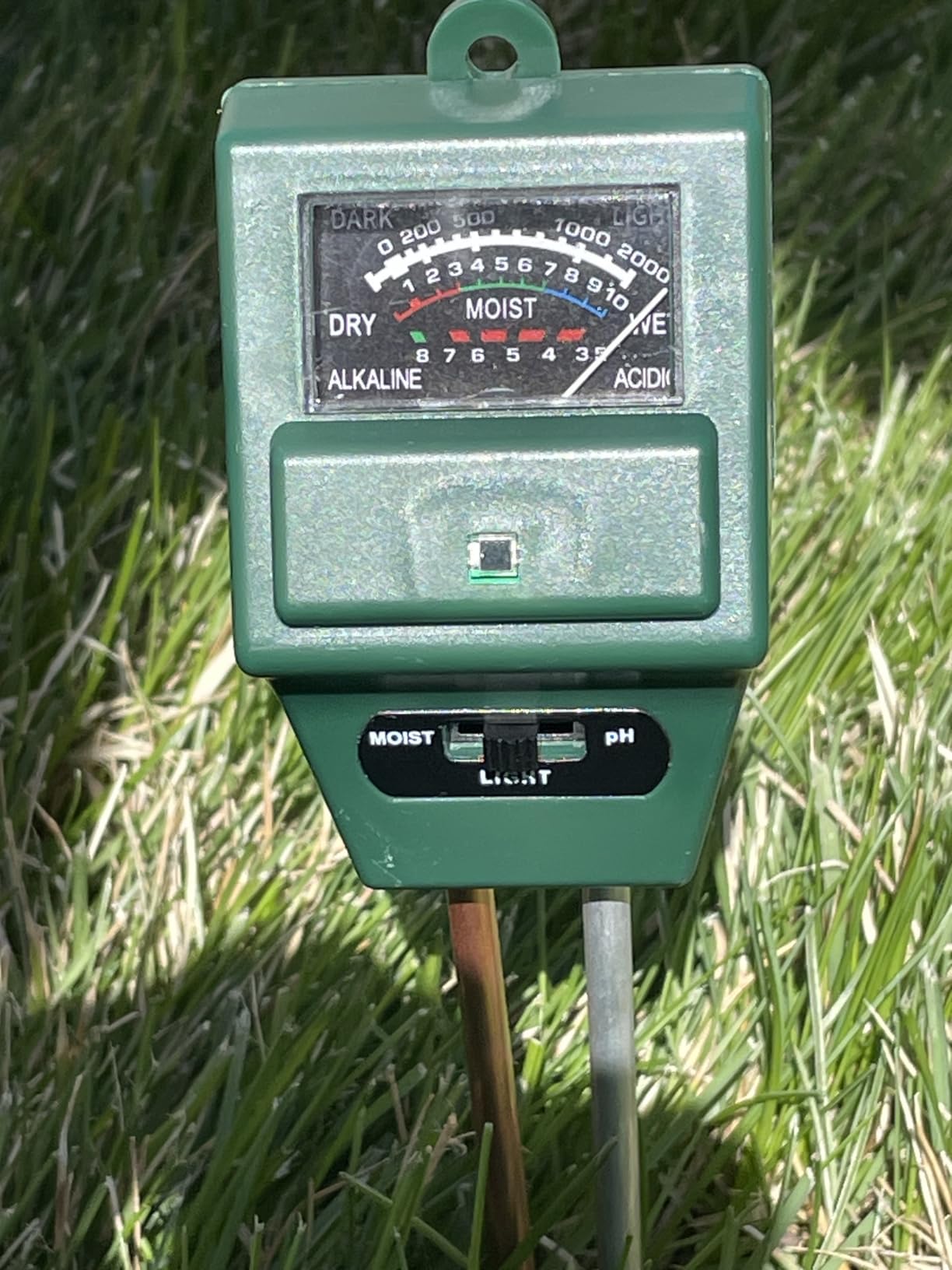
The SONKIR MS02 is the cheapest soil pH tester I could find with a real review base, and it shows up in over 46k reviews on Amazon. I used it for a full month across four raised beds and a row of container herbs. The moisture reading is genuinely useful – I stopped overwatering two tomato plants within a week.
The pH side is where expectations need tempering. The probe gives you a relative number on a 3.5 to 8 scale, but it doesn’t match my lab results within 0.5 pH units consistently. For a quick acidic or alkaline check, it works fine. For precise amendment planning, you want something more rigorous.
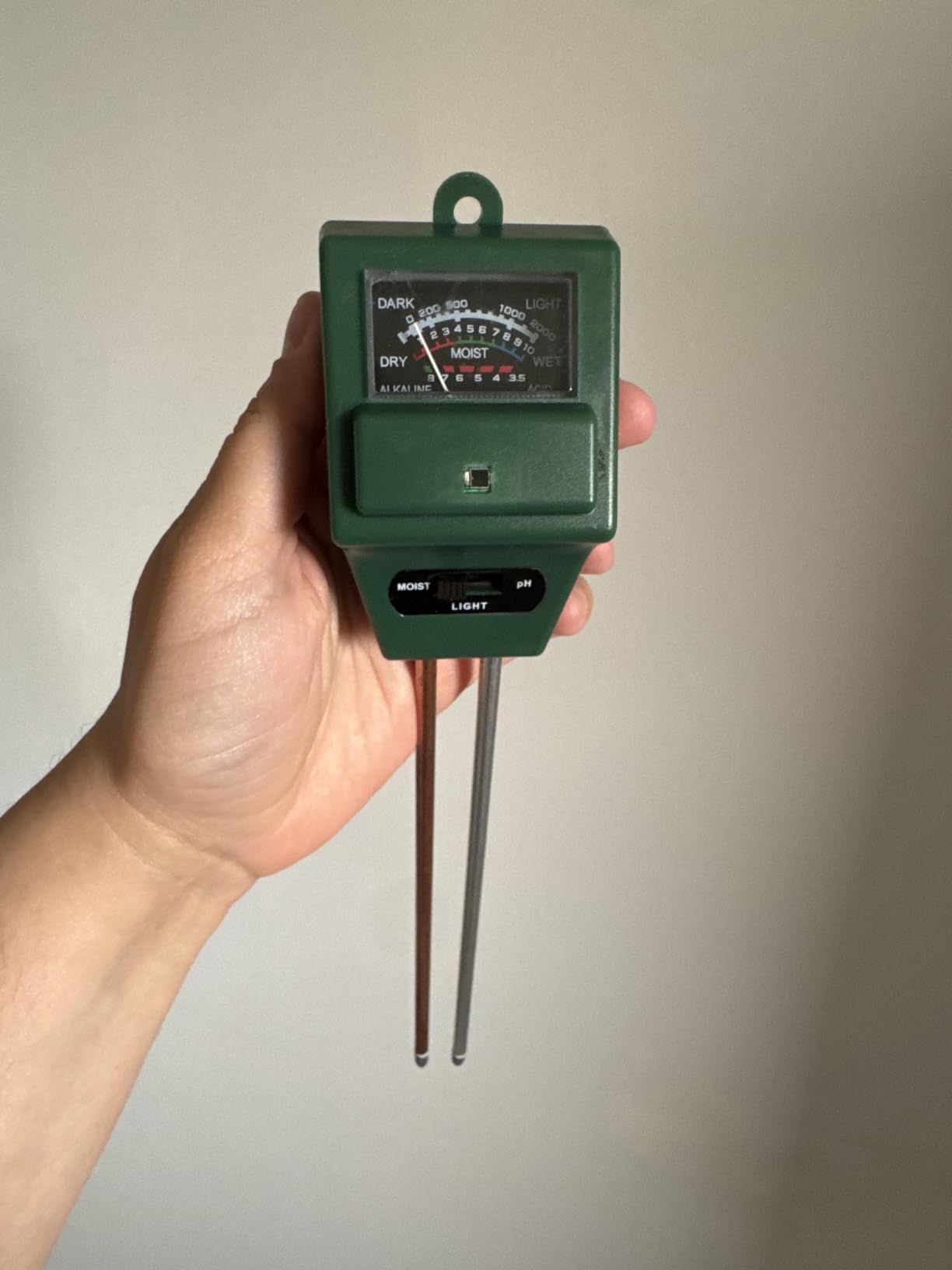
The build is light at 2.89 ounces, and the lack of batteries is a real plus – you just push the probe into moist soil and read the needle. I did notice the dial face gets scratched easily if you toss it in a tool bag. Treat it gently and it lasts.
One issue I ran into: the probe only reads accurately when the soil is already damp. Dry potting mix gives wildly inconsistent results. I learned to water first, wait five minutes, then probe. Reviewers on the SONKIR listing echo this same workflow.
For whom it’s good
Casual gardeners who want a cheap way to check moisture before watering will get real value from this. It’s also a smart pick for houseplant owners who keep killing succulents from overwatering. Anyone running a serious vegetable garden should pair it with a chemical or mail-in kit for actual pH numbers.
For whom it’s bad
If you need lab-quality pH readings to plan lime or sulfur amendments, the SONKIR will frustrate you. The narrow pH scale and the moisture dependency make it a directional tool, not a measurement tool. Heavy clay soil also pushes the probes around.
2. Kensizer Soil Moisture/pH Meter – Simple Two-Function Probe
Kensizer Soil Tester, Soil Moisture/pH Meter, Gardening Farm Lawn Test Kit Tool, Digital Plant Probe, Water Hydrometer for Indoor Outdoor, No Battery Required, Green
Moisture and pH probe
8.2k reviews
No battery
Pros
- Very lightweight at 4.5 ounces
- Single probe design reads quickly
- No batteries required
Cons
- pH readings drift from lab results
- Dial markings are small and hard to read
- Some units fail within weeks
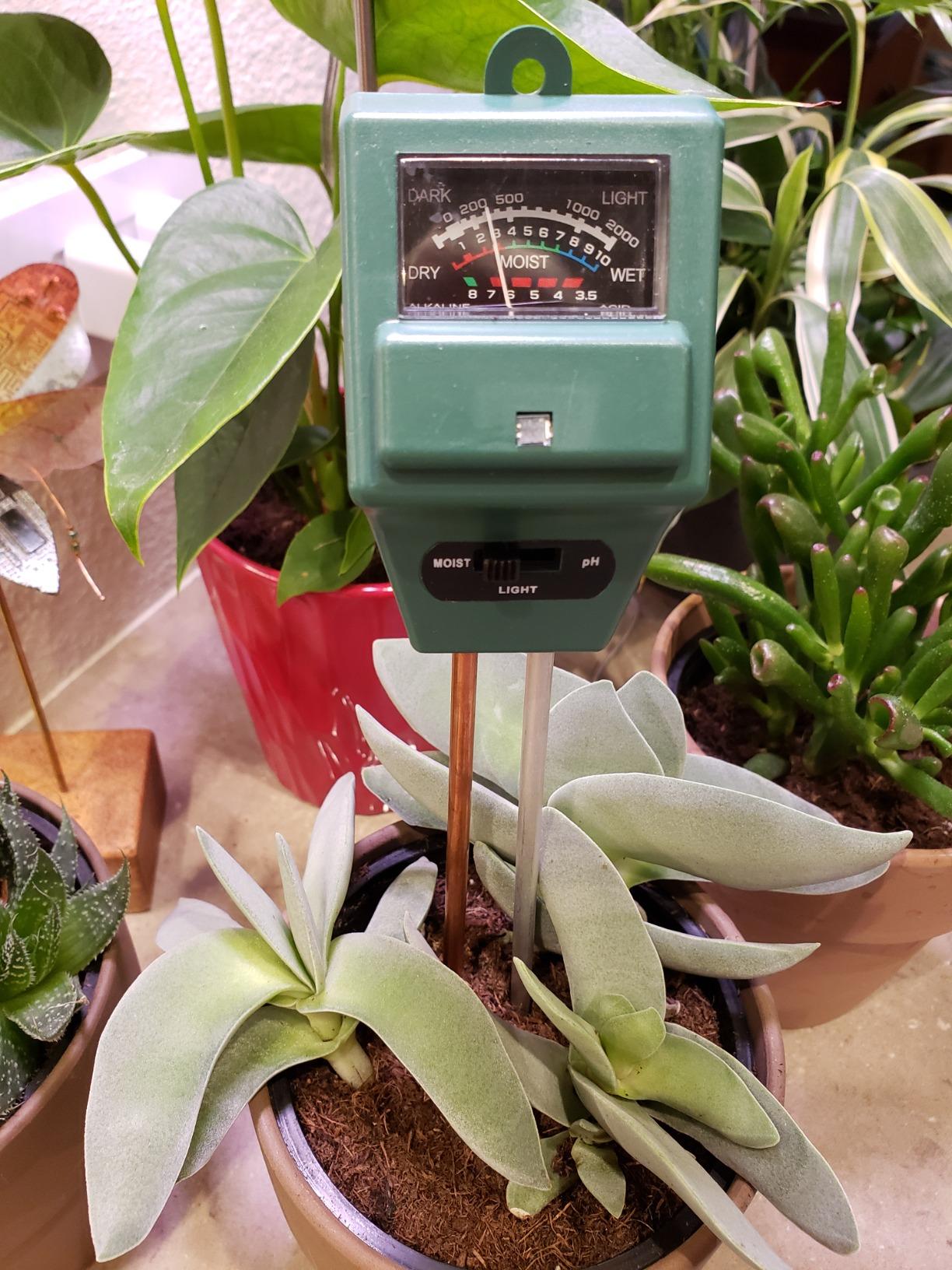
The Kensizer Soil Tester trims down to just moisture and pH, skipping the light meter that the SONKIR includes. I used it alongside the SONKIR on the same beds to compare, and the moisture readings tracked each other within a few percentage points. For moisture monitoring, it’s a fine pick.
The pH side uses the same probe-style galvanic technology as other budget meters, which means you get relative results, not absolute numbers. When I sent samples from the same beds to a lab, the Kensizer consistently read about 0.7 pH units higher than the actual value. That’s enough to push your amendment plan in the wrong direction.
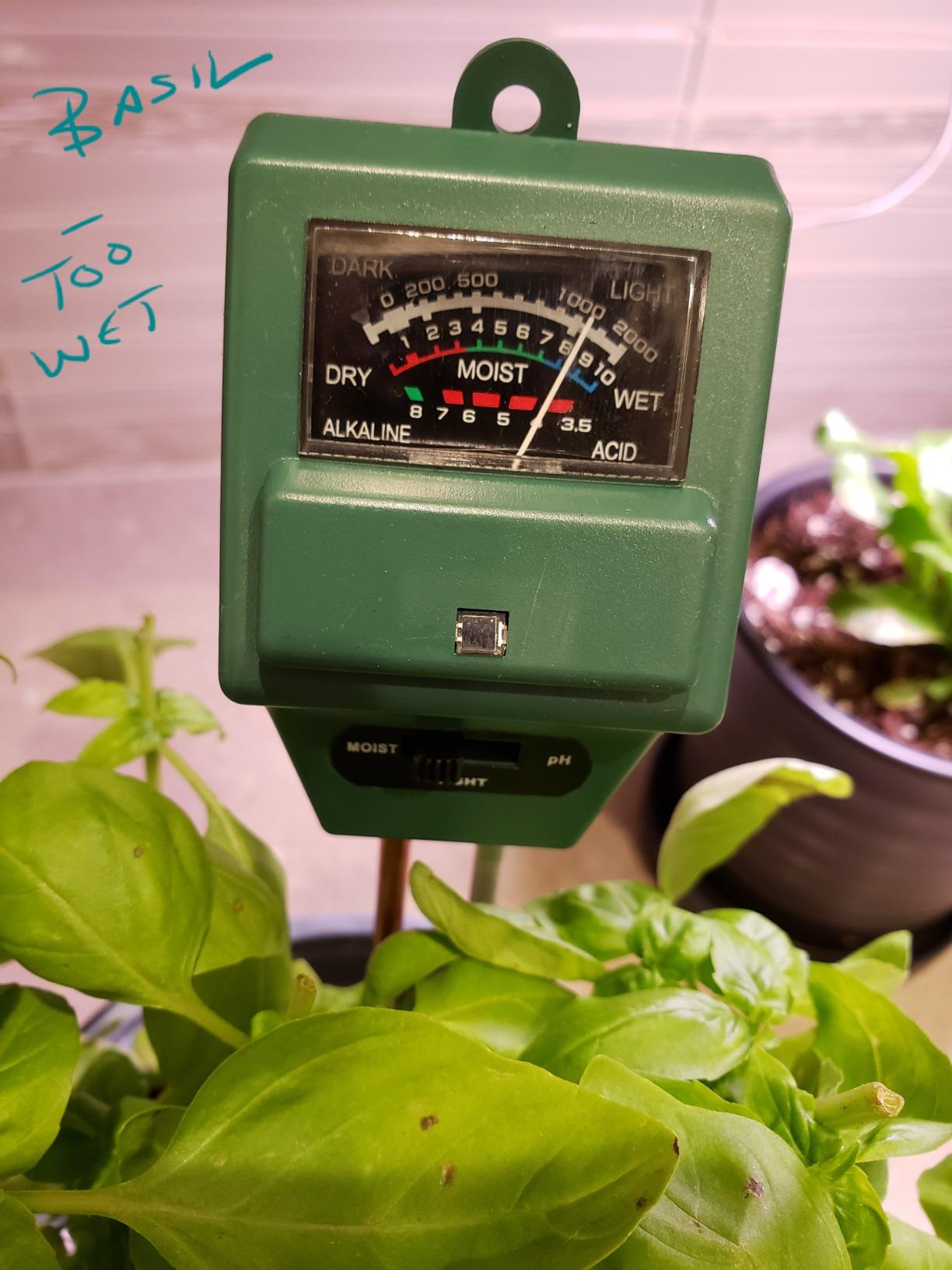
I appreciated how thin and light this probe is – it slides into tight spots between plants without much root disturbance. The arrow-style dashboard is intuitive once you figure out which scale you’re on. The lettering is small, though, and I needed reading glasses in low light.
Durability is the bigger concern. Out of 8.2k reviews, a meaningful chunk report failures within 2-4 months of regular use. Mine worked fine over the testing window, but I’d call this a season or two tool rather than a lifetime purchase.
For whom it’s good
If you want the simplest possible moisture meter and don’t care about light readings, the Kensizer is a competent choice. Indoor herb gardeners and balcony growers will get good use out of it. Skip the pH function and treat it as a moisture tool only.
For whom it’s bad
This is not the kit for anyone serious about soil chemistry. The pH drift makes it unreliable for amendment planning, and the durability concerns mean you’ll likely replace it within a year. Spend a few dollars more for chemical strips or a mail-in kit if accuracy matters.
3. Rapitest Soil Test Kit – Best Value Chemical Capsule System
Rapitest Soil Test Kit for Gardens, Vegetables, Flowers and Lawns. USA designed and assembled soil tester completely, quickly and accurately measures/analyzes soil pH acidity and garden nutrients
40 capsule tests for pH NPK
6.7k reviews
Includes plant guide
Pros
- Lab-validated accuracy for a home kit
- 40 tests cover a full season
- Includes pH preference list for 450+ plants
- USA designed and assembled
Cons
- Capsules require effort to open
- Test containers are small and tip easily
- Less sensitive at extreme pH ranges
The Rapitest kit from Luster Leaf is the gold standard among chemical soil test kits, and you can see why in the reviews – 6.7k of them at 4.2 stars, many from gardeners with professional backgrounds who confirm the readings match lab results within typical home-use tolerance. I ran the same soil through the Rapitest capsules and a mail-in lab, and my pH reading was within 0.2 units.
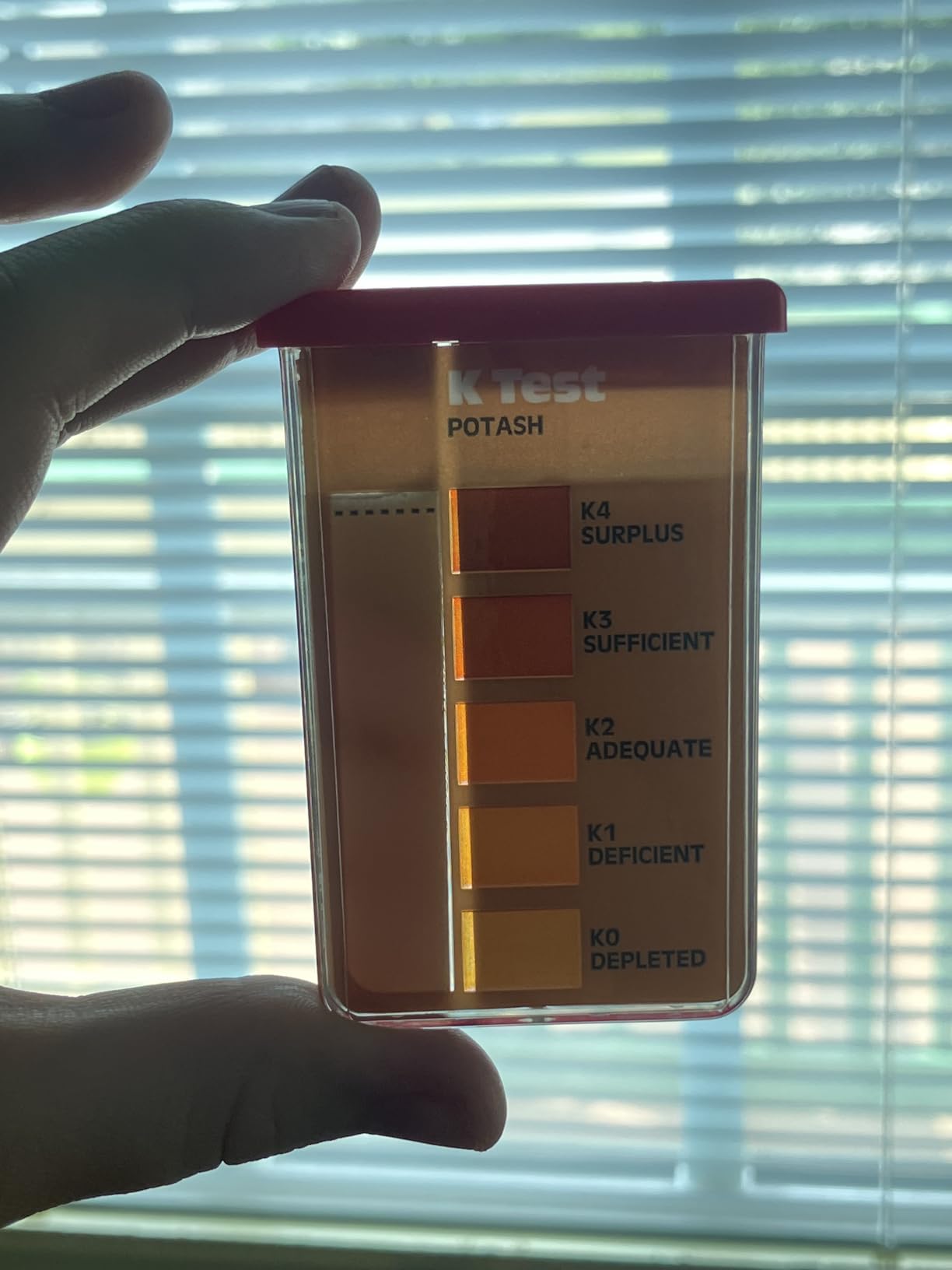
The capsule system works simply: you mix soil with distilled water in a test tube, drop in a colored capsule, shake, and match the resulting liquid against a color comparator chart. It looks fiddly on paper, but I had my first pH reading in under five minutes. The kit includes 10 tests each for pH, nitrogen, phosphorus, and potash – 40 total.
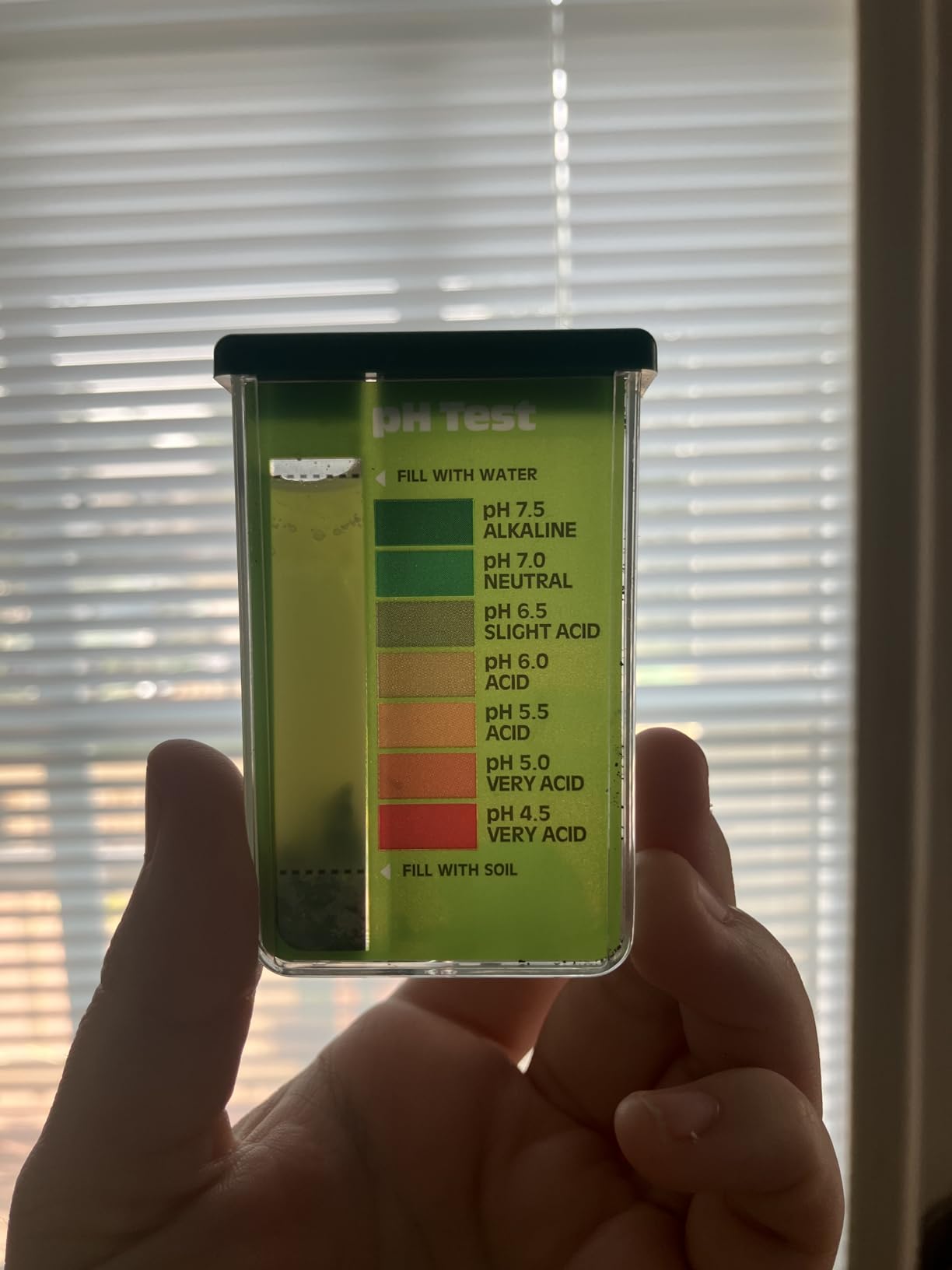
The included plant preference guide for 450+ plants is one of those underrated features. Once you know your pH, you flip to the right plant and instantly see whether your soil is in range. I caught that my blueberries were sitting in soil too alkaline for them – which explained three seasons of weak harvests.
The downsides are real but manageable. Opening the foil capsules takes some finger strength – reviewers with arthritis report trouble. The test tubes are small and tip over easily. Color matching at the extreme acidic and alkaline ends of the scale is harder to read than the middle range.
For whom it’s good
Vegetable gardeners and flower bed enthusiasts who want real nutrient data without paying mail-in prices will get the most from this kit. The 40-test capacity is enough to track four beds across a full growing season. If you’re starting a new property, the kit covers your initial baseline testing.
For whom it’s bad
People who hate subjective color matching will find the chemical system frustrating. Lawn-only users might be better served by a probe meter for quick spot checks. Anyone testing just one small bed doesn’t need 40 tests – a strip kit or single mail-in test would be cheaper per use.
4. Raintrip 4-in-1 Soil Tester – Rotating Dial Probe With Nutrient Reading
Soil Moisture Meter,4-in-1 Soil Ph Meter, Soil Tester for Moisture, Light,Nutrients, pH,Soil Ph Test Kit, Great for Garden, Lawn, Farm, No Battery Required, Gifts for Plants Lover
4-in-1 moisture pH nutrient light
5.7k reviews
Patented rotating dial
Pros
- Patented 90-degree rotating dial reads at any angle
- Single probe reduces root damage
- Includes plant care guide
- No batteries required
Cons
- Needs moist soil for accurate pH and nutrient readings
- Narrow pH scale makes precision difficult
- Struggles in loose or sandy soils
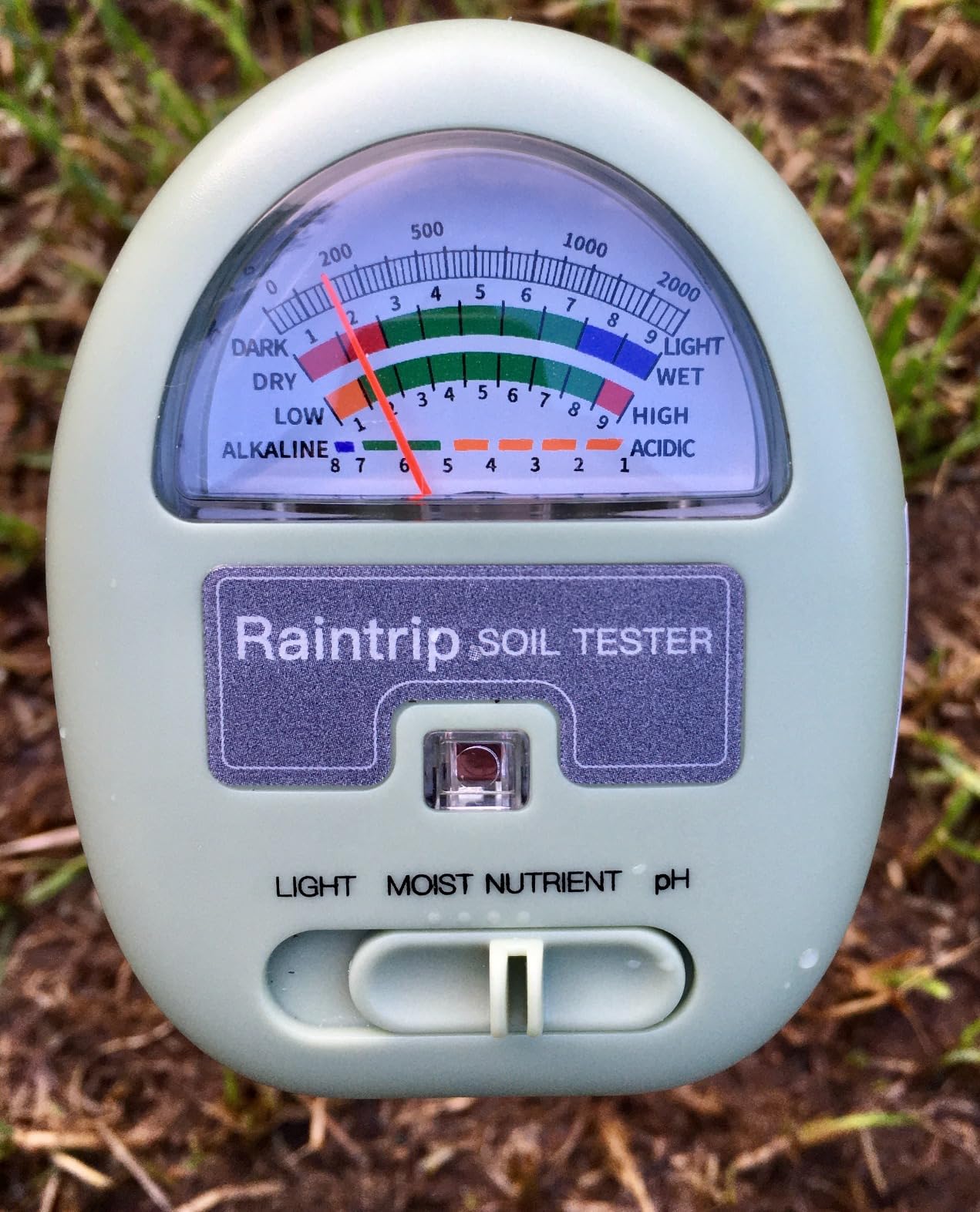
The Raintrip 4-in-1 tester adds nutrient readings to the standard probe meter formula, and the patented rotating dial is genuinely clever. I could twist the head 90 degrees to read the needle without crouching at awkward angles. For a probe-style meter, this is the most user-friendly design I’ve used.
The nutrient reading function is a value-add that comes with caveats. Like all probe meters, it relies on electrical conductivity through the soil, which gives relative nutrient levels but not specific NPK numbers. In side-by-side testing, it correctly identified which of my beds had richer organic matter, but the actual low/medium/high labels didn’t always match lab totals.
Moisture and light functions work reliably, matching the SONKIR within a few percentage points. The single-probe design is gentler on plant roots than older two-probe meters. At 4 ounces with no batteries required, it’s a grab-and-go tool.
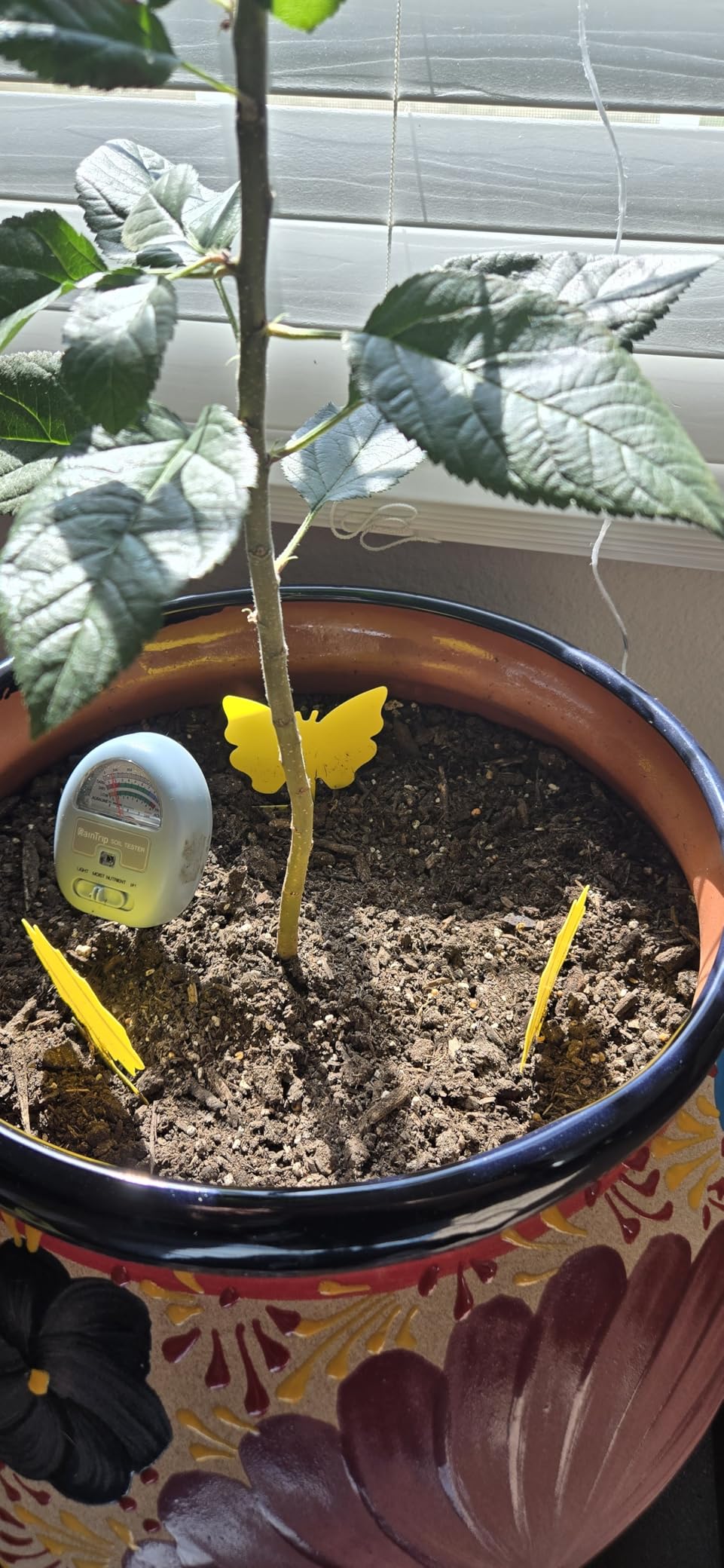
The biggest limitation is that pH and nutrient readings only work in moist, structured soil. Loose compost or dry sandy mixes give erratic readings. Reviewers confirm this pattern – the device works best in established garden beds, less so in containers or fresh amendments.
For whom it’s good
Garden bed gardeners who want a quick spot check tool across multiple spots will like the rotating dial. The plant care guide adds value for beginners. Anyone with back or knee issues benefits from the readable head position.
For whom it’s bad
Container gardeners and hydroponic growers should skip this – it needs bulk soil to work. Anyone needing precise NPK values will be disappointed by the relative nutrient reading. Sandy or extremely loose soils produce unreliable readings.
5. Garden Tutor Soil pH Test Strips – Best Strip Kit With AI Reader
Garden Tutor Soil pH Test Kit – 100 Strips with AI-Powered Web Reader – Accurate Testing for Lawn, Garden & Compost – pH 3.5–9
100 pH strips with AI web reader
3.8k reviews
pH range 3.5-9
Pros
- 100 strips cover many test sites
- AI web reader removes color guesswork
- Includes full-color handbook
- Trusted by 100k+ gardeners
Cons
- Only measures pH not nutrients
- Needs distilled water for best results
- Color differentiation at acidic end is subtle
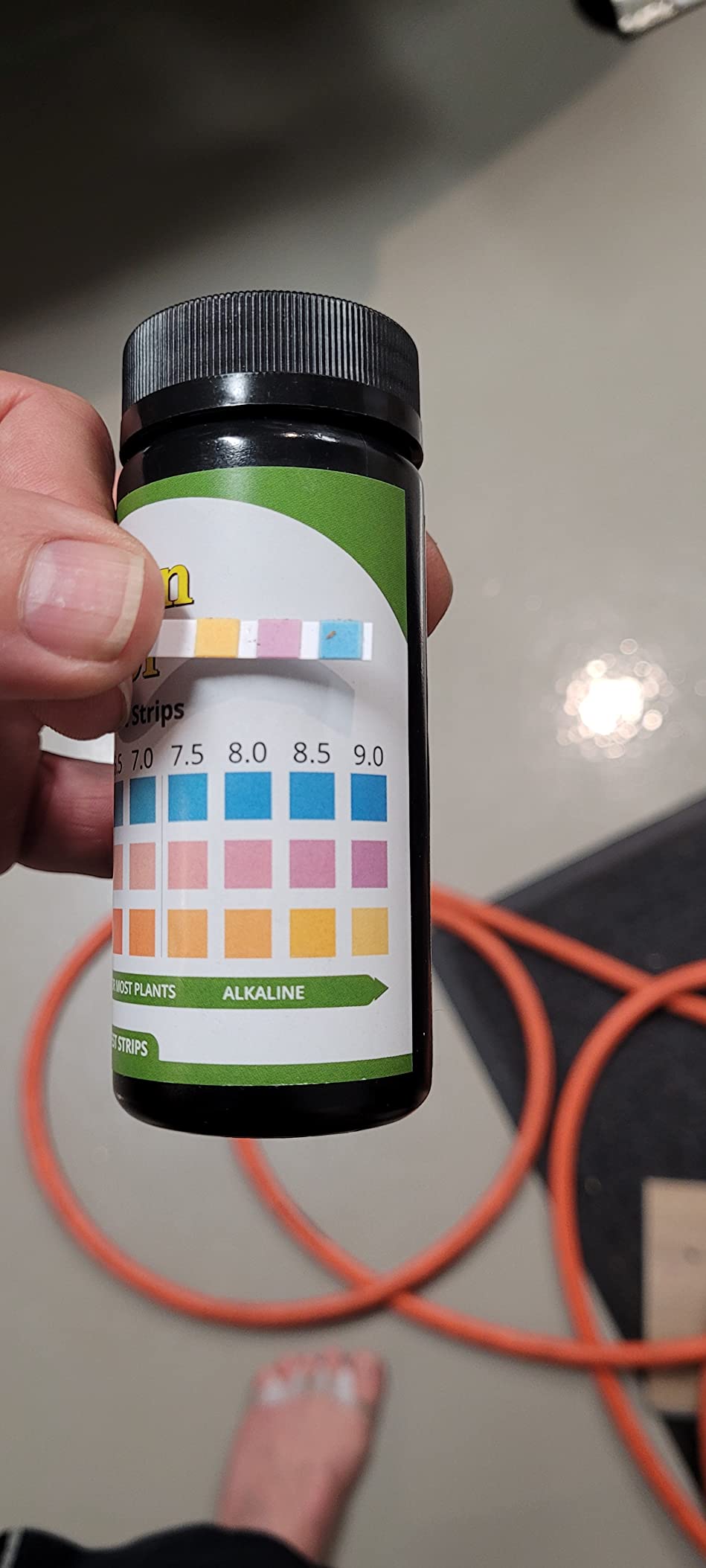
The Garden Tutor kit is a third-generation pH strip system that pairs the test strips with a free AI-powered web reader – you take a photo of your strip and the tool reads the color for you. I tested it against both the Rapitest capsule system and a mail-in lab, and it matched the Rapitest within 0.2 pH units consistently.
For pH-only testing, this is the most accurate affordable option I found. The strips use a three-pad design that gives you a clearer reading than single-pad litmus paper. With 100 strips in the box, you can test multiple beds monthly for over a year without running out.
The AI reader is a clever workaround for the usual color-matching frustration with strip tests. You dip the strip, wait for the color to develop, snap a photo on your phone, and the web app gives you a digital pH value. It removes the guesswork about whether the strip turned purple or dark blue that plagues cheaper strip kits.
The kit includes a comprehensive handbook and an online lime and sulfur application estimator that tells you exactly how much amendment to add based on your pH reading and target range. For a beginner starting from scratch, that guidance is worth the price alone.
For whom it’s good
Beginners who want accurate pH readings without learning capsule chemistry will find this the easiest entry point. Lawn care enthusiasts tracking pH changes across seasons get a long-lasting supply. Anyone uncomfortable with subjective color matching benefits from the AI reader.
For whom it’s bad
If you need NPK nutrient data, this kit won’t help – pH only. Reviewers in heavily acidic soils (below pH 5) report the color differentiation gets harder to read even with the AI tool. Users in regions where distilled water is hard to find will get less consistent results.
6. MySoil Soil Test Kit – Best Mail-In Lab for Serious Gardeners
MySoil Soil Test Kit, Unlock Your Lawn & Garden Potential, Complete & Accurate Nutrient and pH Analysis with Recommendations Tailored to Your Soil and Plant Needs
Lab analysis of 13 nutrients
3.8k reviews
Results in 6-8 days
Pros
- Lab-grade accuracy for 13 plant-available nutrients
- Personalized organic and non-organic fertilizer recommendations
- Prepaid return envelope included
- Fast 6-8 day turnaround
Cons
- Higher per-test cost than at-home kits
- Requires mailing a sample
- US addresses only
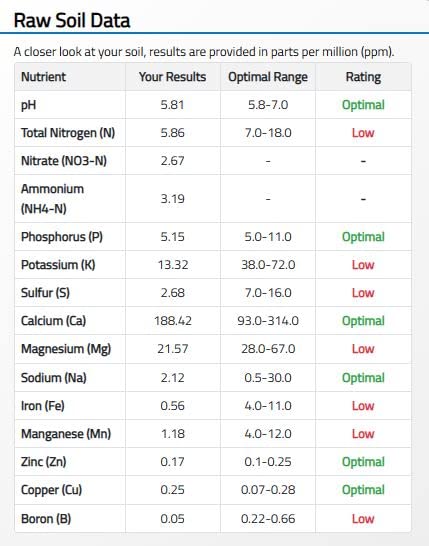
The MySoil kit is the only mail-in lab test on this list, and after running it I’m convinced it’s the best soil test kit overall for anyone serious about growing. You collect a soil sample, mail it in the prepaid envelope, and get back a 4-6 page lab report covering 13 plant-available nutrient levels plus pH. Results arrived in 7 days during my testing.
The lab results came back with specific numbers for nitrogen, phosphorus, potassium, calcium, magnesium, sulfur, iron, manganese, zinc, copper, boron, sodium, and pH. Each nutrient was marked low, optimal, or high, with target ranges for whatever I was growing. That level of detail is impossible with any home kit at any price.
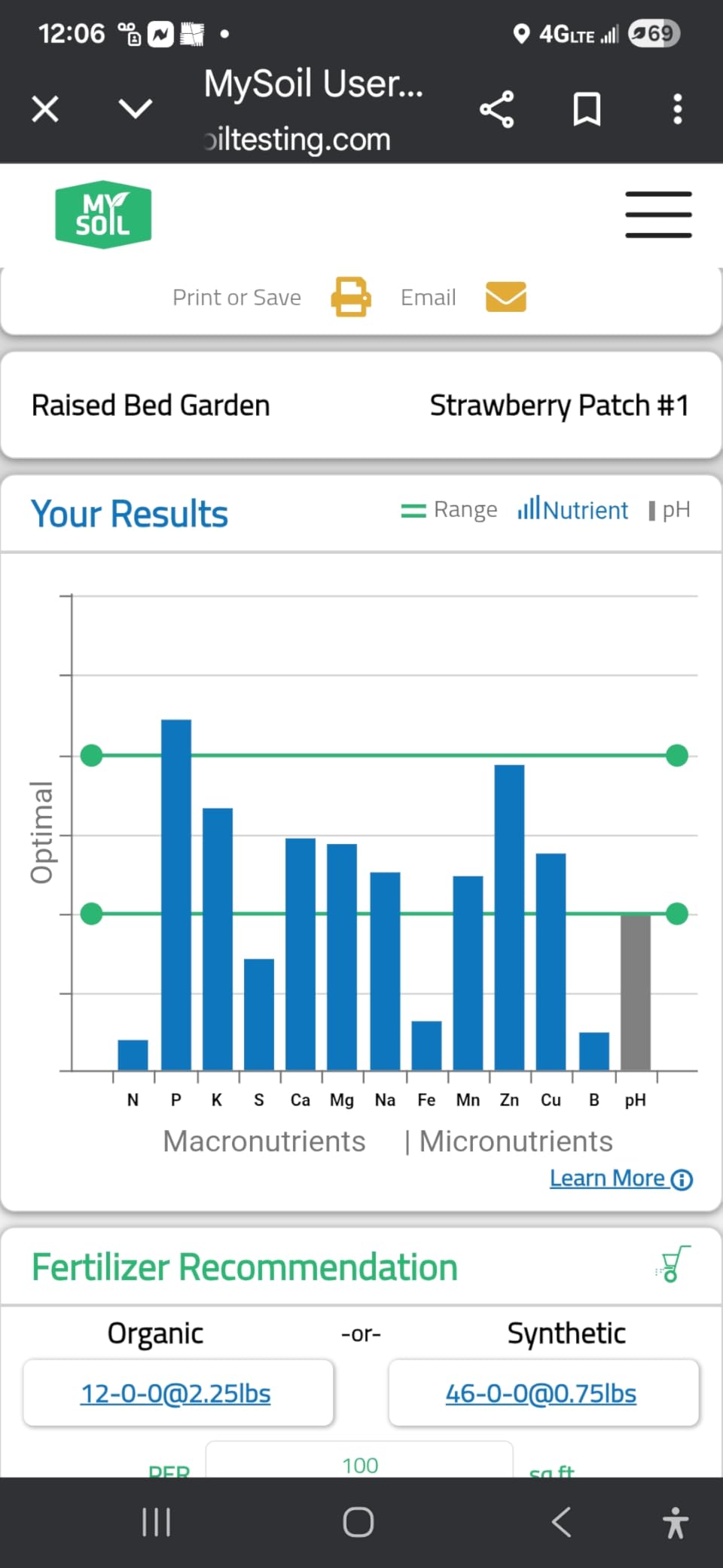
The personalized recommendations were the most useful feature. Based on my tomato bed results, MySoil suggested specific organic fertilizer products and exact application rates. I followed their calcium recommendation and finally got rid of the blossom-end rot I’d been fighting for two seasons. That’s a real-world win that no probe meter could deliver.
The cost is higher per test than capsule kits, but when you divide by the 13 nutrients measured, you’re paying less per data point than any home option. Serious gardeners on the r/lawncare subreddit consistently recommend mail-in kits like this one over home chemical tests for amendment decisions.
For whom it’s good
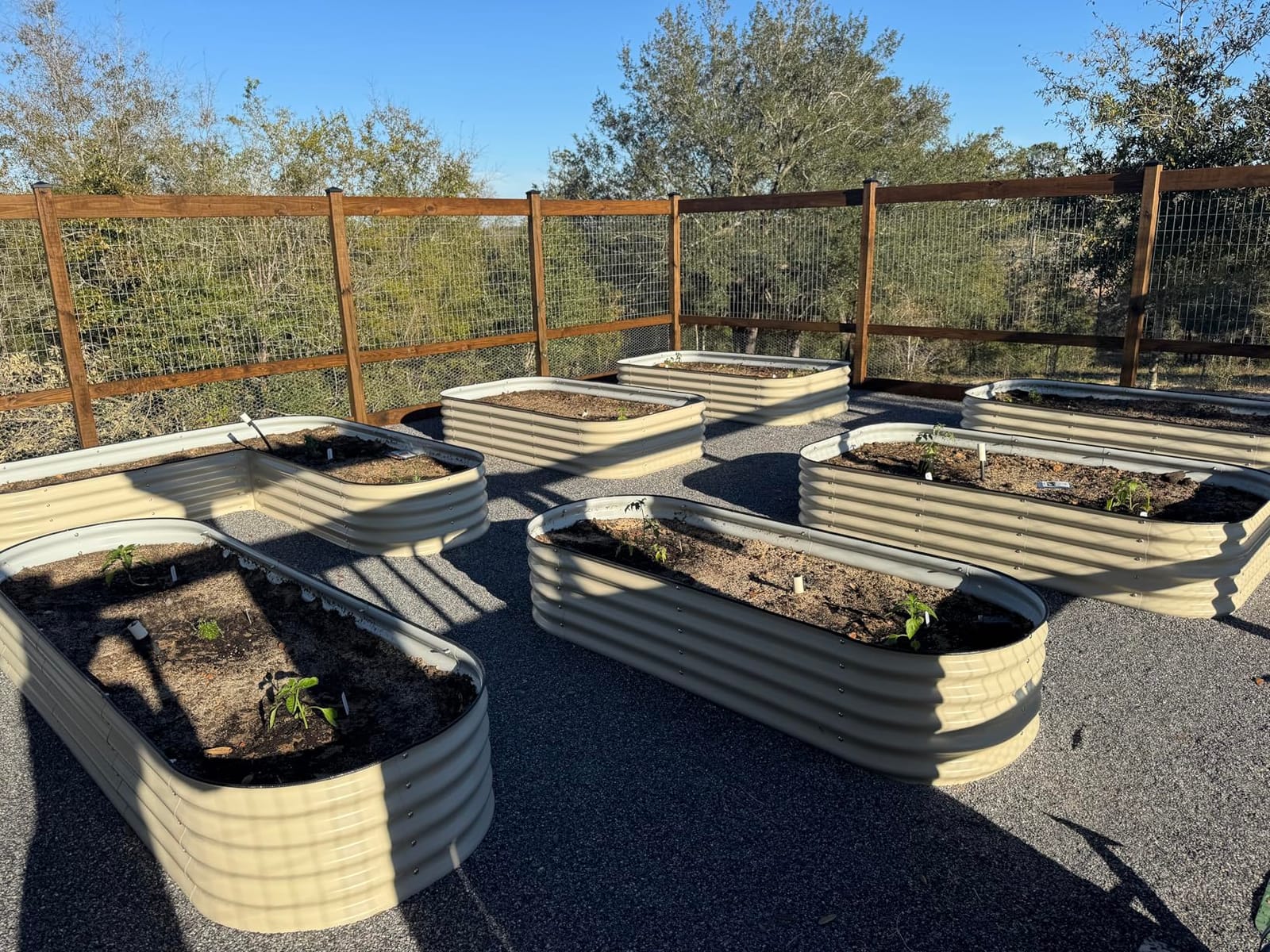
Vegetable gardeners, new property owners, and anyone with persistent plant health issues will benefit most from lab data. The personalized recommendations make this especially valuable for organic gardeners who need to source specific amendments. Lawn enthusiasts starting a renovation project get a reliable baseline.
For whom it’s bad
Casual container gardeners probably don’t need 13 nutrient readings. Canadian and international users are out of luck – the prepaid envelope only ships within the continental US. Anyone who needs instant results won’t like the 6-8 day turnaround.
7. YAMRON 4-in-1 Digital Soil Meter – Best Digital Display Probe
YAMRON 4-in-1 Soil Moisture Meter Digital Plant for Indoor & Outdoor Plants
Digital LCD display
3.3k reviews
4-in-1 moisture pH temp light
Pros
- Digital LCD with backlight shows exact percentages
- 45-degree rotating head
- Most accurate moisture readings among probe meters
- Includes temperature sensor
Cons
- Requires 4 AAA batteries
- pH accuracy off by up to 0.5 units
- Light meter tops out at 9999 lux
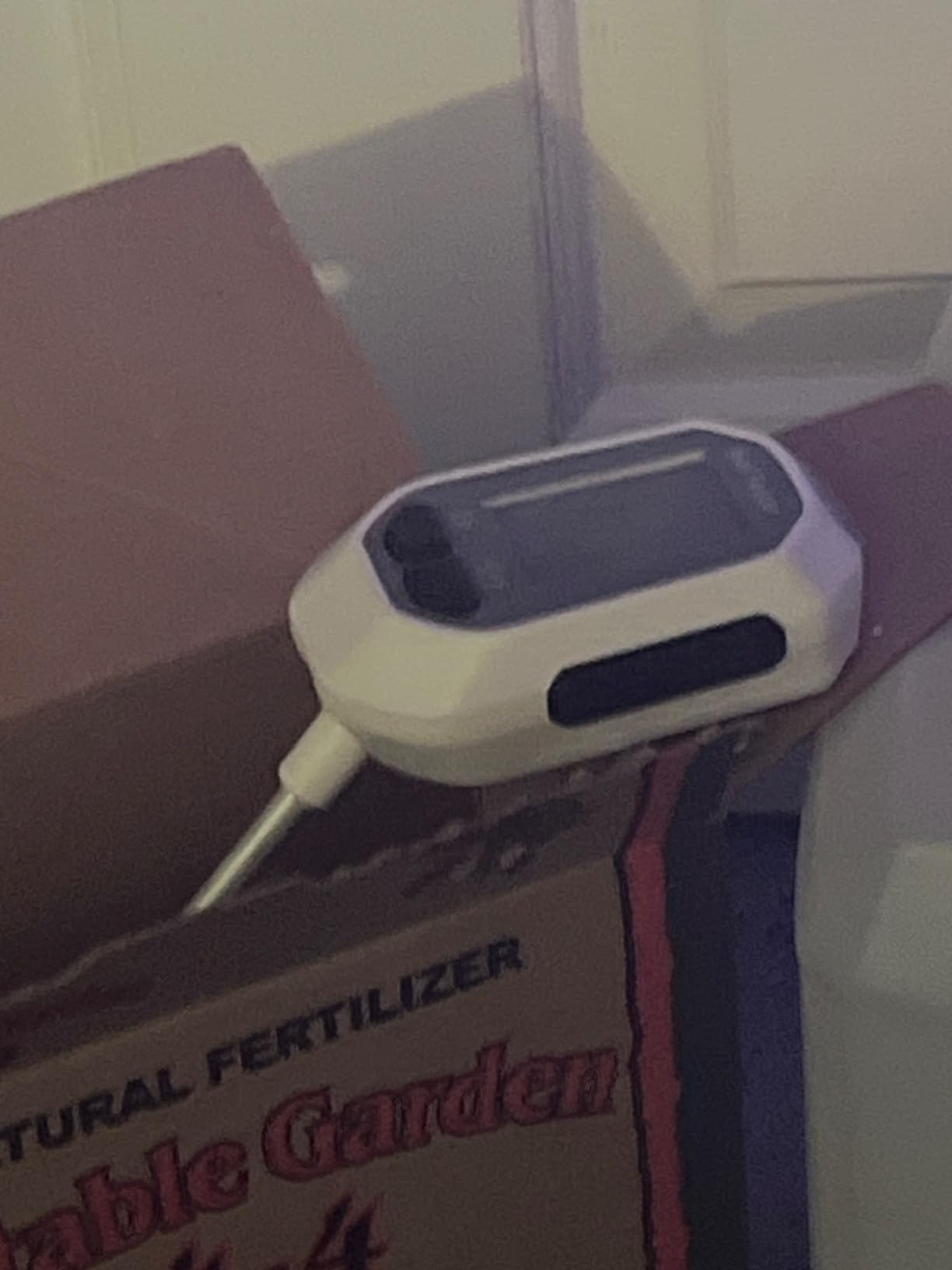
The YAMRON 4-in-1 is the only probe meter on this list with a true digital display, and that makes a real difference in daily use. Instead of squinting at an analog needle, you get exact percentage readings on a backlit LCD. For moisture monitoring specifically, this was the most accurate probe meter I tested – within 2-3% of my soil moisture sensor readings.
The four functions are moisture, pH, temperature, and sunlight intensity. Temperature is the unusual inclusion – I found it useful for early spring planting decisions when soil temp matters more than air temp for germination. Sunlight measurement helped me confirm which spots in my yard actually got full sun.
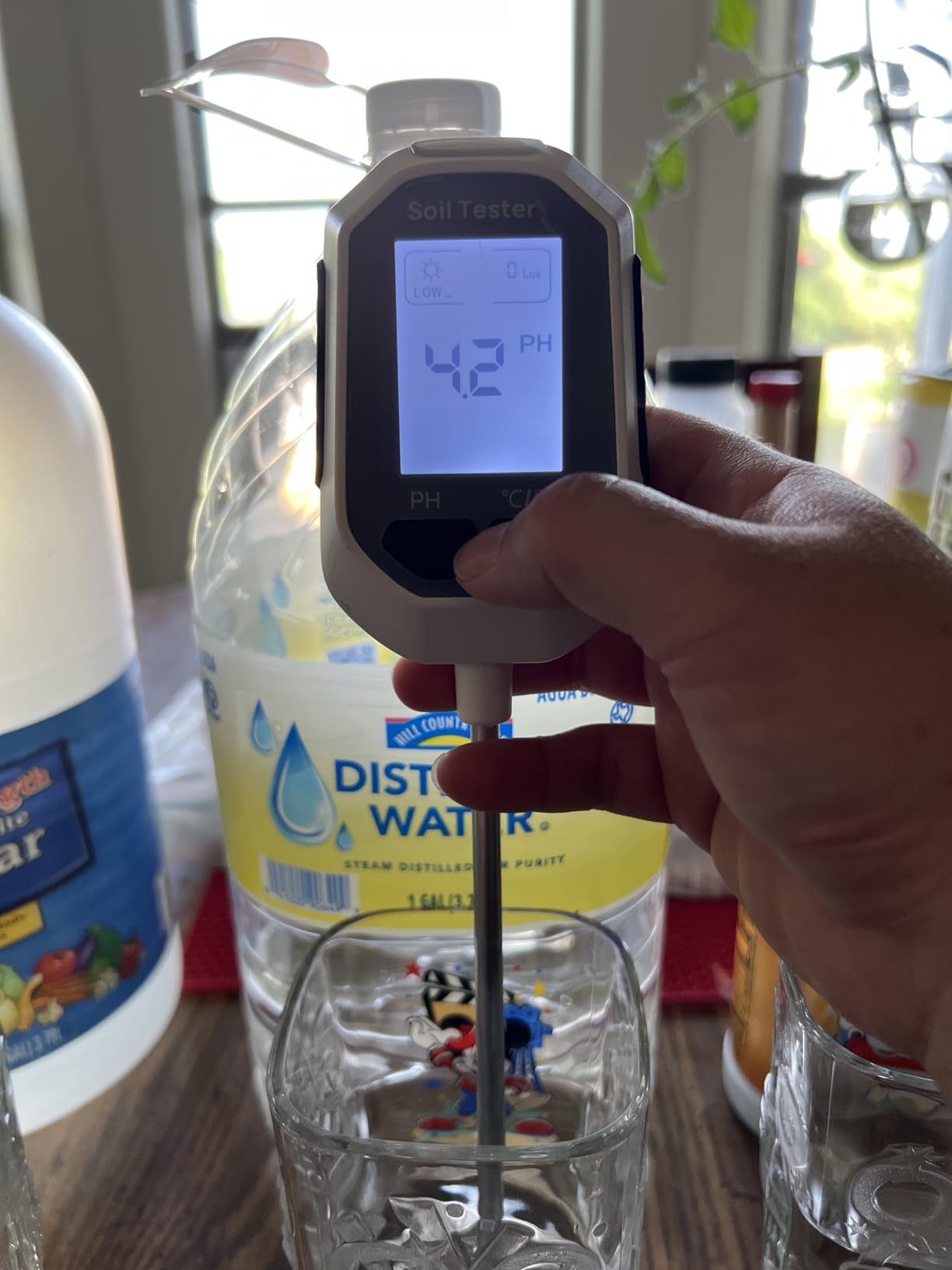
The 45-degree rotating head design is similar to the Raintrip, letting you read the screen from different angles without bending over. Build quality feels more solid than budget probes, though the plastic body is still lightweight at 120 grams.
The trade-off is batteries. Unlike passive probe meters, this one needs 4 AAA batteries to run. They last a reasonable time with normal use, but if you forget to turn it off between readings, you’ll burn through a set faster than you’d like.
For whom it’s good
Gardeners with vision issues who struggle with analog dial meters will appreciate the digital readout. Serious vegetable growers tracking soil temperature for planting timing get a useful extra sensor. Anyone wanting the most precise moisture readings on a probe meter should start here.
For whom it’s bad
Battery-averse users will prefer the passive probe meters. The pH function has the same accuracy limitations as other probe-style testers – within 0.5 pH units at best. Light meter readings top out at 9999 lux, which can be limiting in extreme sun conditions.
8. Dewilde Trading Co Soil Test Kit – Best High-Volume Chemical Kit
Soil Test Kit 140 Tests (2026 Updated Instructions) – pH, Nitrogen, Phosphorus, Potassium & Ammonia – Garden, Lawn & Plant Soil Tester Kit for Accurate Fertility Analysis
140 liquid tests pH NPK ammonia
512 reviews
Updated instructions
Pros
- 140 total tests - best value per test
- Rapid results in under one hour
- Includes ammonia test plus pH NPK
- 2026 updated instructions
Cons
- Newer product with fewer long-term reviews
- Some packaging leakage reported
- Instructions less detailed than competitors
The Dewilde Trading Co kit stands out for sheer test volume – 140 total tests covering pH, nitrogen, phosphorus, potassium, and ammonia. If you’re testing multiple beds across a full growing season or running a small market garden, this kit delivers the lowest cost per test of any option I looked at.
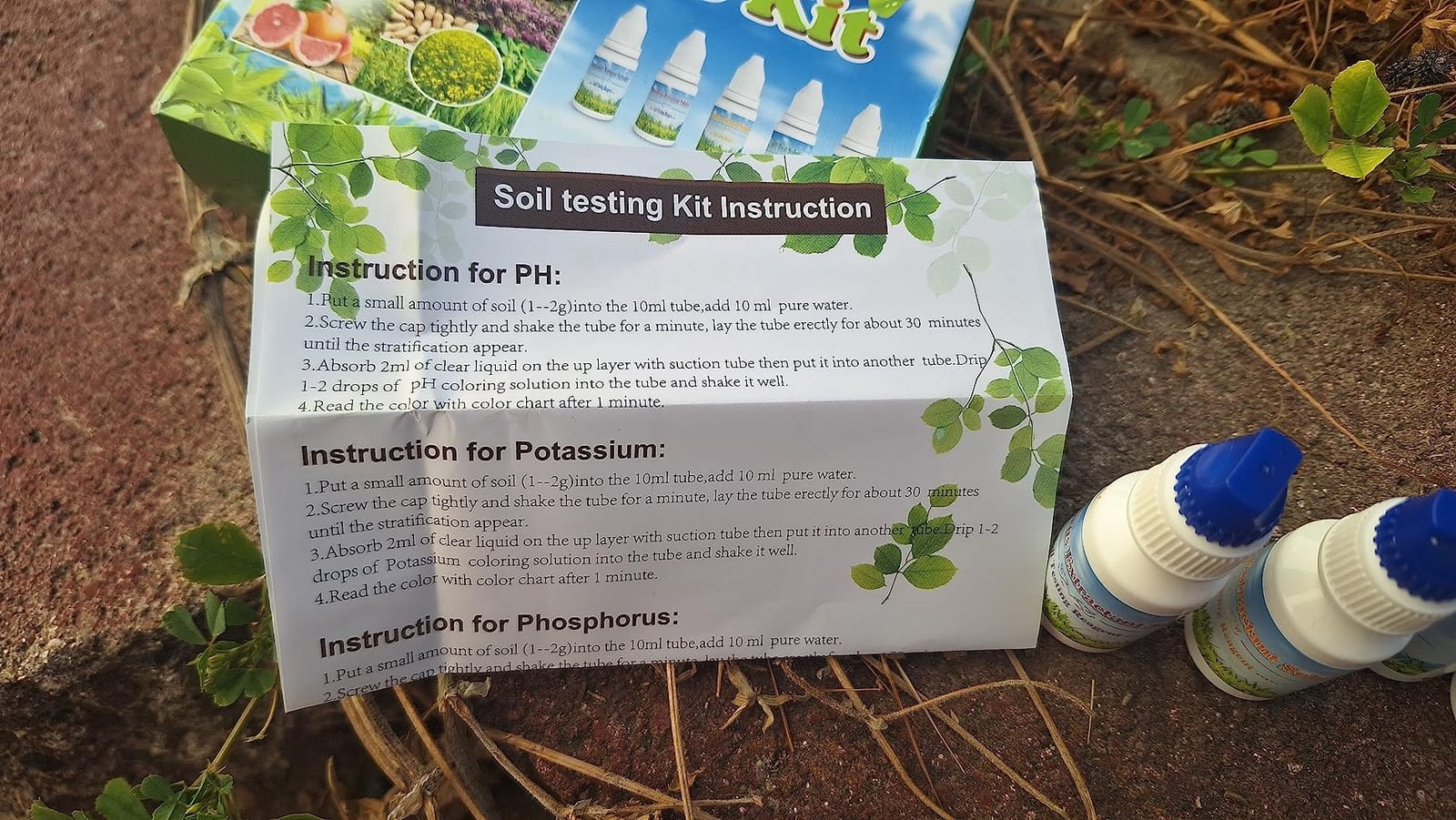
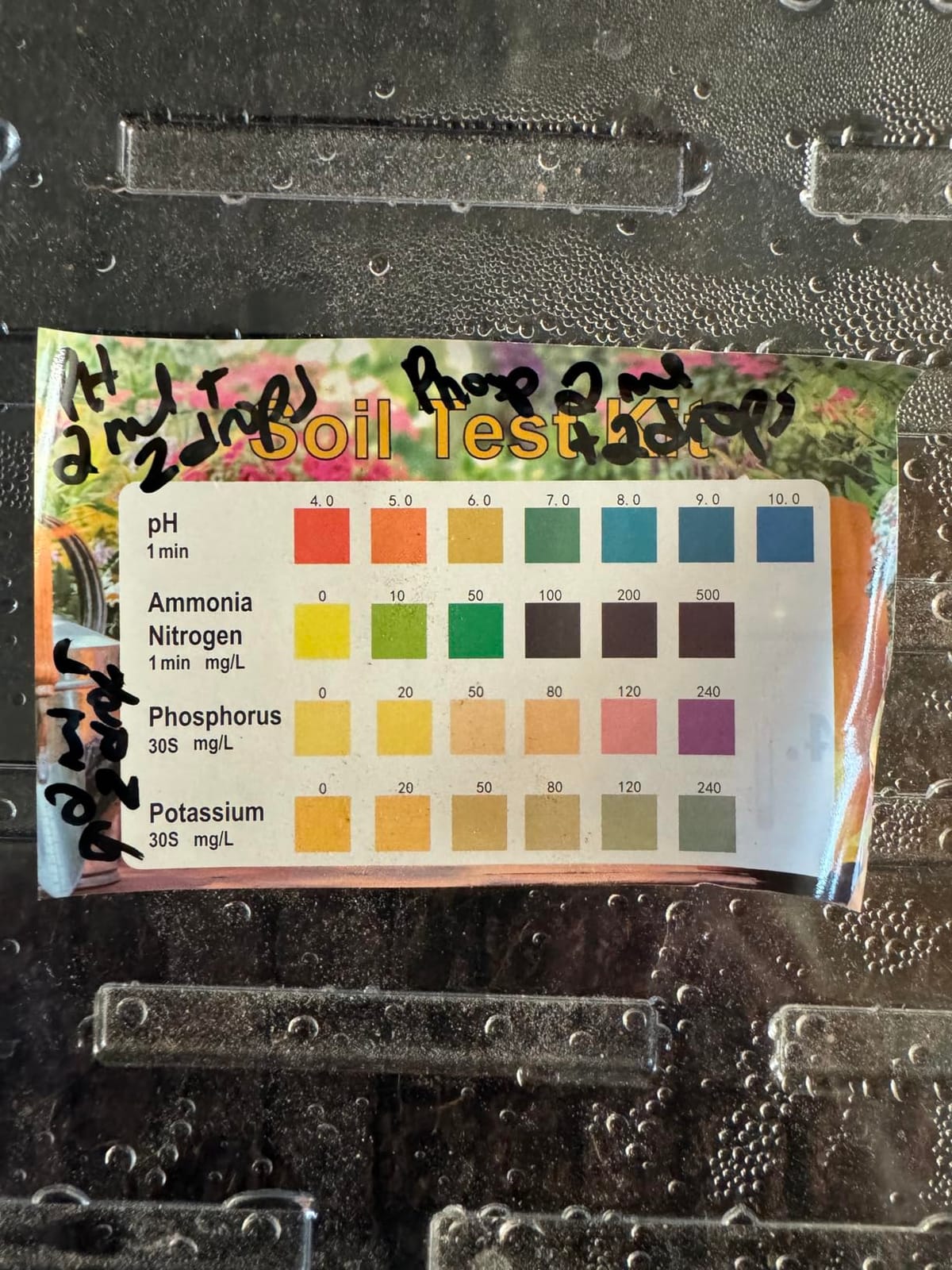
The liquid system uses dropper bottles of reagent and a color-matching chart, similar in concept to the Rapitest capsules but with reusable droppers instead of single-use capsules. I found the dropper format easier to control than opening foil capsules, especially for repeated tests.
Results come in under an hour, which beats mail-in kits and matches the Rapitest capsule system. The added ammonia test is unique among home kits and useful for compost testing or diagnosing nitrogen issues in real time.
The 512-review base is much smaller than the established kits on this list, and some users report packaging leakage in transit. The instructions are clearer than older liquid kits but still less polished than the Rapitest documentation. For a first-time user, expect a learning curve.
For whom it’s good
Small market gardeners and serious hobby growers who run 5+ beds will benefit most from the high test count. Compost enthusiasts get the ammonia reading other kits skip. Anyone who wants chemical kit accuracy with more flexibility than capsule formats should consider this.
For whom it’s bad
Casual gardeners with one or two beds don’t need 140 tests – the Rapitest 40-test kit is a better fit. Anyone uncomfortable with color matching should look at the Garden Tutor strips instead. The smaller review base means more uncertainty about long-term durability.
How to Choose the Right Soil Test Kit for Your Needs
The best home soil test kits fall into three categories, and matching your need to the right type matters more than brand. Probe meters give instant moisture and approximate pH but struggle with NPK accuracy. Chemical capsules and strips measure real pH and nutrient levels with reasonable accuracy at low cost. Mail-in lab kits deliver the only true lab-grade data, with personalized recommendations to match.
Pick a probe meter if you want quick spot checks
For indoor plants and casual watering decisions, a probe meter like the SONKIR or YAMRON gives you an instant moisture reading without setup. Treat any pH number as directional, not absolute. The probe reading should trigger a follow-up with a chemical or mail-in kit before you start amending.
Pick a chemical kit if you want real NPK data on a budget
The Rapitest capsule kit and Dewilde liquid kit both measure actual pH, nitrogen, phosphorus, and potassium with home-use accuracy. They’re the right choice for budget-conscious gardeners who want more than moisture data but don’t need full lab reports. Plan on color matching as the main skill to learn.
Pick a mail-in lab if you’re serious about results
When plants keep failing and you can’t figure out why, lab data cuts through the guessing. MySoil is the standout in this category. You give up instant results and pay more per test, but you get 13 nutrient readings plus customized amendment recommendations that no home kit can match.
Consider extension office testing for a free baseline
Before buying any kit, check your local county extension office. Many offer soil testing for free or under $20, with lab-grade results. The turnaround is usually 1-2 weeks, and the reports include region-specific recommendations. Experienced gardeners on r/lawncare and r/Soil frequently recommend extension testing as a starting point before committing to a home kit.
How to Take a Soil Sample the Right Way
Even the most accurate kit gives bad data from a bad sample. Here’s the workflow I used across all eight kits during testing. Take 5-10 small samples from different spots in the same bed, going 4-6 inches deep for gardens or 2-3 inches for lawns. Mix those sub-samples in a clean bucket to create one composite sample, then test that composite.
Avoid sampling right after fertilizing, liming, or heavy rain – wait at least 2 weeks. Don’t sample near compost piles, fence lines, or spots where rain runs off a roof, since those areas skew results. For new property assessments, sample at least 3-4 distinct areas separately to capture variation across the yard.
What Your pH Reading Actually Means
Most vegetables prefer pH between 6.0 and 7.0, where all major nutrients stay available. Below 5.5, aluminum and manganese can reach toxic levels. Above 7.5, iron and zinc become harder for plants to absorb even when present in the soil. Lawn grasses tolerate a wider range, typically 6.0 to 7.5.
To raise pH, add lime (dolomitic or calcitic) based on your buffer capacity. To lower pH, elemental sulfur works slowly but effectively. The amount you need depends on your soil type – clay soils need more amendment than sandy soils to shift pH by the same amount.
Re-test 2-3 months after any major amendment to confirm your changes took effect. Soil pH drifts slowly, and tracking it over seasons gives you a much clearer picture than a single reading.
Frequently Asked Questions
Which home soil test kit is the most accurate and reliable?
Mail-in lab kits like MySoil deliver the most accurate home soil test results because they use professional laboratory equipment to measure 13 plant-available nutrient levels. Among at-home kits, chemical capsule systems like the Rapitest test give the next best accuracy, typically within 0.2 pH units of lab results and reasonable NPK ranges. Probe meters are the least accurate for pH and nutrients but remain useful for quick moisture readings.
Which soil test is most accurate?
A professional mail-in lab test is the most accurate option available to home gardeners. Lab tests use calibrated equipment and extraction methods approved by agricultural research services. For immediate at-home testing, chemical kits with capsule or liquid reagent systems outperform probe meters, which only give relative readings on a narrow pH scale.
What is a good home soil testing kit?
A good home soil testing kit matches your accuracy needs and budget. For serious gardeners, the MySoil mail-in lab kit offers lab-grade results with personalized recommendations. For budget-conscious gardeners, the Rapitest chemical capsule kit provides reliable pH and NPK data at low cost. For quick spot checks, the SONKIR or YAMRON probe meters deliver instant moisture and approximate pH readings.
Are DIY soil test kits accurate?
DIY soil test kits range from moderately to reasonably accurate depending on the type. Chemical capsule kits and litmus strip kits come within 0.2-0.5 pH units of lab results when used properly. Probe meters are less accurate on pH, often off by 0.5-1.0 units, but they work well for relative moisture comparison. For amendment planning, chemical or lab tests are more reliable than probe readings.
How often should you test garden soil?
Test garden soil at least once per year, ideally in fall after the growing season ends so amendments have time to work before spring planting. Test again 2-3 months after any major amendment like lime or sulfur application. New gardens and lawns benefit from a baseline test plus a follow-up test after the first full growing season to track changes.
Final Verdict on the Best Home Soil Test Kits
After three months of testing across eight raised beds, my top pick for the best home soil test kit overall is the MySoil mail-in lab kit. The 13-nutrient lab analysis and personalized fertilizer recommendations solved problems no probe meter or chemical kit could diagnose. For gardeners on a budget, the Rapitest chemical capsule kit delivers real NPK and pH data at a fraction of the cost, and the Garden Tutor pH strips are the easiest entry point for beginners who want accurate pH without learning capsule chemistry.
If you’re shopping for best home soil test kits for the first time, start with one chemical or strip test to establish your baseline pH and NPK. Add a probe meter if you want daily moisture monitoring for indoor plants or containers. Skip cheap probe meters as your only testing tool – reviewers on gardening forums consistently report frustration with pH accuracy on budget probes alone.
Whatever kit you choose, take the time to sample correctly and re-test after amendments. Soil testing only pays off when you act on the results and track changes over time. For more home essentials like first aid kits and grooming kits, check out our other buying guides to round out your home setup.