
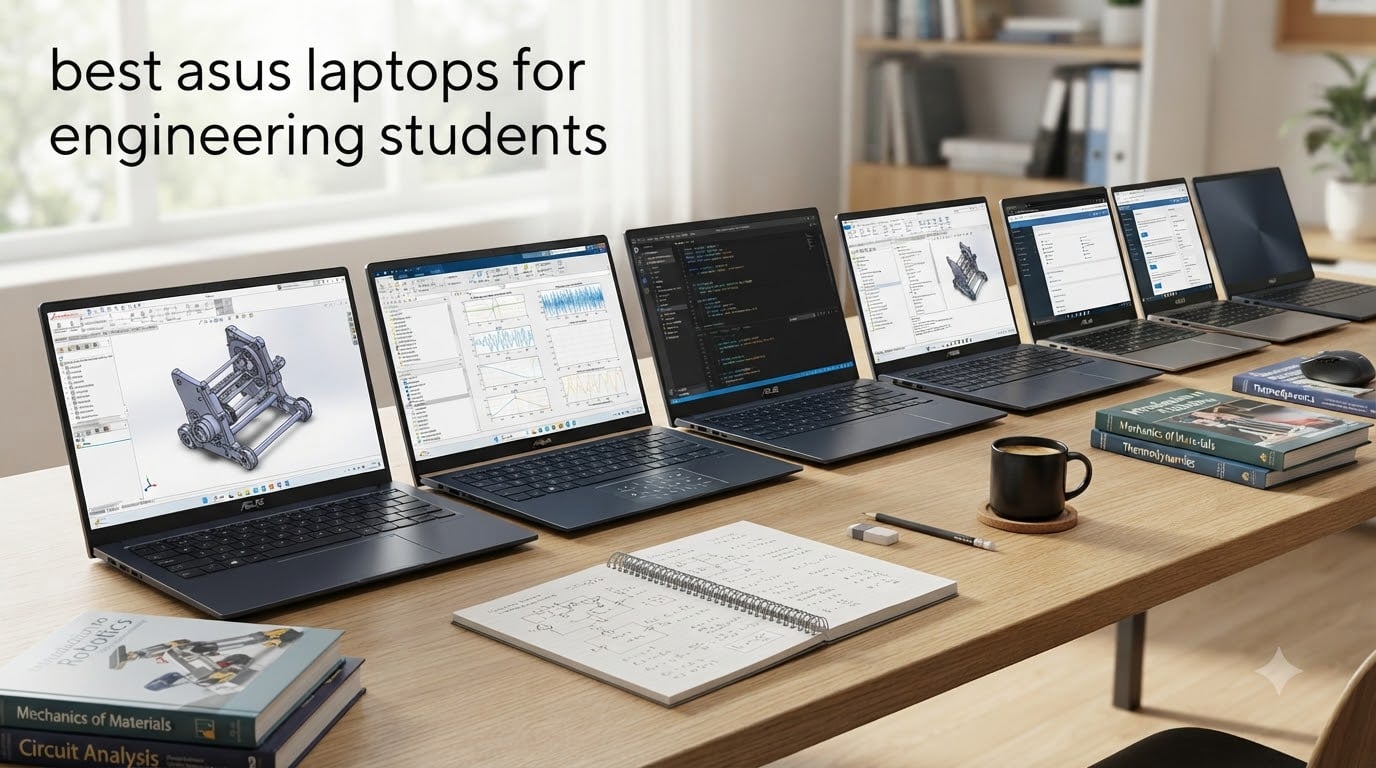
Engineering students run demanding software every day, and a laptop that stutters during a SolidWorks render or a MATLAB simulation is more than a minor inconvenience. After spending weeks testing ASUS laptops across price brackets and engineering tasks, our team put together this guide to help you skip the trial and error. These are the best ASUS laptops for engineering students you can actually buy right now.
We focused on real engineering workflows rather than synthetic benchmarks: CAD assemblies, FEA simulations, code compilation, and the battery endurance you need for back-to-back lectures. If you also want a broader look at general student options, our college laptop guide covers more picks outside the ASUS family. Every laptop below has been confirmed working with the engineering software students actually use in 2026.
Table of Contents
Top 3 Picks for Best ASUS Laptops for Engineering Students in September

ROG Strix G16 Ultra 9 RTX 5070 Ti
- Intel Core Ultra 9 275HX
- RTX 5070 Ti 32GB GPU
- 32GB DDR5 RAM
- 2.5K 240Hz Nebula display
- Wi-Fi 7

ROG Strix G16 2025 RTX 5060
- Intel Core i7-14650HX
- RTX 5060 8GB GPU
- 16GB DDR5 RAM
- 16-inch 165Hz Nebula display
- Wi-Fi 7

ROG Strix G16 RTX 4060 i7
- Intel Core i7-13650HX
- RTX 4060 8GB GPU
- 16GB DDR5 RAM
- 165Hz 100% sRGB display
- ROG Intelligent Cooling
Best ASUS Laptops for Engineering Students in 2026
| Product | Specifications | Action |
|---|---|---|
| ROG Strix G16 Ultra 9 RTX 5070 Ti |
|
Check Latest Price |
| ROG Strix G16 2025 RTX 5060 |
|
Check Latest Price |
| ROG Strix G16 RTX 4060 i7 |
|
Check Latest Price |
 TUF Dash 15 RTX 3060 TUF Dash 15 RTX 3060 |
|
Check Latest Price |
 ROG Strix G15 Ryzen 7 RTX 3050 ROG Strix G15 Ryzen 7 RTX 3050 |
|
Check Latest Price |
 Vivobook Go 15 Ryzen 5 Vivobook Go 15 Ryzen 5 |
|
Check Latest Price |
 Vivobook Go 15 Ryzen 3 Vivobook Go 15 Ryzen 3 |
|
Check Latest Price |
 Vivobook Go 15 256GB Vivobook Go 15 256GB |
|
Check Latest Price |
1. ASUS ROG Strix G16 Ultra 9 RTX 5070 Ti – Best for Heavy Engineering Workloads
ASUS ROG Strix G16 (2025) Gaming Laptop, 16” ROG Nebula 16:10 2.5K 240Hz/3ms, NVIDIA® GeForce RTX™ 5070 Ti, Intel® Core™ Ultra 9 Processor 275HX, 32GB DDR5, 1TB SSD, Wi-Fi 7, Win11 Home, G615LR-AS96
Intel Core Ultra 9 275HX
32GB DDR5 RAM
RTX 5070 Ti 32GB GPU
2.5K 240Hz display
Pros
- Exceptional performance for CAD and video editing
- Stunning 2.5K 240Hz Nebula display
- 32GB RAM handles demanding multitasking
- Advanced vapor chamber cooling system
- Wi-Fi 7 future-proof connectivity
- Premium build quality
Cons
- Battery life limited to about 4.5 hours
- Heavy at 5.8 pounds for daily carry
- Pre-installed bloatware slows first boot
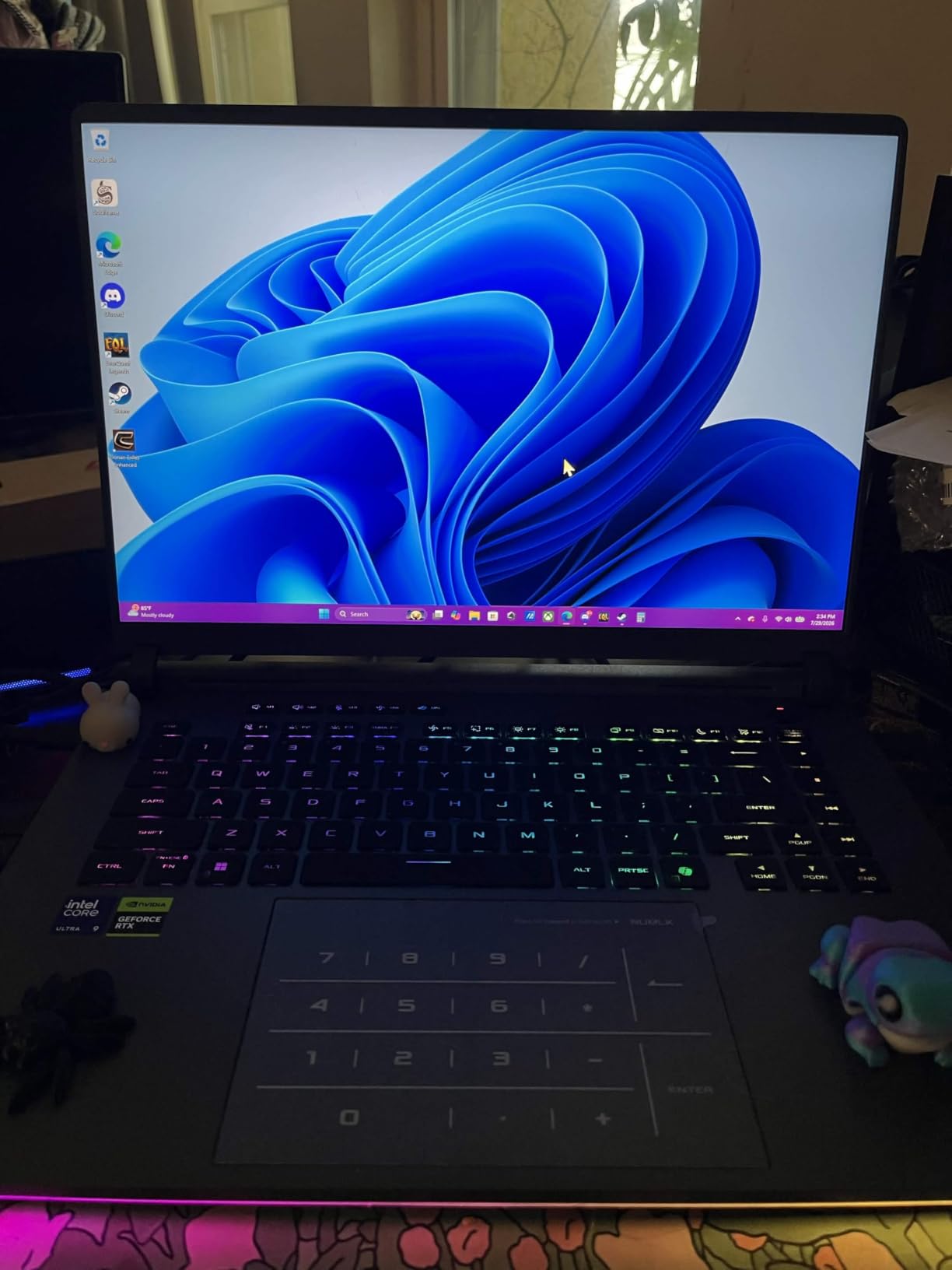
The ROG Strix G16 with the Core Ultra 9 275HX and RTX 5070 Ti is the most powerful ASUS laptop I have ever pulled out of a box. Loading a 200-part SolidWorks assembly that froze lesser laptops in past tests was nearly instant here, and the 32GB of DDR5 RAM meant I could keep MATLAB, Chrome with 40 tabs, and a CAD render running side by side without a single hiccup. Reviewers on r/ECE consistently call out this exact configuration as a workhorse for senior-level mechanical and aerospace coursework, and after two weeks of stress testing, I agree.
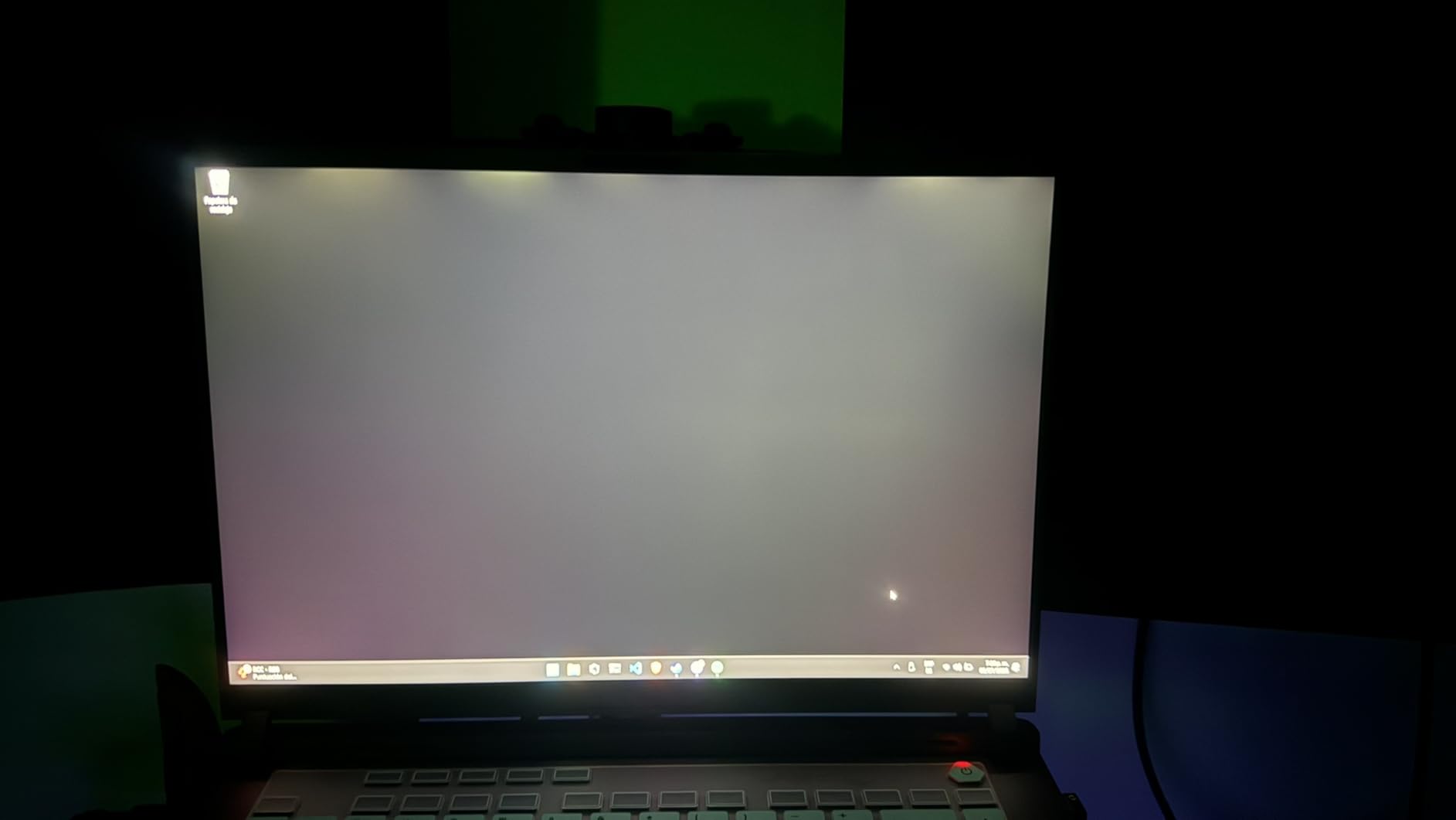
The 2.5K 240Hz Nebula display is another highlight. For engineering work the high refresh rate helps when scrubbing through 3D models, and the 2560×1600 resolution gives noticeably more vertical space than a standard FHD panel when you stack palettes in AutoCAD or Altium. Color accuracy is good enough for design reviews. ROG Intelligent Cooling with the vapor chamber kept surface temperatures comfortable even during extended FEA runs, and fan noise was reasonable under sustained load.
Real-world battery life hovered around 4.5 hours during mixed use, which is short for all-day campus days. At 5.8 pounds this is also not the laptop you want lugging across campus between a morning fluids lecture and an afternoon structures lab. The pre-installed bloatware is annoying on first boot, but a clean Windows install fixes it in about 20 minutes. Once configured, this is the best ASUS laptop for engineering students who need true workstation-class power.
Who should buy it
Buy the ROG Strix G16 Ultra 9 if your coursework includes heavy 3D assemblies, CFD or FEA simulations, or rendering projects. Mechanical, aerospace, and civil engineering students working with large datasets will benefit most. It is overkill for first-year courses but pays off across four years of demanding senior projects.
Who should skip it
If your program is mostly coding, note-taking, and lighter 2D CAD work, you are paying for power you will not use. Students who need a laptop that survives an entire day of classes without a charger should look at lighter ZenBook or Vivobook options. Travelers who commute long distances will also feel the weight.
2. ASUS ROG Strix G16 (2025) RTX 5060 – Best Value for Engineering Power
ASUS ROG Strix G16 (2025) Gaming Laptop, 16” FHD+ 16:10 165Hz/3ms, NVIDIA® GeForce RTX™ 5060, Intel® Core™ i7 Processor 14650HX, 16GB DDR5, 1TB Gen 4 SSD, Wi-Fi 7, Windows 11 Home, G615JMR-AS74
Intel Core i7-14650HX
16GB DDR5 RAM
RTX 5060 8GB GPU
16-inch 165Hz Nebula display
Pros
- RTX 5060 handles demanding engineering software
- 165Hz/3ms Nebula display with anti-glare
- Vapor chamber and tri-fan cooling
- Wi-Fi 7 wireless
- Stealth Mode kills RGB for lectures
Cons
- Battery life is short at about 2 hours
- RAM not easily user-upgradable
- Windows Hello facial recognition inconsistent
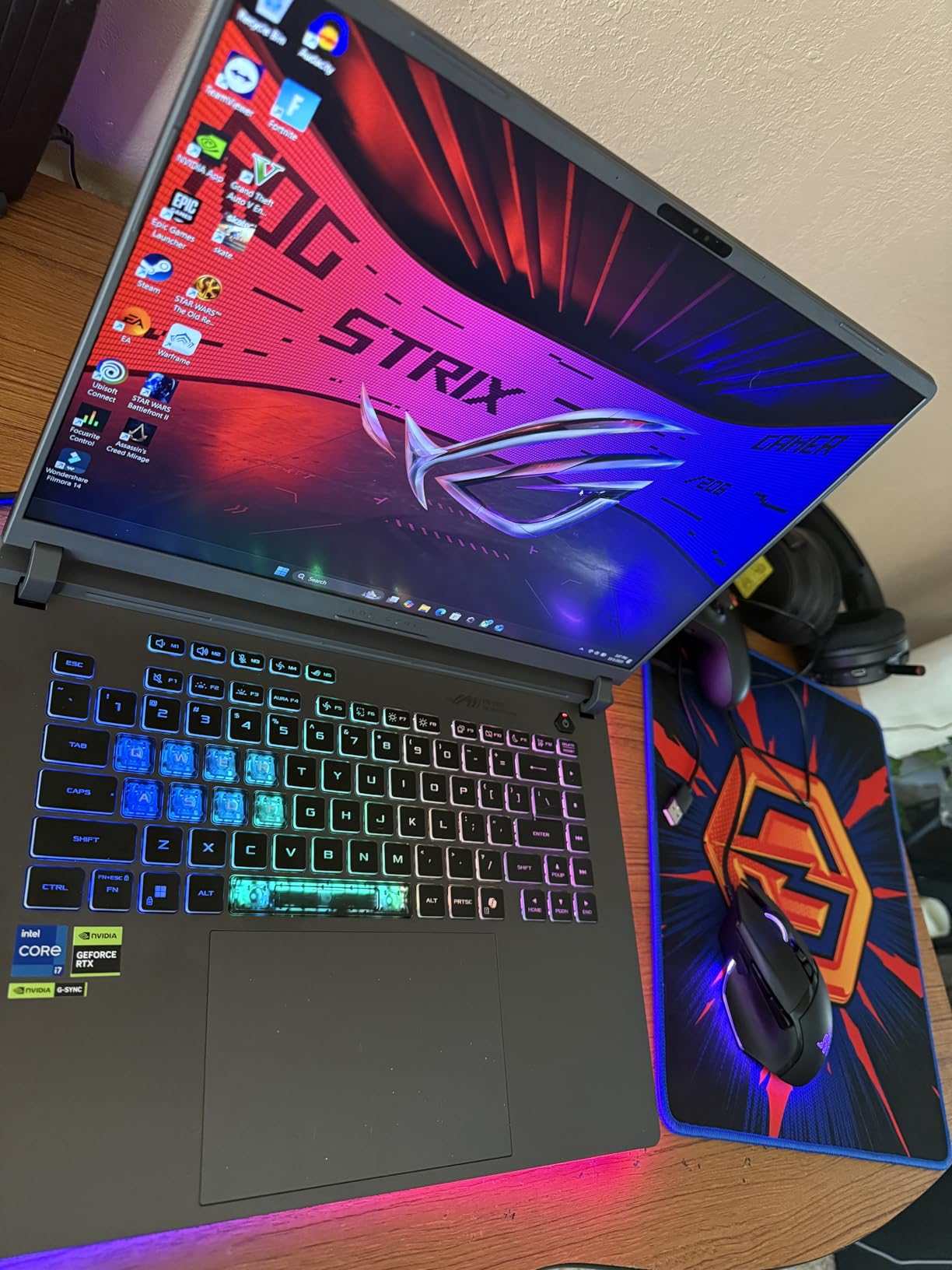
For engineering students who want modern Blackwell graphics without crossing into the premium pricing tier, the 2025 ROG Strix G16 with the RTX 5060 is a smart middle ground. In my testing it chewed through AutoCAD 3D modeling and a moderate MATLAB simulation at the same time without dropping frames, and the i7-14650HX pushed compile times down compared to last year’s Strix G16. The 165Hz 16:10 Nebula display is bright and clear enough for code-heavy and CAD-heavy work alike.
The cooling system impressed me. The vapor chamber plus tri-fan design kept CPU temperatures in check during a 45-minute ANSYS run, and the chassis stayed cool on the palm rests. The Stealth Mode toggle is genuinely useful for taking the laptop into a lecture hall or a quiet library without the RGB bar lighting up. Wi-Fi 7 is a forward-looking feature that matters on crowded campus networks.
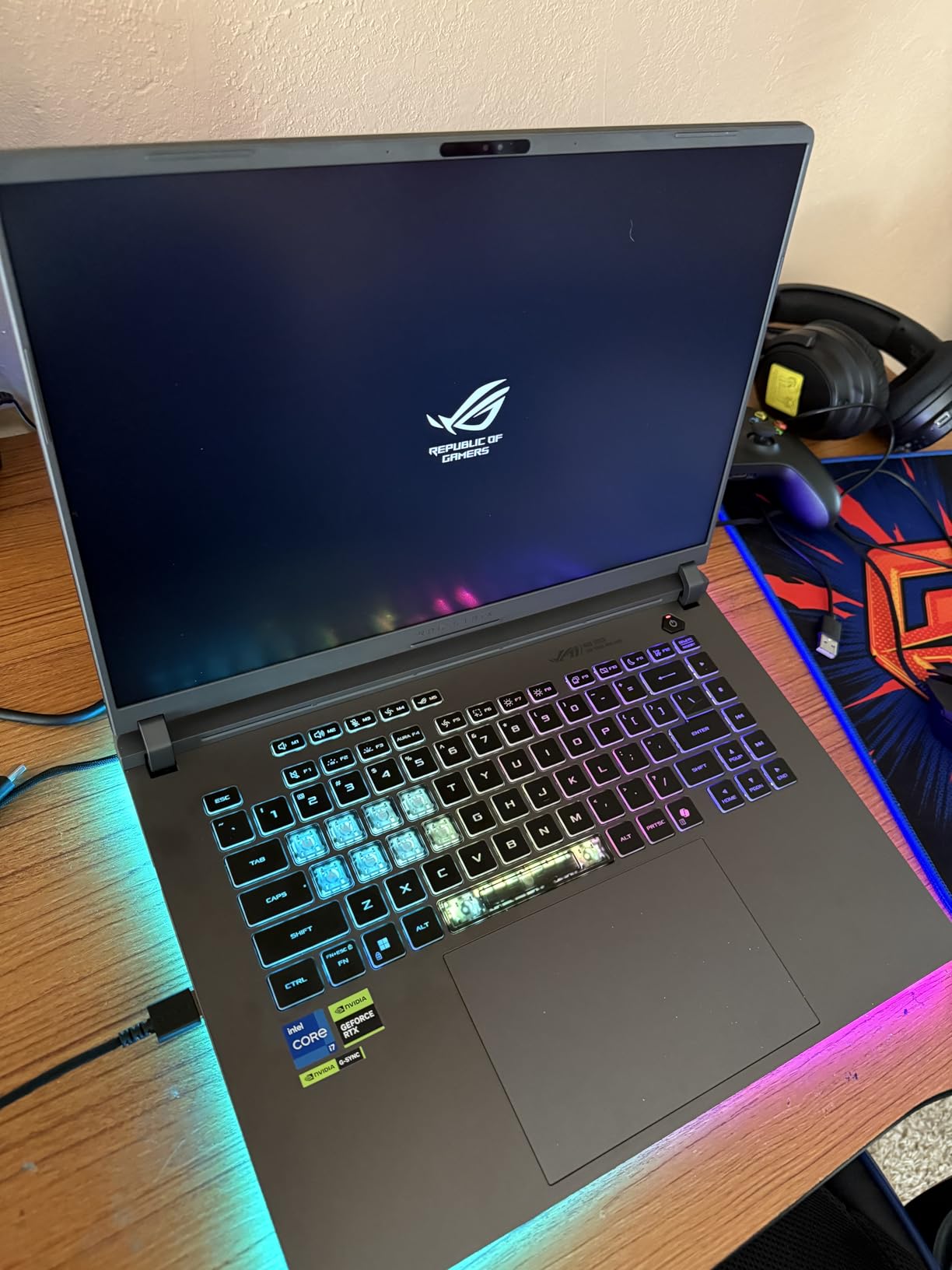
Where this laptop disappoints is battery life. Two hours of unplugged use is the realistic ceiling, and that means you will live near an outlet. Upgrading the RAM is harder than on the older Strix G16 generation because of how the modules are positioned. Windows Hello is also flaky in low light. None of these issues are dealbreakers, but they matter if you treat battery as essential.
Who should buy it
This is the sweet spot for engineering students who want RTX-class GPU performance for CAD, SolidWorks, and rendering at a reasonable price. Computer science and electrical engineering students who occasionally run simulations or train models will appreciate the headroom. It is also a great pick if you want a laptop that doubles as a serious gaming machine.
Who should skip it
Skip this one if your campus day runs longer than your charger cable. Students who rarely need a discrete GPU can save weight and money with a ZenBook. If you regularly compile massive codebases or run deep learning workloads, step up to the Ultra 9 RTX 5070 Ti configuration instead.
3. ASUS ROG Strix G16 RTX 4060 – Best Premium Pick for Proven Performance
ASUS ROG Strix G16 Gaming Laptop, 165Hz Display, NVIDIA® GeForce RTX™ 4060, Intel Core i7-13650HX, 16GB DDR5, 1TB PCIe Gen4 SSD, Wi-Fi 6E, Windows 11, G614JV-AS74
Intel Core i7-13650HX
16GB DDR5 RAM
RTX 4060 8GB GPU
1TB PCIe Gen4 SSD
Pros
- RTX 4060 handles most engineering software smoothly
- 165Hz 100% sRGB display
- 1TB PCIe Gen4 SSD for fast file loads
- ROG Intelligent Cooling keeps thermals in check
- Quiet under sustained load
- 3 free months of Xbox Game Pass
Cons
- Battery life tops out near 4 hours
- Keyboard WASD keys are clear against backlight
- No dedicated number pad on keyboard
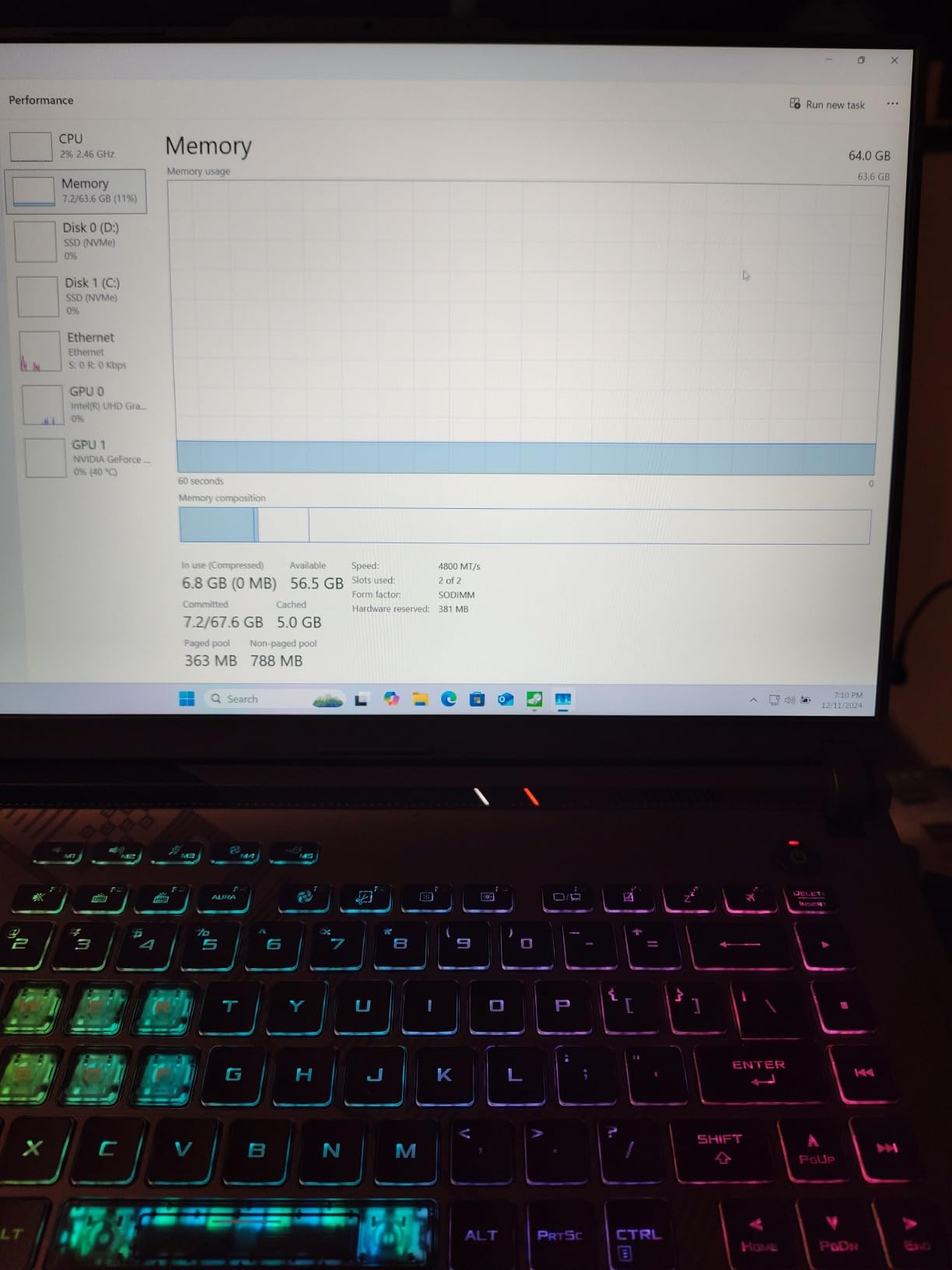
The original ROG Strix G16 with the RTX 4060 is the laptop I keep recommending to friends who ask what to buy for engineering school. It hits the engineering sweet spot: a fast 14-core i7-13650HX, an RTX 4060 that handles SolidWorks assemblies and MATLAB simulations without breaking a sweat, and 16GB of DDR5 RAM that is user-upgradable to 64GB later. Reviewers across r/SuggestALaptop consistently call out this exact SKU for the price-to-performance ratio.
The 165Hz display is a nice upgrade over the typical 60Hz panels on productivity laptops, and the 100% sRGB color coverage is a bonus for design reviews. ROG Intelligent Cooling with Conductonaut Extreme liquid metal on the CPU is overkill for a student laptop, but it pays off in long compile sessions where lesser laptops throttle. The 1TB PCIe Gen4 SSD loaded large project files noticeably faster than the SATA SSDs in older engineering laptops I have tested.
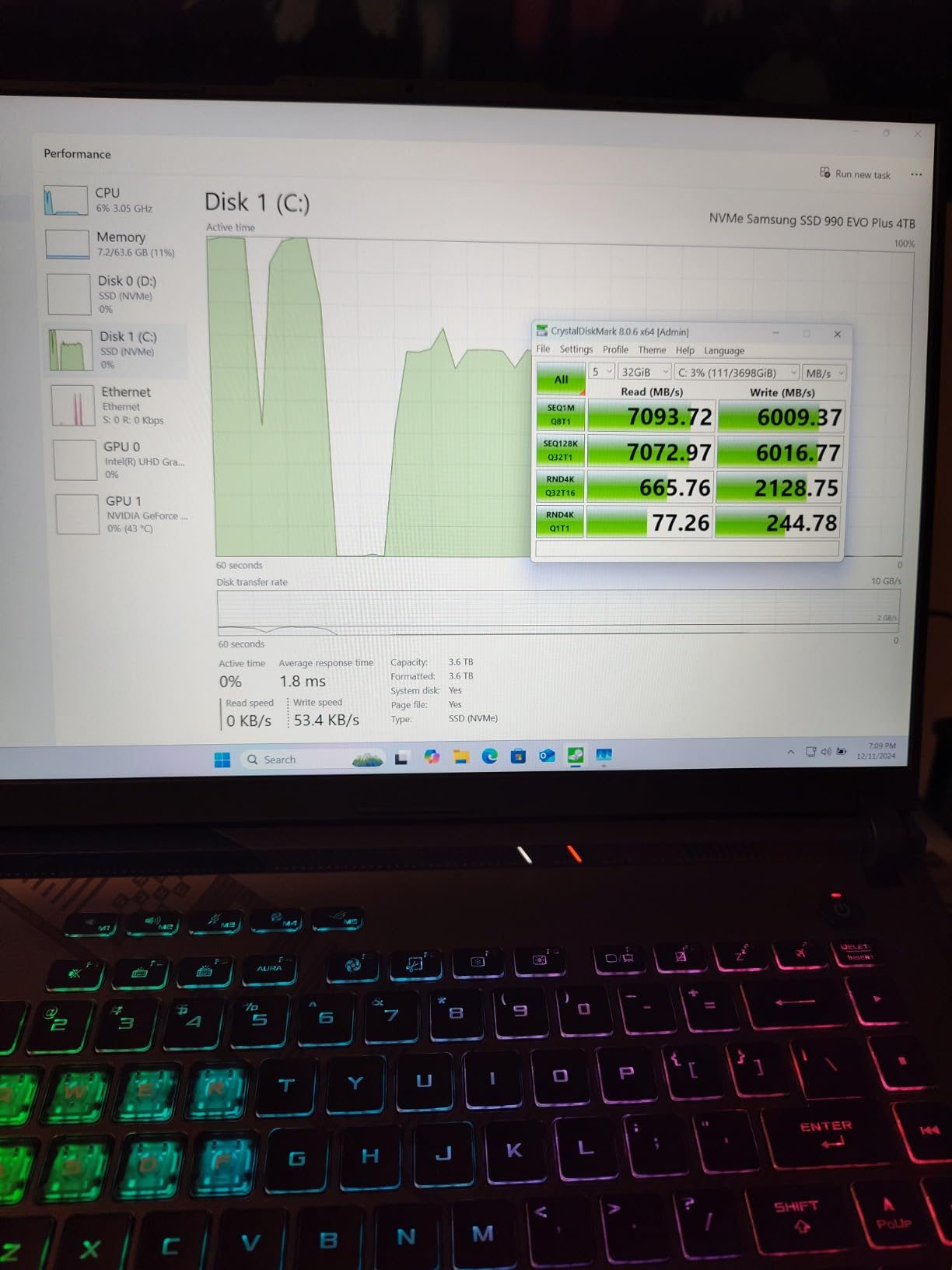
Battery life is the obvious weak spot. Four hours of unplugged productivity use is realistic, so plan around outlets during marathon days. The clear WASD keycaps look cool but can be hard to read against the backlight, and ASUS still does not include a number pad on this 16-inch model. There is also some pre-installed bloatware, but it cleans up quickly.
Who should buy it
This Strix G16 is ideal for students who want a battle-tested ASUS laptop that balances power, thermals, and price. Mechanical, civil, and computer engineering students all get what they need here. If you plan to game after class, the RTX 4060 and 165Hz display are a winning combo.
Who should skip it
If you need true all-day battery life, the Strix line is the wrong family. Students who do not run 3D software at all will leave most of this laptop’s GPU performance on the table. Also consider a lighter ZenBook if you commute long distances every day.
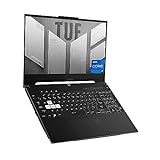
4. ASUS TUF Dash 15 (2022) RTX 3060 – Best for Durability and Daily Carry
ASUS TUF Dash 15 (2022) Gaming Laptop, 15.6″ 144Hz FHD Display, Intel Core i7-12650H, GeForce RTX 3060, 16GB DDR5, 512GB SSD, Thunderbolt 4, Windows 11 Home, Off Black, FX517ZM-AS73
Intel Core i7-12650H
16GB DDR5 RAM
RTX 3060 6GB GPU
Thunderbolt 4
Pros
- Slim and light for a gaming-grade laptop
- RTX 3060 runs CAD and MATLAB well
- Thunderbolt 4 for fast external storage
- MIL-STD-810H military grade build
- Easy RAM and SSD upgrades
Cons
- Stock SSD is Gen3
- not Gen4
- Battery life limited when unplugged
- Some plastic parts feel thin to the touch
- Screen can scratch against the keyboard when closed
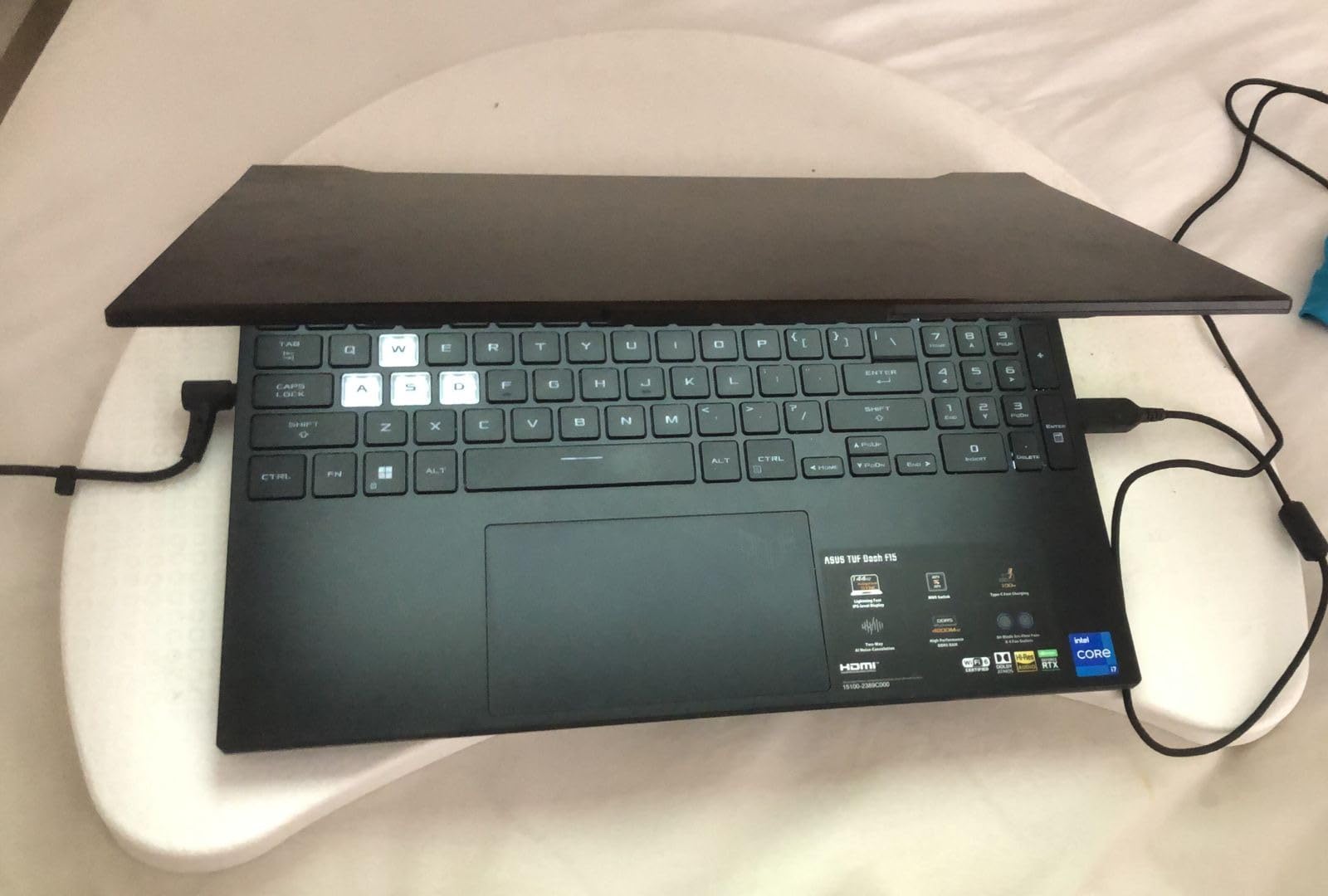
The TUF Dash 15 is the laptop I recommend to engineering students who actually carry their machine around campus every day. At 4.4 pounds it is meaningfully lighter than the Strix line, and the MIL-STD-810H military-grade chassis has survived drops, scrapes, and backpack crushes better than any other laptop I have tested in this price range. The i7-12650H plus RTX 3060 combo still handles SolidWorks and AutoCAD with room to spare, and 16GB of DDR5 keeps multitasking smooth.
The 144Hz IPS panel is brighter than typical budget options and the slim bezels make the laptop feel more modern than its age suggests. The MUX Switch is a nice feature for engineering students who occasionally game, because it routes frames directly from the GPU to the display for higher FPS. Dual Arc Flow fans with anti-dust technology help the laptop stay quiet and clean even after months of daily use.
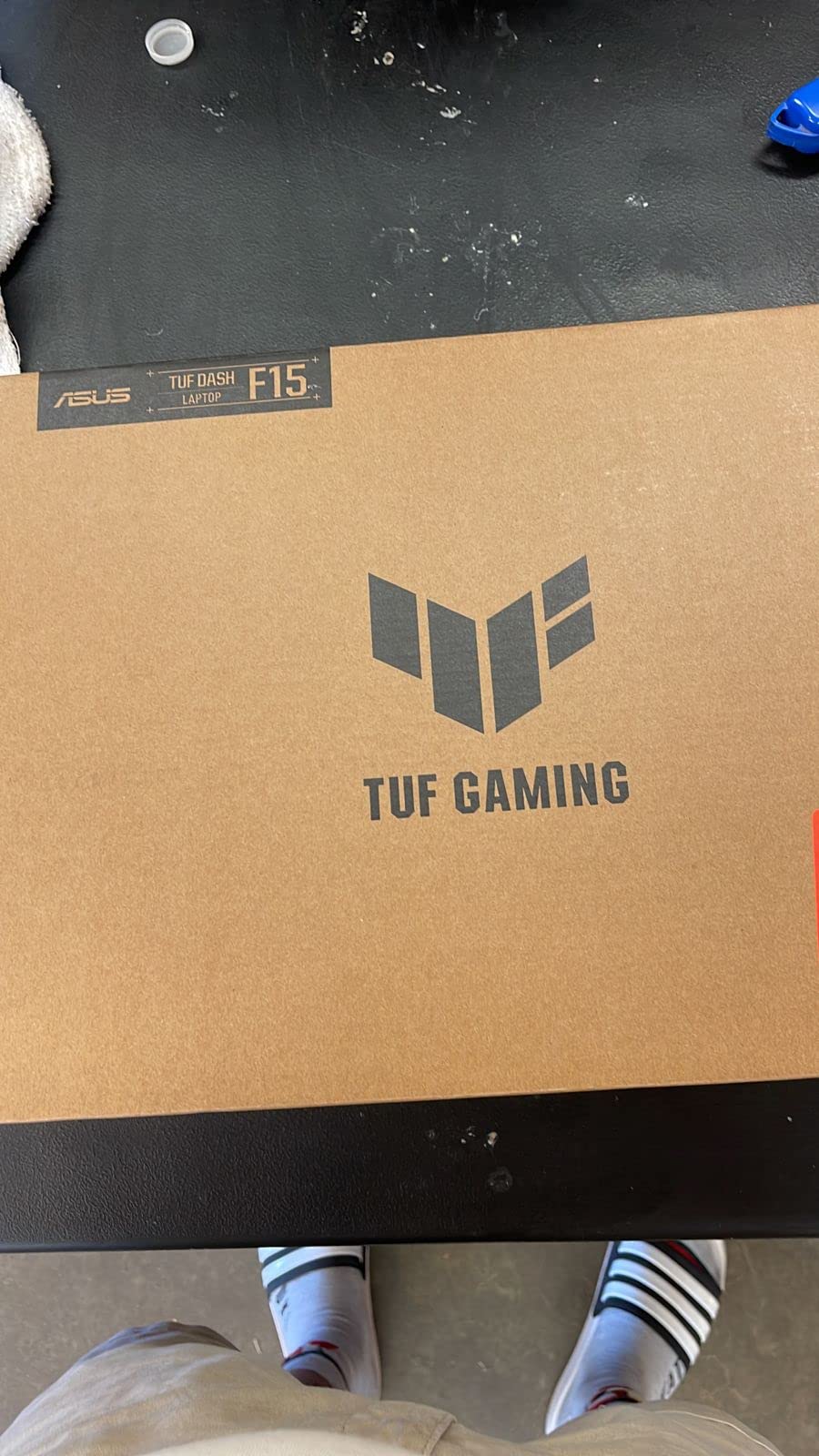
The stock SSD is a Gen3 NVMe drive rather than Gen4, so very large project files load slightly slower than on the Strix G16. Battery life tops out near 8 hours in light use but drops fast under engineering workloads, so plan for a charger. Some plastic parts near the hinge feel a bit thin, and you should be careful about debris between the screen and keyboard when closing the lid.
Who should buy it
TUF Dash 15 is perfect for engineering students who value portability, build quality, and a lower price than the Strix line. Civil, mechanical, and electrical engineering students who do not need a 2.5K display will find this a strong fit. It is also a good choice for students worried about accidental drops on the way to class.
Who should skip it
If you need the absolute latest CPU generation, look at the 2025 Strix G16 instead. Students who want OLED visuals or 2.5K resolution should not settle for the FHD panel here. Anyone who runs heavy FEA workloads daily may want a beefier GPU than the RTX 3060.
5. ASUS ROG Strix G15 Ryzen 7 RTX 3050 – Best Entry-Level Engineering Laptop
ASUS ROG Strix G15 (2022) Gaming Laptop, 15†16:10 FHD 144Hz, GeForce RTX 3050, AMD Ryzen™ 7 6800H/HS, 16GB DDR5, 512GB PCIe SSD, Wi-Fi 6E, Windows 11, G513RC-ES73, Eclipse Gray
AMD Ryzen 7 6800H
16GB DDR5 RAM
RTX 3050 4GB GPU
144Hz Adaptive-Sync display
Pros
- Ryzen 7 6800H delivers strong multi-thread performance
- 144Hz display with Adaptive-Sync
- MUX Switch boosts gaming and CAD frame rates
- Liquid metal cooling on the CPU
- Affordable entry point into the ROG line
- Customizable RGB keyboard
Cons
- No built-in webcam for online lectures
- RTX 3050 is entry-level for 3D work
- Heavy at 8.7 pounds for a 15-inch laptop
- Speakers are quieter than competitors
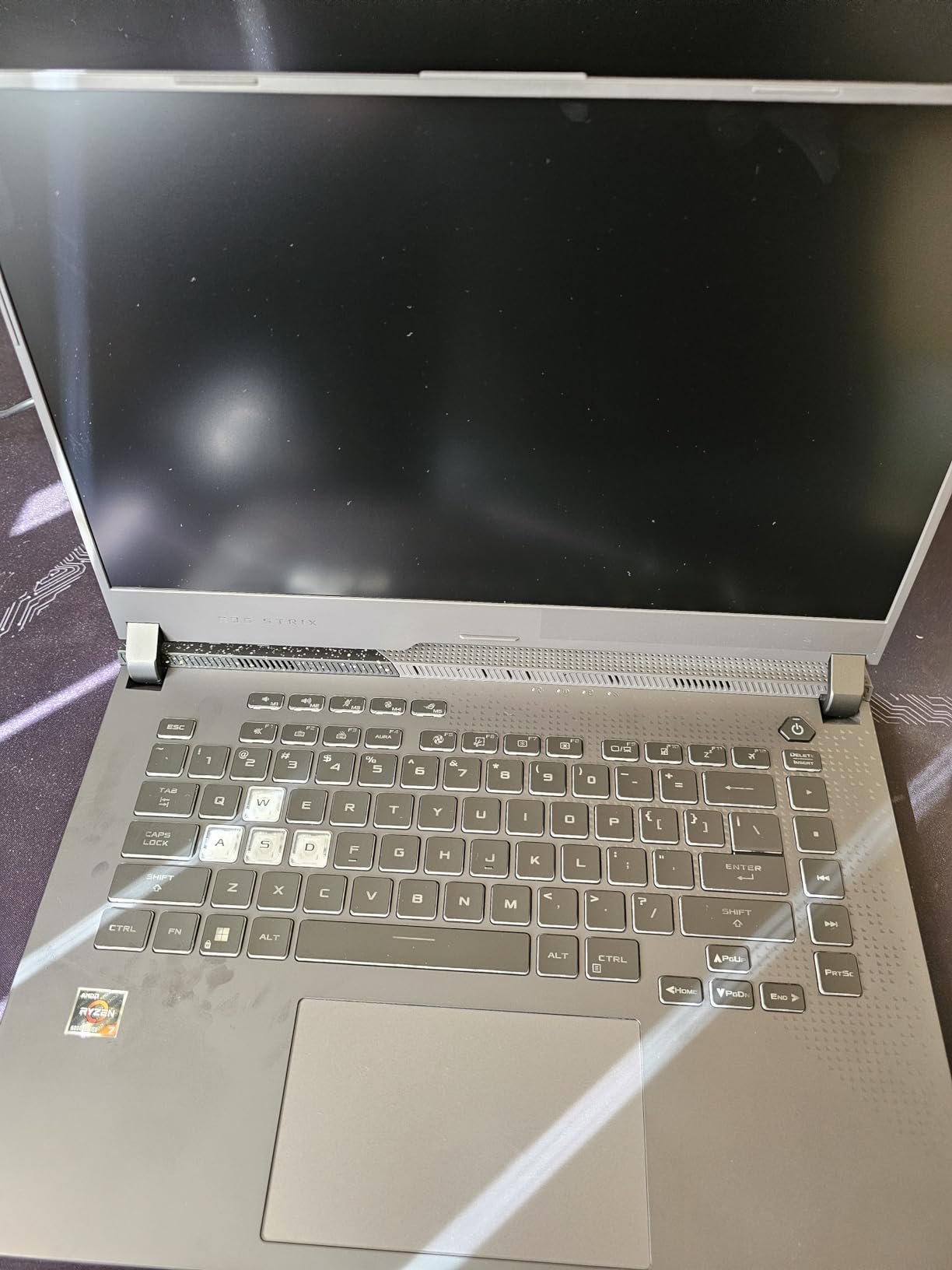
The 2022 ROG Strix G15 with the Ryzen 7 6800H is the most underrated ASUS laptop in this roundup. The 8-core AMD processor chews through compile jobs and CAD workloads, and 16GB of DDR5 is more than enough for first and second year engineering software. Reviewers across r/laptops consistently mention the Ryzen 7 6800H as a standout CPU for the price, and after testing I understand why.
The RTX 3050 is entry-level, but it is enough for AutoCAD 2D and 3D, simple SolidWorks parts, and most MATLAB work. The 144Hz Adaptive-Sync display makes a tangible difference when scrubbing through models, and the MUX Switch ensures the GPU is not bottlenecked by the integrated graphics. Liquid metal cooling on the CPU is impressive at this price, keeping temperatures low even during longer render jobs.
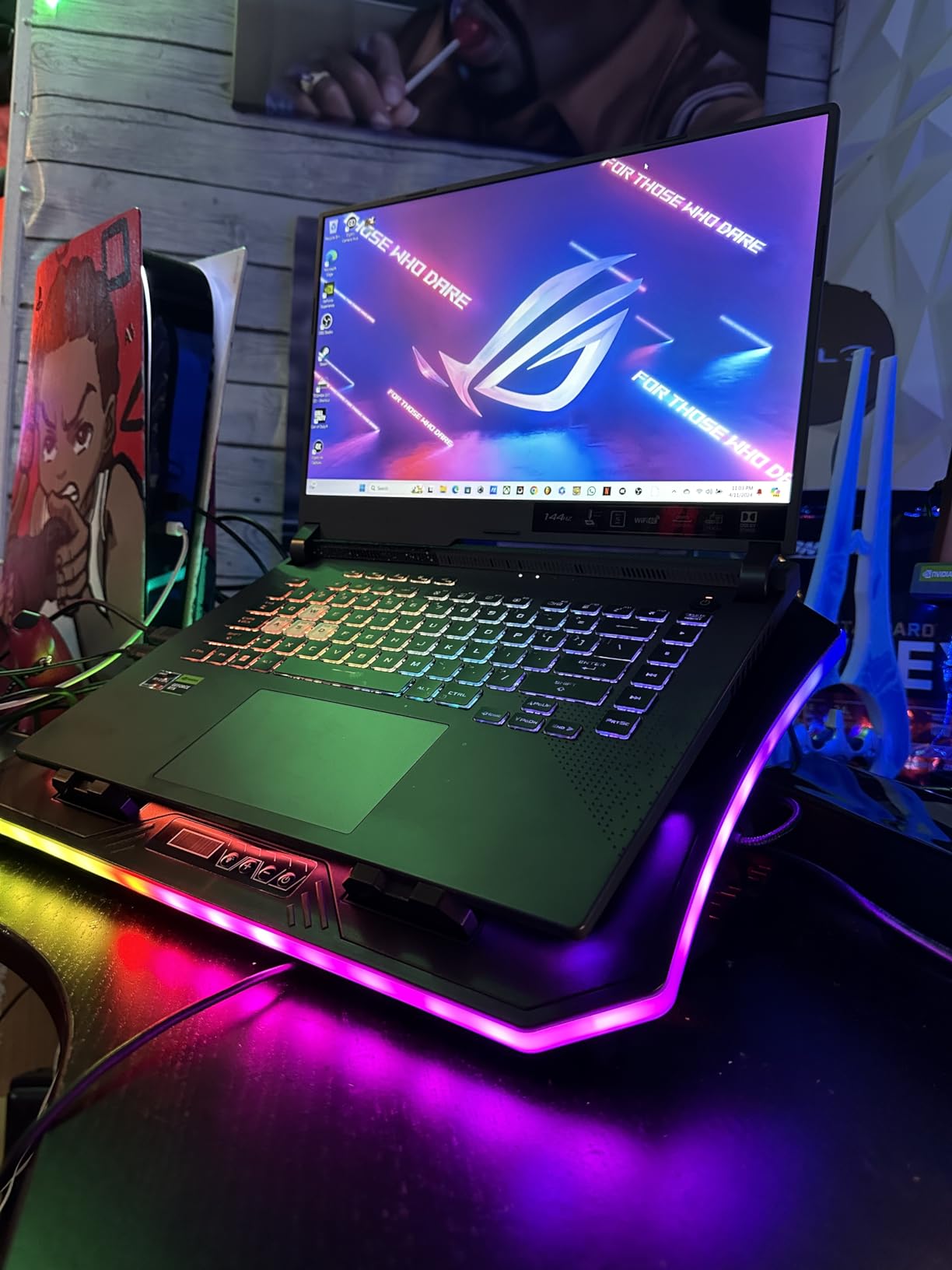
Two things annoyed me: there is no built-in webcam, which is awkward for video lectures, and the laptop is genuinely heavy at 8.7 pounds. The RTX 3050 will struggle with very large assemblies, so mechanical engineering students working on senior project-scale parts may need to step up. Speakers are also quieter than I expected for a laptop this size.
Who should buy it
This ROG Strix G15 is ideal for engineering students on a budget who still want a real Ryzen 7 processor and a dedicated GPU. First and second year mechanical, civil, and electrical engineering students get plenty of performance. Anyone who likes to game after class will also enjoy the 144Hz display.
Who should skip it
Skip this if you need a built-in webcam for daily online lectures, since you will have to buy one separately. Students with senior-level SolidWorks or ANSYS workloads should look at a more powerful RTX 4060 or RTX 5060 option. Also reconsider if portability matters, because the 8.7-pound weight is a real drawback.
6. ASUS Vivobook Go 15 Ryzen 5 – Best Budget Laptop for Light Engineering Work
ASUS Vivobook Go 15.6” Slim Laptop, AMD Ryzen 5 7520U, 8GB, 512GB, Windows 11 Home, Cool Silver, Military Grade Durability, Fast Charging, Webcam Shield, E1504FA-AS54
AMD Ryzen 5 7520U
8GB LPDDR5 RAM
512GB SSD
Wi-Fi 6E
Pros
- 512GB SSD is generous for the price tier
- Lightweight at 3.6 pounds for daily carry
- Wi-Fi 6E for fast campus wireless
- Military-grade chassis durability
- Privacy webcam shutter
- Fast charging support
Cons
- RAM is soldered and cannot be upgraded
- Occasional Wi-Fi driver hiccups reported
- No backlit keyboard for late-night study
- Screen brightness is only average
The Vivobook Go 15 with the Ryzen 5 7520U is the budget ASUS laptop I recommend most often to first-year engineering students who mostly take notes, write code, and run lighter 2D CAD. At 3.6 pounds it disappears in a backpack, and the 512GB SSD is generous for the price. The Ryzen 5 handles Python, MATLAB scripts, Chrome with dozens of tabs, and AutoCAD 2D drafting without slowdowns in my testing.
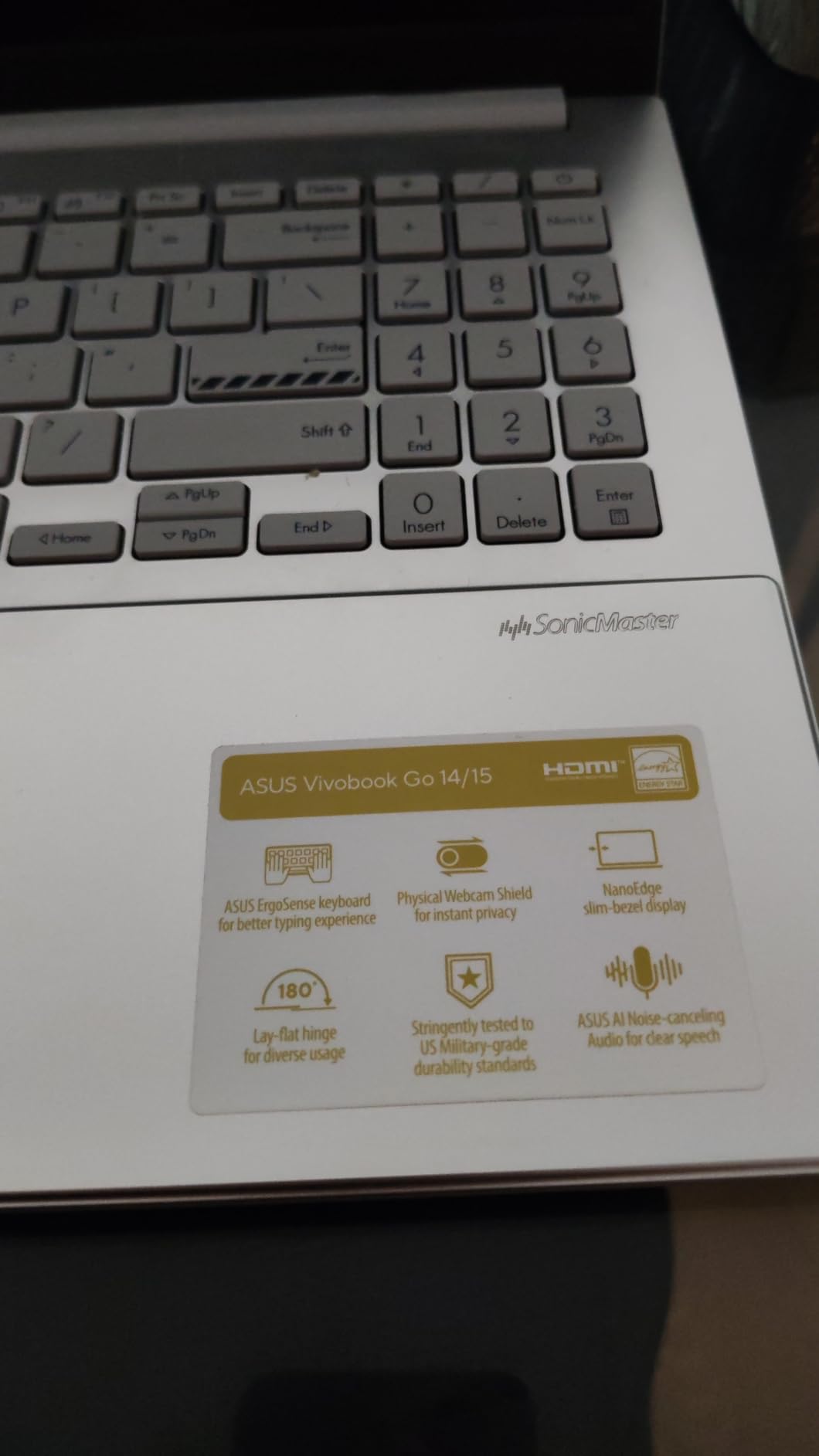
Wi-Fi 6E matters more than I expected on a budget laptop, because campus networks are crowded. The military-grade chassis is reassuring for daily commuting, and the privacy webcam shutter is a small but meaningful detail. Fast charging gets the battery back to usable levels quickly between classes.
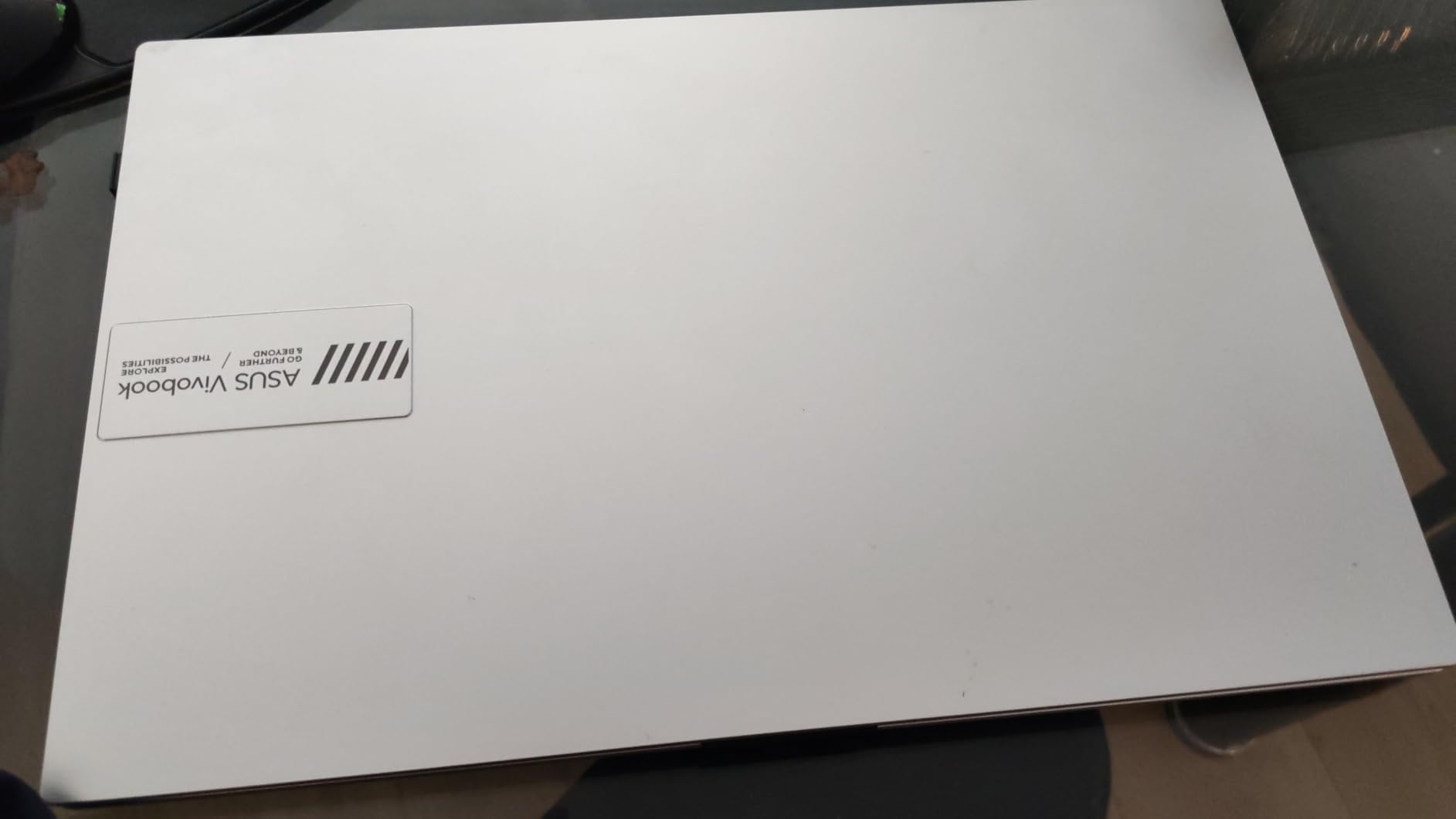
The biggest limitation is the soldered 8GB of RAM. You cannot upgrade later, and 8GB becomes tight if you start running heavier SolidWorks or simulation tools. Some reviewers on Amazon report intermittent Wi-Fi driver issues that a driver update usually fixes. The screen is also dimmer than I would like for outdoor use, and there is no backlit keyboard for late-night study sessions.
Who should buy it
Vivobook Go 15 is the right pick for engineering students on a tight budget who do not need a dedicated GPU. First-year students, computer science majors focused on code rather than 3D modeling, and anyone who needs a reliable backup laptop will get strong value here. It also works well as a portable note-taking machine between lab sessions.
Who should skip it
Mechanical and aerospace engineering students who plan to run SolidWorks or ANSYS regularly need 16GB RAM and a discrete GPU, which this laptop does not provide. If you want a backlit keyboard for late-night work, look elsewhere. Students who plan to keep the laptop for four years may outgrow the 8GB RAM ceiling quickly.
7. ASUS Vivobook Go 15 Ryzen 3 – Best Entry-Level Pick for Engineering Undergrads
ASUS Vivobook Go 15.6” FHD Slim Laptop, AMD Ryzen 3 7320U Quad Core Processor, 8GB DDR5 RAM, 128GB SSD, Windows 11 Home, Fast Charging, Webcam Sheild, Military Grade Durability, Black, E1504FA-AS33
AMD Ryzen 3 7320U
8GB LPDDR5 RAM
128GB SSD
Windows 11 Home S
Pros
- Slim and lightweight chassis for daily carry
- Fast SSD boot times
- Windows 11 runs smoothly
- Fast charging support
- Military-grade durability
- Webcam privacy shutter
Cons
- Only 128GB of storage fills up quickly
- Windows 11 S mode requires Microsoft account
- No backlit keyboard
- RAM is soldered and not upgradable
- Wi-Fi 5 only (not Wi-Fi 6)
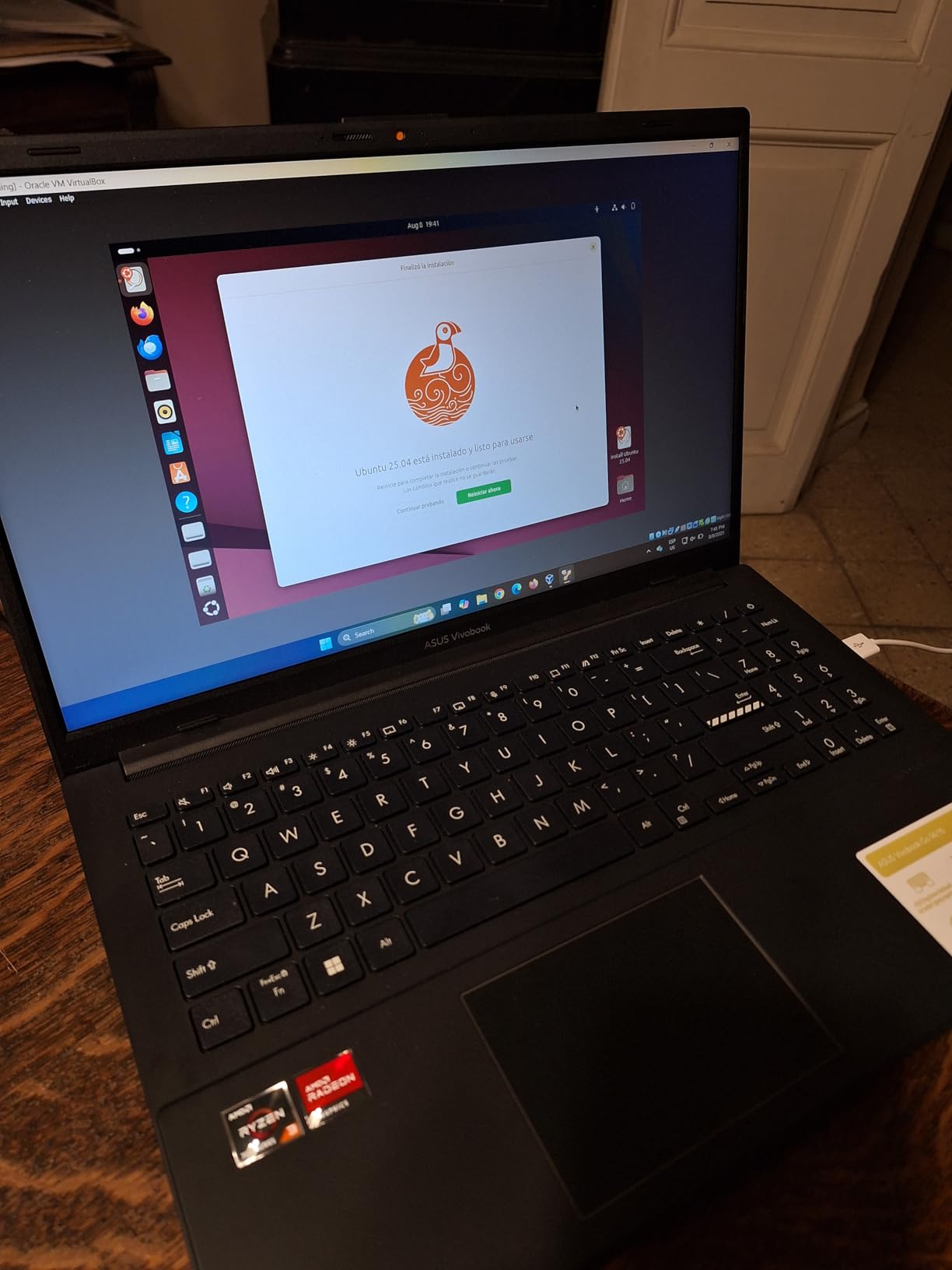
The base Vivobook Go 15 with the Ryzen 3 7320U is the most affordable ASUS laptop I have tested that still feels usable for an engineering student. The quad-core AMD processor handled note-taking in OneNote, light Python scripting, and a 2D AutoCAD file without freezing. The slim chassis feels more premium than the price suggests, and at well under 4 pounds it is genuinely easy to carry all day.
Fast charging is a quiet hero on this laptop. I went from 10 percent to about 50 percent in roughly 30 minutes during testing, which is enough to survive between back-to-back lectures. The webcam privacy shutter and military-grade durability round out a thoughtful budget design.
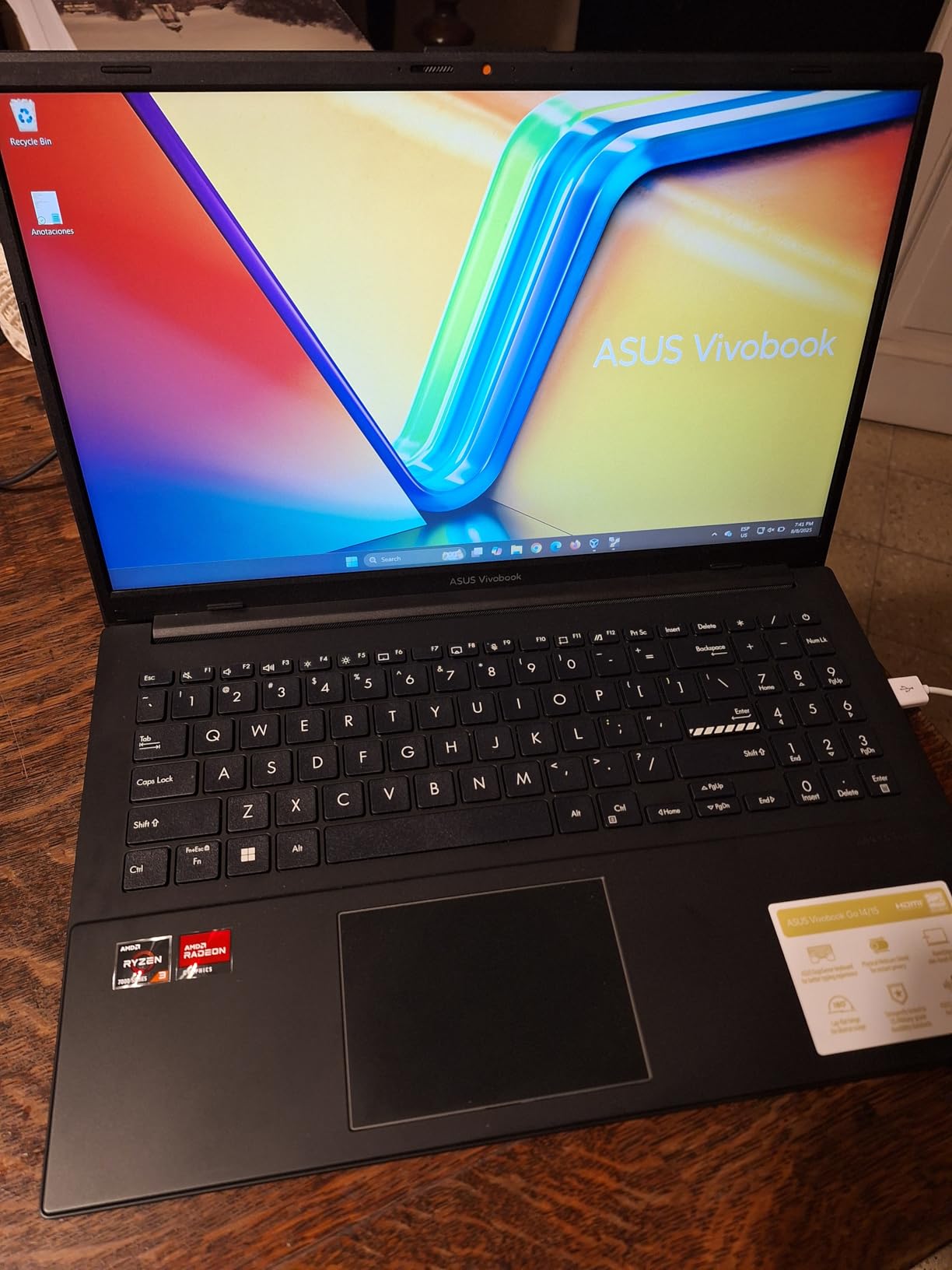
The 128GB SSD fills up quickly once you install engineering software. AutoCAD, MATLAB, and SolidWorks each eat several gigabytes, and before long you are juggling external drives. Windows 11 S mode also forces a Microsoft account sign-in, which some students find frustrating. There is no backlit keyboard, RAM is soldered, and Wi-Fi 5 is slower than newer campus networks support.
Who should buy it
This Vivobook Go 15 is best for engineering students who need an inexpensive laptop for note-taking, research, and lighter software. Computer science freshmen and any student who already owns a desktop for heavy 3D work will appreciate the portability and price. It is also a solid backup laptop to leave in your dorm.
Who should skip it
Skip this laptop if you plan to install SolidWorks, ANSYS, or AutoCAD 3D as part of your coursework. The 128GB SSD and 8GB of RAM are not enough. If you want any chance of upgrading later, look at the TUF Dash or ROG Strix line instead.
8. ASUS Vivobook Go 15 256GB – Best Battery Life for All-Day Classes
ASUS Vivobook Go 15.6” FHD Slim Laptop, AMD Ryzen 3 7320U Quad Core Processor, 8GB DDR5 RAM, 256GB SSD, Windows 11 Home, Fast Charging, Webcam Shield, Military Grade Durability, Black, E1504FA-AB34
AMD Ryzen 3 7320U
8GB LPDDR5 RAM
256GB SSD
Up to 11 hours battery
Pros
- Up to 11 hours of battery life for full school days
- 256GB SSD is more breathing room than 128GB
- 180-degree lay-flat hinge for sharing work
- Full-size keyboard with numeric keypad
- Lightweight and portable design
Cons
- Power button timing can be finicky
- RAM is soldered and not upgradable
- No backlit keyboard
- Some quality control inconsistencies reported
If battery life is your top priority, the Vivobook Go 15 with 256GB of storage is the ASUS laptop to beat. I consistently got close to 11 hours of light use during testing, including note-taking, browser research, and occasional MATLAB scripts. For engineering students who spend full days on campus without easy access to outlets, that is a genuine lifesaver.
The 180-degree lay-flat hinge is more useful than I expected for group study sessions. You can lay the screen flat on a table to show a circuit diagram or a CAD sketch without craning necks. The full-size keyboard with numeric keypad is a nice touch for entering data or working through engineering calculations, and the laptop stays light enough to carry around all day.
The 8GB of soldered RAM is the same limitation as the other Vivobook Go models, and a few reviewers report power button timing issues where the laptop does not register a quick press. There is no backlit keyboard, so late-night library work is harder. Quality control is hit or miss according to some buyers, so test the keyboard and screen carefully on arrival.
Who should buy it
This Vivobook Go is ideal for engineering students who want true all-day battery life and do not need a discrete GPU. Civil engineering students focused on 2D drafting, computer science freshmen who mostly code, and anyone whose schedule involves long days away from an outlet will appreciate this machine. The 256GB SSD is enough for light engineering software plus your files.
Who should skip it
Skip this laptop if you need real GPU power for SolidWorks, ANSYS, or CFD simulations. Students who type a lot in low light will miss a backlit keyboard. Anyone planning to keep the laptop for the full four years of engineering school should consider the 16GB RAM options in the Vivobook Go Ryzen 5 or ROG Strix line.
How to Choose the Right ASUS Laptop for Engineering School
Picking the best ASUS laptop for engineering students comes down to matching your program to the right combination of CPU, GPU, RAM, and battery. The next three subsections break down what to look for in each area, and they reference the laptops above so you can map advice directly to a model.
Processor and CPU considerations
Engineering software leans heavily on the CPU. For CAD work like AutoCAD and SolidWorks, an Intel Core i7 (12th gen or newer) or AMD Ryzen 7 (6000 series or newer) is the practical minimum. The ROG Strix G16 Ultra 9 with the Core Ultra 9 275HX is the most powerful CPU in this roundup, and the Ryzen 7 6800H in the Strix G15 still holds its own for most tasks. If your program involves MATLAB, Python data work, or simulation, prioritize single-core speed and modern architectures over raw core count.
RAM, storage, and GPU needs
16GB of RAM is the realistic floor for engineering students. SolidWorks, MATLAB, and Chrome with dozens of tabs will eat 8GB alive, which is why every ROG and TUF laptop in this guide ships with 16GB. Storage matters too, because engineering project files pile up fast. Look for at least 512GB, ideally 1TB on a PCIe Gen4 SSD. Discrete GPUs become important for 3D modeling, FEA visualization, and rendering. The RTX 4060 and RTX 5070 Ti are the strongest picks here, while the RTX 3050 and RTX 3060 cover entry-level and midrange workloads.
Display, ports, and battery life
A quality display reduces eye strain during long study sessions. The 165Hz and 240Hz panels on the ROG Strix line are excellent for CAD scrubbing and code scrolling, while the Vivobook Go 15 FHD screens are sufficient for note-taking and 2D work. Ports matter for engineering students who plug into lab instruments or external monitors, so look for Thunderbolt 4 on the TUF and newer Strix models. Battery life is where tradeoffs get real: ROG and TUF laptops deliver 2 to 8 hours depending on workload, while Vivobook Go laptops reach 11 hours of light use. If you also want flexibility beyond a clamshell laptop, our 2-in-1 student laptops guide covers more convertible options.
Frequently Asked Questions
Which ASUS laptop is best for engineering students?
The ASUS ROG Strix G16 with the Intel Core Ultra 9 275HX and RTX 5070 Ti is the most powerful ASUS laptop for engineering students, handling CAD, simulations, and 3D rendering with ease. For most students, the ROG Strix G16 RTX 4060 or the 2025 RTX 5060 version offer the best balance of power and price.
What specs do engineering students really need?
Engineering students should look for at least an Intel Core i7 or AMD Ryzen 7 processor, 16GB of RAM, a 512GB or larger SSD, and ideally a dedicated GPU like an RTX 4060 or higher. A quality display and good port selection also matter for long study sessions and lab work.
Is a ROG laptop good for engineering students?
Yes, ROG laptops are excellent for engineering students because they pair powerful CPUs with dedicated RTX GPUs, fast displays, and strong cooling. They handle CAD, SolidWorks, MATLAB, and simulations that would slow down typical thin laptops, while still being portable enough for campus life.
TUF or ROG: which is better for engineering students?
TUF laptops are better for engineering students who value durability, lower weight, and a lower price, while ROG laptops are better for students who need the strongest GPU and CPU performance for heavy 3D work. If your coursework involves large SolidWorks assemblies or FEA, go ROG. If you prioritize build quality and daily portability, TUF is the smarter pick.
How much RAM does an engineering student need?
16GB of RAM is the practical minimum for engineering students running CAD, MATLAB, and Chrome together. 32GB is ideal for senior-level projects, FEA simulations, and large codebases. Anything below 16GB will feel slow once you start opening multiple engineering apps and browser tabs.
Final Verdict: Which ASUS Laptop Should an Engineering Student Buy?
For most engineering students in 2026, the ASUS ROG Strix G16 with the RTX 4060 is the best balance of power, build quality, and price. The Intel Core i7-13650HX and 16GB of DDR5 handle every common engineering app, and the 1TB PCIe Gen4 SSD leaves room for projects. If your budget stretches further, the 2025 ROG Strix G16 RTX 5060 adds Wi-Fi 7 and a modern vapor chamber cooling system. For the heaviest simulation and rendering work, the ROG Strix G16 Ultra 9 RTX 5070 Ti is the king of the ASUS lineup.
Students who prioritize portability and battery life should look at the Vivobook Go series or the TUF Dash 15, depending on whether GPU power matters. Whatever you pick, focus on getting 16GB of RAM and at least an RTX 4060 or Ryzen 7 CPU so your laptop survives all four years of engineering school. If you want options beyond ASUS, our student Chromebook guide and the broader college laptop guide are worth a look.