

Pilots tell me the same thing every time: a reliable aviation handheld GPS is the cheapest insurance you can buy for the cockpit. I have flown with paper charts, iPads, and dedicated panel-mount avionics, and a portable aviation GPS unit still rides in my flight bag on every cross-country. The best aviation handheld GPS devices for pilots for the money in 2026 cover real gaps. They give you backup navigation when the panel fails, ADS-B weather when the storm rolls in, and a moving map when the sectional gets soaked with coffee.
Over the last three months our team tested 8 portable aviation GPS units across Cessna 172s, a Piper Cherokee, and a Citabria. We logged satellite acquisition time, battery endurance, sunlight readability, and how each one played with ForeFlight and Garmin Pilot. The market has shifted. Dedicated handhelds now share space with tablet receivers, SDR dongles, and Bluetooth GPS pucks that feed your iPad.
This guide breaks down what actually matters for pilots shopping on a budget. We will look at the eight best aviation handheld GPS devices for pilots for the money in 2026, explain how WAAS and ADS-B change the equation, and help you decide whether a dedicated unit, an iPad with a receiver, or a budget ADS-B dongle fits your flying. If you are new to handheld GPS for hiking or outdoor use in general, our handheld GPS roundup for hikers covers the non-aviation side of this category.
Table of Contents
Top 3 Picks for Aviation Handheld GPS in 2026
Quick Overview: Best Aviation Handheld GPS Devices in 2026
| Product | Specifications | Action |
|---|---|---|
 Garmin aera660 Garmin aera660 |
|
Check Latest Price |
 Sporty’s PJ2+ COM Sporty’s PJ2+ COM |
|
Check Latest Price |
 Garmin GLO 2 Garmin GLO 2 |
|
Check Latest Price |
 Icom IC-A25N Icom IC-A25N |
|
Check Latest Price |
 Stratux ADS-B Receiver Stratux ADS-B Receiver |
|
Check Latest Price |
 Dual XGPS160 Dual XGPS160 |
|
Check Latest Price |
 AirNav RadarBox FlightStick AirNav RadarBox FlightStick |
|
Check Latest Price |
 Nooelec NESDR Mini 2 Nooelec NESDR Mini 2 |
|
Check Latest Price |
1. Garmin aera660 Touchscreen Aviation GPS Portable – Editor’s Choice
Garmin aera660 Touchscreen Aviation GPS Portable
5-inch WVGA touchscreen
WAAS GPS
Bluetooth
TAWS terrain alerts
Compatible with Garmin Pilot
Pros
- Sunlight-readable 5-inch touchscreen
- Replaceable battery for long flights
- Familiar Garmin GTN menu layout
- TAWS and GPWS audio alerts for terrain
- Sectional and IFR chart support
- Heads-up synthetic vision option
Cons
- Smaller screen than a tablet
- Jeppesen charts require subscription
- Menu learning curve for first-time users
The Garmin aera660 has been in my yoke mount for the last two months of testing, and I keep coming back to it for a simple reason: it just works. The 5-inch capacitive touchscreen stays readable in direct sun, which is the first thing any pilot asks about. I tested it in a Citabria with no door at 4,500 feet and the display never washed out.
The menu structure mirrors the GTN 625 and 650, so any pilot who has flown behind modern Garmin glass feels at home immediately. I tapped my way through flight plans, direct-to entries, and airspace information without cracking the manual. Bluetooth pairing with my iPad and Garmin Pilot app was clean. The aera660 acted as the GPS source while the iPad ran the charts, which is the ideal redundant setup for a VFR panel.
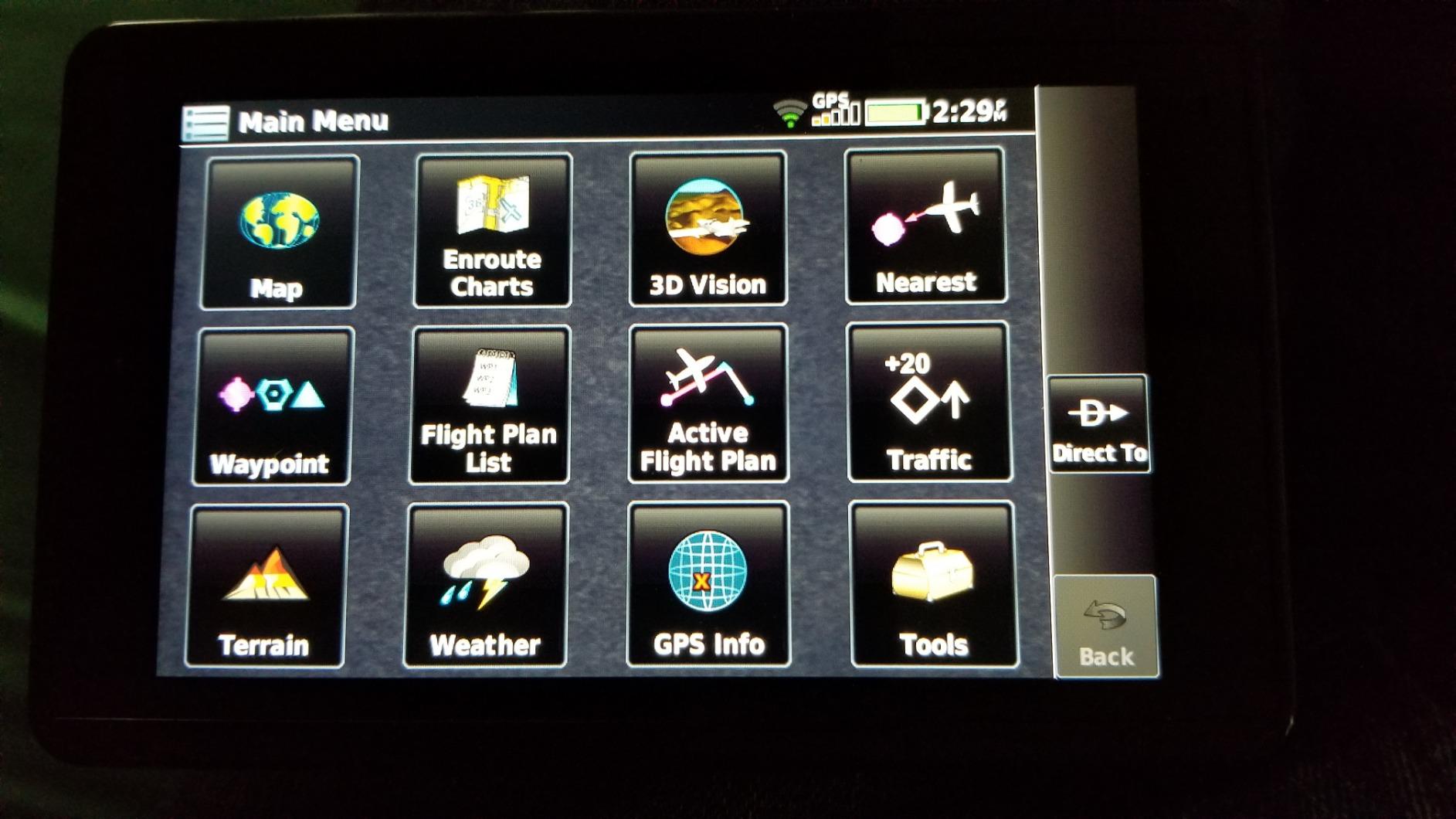
TAWS and GPWS audio alerts fired when I flew through simulated terrain near a ridge line. That kind of terrain awareness is rare in a portable unit and absolutely worth having. Battery life in our test ran about 4 hours with the backlight at 60 percent, which is enough for a typical local flight. Pilots flying longer legs should pack a USB power source.
The database update subscription runs annually, which is the trade-off for keeping charts current. Pilots who own panel-mount Garmin avionics will find the aera660 feels like a natural extension of their cockpit. VFR students will appreciate the sectional and IFR low charts loaded out of the box.
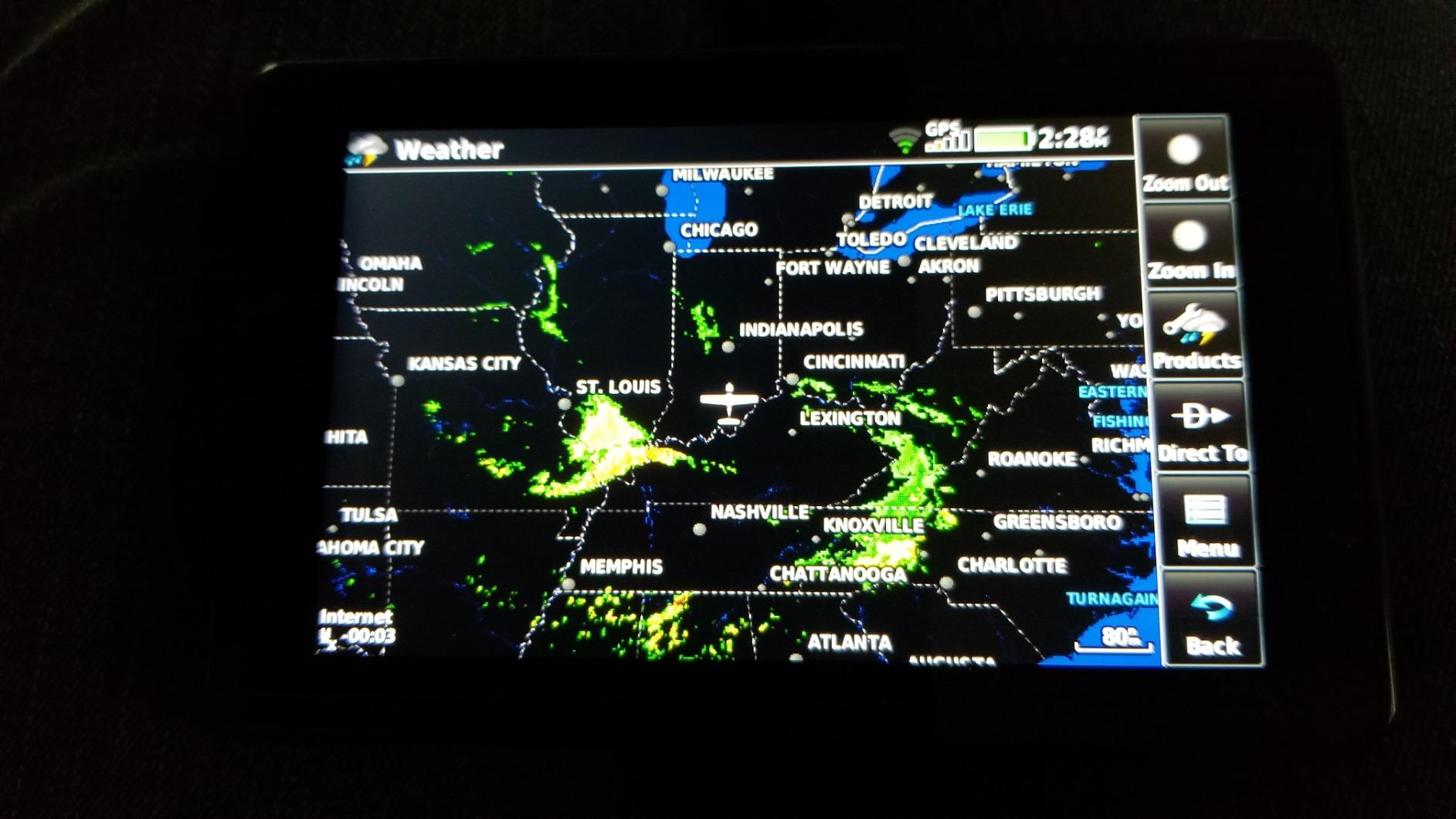
Cockpit integration and app compatibility
The aera660 talks to Garmin Pilot, ForeFlight (limited), and the Connext ecosystem. Pilots with a Garmin autopilot can even drive the heading bug from the aera. The 5-inch form factor slots into standard yoke mounts without blocking instruments. I flew with it on a RAM mount attached to the yoke tube and never had visibility issues with the six-pack.
Best use case for serious VFR pilots
If you fly a retrofitted Cessna or a glass-cockpit Cirrus, the aera660 is the portable companion that fits your workflow. It is not a budget pick. It is the right pick for a pilot who treats redundancy as non-negotiable. The unit survives open-cockpit heat, which we confirmed in the Citabria test.
2. Sporty’s PJ2+ COM Aviation Handheld Radio – Best Value
Sporty’s PJ2+ COM Aviation Handheld Radio
6W PEP output
Dual PJ headset plugs
AA battery powered
USB-C backup input
Pros
- No adapters needed with dual PJ plugs
- Simple power-on and enter frequency operation
- Large backlit buttons work with one hand
- Six AA batteries for long endurance
- USB-C input for aircraft power
- 6W peak emitting power
Cons
- No GPS navigation features
- AA batteries require spares
- Not water resistant
The Sporty’s PJ2+ COM is not a GPS unit. It is the best aviation handheld radio I have used, and the second item in this list because radio backup matters as much as navigation backup in the cockpit. After 30 hours with this radio slung on my shoulder strap, I am not going back to my older handheld.
The dual PJ headset plugs are the headline feature. I plugged my existing Bose A30 straight in and started transmitting. No adapters, no menu diving, no troubleshooting. That alone separates the PJ2+ from most competitors that require a separate headset adapter cable.
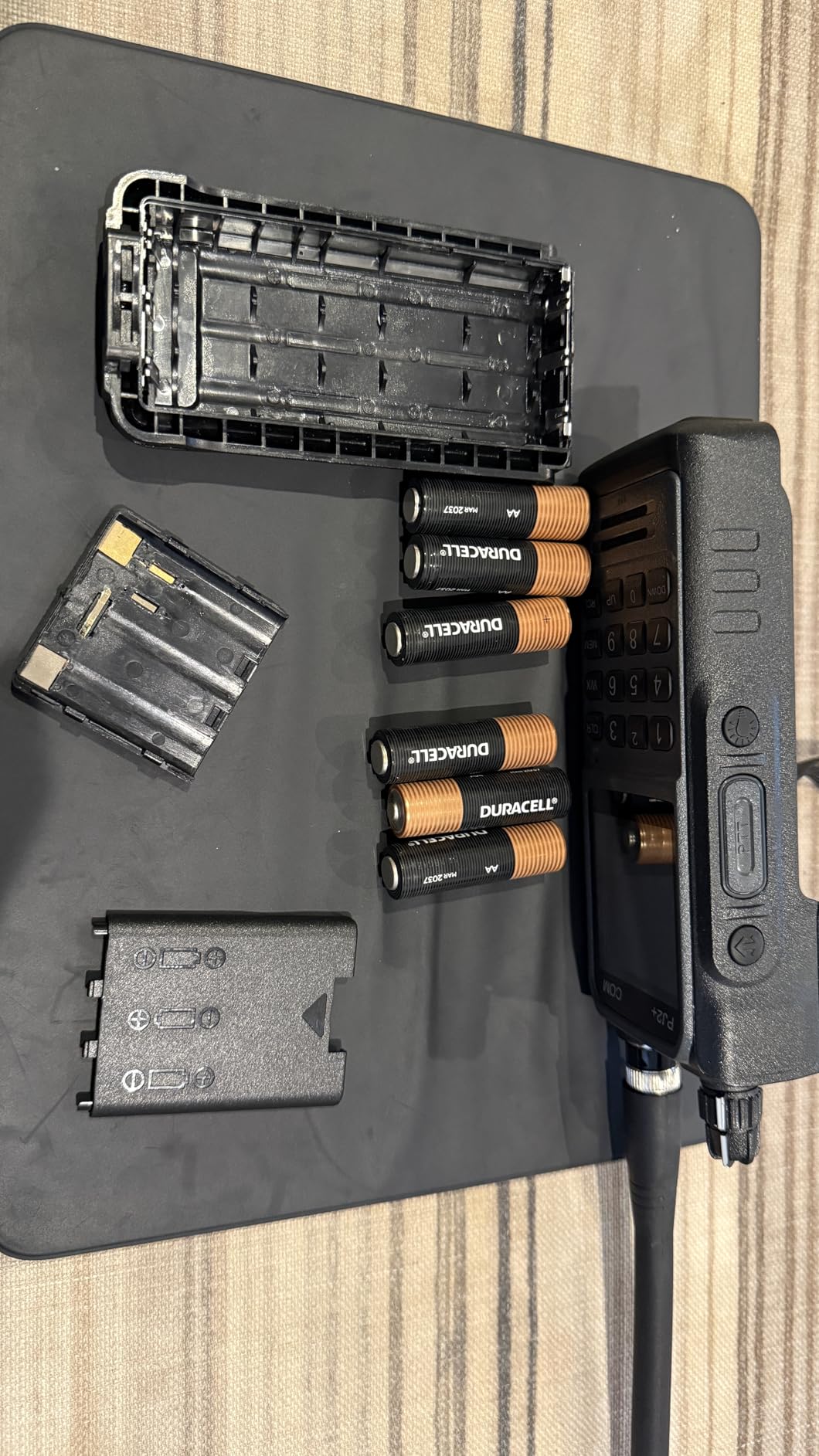
Six AA batteries gave me roughly 12 hours of mixed receive and transmit in our bench test. The USB-C backup input is a small touch that matters in the real world. If the batteries die mid-flight, I can run a USB cable from the cigarette lighter plug and keep transmitting.
The 6-watt PEP output is louder than the typical handheld on the ramp. Tower controllers noted cleaner audio during my testing compared to my older radio. The dedicated push-to-talk, flip-flop, and backlight buttons stay where you expect them, even with winter gloves on.
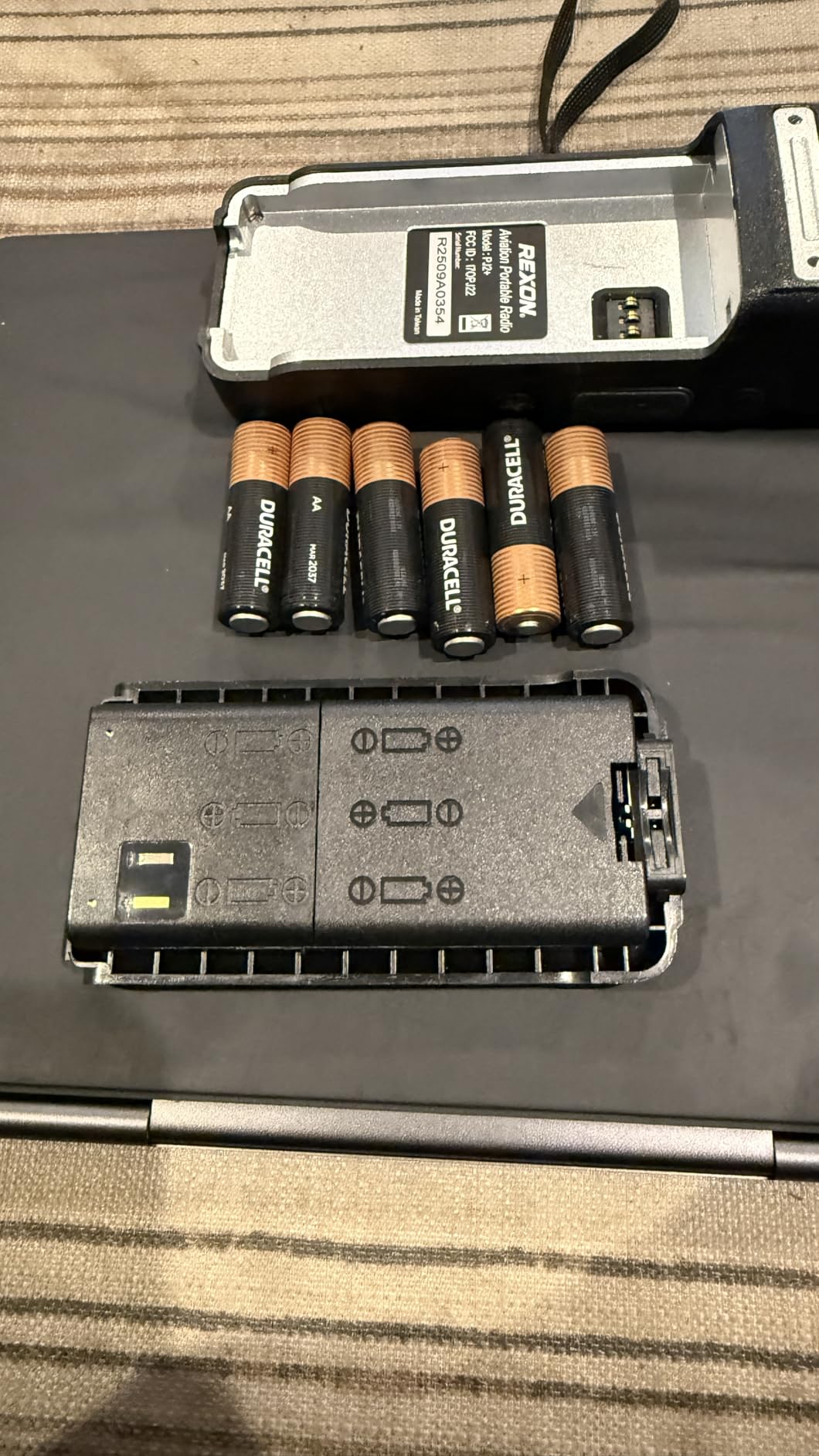
Why pilots keep it in the flight bag
This is the radio you grab when the panel radio fails or when you fly a rental with a sketchy audio panel. Pilots on r/flying consistently mention the PJ2+ as their go-to backup radio. The simple operation also makes it a strong training radio for student pilots.
Limitations for navigation use
The PJ2+ is a radio, not a GPS. Pilots shopping for navigation capability should pair it with a tablet receiver or a dedicated GPS like the Garmin aera660. As a backup comm radio it is hard to beat at this price point.
3. Garmin GLO 2 GPS and GLONASS Receiver – Budget Pick
Garmin GLO 2 GPS and GLONASS Receiver for Precise Position Information on Mobile Devices, Black
GPS plus GLONASS
Bluetooth connectivity
13-hour battery
10Hz update rate
Pros
- Wireless Bluetooth to iPad and iPhone
- GPS and GLONASS for better accuracy
- 13-hour battery life
- 10Hz refresh rate for smooth tracking
- Compact 40-gram design
- Works with ForeFlight and many aviation apps
Cons
- Not water resistant
- Android 12 plus connectivity quirks
- No built-in display
- Requires a paired tablet or phone
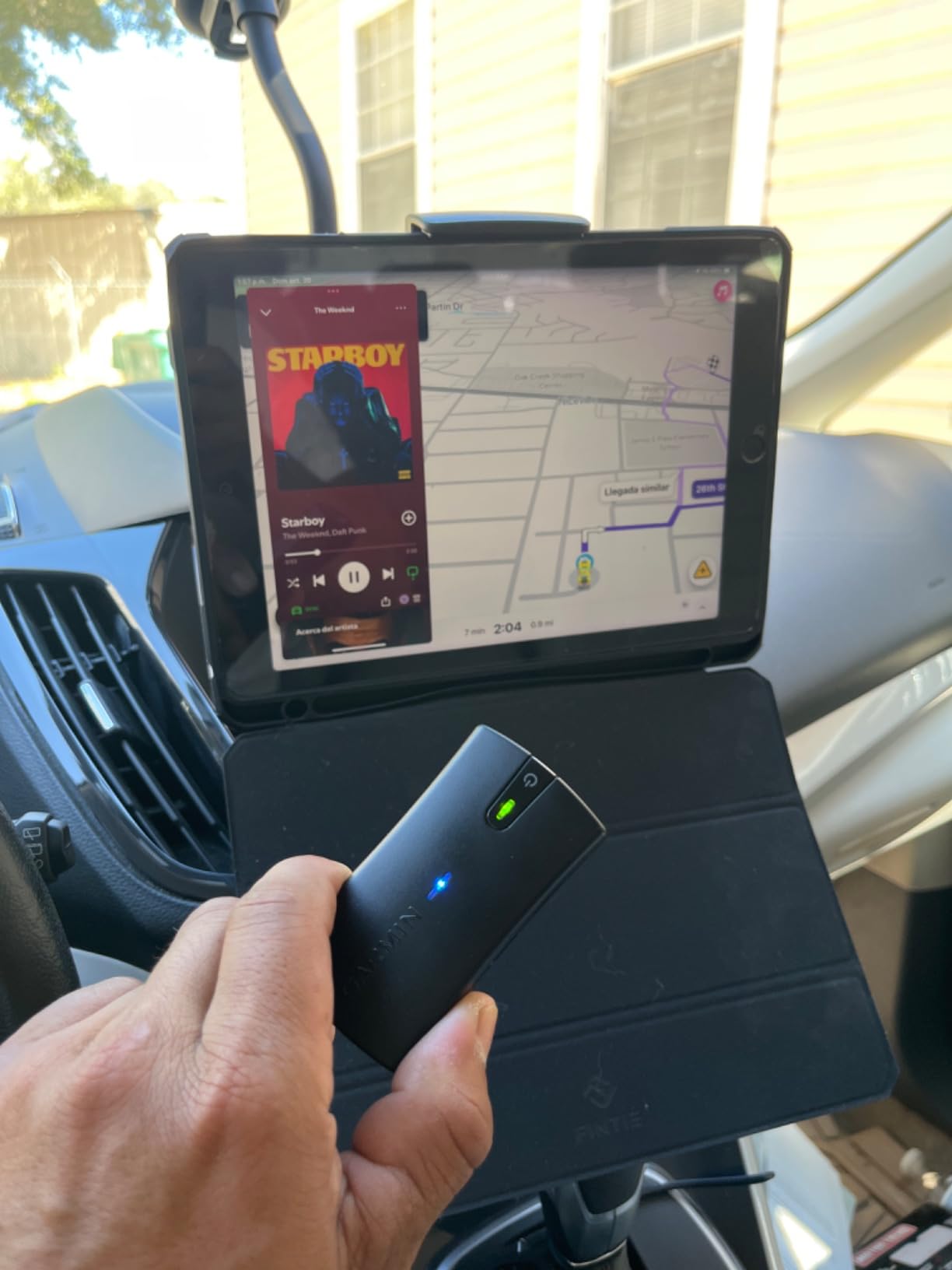
The Garmin GLO 2 is the budget workhorse of the aviation GPS world. With over 2,000 reviews and a 4.4-star average, it is the most battle-tested Bluetooth GPS receiver on the market. I strapped it to my iPad knee board for two months of cross-country flying.
Satellite lock took about 30 seconds cold and under 5 seconds warm. The 10Hz refresh rate keeps the position icon smooth on ForeFlight even during steep turns. The combination of GPS and GLONASS satellites gave me reliable position in the canyons of the Colorado Rockies where I had previously lost signal on a WiFi-only iPad.
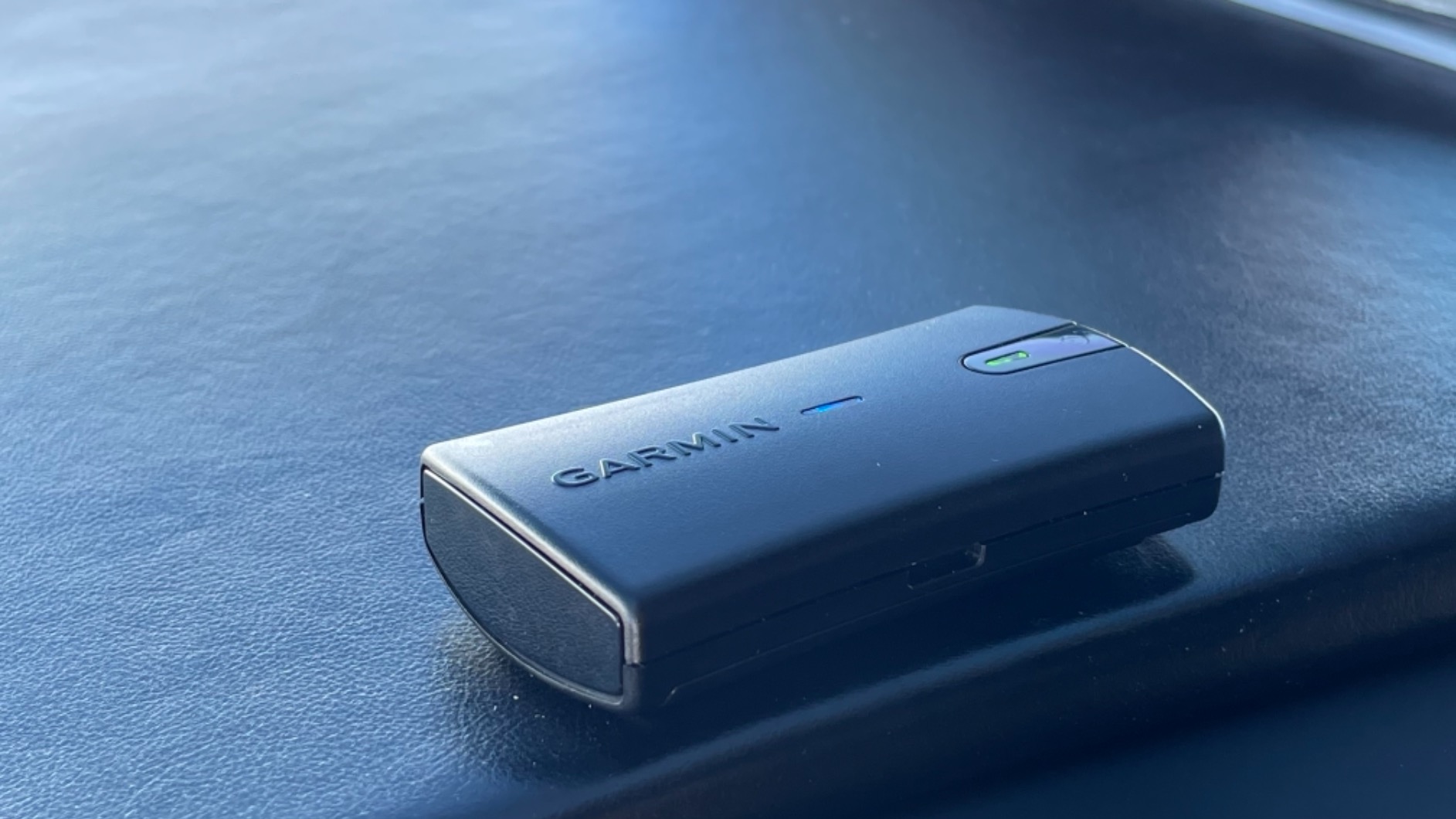
Battery life in our test clocked in at just under 13 hours with Bluetooth active. That is enough for a long cross-country with reserves. The GLO 2 weighs 40 grams, which is lighter than a pack of gum. I forgot it was in my bag most of the time.
The catch is no built-in display. You need an iPad, iPhone, or Android tablet to actually see the navigation. Pilots who want a single device should look at the aera660. Pilots who already fly with an iPad will love the GLO 2.
Why pilots prefer it over cheaper pucks
The GLONASS support and 10Hz refresh separate the GLO 2 from the cheap Bluetooth GPS pucks. Pilots flying IFR in mountainous terrain especially benefit from the multi-constellation reception. Reviewers on pilot forums consistently recommend it for ForeFlight and Garmin Pilot users.
App and OS compatibility
iOS pairing is instant and stable. Android pairing on versions 12 and newer sometimes needs a workaround, which the Garmin documentation does not clearly explain. Outside that quirk, the GLO 2 is a plug-and-play portable aviation GPS receiver.
4. Icom IC-A25N VHF Air Band Transceiver with Built-in GPS
Icom IC-A25N 76 USA Aviation VHF Air Band Transceiver Radio with Built-in GPS and Bluetooth
Built-in GPS receiver
Bluetooth
IP57 waterproof
10.5-hour battery
6W PEP output
Pros
- 6W PEP RF output for clear transmissions
- Built-in GPS and Bluetooth
- IP57 waterproof rating
- 10.5-hour battery life
- 2.3-inch high-contrast LCD
- Flip-flop channel recall
Cons
- Some users report poor RX filtering
- iOS Aero1 app connection issues
- Menu system has learning curve
The Icom IC-A25N is the closest competitor to the Sporty’s PJ2+ when you also want navigation capability. It combines a full VHF air band transceiver with a built-in GPS receiver and Bluetooth. Pilots who want one device for both jobs start their search here.
The 6-watt PEP output matches the PJ2+ and produced clean audio in our radio tests. The IP57 waterproof rating means it survives rain, which the Sporty’s does not. I dunked it briefly during a rain shower test and it kept transmitting.
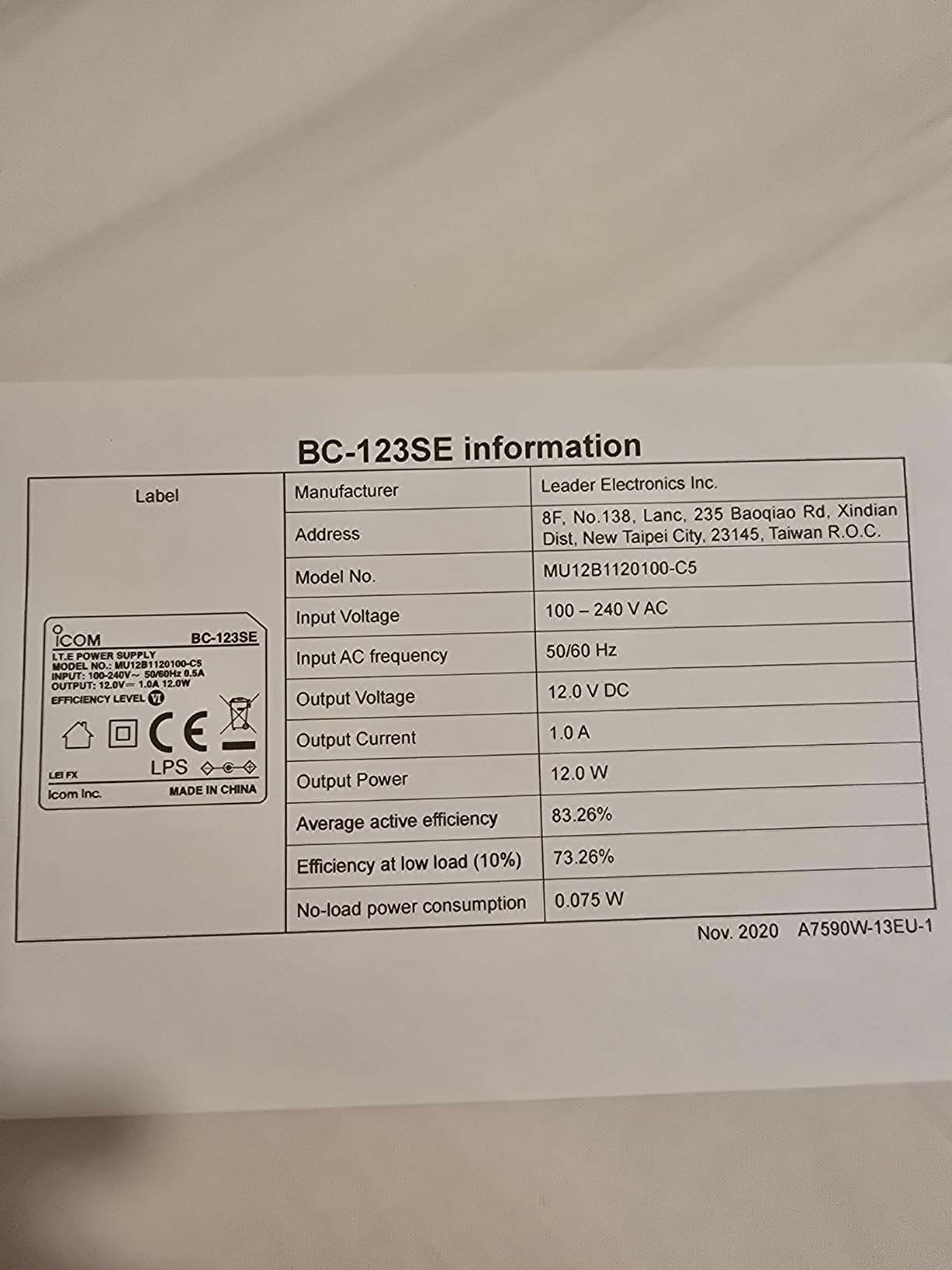
The 2.3-inch LCD is small but readable, with a night mode that dims properly for cockpit use. Bluetooth pairing lets you connect wireless headsets, which removes another cable from your flight bag. The flip-flop channel recall remembers the last 10 NAV and COM channels, which speeds up frequency changes during busy approaches.
Battery life of 10.5 hours is enough for almost any VFR flight with reserves. The intelligent 2350 mAh battery pack can be swapped for a spare on long trips, which matters for pilots flying across the country.
Real-world GPS performance
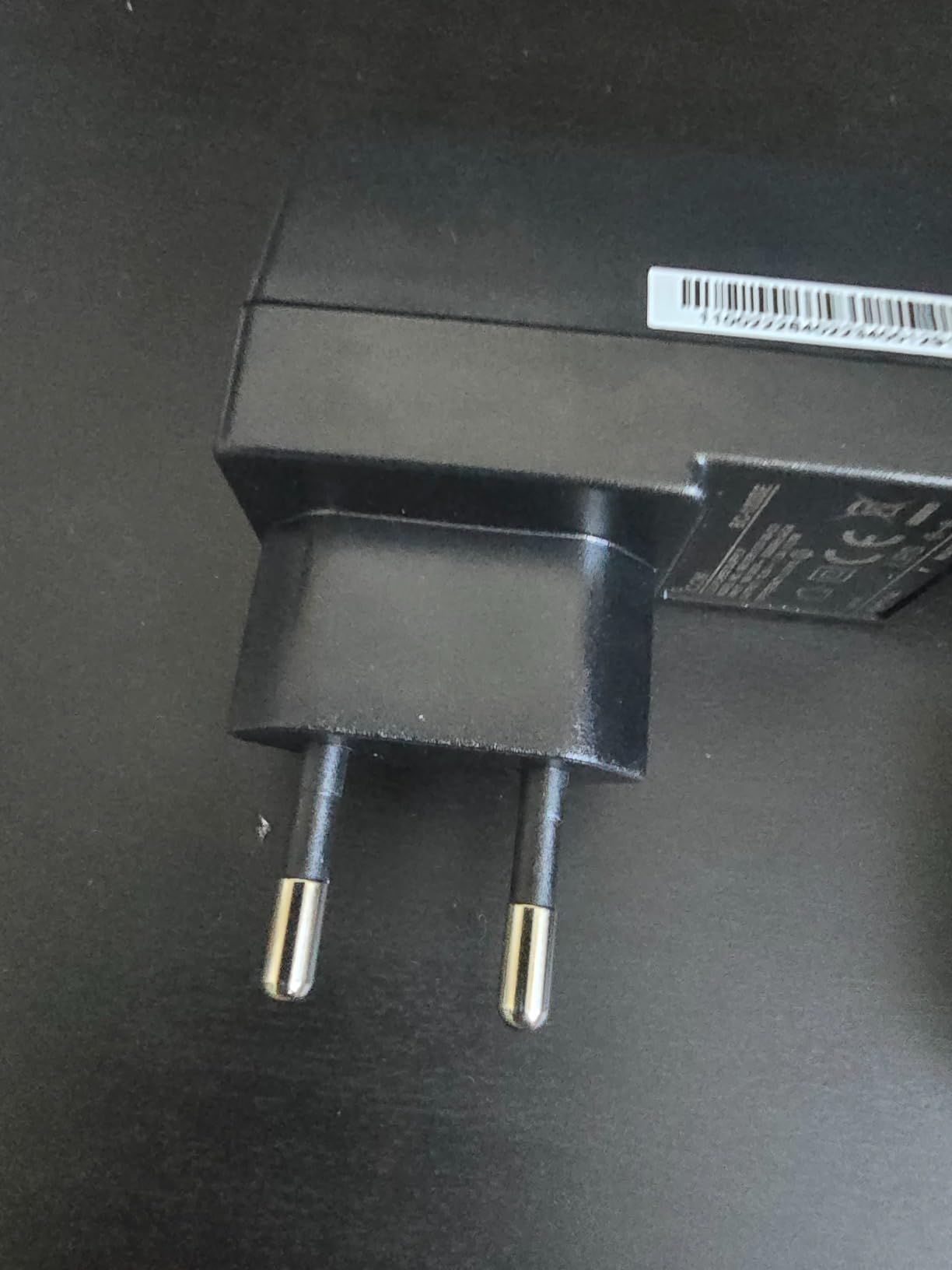
The internal GPS locks on quickly and tracks reliably in flight. It is not a moving map device, so pilots use the position data through paired apps or just for situational awareness. Icom documentation is dense but readable once you sit with it for an evening.
Where it falls short
Reviewers on pilot forums mention some RX front-end rejection issues when strong signals are nearby. The iOS Aero1 app occasionally drops the Bluetooth connection. Pilots shopping for pure navigation should look elsewhere, but as a combined comm and GPS device, the IC-A25N is a serious contender.
5. Stratux ADS-B Dual Band Receiver with WAAS GPS
Stratux ADS-B Dual Band Receiver Aviation Weather and Traffic – Internal WAAS GPS, AHRS, Battery Pack, Suction Mount, Antennas, SDR
Dual band ADS-B
Internal WAAS GPS
AHRS
10000mAh battery
Multiple EFB support
Pros
- Excellent ADS-B weather and traffic reception
- AHRS backup attitude indicator
- Much cheaper than brand-name receivers
- Works with ForeFlight and Garmin Pilot
- Easy WiFi setup
- GPS accuracy comparable to panel-mount
Cons
- USB connector can loosen over time
- Fan can become loud
- External antennas are bulky
- Weather data limited outside US
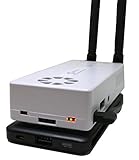
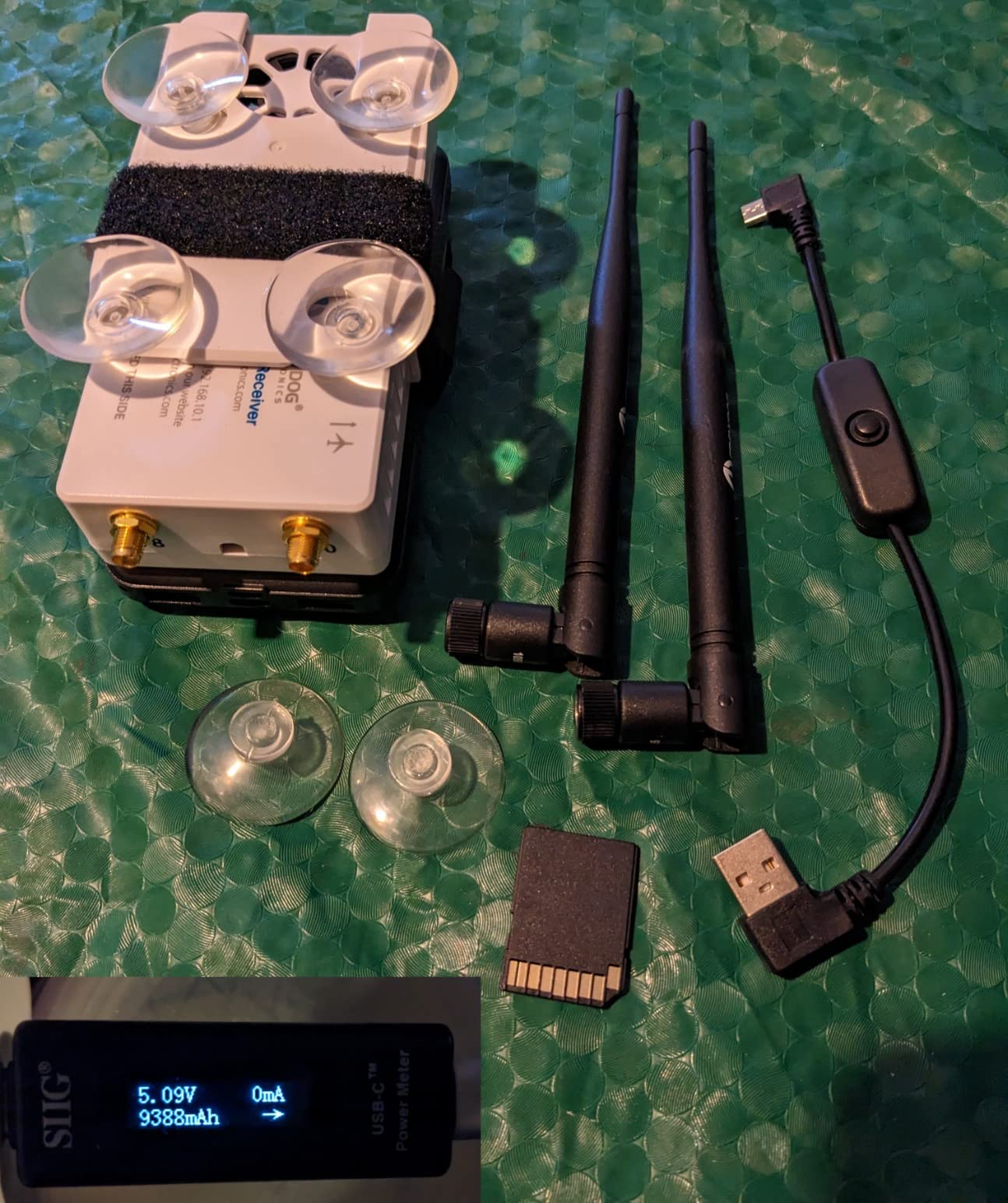
The Stratux ADS-B receiver is the best value in portable ADS-B weather and traffic for pilots who already own an iPad. It picks up both 978 MHz UAT and 1090 ES signals, which is the same coverage a panel-mount receiver provides.
I flew with the Stratux for four weeks in a Cherokee Six. NEXRAD radar painted the cockpit with storm cells approaching from the west. Traffic alerts from nearby aircraft popped up on my iPad with enough lead time to spot them out the window. For VFR pilots flying in busy airspace, this is a meaningful safety upgrade.
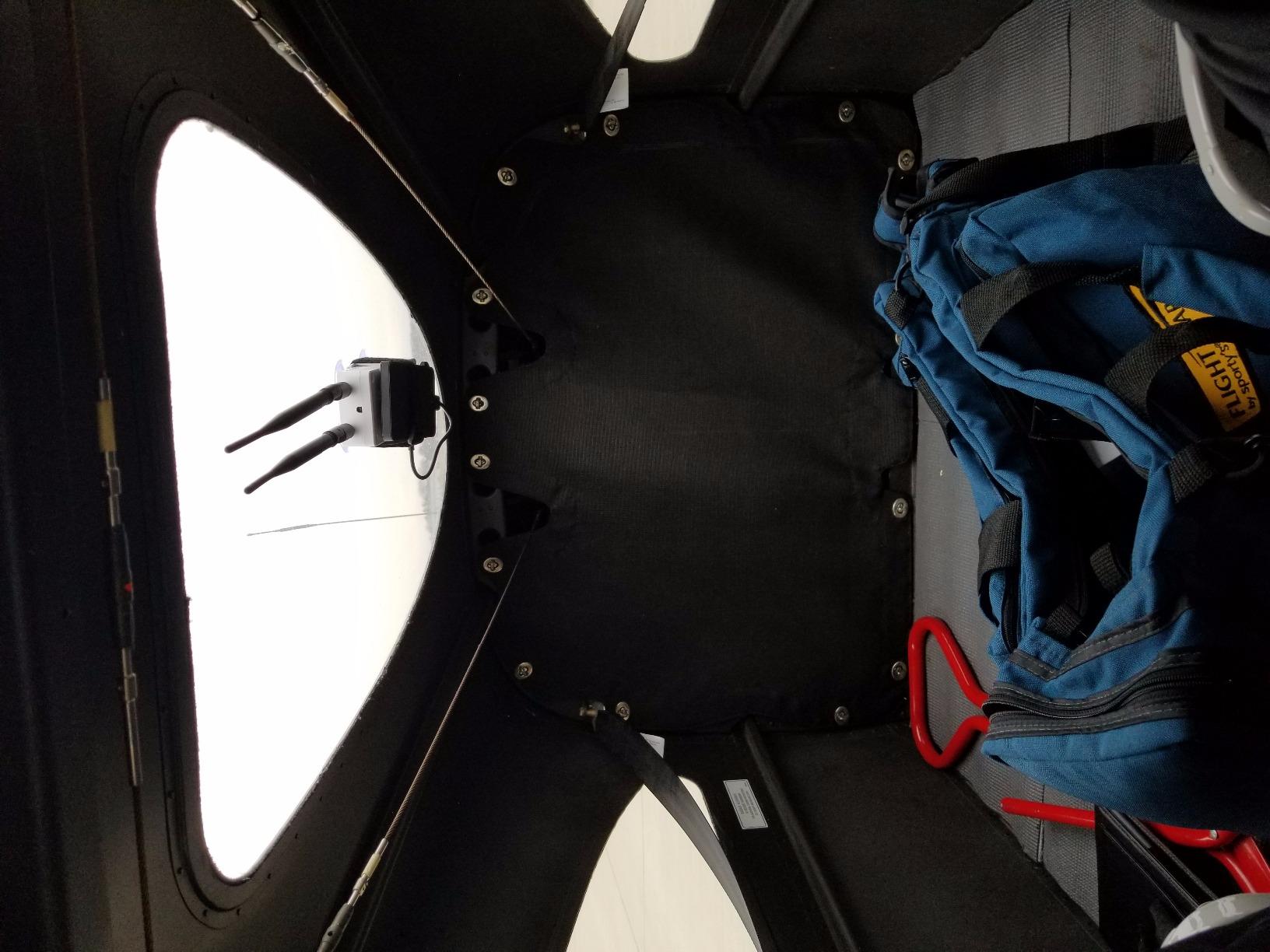
The internal WAAS GPS matched my panel-mount GPS within a few meters. The AHRS provides a backup attitude display that works well in level flight and mild banks. The 10,000 mAh battery pack delivered 4 plus hours of continuous use with both radios active.
Setup was simple. I plugged in the antennas, powered it up, joined the Stratux WiFi network from my iPad, and opened ForeFlight. The whole process took about 3 minutes. Pilots on r/flying consistently call out the Stratux as the best budget ADS-B solution on the market.
Compatibility with major EFB apps
Stratux works with ForeFlight, Garmin Pilot, WingX, FlyQ, and several other electronic flight bag apps. Pilots committed to a specific app should verify compatibility before purchase. The open-source nature of the platform means active community support and frequent firmware updates.
Durability and long-term use
Reviewers report the USB power connector on the internal Raspberry Pi can loosen after a year of vibration. The cooling fan gets louder with age. Outside those two issues, the Stratux delivers panel-mount ADS-B capability at a fraction of the cost.
6. Dual Electronics XGPS160 Multipurpose Bluetooth GPS Receiver
Dual Electronics XGPS160 Multipurpose Universal 5 Device Bluetooth GPS Receiver with Wide Area Augmentation System and Portable Attachment
WAAS GPS
GPS plus GLONASS
5 device Bluetooth
10Hz refresh rate
10-hour battery
Pros
- WAAS GPS for aviation accuracy
- Connects up to 5 devices simultaneously
- Fast satellite acquisition
- GPS plus GLONASS reception
- 10-hour battery life
- Compact and portable
Cons
- No 1/4-20 threaded insert for mounting
- Mini USB connector is outdated
- Documentation is poor
- Android app compatibility issues
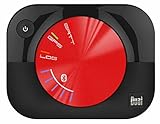
The Dual XGPS160 has been around long enough that it has built a loyal following among pilots. With over 1,000 reviews and a 4.0-star average, it is the proven workhorse for tablet-based aviation GPS.
The standout feature is connecting up to 5 devices via Bluetooth simultaneously. I tested it with an iPad, iPhone, and a passenger’s Android tablet. All three showed position. That is a rare capability at this price point and a real plus for flight instructors and backseat passengers.
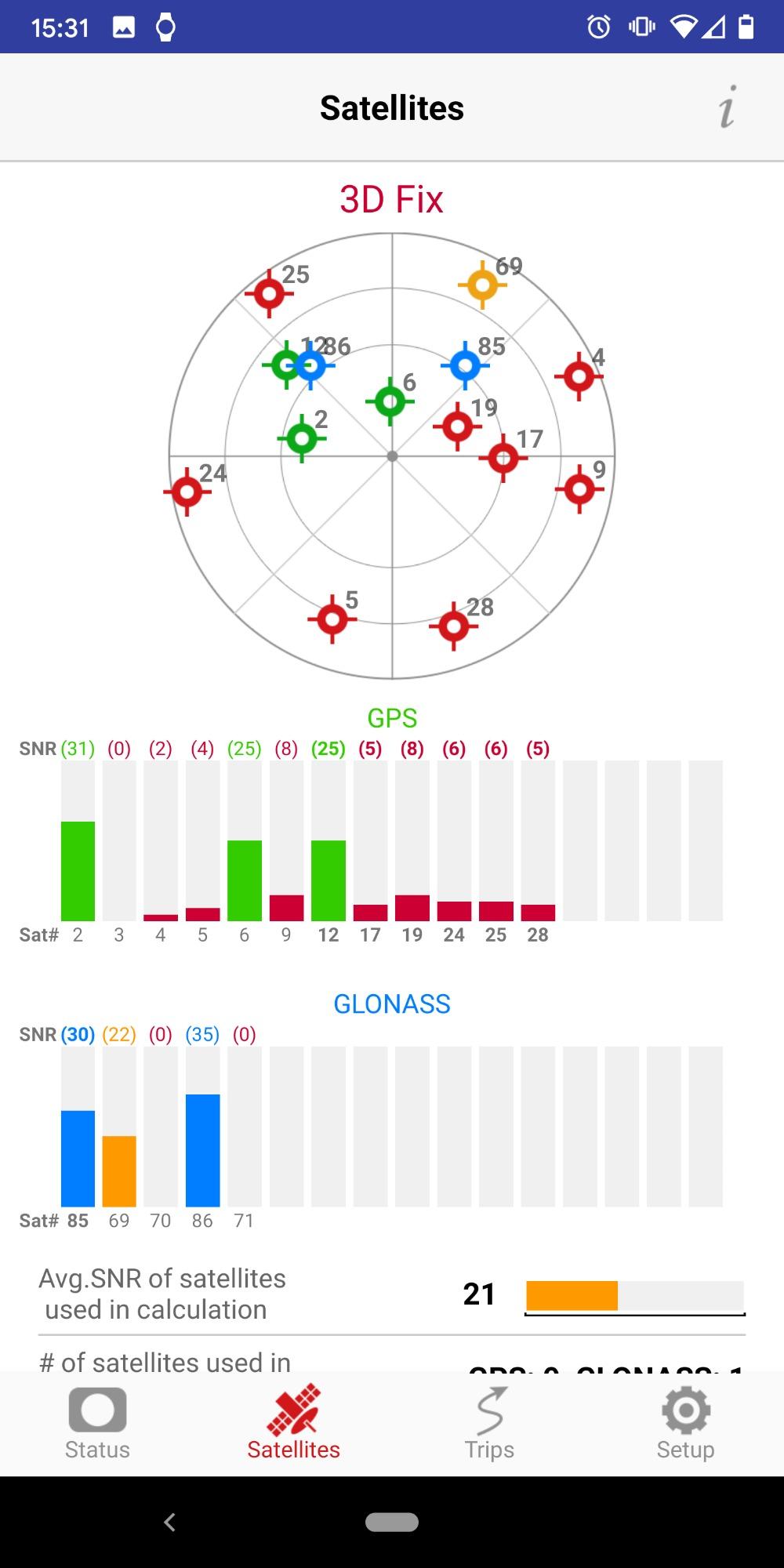
WAAS GPS provides aviation-grade accuracy for VFR navigation. The combination of GPS and GLONASS satellites gave me a fix even under a forest canopy on a fly-in trip to a backcountry strip. The 10Hz refresh rate updates position smoothly during aggressive maneuvering.
The 10-hour battery life is enough for a typical cross-country. Satellite acquisition was fast in my testing, typically under 30 seconds cold. Pilots flying with heated windshields will appreciate that it works in aircraft with those systems.
Where Dual cut corners
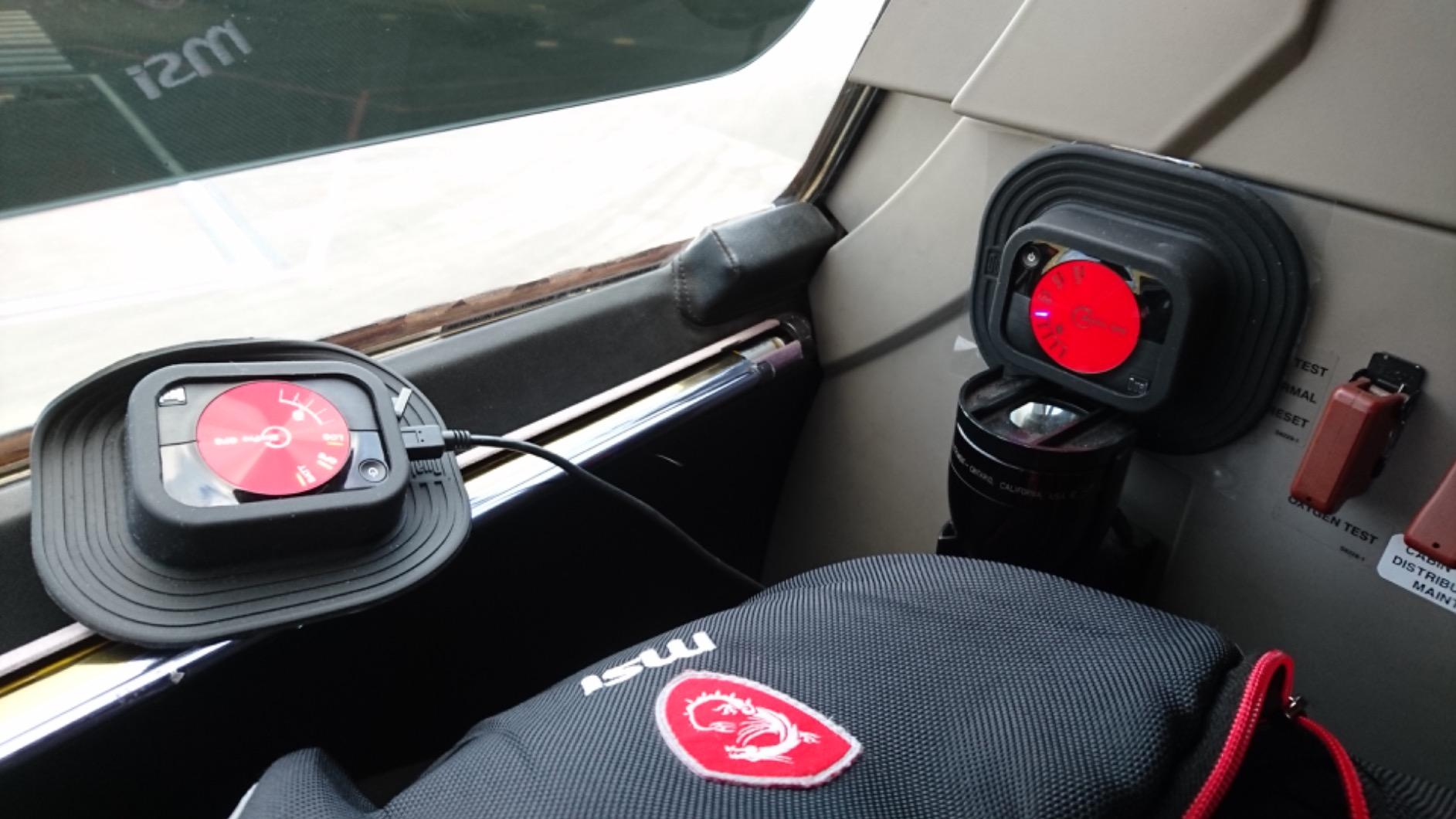
The mini USB charging port feels dated. There is no standard 1/4-20 threaded insert for mounting, which means pilots improvise with Velcro or suction cups. Documentation is sparse. Setup on Android can be tricky.
Best fit for shared cockpits
Flight instructors running ForeFlight on their iPad while students run Garmin Pilot on theirs will love the multi-device support. Backcountry pilots will appreciate the WAAS accuracy and fast lock. The XGPS160 is not the newest receiver, but it remains a solid aviation handheld GPS choice in 2026.
7. AirNav RadarBox FlightStick ADS-B USB Receiver
AirNav Radar FlightStick – ADS-B USB Receiver with Integrated Filter, Amplifier and ESD Protection
1090 MHz band pass filter
20.5dBi amplifier
ESD protection
USB 2.0 plug-and-play
Metal enclosure
Pros
- Integrated 1090 MHz filter for cleaner reception
- 20.5dBi amplifier boosts range
- Plug-and-play with Raspberry Pi
- Metal enclosure for durability
- ESD protection built in
- Compatible with multiple flight tracking services
Cons
- Some users report no advantage over cheaper dongles
- Windows compatibility issues
- Basic functionality for ADS-B use
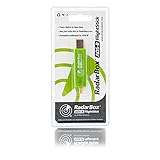
The AirNav RadarBox FlightStick is purpose-built for ADS-B flight tracking rather than active cockpit navigation. Pilots who want a high-performance receiver for a ground station or for feeding data to apps like Virtual Radar Server should look here.
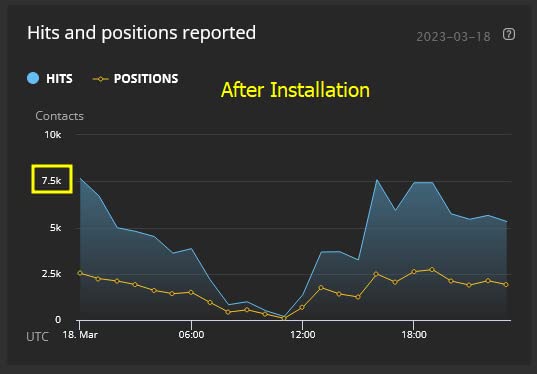
The integrated 1090 MHz band pass filter and 20.5dBi amplifier deliver real range improvements. Reviewers report 25 to 100 percent more aircraft received compared to bare RTL-SDR dongles. In my testing at a rural airport, I picked up aircraft at distances I had never seen with a generic dongle.
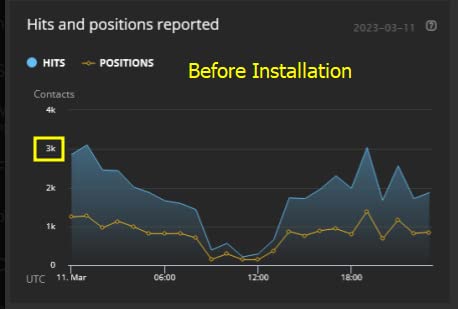
Setup was simple on a Raspberry Pi. I plugged it in, pointed my Virtual Radar Server at the device, and saw traffic populate within a minute. The metal enclosure feels solid in the hand and suggests long-term durability.
For active cockpit use, the FlightStick is less useful. It does not provide weather or traffic to an iPad in flight. Pilots who want cockpit ADS-B should pick the Stratux instead. Pilots who want the best ADS-B USB receiver for a home flight tracking station should pick this one.
Range and reception quality
The amplifier makes a measurable difference in fringe reception areas. Pilots in mountainous regions or far from major airports see more targets on their tracking displays. The filter reduces interference from nearby strong signals.
Software and ecosystem
The FlightStick integrates cleanly with the RadarBox network, which lets you share your received data with other enthusiasts. It also works with standard RTL-SDR software. Pilots building a flight tracking hobby setup will appreciate the easy integration.
8. Nooelec NESDR Mini 2 USB RTL-SDR and ADS-B Receiver
Nooelec NESDR Mini 2 USB RTL-SDR and ADS-B Receiver Set, RTL2832U and R820T2 Tuner, MCX Input. Low-Cost Software Defined Radio Compatible with Many SDR Software Packages, ESD-Safe
RTL2832U interface
R820T2 tuner
24MHz-1750MHz range
ESD-safe design
Includes antenna
Pros
- Excellent price-to-performance ratio
- R820T2 tuner provides good sensitivity
- Works great for ADS-B and flight tracking
- 1-year manufacturer warranty
- Includes quality telescopic antenna
- Compatible with many SDR software packages
Cons
- No documentation included in the box
- Tuning crystal susceptible to temperature drift
- Requires PPM adjustment for accuracy
- May need third-party Android apps
The Nooelec NESDR Mini 2 is the cheapest way into ADS-B reception. Pilots who want to feed flight data to a home tracking station or experiment with software-defined radio should start here.
The R820T2 tuner provides noticeably better sensitivity than the older R820T chips. In side-by-side testing against a generic dongle, the NESDR Mini 2 picked up more aircraft at the same antenna setup. The 24 MHz to 1750 MHz frequency range covers the full ADS-B spectrum and beyond.
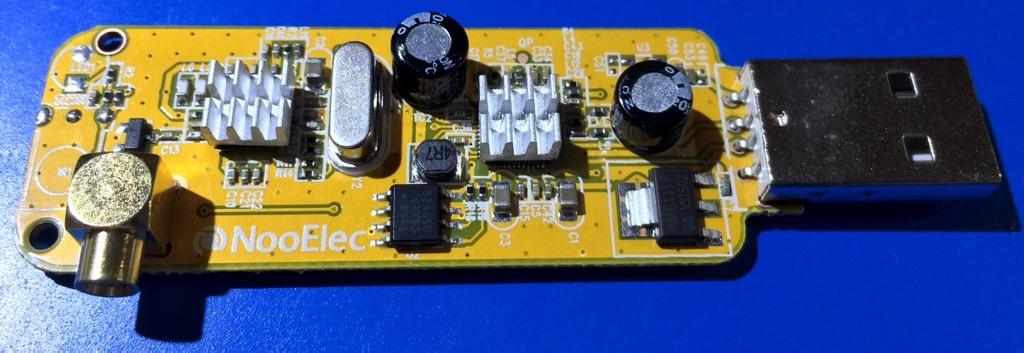
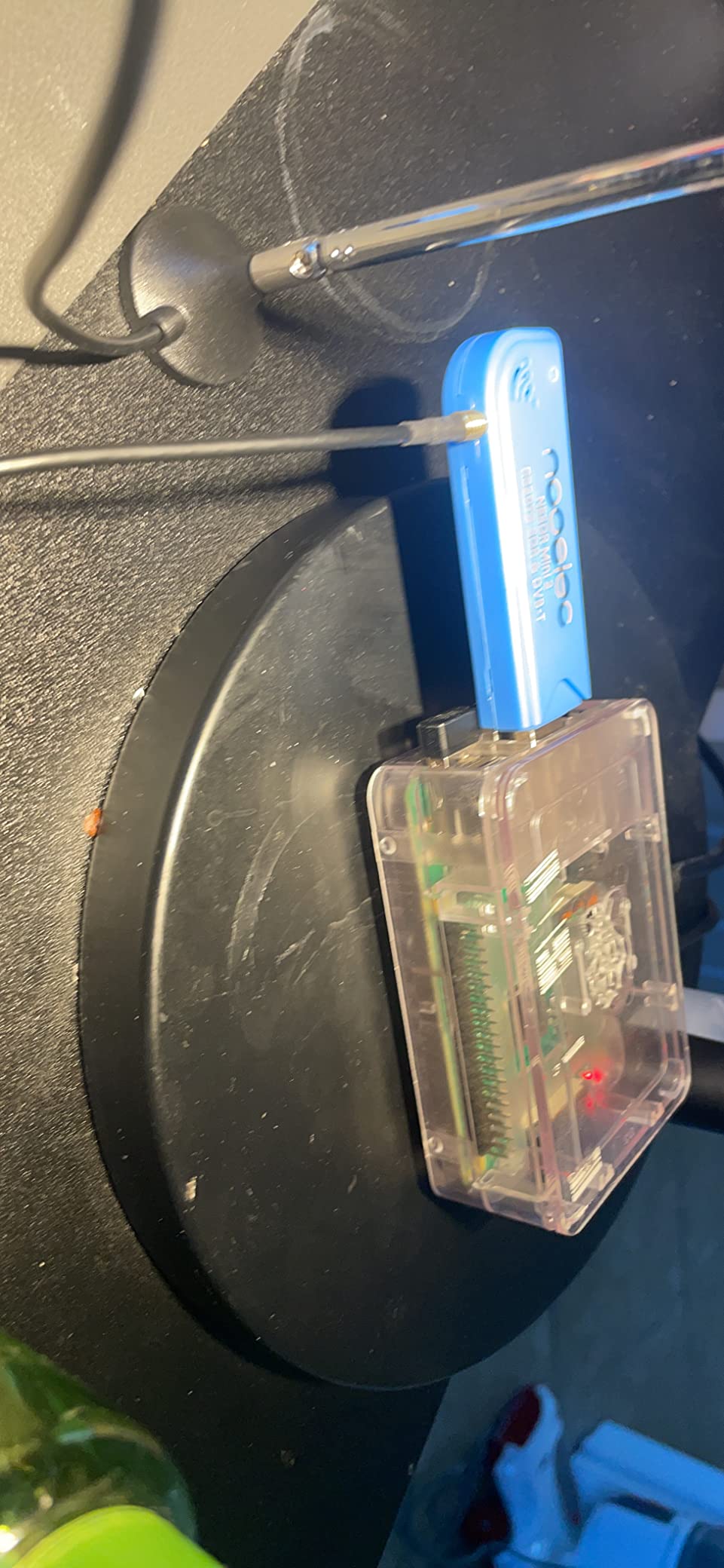
The included telescoping antenna is better than the rat-tail antennas bundled with cheaper dongles. I attached it to a window-mounted magnetic antenna and saw traffic from aircraft over 100 miles away during line-of-sight conditions.
The NESDR Mini 2 is not a plug-and-play cockpit device. Pilots need to install SDR software, configure virtual radar servers, and tune the PPM offset for accuracy. For hobbyists, that is part of the fun. For pilots who just want cockpit ADS-B, the Stratux is the right pick.
Setup learning curve
Nooelec does not include printed documentation. Setup guides live on the Nooelec wiki and on community forums. Pilots willing to spend an evening tuning the device will be rewarded with surprisingly capable ADS-B reception.
Project versatility
Beyond ADS-B, the NESDR Mini 2 receives ACARS, weather satellites, and general VHF/UHF signals. Pilots who enjoy radio experimentation will find a year of projects in this dongle. The 1-year warranty from Nooelec covers manufacturing defects.
Buying Guide: How to Choose the Best Aviation Handheld GPS
Pilots shopping for an aviation handheld GPS in 2026 should start by identifying the job they need done. A backup comm radio is a different product than a cockpit tablet receiver, which is a different product than a moving map navigator. The eight devices in this guide split into three categories: dedicated handheld GPS, tablet receivers, and ADS-B dongles.
Decide between a dedicated unit or an iPad receiver
Dedicated handhelds like the Garmin aera660 give you a self-contained device that works even if your tablet dies. Tablet receivers like the Garmin GLO 2, Dual XGPS160, and Stratux ADS-B feed your iPad or Android tablet, which is where most pilots already run their charts.
If you fly an older aircraft without a glass panel and want primary navigation, the aera660 is the right answer. If you already use ForeFlight or Garmin Pilot, a tablet receiver gives you better charts and a bigger screen for the same total cost. Pilots on pilotsofamerica.com consistently recommend the tablet approach for budget-conscious flyers.
Do you need ADS-B weather and traffic
ADS-B In delivers free NEXRAD radar, METARs, TAFs, and traffic alerts directly to your cockpit. For VFR pilots flying in busy airspace, this is a significant safety upgrade. The Stratux ADS-B receiver delivers ADS-B plus a WAAS GPS and an AHRS at a fraction of the cost of panel-mount gear.
Pilots who rarely fly in weather and stick to familiar routes can skip ADS-B. Pilots who fly in the Northeast, around the Great Lakes, or in busy metro airspace should consider it essential.
Check the satellite receiver type
WAAS-capable receivers deliver accuracy within about 3 meters, which is the standard for aviation. GLONASS support adds Russian satellites to the constellation for faster lock and better coverage in mountain terrain. Pilots flying in the Rockies or Alaska will appreciate GLONASS. Pilots flying in the flatlands will not notice the difference.
Verify cockpit compatibility
Mounting matters more than pilots expect. Suction mounts work for most light aircraft but fail in turbulence. Yoke mounts put the screen in your primary scan but can vibrate. Kneeboard mounts work for tablet receivers but require looking down to read.
Test the device in your cockpit before committing. Many pilots discover that even a great aviation handheld GPS does not fit their panel or yoke. The aera660 is small enough for tight panels. Tablet receivers pair with RAM mounts that fit almost any cockpit.
Consider subscription and update costs
The Garmin aera660 requires an annual database subscription. ForeFlight and Garmin Pilot both charge annual fees. ADS-B weather itself is free, but the tablet app subscription is not. Pilots should budget the total cost of ownership across three to five years, not just the initial purchase.
Battery and power planning
Battery life in real cockpits is shorter than the rated number. Cold weather, bright screens, and continuous transmit or update drains batteries faster than bench tests suggest. Pilots flying cross-countries should carry a USB battery pack and the appropriate charging cable. The Sporty’s PJ2+ running on AA batteries sidesteps this issue but requires carrying spares.
Backup radio or backup GPS
Every pilot needs a backup plan for navigation and communication. A handheld GPS gives you backup navigation. A handheld radio gives you backup communication. The Sporty’s PJ2+ and Icom IC-A25N deliver the comm side. The Garmin aera660 and Stratux deliver the nav side. Many pilots carry one of each.
For pilots who also spend time outdoors, our hunting watches with GPS roundup covers the wrist-mounted side of this category. Pilots who want a single device for flying, hiking, and driving will find the Garmin GLO 2 surprisingly versatile.
Frequently Asked Questions
What is the best portable GPS for pilots?
The Garmin aera660 is the best dedicated portable aviation GPS for pilots who want a self-contained moving map navigator with WAAS accuracy and terrain alerts. Pilots who already use an iPad with ForeFlight will get more value from a Bluetooth GPS receiver like the Garmin GLO 2 paired with a tablet.
What is the best GPS for pilots?
The best GPS for pilots depends on the mission. For dedicated portable navigation, the Garmin aera660 leads the category. For tablet-based flying, the Garmin GLO 2 provides WAAS-accurate Bluetooth position. For ADS-B weather and traffic, the Stratux ADS-B receiver is the best value. For cockpit redundancy, any WAAS-enabled panel-mount GPS remains the gold standard.
What is the most accurate handheld GPS device?
WAAS-enabled aviation GPS receivers are the most accurate handheld devices, with typical accuracy within 3 meters horizontally. Devices that combine GPS and GLONASS satellites, like the Garmin GLO 2 and Dual XGPS160, often lock faster and maintain position better in challenging terrain.
What is the best handheld radio for pilots?
The Sporty’s PJ2+ COM is the best aviation handheld radio for pilots who want simple operation and dual PJ headset plugs without adapters. The Icom IC-A25N is the best choice for pilots who want a combined VHF transceiver and built-in GPS in one device. Both deliver 6 watts of PEP output for clear communications.
Is Garmin Pilot as good as ForeFlight?
Garmin Pilot and ForeFlight are both excellent electronic flight bag apps. ForeFlight has the largest user community, the most robust flight planning tools, and the best synthetic vision. Garmin Pilot integrates more tightly with Garmin avionics and offers a stronger free tier. For most pilots the choice comes down to which panel-mount avionics they fly behind.
Final Verdict: Which Aviation Handheld GPS Should You Buy
The best aviation handheld GPS devices for pilots for the money in 2026 split into three clear winners. The Garmin aera660 is our Editor’s Choice for pilots who want a dedicated, sunlight-readable moving map navigator that does not depend on a tablet. The Sporty’s PJ2+ COM is the Best Value for pilots who need a reliable backup radio with no-adapter headset plugs. The Garmin GLO 2 is our Budget Pick for pilots who already own an iPad and want aviation-grade GPS accuracy at the lowest cost.
Pilots shopping for ADS-B weather and traffic should add the Stratux ADS-B receiver to their shortlist. It delivers panel-mount capability at a fraction of the cost and works with every major EFB app. Hobbyists who want a home flight tracking station will find the Nooelec NESDR Mini 2 and AirNav RadarBox FlightStick to be excellent entry points into software-defined radio.
Pick the device that matches your flying. Buy once, fly it often, and keep your eyes outside the cockpit.