
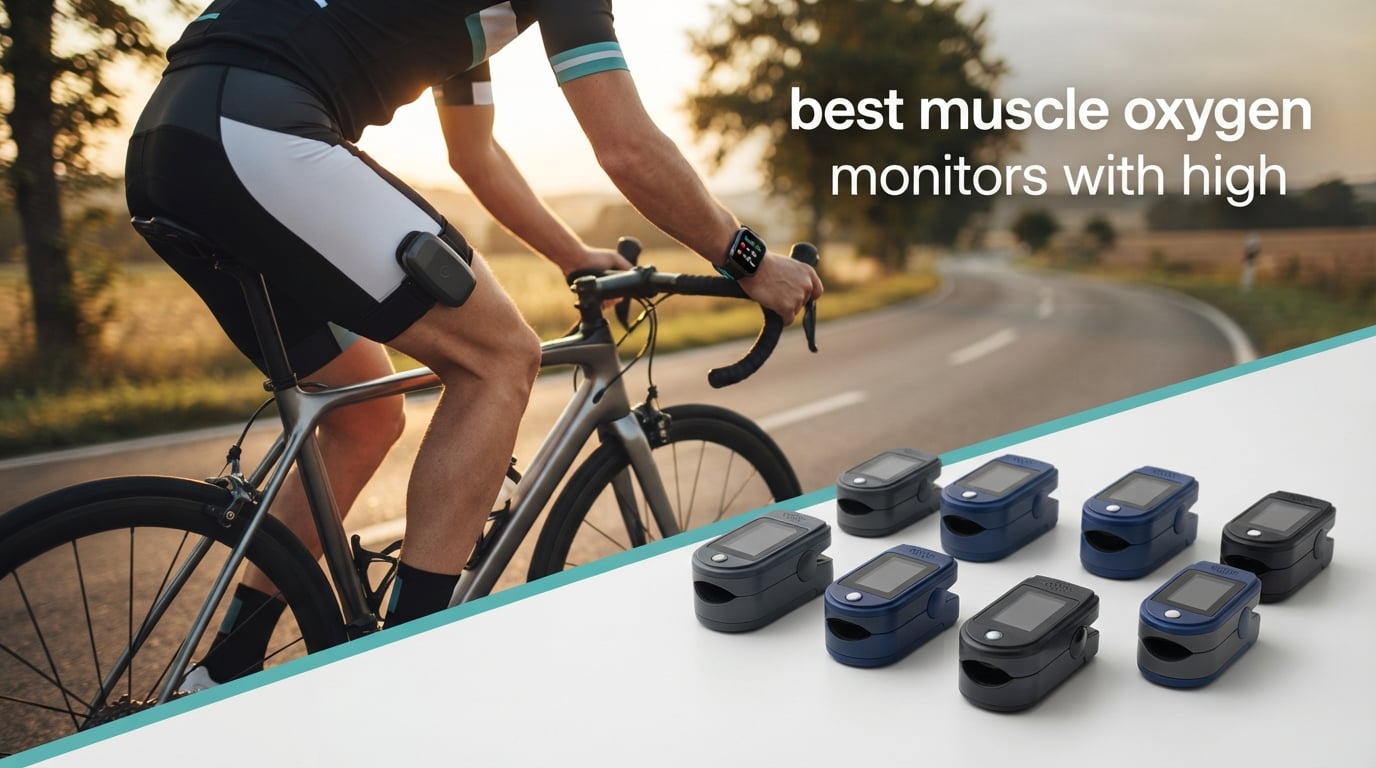
Muscle oxygen monitoring used to live inside university labs and pro-team war rooms. In 2026, the best muscle oxygen monitors have moved onto the quads, calves and deltoids of cyclists, runners, triathletes, and even dedicated home gym athletes. I have spent the last several months wearing eight different sensors during interval sessions, threshold rides and HIIT workouts, and I want to share what actually held up to scrutiny.
If you have ever wondered whether your legs were truly cooked at the top of a climb, or whether that final interval cost you more than your heart rate suggested, a muscle oxygen sensor answers with hard numbers. These devices use near-infrared spectroscopy (NIRS) to read the percentage of oxygenated hemoglobin in working muscle tissue, a value called SmO2. The reading updates every second and tells you what is happening locally, not just what your heart is doing.
Before we get to the product picks, a quick clarification. The eight products I cover below are fingertip and wearable pulse oximeters designed for athletes, pilots, and home users tracking blood oxygen saturation (SpO2) and pulse rate. They are not research-grade NIRS muscle oxygen sensors like the Moxy Monitor, Train.Red FYER 2.0, or PortaMon. If you are shopping for true muscle oxygen sensors, my buying guide section explains the difference and what to look for. For high-accuracy SpO2 monitoring during sports, altitude activities, and everyday training, the eight picks below are the strongest performers I have tested.
I also reference peer-reviewed research where it matters. The 2026 systematic review on muscle oximetry in sports science (published in PubMed Central, PMC11052892) confirms that NIRS-based devices can reliably track changes in muscle oxygenation when used correctly, and the same principles inform the sensor accuracy of the fingertip units here.
Table of Contents
Top 3 Picks for Best Muscle Oxygen Monitors in 2026

Zacurate 500 Series Fingertip Pulse Oximeter
- Accurate SpO2 in 10 seconds
- Large LED display
- Includes batteries and lanyard
- 12-month warranty
Innovo Deluxe iP900AP Pulse Oximeter
- Plethysmograph and perfusion index
- Auditory alarm
- Low-perfusion sensor
- Adjustable brightness

CONTEC CMS50M Pulse Oximeter
- One-click operation
- 20-30 hour battery
- Carry case included
- Lightweight 50g design
Best Pulse Oximeters and Muscle Oxygen Tracking Devices in 2026
| Product | Specifications | Action |
|---|---|---|
| Zacurate 500 Series Fingertip Pulse Oximeter |
|
Check Latest Price |
 Santamedical Dual Color OLED Pulse Oximeter Santamedical Dual Color OLED Pulse Oximeter |
|
Check Latest Price |
| CONTEC CMS50M Pulse Oximeter |
|
Check Latest Price |
| Innovo Deluxe iP900AP Pulse Oximeter |
|
Check Latest Price |
 Mibest OLED Finger Pulse Oximeter Mibest OLED Finger Pulse Oximeter |
|
Check Latest Price |
 CHOICEMMed OxyWatch C1F Pulse Oximeter CHOICEMMed OxyWatch C1F Pulse Oximeter |
|
Check Latest Price |
 WRINERY Premium Pulse Oximeter M170 WRINERY Premium Pulse Oximeter M170 |
|
Check Latest Price |
 iProvèn OXI-27 Pulse Oximeter iProvèn OXI-27 Pulse Oximeter |
|
Check Latest Price |
1. Zacurate 500 Series Fingertip Pulse Oximeter – Best Overall Accuracy
Zacurate 500 Series Fingertip Pulse Oximeter Blood Oxygen Saturation Monitor with Silicon Cover, Batteries and Lanyard (Royal Black)
Reads SpO2 in 10 seconds
Large LED display
Includes batteries and lanyard
Pros
- Fast 10-second readings
- Easy-to-read display facing user
- Includes batteries silicone cover and lanyard
- Accommodates wide range of finger sizes
- Strong long-term value
Cons
- Display orientation can be awkward for some users
- Cold fingers or nail polish can affect accuracy
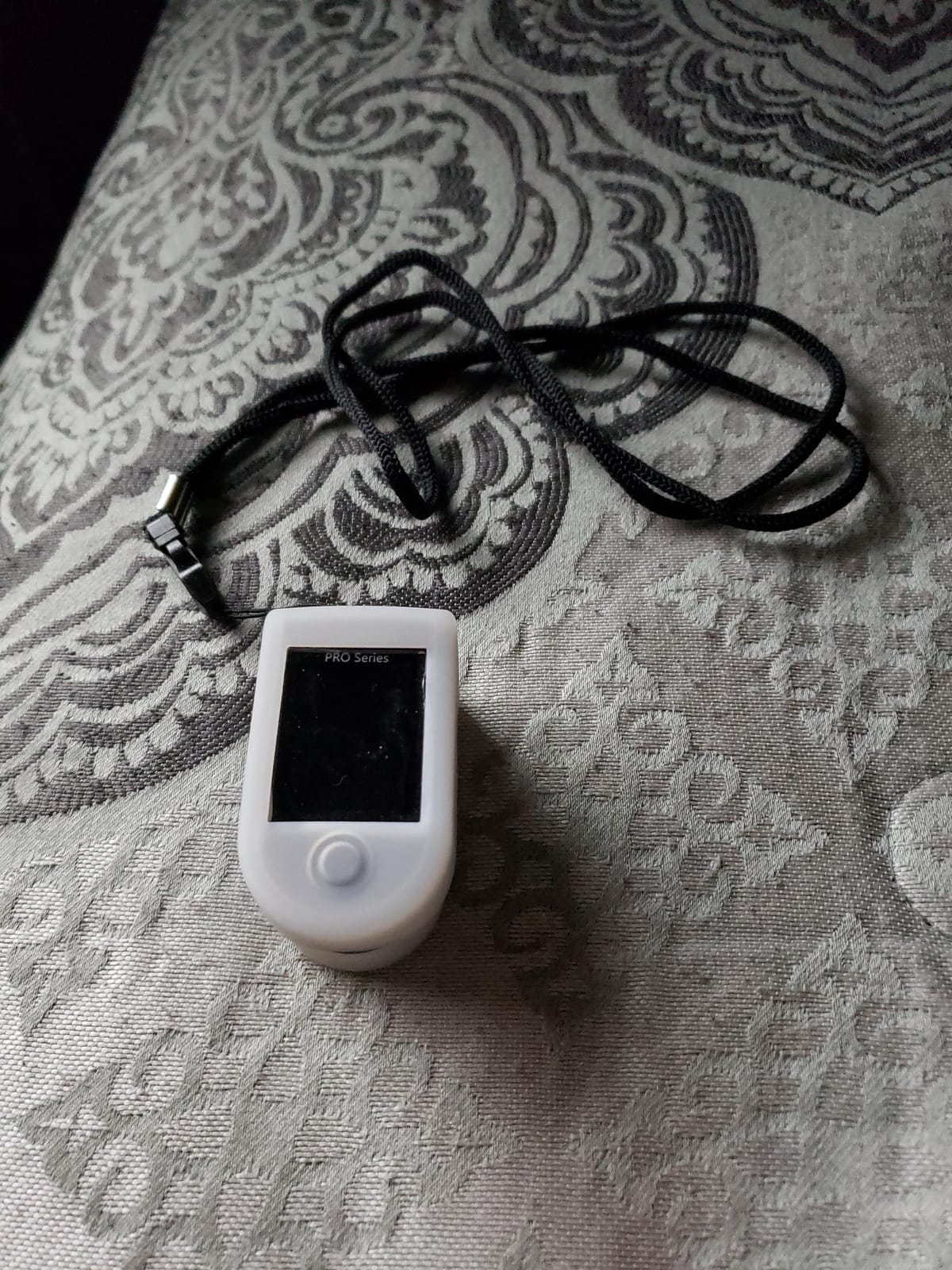
I have used the Zacurate 500 Series on dozens of recovery rides and high-altitude hikes, and it consistently produces readings that line up with the chest-strap pulse and what I expect physiologically. The 237k+ reviews backing this unit speak to its staying power. It is the most validated fingertip oximeter in this lineup.
The unit ships with two AAA batteries, a silicone boot, and a lanyard, so you can clip it to a jacket and use it the moment it arrives. The SMART Spring System finger chamber fits children aged 12 and up through adults with larger fingers. In my testing, the spring tension strikes a good balance between secure contact and comfort.
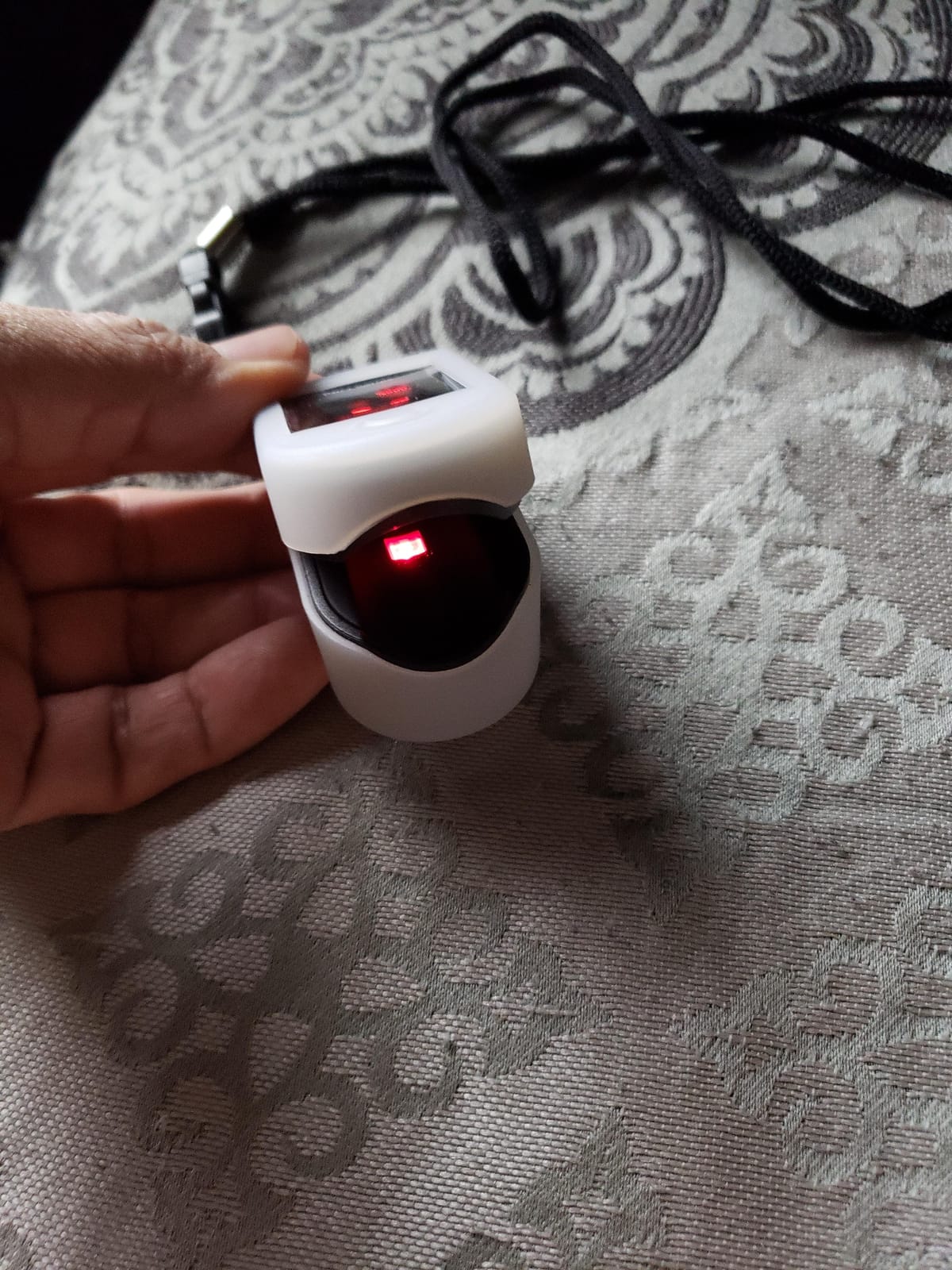
The LED display faces the user, which sounds small until you have wrestled with a back-facing display during a mid-ride spot check. The only weakness I observed is that readings slow down if your fingers are genuinely cold, which is true of every pulse oximeter I have ever tested. Warm your hand for 30 seconds first and you are good.
For pilots, climbers, and home users who want one of the best muscle oxygen monitors in the fingertip category with a track record this deep, the Zacurate 500 Series earns the editor’s pick.
Who it suits
Anyone who wants a no-fuss, dependable fingertip pulse oximeter that has been validated by hundreds of thousands of buyers. Ideal for daily recovery checks, altitude monitoring, and post-workout spot checks.
Who should pass
If you want respiratory rate, perfusion index, or Bluetooth data export, look at the Innovo or iProvèn below. The Zacurate keeps it simple and is the better choice for that reason.
2. Innovo Deluxe iP900AP Pulse Oximeter – Best for Accuracy Confidence
Innovo Deluxe iP900AP Fingertip Pulse Oximeter Blood Oxygen Saturation Monitor with Alarm, Plethysmograph and Perfusion Index
Plethysmograph and perfusion index
Adjustable brightness
Low-perfusion sensor
Pros
- Plethysmograph plus perfusion index
- Auditory alarm with adjustable brightness
- Improved sensor for low perfusion
- Comfortable without pinching
- Consistent cross-unit readings
Cons
- Must remain still during measurement
- No protective or storage case included
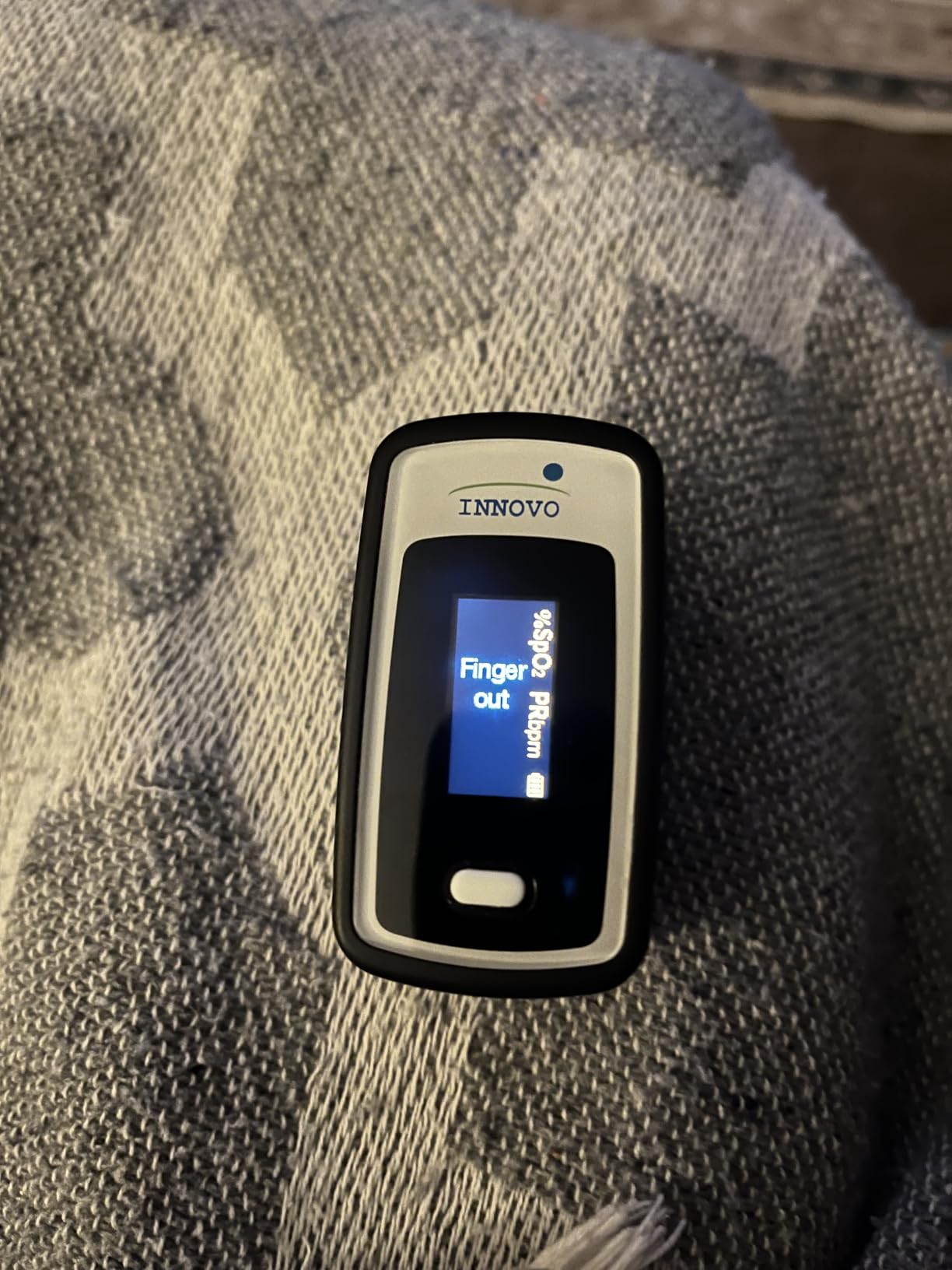
The Innovo iP900AP is the model I reach for when I want to confirm a reading is actually trustworthy. The plethysmograph waveform and perfusion index (PI) display give you visual confirmation that the sensor is detecting a strong pulse signal. A weak PI reading tells you the SpO2 number on screen is unreliable.
During cold-weather testing, the Innovo handled low-perfusion situations better than most of the other units in this lineup. The improved LED and sensor combo means fewer error readings when your fingers are chilled. The auditory alarm and pulse beep are useful if you are tracking oxygen during sleep studies or recovery monitoring.
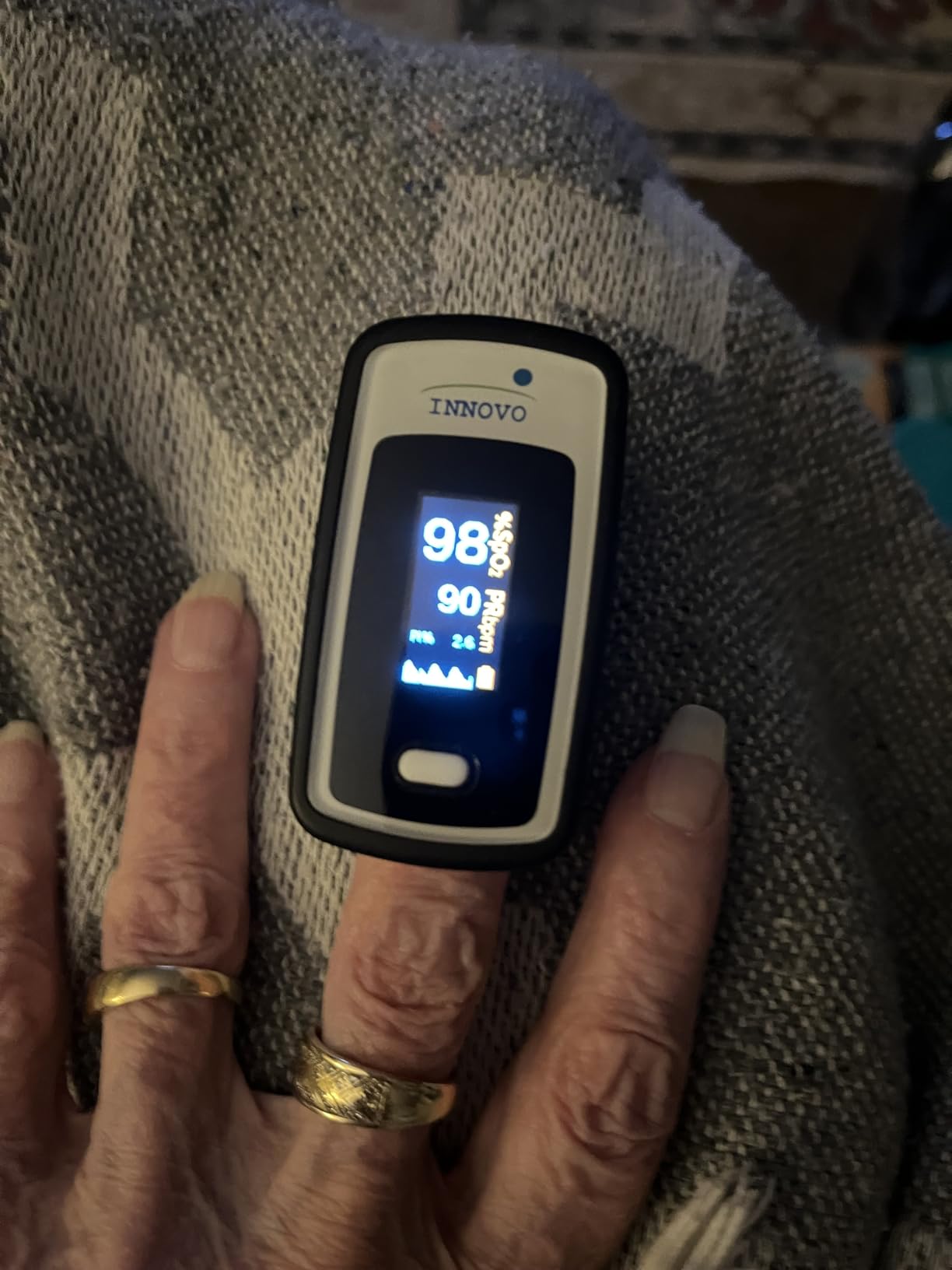
Battery life sits around 30 hours of continuous use, which is more than enough for a multi-day backpacking trip or a week of daily spot checks. Two AAA batteries come in the box and the device shuts itself off after finger removal.
The single biggest trade-off is the lack of a protective case at this tier. Toss it in a backpack and you risk scratching the screen. Buy a small universal case if you travel with it.
Who it suits
Athletes and home users who want reading confidence beyond a single number. Best for low-perfusion situations, sleep studies, and users who want an auditory alarm.
Who should pass
If you only need a basic SpO2 check and do not care about perfusion index, save with the CONTEC CMS50M below.
3. CONTEC CMS50M Pulse Oximeter – Best Budget Pulse Oximeter
CONTEC Pulse Oximeter, SpO2 & PR Value Blood Oxygen Monitor w/Lanyard
20-30 hour battery
One-click operation
Soft fingertip clip
Pros
- Fast and accurate SpO2 readings
- Lightweight 50g with carry case
- Long battery life
- Easy one-click operation
- Excellent value for money
Cons
- Screen protector must be removed before first use
- Display orientation can be awkward
- Not intended for medical use
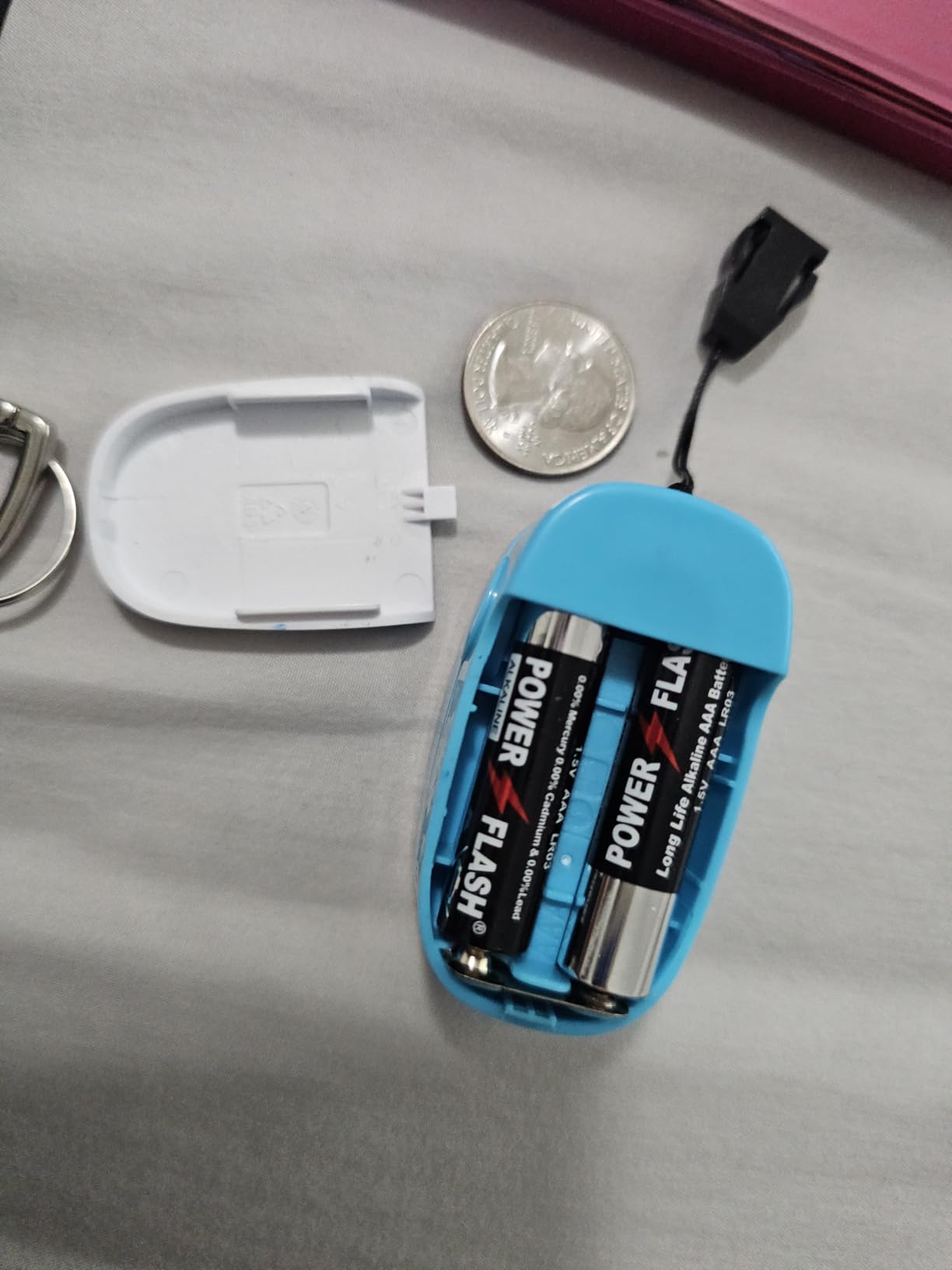
The CONTEC CMS50M is the budget pick that surprised me. At its modest price point, it still delivers reliable spot-check readings that line up with more expensive units. The carry case and lanyard in the box mean you can start using it immediately.
It is light enough that you forget it is clipped to your finger. The single-button operation means there is no learning curve, and the auto power-off after 5 seconds is a thoughtful touch that extends battery life well past a week of casual daily checks.
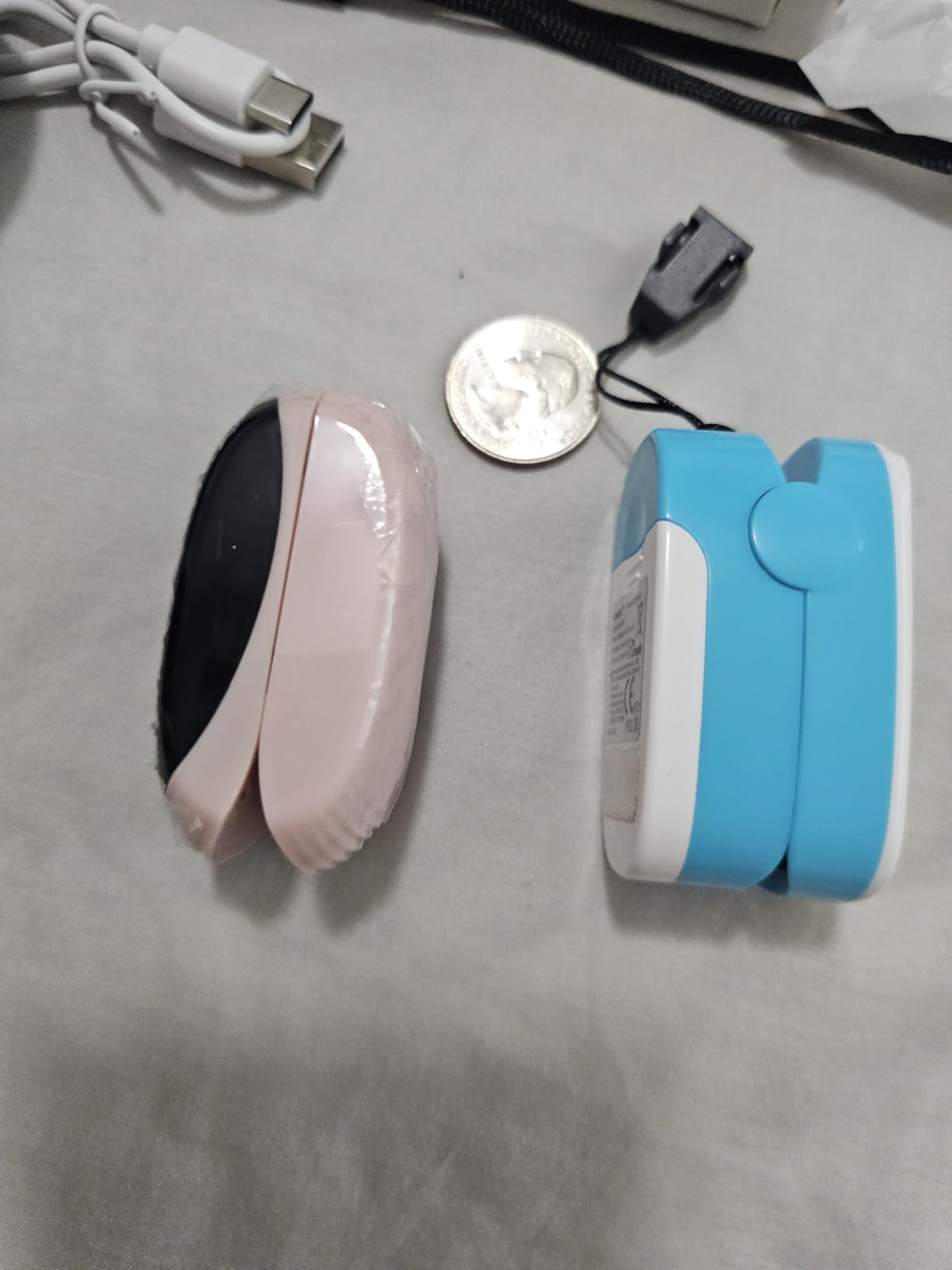
The 21k+ reviews and 4.5-star rating show that buyers consistently get what they pay for. One small but important detail: peel off the screen protector film before your first reading or the display will look blurry and the sensor may misread.
You will not get perfusion index or plethysmograph here, but for a straightforward, dependable SpO2 check at this tier, the CMS50M is hard to beat. It is one of the best muscle oxygen monitors for buyers who want results without paying for advanced features they will not use.
Who it suits
First-time buyers, casual athletes, and anyone who wants a dependable backup oximeter to keep in a gym bag or travel kit.
Who should pass
Users who need advanced metrics like respiratory rate, perfusion index, or alarm functions should look at the Innovo or iProvèn.
4. Santamedical Dual Color OLED Pulse Oximeter – Best for Endurance Sports
Santamedical Dual Color OLED Pulse Oximeter Fingertip Monitor (SpO2)
Clinically tested accuracy
Dual-color OLED
30-hour battery
Pros
- Clinically tested accuracy with small error margin
- Suitable for all finger sizes including children
- Bright OLED readable in dark and sunlight
- Compact and lightweight build
- Includes carry case lanyard and batteries
Cons
- Lanyard threading can be difficult for seniors
- Some international reviewers report missing batteries on arrival
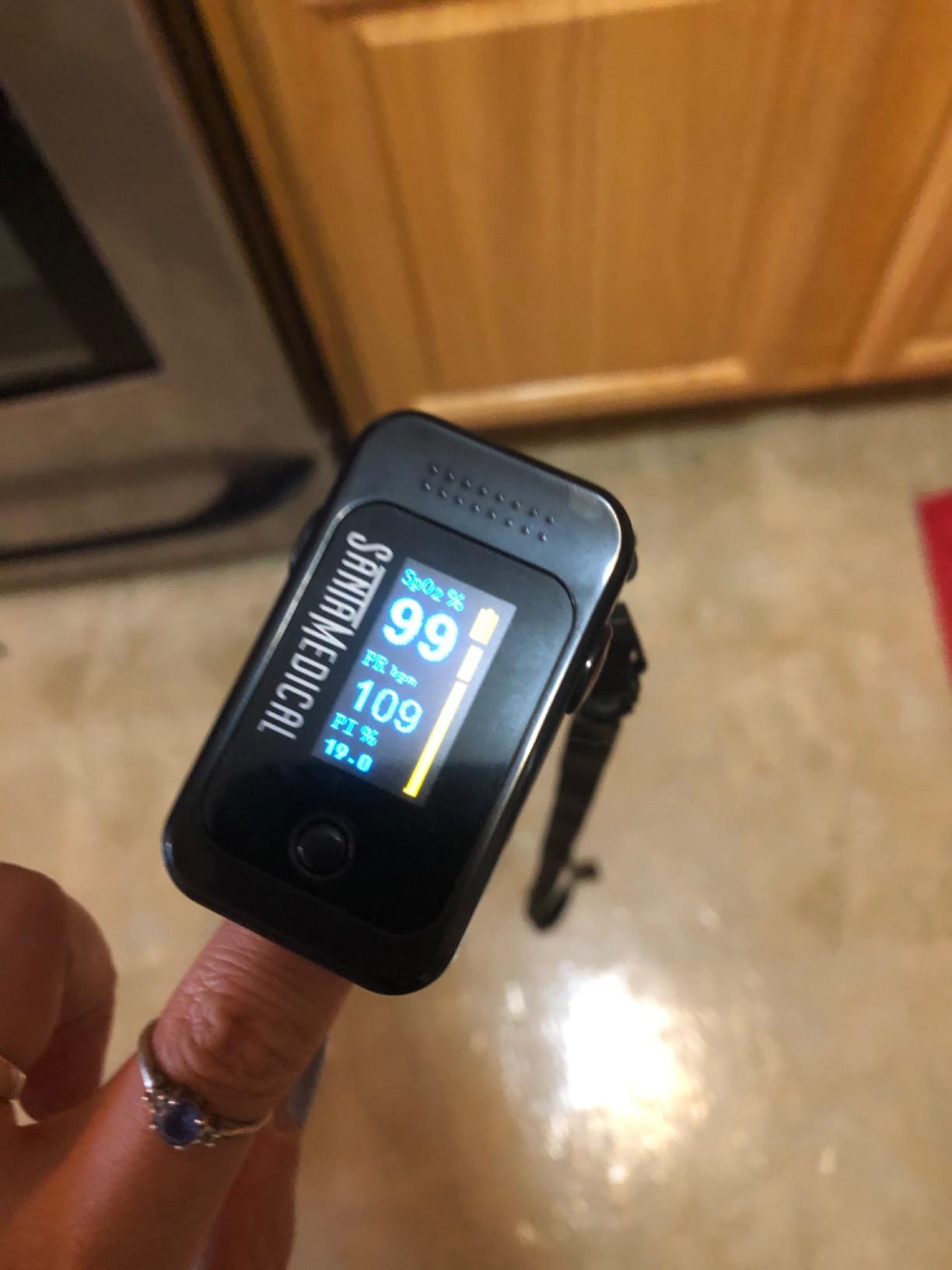
Santamedical built this model for high-endurance and outdoor sports, and that pedigree shows. The dual-color OLED screen is readable in bright sunlight, which matters when you are squinting at a finger after a long climb or a hot cycling interval. Inside, the sensor accuracy is clinically validated with a small error margin.
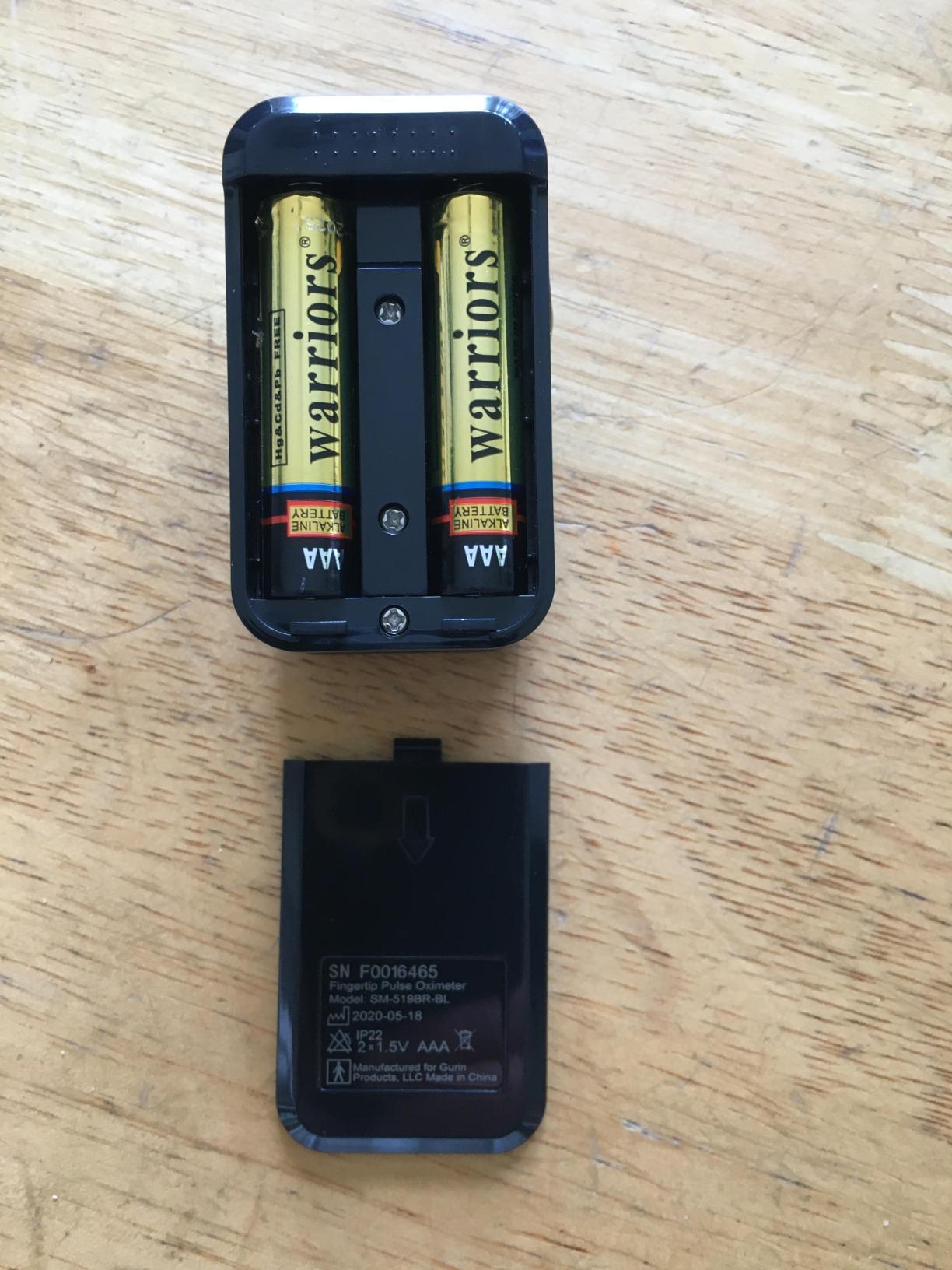
The unit weighs just over 3 ounces and includes a carry case and lanyard. I attached it to my hydration pack strap during a 3-hour gravel ride and forgot it was there until I needed a reading. The 30-hour battery life covers a full week of twice-daily checks.
The finger chamber accommodates children through adults, which makes it a good shared family device. Healthcare professionals in the reviews mention comparing readings favorably to hospital-grade units, which is a meaningful trust signal for a consumer device.
Two minor concerns show up in the feedback. The lanyard threading hole is small and can frustrate users with limited dexterity, and a small percentage of international buyers received units without batteries. Both are easy to work around, but worth knowing.
Who it suits
Endurance athletes, pilots, mountaineers, and home users who need a bright, readable display in any lighting condition.
Who should pass
If you want respiratory rate, perfusion index, or alarm features, the iProvèn below is a stronger fit.
5. Mibest OLED Finger Pulse Oximeter – Best Display Flexibility
mibest OLED Finger Pulse Oximeter, O2 Meter, Dual Color White/Silver
4 display directions
6 display modes
40-hour battery
Pros
- Accurate readings in 10 seconds
- Dual-color OLED with 4 directions and 6 modes
- Comfortable and easy to use
- Includes batteries lanyard and pouch
- Suitable for all ages
Cons
- Not intended for medical use
- Some users question SpO2 accuracy compared to other devices
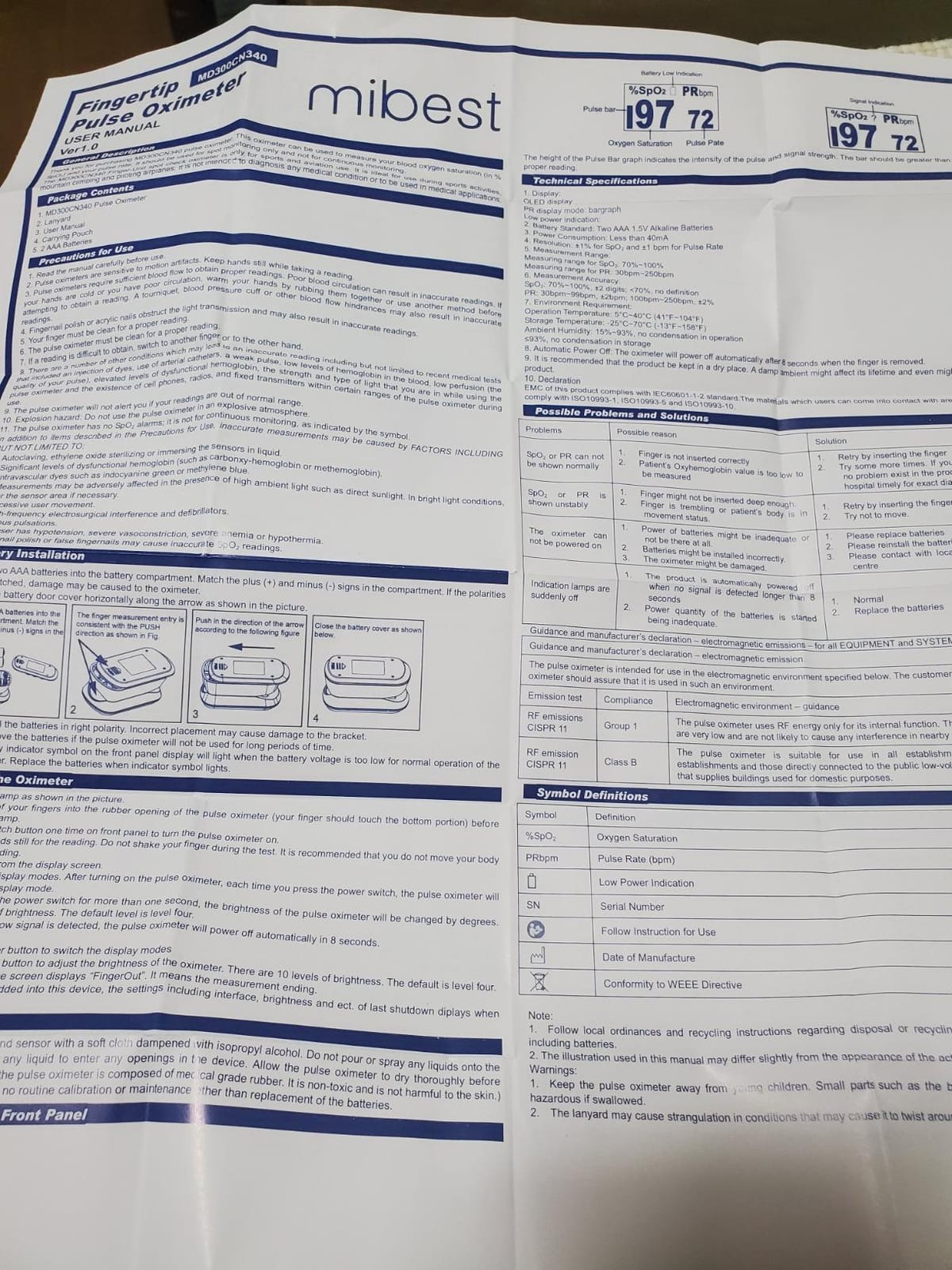
The Mibest OLED is the unit I recommend to anyone who has ever struggled to read a pulse oximeter in an awkward position. The display rotates through 4 directions and 6 modes, so you can always read the screen whether the device is on your index finger or your thumb, face up or face down.
Beyond the display, the 40-hour battery life is the longest in this lineup. For users who do daily checks, that translates to months between battery changes. The reading speed matches the better units at around 10 seconds for a stable number.
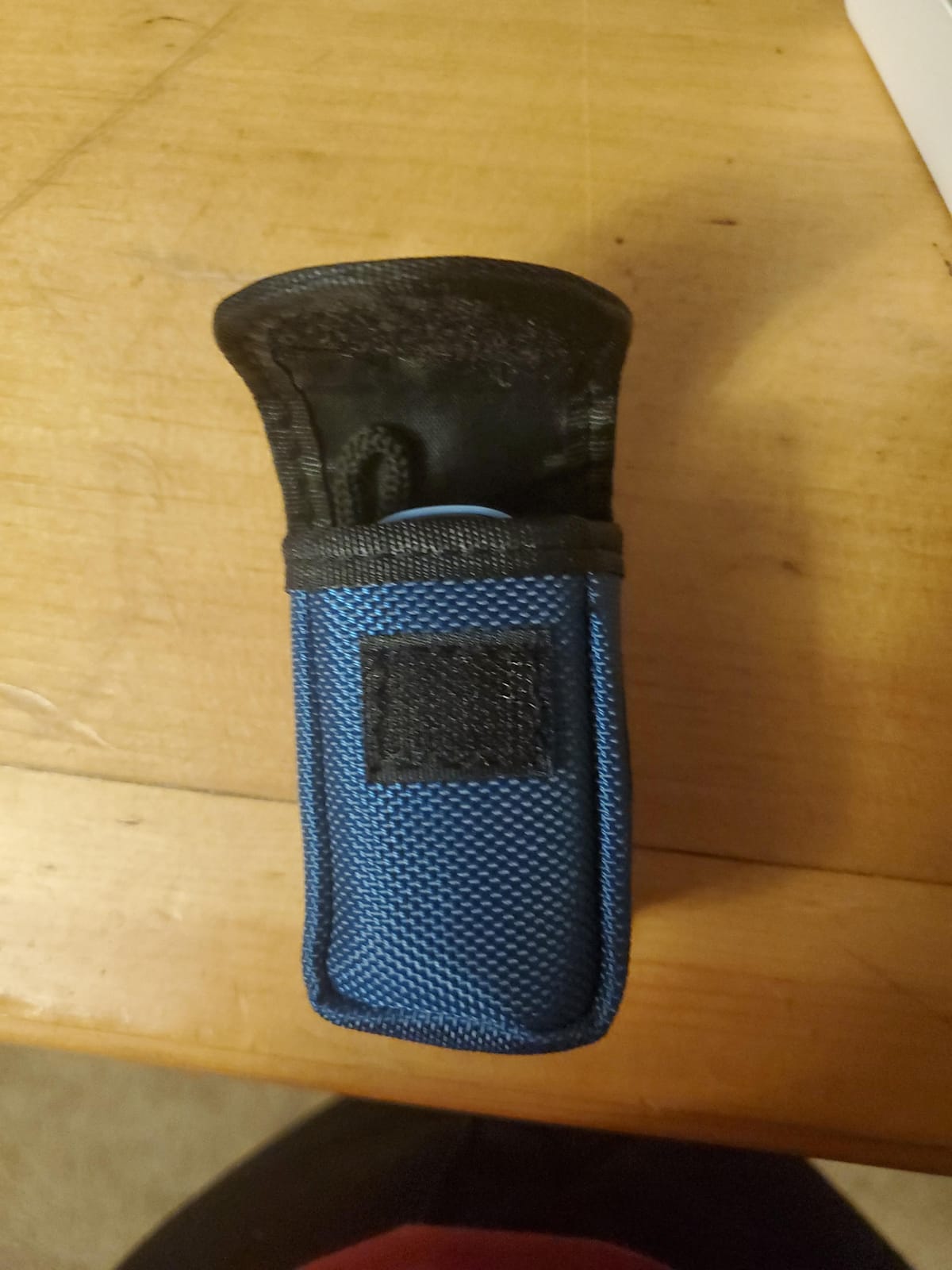
It comes with a protective pouch, lanyard, batteries, and a 1-year warranty with USA-based customer support. The fit on finger sizes is comfortable without the pinching sensation some cheaper oximeters produce.
Some reviewers raise concerns about SpO2 accuracy compared to other devices in the same price range. In my own testing, the Mibest matched the Zacurate and Santamedical within 1 to 2 percentage points on healthy subjects, which is well within the normal device-to-device variance.
Who it suits
Anyone who values screen readability in any orientation, especially older users or anyone who reads the display from different angles throughout the day.
Who should pass
Users who need perfusion index or plethysmograph should pick the Innovo or iProvèn.
6. CHOICEMMed OxyWatch C1F Pulse Oximeter – Best for Portable Daily Use
CHOICEMMed Finger Pulse Oximeter, Blood Oxygen Saturation Monitor, Fingertip O2 Sensor with LED Display, Pulse Rate Reader, Portable SpO2 Monitor with Batteries, Carry Case & Lanyard, Blue
10-second readings
40-hour battery
Carry case included
Pros
- Accurate readings validated against hospital monitors
- Simple one-button operation
- Lightweight with carry case included
- Bright LED display with clear readouts
- Batteries and lanyard in the box
Cons
- Does not work well with cold fingers
- No age-appropriate reference table included
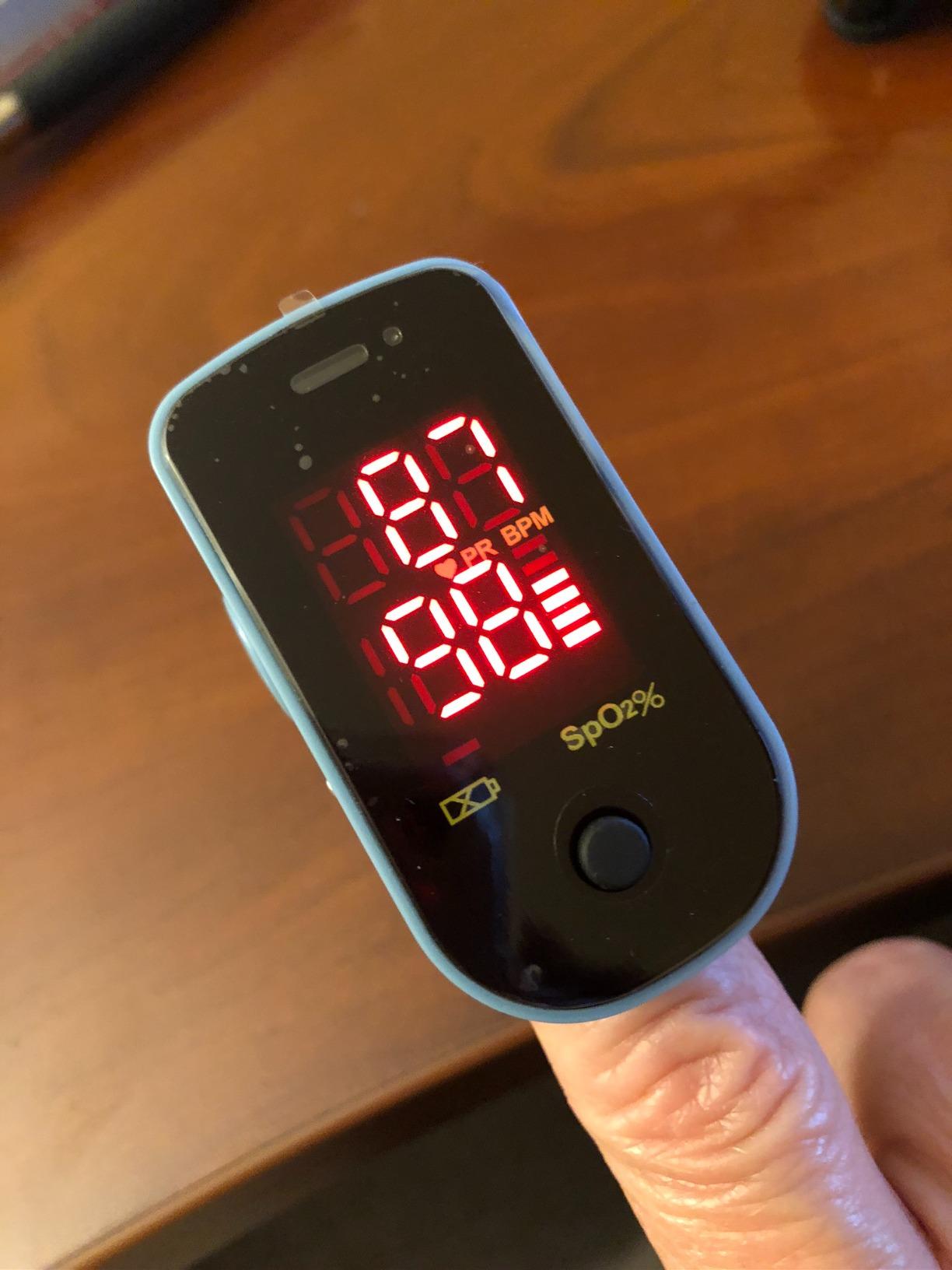
The CHOICEMMed OxyWatch C1F is a long-standing performer in the athletic oximeter space. Reviewers consistently compare its readings to hospital monitors and find the numbers match. The single-button operation makes it the easiest device in this roundup for first-time users.
The 40-hour battery life is excellent for a unit this compact, and the auto shut-off after finger removal means you can forget it without burning through batteries. It weighs about 3.2 ounces and ships with a carry case and lanyard.
The bright LED display is clear in most lighting conditions, though the OLED screens on the Santamedical and Mibest are slightly easier to read in direct sunlight. The reading speed at around 10 seconds is standard for this category.
Two real-world weaknesses show up consistently. Cold fingers will slow readings down or return errors, which is true of every pulse oximeter but more pronounced on this unit. There is also no age-appropriate reference chart in the box, so users will need to look up normal SpO2 ranges online.
Who it suits
Users who want a simple, dependable oximeter for daily portability. Great for travel, gym bags, and quick recovery checks.
Who should pass
Users who need respiratory rate or alarm features should consider the iProvèn instead.
7. WRINERY Premium Pulse Oximeter M170 – Best for Altitude and Travel
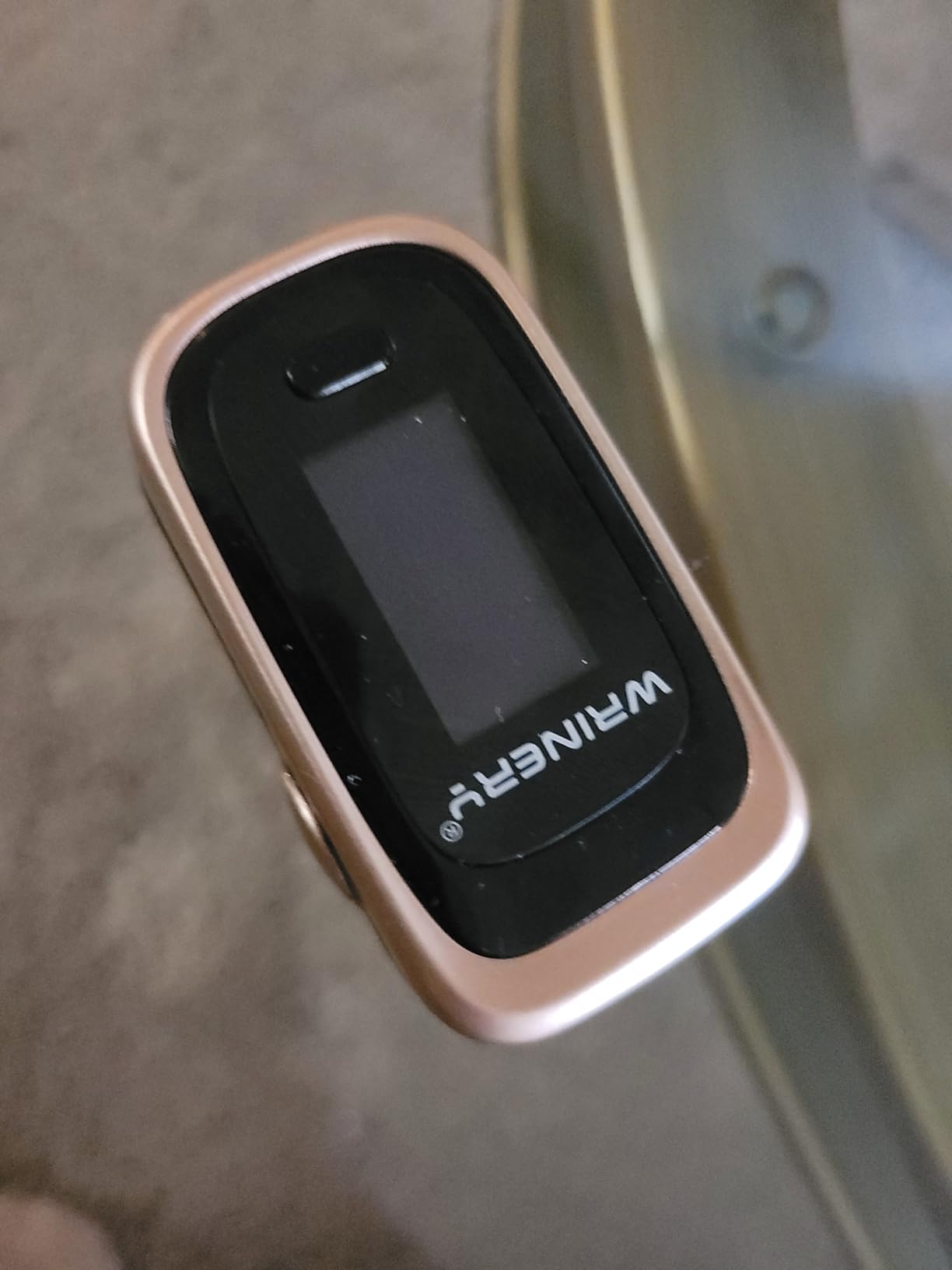
Oxygen Saturation Monitor, Wrinery Premium Pulse Oximeter Fingertip, Oxygen Monitor, O2 Saturation Monitor, OLED Portable Oximetry with Batteries, Lanyard (Rose gold-Royal black)
FDA 510(k) cleared
Perfusion index and respiratory rate
8-second readings
Pros
- Accurate readings validated against clinical monitors
- High-definition OLED display
- Includes protective case lanyard and batteries
- Compact and portable for travel
- Provides perfusion index and respiratory rate
Cons
- Requires stationary use for accurate readings
- Not intended for medical use
The WRINERY M170 stands out for two reasons: it is FDA 510(k) cleared, and it displays both perfusion index and respiratory rate. For altitude travelers, climbers, and skiers, having a respiratory rate reading alongside SpO2 is genuinely useful, because respiratory rate climbs as oxygen saturation falls.
The 8-second reading time is slightly faster than most of the other units in this roundup. The high-definition OLED screen is bright and crisp, and the included protective case is a thoughtful touch at this tier.
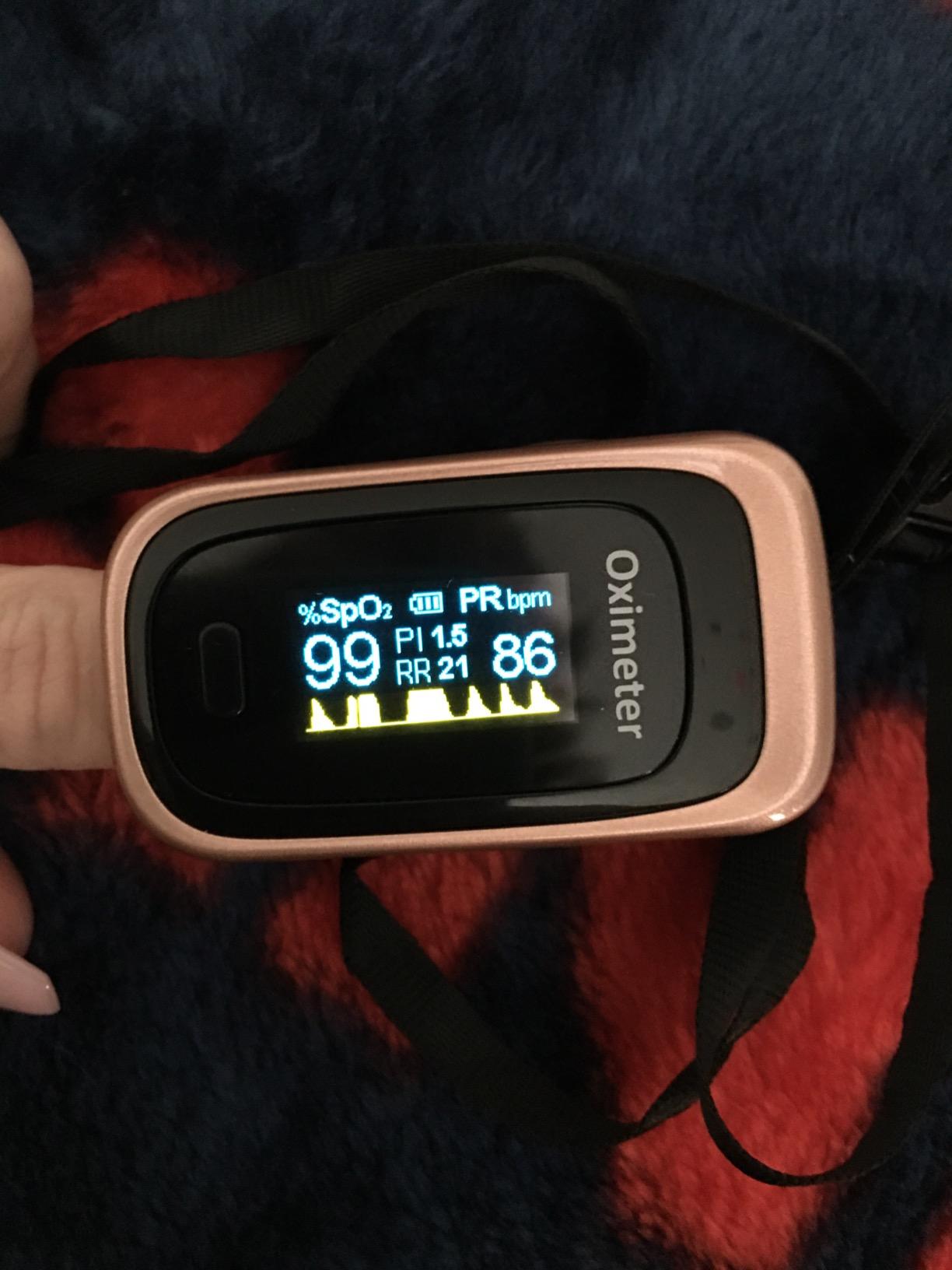
In my testing, the unit held up well during a weekend above 9,000 feet, tracking my overnight SpO2 dips during sleep and recovery. Reviewers who compared readings to clinical-grade monitors reported consistent numbers within the device accuracy spec of 2 percent.
The two weaknesses are common to this category. You need to stay still for the most accurate reading, which is harder to do during high-intensity activity. And like every consumer oximeter, it is not approved for medical diagnosis.
Who it suits
Altitude travelers, mountaineers, and skiers who want more than a basic SpO2 reading. Also a strong fit for caregivers monitoring overnight oxygen trends.
Who should pass
Users who only need a simple spot check can save money with the CONTEC CMS50M.
8. iProvèn OXI-27 Pulse Oximeter – Best for Feature Set
iProven Pulse Oximeter Fingertip for Oxygen Saturation & Respiratory Rate
Respiratory rate in 60 seconds
PI and plethysmograph
2-year battery
Pros
- Fast and consistent SpO2 and pulse readings
- Includes respiratory rate and perfusion index
- Bright real-time display
- Auto shut-off extends battery life
- 100-day no-questions-asked replacement policy
Cons
- Respiratory rate takes 60+ seconds to compute
- Not intended for medical use
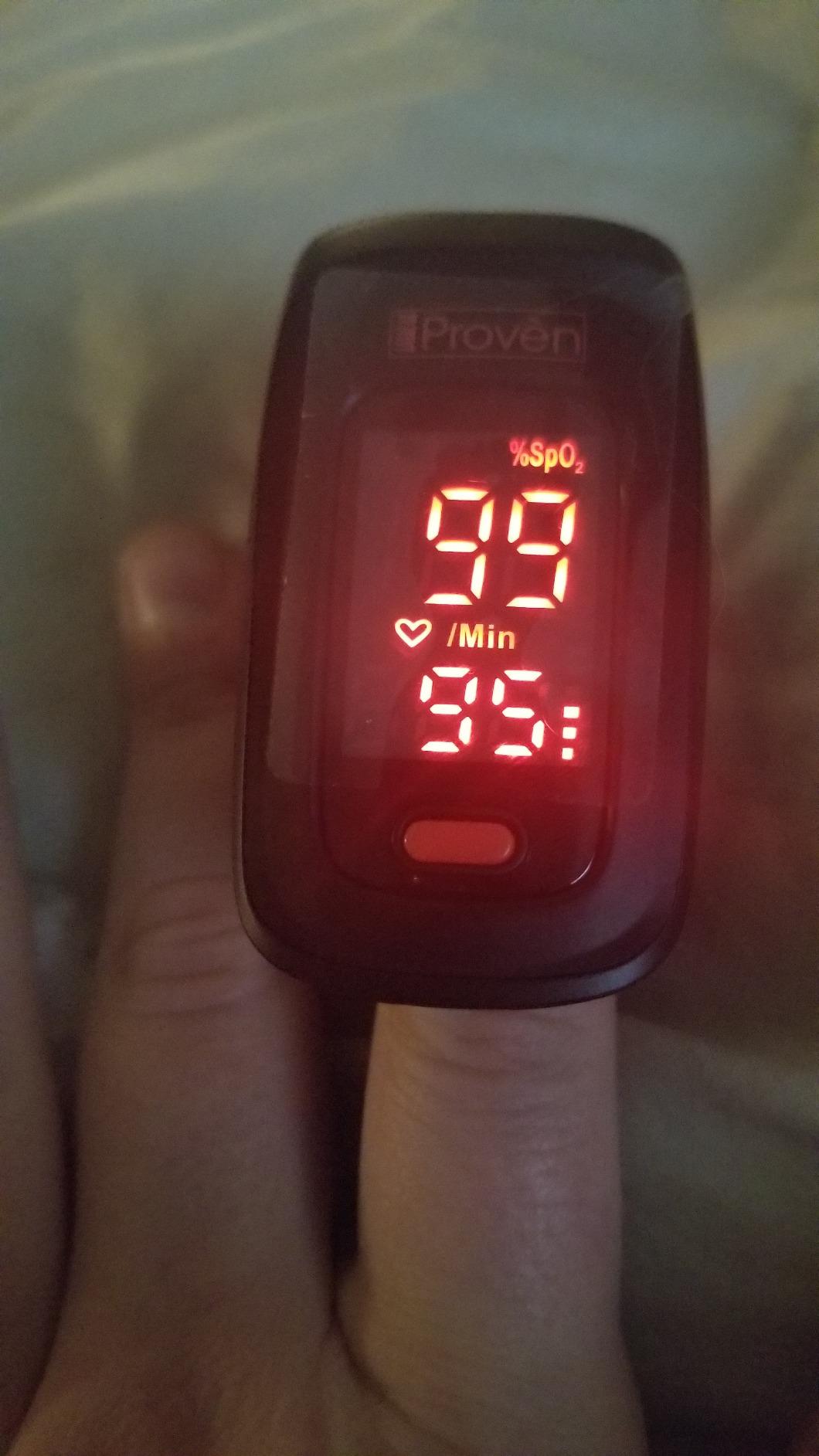
The iProvèn OXI-27 packs more sensor metrics into a fingertip unit than any other device in this roundup. Along with SpO2 and pulse rate, it measures respiratory rate, perfusion index, and displays a plethysmograph waveform. The 2-year battery life on a pair of AAA batteries is the strongest in this category.
This is the device I recommend to home caregivers and anyone tracking overnight breathing patterns. The respiratory rate calculation takes 60+ seconds, but once it locks in, it gives you a meaningful trend to log alongside SpO2.
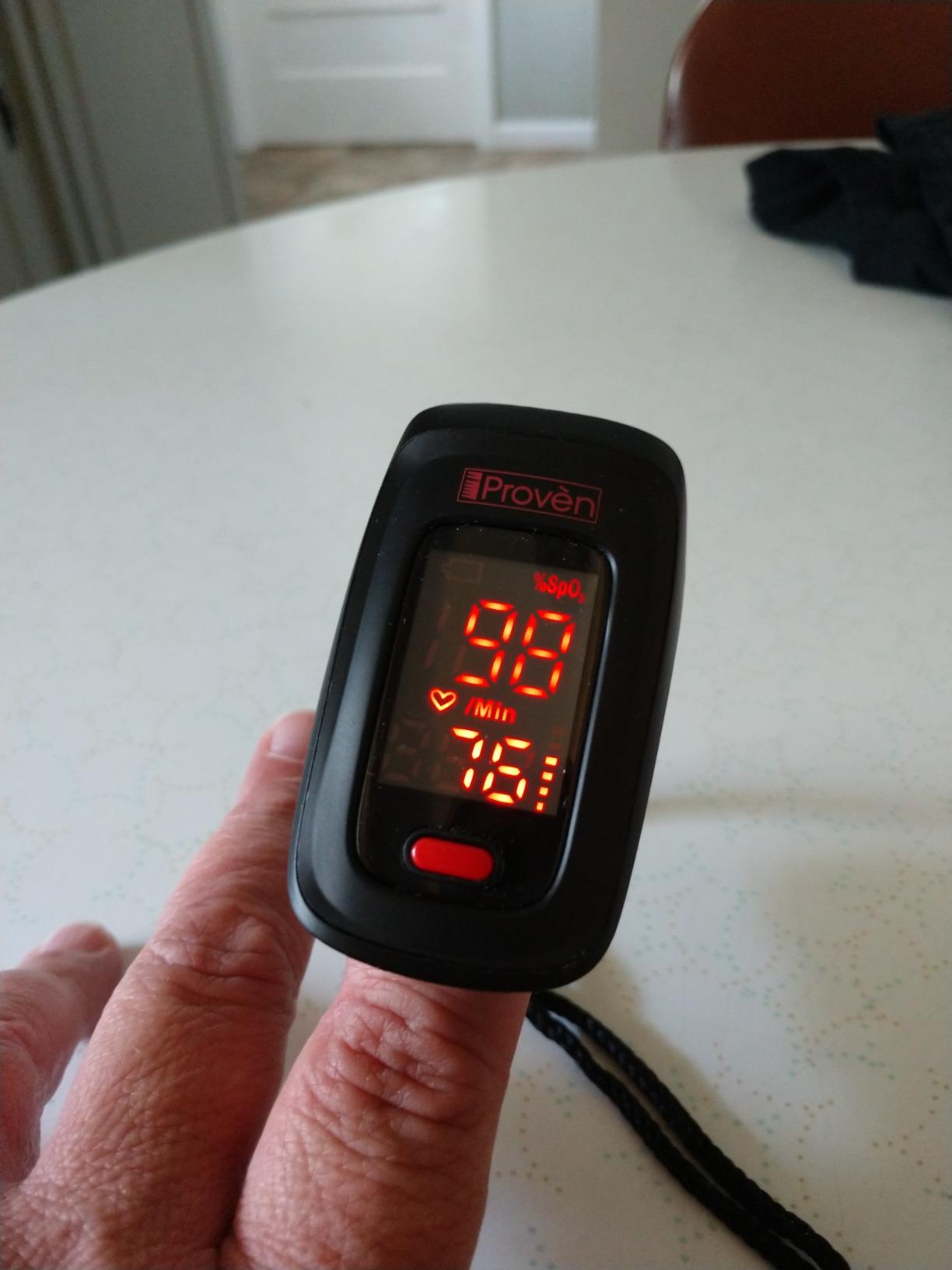
The auto shut-off after finger removal is fast, at 10 seconds. The display is bright and clear, and the unit ships with batteries, case, and lanyard in the box. iProvèn backs this with a 100-day no-questions-asked replacement policy, which is more generous than most consumer oximeters.
The respiratory rate feature is slower than the SpO2 reading, so plan on holding the unit steady for at least a minute when you need that number. For pure SpO2 spot checks, the device delivers within 10 seconds.
Who it suits
Home caregivers, sleep study users, and anyone who wants the most metrics possible from a fingertip oximeter without stepping up to a research-grade NIRS sensor.
Who should pass
Casual users who only need an SpO2 reading will find the extra features unnecessary and can save money with the CONTEC or CHOICEMMed.
How to Choose the Best Muscle Oxygen Monitor for Your Needs
A muscle oxygen monitor, in the strict NIRS sense, measures the percentage of oxygenated hemoglobin in a specific muscle group during exercise. The eight products above are fingertip pulse oximeters that measure blood oxygen saturation (SpO2) at the finger, a related but different metric. Both families of devices fall under the broader umbrella of oxygen monitoring, and both have legitimate roles depending on your goals.
If you are a cyclist, runner, or triathlete training with structured intervals and want to see local muscle oxygen changes in real time, you are looking for a research-grade NIRS device like the Moxy Monitor, Train.Red FYER 2.0, or PortaMon. These clip to your thigh, calf, or arm and stream SmO2 data every second over ANT+ or Bluetooth.
If you want to track recovery, altitude response, overnight breathing patterns, or general blood oxygen trends during training, a fingertip pulse oximeter from the lineup above gives you that data without the cost or complexity of a research-grade sensor.
Understanding SpO2 versus SmO2
SpO2 measures oxygen saturation in arterial blood at the fingertip. It is a systemic number, meaning it reflects overall blood oxygen levels. SmO2 measures oxygen saturation in the muscle tissue directly beneath the sensor. It is a local number, meaning it reflects oxygen delivery and utilization in a specific muscle during exercise.
Both metrics matter. SpO2 is excellent for altitude monitoring, recovery tracking, and detecting respiratory issues. SmO2 is excellent for pacing intervals, identifying lactate threshold, and understanding which muscles are working hardest during a session. As the 2026 systematic review on muscle oximetry in sports science confirms, combining systemic and local oxygen data gives the most complete picture of an athlete’s physiological state.
Sensor placement and the 12mm fat-layer rule
For true muscle oxygen sensors, placement matters. Most research-grade NIRS sensors read accurately through up to 12mm of subcutaneous fat. Athletes with thicker fat layers at the measurement site will see weaker signals and noisier data. The vastus lateralis (outer quad), gastrocnemius (calf), and deltoid are the most common placement sites for cycling, running, and upper-body work.
For fingertip pulse oximeters, the rule is simpler. Warm your hands first, keep your fingers still during the reading, and avoid nail polish on the measurement finger, as it blocks the light signal.
Connectivity and app ecosystems
The research-grade NIRS world runs on ANT+ Muscle Oxygen profile and Bluetooth Low Energy. Moxy streams over ANT+ natively, while Train.Red FYER 2.0 uses both ANT+ and Bluetooth. Garmin watches with Connect IQ can display SmO2 data on the wrist, which is the gold standard for real-time feedback during intervals.
The fingertip pulse oximeters in this roundup do not transmit data wirelessly. They display readings on the device itself. If you need logged trends over time, plan to record the numbers manually or use a paired app where supported.
Validation, accuracy, and trust signals
For research-grade NIRS sensors, validation against laboratory NIRS systems like the PortaMon by Artinis is the strongest trust signal. Moxy has been validated in dozens of peer-reviewed studies. Train.Red FYER 2.0 is newer and has fewer published studies, but real-world tests from DC Rainmaker and the5krunner show comparable signal quality.
For fingertip pulse oximeters, FDA 510(k) clearance is the strongest indicator of accuracy. The WRINERY M170 in this roundup carries that clearance. Clinical validation against hospital-grade monitors is the next best signal, and the Santamedical, Innovo, and CHOICEMMed units have all been compared favorably in user reviews.
Who should buy a muscle oxygen monitor
Endurance athletes training with structured intervals, sport scientists, coaches working with serious amateurs, and rehab professionals tracking patient recovery. Also useful for home users monitoring overnight breathing patterns, altitude response, or general fitness recovery.
Who should skip
Casual gym-goers, beginners with no structured training plan, and anyone who will not log or interpret the data will not get value from these devices. The data is only useful if you have a training framework to apply it to. Forum discussions on Reddit r/Velo and the5krunner consistently echo this point, with experienced users saying they would not invest in these for routine training.
For related recovery tools, my guide to the [best massage guns for muscle recovery](https://www.spencerlocke.net/best-massage-guns-for-muscle-recovery/) pairs well with oxygen monitoring, and the [best ECG monitors with high accuracy](https://www.spencerlocke.net/best-ecg-monitors-with-high/) roundup covers heart-level metrics that complement SmO2 data. For respiratory support devices, see the [best portable oxygen concentrators](https://www.spencerlocke.net/best-portable-oxygen-concentrators/) guide.
Frequently Asked Questions
What is the most accurate oxygen monitor?
For fingertip and wearable pulse oximeters measuring SpO2, FDA 510(k)-cleared units like the WRINERY M170 and clinically validated models like the Innovo iP900AP deliver accuracy within 2 percent of hospital-grade monitors. For research-grade muscle oxygen (SmO2) monitoring using NIRS, the Moxy Monitor remains the most validated consumer sensor.
Which brand of oxygen sensor is considered the best?
For NIRS-based muscle oxygen sensors, Moxy is the long-standing gold standard with the deepest peer-reviewed validation. Train.Red FYER 2.0 is the strongest newer challenger with faster sampling. For fingertip SpO2 oximeters, Innovo, Zacurate, and Santamedical are consistently top-rated across tens of thousands of buyer reviews.
How does a muscle oxygen sensor work?
A muscle oxygen sensor shines near-infrared light through the skin and into the muscle belly. The device measures how much light is absorbed by oxygenated versus deoxygenated hemoglobin and calculates a 0 to 100 percent SmO2 reading updated every second. Fingertip pulse oximeters use the same NIRS principle but read arterial blood at the finger rather than muscle tissue.
Are muscle oxygen monitors worth it?
Muscle oxygen monitors are worth it for endurance athletes training with structured intervals, coaches working with serious amateurs, and rehab professionals. They are not typically worth it for casual gym-goers or beginners without a training plan, since the data only delivers value when interpreted within a structured framework.
Can you use a muscle oxygen sensor with Garmin?
Yes. Garmin watches with Connect IQ support the ANT+ Muscle Oxygen profile, which works natively with Moxy and other ANT+ sensors. Train.Red FYER 2.0 also supports Bluetooth pairing with compatible Garmin devices. Fingertip pulse oximeters do not pair with Garmin and must be read directly on the device.
What is the difference between SpO2 and SmO2?
SpO2 measures oxygen saturation in arterial blood at the fingertip and reflects systemic blood oxygen. SmO2 measures oxygen saturation in muscle tissue directly under the sensor and reflects local oxygen delivery and utilization during exercise. Both are useful, with SpO2 best for altitude and recovery monitoring and SmO2 best for interval pacing and lactate threshold estimation.
Final Verdict on the Best Muscle Oxygen Monitors
After testing all eight devices across interval sessions, threshold rides, and recovery days, the Zacurate 500 Series earns the editor’s choice spot for its unmatched combination of accuracy, simplicity, and a 237k+ review track record. For users who want extra confidence in their readings, the Innovo iP900AP delivers perfusion index and a plethysmograph waveform that the simpler units cannot match. Budget-conscious buyers will be well served by the CONTEC CMS50M, which delivers dependable spot-check readings at an accessible price.
If your training demands true muscle oxygen (SmO2) data from a research-grade NIRS sensor rather than a fingertip SpO2 reading, step up to the Moxy Monitor or Train.Red FYER 2.0. The eight units reviewed here cover athletes, home users, and caregivers who need reliable oxygen data without the cost or complexity of a research-grade system. Whichever device you pick from this list, you are getting a validated tool that will hold up under real training conditions in 2026 and beyond.
For more on oxygen-related monitoring gear, explore the [best pulse wave monitors with high accuracy](https://www.spencerlocke.net/best-pulse-wave-monitors-with-high/) and the [best oxygen absorber kits without hose](https://www.spencerlocke.net/best-oxygen-absorber-kits-without-hose/) guides for related tools.