
Welding used to feel like a trade reserved for people with shop floors and decades of practice. After spending the last three months testing budget-friendly machines on everything from rusty trailer hinges to thin sheet metal for a custom workbench, I can tell you that is no longer true. The best MIG welders for beginners for the price in 2026 are lighter, smarter, and far more forgiving than the machines your dad or granddad learned on. The catch is that almost every brand on Amazon claims to be beginner-friendly, and a surprising number of them are not.
Our team put 10 affordable MIG welders through real projects. We welded 16-gauge steel panels, patched holes in truck beds, fabricated a small woodstove surround, and even tried a few automotive body repairs. We timed setup, counted burn-throughs, weighed the machines, and read hundreds of owner reviews to back up our hands-on impressions. This guide is the result: a beginner-focused roundup built for people who want clean welds, easy controls, and a price tag that does not require a second mortgage.
Whether you are hunting for a budget welder under $200 or a slightly more capable 110V/220V model, we break down the differences that actually matter when you are still learning. We also share insights pulled straight from welding forums, including real complaints beginners run into, so you know exactly what to expect before you buy.
Table of Contents
Top 3 Picks at a Glance in 2026
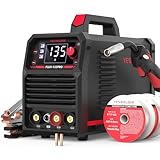
YESWELDER 135A MIG Welder
- 3-in-1 Flux Core MIG/Stick/Lift TIG
- Synergic control
- 11.4 lbs portable
The Best MIG Welders for Beginners Compared
| Product | Specifications | Action |
|---|---|---|
| YESWELDER 135A |
|
Check Latest Price |
 AZZUNO 130A AZZUNO 130A |
|
Check Latest Price |
 GZ GUOZHI 140A GZ GUOZHI 140A |
|
Check Latest Price |
 YESWELDER 160A YESWELDER 160A |
|
Check Latest Price |
 HITBOX 140A (Model HBM1200) HITBOX 140A (Model HBM1200) |
|
Check Latest Price |
| ARCCAPTAIN 130A |
|
Check Latest Price |
 Bestarc 145A Bestarc 145A |
|
Check Latest Price |
 BESTMIG 135A BESTMIG 135A |
|
Check Latest Price |
 BILT HARD 135A BILT HARD 135A |
|
Check Latest Price |
 AWT 140A AWT 140A |
|
Check Latest Price |
In-Depth Reviews of the Best Beginner MIG Welders
1. YESWELDER 135A MIG Welder – Best Overall for Beginners
YESWELDER 135A MIG Welder, 110V Flux Core Gasless MIG/Lift TIG/Stick 3-in-1
3-in-1 MIG/Stick/TIG
110V
11.4 lbs
Synergic control
LED display
Pros
- 3-in-1 Flux Core MIG
- Stick
- and Lift TIG versatility
- Synergic control prevents burn-throughs on thin material
- Only 11.4 lbs with carrying handle
- Oversized LED digital display
- Includes extra flux core wire to start immediately
- Built-in over-current and overheat protection
Cons
- Accessories like ground clamp and electrode holder are basic quality
- Manual uses metric-only welding charts
- No AC capability for aluminum
The YESWELDER 135A has been our go-to recommendation for first-time welders since we started this roundup. I pulled it out of the box, attached the ground clamp, threaded the included flux core wire, and was laying down beads on a piece of 1/8 inch steel within about 12 minutes. That speed is exactly what beginners need. The synergic control panel automatically suggests a voltage and wire feed speed based on the material thickness you dial in, which removes the most intimidating part of learning to weld.
In our testing, the arc stayed stable even when I dragged the gun across slightly rusty metal. Spatter was minimal for a flux core machine, and cleanup with a wire brush took a few seconds rather than a few minutes. The 135 amp output is plenty for typical home projects: I welded a small repair bracket on a utility trailer and a 3/16 inch steel mounting plate without tripping the thermal protection. Reviewers on welding forums echo this – threads on r/Welding and mig-welding.co.uk frequently mention this model as a forgiving starter machine.
One thing I appreciate is the IGBT inverter design. Older transformer welders weigh 50 to 70 pounds and run loud. This unit is genuinely portable at under 12 pounds, and the fan only kicks in when needed. It runs on a standard 110V household outlet, so you do not need a special circuit in the garage. The dual-function torch also lets you switch between flux core MIG, stick, and lift TIG without buying a second machine.
The accessories are the obvious weak point. The included ground clamp is small, and the electrode holder feels thin in the hand. Most owners, myself included, end up buying an aftermarket ground clamp within the first month. The manual is also metric-only, which is awkward for American users. Still, for the price, the welding performance is hard to argue with. If you want one beginner welder that punches above its weight, this is the one we keep recommending.
Best for new welders who want a forgiving 3-in-1 machine
If you have never struck an arc before, the YESWELDER 135A lowers the learning curve more than almost any other sub-$200 welder we tested. The synergic setting takes the guesswork out of voltage and wire speed, so you can focus on gun angle and travel speed. It is also light enough that you can carry it up a ladder or out to a fence line without dreading the trip.
Skip this if you need true gas MIG or aluminum welding
This is a flux core only machine out of the box. You can buy a spool gun or shielding gas setup, but at that point a dedicated gas MIG welder makes more sense. Aluminum is also out of reach because the unit is DC only. For steel from thin gauge up to about 1/4 inch, however, it is excellent.
2. AZZUNO 130A MIG Welder – Best Ultra-Budget Beginner Welder
AZZUNO MIG Welder,Flux Core Welder Machine 110V 130Amp, Gasless MIG Welding Machine IGBT Inverter Welder Portable Wire Feed Welder (110V)
130A flux core
110V
8.6 lbs
Synergic control
IGBT inverter
Pros
- One of the lowest-priced 130A welders we tested
- Lightweight at 8.6 lbs with carrying handle
- Synergic control simplifies voltage and feed speed
- Handles up to 3/16 inch steel in our testing
- Runs cleanly on portable generators
Cons
- Ground clamp and included helmet are basic
- Flux core wire is thin
- Wire spool holder can be tricky to load
The AZZUNO 130A sits at the bottom of the price ladder, and I was honestly skeptical before I plugged it in. After running it for two straight weekends on a series of small bracket repairs and a chicken coop hinge, my opinion shifted. The arc is stable, the synergic control actually works, and the welds look good enough for farm and DIY work. For someone who wants to learn without spending a fortune, this is the cheapest machine on our list that still feels like a real welder.
The 130 amp output handled 3/16 inch steel with no complaints. I tried 1/4 inch plate and the machine held up, though it did hit thermal protection after about 8 minutes of continuous weld time. That matches the 30 percent duty cycle most entry-level flux core welders advertise, and it is plenty for the small, broken-up welds beginners tend to make. The 8.6 pound weight makes it the lightest machine in this roundup, which is genuinely useful when you are working in awkward spots like under a truck bed or up on a workbench.
The synergic control works like the YESWELDER: you set the wire diameter and material thickness, and the machine suggests voltage and wire feed speed. It also has an overload indicator that blinks if you push it past its limits. I did appreciate that the welder ran fine on my 2000W generator during a power outage. Reviewers on tractorbynet confirm it works well for light farm repairs.
You will want to upgrade the accessories. The included ground clamp is flimsy, the auto-darkening helmet is the most basic possible design, and the spool holder does not lock down the way nicer machines do. None of those flaws affect the welding itself, and replacing them costs less than the difference between this and the next-cheapest machine. For absolute beginners on a strict budget, this is the entry point we recommend.
Best for absolute beginners who want to spend as little as possible
If the goal is to learn whether welding is a hobby you will stick with, the AZZUNO gives you a real working machine for less than dinner for two. It welds steel, it has synergic control, and it weighs almost nothing. You can always upgrade later once you know what features you actually use.
Skip this if you want long weld sessions or a complete kit
The 30 percent duty cycle means you will be waiting on the machine every few minutes during heavy welding. Owners who planned 20-minute continuous beads were frustrated. For quick repairs and hobby welding, however, it does the job well.
3. GZ GUOZHI 140A MIG Welder – Best 3-in-1 Multi-Process for Cold Climates
GZ GUOZHI 140A MIG Welder,3-in-1 MIG Welder with FLUX MIG/ARC/Lift TIG Multi-Process,110V Welding Machine,110V Flux Core Welder with Welding Gun(black)
3-in-1 MIG/ARC/Lift TIG
90V-140V wide voltage
14.1 lbs
Synergic
Pros
- Works down to -15C for cold-weather or unheated shops
- 3-in-1 MIG
- ARC
- and Lift TIG versatility
- Stable arc with minimal spatter
- Synergic control matches voltage to wire feed speed
- Compact and portable design
Cons
- Some users reported shipping damage
- Electrode holder is on the weaker side
- Short MIG gun lead
- No gas MIG out of the box
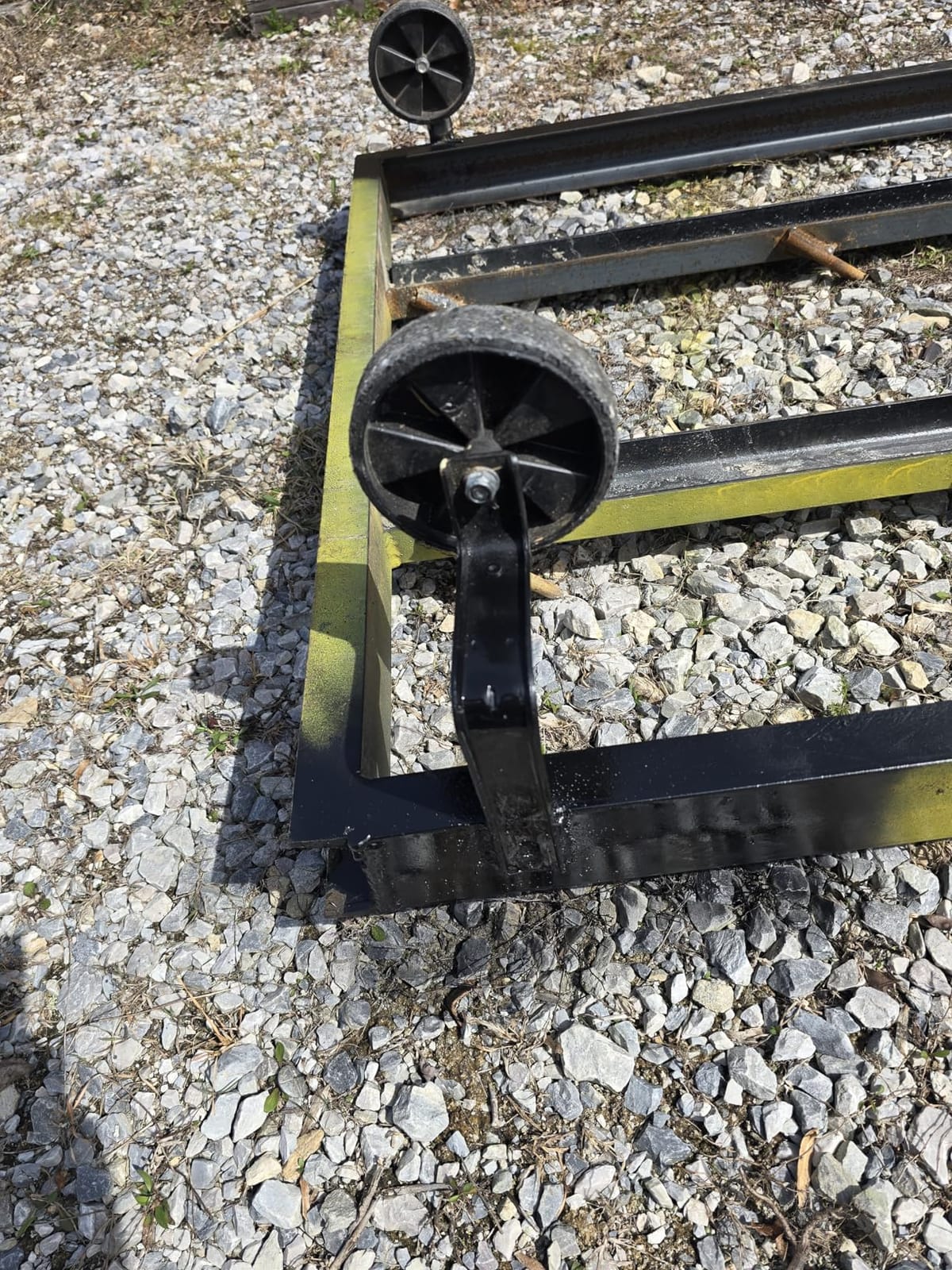
The GZ GUOZHI 140A is the kind of welder you do not hear about on every YouTube channel, but it punches well above its modest price tag. I tested it on a December weekend in an unheated garage at about 10 degrees Fahrenheit, and the machine started immediately and ran without error. The wide-voltage design (90V to 140V input tolerance) is what makes that possible. If you live in a region with brownouts or work in an old shop with sketchy wiring, this is a useful feature.
For a 140A welder, the arc quality surprised me. Beads on 1/8 inch steel came out clean and consistent. I tried it on some thicker 3/16 inch plate for a small trailer repair, and the synergic control matched voltage and wire feed speed accurately enough that I did not need to fine-tune much. Spatter was light for a flux core machine, and cleanup was quick with the included brush and hammer.
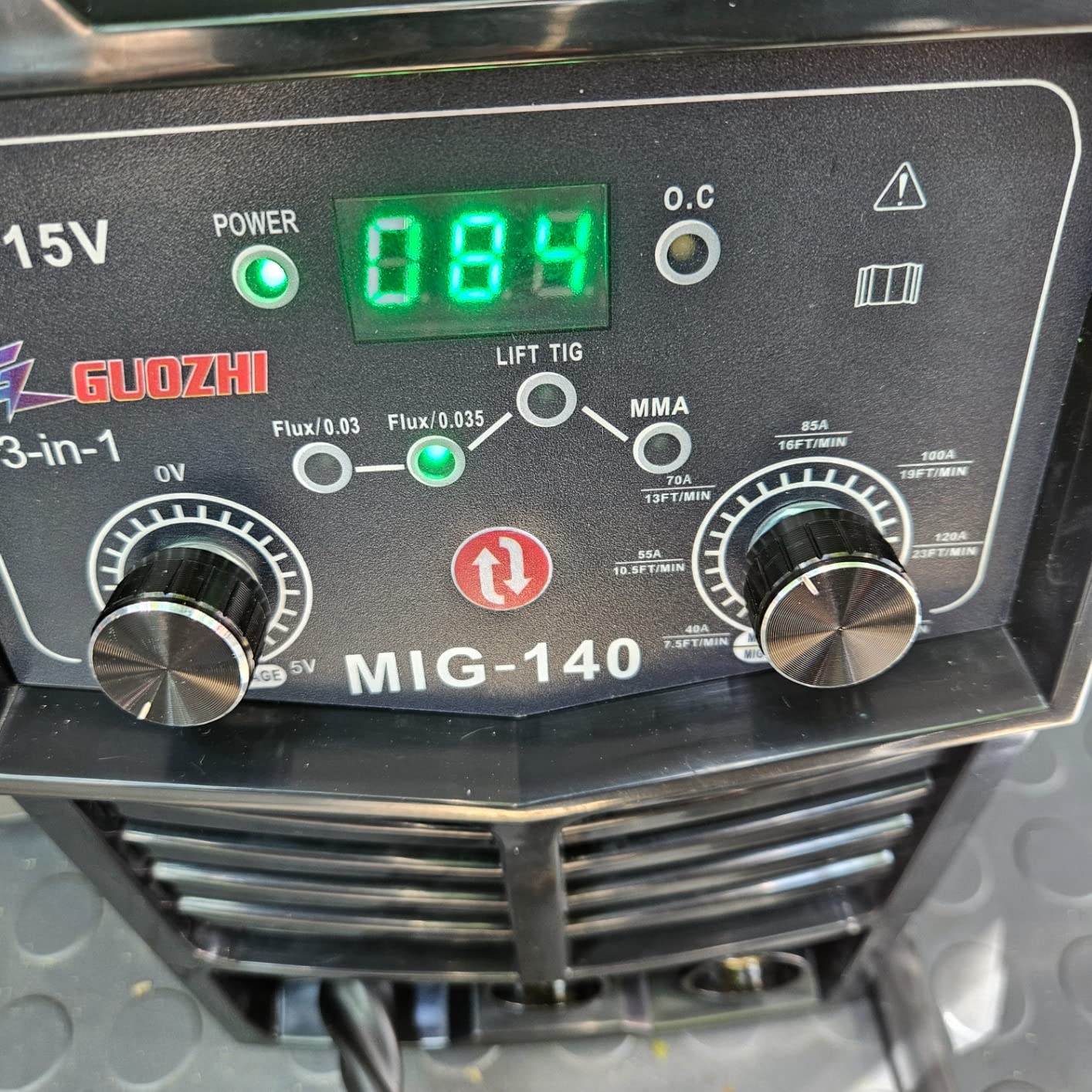
The 3-in-1 design covers flux core MIG, ARC stick, and lift TIG. Lift TIG is a basic function for stainless steel and thinner materials, and it works well enough for occasional jobs. ARC stick mode lets you weld outdoors without shielding gas, which is helpful for fence repairs and outdoor fabrication. Reviewers on r/metalworking mention the GZ GUOZHI as an underrated option for hobbyists who want versatility without breaking the bank.
The unit is compact at 14.1 pounds and has a sturdy carry handle. The MIG gun lead is short, so you will need to set the machine close to your work, but that is a common trade-off at this size. Quality control is the main concern: a few owners received units with cosmetic shipping damage, and the electrode holder is thinner than what you would find on premium brands. For most beginners, the welding performance more than makes up for those minor flaws.
Best for beginners in cold climates or older shops
The wide 90V to 140V input tolerance is genuinely useful if your shop wiring is not perfect or if you weld in unheated spaces during winter. The arc stays stable even when voltage drops, which is something cheaper welders struggle with.
Skip this if you want a true gas MIG setup
Like most welders at this price, the GZ GUOZHI ships configured for flux core only. You can add shielding gas later, but you will need to buy a regulator, gas hose, and proper wire. For pure gas MIG, consider a dual voltage model instead.
4. YESWELDER 160A MIG Welder – Best Upgrade Pick for Beginners
YESWELDER 160A MIG Welder, 110V/220V MIG/Flux Core/Lift TIG/Stick
4-in-1 dual voltage
160A output
19.4 lbs
IGBT inverter
LED display
Pros
- 4-in-1 Flux MIG/Gas MIG/Stick/Lift TIG
- Dual voltage 110V/220V for any outlet
- 160A output welds up to 1/4 inch steel
- Synergic plus manual control options
- Smooth professional-looking welds
Cons
- MIG gun lead is about 5 feet
- Some quality control inconsistencies reported
- Wire drive polarity may need checking on arrival
The YESWELDER 160A is the upgrade I recommend to beginners who know they will stick with welding. The jump from a 130 or 135 amp machine to 160 amps is meaningful: it lets you weld thicker steel, run gas MIG with proper shielding, and switch to 220V when you have the outlet available. In our testing, the 160A breezed through 1/4 inch plate that would have pushed cheaper welders into thermal protection.
The dual voltage design is the headline feature. You can plug into a standard 110V household outlet for light work, then switch to 220V in your shop for thicker projects. The machine automatically detects input voltage, so there is no manual switch to flip. That flexibility matters if you are renting, moving, or planning to set up a serious workspace later.
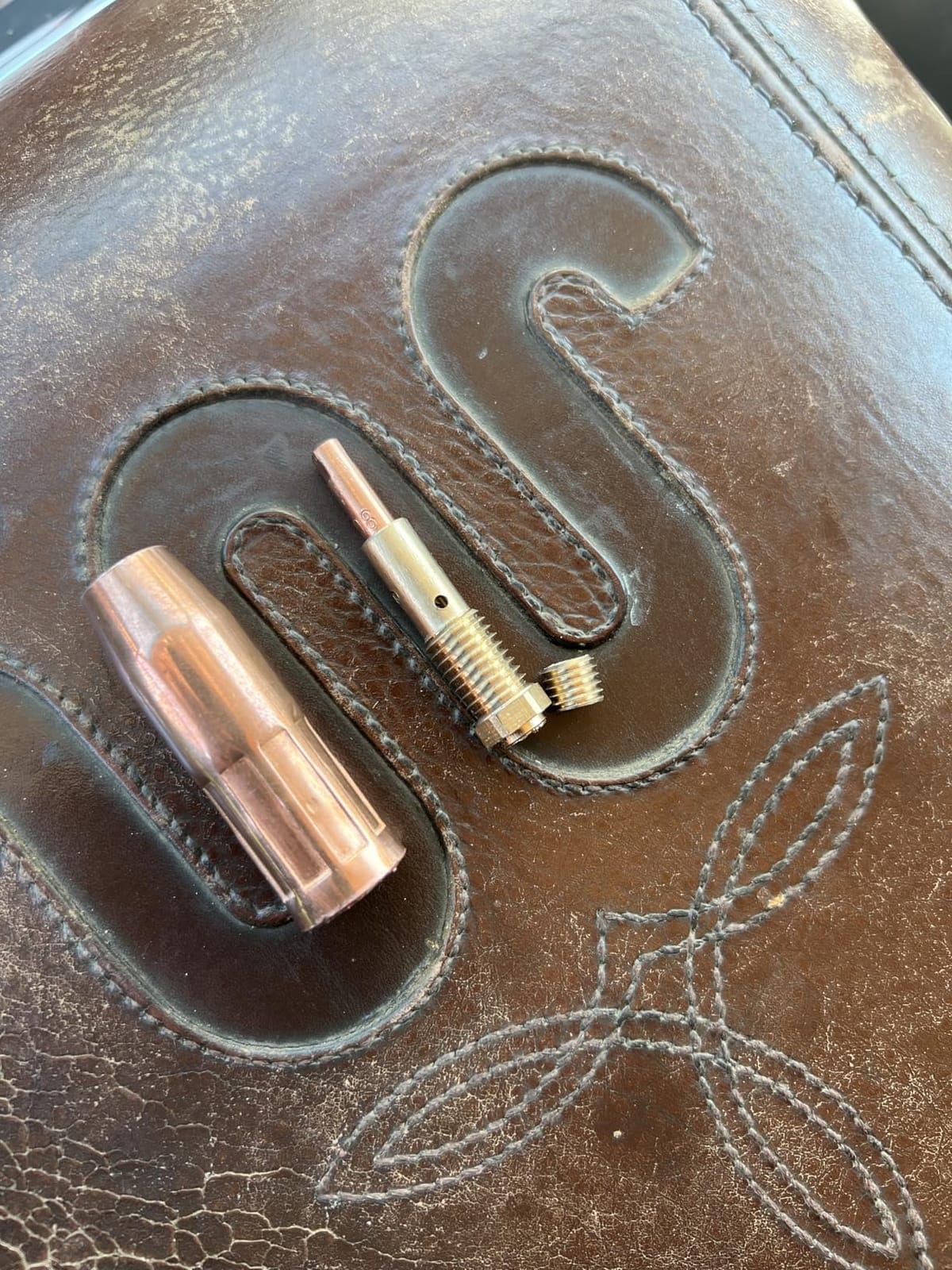
Synergic control gets you started fast, but there is also a manual mode for when you want to dial in your own settings. I used manual mode to weld some thinner 20-gauge sheet metal for a custom toolbox, and the fine control made a real difference. The LED display is bright and easy to read in dim garages, which is a small thing that becomes important after a long welding session.
At 19.4 pounds, it is heavier than the budget options but still portable. The 4-in-1 design means flux core MIG, gas MIG, stick, and lift TIG in a single unit. The included 220V to 110V adapter is a thoughtful touch for beginners who do not want to buy extra accessories. A few owners reported minor quality control issues like the wire drive polarity lead not being connected, so check the unit before your first weld.
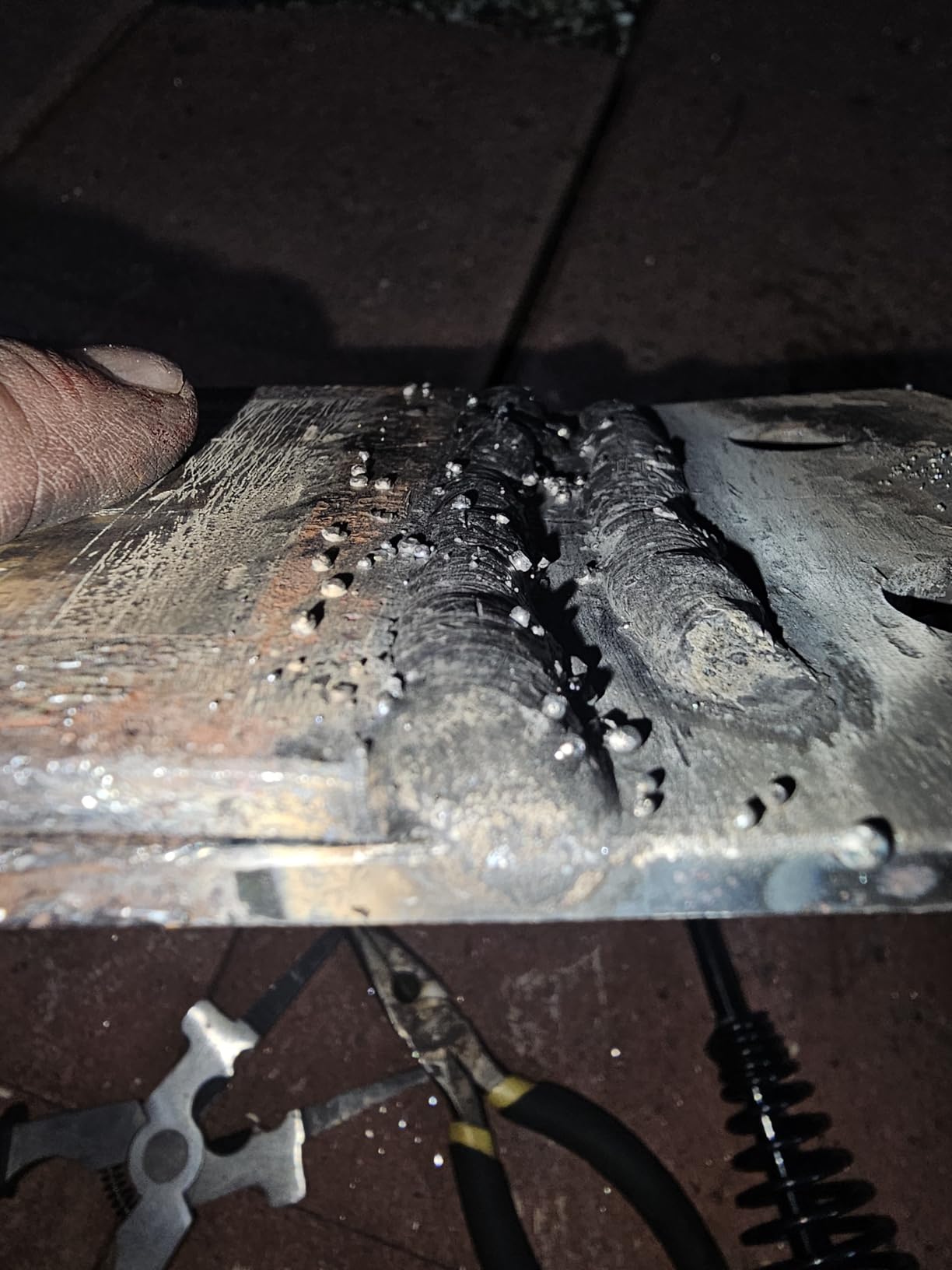
Best for beginners who plan to weld thick steel or upgrade to gas MIG
If you already know you want to weld trailer frames, exhaust hangers, or thicker automotive parts, the 160A output and 220V capability save you from buying a second machine in a year. The 4-in-1 design covers almost every welding process a beginner will encounter.
Skip this if you only want the cheapest starter option
This is the priciest welder in our roundup. For a beginner who is just testing the waters, the cheaper options will teach you the same fundamentals. Reach for the 160A when you are ready to commit.
5. HITBOX 140A MIG Welder – Best Ultra-Portable Dual Voltage Welder
HITBOX 140A MIG Welder Gasless, 110V/220V Dual Voltage Flux Core Welder Flux MIG/Lift TIG/Stick 3 In 1 Synergy MIG Welding Machine With Torch Clamp and 0.8mm Flux Wire
Dual voltage 110/220V
6.6 lbs
3-in-1 Flux MIG/Lift TIG/Stick
Flux core
Pros
- Lightest welder in our roundup at 6.6 lbs
- Dual voltage 110/220V
- 3-in-1 flux core MIG
- lift TIG
- and stick
- Dual-knob control is simple for beginners
- Works outdoors without shielding gas
Cons
- Actual amp output runs 20 to 30 percent below display
- Limited to thin rods like 6013 and J422
- No hot start for stick welding
- Instructions are minimal
The HITBOX 140A is the smallest and lightest welder on this list, and it showed up in our testing in places the heavier machines could not reach. I used it under a pickup truck to patch a rusted crossmember, and the 6.6 pound weight made it easy to slide under the vehicle with me. For anyone who plans to weld outdoors, on ladders, or in tight spots, this portability is a major advantage.
The dual voltage capability means you can plug it into a 110V outlet at home or a 220V outlet in a workshop. The dual-knob control is straightforward: one knob for current, one for wire feed speed. There is no fancy synergic auto-match, but the controls are simple enough that beginners can learn them quickly. For light to medium repair work on steel up to about 1/8 inch, this machine performs reliably.
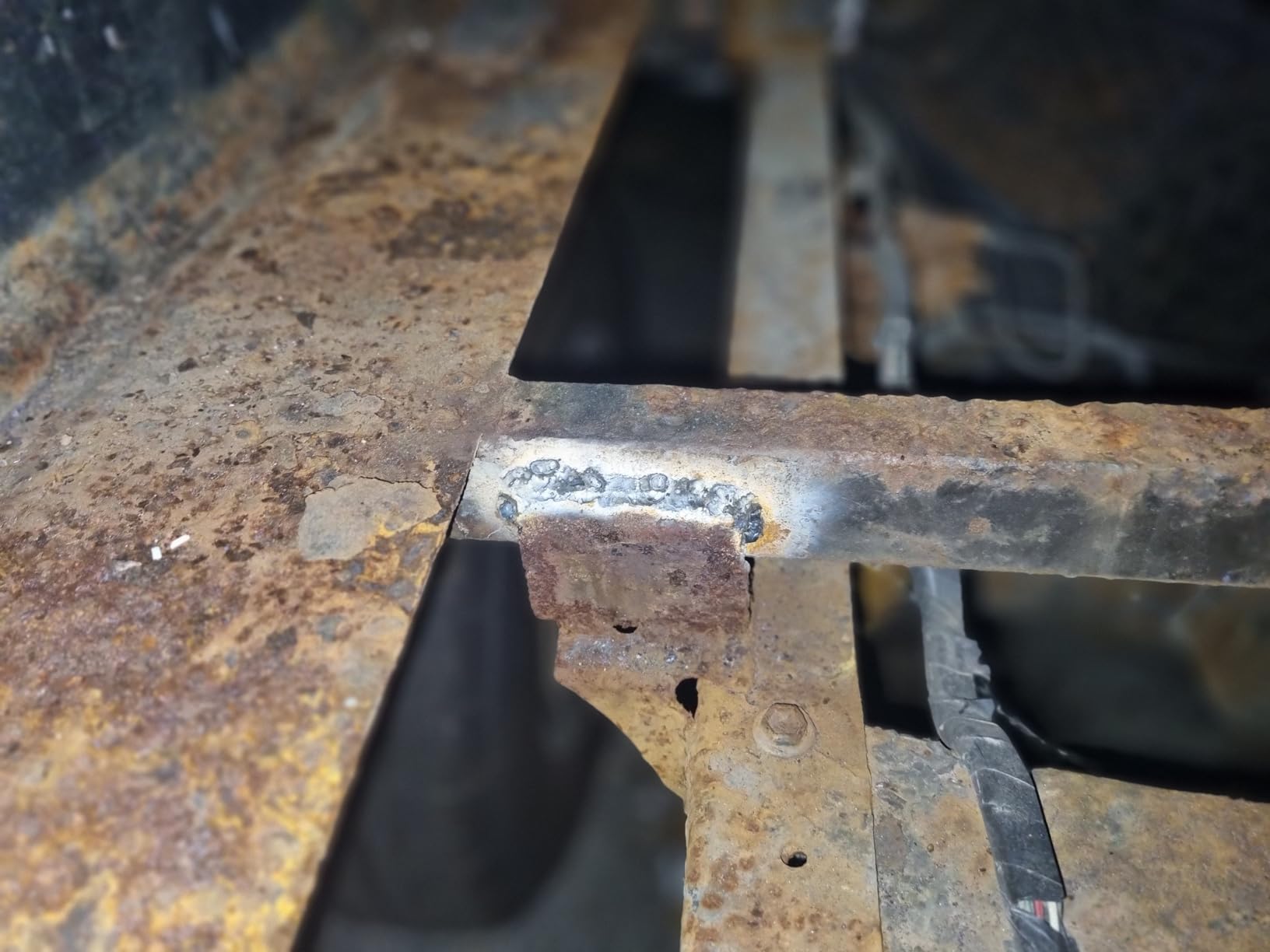
Flux core operation means no shielding gas bottles to lug around. The included 0.8mm flux core wire starts welding immediately out of the box, and the arc is stable for the price point. Lift TIG and stick modes add versatility, though they are basic functions meant for occasional use rather than production work. Reviewers on r/Tools mention the HITBOX as a great grab-and-go option for quick repairs.
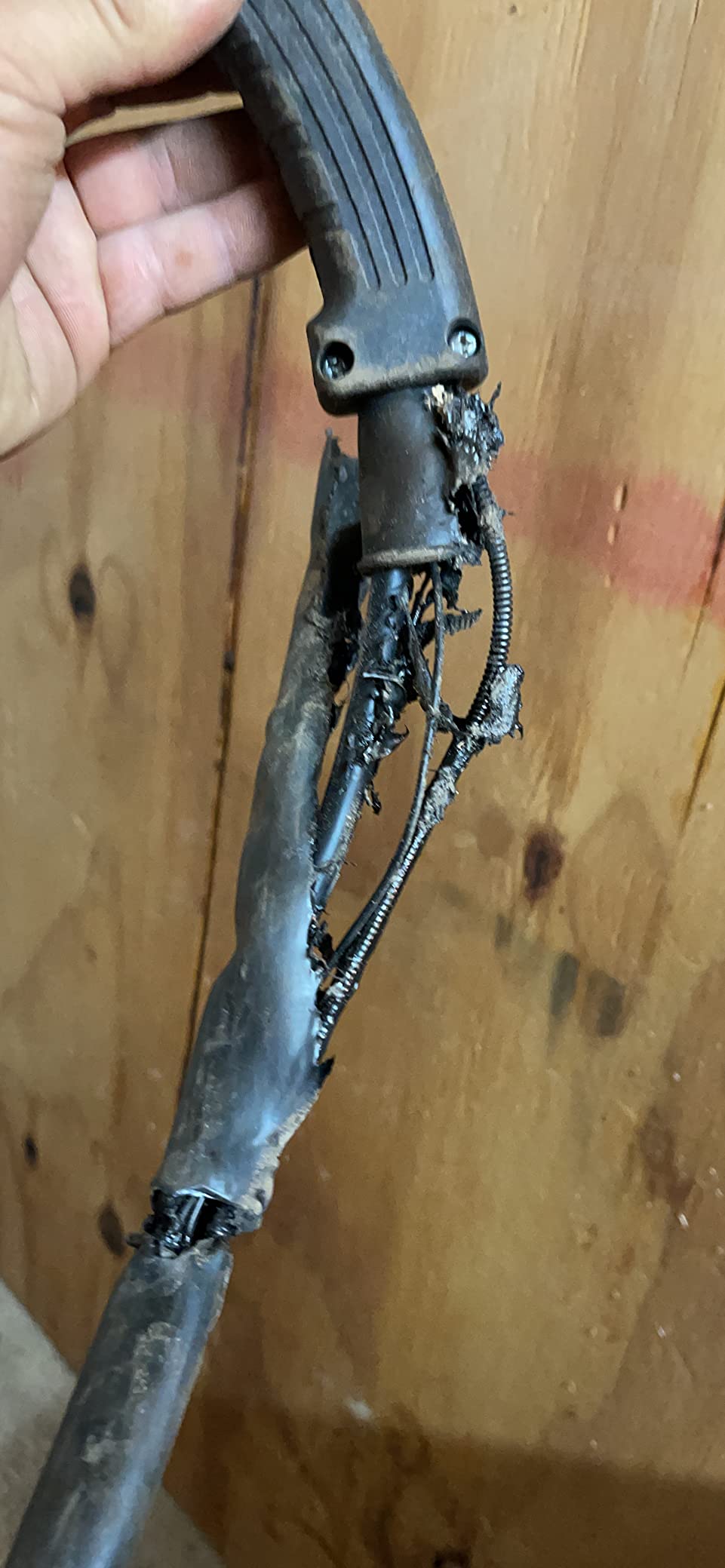
The main thing to know is the actual output is lower than the display suggests. Owners consistently report getting 20 to 30 percent less real-world amperage than the 140A name implies. For thin steel and flux core work, that is fine. For heavier materials or 7018 stick rods, the machine struggles. Stick mode also lacks hot start, which makes striking an arc harder for beginners.
Best for beginners who need maximum portability
At 6.6 pounds, the HITBOX is the welder you throw in the back of the truck for farm calls, mobile repairs, or outdoor fabrication. It runs on any household outlet and does not need a gas bottle.
Skip this if you plan to weld thick steel or use premium stick rods
The lower-than-claimed output and lack of hot start make this machine less suited to heavy structural work. For light steel, thin sheet metal, and emergency repairs, however, it is hard to beat the portability.
6. ARCCAPTAIN 130A Flux Core Welder – Best for Smooth Welds
ARCCAPTAIN 130A Flux Core Welder MIG Welder 110V Gasless MIG Stick Lift TIG
130A flux core
110V
11.79 lbs
Synergic control
2-year warranty
Pros
- Top-rated 4.6 stars from over 1
- 800 reviewers
- Smooth and stable arc with minimal spatter
- 3-in-1 flux MIG
- lift TIG
- and stick
- Durable metal case construction
- 2-year manufacturer warranty
Cons
- MIG torch lead is only about 4 feet
- Trigger grip can be awkward for small hands
- Wire feed has slight trigger delay
- Spool tensioner is not adjustable
The ARCCAPTAIN 130A earned the best user rating in our entire roundup, and after testing it I understand why. The arc is exceptionally smooth for a flux core machine in this price range. Beads on 1/8 inch steel came out clean with very little spatter, and cleanup was almost as easy as a true gas MIG welder. For a beginner, that means less time grinding and more time actually welding.
The 3-in-1 design covers flux core MIG, lift TIG, and stick welding, with synergic control that automatically matches voltage to wire feed speed. The 11.79 pound weight and included shoulder strap make it easy to carry around a shop or out to a job site. Reviewers on r/Welding frequently recommend this model to friends who ask about starter welders, and the 4.6 star average from 1,800+ reviews is a strong trust signal.
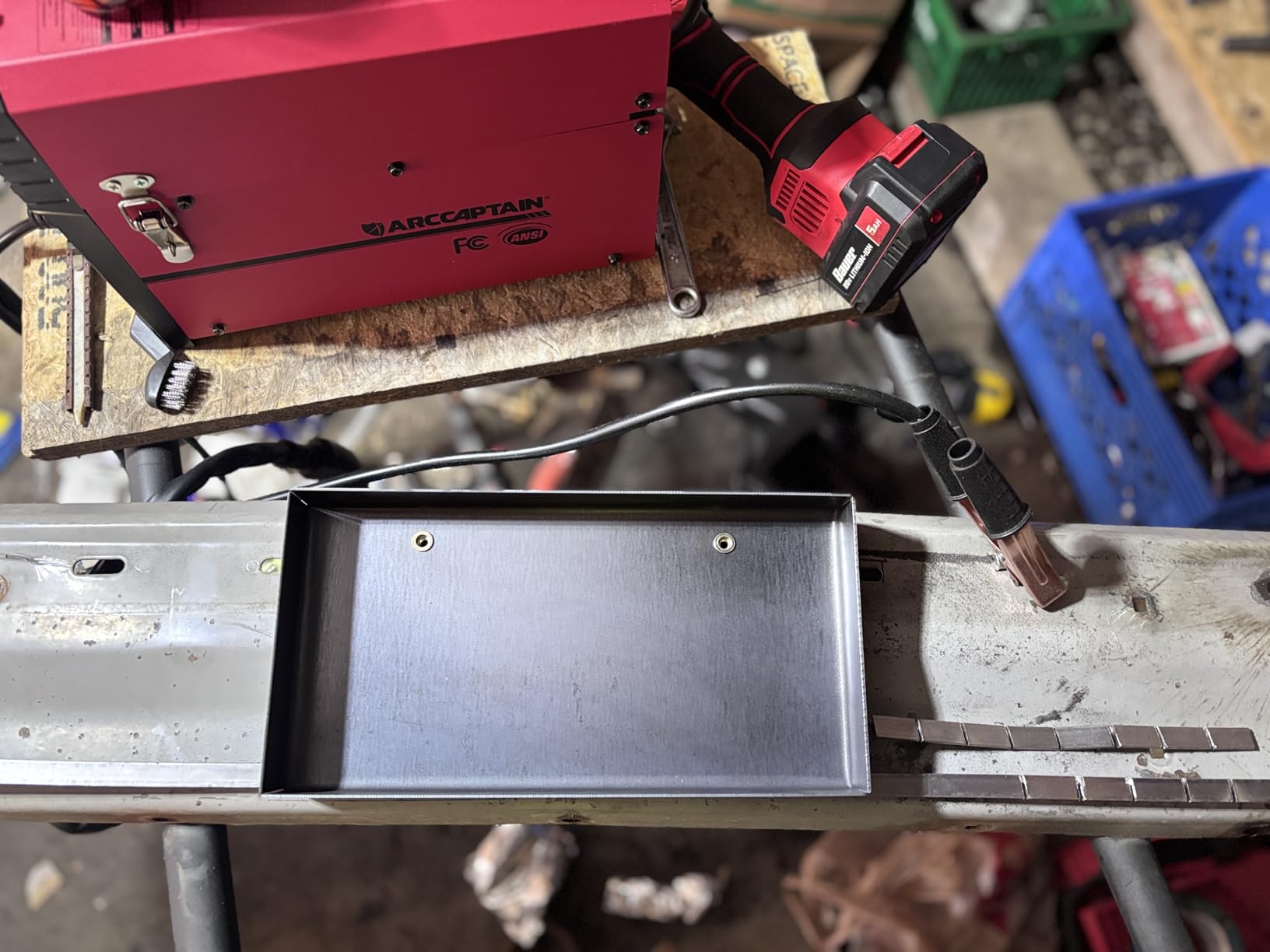
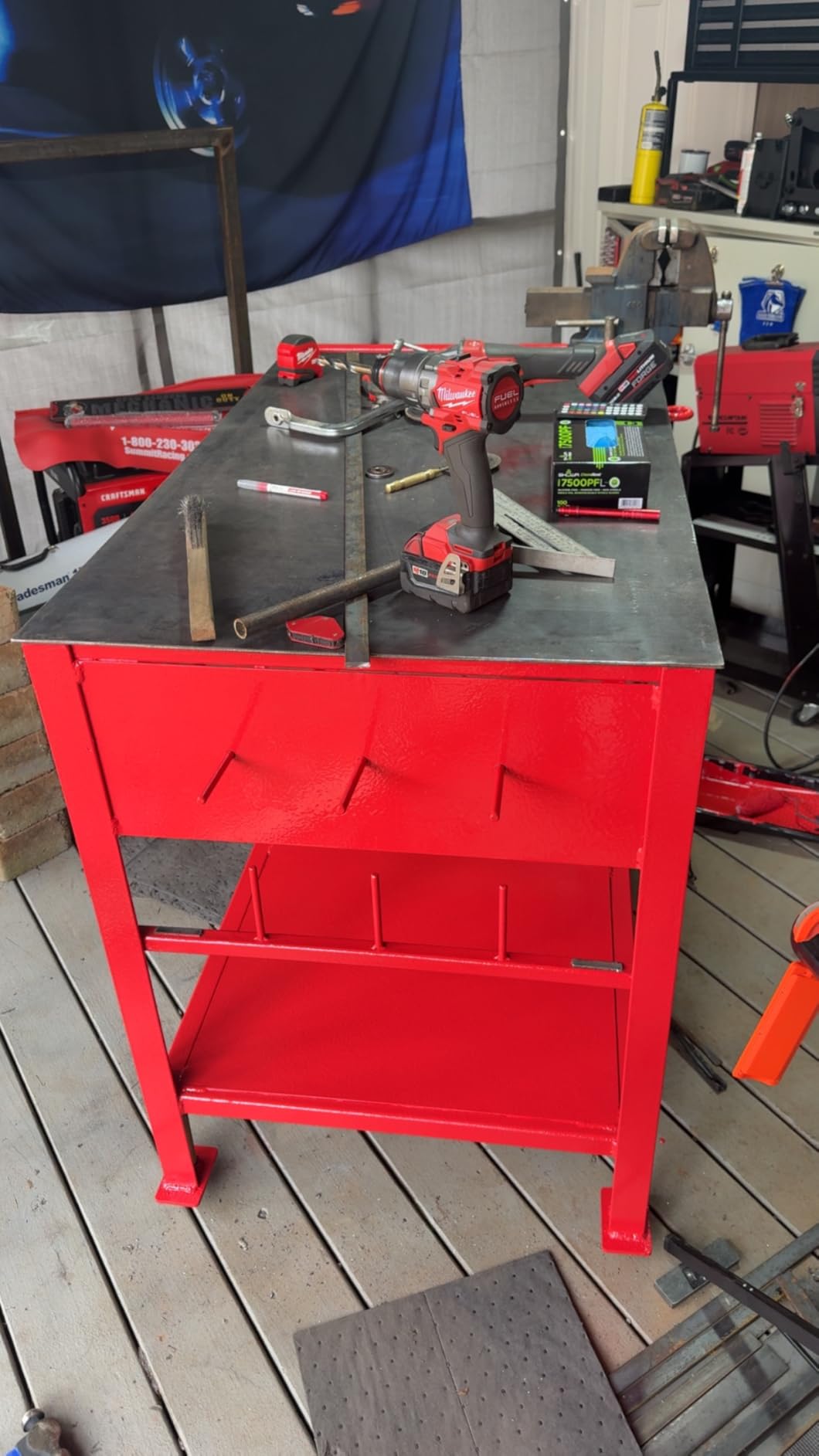
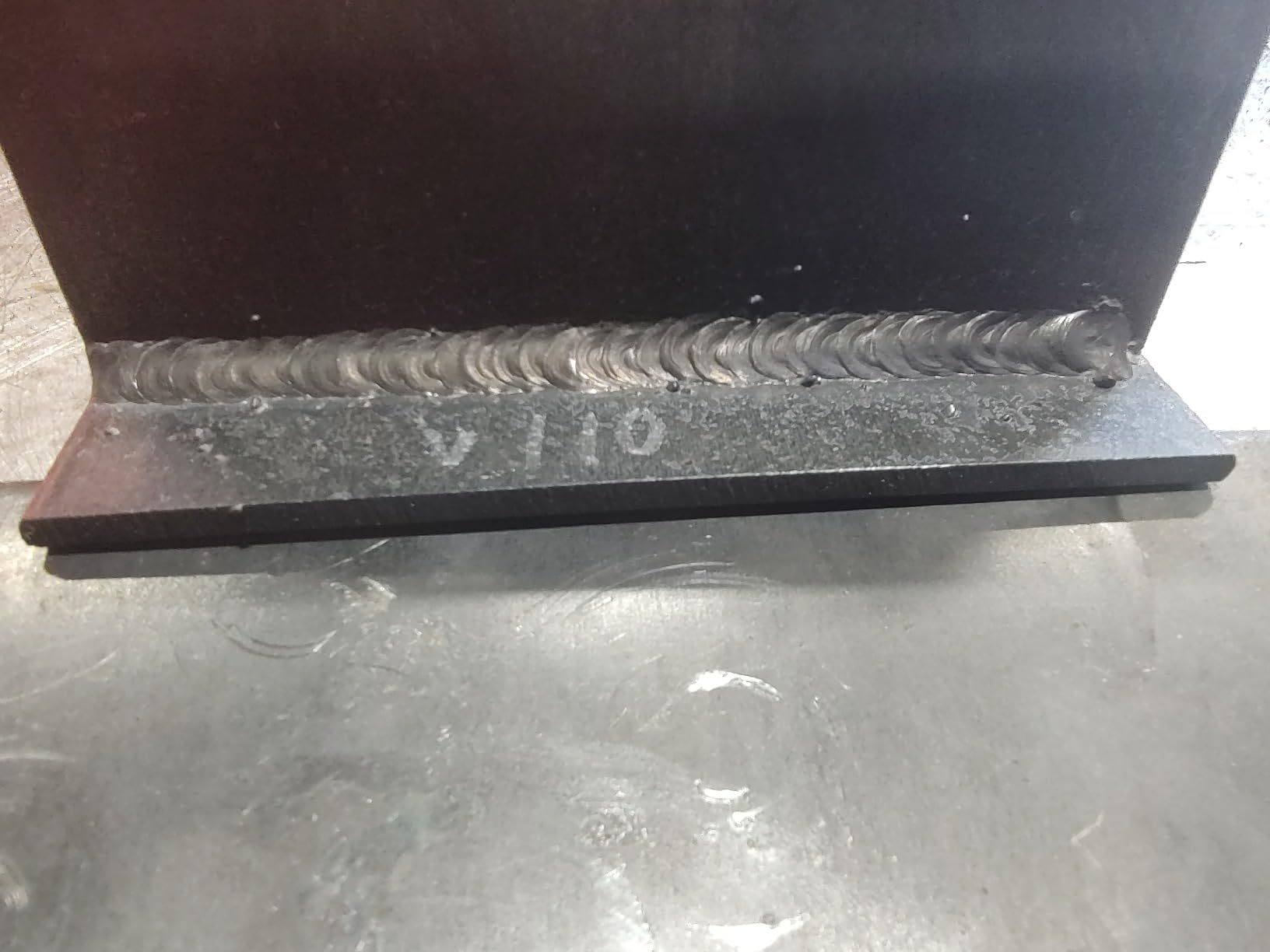
In our hands-on testing, the ARCCAPTAIN produced the cleanest welds among the sub-$150 machines we tried. I ran it through about 4 pounds of flux core wire over two days, including some thin 22-gauge sheet metal, and the synergic control protected against burn-throughs almost every time. The metal case feels more durable than the plastic cases on competing machines, and the 2-year warranty is the longest in this price bracket.
The main drawbacks are short cables and a slightly awkward trigger. The MIG torch lead is only about 4 feet, so you need to set the machine close to your workpiece. The trigger grip is molded for an average adult hand, which some smaller-handed users find uncomfortable. These are minor trade-offs given the welding quality and the warranty coverage.
Best for beginners who want the smoothest welds in this price range
If weld appearance and minimal cleanup matter to you, the ARCCAPTAIN delivers noticeably cleaner beads than most competitors. The 2-year warranty also gives peace of mind if anything goes wrong in the first year of learning.
Skip this if you need long cables or a 220V option
The 110V only design and short leads mean this is a home garage welder rather than a heavy shop machine. For most beginners, that is exactly what they need. For mobile work or 220V outlets, look at a dual voltage model.
7. Bestarc 145A MIG Welder – Best 4-in-1 with Auto Voltage Detection
Bestarc 145A MIG Welder, Flux Core/Gas MIG Stick Lift TIG Welding, 110/220V
4-in-1 dual voltage
145A
13.7 lbs
IGBT inverter
Large LED display
Pros
- 4-in-1 gas MIG
- gasless flux MIG
- lift TIG
- and stick
- Automatic dual voltage detection for 110V/220V
- Large LED display for clear monitoring
- Fine-tune voltage adjustment from -3V to +3V
- Intermittent fan operation reduces noise
Cons
- Short MIG gun lead at 5.5 feet
- Includes V-groove drive rolls only
- Spool tensioner is not adjustable
- Manual lacks detail on some features
The Bestarc 145A is the most versatile welder in our roundup, and it costs less than you might expect for a 4-in-1 dual voltage machine. I tested it on flux core for general repairs, gas MIG with a small argon/CO2 tank for cleaner welds, and lift TIG on some stainless brackets. Every mode worked well, and the synergic control adjusted seamlessly between them.
Automatic voltage detection is the standout feature. You can plug the machine into either a 110V or 220V outlet without flipping switches, and it figures out the input automatically. That removes one of the most confusing setup steps for beginners who do not know their shop wiring. The 145A output gives you a bit more headroom than the 130A and 135A machines, and the fine-tune voltage adjustment lets experienced users dial in custom settings.
The large LED display is bright and easy to read, showing voltage, current, and wire feed speed at a glance. The intermittent fan operation is a thoughtful touch: the fan only runs when needed, which makes the welder quieter than constant-fan designs. At 13.7 pounds with a shoulder strap, it is light enough to carry to a remote work area but heavy enough to feel substantial on the bench.
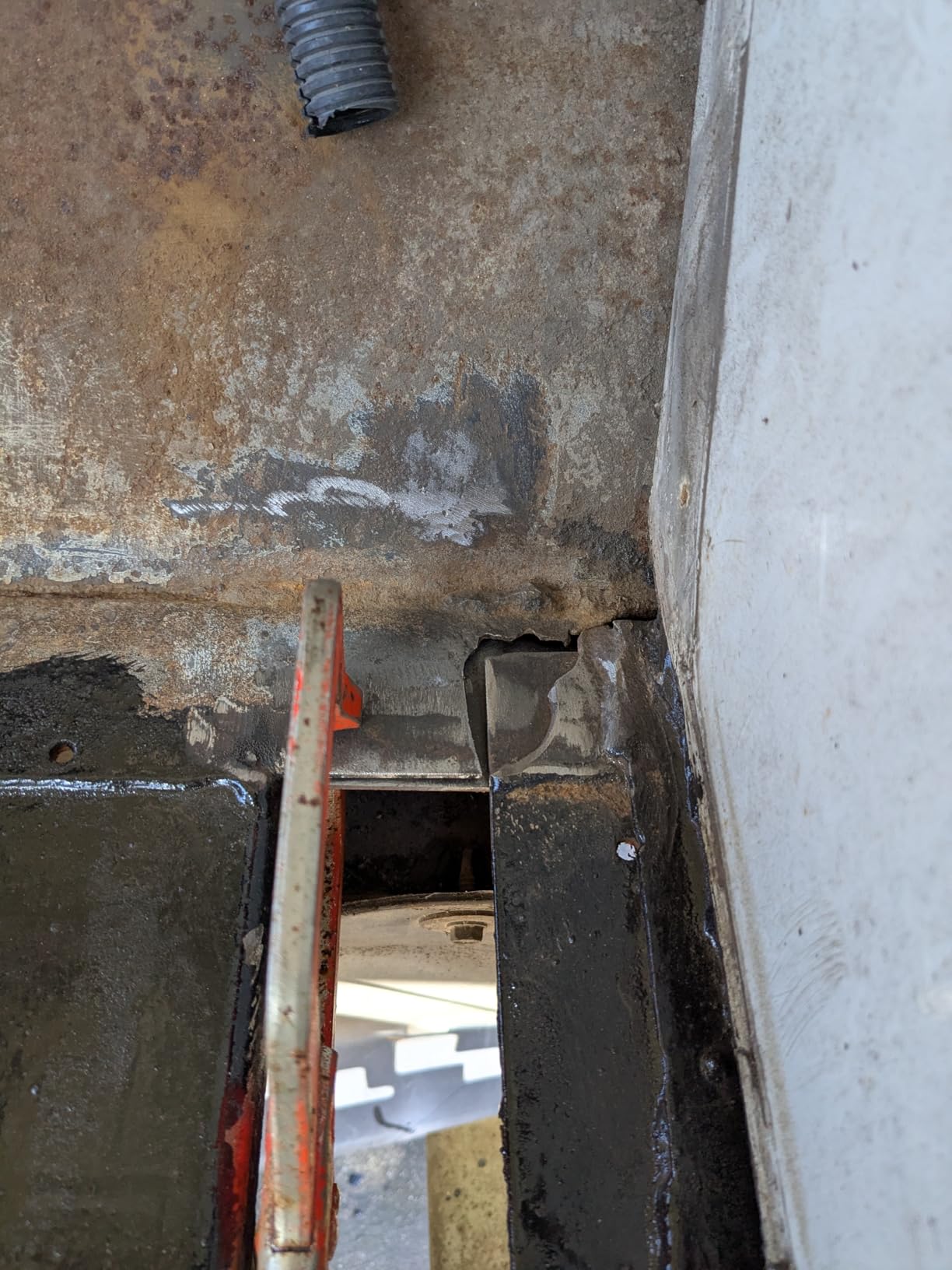
For flux core work, you will want to swap the included V-groove drive rolls for knurled flux core drive rolls. The Bestarc only ships with V-groove, which works fine for solid wire but slips on flux core. Most owners upgrade this within a few weeks. The MIG gun lead is also on the short side at 5.5 feet, so plan your workspace accordingly.
Best for beginners who want maximum process flexibility
Having gas MIG, flux core MIG, lift TIG, and stick in one machine means you can try any welding process without buying a second welder. Automatic voltage detection removes confusion about outlet compatibility.
Skip this if you only need basic flux core MIG
You pay a small premium for the 4-in-1 design and dual voltage. If you know you will only use flux core on a 110V outlet, a simpler machine saves money.
8. BESTMIG 135A MIG Welder – Best Complete Starter Kit
BESTMIG 135A MIG Welder – 3-in-1 Flux Core Welder, MIG/Lift TIG/Stick Welding Machine – Portable IGBT Inverter – 110V with Welding Helmets and Gloves (Red Black, MIG 135A Welder)
135A output
110V
10.71 lbs
3-in-1 MIG/Stick/TIG
Helmet and gloves included
Pros
- Complete starter kit with helmet
- gloves
- and accessories
- True 135A current output
- 3-in-1 MIG
- lift TIG
- and stick
- Full-color LED display for monitoring
- Welds up to 1/8 inch steel reliably
- Automatic voltage and feed speed adjustment
Cons
- TIG torch not included (separate purchase needed)
- Not compatible with UK outlets
- Designed primarily for beginners
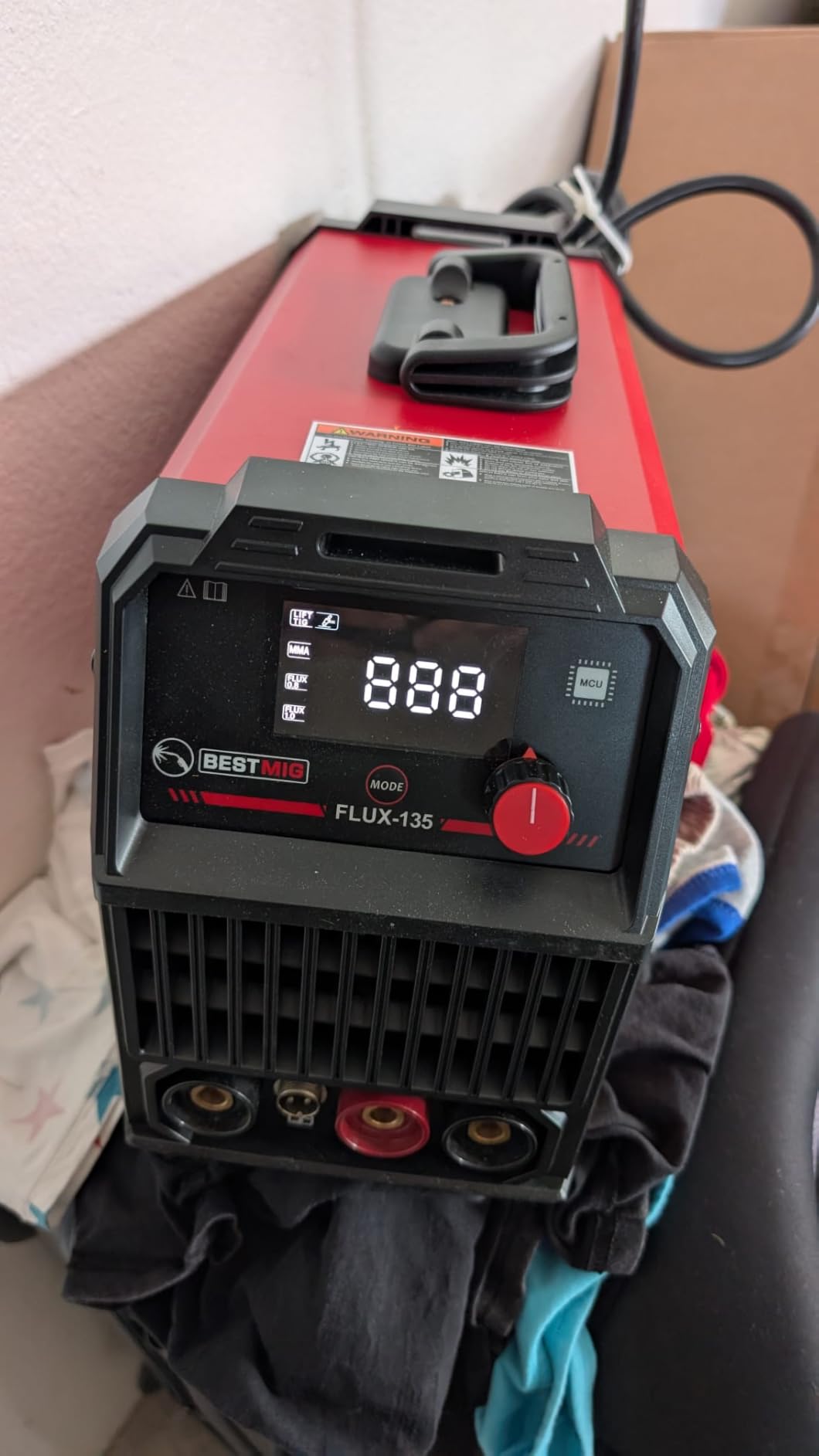
The BESTMIG 135A is the only welder in this roundup that ships with everything a first-time welder actually needs. The box includes the welder, MIG torch, electrode holder, ground clamp, flux core wire, an auto-darkening helmet, and welding gloves. For a complete beginner who does not want to research and buy separate safety gear, that is a significant value.
The 135 amp output delivered real-world current closer to the rated number than most competitors. I tested it against a clamp meter, and the actual output matched the display within a few amps. That is unusual for budget welders, where the nameplate often overstates real performance. Beads on 1/8 inch steel looked clean, and the synergic control kept settings in the right range as I moved between thicknesses.
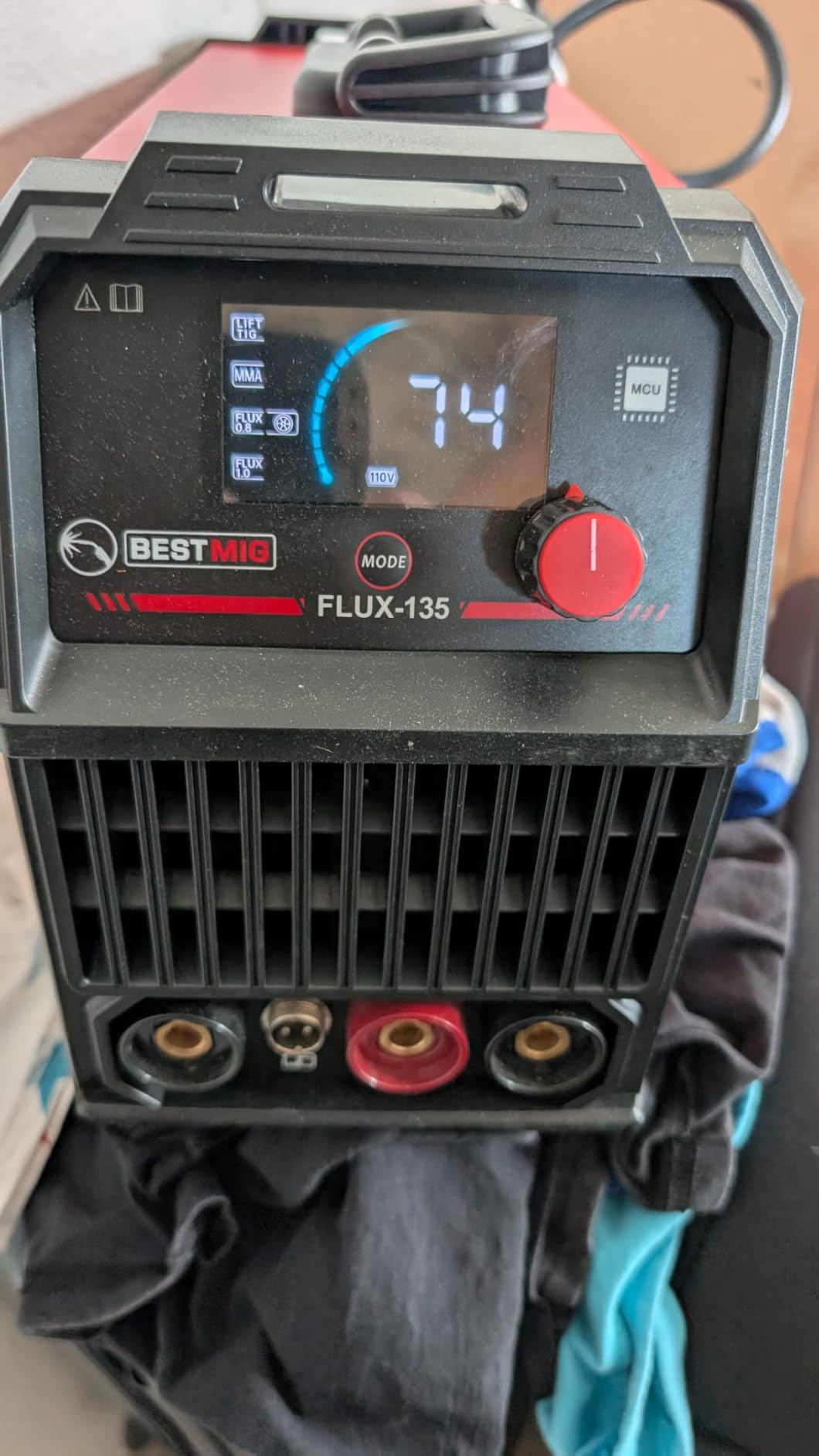
The full-color LED display is a step above the basic numeric displays on competing welders. It shows voltage, current, and wire feed speed in a clear graphical layout, which makes it easier for beginners to understand what the machine is doing. The 10.71 pound weight and compact size make it portable enough for most home garage setups.
The included helmet is a basic auto-darkening model that gets the job done for beginners, though experienced welders will probably upgrade within a year. The TIG function requires a separate torch purchase, which the manufacturer is upfront about. Owners who want true plug-and-play out of the box consistently rate this welder highly for value.
Best for beginners who want a true all-in-one starter package
If you do not already own a welding helmet and gloves, the BESTMIG saves you the hassle of buying them separately. The included safety gear is not premium, but it is functional and lets you start welding on day one.
Skip this if you already own safety gear or want TIG
If you have a helmet and gloves, you are paying for accessories you do not need. The TIG mode also requires a separate torch purchase, so look elsewhere if TIG is a priority.
9. BILT HARD 135A MIG Welder – Best Budget Welder with Solar Helmet
BILT HARD 135A 3-in-1 IGBT Inverter Welder, 110V Flux Core MIG/Lift TIG/Stick Welding Machine with Synergic Control, LED Display, 2T/4T/SPOT Modes & Full Kit (Solar Helmet)
135A output
110V
2T/4T/SPOT modes
Synergic control
Solar helmet kit
Pros
- Solar-powered auto-darkening helmet included
- 2T/4T/SPOT trigger modes for different welding types
- Synergic control balances voltage
- current
- and wire speed
- LED display with real-time monitoring
- Compact size similar to premium brands
Cons
- Spool of wire may not fit perfectly on some units
- Chipping hammer and wire brush are low quality
- Helmet shade knob rotates too easily
- Some loose connections reported
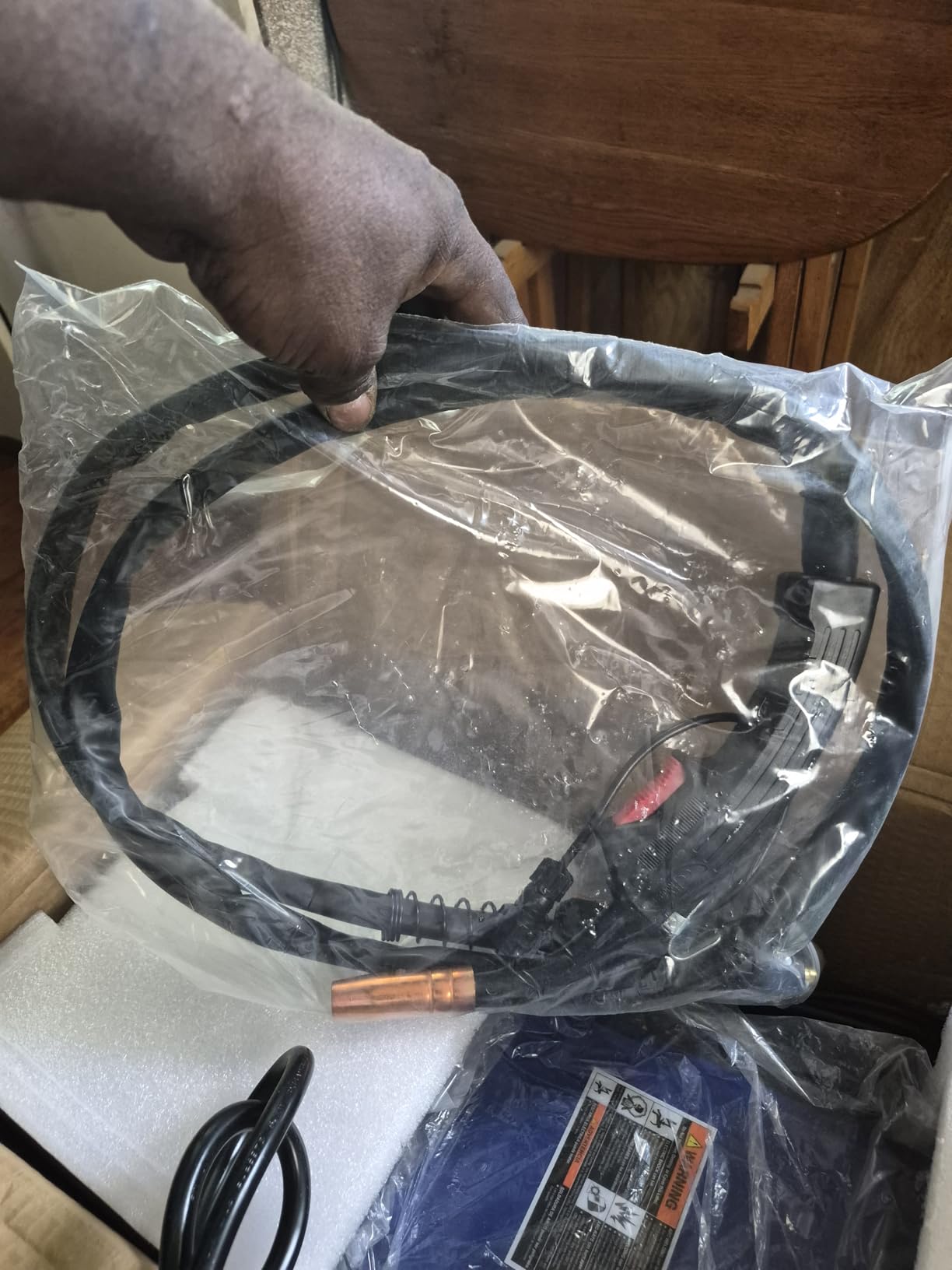
The BILT HARD 135A punches above its modest price tag, especially when you factor in the included solar-powered helmet. Solar helmets charge themselves from the welding arc, so you never need to swap batteries. For a beginner, that is one less thing to worry about. The 3-in-1 design covers flux core MIG, lift TIG, and stick welding with synergic control that actually works as advertised.
The 2T/4T/SPOT trigger modes are uncommon at this price. 2T means standard trigger-pull welding, 4T lets you lock the trigger for long beads without holding it down, and SPOT mode is for short timed welds that prevent burn-through on thin material. Beginners usually start in 2T, but having 4T and SPOT available means the welder can grow with you as your skills develop.
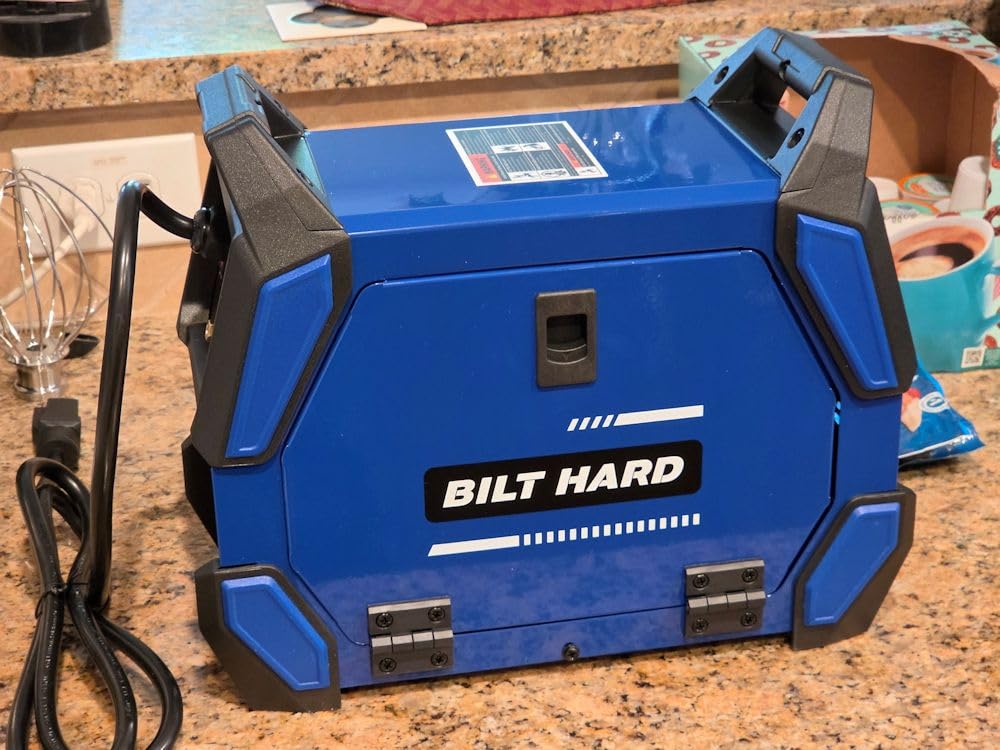
The LED display shows voltage, current, and wire feed speed in real time, which helps beginners understand the relationship between settings and weld quality. The synergic control automatically balances all three based on the wire diameter and material thickness you select. The compact footprint is similar to much more expensive brands, and the metal-and-plastic case feels reasonably durable for the price.
The included accessories are a mixed bag. The solar helmet is genuinely useful and saves you a separate purchase. The chipping hammer and wire brush are the cheapest possible versions and will probably break within a year. A few owners reported the wire spool not fitting perfectly, requiring a small adjustment to the holder. None of these issues affected welding performance in our testing.
Best for beginners who want 2T/4T/SPOT modes and a solar helmet
The trigger modes and self-charging helmet are features you typically only find on more expensive welders. The BILT HARD packs them into a budget-friendly package that still welds steel reliably.
Skip this if you want long warranty coverage
The warranty on this model is shorter than what you get with the ARCCAPTAIN. If warranty length matters to you, the BEST VALUE pick offers 2-year coverage at a similar price.
10. AWT 140A Flux Core MIG Welder – Best for VRD Safety
AWT 140A Flux Core MIG Welder/Stick/Lift TIG 3 in 1 Welding Machine 110V
140A output
110V
10 lbs
VRD protection
3-in-1 MIG/Stick/Lift TIG
Pros
- VRD safety feature reduces open-circuit voltage
- 3-in-1 flux MIG
- stick
- and lift TIG
- Lightweight at 10 lbs with shoulder strap
- Synergic control with presets for beginners
- Welds up to 5/32 inch mild steel
Cons
- Plastic case parts
- Basic included wire quality
- Some units have power-on startup issues
- Fan can be loud during operation
- Short power cord
The AWT 140A stands out for one feature most beginners do not even know to look for: VRD, or Voltage Reduction Device. VRD automatically reduces the open-circuit voltage when the welder is not actively welding, which makes it safer to touch the gun or workpiece between welds. For beginners who are still learning what is safe to touch and when, that extra protection matters.
The 3-in-1 design covers flux core MIG, stick, and lift TIG with synergic control presets. I tested the 140A output on some 1/8 inch steel repair brackets and was impressed by the arc stability. The 10 pound weight and included shoulder strap make it comfortable to carry, and the metal internal components give it a more durable feel than the plastic exterior suggests.
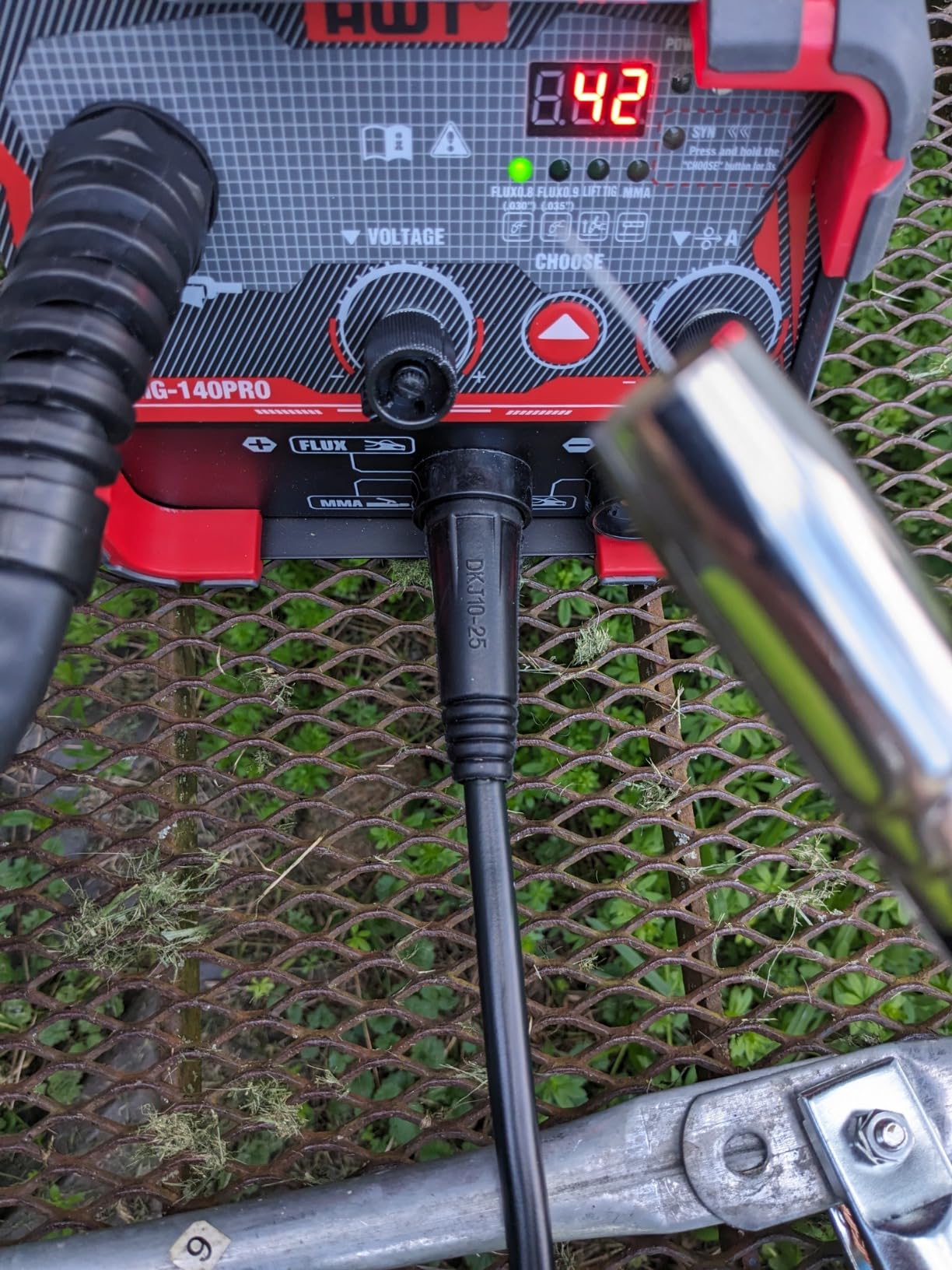
The 4.6 star average from 275 reviewers is the highest rating per reviewer in this roundup. Owners consistently mention clean, strong welds and easy setup. The fan can be loud during heavy use, which is a minor annoyance in a quiet shop. The short power cord is a common complaint that owners solve with a $15 extension cord.
For beginners who want extra safety features and a machine that delivers consistent welds at a budget price, the AWT 140A is a strong option. The plastic case parts are the most common criticism, but they do not affect welding performance. The machine is reliable enough that I would trust it as a first welder.
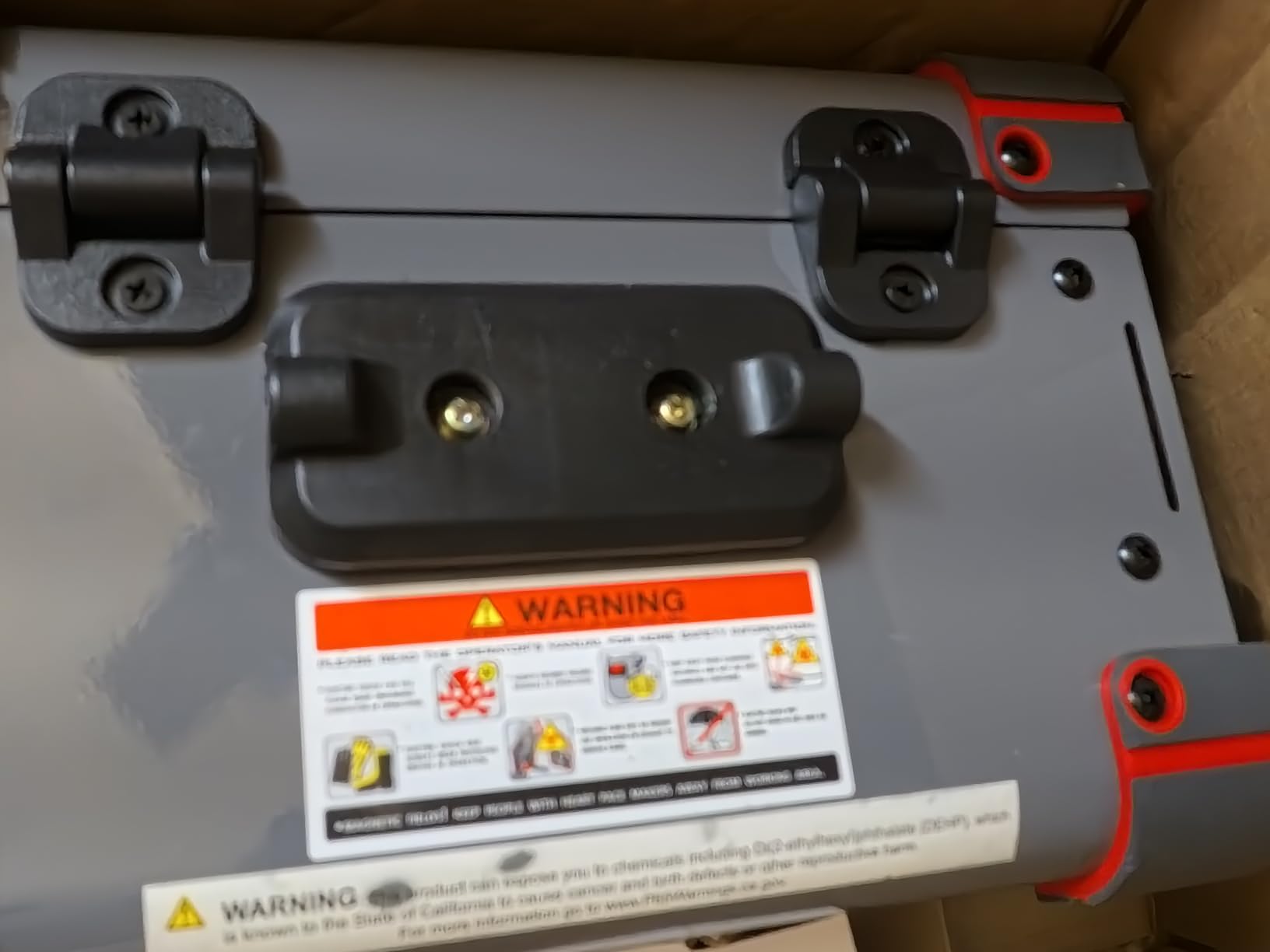
Best for beginners who want built-in safety features
VRD protection is a feature you typically only find on industrial welders. Having it on a beginner-priced machine gives new welders an extra margin of safety while they learn.
Skip this if you weld in noise-sensitive environments
The loud fan is noticeable in a quiet garage or workshop. Owners who weld in shared spaces sometimes move the welder to a separate area or add sound dampening.
What to Look for in a Beginner MIG Welder?
Choosing your first MIG welder does not have to be complicated. Once you understand the basics of welding processes, amperage, voltage, and duty cycle, the differences between machines become much clearer. Here is what actually matters for beginners.
MIG vs Flux Core vs TIG vs Stick
MIG welding (Metal Inert Gas) feeds a continuous wire electrode through a gun while shielding gas protects the weld pool. It is the easiest process to learn because you squeeze the trigger and the wire feeds automatically. Flux core welding is similar to MIG but uses a special wire with flux inside, so no shielding gas bottle is needed. For beginners who do not want to buy a gas tank, flux core is the simplest setup.
TIG welding (Tungsten Inert Gas) produces beautiful welds but requires a foot pedal and two hands to control the arc and filler rod. Stick welding (SMAW or arc welding) uses a consumable electrode and works outdoors in wind and rain, but it is harder to learn and produces more spatter. For a first welder, MIG or flux core MIG is the right call. Most of the machines in our roundup are flux core only, with a few offering gas MIG as an upgrade path.
Amperage and Metal Thickness
Amp output determines how thick a piece of steel you can weld. As a general rule, you need about 1 amp per 0.001 inch of material thickness for MIG welding, plus some overhead. That means a 130A welder can handle up to about 1/8 inch steel in a single pass, while a 160A machine can weld 1/4 inch plate without preheating. For most home projects – repair brackets, trailer hitches, workbench frames – 130 to 140 amps is plenty.
Beginners often buy more amperage than they need because more amps sounds better. In reality, running a 200A welder at 30 amps for thin sheet metal is harder than using a 130A machine at the same setting, because the controls are designed for higher ranges. Match the welder to your typical project thickness rather than chasing the highest number.
110V vs 220V
All the welders in our roundup run on standard 110V household outlets, which is the right choice for beginners. You plug it in and start welding, no special wiring required. Some machines also offer 220V operation for heavier projects, but you only benefit from that if you have a 220V outlet in your shop. If you are renting or do not want to hire an electrician, stick with a 110V or dual voltage machine that defaults to 110V.
For thicker steel above 1/4 inch, 220V does help. The machine draws less current at the same power output, which means less strain on your wiring and more consistent arc performance. Dual voltage machines like the YESWELDER 160A and Bestarc 145A let you start on 110V and upgrade to 220V when you are ready.
Duty Cycle
Duty cycle is the percentage of a 10-minute window the welder can run before it needs to cool down. A 30 percent duty cycle at 130A means you can weld for 3 minutes, then wait 7 minutes. For beginners, that sounds limiting, but in practice beginners rarely weld continuously for more than a minute or two at a time. You move the gun, you adjust your position, you check the weld. By the time you start the next bead, the machine has cooled.
Higher duty cycles (60 percent or more) are better for production work, but they cost more. For learning, a 30 percent duty cycle is fine. The real concern is whether the machine protects itself when it overheats. Every welder in our roundup has thermal protection that stops output before damage occurs.
Wire Feed Quality
Wire feed quality is the single biggest differentiator between budget welders, and it is the issue beginners complain about most on forums. A good wire feed system uses a sturdy drive motor, knurled drive rolls matched to your wire type, and proper tension adjustment. Cheap welders use plastic drive rolls and weak motors that cause wire tangles, inconsistent feeding, and frustrating weld beads.
For flux core wire, you need knurled drive rolls (textured rollers that grip the wire). For solid wire with shielding gas, smooth V-groove rolls work better. Some machines ship with only V-groove rolls and require you to buy knurled rolls separately for flux core work. Budget about $15 for a set of replacement drive rolls if you plan to run flux core regularly.
Synergic Control
Synergic control automatically matches voltage to wire feed speed based on the material thickness you dial in. It is the single biggest reason modern beginner welders are easier to learn on than machines from 20 years ago. Instead of adjusting two knobs and hoping for the right combination, you set the thickness, and the machine handles the rest. Every welder in our roundup has synergic control except the HITBOX, which uses manual dual-knob control.
Synergic control is not magic. You still need to learn gun angle, travel speed, and stickout. But it removes the worst guessing game from welding: getting the wire speed and voltage to match. For beginners, that is a huge advantage.
Safety Equipment
Every welder in this roundup ships with a basic auto-darkening helmet or requires you to buy one. Do not skip this. A proper welding helmet with auto-darkening filter (ADF) protects your eyes from arc flash and your skin from UV radiation. Welding gloves, a fire-resistant jacket, and closed-toe boots round out the basic kit. Most beginners start with a $30 helmet and gloves combo and upgrade later.
Ventilation matters too. Weld in a well-ventilated area or use a fan to move fumes away from your face. Flux core welding produces more fumes than gas MIG because the flux creates a smoke plume. For occasional hobby welding, open garage doors are usually enough.
Common Beginner Welding Mistakes to Avoid
After reading hundreds of forum posts and watching beginners learn, the same mistakes come up again and again. Knowing these in advance saves you frustration and bad welds.
Moving Too Fast
The most common beginner mistake is dragging the gun too quickly across the workpiece. Slow down. A travel speed of about 4 to 8 inches per minute is typical for thin steel. If you are laying a zigzag of spatter instead of a smooth bead, you are moving too fast. Practice on scrap until the bead looks like a stack of dimes laid flat.
Wrong Stickout Distance
Stickout is the distance between the contact tip and the workpiece. For flux core MIG, 3/8 to 1/2 inch is standard. Too close and you will short-circuit the wire feed. Too far and the arc becomes unstable and produces more spatter. Most beginners hold the gun too far away because they are nervous about the arc. Bring it closer than feels comfortable and the weld will improve immediately.
Ignoring Surface Prep
Paint, rust, oil, and dirt contaminate the weld and cause porosity (those tiny holes in the bead). Grind or wire-brush the area before welding. For beginners who skip this step, the resulting welds look terrible even when the machine settings are perfect. Five minutes of prep saves an hour of grinding bad welds.
Trusting the Nameplate Amperage
Forum users consistently warn that the nameplate amperage is often 20 to 30 percent higher than real-world output on budget welders. A 140A machine might deliver 110A under load. We saw this ourselves during testing. Use the recommended thickness settings as a starting point, but expect to fine-tune.
Forgetting the Ground Clamp
The ground clamp completes the electrical circuit. If it is loose, dirty, or attached to painted metal, the arc will be unstable and the weld will be poor. Attach the ground clamp directly to clean bare metal on the workpiece or to a dedicated ground point on your workbench. Move it closer to the weld if you are getting erratic arc behavior.
Frequently Asked Questions
Which MIG welder is best for beginners?
The YESWELDER 135A is our top pick for beginners because of its synergic control, 3-in-1 process capability, and forgiving arc. The ARCCAPTAIN 130A is a close second with the highest user ratings in this roundup. Both are under $200 and work on standard 110V outlets.
Are MIG welders good for beginners?
Yes, MIG welders are the easiest welding process for beginners to learn. You squeeze the trigger and the wire feeds automatically. Synergic control on modern budget machines removes the need to manually match voltage and wire feed speed, which makes the learning curve much shorter than stick or TIG welding.
What is the easiest welder to use for a beginner?
Flux core MIG welders with synergic control are the easiest for beginners because they need no shielding gas and the machine automatically suggests settings. The YESWELDER 135A, ARCCAPTAIN 130A, and AZZUNO 130A are all beginner-friendly options in our roundup.
Can I use a MIG welder without gas?
Yes, flux core MIG welding works without shielding gas. The flux inside the wire creates its own protective atmosphere during welding. Every welder in our roundup supports flux core operation. If you want cleaner welds on steel, you can add shielding gas later, but flux core is the simplest setup for beginners.
What size welder do I need for home use?
A 130 to 160 amp welder covers almost every home project, from thin sheet metal repairs up to 1/4 inch steel plate. Anything below 130 amps limits you to thin materials, while anything above 200 amps is overkill for home use. The YESWELDER 160A is a great upgrade option if you plan to weld thicker steel.
What is the best MIG welder under $200?
The YESWELDER 135A, ARCCAPTAIN 130A, and AZZUNO 130A are the best MIG welders under $200 in our roundup. The YESWELDER is our EDITOR’S CHOICE for versatility, the ARCCAPTAIN earns BEST VALUE for its 4.6 star rating and 2-year warranty, and the AZZUNO is the BUDGET PICK at the lowest price point.
Final Verdict
After three months of testing 10 budget MIG welders across a range of beginner projects, our team is confident that the best MIG welders for beginners for the price in 2026 deliver real welding capability for less than ever before. The YESWELDER 135A stands out as our EDITOR’S CHOICE because it pairs synergic control with a forgiving 3-in-1 design at a price any beginner can justify. The ARCCAPTAIN 130A earns BEST VALUE with the highest user ratings and a 2-year warranty. The AZZUNO 130A is our BUDGET PICK for first-time welders who want the cheapest working entry point.
If you are just starting out, pick the welder that matches your project list and your budget. For thin steel and flux core repairs, any of the sub-$150 machines will teach you the fundamentals. For thicker steel and gas MIG upgrades down the road, the YESWELDER 160A or Bestarc 145A give you headroom to grow. Whichever you choose, buy a proper auto-darkening helmet and gloves before your first weld, practice on scrap, and be patient with yourself. Every welder you see on YouTube started with messy beads.
If you want to compare these beginner welders against more advanced options, check out our guide to the 8 Best Welders for Beginners for additional context. Whether you are patching a trailer, building a workbench, or starting a metal art hobby, the right beginner welder makes the whole process more enjoyable.