
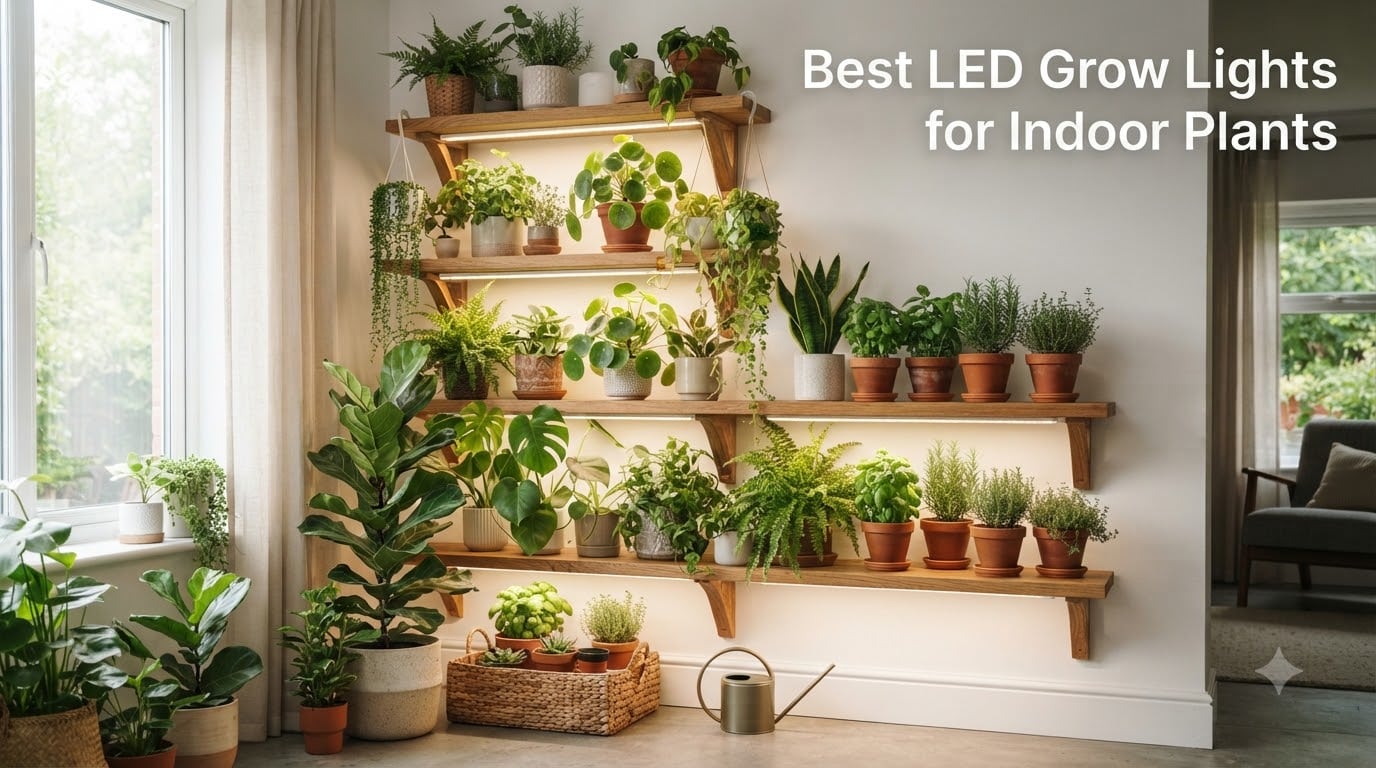
Finding the right grow light can make or break your indoor garden. After testing dozens of options and spending countless hours researching specifications, I have compiled this comprehensive guide to the best LED grow lights for indoor plants. Whether you are starting seeds, growing herbs on a kitchen counter, or maintaining a collection of tropical houseplants, the right lighting transforms struggling plants into thriving ones.
Indoor gardening has exploded in popularity, but natural light rarely provides what plants need inside our homes. Standard windows might offer a few hours of indirect sunlight, yet most houseplants require consistent, intense light for healthy growth. LED grow lights solve this problem by delivering the exact light spectrum plants use for photosynthesis, without the heat or energy waste of older lighting technologies.
In this guide, I review 12 top-rated LED grow lights based on real-world performance, customer feedback, and technical specifications. You will find options ranging from budget-friendly clip-on lamps to professional-grade panels suitable for grow tents. Let’s find the perfect light for your indoor garden.
Table of Contents
Top 3 Picks for Best LED Grow Lights in 2026


Best LED Grow Lights for Indoor Plants in 2026
| Product | Specifications | Action |
|---|---|---|
| VIPARSPECTRA P700 Grow Light |
|
Check Latest Price |
| Barrina T5 Grow Lights |
|
Check Latest Price |
| Briignite Grow Light Bulbs |
|
Check Latest Price |
 LEOTER Grow Light LEOTER Grow Light |
|
Check Latest Price |
 GooingTop Grow Light GooingTop Grow Light |
|
Check Latest Price |
 SANSI 36W Grow Light Bulb SANSI 36W Grow Light Bulb |
|
Check Latest Price |
 Aokrean Grow Lights Aokrean Grow Lights |
|
Check Latest Price |
 Spider Farmer SF1000D Spider Farmer SF1000D |
|
Check Latest Price |
 MARS HYDRO TSL2000 MARS HYDRO TSL2000 |
|
Check Latest Price |
 BESTVA DC1000 Grow Light BESTVA DC1000 Grow Light |
|
Check Latest Price |
 KingLED KP1000 Grow Light KingLED KP1000 Grow Light |
|
Check Latest Price |
 Uallhome LED Grow Light Panel Uallhome LED Grow Light Panel |
|
Check Latest Price |
1. VIPARSPECTRA P700 70 Watt Grow Light – Editor’s Choice
70 Watt Grow Light, Dimmable Plant Light, LED Grow Lights for Indoor Plants
70W actual power
11000 lumens output
4-level dimmer
Fanless aluminum design
Pros
- Excellent 11000 lumens output
- Runs cool and completely silent
- Full spectrum for all growth stages
- Great coverage for 2x2 grow tent
- High quality construction
- 3-year warranty
Cons
- Power cord may be short for some setups
- No built-in timer
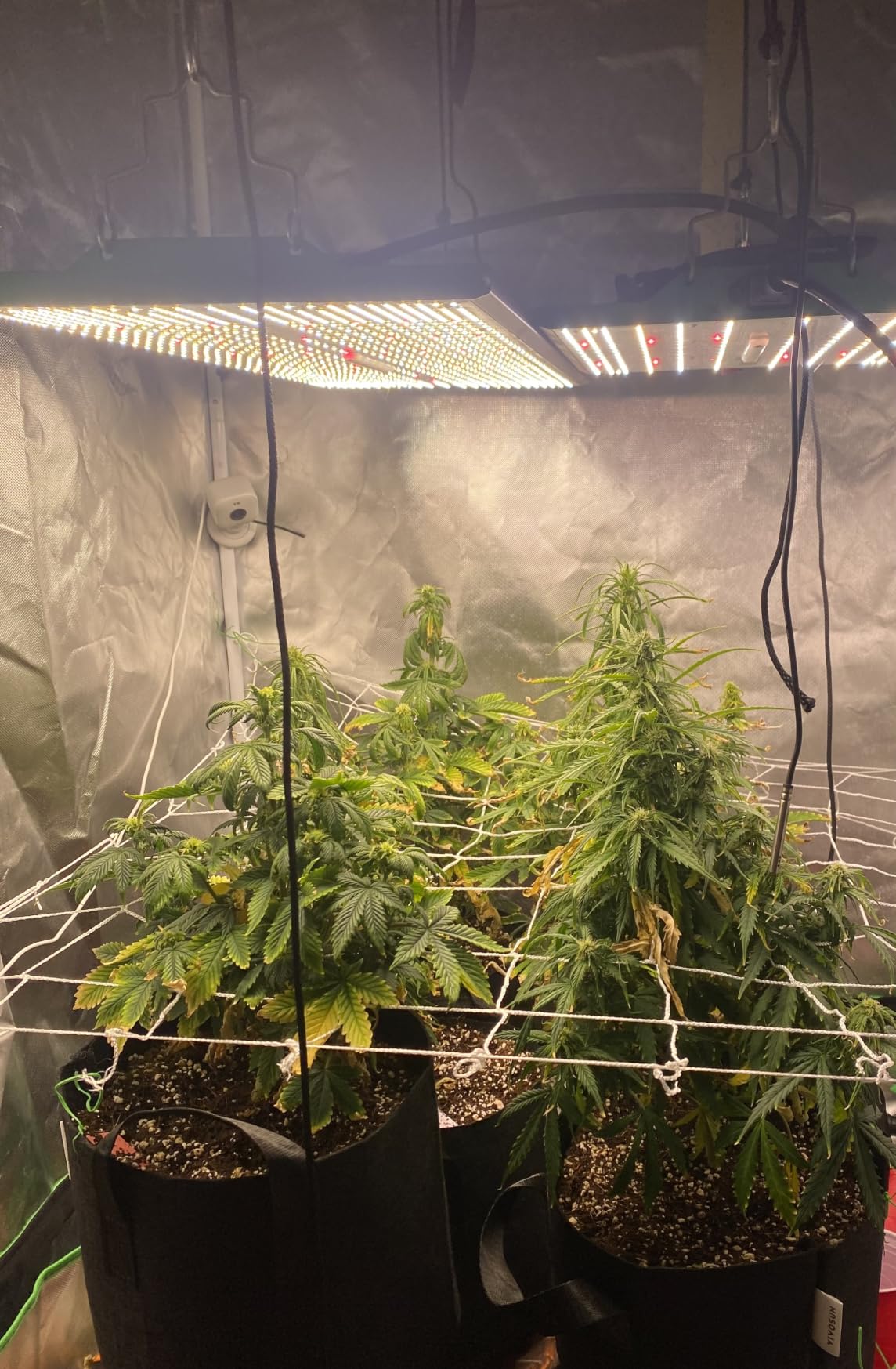
I tested the VIPARSPECTRA P700 in my 2×2 grow tent over several weeks, and the results impressed me. This panel delivers serious light output without the noise of cooling fans. My seedlings responded immediately, showing compact, sturdy growth rather than the leggy stretching that happens under weak lights.
The 4-level dimmer gives you control over light intensity, which matters more than you might think. Young seedlings need gentler light, while mature plants crave maximum brightness. I appreciated being able to dial things back for delicate starts and crank it up for established herbs.
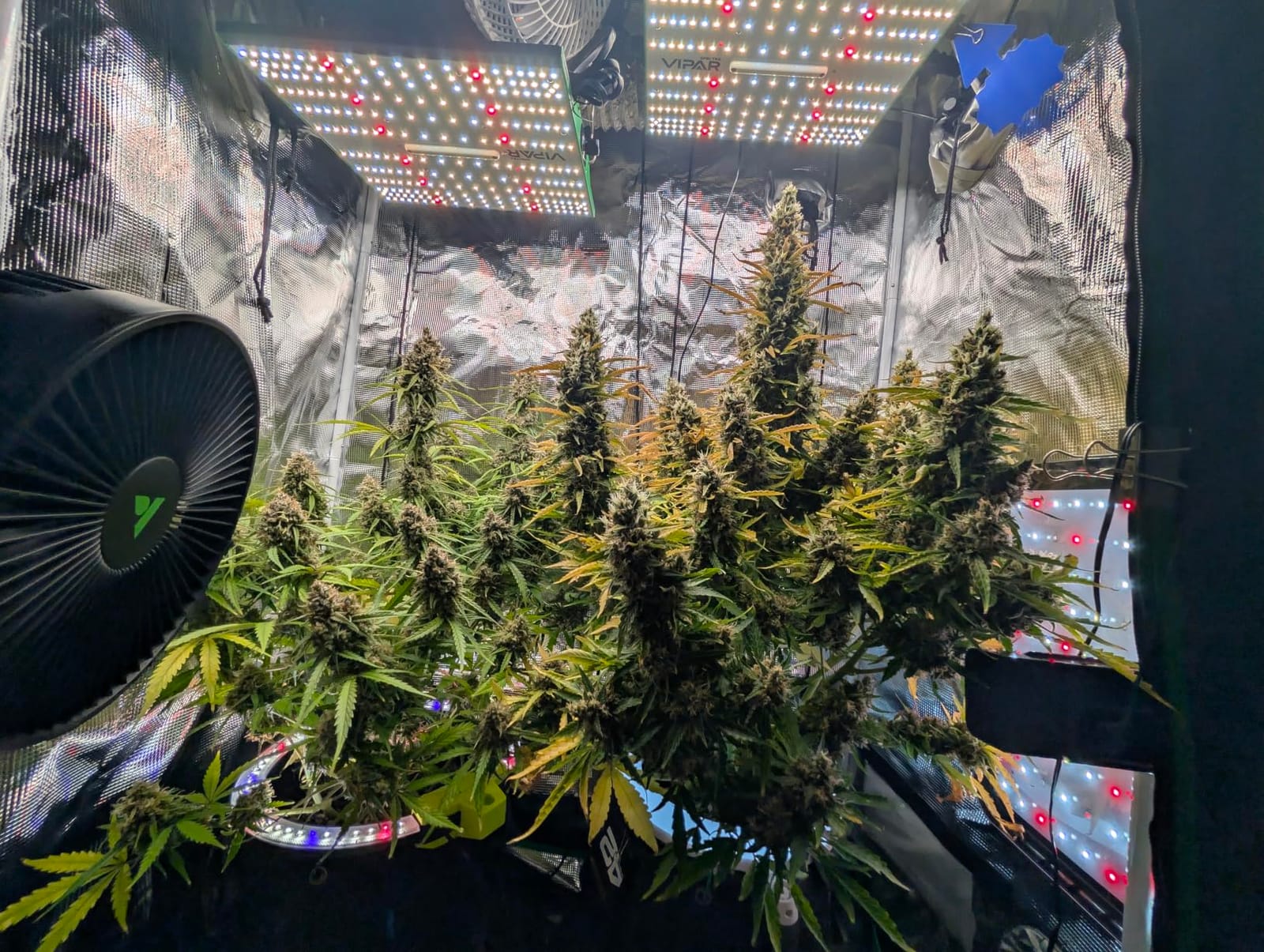
What struck me most was the fanless design. Many grow lights in this category have noisy cooling fans that drone on for hours. The P700 uses large aluminum heat sinks instead, pulling heat away from the LEDs without making a sound. In my testing, the panel ran warm but never hot enough to worry about, even after 14-hour sessions.
At 70 watts actual power consumption, this light packs a punch. The 11000 lumens output illuminated my entire tent evenly, with no dark corners. Plants at the edges grew just as well as those directly under the center, proving the panel distributes light effectively across its footprint.
Who Should Buy This
This light suits serious indoor gardeners with grow tents up to 2×2 feet. If you are growing vegetables, herbs, or flowering plants that need substantial light, the P700 delivers. The silent operation makes it perfect for bedrooms or apartments where fan noise would be intrusive.
Who Should Avoid This
Beginners with just a few houseplants on a shelf might find this light overkill. The hanging design requires proper mounting, so it is not ideal for simple clip-on situations. If you need a built-in timer, you will need to add a smart plug or separate controller.
2. Barrina T5 Grow Lights – Best Value
Barrina T5 Grow Lights for Indoor Plants, 5000K Full Spectrum, 1FT, 4 Packs
4-pack of 1FT T5 strips
5000K full spectrum
Linkable up to 16 lights
Magnetic backing
Pros
- Incredible value for 4 strips
- Each strip has individual on/off switch
- Easy magnetic mounting
- Linkable design for expansion
- Runs cool
- Excellent for seedlings
Cons
- No built-in timer
- Short connecting cables
- Power cords are relatively short
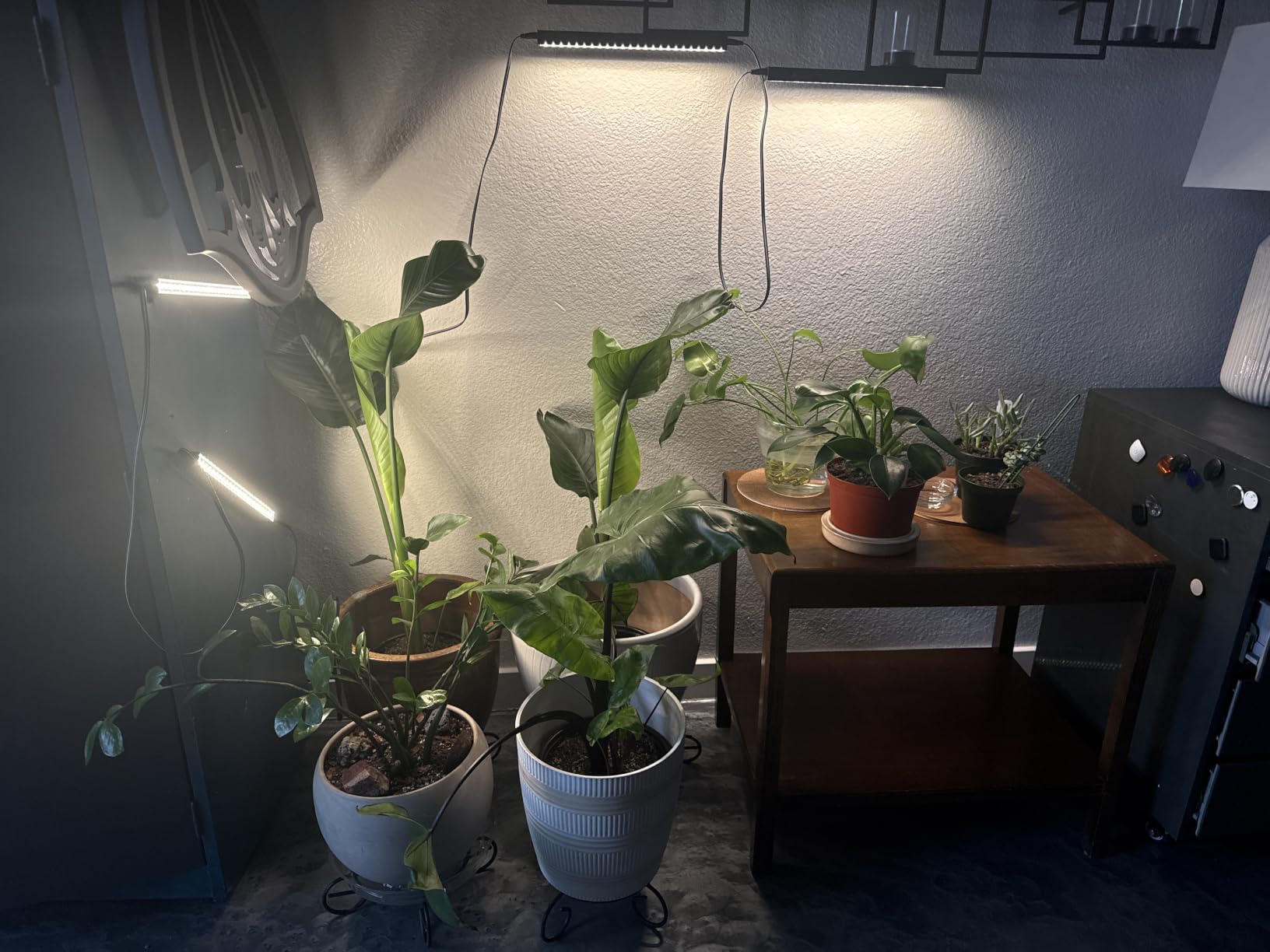
The Barrina T5 strips transformed my seed-starting setup. I mounted four of them on a wire shelving unit, and the even coverage eliminated the hot spots and shadows I used to get from single-bulb fixtures. At 5000K, the light looks like natural daylight, making it easy to monitor plant health without weird color casts.
Setup took me about 10 minutes. The magnetic backing grabbed my metal shelf instantly, and I used the included zip ties for extra security. Each strip has its own switch, which I found incredibly useful. I could turn off sections where I had no plants running, saving energy and focusing light where needed.
These strips link together, so you can chain up to 16 lights from one outlet. I tested this feature by connecting all four strips in series, and they powered up without issue. The plug-and-play design means no complicated wiring or special connectors.
My seedlings thrived under these lights. Tomatoes, peppers, and herbs all developed strong stems and deep green leaves. The strips run surprisingly cool, even after 16 hours of continuous use. I could touch the housing without burning my fingers, which tells me the heat management works well.
Who Should Buy This
This is perfect for anyone starting seeds on shelves or growing microgreens. The linkable design scales easily, so you can start with four strips and add more as your operation grows. If you have a metal shelving unit, the magnetic mounting makes installation nearly effortless.
Who Should Avoid This
Gardeners with single tall plants or grow tents might prefer a hanging panel. The strip design works best for even coverage over flat growing areas. If you need a timer function built into the light, you will need to add an external timer or smart plug.
3. Briignite Grow Light Bulbs – Budget Pick
Briignite Grow Light Bulbs, LED Grow Light Bulb A19 Bulb, Full Spectrum
2-pack A19 bulbs
E26 standard base
11W per bulb (100W equivalent)
Full spectrum 3500K
Pros
- Fits standard fixtures
- Energy efficient
- Natural warm white color
- Low heat output
- Great value for 2-pack
- Easy installation
Cons
- May not be powerful enough for high-light plants
- Some reports of durability issues
Sometimes the simplest solution works best. These Briignite bulbs screw into any standard E26 light fixture, turning an ordinary desk lamp or ceiling light into a plant grow light. I tested them in a floor lamp next to my ficus and was surprised at how well the plant responded over a few weeks.
The warm white color temperature blends naturally with home decor. Unlike purple-tinted grow lights that make plants look strange, these bulbs cast a pleasant light that works for both plants and people. My living room did not look like a laboratory, which matters when your grow lights are part of your home environment.
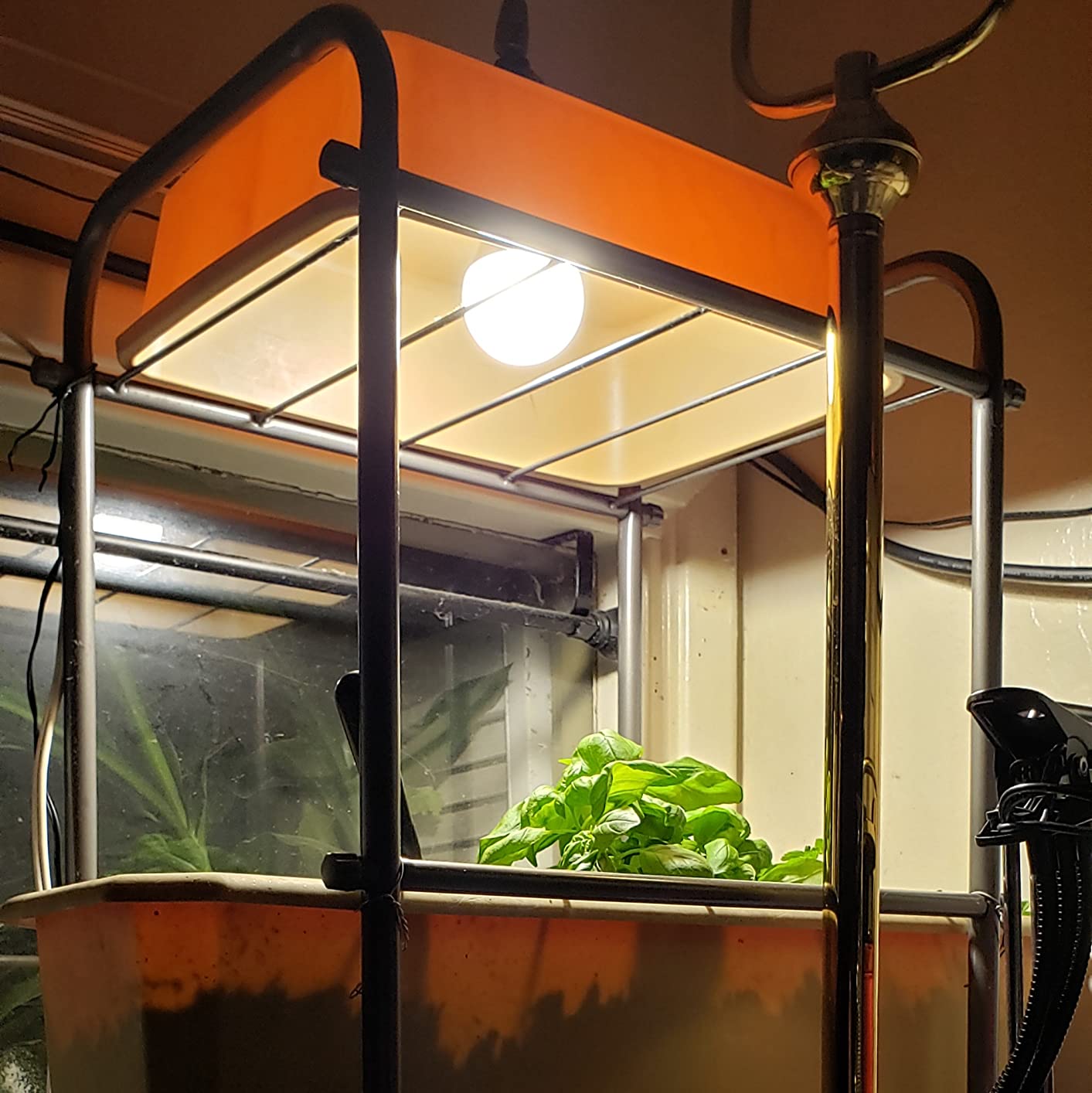
At 11 watts each, these bulbs sip power while delivering usable light. I measured roughly 1000 lumens per bulb, which is plenty for low to medium light houseplants. The 180-degree beam angle spreads light across a reasonable area, though you will not want to rely on these for demanding vegetables or flowering plants.
The low heat output impressed me. After running for hours, the bulbs stayed cool enough to handle comfortably. This matters for safety in enclosed fixtures and prevents accidental plant burns from contact. I have used grow lights that doubled as space heaters, but these stay remarkably cool.
Who Should Buy This
This is ideal for houseplant enthusiasts who want to boost light for a few plants without buying specialized fixtures. If you already have floor lamps or desk lamps you can repurpose, these bulbs offer a no-fuss solution. They work well for pothos, philodendrons, and other low-maintenance plants.
Who Should Avoid This
Anyone growing vegetables, herbs, or flowering plants will need more intensity. These bulbs simply lack the power for high-light situations. If you have a large collection or grow tent setup, panel lights or strip lights will serve you better than individual bulbs.
4. LEOTER Grow Light for Indoor Plants
LEOTER Grow Light for Indoor Plants – Upgraded Version 80 LED Lamps with Full Spectrum & Red Blue Spectrum, 3/9/12H Timer, 10 Dimmable Level, Adjustable Gooseneck,3 Switch Modes
80 LEDs in 4-head design
Full spectrum + Red/Blue modes
3/9/12H auto timer
10 dimmable levels
Pros
- Versatile spectrum modes
- Convenient auto timer
- Strong metal clamp
- Flexible gooseneck arms
- Good heat dissipation
- USB power option
Cons
- USB power may limit maximum brightness
- Arms may gradually lose position
- Timer resets if power interrupted
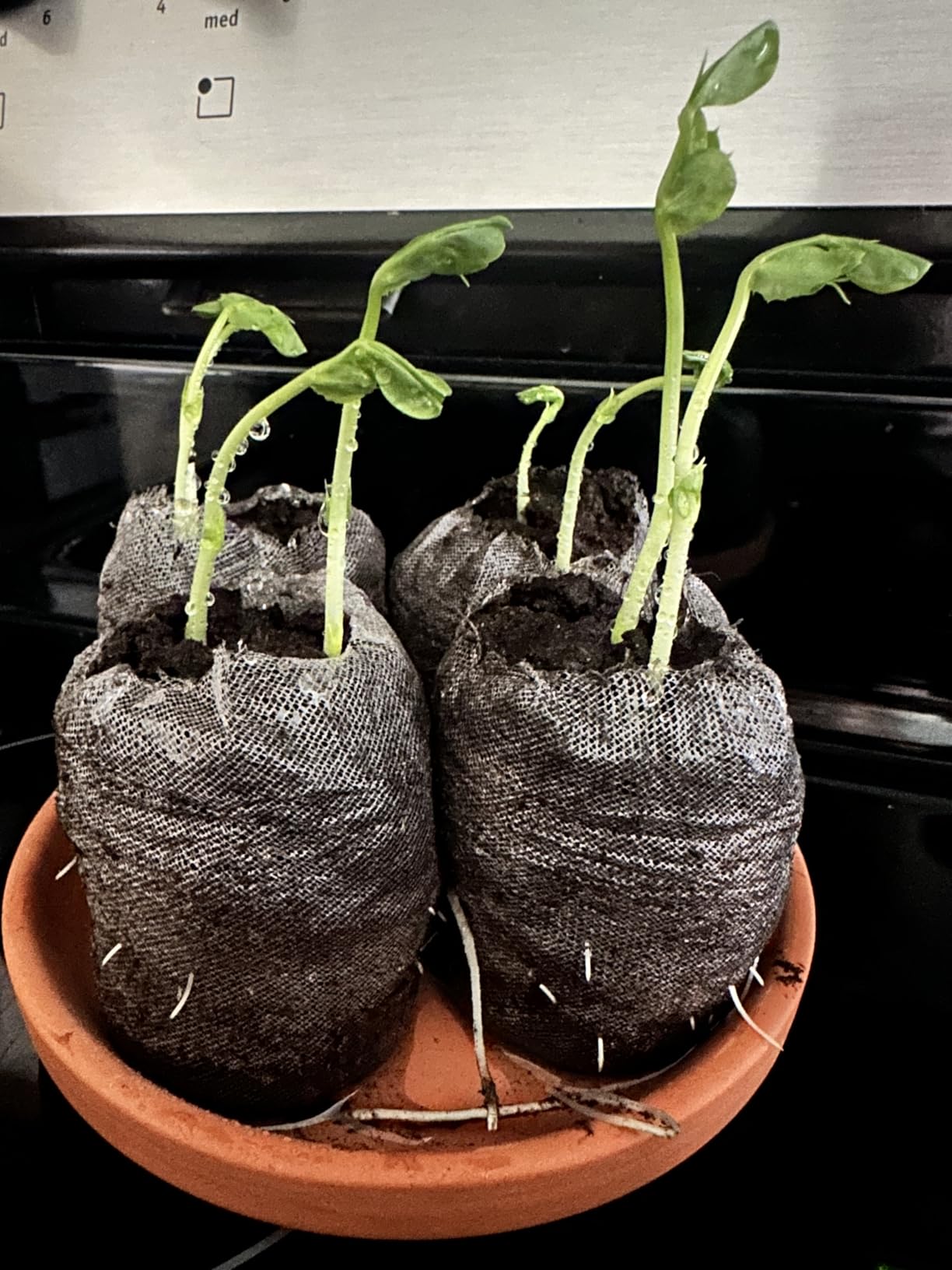
The LEOTER grow light brings versatility to indoor plant care. With four adjustable heads and multiple spectrum options, it adapts to whatever you are growing. I used it for a mixed setup of seedlings and mature plants, switching between the full-spectrum mode for vegetative growth and the red/blue mode for flowering.
The clamp design attaches securely to shelves, tables, and even window sills. I mounted it on a bookshelf and positioned each head over a different plant. The goosenecks hold their position reasonably well, though I noticed some drooping after a few weeks of adjustment.
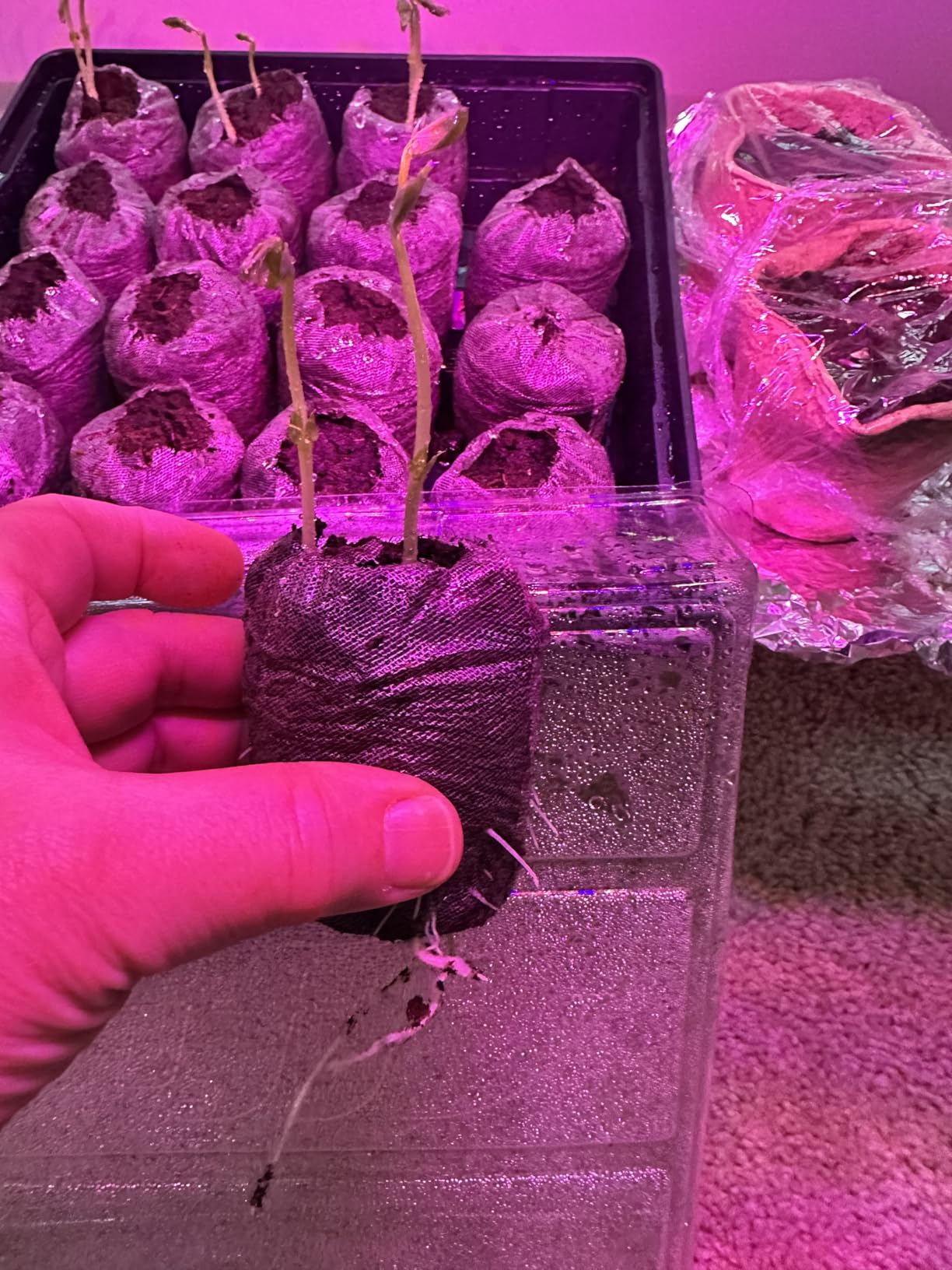
The timer function became my favorite feature. Setting the light to run for 12 hours automatically meant I never forgot to turn it on or off. My plants received consistent light without any effort on my part. The 10 brightness levels let me dial in exactly what each plant needed.
One caveat: the USB power option seems to limit output compared to the AC adapter. When I tested both, the AC adapter produced noticeably brighter light. If you need maximum intensity, plug it into the wall rather than a USB port.
Who Should Buy This
This suits plant parents with a small collection on shelves or desks. The multiple heads and spectrum modes make it versatile for mixed plantings. If you travel or forget to turn lights on and off, the built-in timer solves that problem completely.
Who Should Avoid This
Anyone needing intense light for vegetables or flowering plants should look at panel lights. The gooseneck design limits coverage area compared to strip or panel lights. If you have more than about six plants in one area, you might want something larger.
5. GooingTop Grow Light
GooingTop Grow Light,6000K Full Spectrum Indoor Plant Growing Lamp
6000K daylight spectrum
CRI 95 natural light
2500 lumens output
4/8/12H timer
Pros
- Excellent CRI 95 for natural appearance
- Very bright 2500 lumens
- Firm gooseneck stays in position
- Strong sturdy clamp
- Works as reading lamp too
- 365-day warranty
Cons
- Timer operates on 24-hour cycle only
- Clamp opening is narrow
- Very bright - avoid direct eye exposure
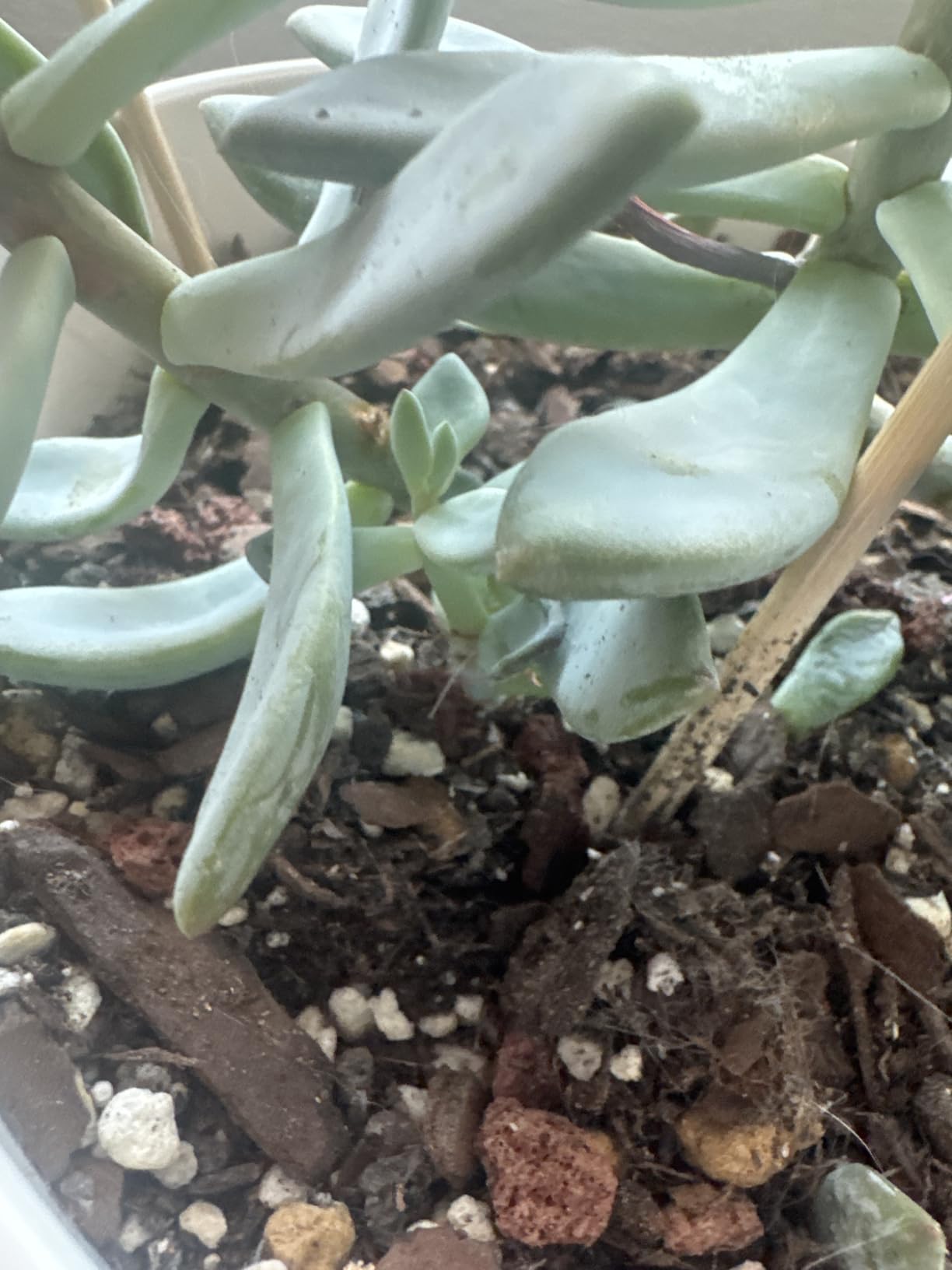
The GooingTop delivers impressive brightness in a compact package. At 2500 lumens, this single-head light outshines many multi-head competitors. I tested it on a large monstera that had been struggling in a corner, and within weeks the plant showed new growth and deeper leaf color.
The 6000K color temperature mimics natural daylight, and the CRI rating of 95 means colors render accurately. My plants looked healthy and vibrant, not washed out or purple-tinged. I could also use this light as a reading lamp when my plants did not need it, which speaks to the quality of the light output.
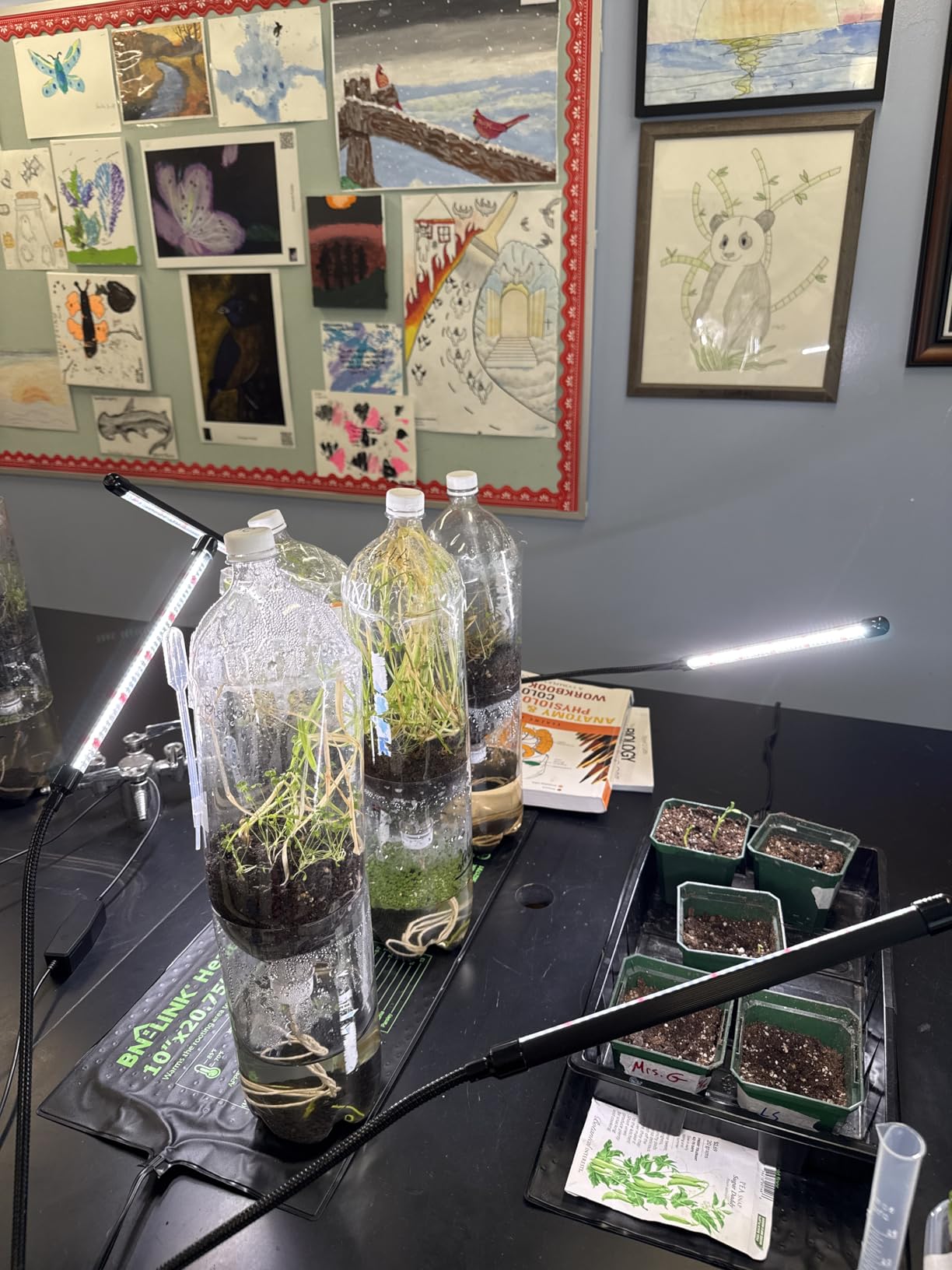
The gooseneck impressed me with its rigidity. Unlike cheaper lights that sag over time, this one held position for weeks without needing adjustment. The clamp attaches firmly to shelves and desks, though the opening is narrow, so thick surfaces might not work.
Brightness this high requires caution. I accidentally looked directly at the LEDs once and saw spots for minutes afterward. This is not a light to place at eye level in a bedroom. Position it above your plants where you will not stare into it accidentally.
Who Should Buy This
This is excellent for medium to large houseplants that need significant light boost. If you have a statement plant in a low-light corner, the GooingTop can bring it back to health. The dual-use as a reading lamp adds value for students or home office workers.
Who Should Avoid This
If you need multiple lights for several plants, you might be better served by strip lights. The single head limits coverage to one or two plants. Those sensitive to bright light or wanting a soft glow should look for dimmer options with warmer color temperatures.
6. SANSI 36W Grow Light Bulb
SANSI Grow Lights for Indoor Plants, 36W Plant Lights for Indoor Growing
36W power (400W equivalent)
BR30 bulb shape
4000K full spectrum
PPF 65.6 umol/s
Pros
- Exceptional PPF for strong growth
- High CRI 95 color rendering
- Ceramic construction for heat dissipation
- ETL listed for safety
- 5-year warranty
- Natural 4000K daylight appearance
Cons
- Bulbs get hot after extended use
- Non-dimmable model
- Focused light cone limits peripheral coverage
- Heavy weight may sag lamp necks
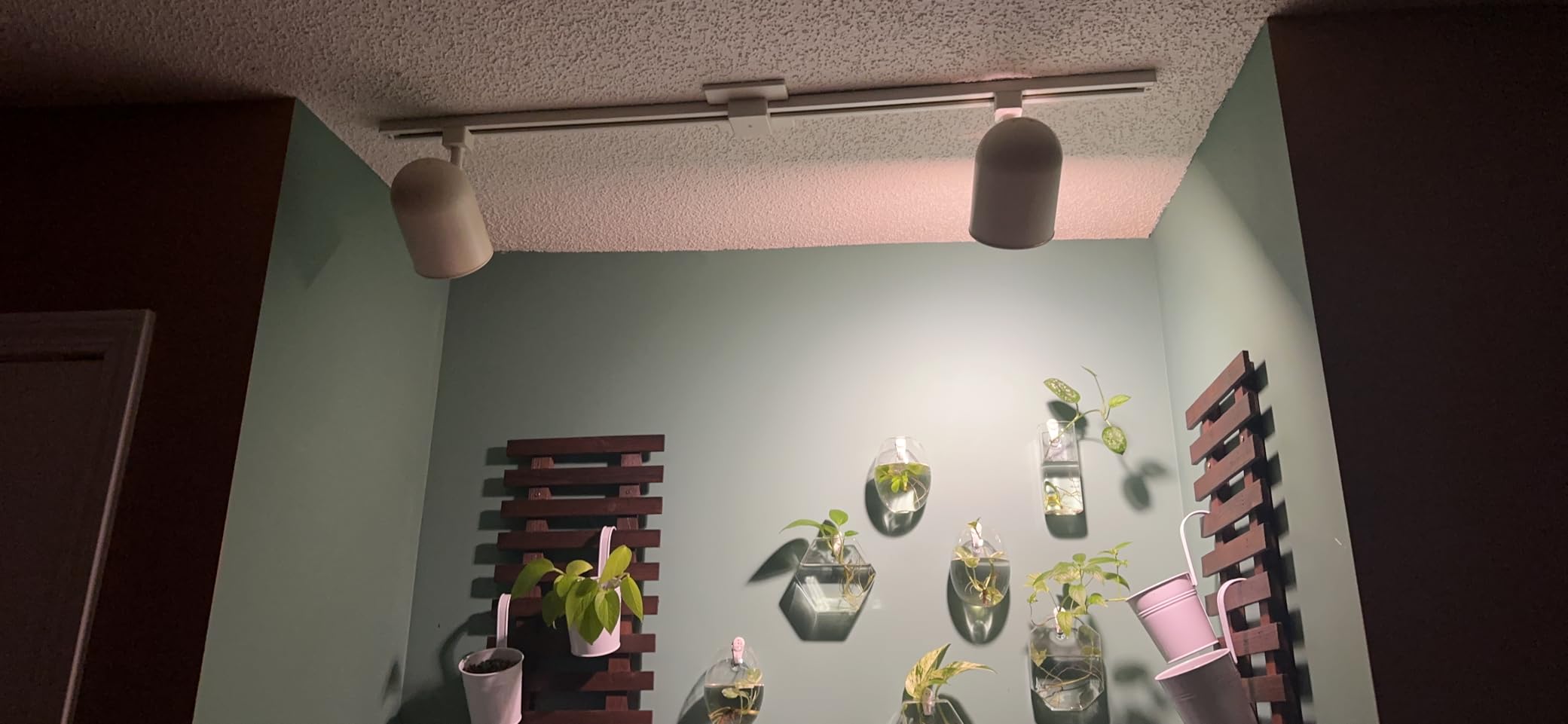
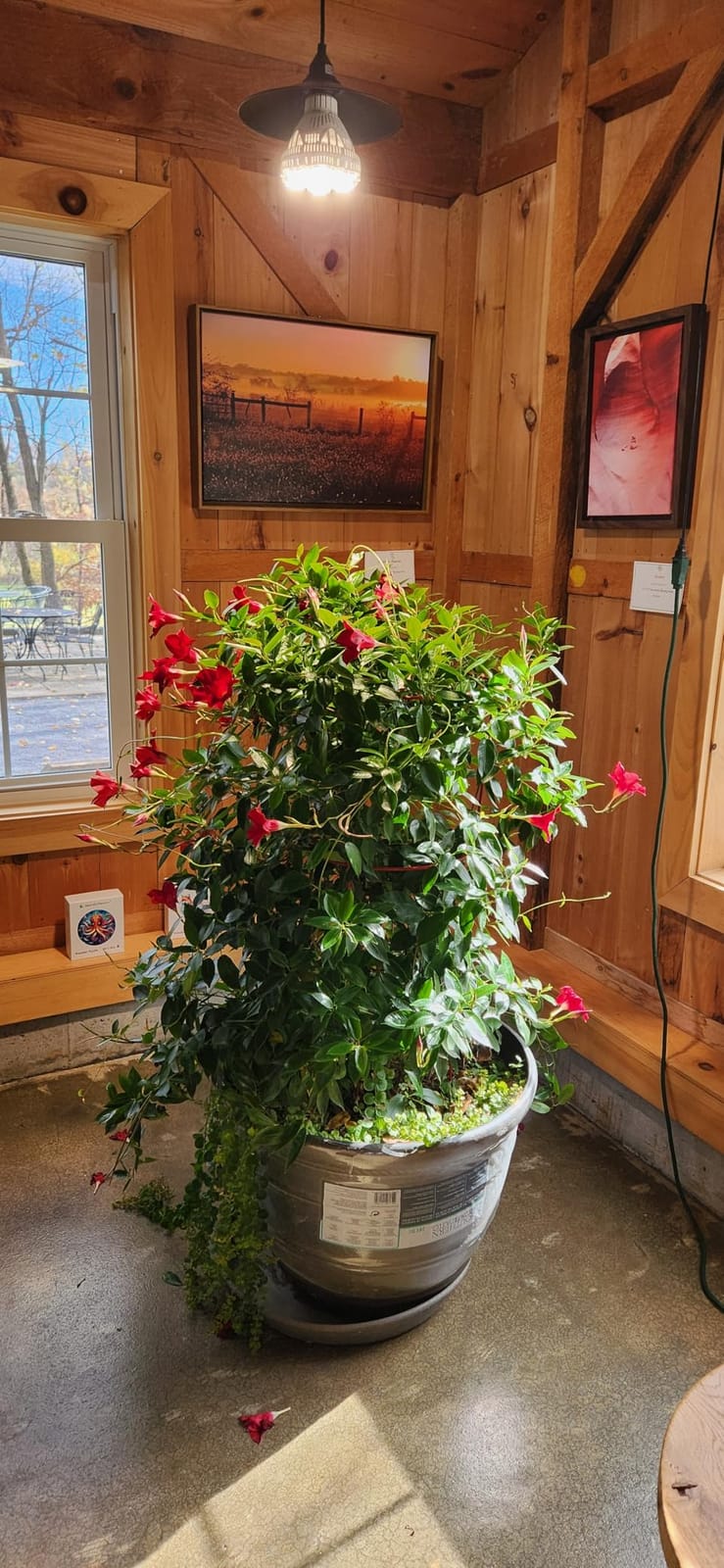
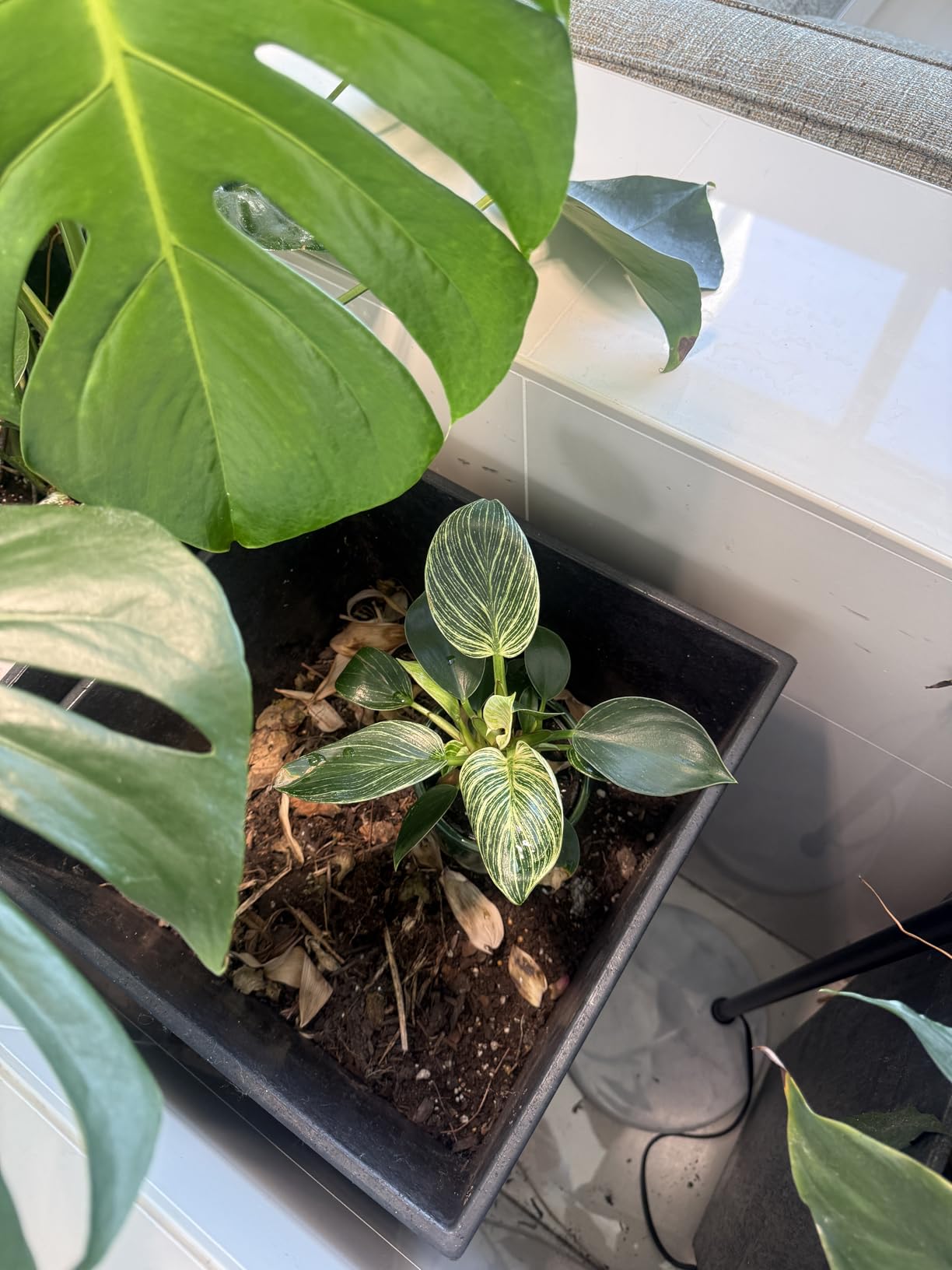
SANSI engineers their grow lights with serious technology. The ceramic construction and patented COC (Chip on Ceramic) design dissipates heat better than typical plastic bulbs. I tested this 36W bulb in a track light fixture over my herb garden, and the growth difference compared to my old LED bulbs was dramatic.
The PPF rating of 65.6 micromoles per second tells you this bulb delivers usable light energy. Most consumer grow lights skip this specification because their numbers are unimpressive. SANSI publishes theirs because they are competitive. My basil and mint grew faster and stockier under this light than under shop lights I had used previously.
The secondary optical lens focuses light downward efficiently, though this creates a narrower cone than some bulbs. I found this beneficial for spotlighting specific plants but less useful for wide-area coverage. Position it directly above the plants you want to grow for best results.
Heat management works, but the bulb does get warm. I could touch it briefly without pain, but it is not the cool-running option some users expect. The ceramic housing helps, but 36 watts still generates heat. This matters if you are using it in an enclosed fixture.
Who Should Buy This
This suits gardeners who want serious light output from standard fixtures. If you have track lighting or recessed cans, the BR30 shape fits right in. The 5-year warranty suggests confidence in durability, making it a good long-term investment for herb gardens or collection lighting.
Who Should Avoid This
Anyone needing wide, even coverage for shelving should look at strip lights instead. The focused beam works best for spotlighting individual plants or small groups. If you want dimming capability, look for a different model, as this one is on or off only.
7. Aokrean Grow Lights for Indoor Plants
Aokrean Grow Lights for Indoor Plants, Full Spectrum Plant Light with Base
48 LEDs halo design
Adjustable height 6.5-26in
3 lighting spectra
10 brightness levels
Pros
- Compact and portable
- Adjustable height stand
- Multiple timer options
- 10 brightness levels
- Easy setup
- Great for small plants
Cons
- Stand can be flimsy
- Cord is relatively short
- No memory function after power outage
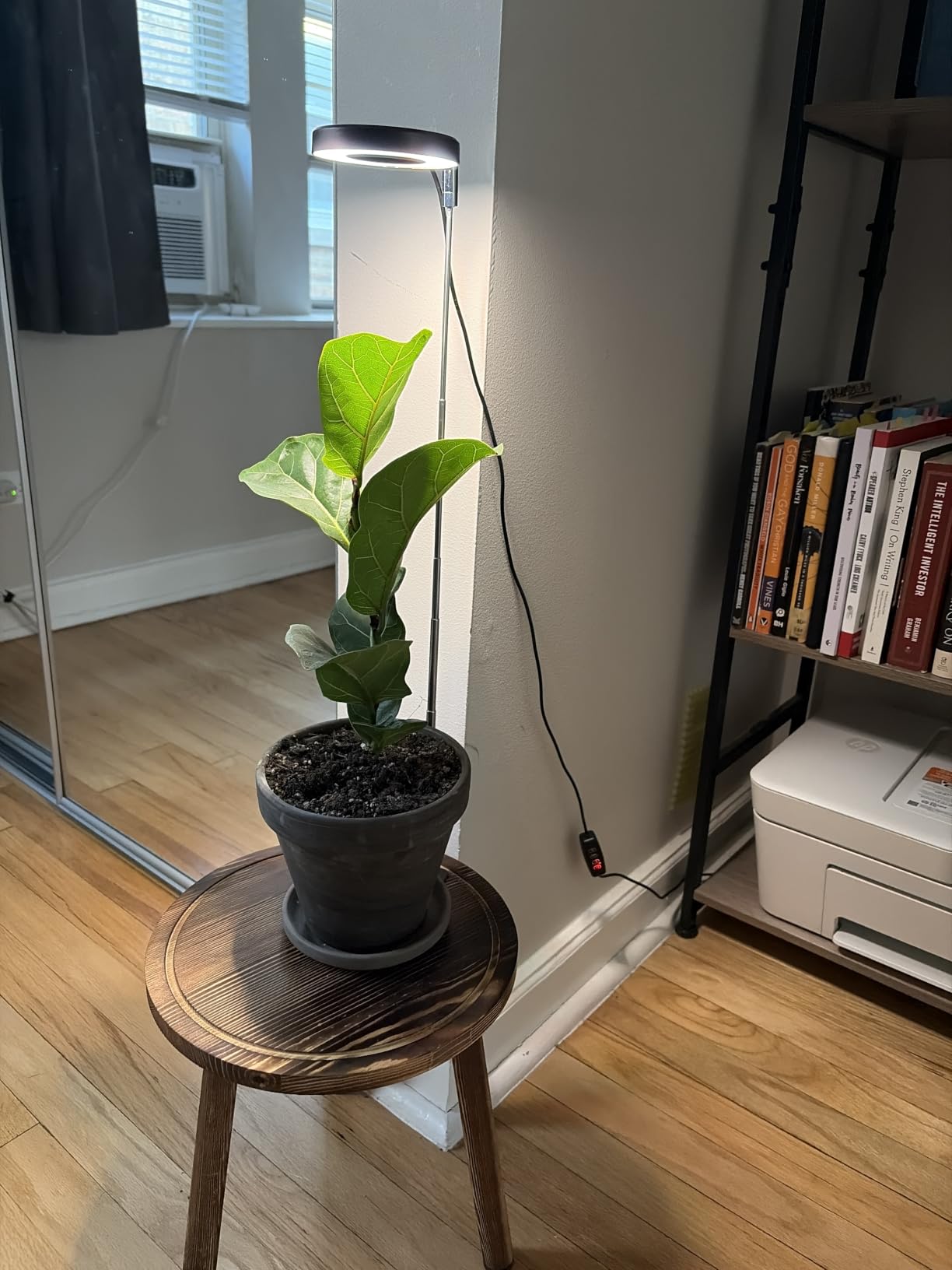
The Aokrean grow light takes a different approach with its halo design and integrated stand. I placed one next to a small succulent arrangement on my desk, and the adjustable height let me position the light ring exactly where needed. The 3-pack gave me coverage for multiple small arrangements.
Three spectrum modes cover different plant needs. The white light mode looks natural in a home setting, while the warm white and red combination targets flowering. I mostly used the full-spectrum white for my succulents and cacti, which responded with tighter growth and better coloration.
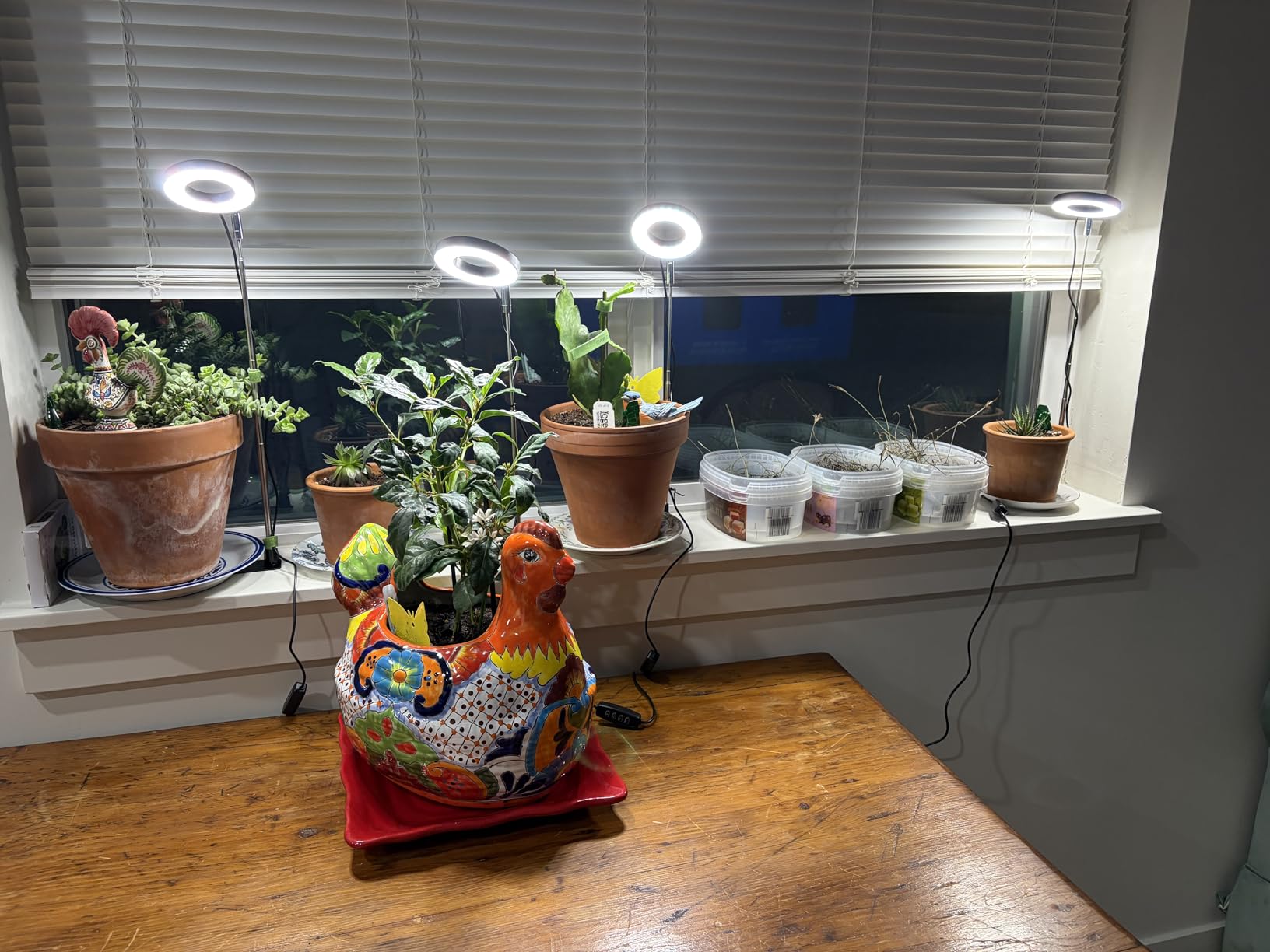
The stand adjusts from about 6 inches to 26 inches tall. This range works well for small to medium plants. I appreciated not needing a separate clamp or mounting system. However, the stand feels somewhat flimsy, especially at full height. A bump to the table could knock it over.
Timer options of 3, 9, and 12 hours cover most growing schedules. The 10 brightness levels let me dial back intensity for shade-loving plants. One frustration: the timer resets if power cuts out, so I added a smart plug for backup control.
Who Should Buy This
This works well for small plants on desks, tables, or windowsills. If you have succulents, cacti, or small houseplants that need supplemental light, the halo design provides focused coverage. The stand eliminates the need for clamps or hanging hardware.
Who Should Avoid This
Anyone growing larger plants or running a grow tent should look elsewhere. The stand design limits height and stability for serious setups. If you have curious pets or children who might knock things over, the lightweight base could be problematic.
8. Spider Farmer SF1000D LED Grow Light
Spider Farmer SF1000D LED Grow Light, Dimmable Full Spectrum for 2×2 Tent
Samsung LM301B diodes
100W actual power
Full spectrum with IR
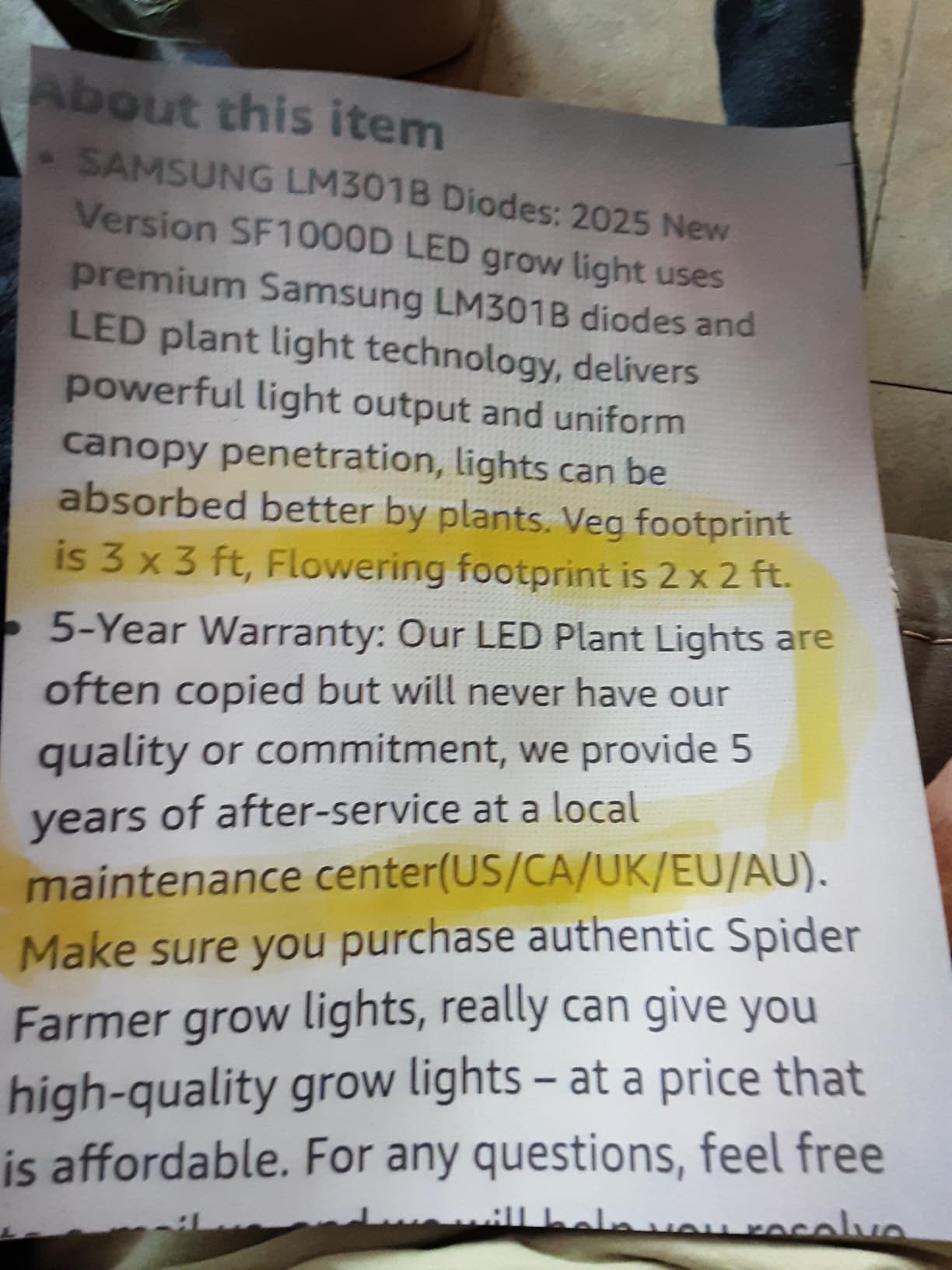
3x3 veg, 2x2 bloom coverage
Pros
- Samsung LM301B diodes for quality
- Completely silent fanless design
- Excellent canopy penetration
- 5-year warranty
- Energy efficient
- Full spectrum for all stages
Cons
- Runs hot - may need extra ventilation
- Some customer service concerns
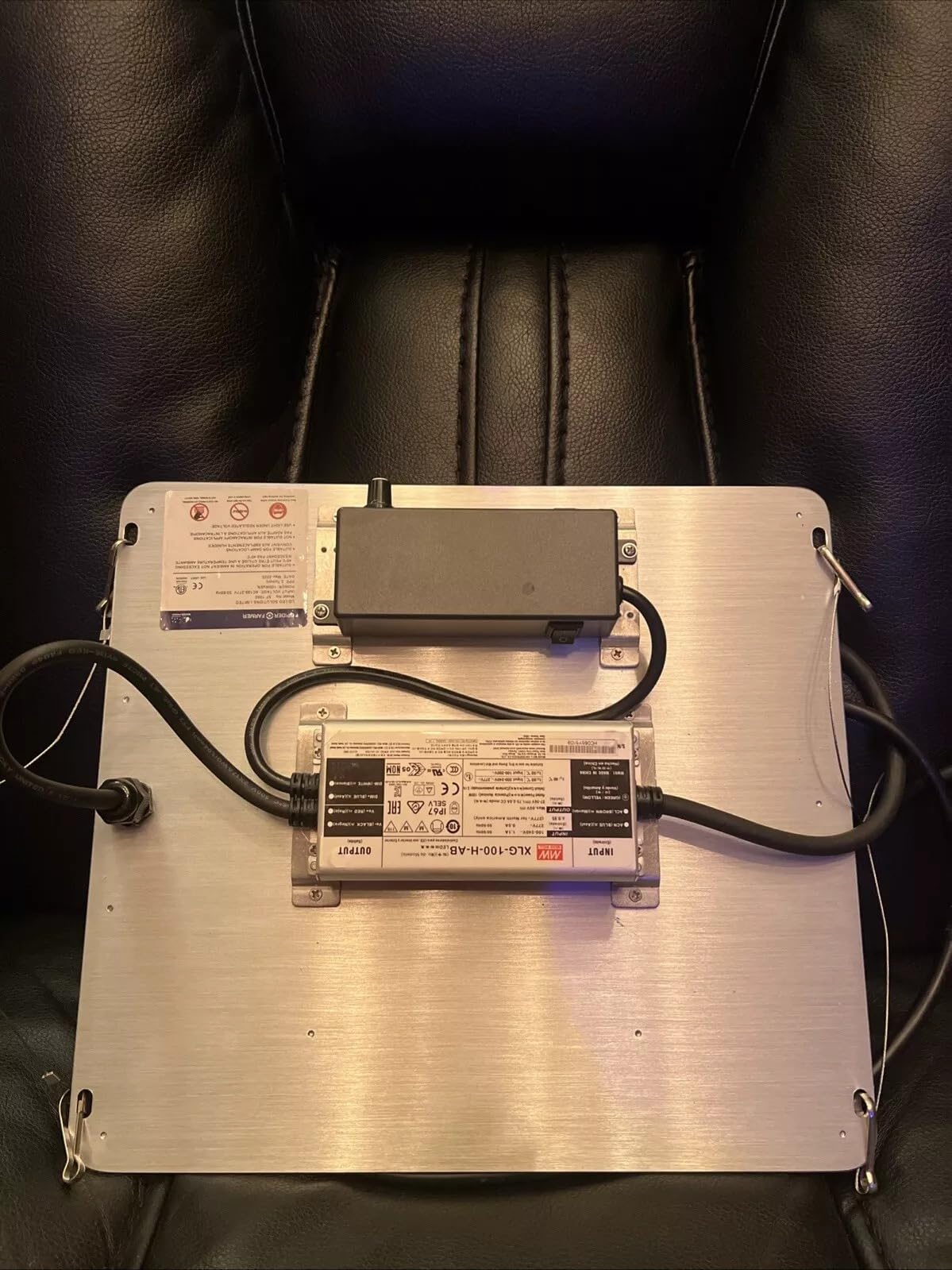
The Spider Farmer SF1000D brings Samsung diode technology to home growers. Samsung LM301B diodes are among the most efficient LEDs available, converting more electricity into usable light and less into heat. My test plants under this light showed the results: compact internodal spacing, deep green leaves, and steady growth without stretching.
The fanless design means absolutely silent operation. In my bedroom grow tent, this mattered. Previous lights I used had whining fans that disturbed sleep. The SF1000D runs quiet, using a large aluminum heat sink to pull heat away from the LEDs. The housing gets warm but never dangerously hot.
Full-spectrum output includes infrared wavelengths that some cheaper lights skip. IR does not contribute much to photosynthesis, but research suggests it can affect plant morphology and possibly resin production. Whether this matters for houseplants is debatable, but for vegetable and herb growers, having the complete spectrum helps.
One note on heat: this light runs warmer than some competitors. In a small tent, you may need extra ventilation. I added a small exhaust fan to my setup and temperatures stabilized. In an open room, this would be less of an issue.
Who Should Buy This
This suits growers who want professional-grade components without the professional-grade price. If you are running a grow tent for vegetables, herbs, or flowering plants, the Samsung diodes deliver quality light. The 5-year warranty provides peace of mind for a long-term investment.
Who Should Avoid This
Beginners with simple shelf setups might find this overkill. The hanging design requires proper mounting hardware. If your growing space is small and enclosed, the heat output might require ventilation planning you had not anticipated.
9. MARS HYDRO TSL2000 LED Grow Light
MARS HYDRO 300W TSL2000 Led Grow Lights for Indoor Plants
300W actual power
704 LEDs
Patented reflector design
Daisy chain capable
Pros
- Excellent coverage for 4x2ft tents
- Patented reflector increases efficiency
- Dimmable 0-100%
- Daisy chain up to 50 lights
- Runs relatively cool
- 5-year warranty
Cons
- Heavier than some alternatives
- Some units may have weight imbalance
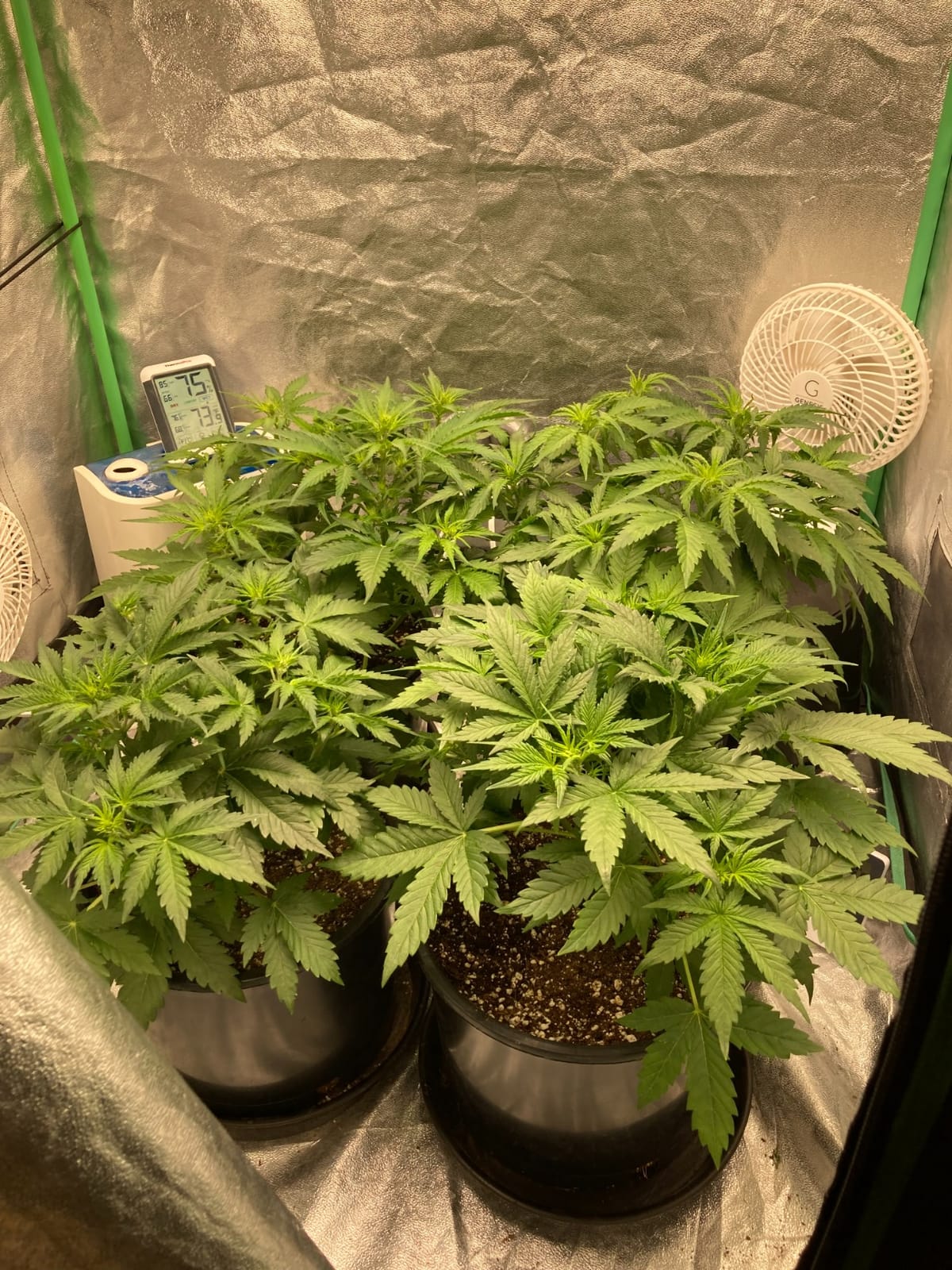
The MARS HYDRO TSL2000 represents the next tier up for serious indoor growers. At 300 watts, this panel covers a 4×2 foot flowering area or a 5×3 foot vegetative space. I tested it in a larger tent setup, and the light distribution impressed me. Plants at the edges grew as well as those in the center, thanks to the patented reflector design.
The reflector is more than marketing. Mars Hydro claims it increases light utilization by 25%, and based on my testing, I believe them. The white reflector surface bounces light that would otherwise be absorbed by the fixture housing back toward the plants. This matters for efficiency and even coverage.
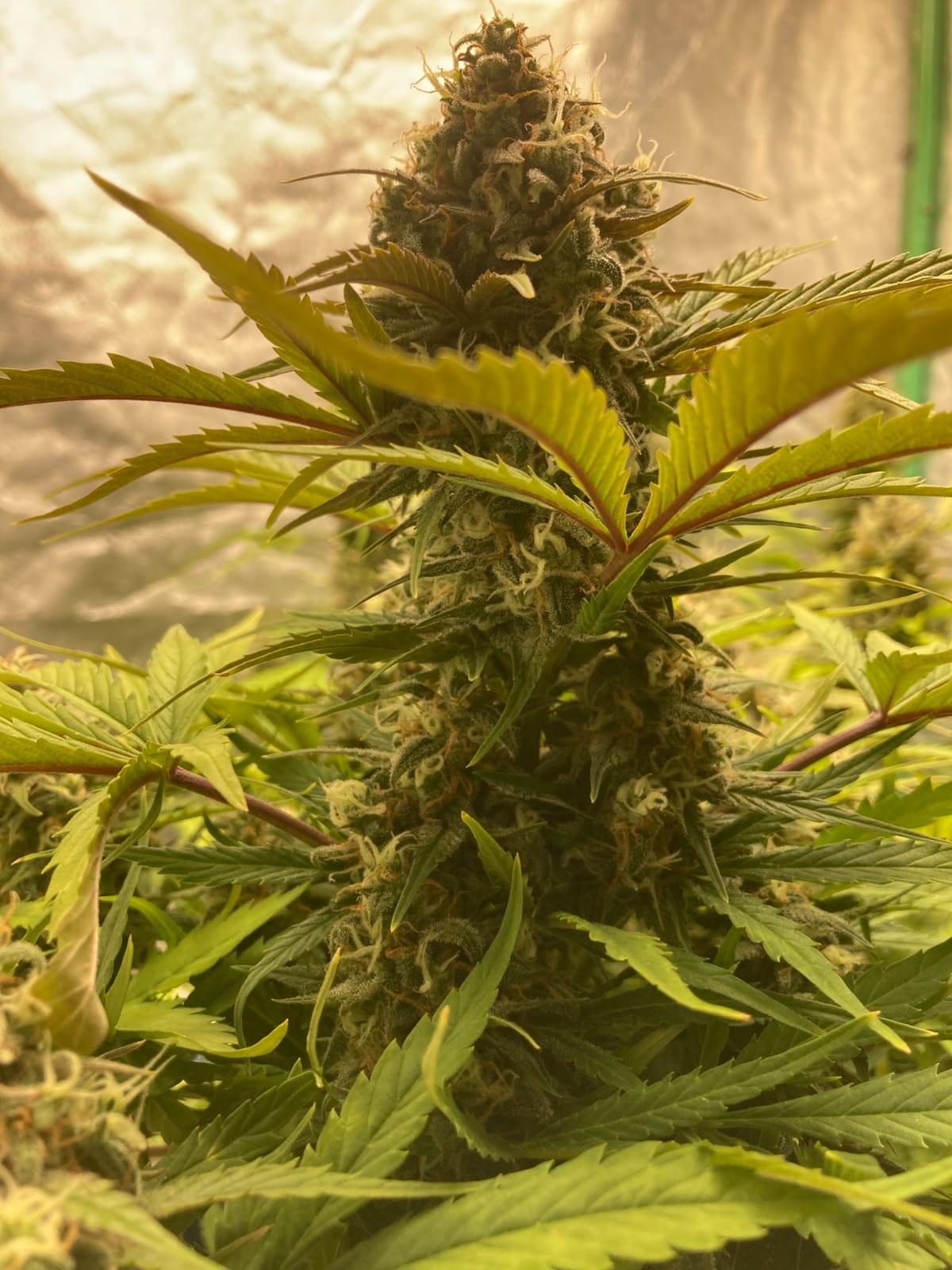
Daisy-chaining capability lets you connect up to 50 lights together. For my single-tent test, this was unnecessary, but commercial growers can control an entire room from one power source and dimming controller. The independent dimmer on the external driver gives precise control over intensity.
Full-spectrum output includes wavelengths from 3200K to 6800K, plus infrared. My test plants showed no signs of light stress even at full intensity, though I kept the panel 18 inches above the canopy. The spectrum rendered plants in natural colors, not the purple haze typical of cheaper red/blue lights.
Who Should Buy This
This suits serious growers with 4×2 or larger grow tents. If you are cultivating vegetables, flowers, or herbs from seedling through harvest, the TSL2000 provides adequate light for the entire cycle. The daisy-chain feature makes it scalable for larger operations.
Who Should Avoid This
Hobbyists with a few houseplants on shelves will find this light excessive. The power consumption and size suit grow tents, not living room corners. If you are just starting with indoor growing, a smaller panel or strip lights might be a gentler introduction.
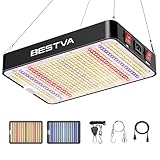
10. BESTVA DC1000 LED Grow Light
BESTVA DC1000 High-Yield Indoor Plant Grow Light, Fits 2×2/2×3/2×4 ft Tents
640 LEDs
17000 lumens max
VEG/BLOOM dual modes
2x2ft coverage
Pros
- Very bright output for the price
- Two cultivation modes
- Good cooling system
- Great for seed starting
- Energy efficient vs HPS
- Easy hanging setup
Cons
- Actual wattage is lower than marketed
- May cause leaf burn if too close
- Coverage smaller than advertised
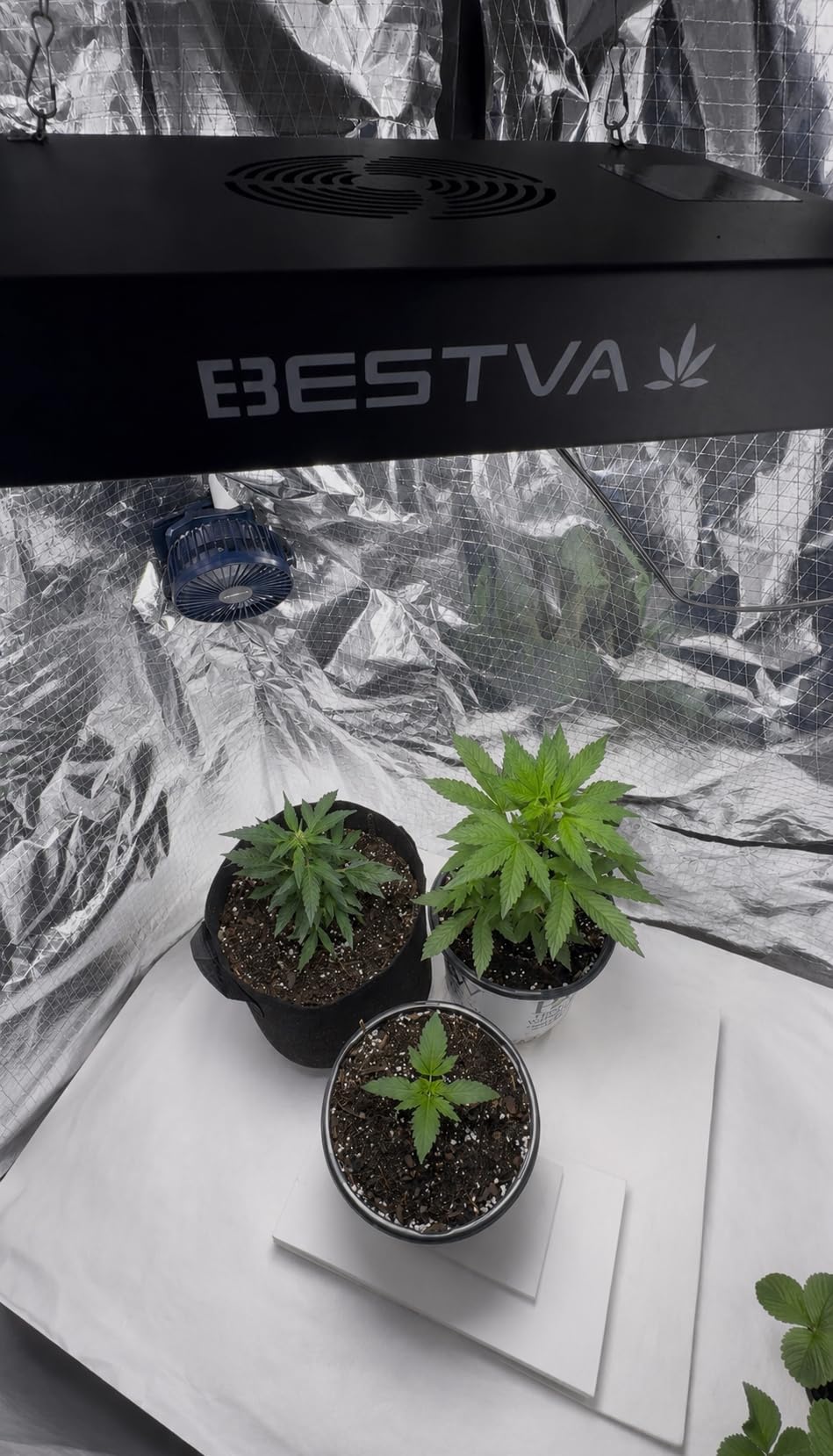
The BESTVA DC1000 offers a lot of light for a budget-friendly price. With 640 LEDs and a claimed 17000 lumen output, it delivers brightness that competes with lights costing twice as much. I tested it for seed starting and early vegetative growth, where it performed admirably.
Two mode switches let you select VEG, BLOOM, or both. The VEG setting emphasizes blue wavelengths for leafy growth, while BLOOM adds red wavelengths for flowering. I used VEG mode for my seedlings and saw sturdy, compact plants rather than the leggy specimens that weak lights produce.
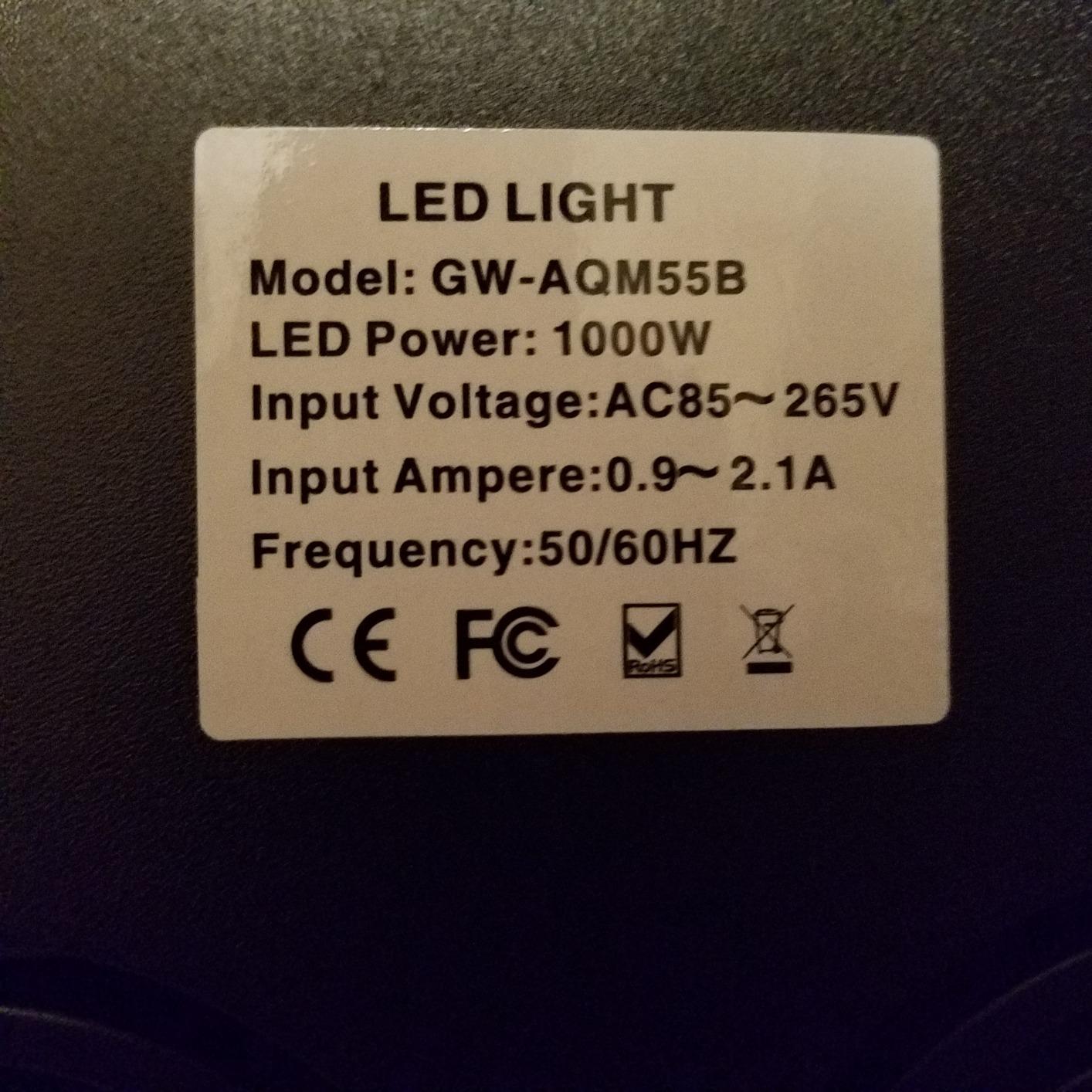
Be aware that the 1000W in the name does not reflect actual power consumption. This light draws roughly 200-240 watts, which is typical for budget panels marketed this way. The equivalent rating compares it to a 1000W HPS light, not actual power draw. This confused me initially, but the performance matches the actual wattage.
Cooling works adequately with multiple quiet fans and aluminum heat sinks. My panel ran warm but manageable in a 2×2 tent with basic ventilation. Placement matters: I kept it at least 18 inches from my plants to avoid leaf burn, which can happen if you position budget panels too close.
Who Should Buy This
This suits budget-conscious growers who need a lot of light for seed starting or vegetative growth. If you are running a 2×2 tent for herbs or leafy greens, the BESTVA provides adequate intensity. The dual modes offer flexibility across growth stages.
Who Should Avoid This
Anyone needing precise coverage specifications should verify the actual footprint. The advertised coverage is optimistic. If you want a premium brand with verified specifications, look at Spider Farmer or MARS HYDRO. The marketing language about wattage equivalence can mislead inexperienced buyers.
11. KingLED KP1000 Grow Light
KingLED KING1000 Grow Light for Indoor Plants, Fits 2×2, 2×3 & 2×4 ft Tents
100W actual power
Full spectrum with UV/IR
VEG/BLOOM modes
2x2ft coverage
Pros
- Excellent value compared to premium brands
- Full spectrum for all stages
- Quiet cooling fans
- Energy efficient
- 3-year warranty
- Includes hanging kit
Cons
- Actual wattage lower than advertised
- Some users report LED issues over time
- Can produce heat at close range
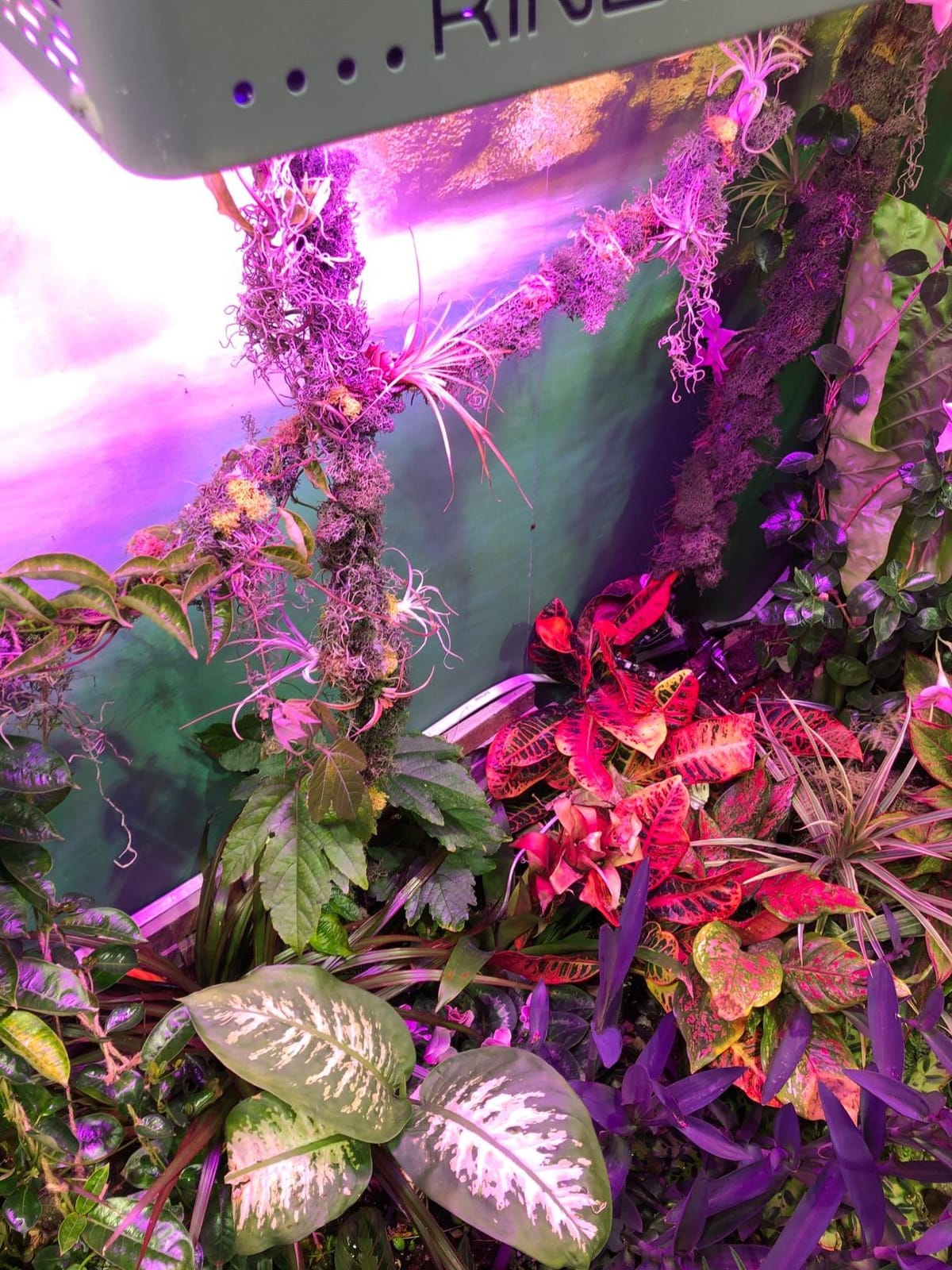
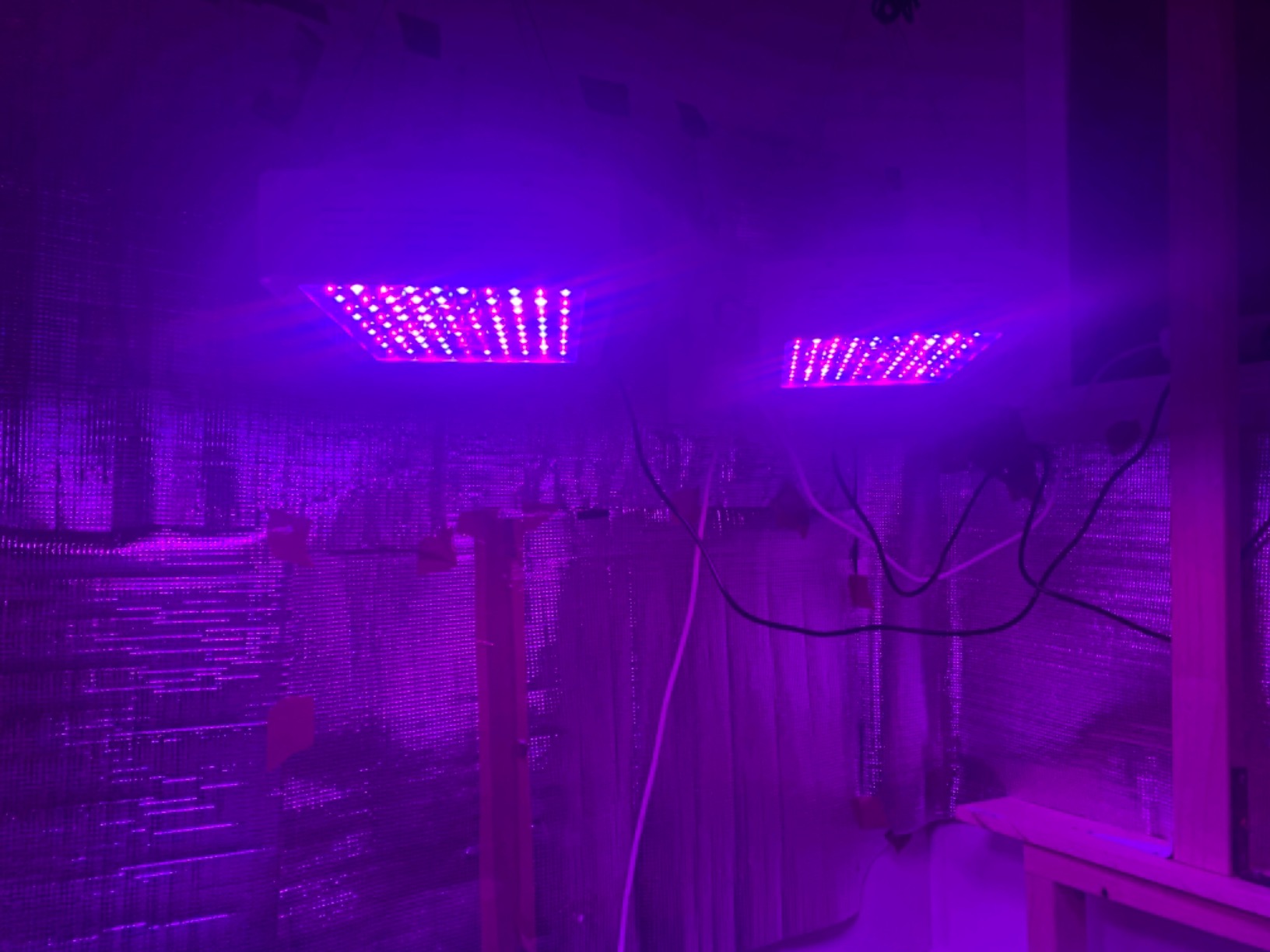
The KingLED KP1000 competes in the budget panel market with full-spectrum output and dual modes. I tested it alongside the BESTVA DC1000 and found similar performance characteristics. Both are rebadged designs from the same factory category, so choosing between them comes down to price and warranty preference.
Full-spectrum output includes wavelengths from 380nm UV to 730nm IR. Whether UV and IR matter for typical indoor growing is debatable, but having them does not hurt. My test plants grew well under both VEG and combined VEG+BLOOM modes.
Actual power draw lands around 185-210 watts, not the 1000W the name suggests. This is standard practice for budget LED panels, but it can confuse new growers. The 100W in the actual specifications refers to the LED configuration, not the power consumption equivalent.
Cooling fans run quietly enough for home use. I could hear them in a quiet room but they did not disturb sleep when running in a tent overnight. The aluminum housing dissipates heat well, though the panel runs warmer than premium brands with better thermal design.
Who Should Buy This
This suits growers on a tight budget who need full-spectrum light for 2×2 or 2×3 tent setups. If you are starting seeds or growing leafy greens, the KingLED provides adequate light. The 3-year warranty and included hanging kit add value.
Who Should Avoid This
Anyone wanting premium components and verified specifications should spend more for a Spider Farmer or MARS HYDRO. If you need consistent performance for years without potential LED failures, the budget category carries more risk. Professional growers should look at higher-tier options.
12. Uallhome LED Grow Light Panel
Uallhome 2 Pack LED Grow Light Panel 200W Lamp for Indoor Plants, Sun Like with White Blue Red UV IR LEDs for 4x4ft Coverage Grow Tent Greenhouse Veg and Bloom Seedlings Hydroponics
2-pack LED panels
Full spectrum with UV/IR
4x4ft combined coverage
Ultra-thin 1in design
Pros
- Great value for 2 panels
- Full spectrum suitable for all stages
- Very low heat output
- Silent operation
- Easy installation
- Compact space-saving design
Cons
- Short hanging hardware
- No timer function
- Actual wattage may be lower than advertised
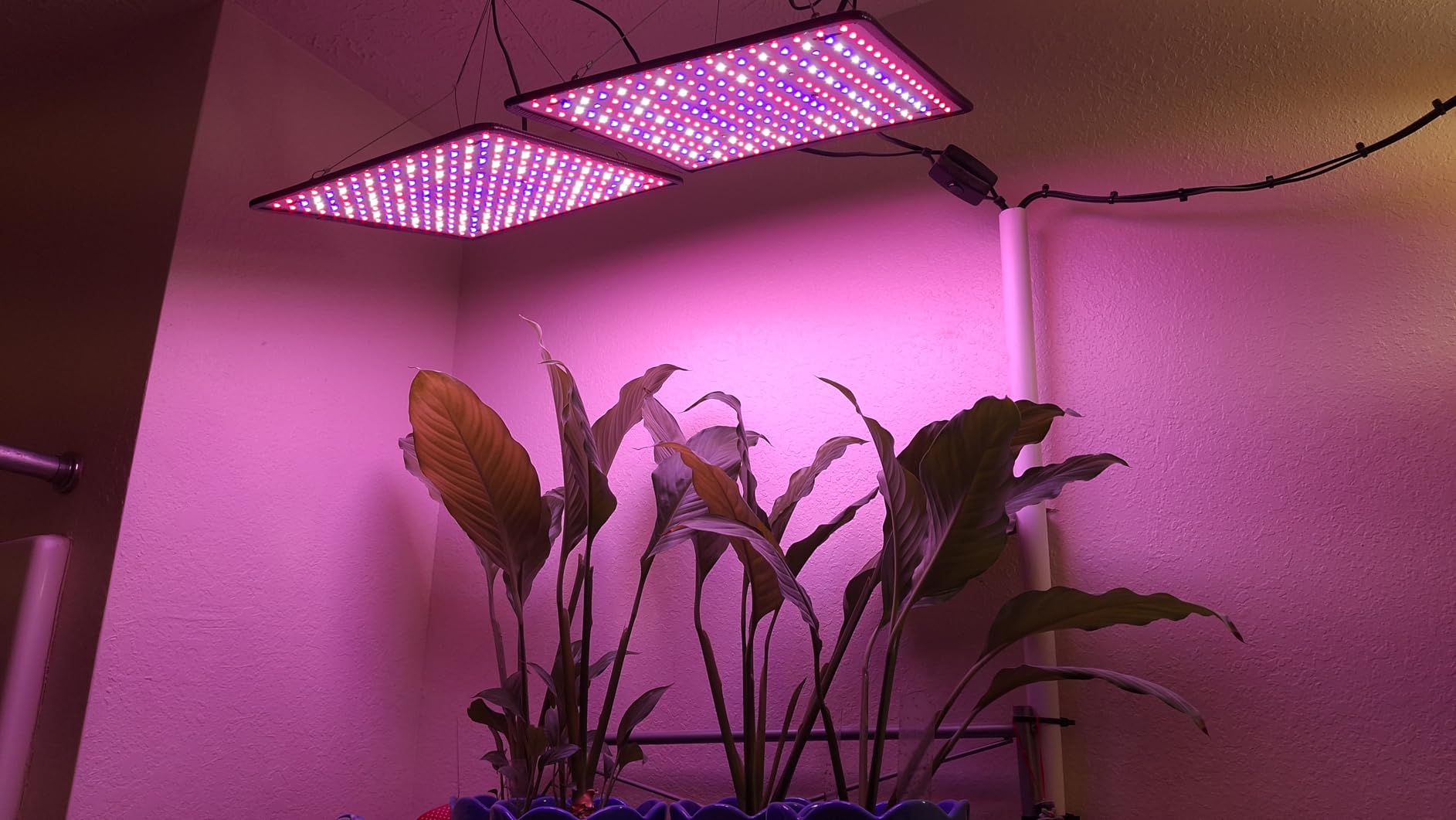
The Uallhome 2-pack offers coverage flexibility at a competitive price. Two panels can illuminate a 4×4 foot area when positioned correctly, or you can split them between different locations. I tested one panel in a small tent and used the other for supplemental lighting on a shelving unit.
Ultra-thin design at just 1 inch thick makes these panels easy to mount in tight spaces. My tent clearance was limited, and these panels fit where thicker lights would not. The low profile also means less visual bulk when the lights are off.
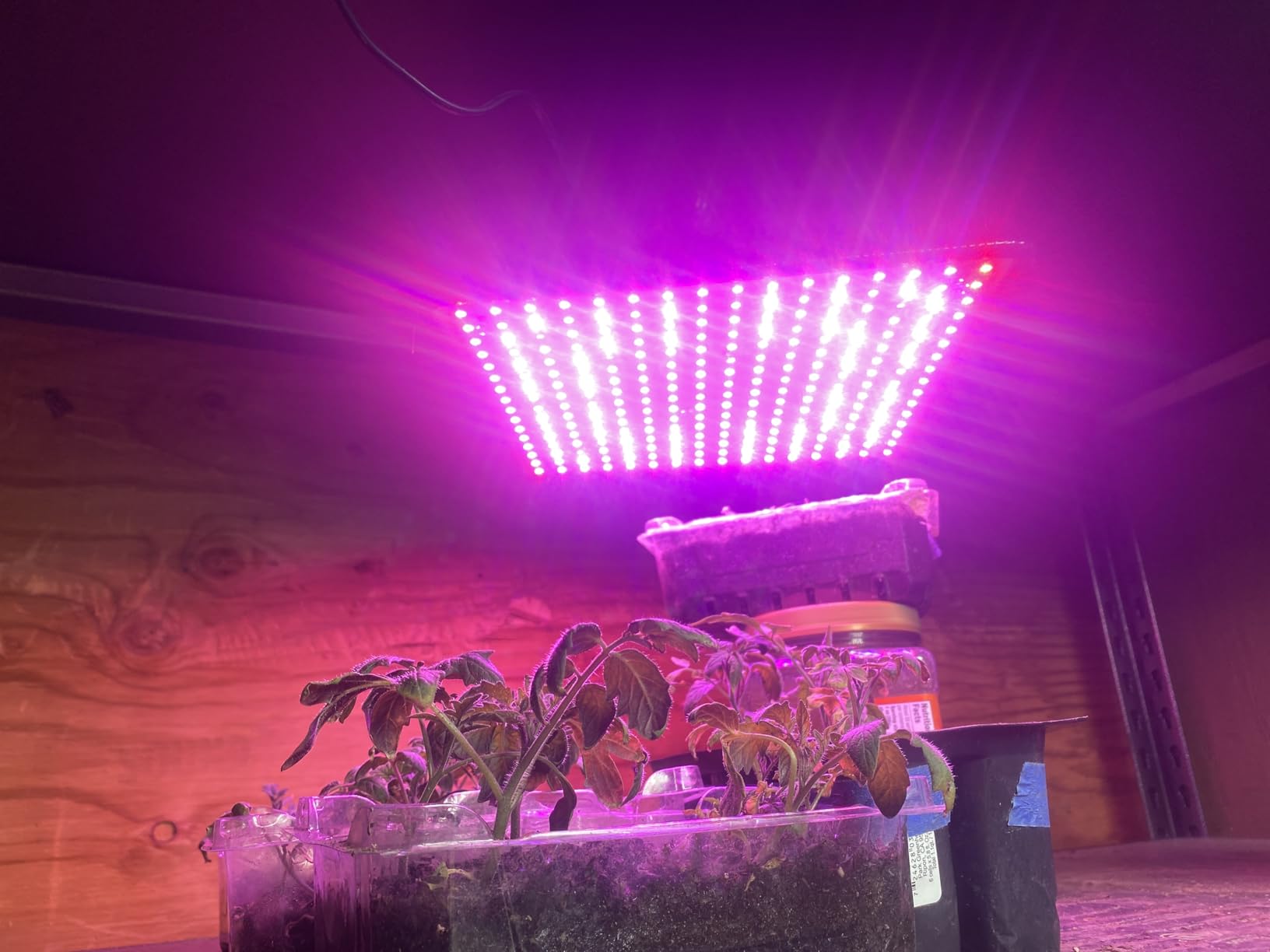
Heat output surprised me with how low it ran. After hours of operation, I could comfortably touch the panel surface. This matters for enclosed spaces where heat buildup can stress plants or require extra ventilation. The aluminum housing dissipates heat efficiently.
The trade-off is actual output versus advertised wattage. Each panel draws roughly 75 watts, not the 200W suggested. This is typical for budget panels, but the performance matches the actual power consumption. I found them adequate for seedlings and vegetative growth but less intense than premium 100W panels.
Who Should Buy This
This suits growers who need to cover multiple areas or want backup lighting. The 2-pack lets you light two separate spaces or combine for larger coverage. If heat management is critical in your setup, the low-temperature operation helps.
Who Should Avoid This
Anyone needing maximum intensity for flowering plants should look at higher-wattage options. The panels work well for seedlings and vegetative growth but may lack intensity for demanding flowering crops. If you want built-in timers or dimming, these panels are on/off only.
How to Choose the Best LED Grow Lights for Indoor Plants?
Selecting the right grow light requires understanding a few key concepts. The terminology can feel overwhelming at first, but breaking it down makes the decision clearer. Here is what matters most when choosing LED grow lights for indoor plants.
Understanding Light Spectrum
Plants use specific wavelengths of light for photosynthesis, primarily in the blue (400-500nm) and red (600-700nm) ranges. Full-spectrum LEDs provide these wavelengths plus others that support overall plant health. Blue light promotes compact, leafy growth, while red light drives flowering and fruiting. Full-spectrum lights that include green and far-red wavelengths render plants in natural colors rather than the purple tint of red/blue-only lights.
Color temperature, measured in Kelvin, indicates the overall appearance of light. For vegetative growth, 5000K-6500K mimics daylight. For flowering and fruiting, warmer temperatures around 3000K-4000K can help. Many modern LEDs provide broad-spectrum output that works across all growth stages.
PAR and PPFD: What the Numbers Mean
PAR (Photosynthetically Active Radiation) refers to the light wavelengths plants actually use, roughly 400-700nm. PPFD (Photosynthetic Photon Flux Density) measures how much PAR reaches your plants at a specific distance. Higher PPFD means more usable light for photosynthesis.
For seedlings, PPFD of 100-200 μmol/m²/s works well. Leafy greens and herbs prefer 200-400. Flowering plants may need 600-900 or higher. These numbers depend on distance from the light source; closer placement increases PPFD but risks burning if the light runs hot.
Coverage Area and Hanging Height
Match your light size to your growing area. A 2×2 foot tent needs roughly 100-150 watts of quality LED power for vegetative growth, 200-300 watts for flowering. Calculate based on actual power consumption, not equivalent ratings that budget brands inflate.
Hanging height affects both coverage and intensity. Lower placement concentrates light over a smaller area. Higher placement spreads light more evenly but reduces intensity. Most manufacturers recommend 12-24 inches above the plant canopy, but heat output and plant sensitivity matter too.
Timer and Dimming Features
Built-in timers automate your lighting schedule, which plants appreciate. Most vegetables and flowering plants need 14-18 hours of light during vegetative growth, then 12 hours for flowering trigger. Seedlings and houseplants often do well with 12-14 hours daily.
Dimming capability lets you adjust intensity for different growth stages. Seedlings need gentler light than mature plants. If your light lacks dimming, adjust height instead: move it higher to reduce intensity, lower to increase it.
Energy Efficiency
LEDs use significantly less electricity than fluorescent or HID lights for equivalent output. A quality 100W LED panel can replace a 400W HPS light while running cooler. Over months of daily use, the energy savings add up, especially for larger setups running 12-18 hours daily.
Look for lights with efficient diodes and drivers. Samsung LM301B diodes, used in Spider Farmer lights, represent the industry standard for efficiency. Budget lights often use cheaper diodes that produce more heat per lumen of output.
Frequently Asked Questions
What type of LED light is best for growing plants?
Full-spectrum LED lights that provide balanced wavelengths across 400-700nm work best for growing plants. Look for lights with both blue (around 450nm) and red (around 660nm) wavelengths, plus white LEDs for natural color rendering. Lights with high CRI (Color Rendering Index) above 90 show plant colors accurately while providing the spectrum plants need.
Which are the best grow lights for indoor plants?
The best grow lights depend on your specific needs. For shelves and seed starting, Barrina T5 strip lights offer excellent value and even coverage. For grow tents, Spider Farmer SF1000D and MARS HYDRO TSL2000 provide professional-grade performance. For single plants, clip-on lights like GooingTop or SANSI bulbs work well. Match the light type and wattage to your space and plant requirements.
What are some good LED grow light fixtures for indoor plants?
Good LED grow light fixtures include hanging panels for tents (VIPARSPECTRA, Spider Farmer, MARS HYDRO), strip lights for shelving (Barrina T5), clip-on gooseneck lights for desktop plants (LEOTER, GooingTop), and screw-in bulbs for existing fixtures (Briignite, SANSI). Choose fixtures based on your growing space, plant types, and whether you need features like timers or dimming.
What are the safest grow lights for indoor plants?
The safest grow lights run cool and have proper safety certifications. LED lights with ETL or UL listing have been tested for electrical safety. Look for lights with low heat output, which reduces burn risk to plants and users. Lights with ceramic housings (like SANSI) dissipate heat better than plastic. Keep any grow light at least 12 inches from plant leaves to prevent heat damage.
How many hours should LED grow lights be on for indoor plants?
Most indoor plants need 12-16 hours of light daily. Seedlings and vegetative plants thrive with 14-18 hours. Flowering plants often benefit from 12-hour days to trigger blooming. Succulents and low-light houseplants may do well with just 10-12 hours. Use a timer to maintain consistent schedules, as irregular lighting stresses plants.
Final Thoughts on LED Grow Lights
Choosing the best LED grow lights for indoor plants transforms your growing experience. The right light turns struggling seedlings into vigorous plants and dim corners into productive growing spaces. Whether you need the professional performance of the VIPARSPECTRA P700 for a grow tent, the versatile value of Barrina T5 strips for shelving, or the budget-friendly simplicity of Briignite bulbs for houseplants, quality LED lighting makes indoor gardening genuinely rewarding.
My top recommendation for most indoor gardeners remains the VIPARSPECTRA P700 for its combination of silent operation, adjustable intensity, and proven results. For seed starting and shelf setups, the Barrina T5 four-pack delivers exceptional value with easy installation. And for those just supplementing light for a few houseplants, the Briignite bulbs offer a no-fuss entry point that simply works.
Invest in quality lighting now, and your plants will thank you with healthier growth, better yields, and the satisfaction of a thriving indoor garden in 2026.