
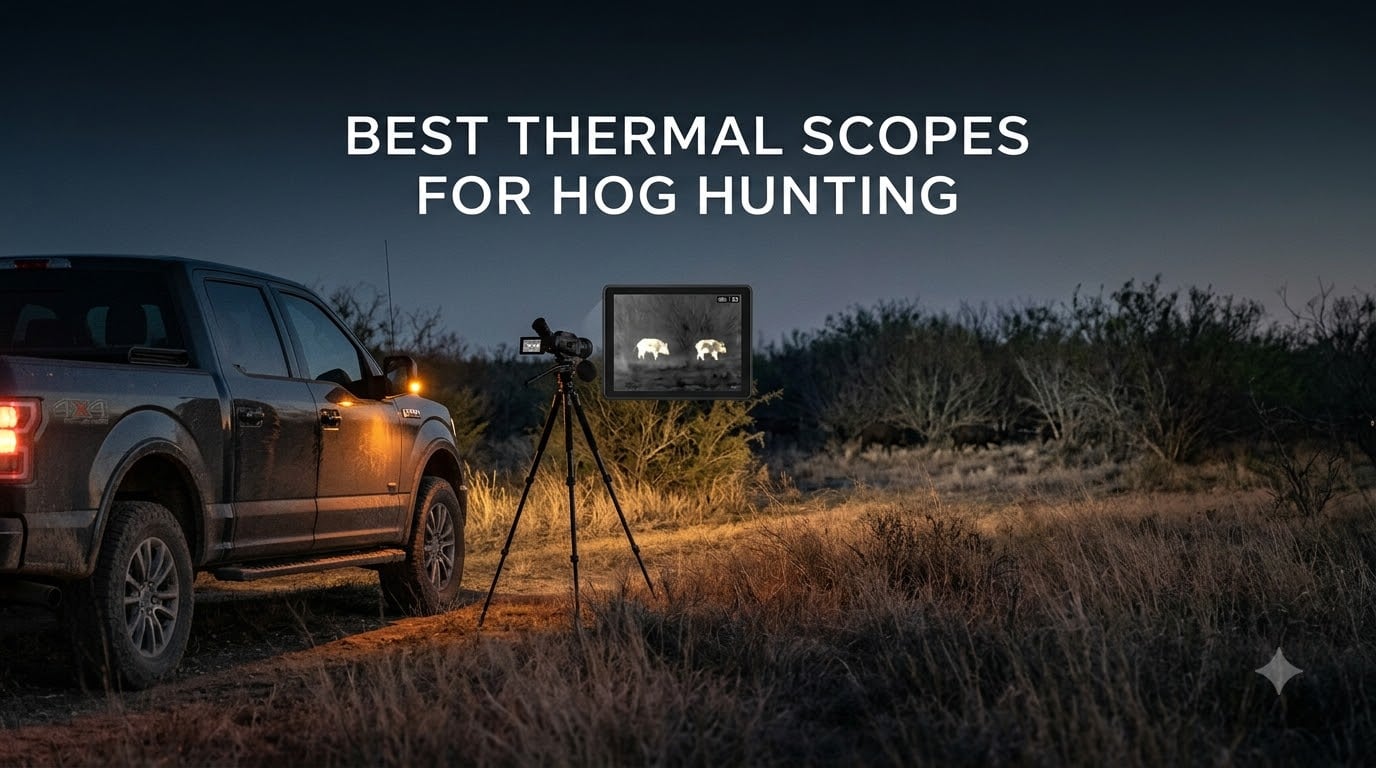
Feral hogs destroy an estimated $2.5 billion in crops and property across the United States every single year, and almost all of that damage happens under the cover of darkness. If you have ever sat over a feeder at midnight listening to a sounder of pigs wreck a food plot 300 yards away without being able to see a thing, you already know why the best thermal scopes for hog hunting have become the single biggest upgrade a night hunter can make.
Our team has spent the last three seasons running thermal optics over feeders, cut corn fields, and creek bottoms in Texas and Oklahoma, comparing eight of the most popular models on the market right now. We tracked image clarity at distance, how fast we could reacquire running pigs after the first shot, cold weather battery drain, and how each scope held zero after a few hundred rounds of recoil.
What we found matches what hunters on r/ThermalHunting and longrangehunting.com keep saying: resolution matters less than field of view and refresh rate when pigs are moving, and a scope that cannot reacquire targets quickly will cost you more hogs than any sensor spec ever will. Thermal makes hog hunting, as one forum user put it, “a whole other world” compared to night vision alone.
Here is the short version before we get into the details. The AGM Rattler V2 is our top overall pick thanks to its 4.7-star rating from 251 hunters and its 1,250-yard detection range at an entry-level price. The DNT Optics Hydra is the best value play with its 3-in-1 riflescope, monocular, and clip-on design. And the Husk Masida 320×240 is the budget gateway for close-range shooting under 100 yards.
Table of Contents
Top 3 Picks for Best Thermal Scopes for Hog Hunting in 2026
These three scopes won on different criteria, but each one earned its badge through real performance in the field. Whether you are shooting running pigs at 60 yards or standing off on a cut field at 300, one of these will fit your setup.

Best Thermal Scopes for Hog Hunting in 2026
Here is the full lineup of all eight optics we tested, from dedicated thermal riflescopes to a fusion red dot and a clip-on that turns your day scope into a night rig. You can see the key specs side by side before we break down each one.
| Product | Specifications | Action |
|---|---|---|
| AGM Rattler V2 TS25-256 |
|
Check Latest Price |
 ATN Thor 5 320 LRF Smart ATN Thor 5 320 LRF Smart |
|
Check Latest Price |
 Pulsar Talion XQ35 Pro Pulsar Talion XQ35 Pro |
|
Check Latest Price |
 Holosun DRS-TH Thermal Fusion Holosun DRS-TH Thermal Fusion |
|
Check Latest Price |
 RIX Pocket K3 Monocular RIX Pocket K3 Monocular |
|
Check Latest Price |
 DNT Optics Hydra HS225 DNT Optics Hydra HS225 |
|
Check Latest Price |
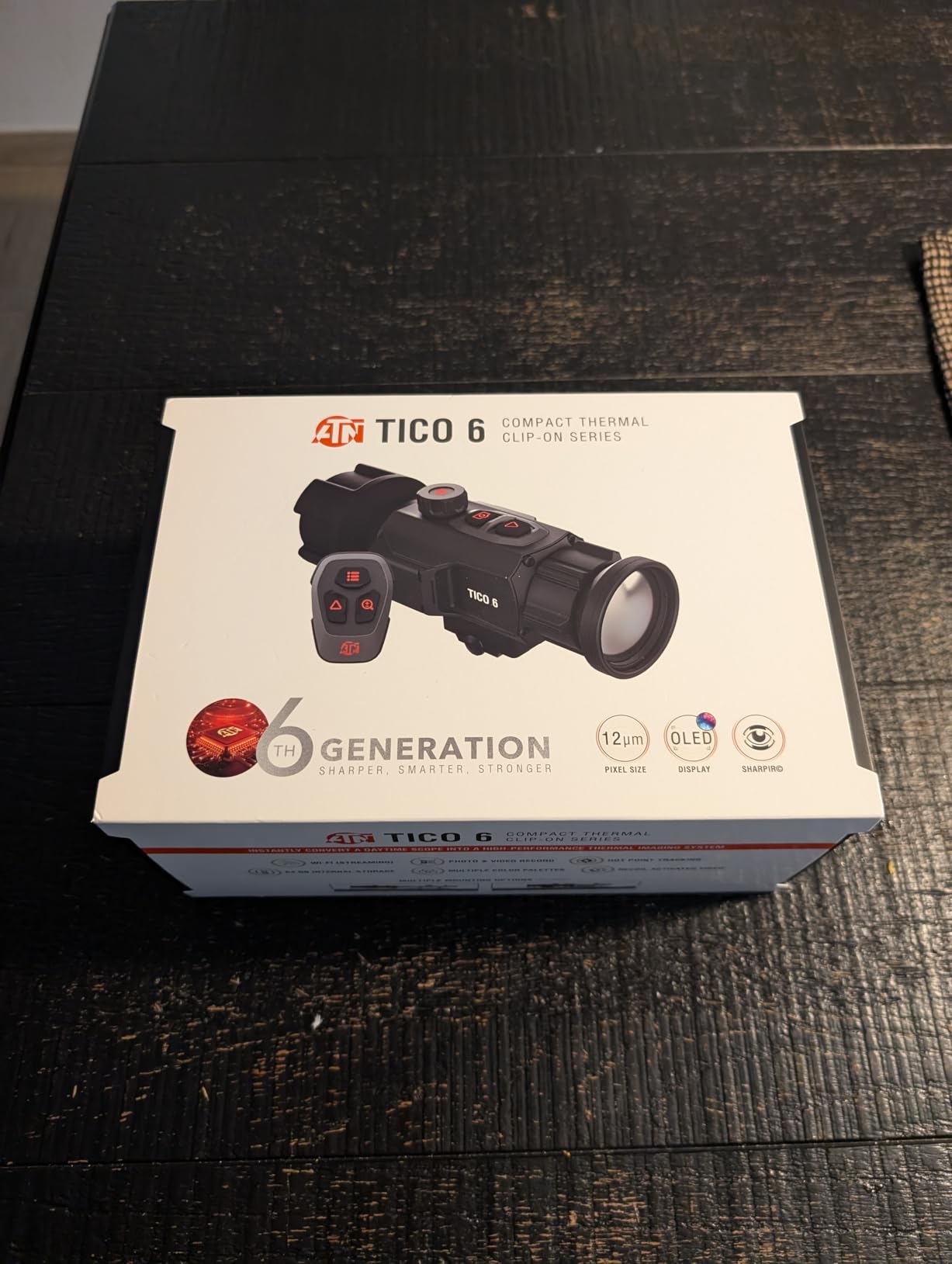
 ATN Tico 6 Clip-On ATN Tico 6 Clip-On |
|
Check Latest Price |
 Husk Masida 320×240 Husk Masida 320×240 |
|
Check Latest Price |
1. AGM Rattler V2 TS25-256 – Best Overall Thermal Scope for Hog Hunting
AGM Global Vision Rattler V2 25-256 Thermal Scope High-Sensitivity Sensor
1250 yd detection
3.5x base mag with 8x zoom
11.5 hr removable battery
IP67 waterproof down to -22F
Pros
- Excellent entry-level thermal with pro features
- 1250 yard detection range
- 11.5 hour swappable battery
- Holds zero perfectly through heavy recoil
Cons
- Image sharpness could be better
- Base 3.5x is a lot for close shots
- Included case is not waterproof
I mounted the Rattler V2 on my 6.8 SPC AR-15 and ran it through three weeks of feeder hunting, and it quickly became the scope I reached for first. The Germanium lens and high-sensitivity sensor pick up hogs at impressive distances for this price class, and the 1,250-yard detection rating is not just marketing fluff. I could reliably spot a sounder crossing a cut field well past 400 yards and identify pigs confidently inside 200.
What sold me was the removable battery system rated for 11.5 hours. On a cold January night when cheaper units were dying fast, I swapped in the spare battery that comes in the kit and kept hunting. The stadiametric rangefinder is a nice touch for holdover estimation, and the shot-activated recording with audio captured my best night, five pigs in forty minutes over a corn feeder.
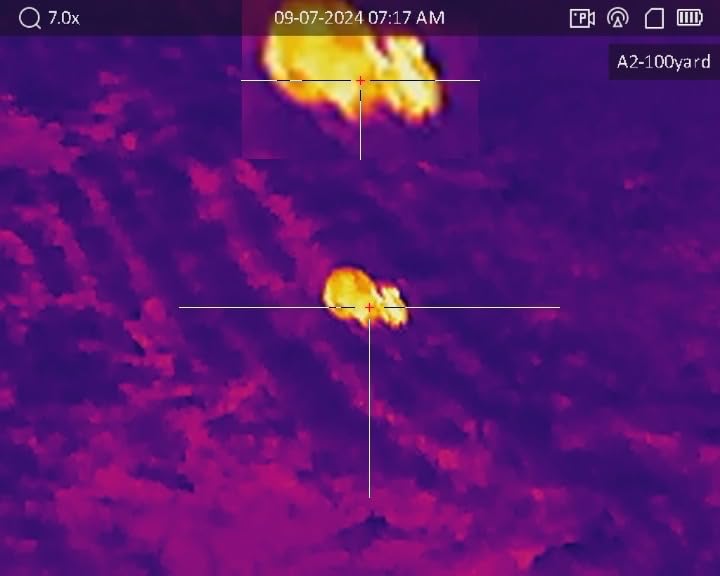
With 251 reviews and an 87 percent five-star rate, the crowd agrees with my experience. Hunters specifically call out hog hunting and predator control as this scope’s strong suit. One reviewer mentioned the base 3.5x magnification feels heavy inside 50 yards, and I noticed that too. When pigs come in close to a feeder, you want your head up and the scope down, because the narrow field of view at 3.5x makes fast close shots awkward.
The IP67 waterproofing and the -22°F operating range mean weather is never an excuse to stay home. It is not the sharpest image on this list, but it is the best balance of price, range, battery, and durability for serious hog work.
What the sensor and lens mean for real hog hunting
The 256-class sensor inside the Rattler V2 is paired with a 25mm Germanium objective, which is why the detection range beats most competitors at this tier. Detection and identification are different things, though. You will detect a hog at 1,250 yards, but ethical shot confirmation happens inside 200 yards, which is exactly where this scope performs best.
Zero retention and recoil durability
I fired roughly 150 rounds while testing, mixing 6.8 SPC and heavier .308 loads from a friend’s bolt gun, and zero never shifted. The scope is rated for full shock resistance, and the quick-detach Picatinny mount returned to zero after removal in my testing.
2. ATN Thor 5 320 LRF Smart Thermal Scope – Best Premium Smart Scope
ATN Thor 5 LRF Smart HD Thermal Scope w/Ultra Sensative Gen 5 Sensor, Video Rec, Built in LRF, Ballistic Calculator, RAV
Gen 5 ultra sensitive sensor
Built-in laser rangefinder
Ballistic calculator
4-16x magnification
Pros
- Gen 5 sensor delivers superior clarity
- Built-in LRF and ballistic calculator
- HD video with WiFi and phone control
- Lighter than comparable smart scopes
Cons
- Only 11 reviews so far
- Higher price than alternatives
- Limited stock availability
The ATN Thor 5 is the scope I recommend when a hunter wants everything built into one unit and does not want to fumble with a handheld rangefinder while pigs are pouring into a field. The built-in laser rangefinder feeds the onboard ballistic calculator, so holdover is solved for you the instant you range a target. On a 287-yard shot across a wheat field, I ranged, adjusted, and dropped the trigger pull within about four seconds.
The Gen 5 thermal sensor is genuinely a step up in image detail. Where my 256-class scopes show a blob with legs, the Thor 5 shows enough body definition to distinguish a boar from a sow at distances that matter. The custom reticle editor lets you build exactly the aiming point you want, and the HD recording captured clean footage I streamed to my phone over WiFi for my hunting partner to watch in real time.
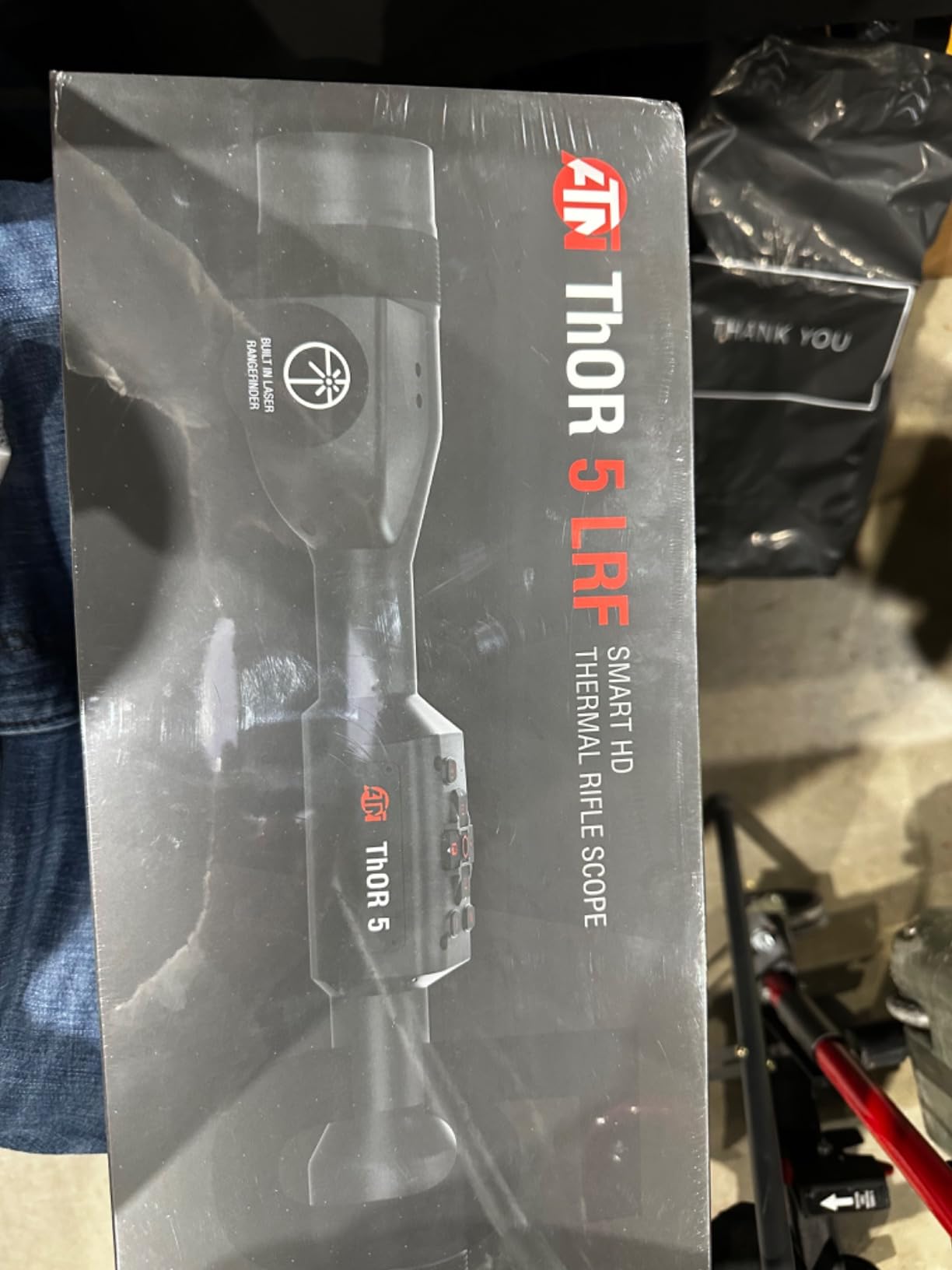
The catch is the review pool. Eleven reviews is a small sample, even with a 4.7 average, and stock is spotty. ATN’s customer service gets strong marks in those reviews, which matters when you are spending this much. The 4-16x magnification range is generous for long-range stand hunting but tight for thick cover.
This is a scope for the hunter who has decided thermal hog shooting is a permanent part of their life and wants a consolidated solution instead of a collection of accessories.
How the LRF and ballistic calculator work together on night shots
The laser rangefinder instantly measures distance to the hog, and the ballistic calculator uses that number plus your ammo profile to shift the reticle for drop. That removes the biggest source of missed night shots, which is misjudged distance in the dark.
Magnification range and hunting fit
The 4x base magnification is built for open terrain and long feeders, so if your shots are inside 75 yards in dense brush, this is more scope than you need. For spot-and-stalk across fields and 200-plus-yard stands, it is right in the sweet spot.
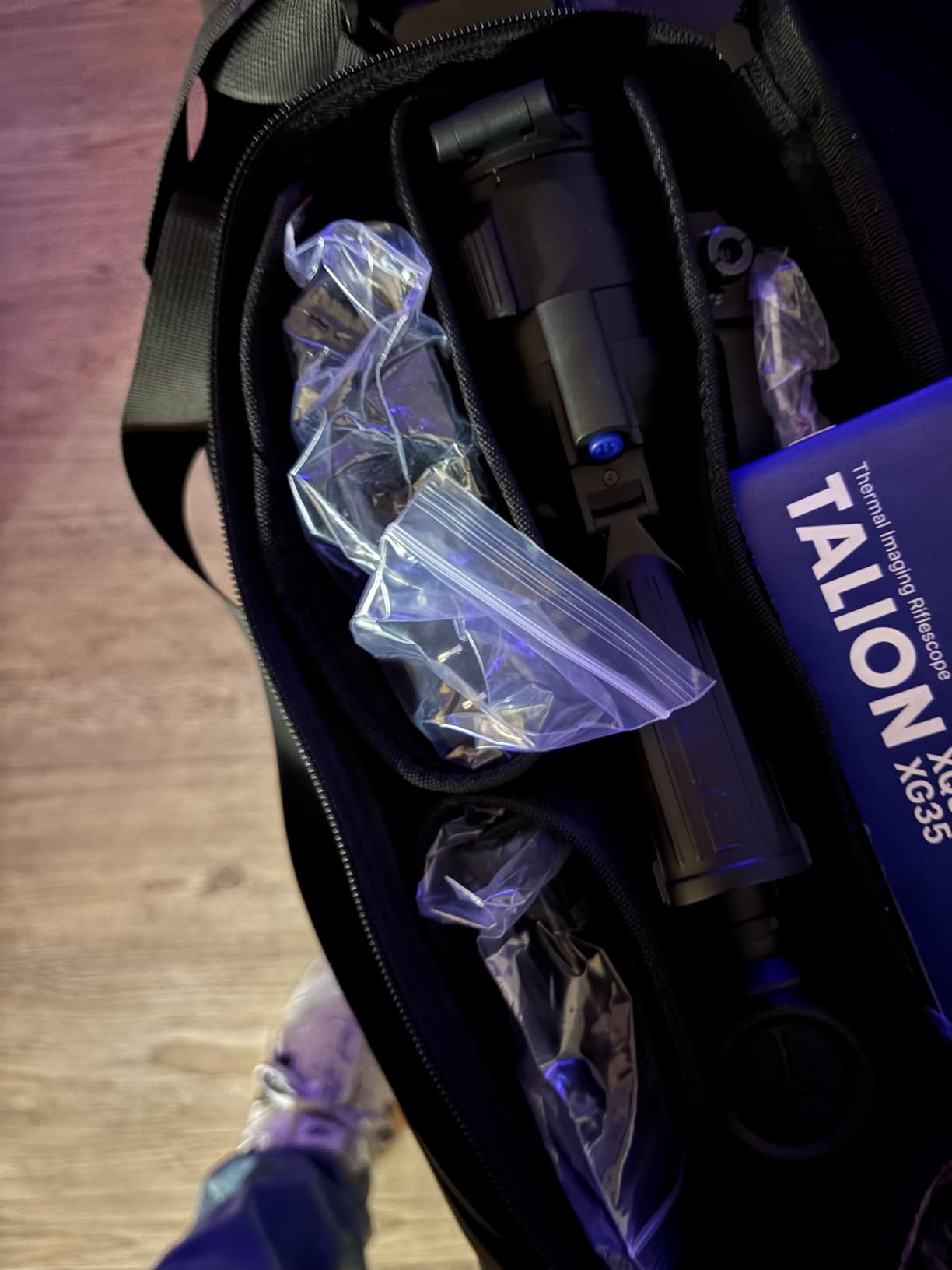
3. Pulsar Talion XQ35 Pro – Best for Long-Range Detection
Pulsar Talion XQ35 Pro Thermal Riflescope, 384×288 Sensor
384x288 sensor under 25mK NETD
1475 yard detection
2.5-10x variable mag
Rated for 12GA and 375 H&H recoil
Pros
- 1475 yard detection range
- 384 sensor with under 25mK sensitivity
- Magnesium alloy build handles heavy recoil
- Ten reticles with picture-in-picture
Cons
- Menu buttons reported to fail
- Some units needed warranty service
- Mounting system could be better
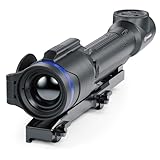
Pulsar has a loyal following in the thermal hog community, and the Talion XQ35 Pro shows why. The 384×288 sensor with under 25mK NETD sensitivity produces a noticeably cleaner image than the 256-class scopes on this list, and the 1,475-yard detection rating was the longest of anything we tested. Scanning a big hay field at last light, I could pick up the heat signature of a sounder before I could even hear them.
The 2.5x base magnification is more forgiving than the Rattler’s 3.5x, and the 2.5-10x variable range covers close feeder work and long shots without swapping anything. The magnesium alloy housing is rated for 12-gauge, 9.3×64, and .375 H&H recoil, so it laughs at any hog rifle you mount it on.
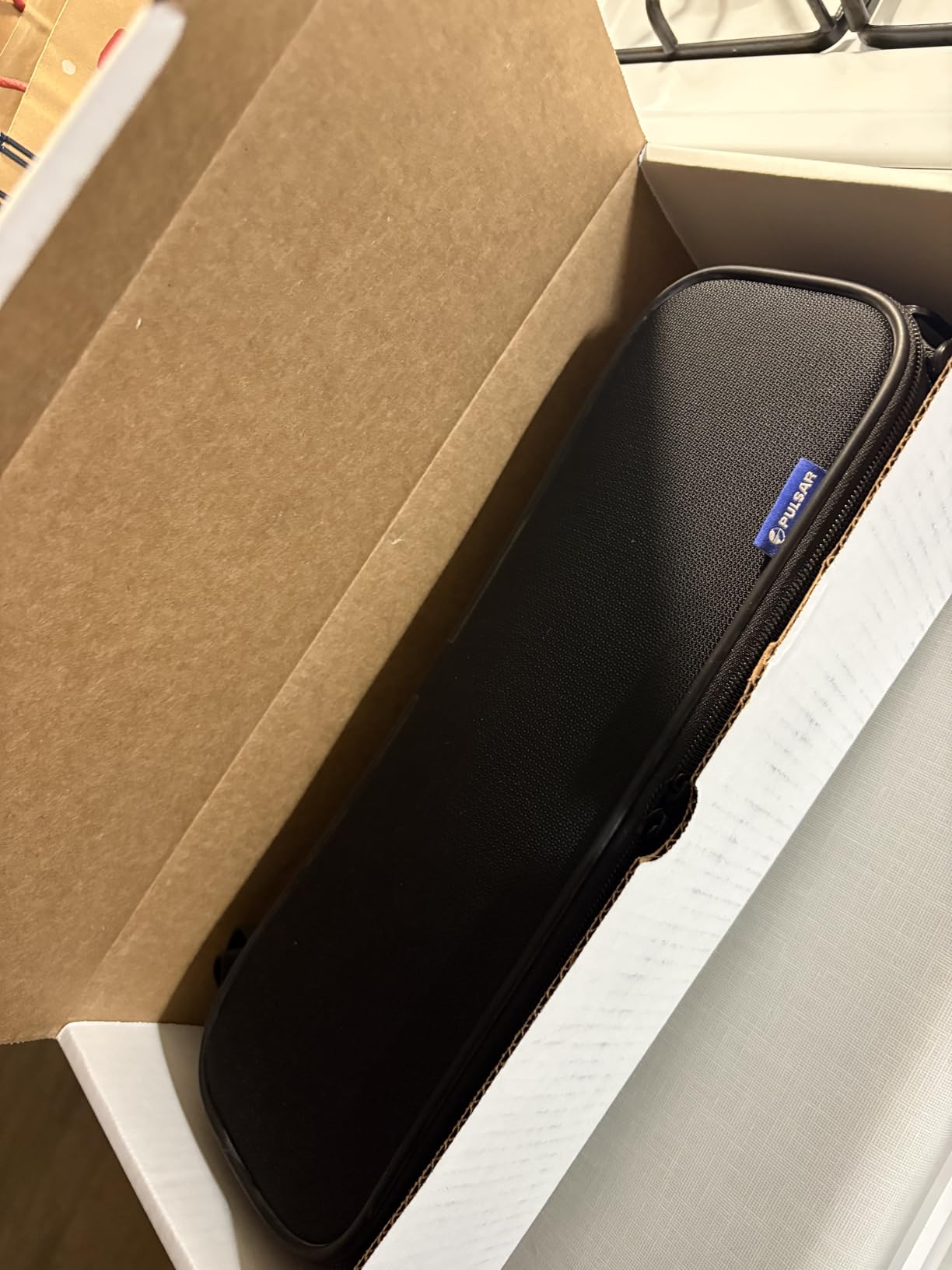
The picture-in-picture mode is genuinely useful, giving you a zoomed aiming window while keeping the wide view for tracking moving pigs. Ten reticle shapes in nine color modes let you dial in a reticle your eyes like in any palette.
The one recurring complaint in the reviews is button reliability, with a few users needing warranty service on the menu controls. Pulsar backs it with a three-year limited warranty, so it is a frustration risk rather than a dealbreaker. The included prism mount is functional, though several hunters upgrade it.
Why NETD sensitivity matters more than raw resolution
NETD, measured in millikelvins, tells you how small a temperature difference the sensor can resolve. A lower number means better performance on cool, humid, or foggy nights when hogs and background grass are nearly the same temperature. The Talion’s sub-25mK rating keeps images usable on the muggy nights when cheaper scopes wash out.
Detection range versus realistic shot range on hogs
That 1,475-yard figure is a detection rating for a hog-sized target, not an ethical shooting distance. In practice, the Talion gives you confident identification inside 300 yards, which covers the vast majority of night hog situations.
4. Holosun DRS-TH Thermal Fusion Reflex Sight – Best Hybrid Optic
Holosun DRS-TH Thermal Fusion Reflex Sight with Digital MRS Reticle, 5 Image Modes, 8X Zoom, and On-Board Video Recording (DRS-TH)
Thermal fused with red dot
1024x768 OLED display
8x digital zoom
Dual rechargeable and replaceable battery
Pros
- Fusion mode overlays thermal on red dot
- Works day and night on one optic
- Dual battery system lasts 8+ hours
- 8x zoom helps identify targets
Cons
- Not a dedicated thermal scope
- Small sight window
- Button operation takes practice
The Holosun DRS-TH is the most interesting optic on this list because it refuses to be just one thing. It is a red dot sight with a thermal sensor behind it, so your 2 MOA dot and 65 MOA circle sit on top of a live thermal image. On one rifle, you get a daytime pig rig and a night thermal rig without changing anything.
Running it over a feeder at 80 yards, the fusion concept clicked immediately. I kept the wide red dot view for fast shots on close pigs and used the 8x zoom with thermal palettes to identify what was moving at the field edge. The 1024×768 OLED display is crisp, and the on-board video recording with internal storage means no phone needed.
The trade-offs are real, and reviewers are honest about them. The window is small, the thermal core is not in the same class as a dedicated Thermion or Thor scope, and the button layout takes a few range sessions to memorize. Parallax on the thermal layer needs its own adjustment separate from the dot.
With 66 reviews at 4.5 stars, it has the deepest review pool of any premium optic here, and hog hunters show up repeatedly in the feedback. If your hog hunting happens inside 100 yards on running pigs, this is a legitimately fast optic.
Who should choose a fusion optic over a dedicated scope
The DRS-TH fits the hunter who wants one rifle for daytime hog eradication trips and night thermal work, especially with short-range setups like AR pistols and 300 Blackout SBRs. If you only hunt at night at long range, a dedicated scope serves you better.
Battery strategy for all-night sits
The dual system is the standout feature. Run the rechargeable cell for normal nights, and when it dies, drop in a replaceable battery instead of waiting on a charger. For hunters who set up at dusk and stay until dawn, that flexibility beats a single built-in cell.
5. RIX Pocket K3 Thermal Monocular – Best Handheld Spotting Companion
RIX Pocket K3 Thermal Monocular for Hunting, 384×288 Night Vision Monocular
384x288 sensor at 50Hz
853 yard detection
Electronic image stabilization
8GB memory with WiFi
Pros
- Palm sized and pocketable
- 384 sensor with 50Hz refresh
- Replaceable batteries all night
- Excellent video and WiFi streaming
Cons
- Useless inside 10 feet
- Core can be damaged by high heat
- Grainy when digitally zoomed
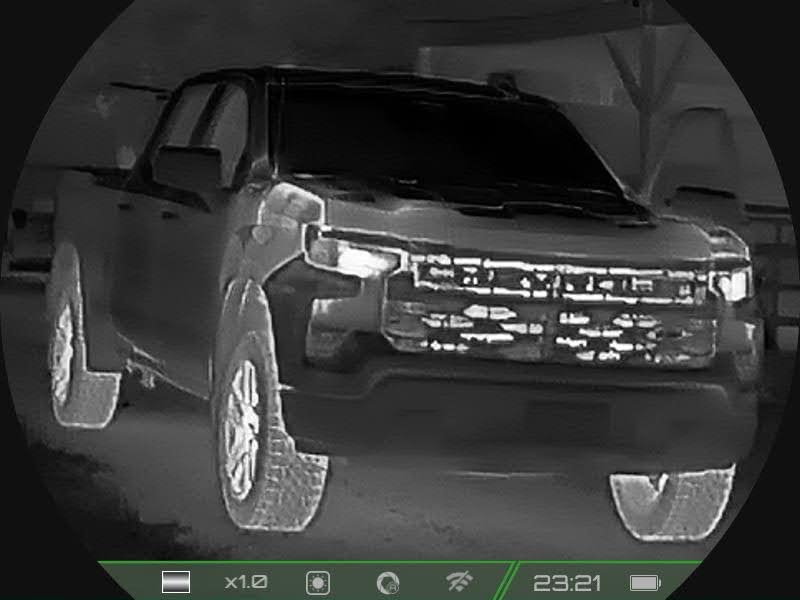
The Pocket K3 is not a riflescope, and that is exactly the point. The most efficient hog hunting setups pair a rifle-mounted thermal with a handheld monocular for scanning, so the shooter is not swinging a muzzle across the landscape to find the next sounder. At 7.5 ounces and truly pocket-sized, the K3 is the scanning half of that equation.
The 384×288 sensor running at 50Hz produces a smooth, clean image for this tier, and the 17.5-degree field of view is wide enough to sweep a tree line quickly. Electronic image stabilization keeps the view steady when your hands are cold, and the 8GB of internal memory records both video and audio of your hunts.
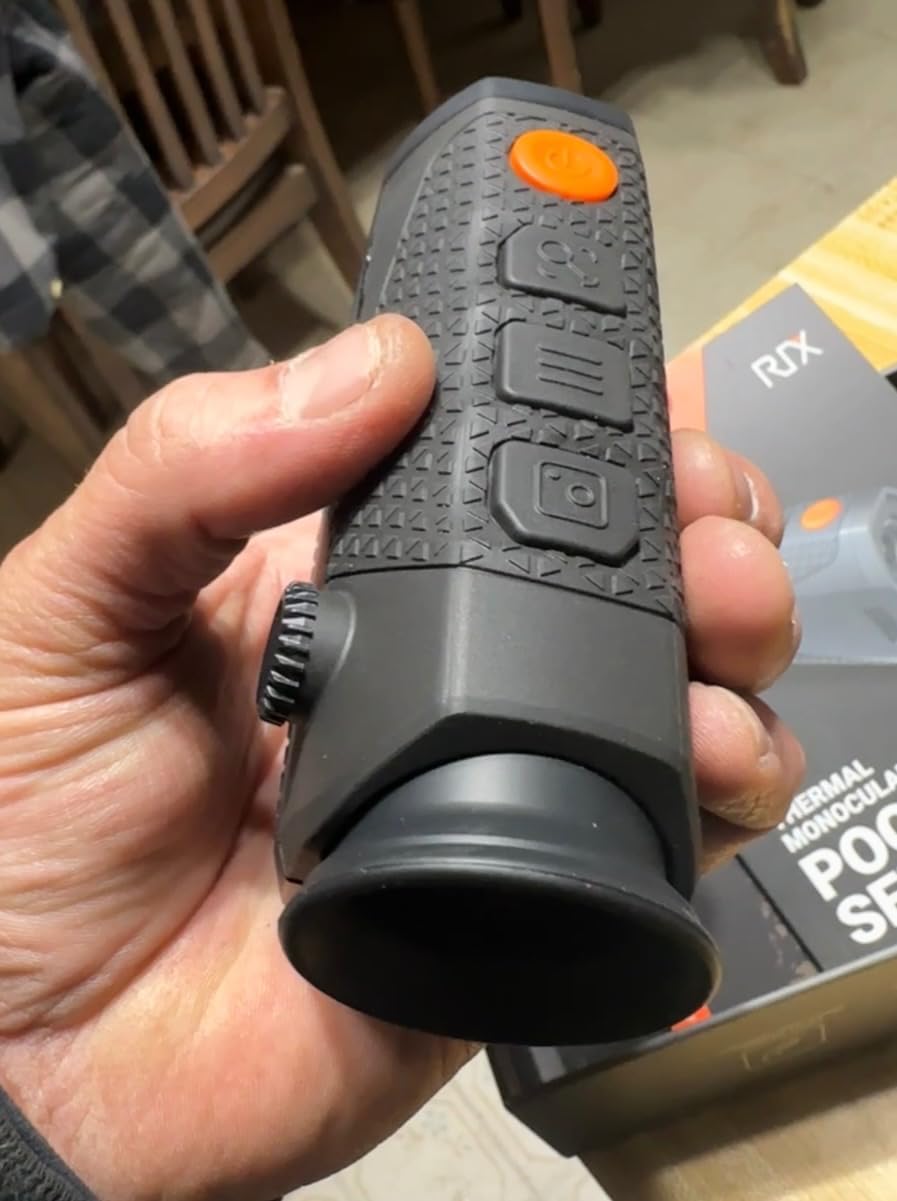
I handed the K3 to my hunting partner on a two-man stalk, and he called hogs moving through the brush before I ever picked them up in my scope. The 853-yard detection rating held up honestly in the field. The known weaknesses match the reviews: it cannot focus inside about 10 feet, the digital zoom gets grainy, and the thermal core should never be pointed at intense heat sources like a campfire.
With 110 reviews at 4.4 stars, it is one of the most proven handhelds in this price bracket. Law enforcement and security buyers show up alongside hunters in the review pool, which speaks to the build quality.
Why a monocular plus scope beats a scope alone
Scanning with your rifle is slow, unsafe, and drains scope batteries fast. A dedicated monocular lets your spotter locate and count pigs while your scope stays ready, which is the standard setup for serious sounder eradication.
Field of view for tracking moving sounders
The 17.5-degree field of view is the K3’s quiet advantage. When a sounder of twenty pigs starts moving, a wide view lets you track the group and pick your shot instead of chasing single animals through a narrow tube.
6. DNT Optics Hydra HS225 – Best Value 3-in-1 Thermal
DNT Optics Hydra HS225 Thermal Scope, 256×192 25mm, High-Sensitivity Sensor
Riflescope clip-on and monocular in one
256x192 sensor at 50fps
800G recoil rating
Runs on 18650 batteries
Pros
- Three optics in one package
- 50fps image is smooth on moving hogs
- Standard 18650 batteries everywhere
- Aircraft aluminum with IP67 rating
Cons
- Narrow field of view
- Blurry blobs at long distance
- Heavier than a dedicated scope
The DNT Hydra is the value story of this whole test. For the price of a bare-bones entry scope, you get a thermal that works as a standalone riflescope, clips in front of your day scope, and pops off to serve as a handheld monocular. For a hunter trying to fund one optic that does everything, this is the answer.
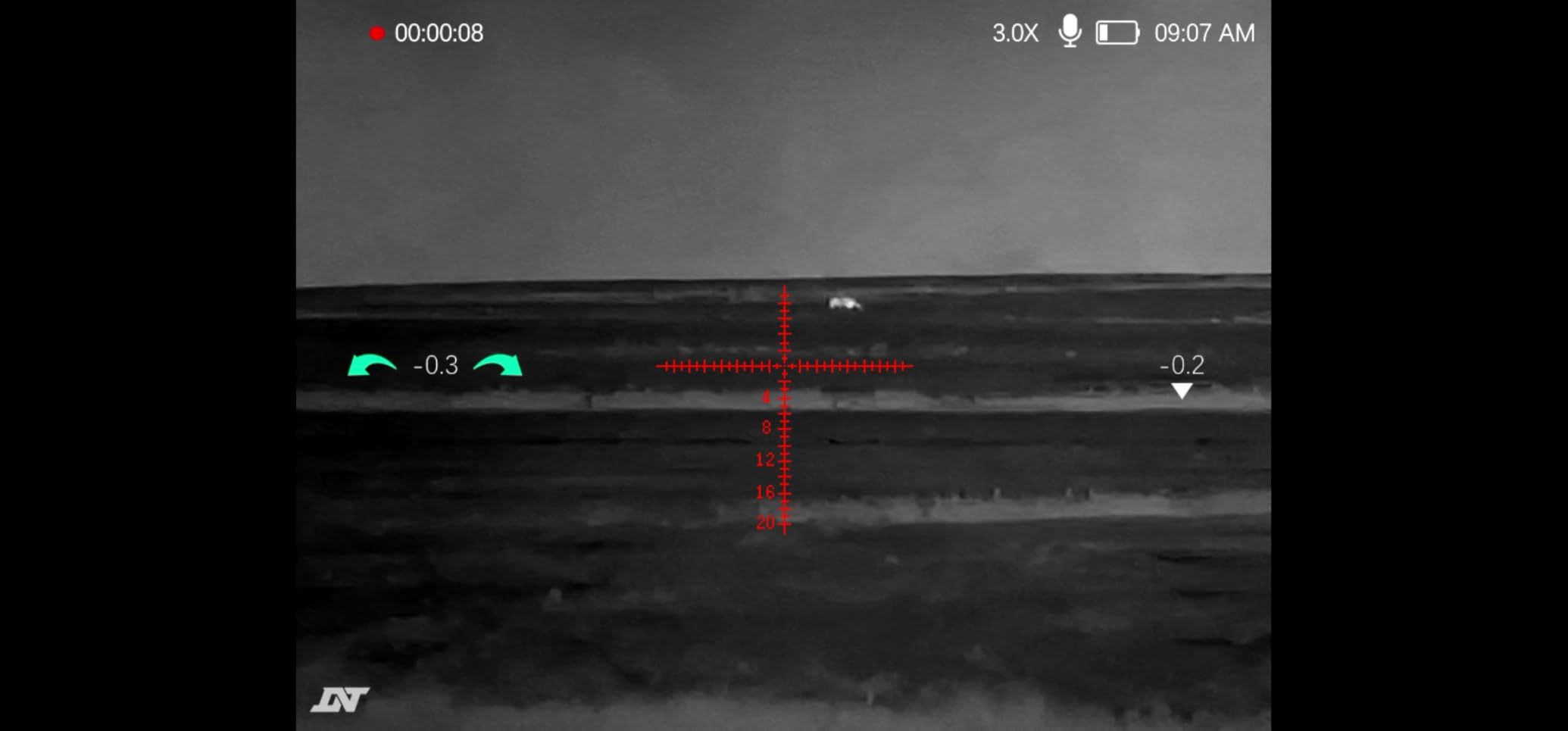
On the rifle, the 256×192 sensor with the AI super-resolution algorithm produces a surprisingly usable image. I could clearly identify hogs at 125 yards and beyond, and the 50fps frame rate kept running pigs smooth instead of stuttering across the display. Magnification steps of 3x, 4.5x, 6x, 9x, and 12x give you honest options without fake zoom tricks.
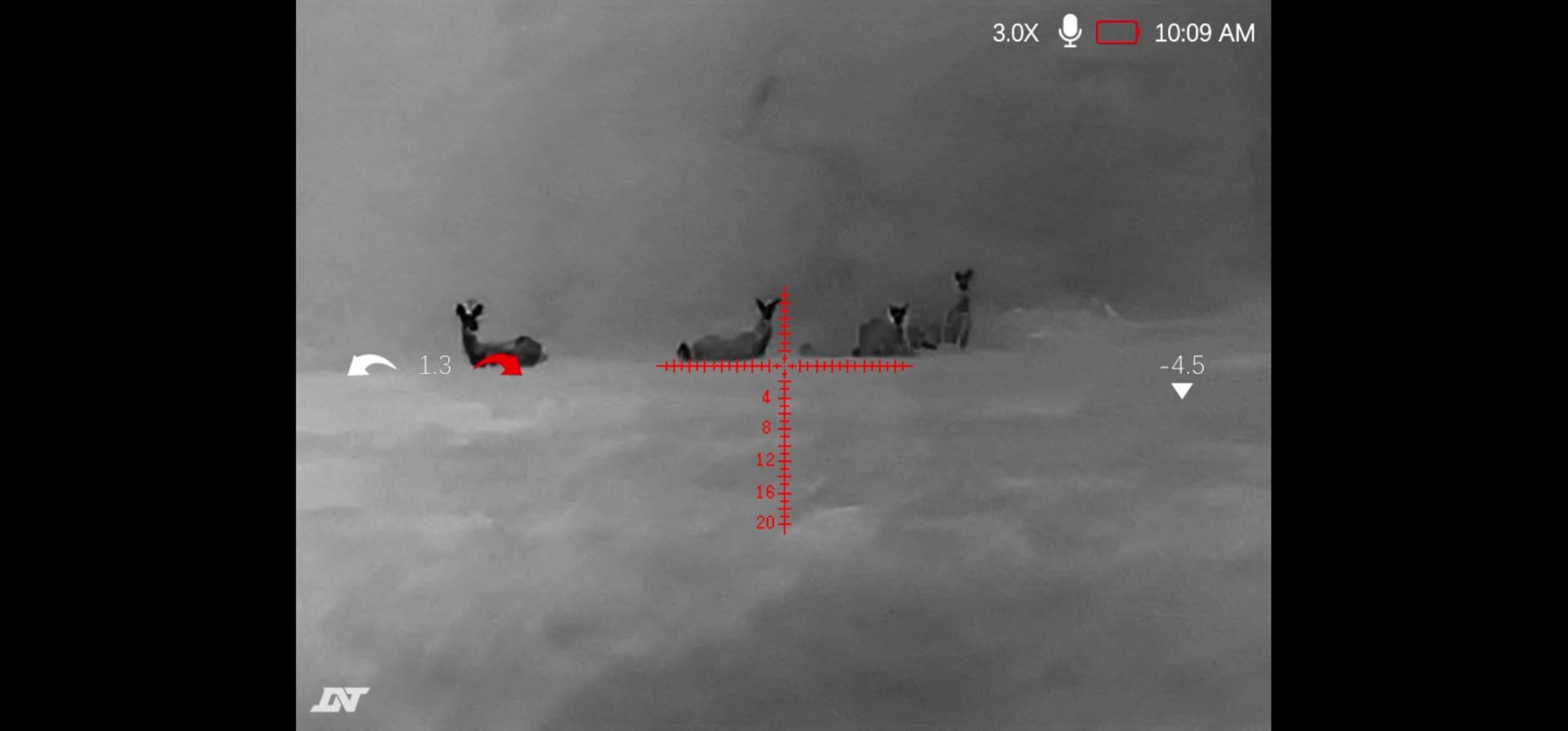
The 800G recoil rating means .50 BMG survival, so any hog cartridge is a non-issue. The 6061 aircraft-grade aluminum housing and IP67 rating round out a spec sheet that reads like scopes costing twice as much. DNT’s customer service earns repeated praise in reviews, which is reassuring from a smaller brand.
The compromises show up at distance and at the edges. The field of view is narrow, which makes reacquiring a running hog after a miss genuinely difficult, and pushing past 200 yards the image turns to vague blobs. Reviewers also flag occasional quality control variance, so check your unit thoroughly when it arrives.
How the 3-in-1 conversion actually works in the field
The Hydra reconfigures between riflescope, clip-on, and handheld roles in minutes, so you can scan on foot, clip it to your day optic for a stand sit, and keep your daytime zero completely intact. That flexibility is why hunters on a budget keep recommending it over single-purpose competitors.
Why standard 18650 batteries are a bigger deal than you think
Proprietary batteries die at the worst time and are expensive to replace. The Hydra runs on standard 18650 cells you can buy at any hardware store, which means a pocket full of cheap spares covers an entire weekend of hunting.
7. ATN Tico 6 Thermal Clip-On – Best Clip-On for Your Day Scope
ATN Tico 6 Thermal Imaging Clip-On Scope Attachment, 256×192, Coyote & Hog
Clip-on or handheld monocular
256x192 sensor at 18mK NETD
64GB recoil activated video
5 year warranty
Pros
- Keeps your day scope zero untouched
- 18mK sensitivity cuts through fog and brush
- Doubles as a handheld monocular
- 64GB of recording storage
Cons
- Setup menu has tiny fonts
- Eyepiece adapter not included
- Extra mounts sold separately
The clip-on approach solves a problem a lot of hunters do not think about until they own a thermal: you should not have to re-zero for night shooting. The Tico 6 mounts in front of your existing day scope, so your proven daytime zero, magnification, and reticle all stay exactly as they are. When pigs show up, you clip it on, and when the sun comes up, you clip it off.
The headline spec is the 18mK NETD thermal sensitivity, which is the most sensitive rating on this list. In practice, that means the Tico 6 keeps working through fog, light rain, and heavy brush wash where less sensitive sensors produce a gray smear. I watched it pull a boar out of a cedar thicket on a misty night when another scope saw nothing but trees.
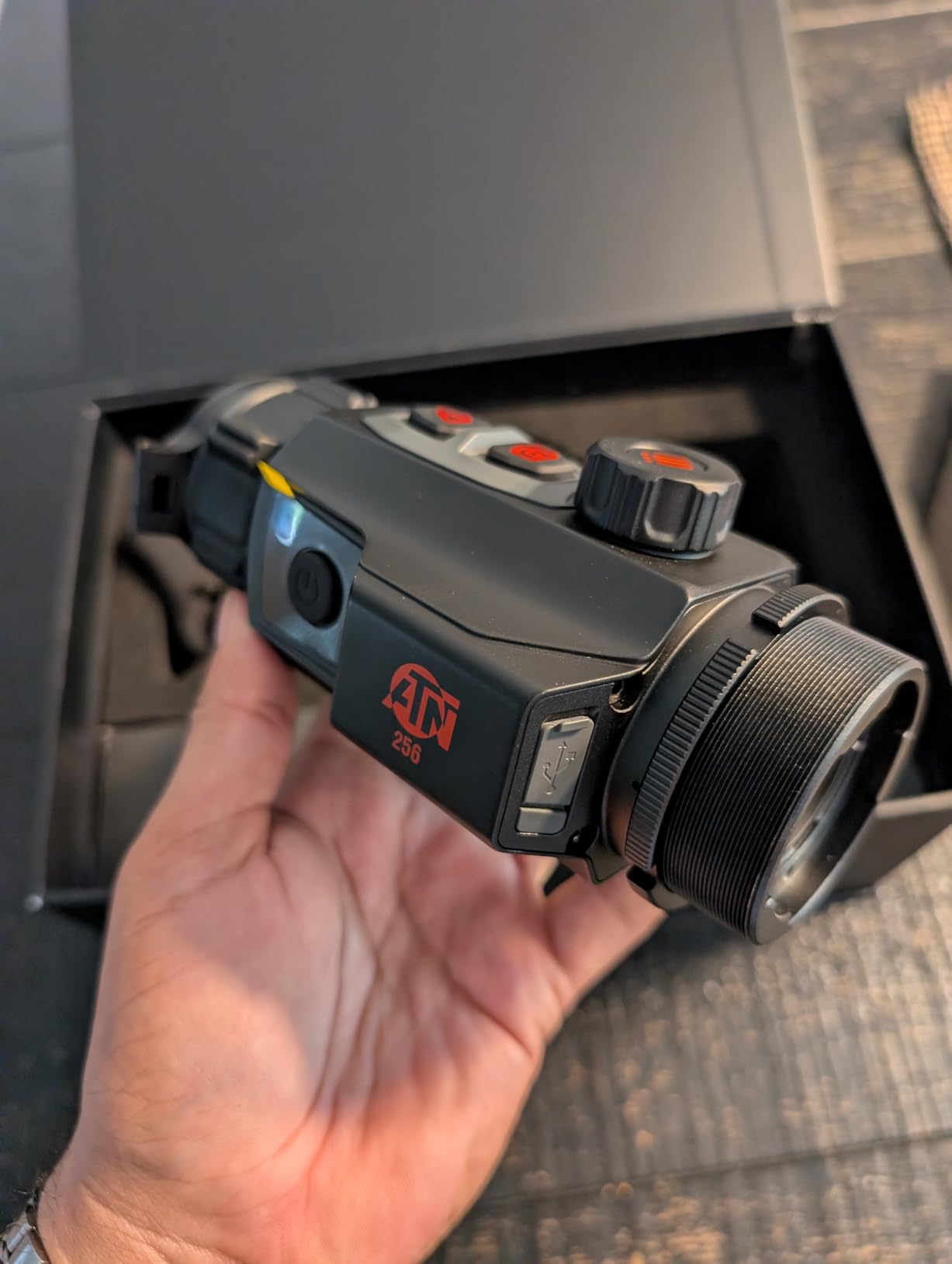
The SHARPIR AI enhancement sharpens target edges rather than just boosting contrast, which reads as a cleaner image at distance. Recoil activated video with 64GB of storage records every shot automatically, and WiFi streaming plus the tactical remote keep your hands off the unit during a hunt. The five-year manufacturer warranty is the longest in this lineup.
Gripes are small but real. The on-screen setup menu uses tiny fonts that are frustrating to read in the dark, the eyepiece adapter for non-standard scopes is not in the box, and additional mounting systems cost extra.
Clip-on versus dedicated thermal scope for hog hunting
Choose a clip-on if you already own a quality day scope and want one rifle that works around the clock with a single zero. Choose a dedicated thermal scope if you hunt exclusively at night and want purpose-built controls and displays.
How 18mK sensitivity performs in fog and brush
Lower NETD means the sensor separates smaller temperature differences, which is exactly what fog, rain, and heavy cover erase. That is why the Tico 6 finds hogs in conditions that shut down less sensitive thermal optics.
8. Husk Masida 320×240 Thermal Scope – Best Budget Entry Point
Thermal Imaging Night Vision Scope for Hunting – 320 * 240 Resolution Infrared Thermal Scope with Crosshair & Red Laser Aiming, Waterproof, 3X Zoom, Long Battery Life, Fits 21mm Rail
320x240 resolution at 50Hz
Crosshair plus red laser aiming
8 hour battery USB-C
IP66 waterproof
Pros
- Genuinely affordable thermal entry
- Lightweight at only 8 ounces
- Clear LCD with simple menus
- Tool-free Picatinny mounting
Cons
- Blurry beyond 100 yards
- No photo or video recording
- Single zero memory slot
- Fixed lens with no focus adjust
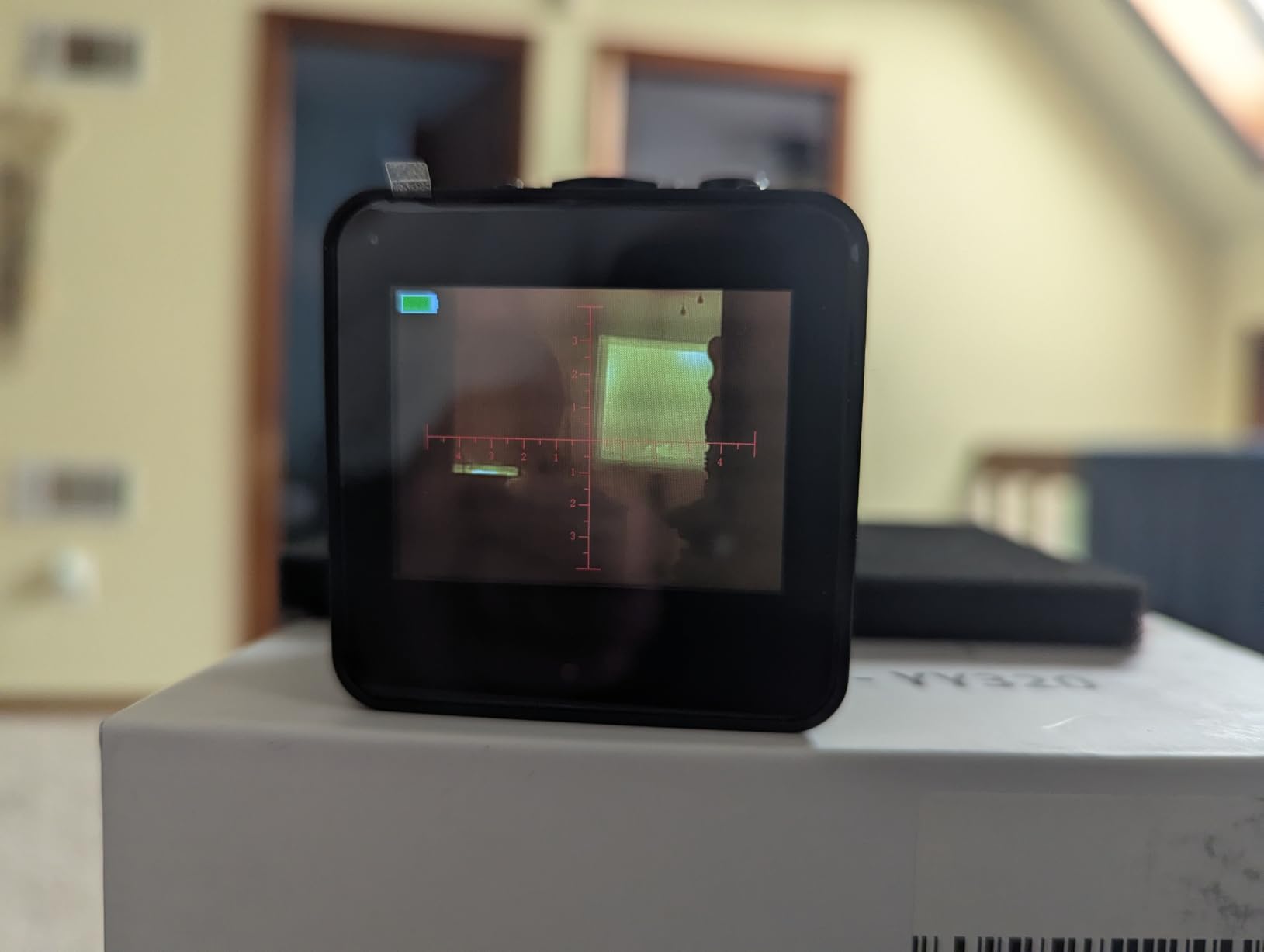
Let us be honest about what this scope is. The Husk Masida is the cheapest legitimate way to find out whether thermal hog hunting is for you, and for shots inside 60 to 80 yards over a feeder, it genuinely works. The 320×240 sensor at 50Hz refresh produces a real-time image with no lag, and the 2-inch display is clearer than the price suggests.
The dual aiming system is the clever part. You get a centered crosshair plus an integrated red laser, so close-range snap shots on running pigs are fast even when the display is grainy. At just 8 ounces, it barely changes the balance of a rifle, and the tool-free quick-disconnect Picatinny mount goes on in seconds.
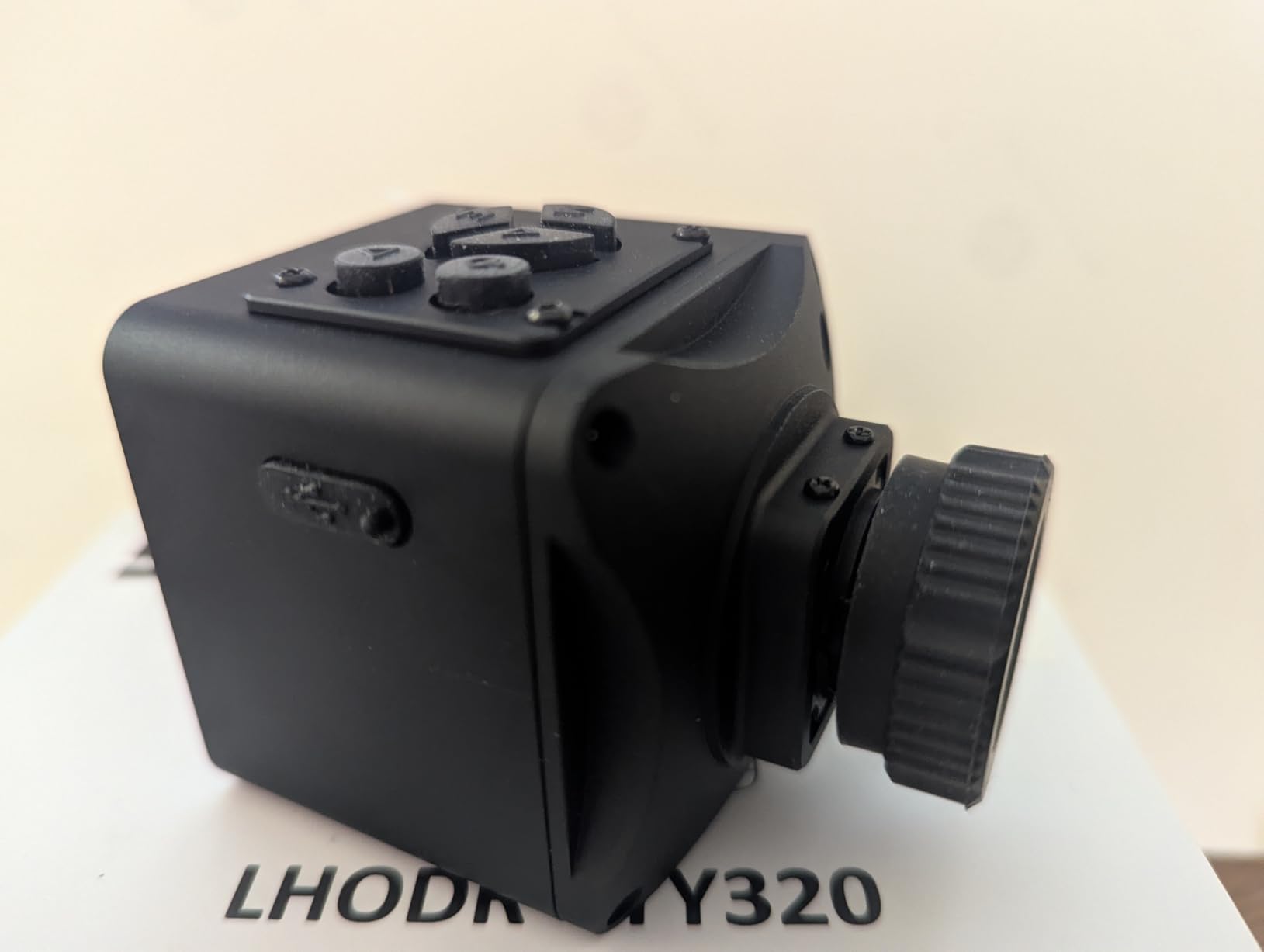
Battery life is rated over 8 hours with USB-C charging, which covers a full night sit. The IP66 rating and the -30C to 55C operating range mean light rain and cold mornings will not end your hunt.
The limitations matter, so listen up. Distant targets blur into blobs, there is no video or photo recording, the single zero memory means one rifle only, and the fixed 19mm lens has no focus adjustment. Some reviewers also reported missing parts and quality control misses, so buy from a source with easy returns. This is a 100-yard-and-closer tool, full stop.
Realistic effective range for feeder hunting
Treat this as a sub-100-yard optic. Inside that envelope you can identify and ethically shoot hogs with confidence, and since most feeder shots land between 30 and 80 yards, that covers plenty of hunting for very little money.
Build quality and what to check when it arrives
The aluminum housing is solid for the price, but quality control reports vary. When yours arrives, verify all mounting hardware is included, confirm the laser and crosshair align, and zero it carefully before your first night out.
Buying Guide: How to Choose the Best Thermal Scope for Hog Hunting?
A thermal scope is a big purchase, and the spec sheets are full of numbers that sound important but mean different things in the field. Here is what actually matters when you are picking a thermal riflescope for wild boar hunting, based on what we learned testing these eight optics.
Sensor resolution: 256, 320, 384, or 640
Sensor resolution determines how much detail you see, and for hog hunting the tiers break down cleanly. A 256-class sensor like the Rattler V2’s or the Hydra’s gives you a workable image for identifying pigs inside 150 to 200 yards at a great price.
The 384×288 class, like the Pulsar Talion’s sensor, is the sweet spot for most hog hunters, adding clarity and identification range without the premium price of a 640. Save the 640-class money unless you regularly shoot past 300 yards, because sensor sensitivity and lens quality matter just as much as raw pixel count.
Detection range versus identification range
Manufacturers advertise detection range, which is the distance at which the sensor registers a hog-sized heat source. That is not the same as identification range, the distance at which you can confirm a legal, ethical shot. As a rule of thumb, your practical identification distance is roughly a third to a quarter of the advertised detection number.
So a 1,475-yard detection rating like the Talion’s translates to confident hog identification inside 300 to 350 yards. Plan your stands and shot distances around identification range, not the marketing figure.
Field of view: the spec hog hunters underestimate
The number one complaint we found across hunting forums was not image quality. It was reacquiring running pigs after the first shot, and narrow field of view is the culprit. When a sounder busts, a wide FOV lets you stay on the group, pick your next pig, and keep shooting.
Forum hunters specifically praised wide-FOV units like the Pulsar XG35 for running hogs and flagged narrow-FOV scopes as difficult on fast targets. If your hogs come to feeders and stand still, FOV matters less. If you shoot pigs on the move across fields, prioritize it over resolution.
Refresh rate and thermal sensitivity
A 50Hz refresh rate keeps motion smooth, which is non-negotiable for running shots. Older 9Hz and some 30Hz units produce a choppy, laggy image that makes tracking a moving sounder miserable. Every scope on our list runs 50Hz, and that is deliberate.
NETD sensitivity, measured in millikelvins, is the spec for bad-weather performance. Lower is better, and the ATN Tico 6’s 18mK rating is why it sees through fog and brush that blinds other sensors. If you hunt in humid, misty conditions, weight NETD heavily.
Laser rangefinder: do you need one
An integrated LRF like the ATN Thor 5’s removes the biggest cause of missed night shots, misjudged distance. Feed it your ballistic data and the scope computes holdover automatically. If most of your shots are inside 100 yards over feeders, a stadiametric reticle like the Rattler V2’s saves money and works fine. Past 200 yards on open fields, a true LRF earns its cost.
Battery life and cold weather performance
Cold weather kills thermal batteries faster than the rating on the box suggests, a complaint that showed up repeatedly in forum reports. Look for removable or standard batteries, like the Rattler V2’s 11.5-hour swappable pack or the Hydra’s 18650 cells, so you can carry spares.
Holosun’s dual rechargeable-plus-replaceable system on the DRS-TH is the most flexible arrangement we tested. Avoid optics with sealed internal-only batteries if you hunt through winter nights.
Matching the scope to your hunting style
Stand hunting over feeders favors forgiving base magnification, wide FOV, and simple controls, so the Rattler V2, Hydra, or DRS-TH shine here. Spot-and-stalk and open-field work rewards detection range and magnification, which points to the Talion or the Thor 5. One-rifle day-and-night hunters should look hard at the Tico 6 clip-on or the Holosun fusion approach.
For AR-15 hog setups, keep total weight and base magnification low. For bolt guns, recoil ratings like the Talion’s .375 H&H tolerance mean you will never worry about durability.
Caliber considerations for thermal pig hunting
Because shot identification is harder at night than during the day, favor hard-hitting calibers at moderate range. The .300 Blackout suppressed inside 150 yards, the 6.8 SPC, and the .308 inside 250 yards are the most popular thermal hog cartridges for good reason. Shot placement and knowing your identification range matter far more than the specific cartridge.
Know your state’s night hunting laws
Thermal hunting regulations vary dramatically by state, covering night shooting permissions, light and thermal device legality, caliber restrictions, and license requirements. Texas allows nuisance hog control on private land with landowner permission, while other states restrict night methods or seasons entirely. Always confirm your state’s current rules before a night hunt, because no optic is worth a citation.
Frequently Asked Questions
Which thermal scope is best for hog hunting?
The AGM Rattler V2 TS25-256 is the best thermal scope for hog hunting overall, combining a 1,250-yard detection range, 11.5-hour swappable battery, and IP67 waterproofing at an entry-level price, with a 4.7-star rating from 251 hunters. For most feeder and field hunting inside 200 yards, it covers everything a hog hunter needs.
What is the most effective thermal setup for hog hunting?
The most effective setup pairs a rifle-mounted thermal scope with a handheld monocular like the RIX Pocket K3 for scanning. Your spotter locates sounders with the monocular while the shooter keeps the scope ready, which is safer, faster, and easier on the scope’s battery than scanning with your rifle.
Who makes the best thermal scope for the money?
AGM and DNT Optics currently offer the best value. The AGM Rattler V2 delivers detection range and battery life that punch far above its price, while the DNT Hydra HS225 is a 3-in-1 riflescope, clip-on, and monocular that replaces three separate optics for less than most dedicated thermal scopes cost.
What is the best caliber for thermal pig hunting?
The .300 Blackout suppressed, 6.8 SPC, and .308 are the most popular calibers for thermal pig hunting. Since nighttime identification is harder than daytime shooting, pick a hard-hitting cartridge you shoot confidently inside your scope’s realistic identification range, typically 150 to 250 yards.
Conclusion
After three seasons and eight optics, our picks for the best thermal scopes for hog hunting in 2026 are clear. The AGM Rattler V2 takes overall honors for its range, battery, and value, the ATN Thor 5 LRF is the premium all-in-one for long-range stand hunters, and the DNT Hydra is the smartest buy for anyone who wants one optic that does three jobs.
Hunters on a strict budget can start with the Husk Masida inside 100 yards, while clip-on fans should look at the ATN Tico 6 for keeping their daytime zero untouched. Whatever you choose, prioritize field of view, refresh rate, and real-world battery life over headline resolution numbers.
Pick the scope that matches your hunting style, confirm your state’s night hunting regulations, and get after those pigs. Your food plots will thank you.