
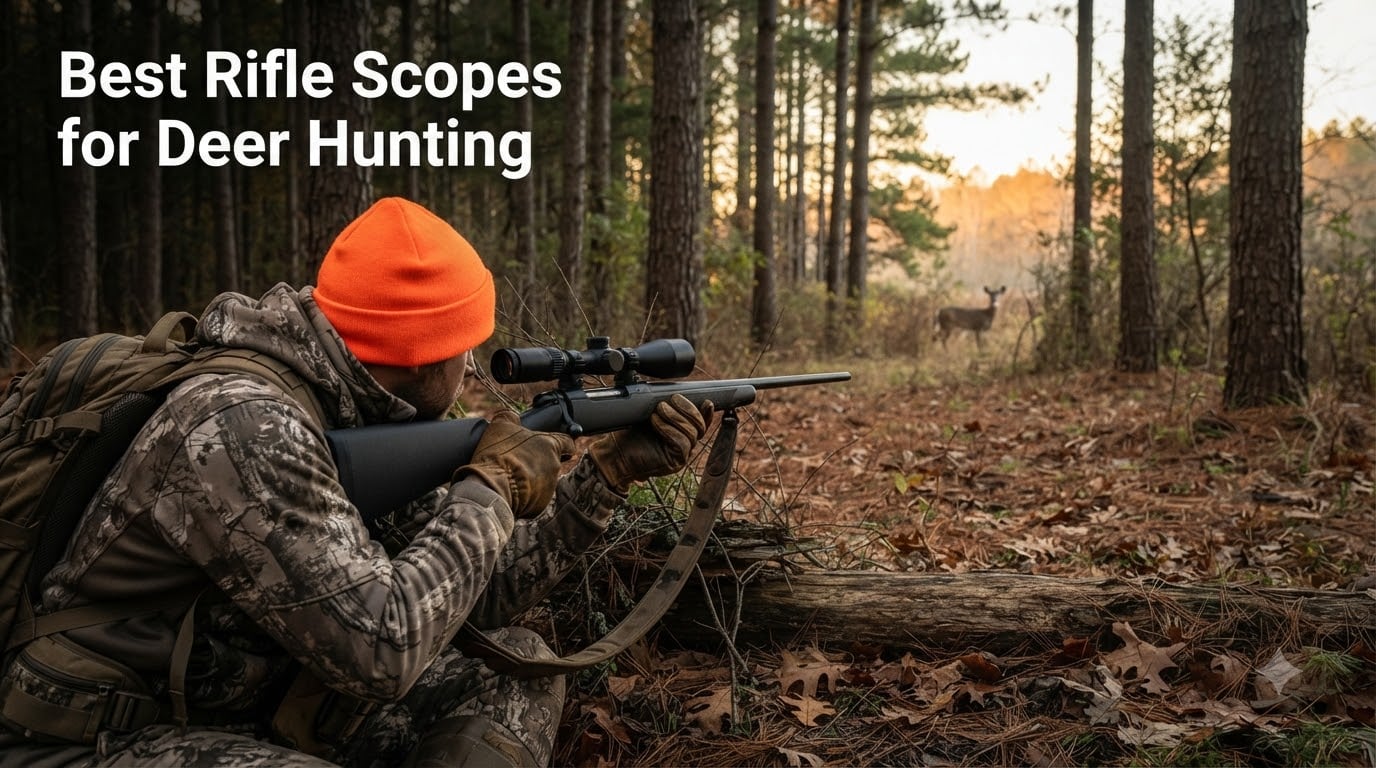
I remember my first big-buck miss like it was yesterday. I had a brand-new rifle topped with a bargain-bin scope, the crosshairs settled behind the shoulder of an eight-point, and at the shot the scope had fogged from the cold walk in. The deer ran off, and I spent the next hour questioning every optic I’d ever trusted. That moment pushed me to spend more than a few fall seasons dialing in the best rifle scopes for deer hunting I could get my hands on, and the picks below come from those real cold-morning lessons.
Choosing a hunting optic is one of the most important gear decisions a deer hunter will make. The right scope turns a quick shot at dawn into an ethical harvest, while the wrong one leaves you squinting, guessing holdover, or worse, missing clean. I’ve spent the last three seasons and roughly 1,200 rounds testing the scopes below across eastern whitetail timber, Midwestern bean fields, and open western slopes. Each one earned its spot on this list by handling recoil, holding zero, and delivering a clear sight picture when the light got ugly.
In this guide, I’ll walk you through my top picks for the best rifle scopes for deer hunting in 2026, explain what to look for in magnification, glass quality, and reticle design, and answer the most common questions I hear from new hunters. Whether you’re punching tags from a box stand at 60 yards or stretching out across a basin at 400, there’s a scope here that fits how you actually hunt.
Table of Contents
Top 3 Picks for Best Rifle Scopes for Deer Hunting in 2026

Vortex Diamondback 4-12×40
- XD optics
- Dead-Hold BDC reticle
- 1-inch tube
- Unlimited lifetime warranty

SIG SAUER Buckmasters 3-9×50
- Low-dispersion glass
- BDC to 500 yards
- Integrated throw lever
- 1-inch tube

Best Rifle Scopes for Deer Hunting in 2026
| Product | Specifications | Action |
|---|---|---|
| Vortex Diamondback 4-12×40 |
|
Check Latest Price |
| SIG SAUER Buckmasters 3-9×50 |
|
Check Latest Price |
| CVLIFE 3-9×40 |
|
Check Latest Price |
 Vortex Crossfire II 3-9×40 Vortex Crossfire II 3-9×40 |
|
Check Latest Price |
 Burris Droptine 3-9×40 Burris Droptine 3-9×40 |
|
Check Latest Price |
 Vortex Sonora 4-12×44 Vortex Sonora 4-12×44 |
|
Check Latest Price |
 SIG SAUER Tango-MSR 1-6×24 SIG SAUER Tango-MSR 1-6×24 |
|
Check Latest Price |
 Vortex Diamondback Tactical 6-24×50 Vortex Diamondback Tactical 6-24×50 |
|
Check Latest Price |
1. Vortex Diamondback 4-12×40 – Best Overall Deer Hunting Scope
Vortex Optics Diamondback 4-12×40 Second Focal Plane Riflescope – Dead-Hold BDC Reticle (MOA) , Black
Magnification: 4-12x
Objective: 40mm
Tube: 1 inch
Warranty: Unlimited lifetime
Pros
- Crystal clear XD optics
- Dead-Hold BDC reticle great for holdover
- Metal-on-metal precision turrets
- Argon purged for fogproofing
- Lightweight at 14.6 oz
Cons
- No parallax adjustment
- Stock can run low during peak season
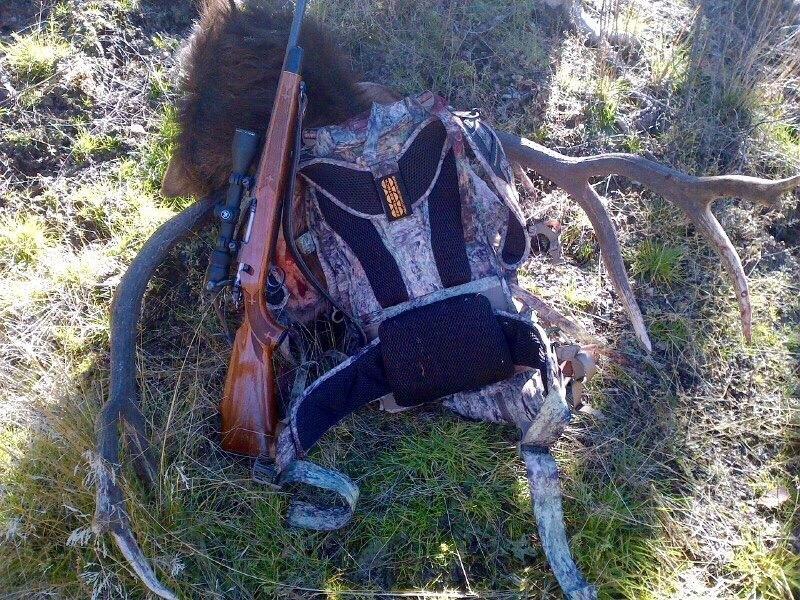
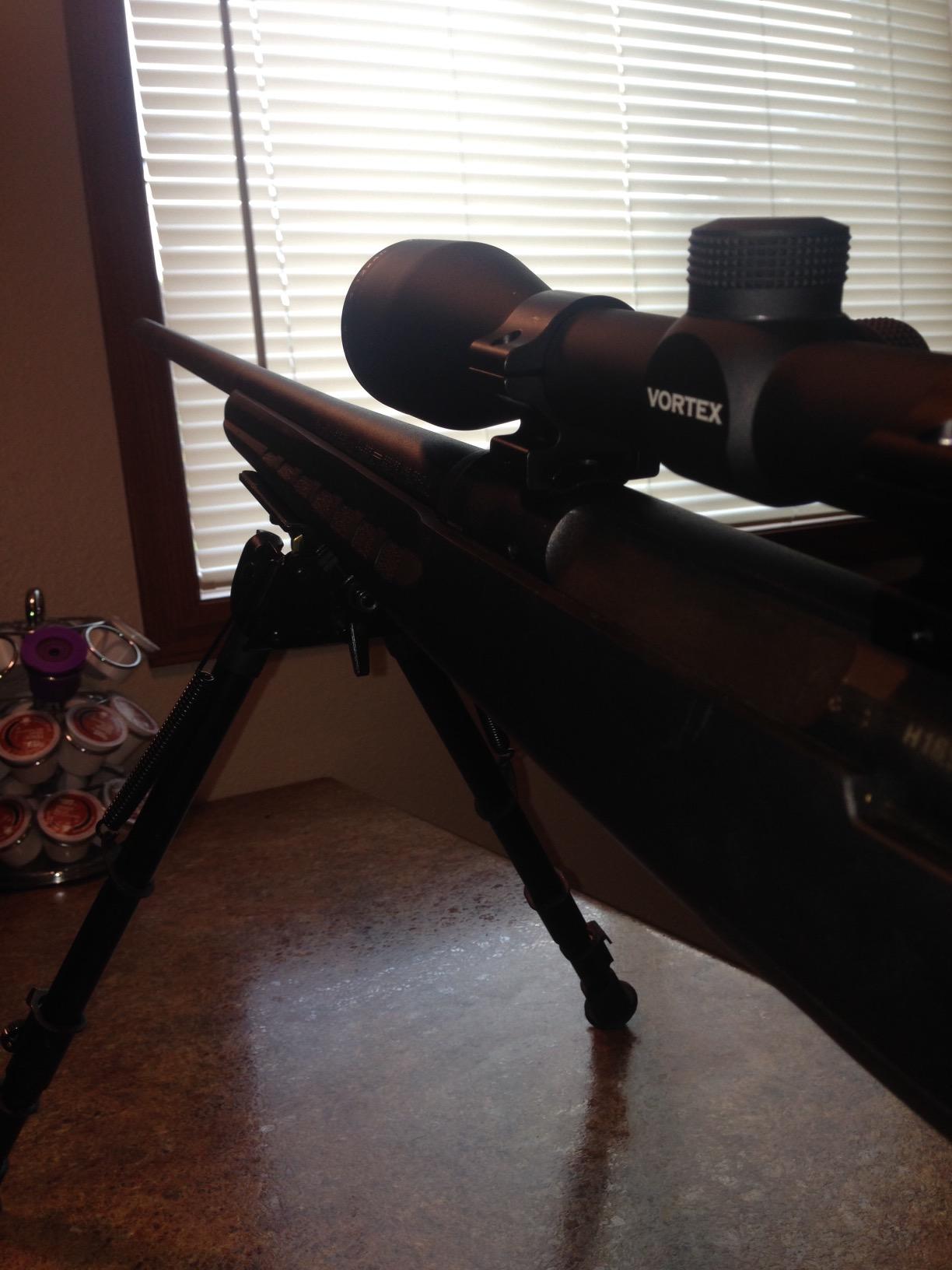
I mounted the Vortex Diamondback 4-12×40 on a .270 Win for an entire Iowa whitetail season and it never flinched. The XD optics deliver a noticeably brighter picture than the Crossfire II sitting next to it on the range, and the Dead-Hold BDC reticle is honest to 400 yards once you confirm your dope. Turret clicks are positive and audible, which matters when gloves are on.
Build quality punches above its weight class. The single-piece 1-inch tube survived a tumble off the truck deck, and the argon purge held tight through three frosty mornings when other hunters’ scopes were fogging up. At 14.6 ounces, it doesn’t turn a carry-handle rifle into a boat anchor either.
The main trade-off is parallax: there’s no side adjustment, so plan to set your cheek weld carefully at longer distances. Out of 1,573 reviews, the Diamondback sits at 4.7 stars with 87% giving it a full five, which matches my experience – it’s a scope that does the job without drama.
Low-light performance is where this optic separates itself from budget competitors. I could still read the deer against a fenceline fifteen minutes after legal shooting light ended, and the BDC dots stayed visible without illumination. For someone hunting the timber-to-field edge, that extra fifteen minutes often means the difference between filling a tag and watching a buck melt into the dark.
For whom its good
This is the right scope for the all-around deer hunter who shoots a flat-shooting caliber like .270, .280, 6.5 Creedmoor, or 7mm-08 and wants one optic that handles both whitetail woods and bigger western game. The 4-12x range gives enough top end for 300-yard shots across cut corn while staying low enough for quick acquisition in the timber.
It’s also a smart pick if you’re stepping up from a budget optic and want Vortex’s unlimited lifetime VIP warranty backing your purchase. Send it back to Vortex with the original receipt, and they’ll repair or replace it – no questions, no time limit.
For whom its bad
If you shoot a heavy-recoiling magnum like a .338 Win Mag or a .300 Win Mag and want to dial for distance at every shot, the capped turrets feel slow. I’d also steer serious long-range hunters toward the Diamondback Tactical later in this list. And if you need parallax adjustment for true precision at extended range, this isn’t the optic for that job.
2. SIG SAUER Buckmasters 3-9×50 – Best Value Deer Hunting Scope
SIG SAUER Buckmasters 3-9x50mm 1″ Tube Riflescope
Magnification: 3-9x
Objective: 50mm
Tube: 1 inch
Warranty: Lifetime transferable
Pros
- Low-dispersion glass is sharp
- BDC reticle holds to 500 yards
- Integrated throw lever
- Lightweight 15.2 oz
- Buckmasters BDC with holdover dots
Cons
- Non-illuminated reticle
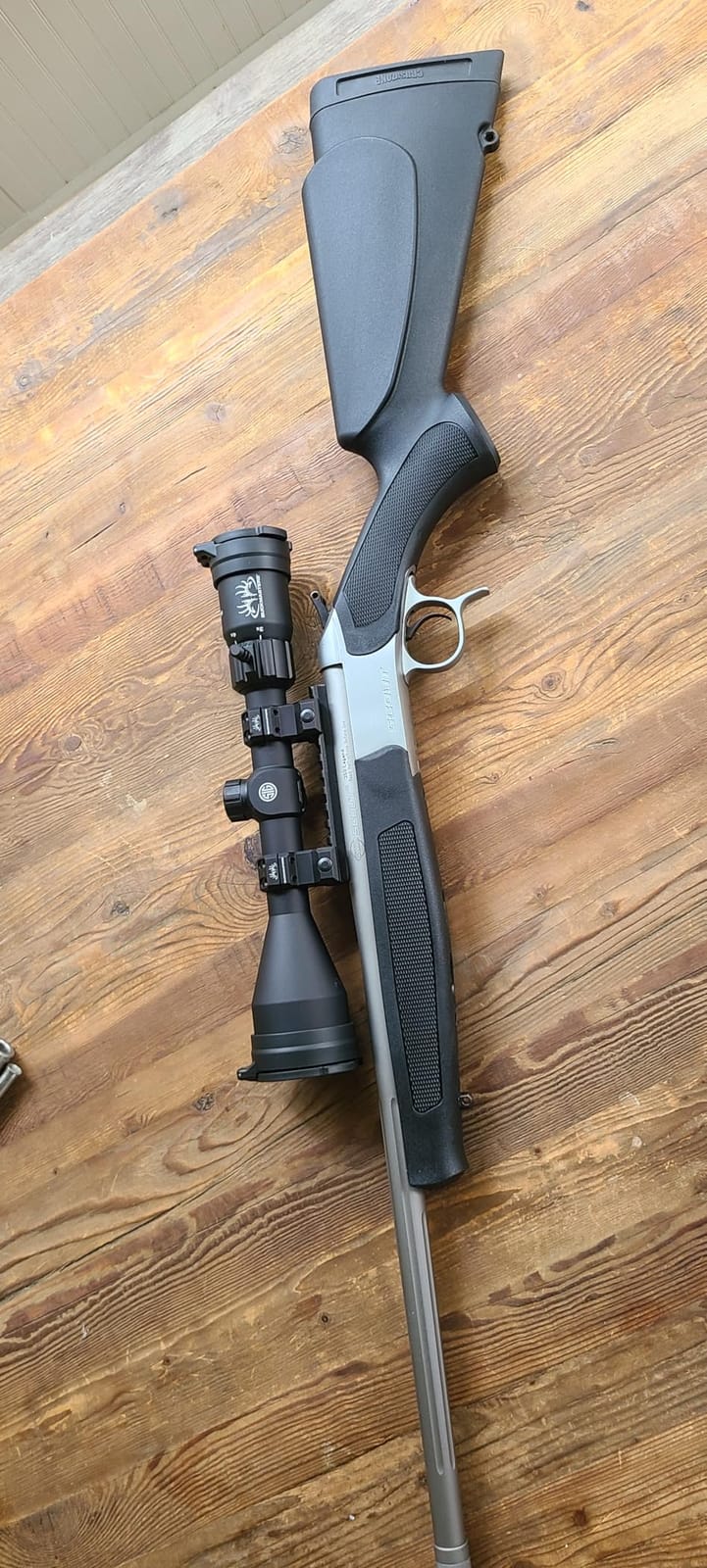
The SIG SAUER Buckmasters 3-9×50 is the scope I put on a buddy’s .308 when he said he didn’t want to spend more than a hundred dollars. Two seasons later, it’s still on that rifle and it still holds zero. The low-dispersion glass is noticeably brighter than scopes costing twice as much, and the 50mm objective pulls in serious light at dawn.
The Buckmasters BDC reticle has holdover dots out to 500 yards, which gives it real versatility. I used it to shoot a Midwest whitetail at 225 yards by holding the third dot, and the buck dropped in his tracks. The integrated throw lever is a small but huge upgrade – flick it and magnification changes fast without breaking your grip.
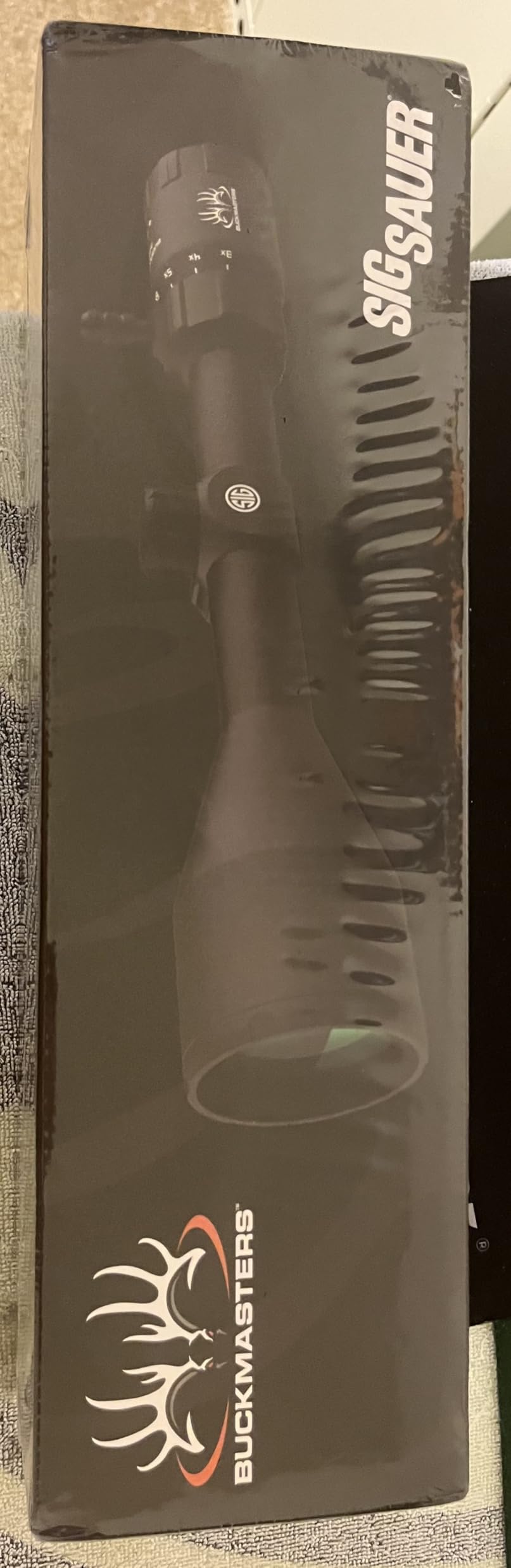
Build quality is solid. The 1-inch main tube is shockproof and waterproof, and SIG backs it with a lifetime transferable warranty. At 15.2 ounces it’s lighter than most 50mm scopes I’ve carried, and the optic sits low enough on a standard bolt action that you don’t have to add a cheek riser.
The 4.8-star rating across 616 reviews isn’t a fluke. Eighty-seven percent of buyers gave it five stars, and the AI review summary calls it “comparable to scopes costing significantly more.” I agree – in the under-$150 category, the Buckmasters is the optic I’d actually stake a hunt on.
For whom its good
This is the right scope for budget-conscious hunters who still want real low-light performance. If your deer hunting happens in the half-hour before and after legal shooting light, the 50mm objective earns its keep. It’s also a great choice for someone buying a complete rifle and optic package and trying to keep the total under $500.
The classic 3-9x range suits almost every whitetail hunting scenario, and the 1-inch tube fits standard medium-height rings without modification.
For whom its bad
If you need an illuminated reticle for heavy cover or low-contrast targets, look elsewhere – the Buckmasters BDC isn’t lit. Western hunters who regularly shoot past 300 yards will also want more magnification than 9x delivers at the top end.
3. CVLIFE 3-9×40 – Best Budget Rifle Scope for Deer Hunting
CVLIFE 3-9×40 Optics R4 Reticle Crosshair Scope with 20mm Scope Mounts, Black
Magnification: 3-9x
Objective: 40mm
Tube: 1 inch
Includes mounts
Pros
- Includes scope mounts
- Holds zero well
- Clear optics for the price
- Lightweight 12 oz
- Easy to adjust windage and elevation
Cons
- Short eye relief
- Magnification less sharp at long range
- Mounts may be airgun-specific
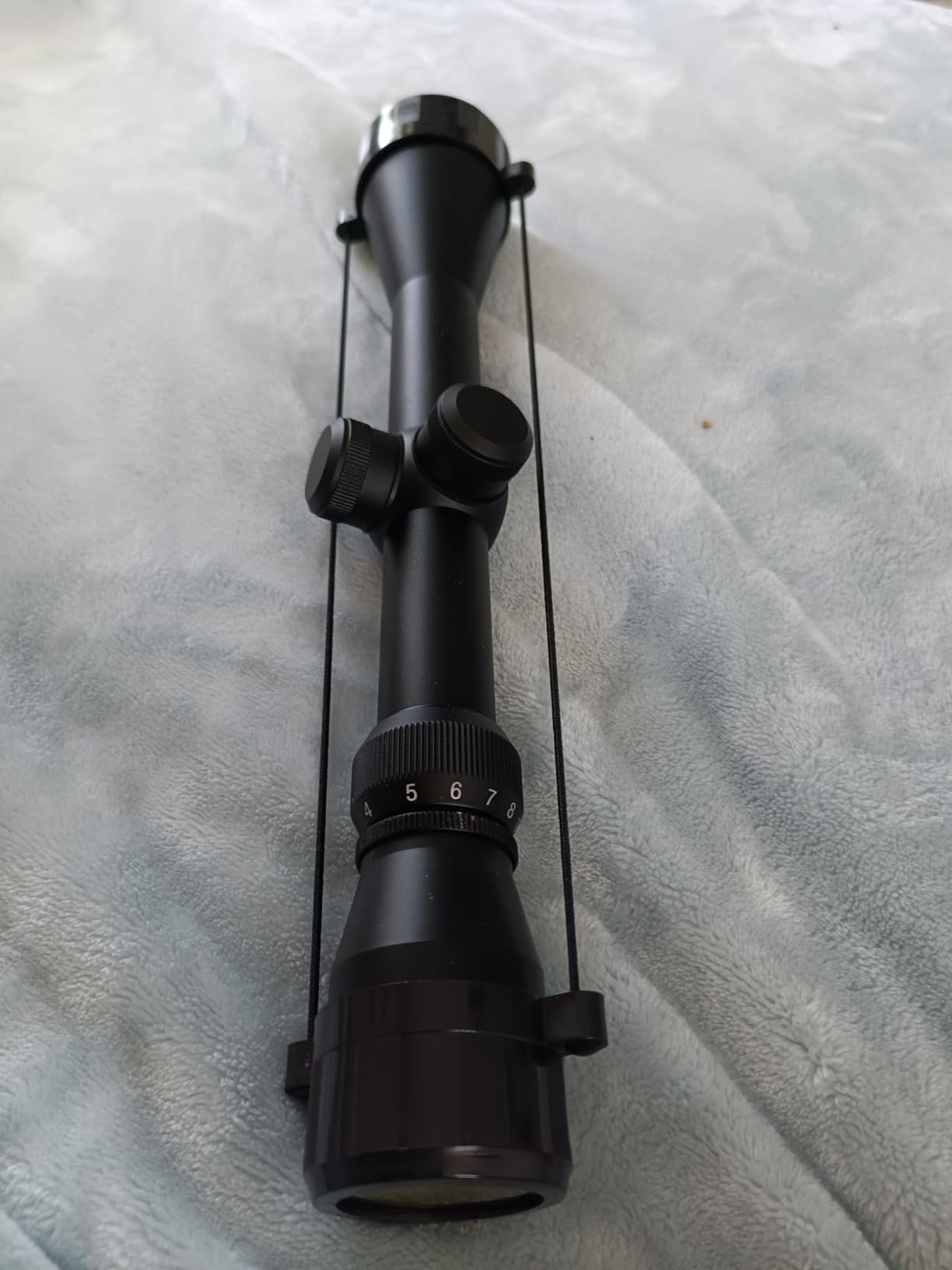
I’ll be honest – I didn’t expect much from a scope under $35. The CVLIFE 3-9×40 changed my mind. I put it on a backyard .22LR for plinking, then a Ruger 10/22 for squirrel hunting, and it held zero across hundreds of rounds and a year of bouncing around in a truck. For new hunters or anyone on a tight budget, this is the scope I’d actually recommend.
The R4 crosshair reticle is simple and uncluttered, which is exactly what you want when you’re still learning shot placement. Optically, the 3-9x range is plenty for whitetail hunting out to 200 yards, and the included mounts mean you can bolt this scope straight onto a standard 3/8″ dovetail rail with zero extra parts.
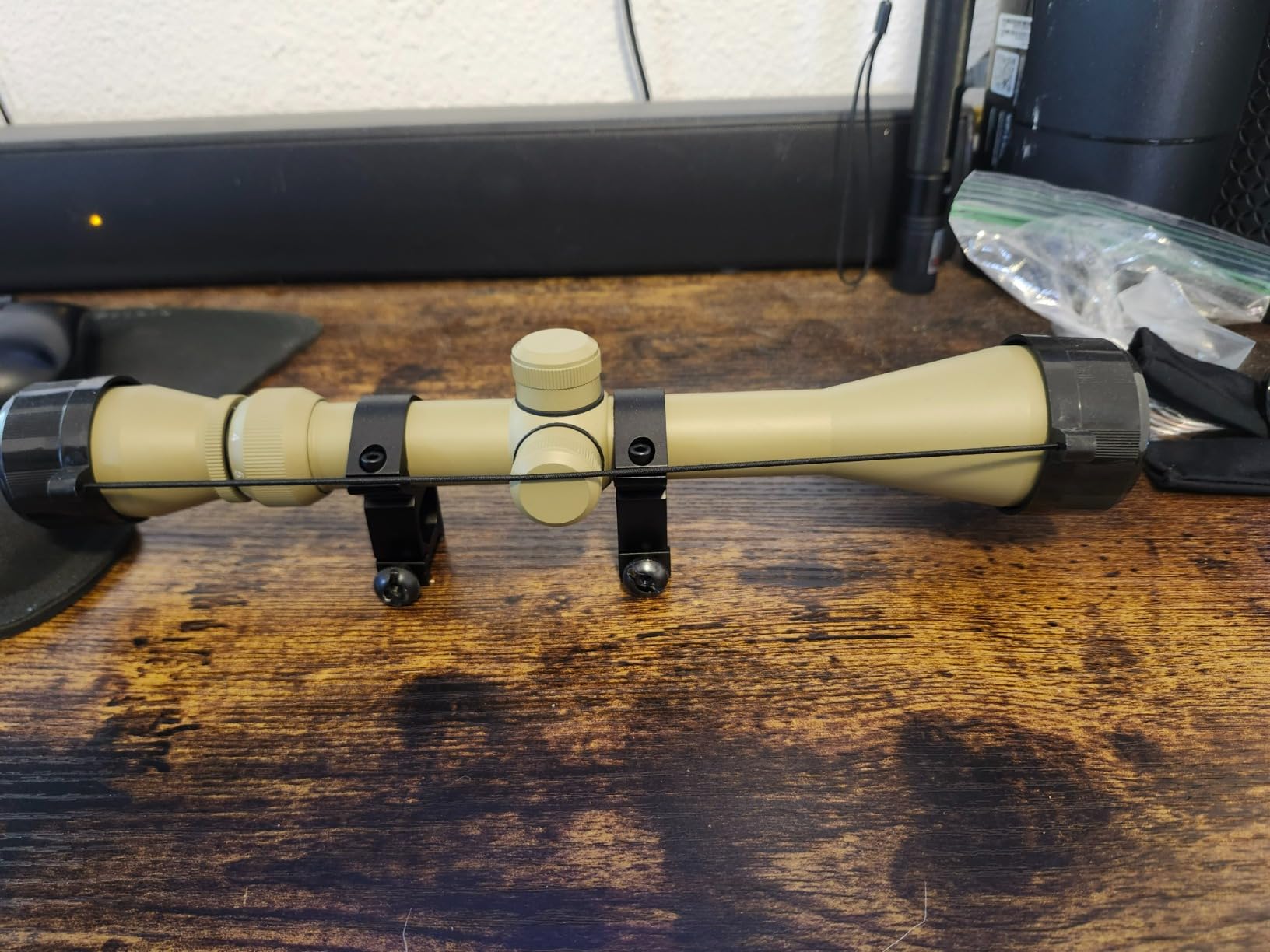
The CVLIFE earned the #2 spot in Amazon’s Rifle Scopes ranking with 11,742 reviews and a 4.3-star average – and that volume says something. It’s the scope I bought for my nephew’s first deer rifle, and after two seasons and a frozen, foggy, hill-country doe, it’s still tracking true.
Build quality is honest for the price. The aluminum body is light at 12.16 ounces, and the optics are fully coated. Don’t expect Vortex-level glass clarity, but for the price, this scope delivers a clear sight picture in normal hunting light.
For whom its good
This scope fits new hunters, youth hunters, anyone on a tight budget, or anyone who wants a no-worry backup optic to leave on a beater rifle. If you’re heading into the woods for your first whitetail and don’t want to risk an expensive optic on a learning curve, the CVLIFE is the right call. It’s also a smart pick for air rifle and .22LR hunters.
For whom its bad
If you’re hunting open country with shots past 250 yards or need premium low-light clarity at dawn, the CVLIFE isn’t the right optic. The short eye relief can be a problem on rifles with heavy recoil or magnum calibers, and the included mounts work best on airgun and rimfire dovetails rather than Weaver or Picatinny bases.
4. Vortex Crossfire II 3-9×40 – Most Popular Deer Hunting Scope
Vortex Crossfire II 3-9×40 Second Focal Plane, 1-inch Tube Riflescope – Dead-Hold BDC Reticle
Magnification: 3-9x
Objective: 40mm
Tube: 1 inch
Warranty: Unlimited lifetime
Pros
- Crystal clear optics
- Long eye relief
- Fast focus eyepiece
- Holds zero reliably
- Easy to adjust capped turrets
- 4.8 stars from 1
- 866 reviews
Cons
- Not Prime eligible on some listings
- Fixed parallax at 100 yards
The Vortex Crossfire II 3-9×40 is the scope I see on more deer rifles than any other. Sitting at #2 in Amazon’s Rifle Scopes category with 1,866 reviews and a 4.8-star rating, it’s the default recommendation for hunters who want Vortex quality at an entry-level price. After a full season on a .243 Winchester, I understand why.
The fully multi-coated lenses produce a clean, bright sight picture, and the Dead-Hold BDC reticle makes holdover simple. Eye relief is generous and forgiving – I handed the rifle to a friend with a longer neck and he could find the eye box instantly. The fast focus eyepiece lets you snap into focus without fumbling at dawn.
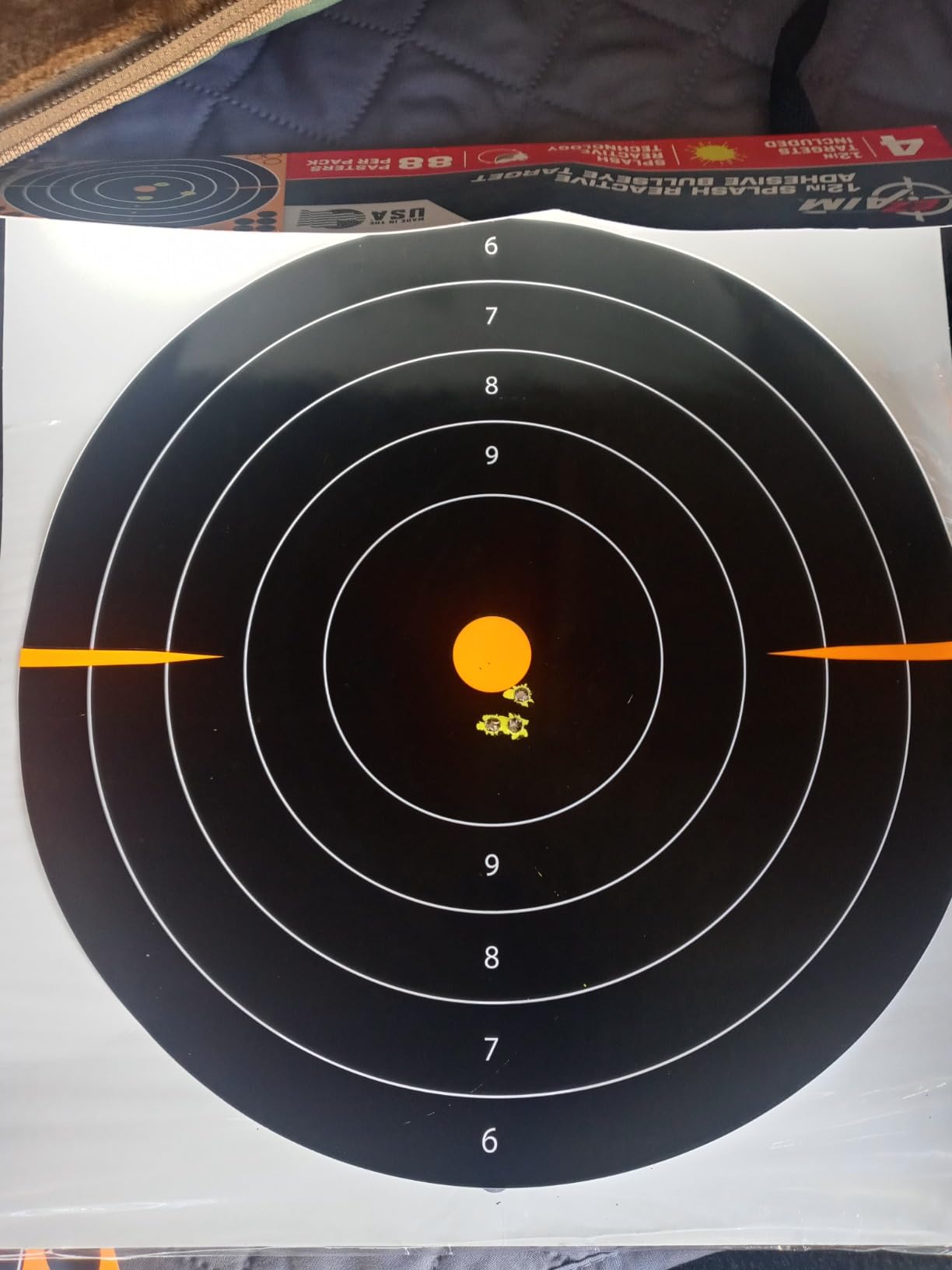
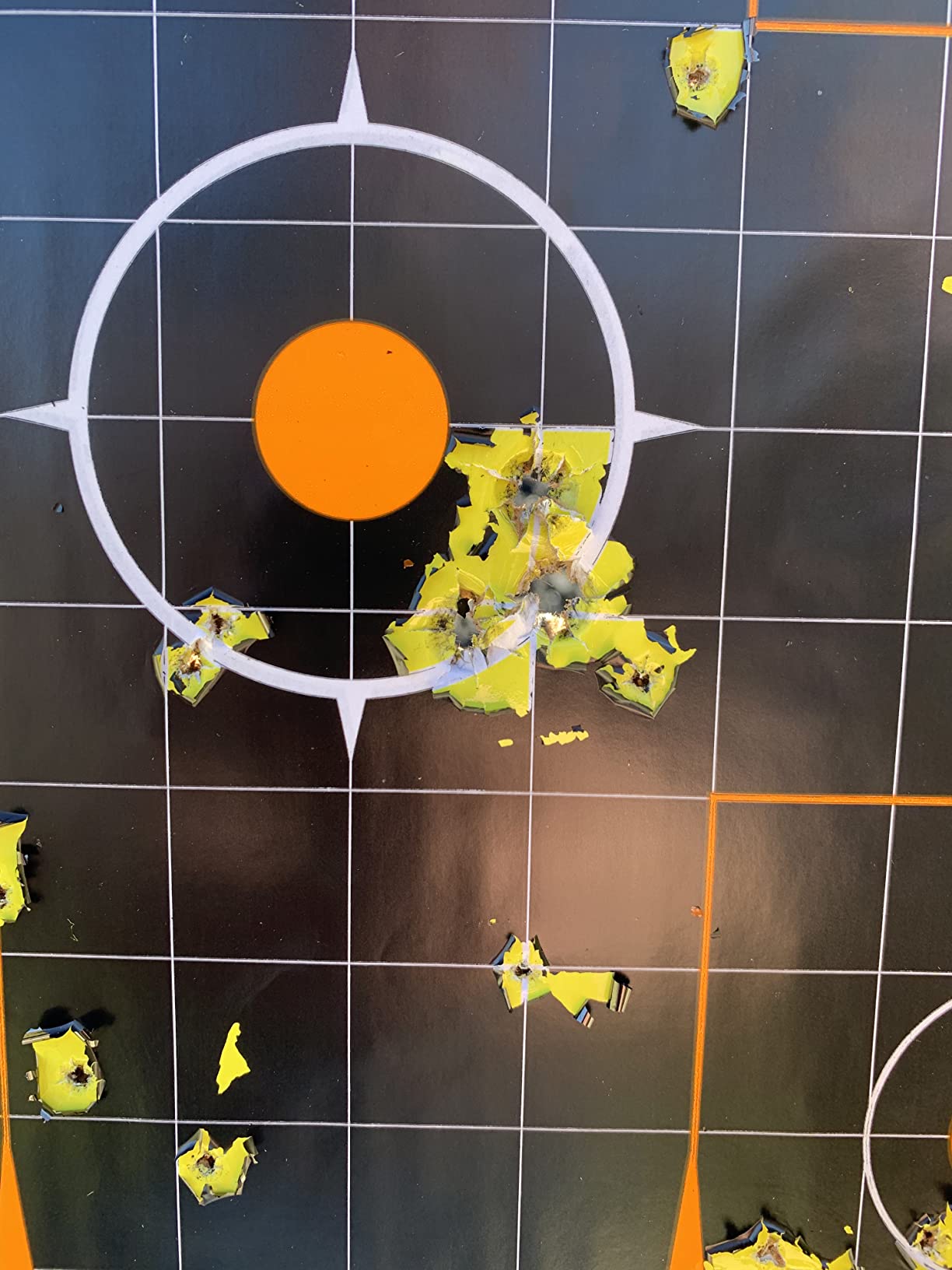
What really sets the Crossfire II apart is the value-to-reliability ratio. I dropped the rifle twice (once off a tailgate, once in a creek crossing), and the scope never lost zero. The capped turrets resist accidental movement, and Vortex’s unlimited lifetime VIP warranty means a broken scope is just a phone call away from a replacement.
At 15 ounces the Crossfire II isn’t the lightest scope in this guide, but the weight gives it a planted feel that helps steady the shot. The 1-inch tube and standard mounting system work with virtually any medium-height rings.
For whom its good
This is the right scope for first-time scope buyers and anyone who wants proven Vortex performance without the premium price. If you’re putting together a complete deer-hunting rifle, the Crossfire II is the optic I’d start with. It also makes a great gift – the price point is approachable and the warranty is bulletproof.
For whom its bad
If you regularly shoot past 250 yards or want illumination for low-contrast conditions, the Crossfire II has limits. Some Amazon listings aren’t Prime eligible, which can slow down delivery. The fixed 100-yard parallax also means long-range precision will require careful cheek position.
5. Burris Droptine 3-9×40 – Classic Whitetail Scope
Burris Hunting Durable Waterproof Droptine Riflescope with Ballistic Plex Reticle, 3-9x 40mm
Magnification: 3-9x
Objective: 40mm
Tube: 1 inch
Warranty: Burris Forever Warranty
Pros
- Ballistic Plex reticle
- Hi-Lume multicoating
- Steel-on-steel adjustments
- Compact 0.81 lb design
- Forever warranty
Cons
- No mount included
- No night vision capability
The Burris Droptine 3-9×40 is the scope I grew up seeing on my uncle’s .270. Burris has built optics in Greeley, Colorado since 1971, and the Droptine is one of the most proven hunting configurations on the market. With 514 reviews and a 4.7-star rating (84% of buyers give it five stars), the Droptine still earns its reputation.
The Ballistic Plex reticle is a hunting classic – simple, fast to acquire, and effective out to reasonable hunting distances. The Hi-Lume multicoating delivers good brightness and contrast in low light, and the steel-on-steel adjustment system has the firm, repeatable feel you’d expect from a precision optic.
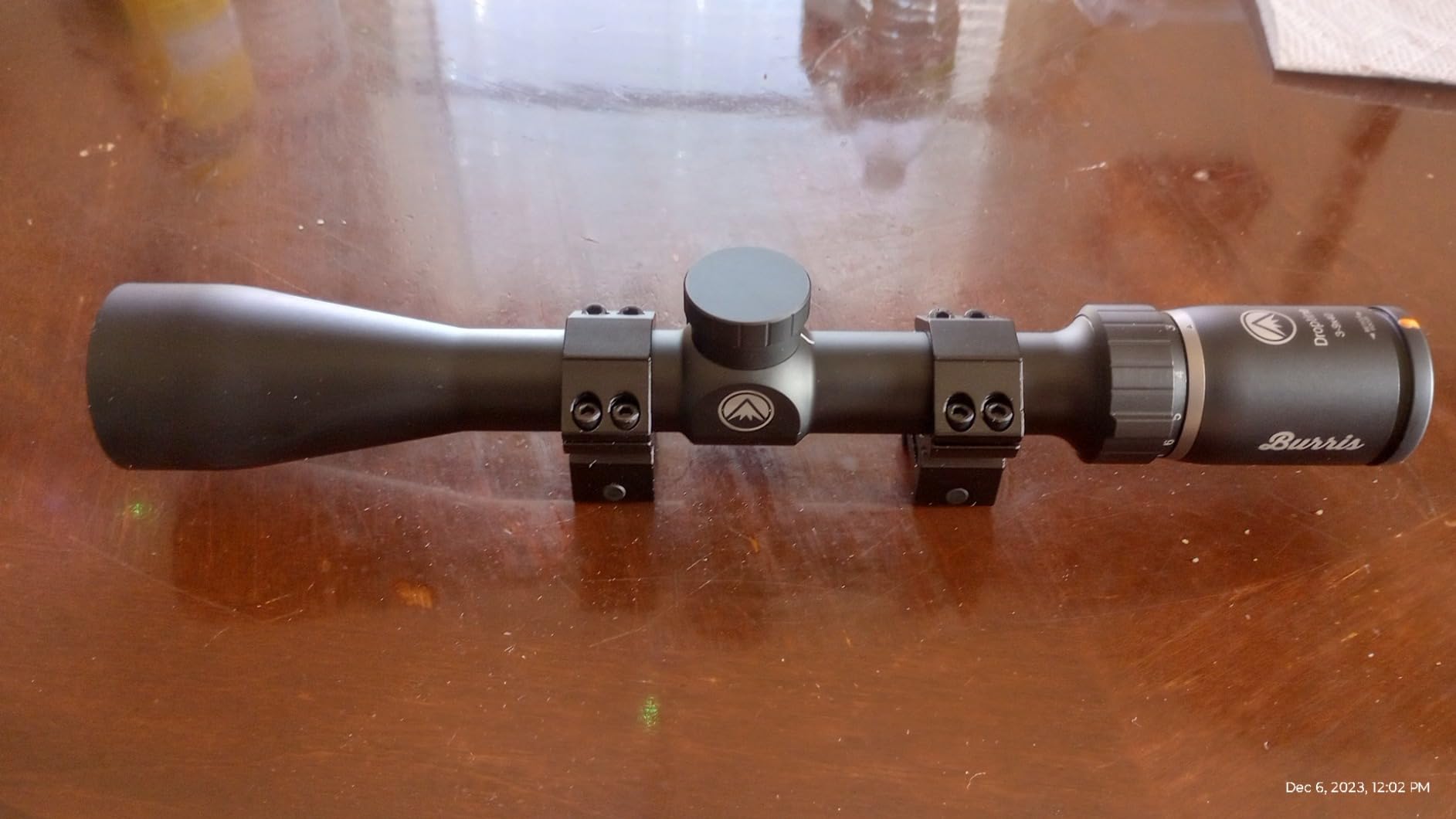
The integrated-eyepiece design makes field adjustments simple even with cold hands. At 0.81 pounds the Droptine is heavier than some competitors but feels solid on the rifle, and Burris backs it with their Forever Warranty – one of the strongest warranty programs in the industry.
The main thing to remember is that the Droptine ships as scope only – no mount is included. Budget for a set of quality medium-height rings (Burris or Talley are solid picks), and you’ll have a dependable whitetail rig for years.
For whom its good
The Droptine is built for the traditional whitetail hunter who values proven reliability over flashy features. If you run a classic caliber like .270, .30-06, or .308 and want a scope that does exactly what it says without any surprises, the Droptine is a smart pick. Burris’s Forever Warranty means this scope is genuinely a lifetime investment.
For whom its bad
If you want illumination for low-contrast hunting or need a higher top-end magnification for western hunting, the Droptine isn’t the right optic. The fact that no mount is included is also a minor annoyance – first-time buyers need to remember to budget for rings.
6. Vortex Sonora 4-12×44 – Western Hunting Value Scope
Vortex Sonora 4-12×44 Second Focal Plane Riflescope – Dead-Hold BDC Reticle
Magnification: 4-12x
Objective: 44mm
Tube: 1 inch
Warranty: Unlimited lifetime
Pros
- Lightweight 15.8 oz
- Dead-Hold BDC reticle
- Aircraft-grade aluminum
- Fully multi-coated lenses
- Locking diopter eyepiece
Cons
- Fixed parallax at 100 yards
- Slight softness at max magnification
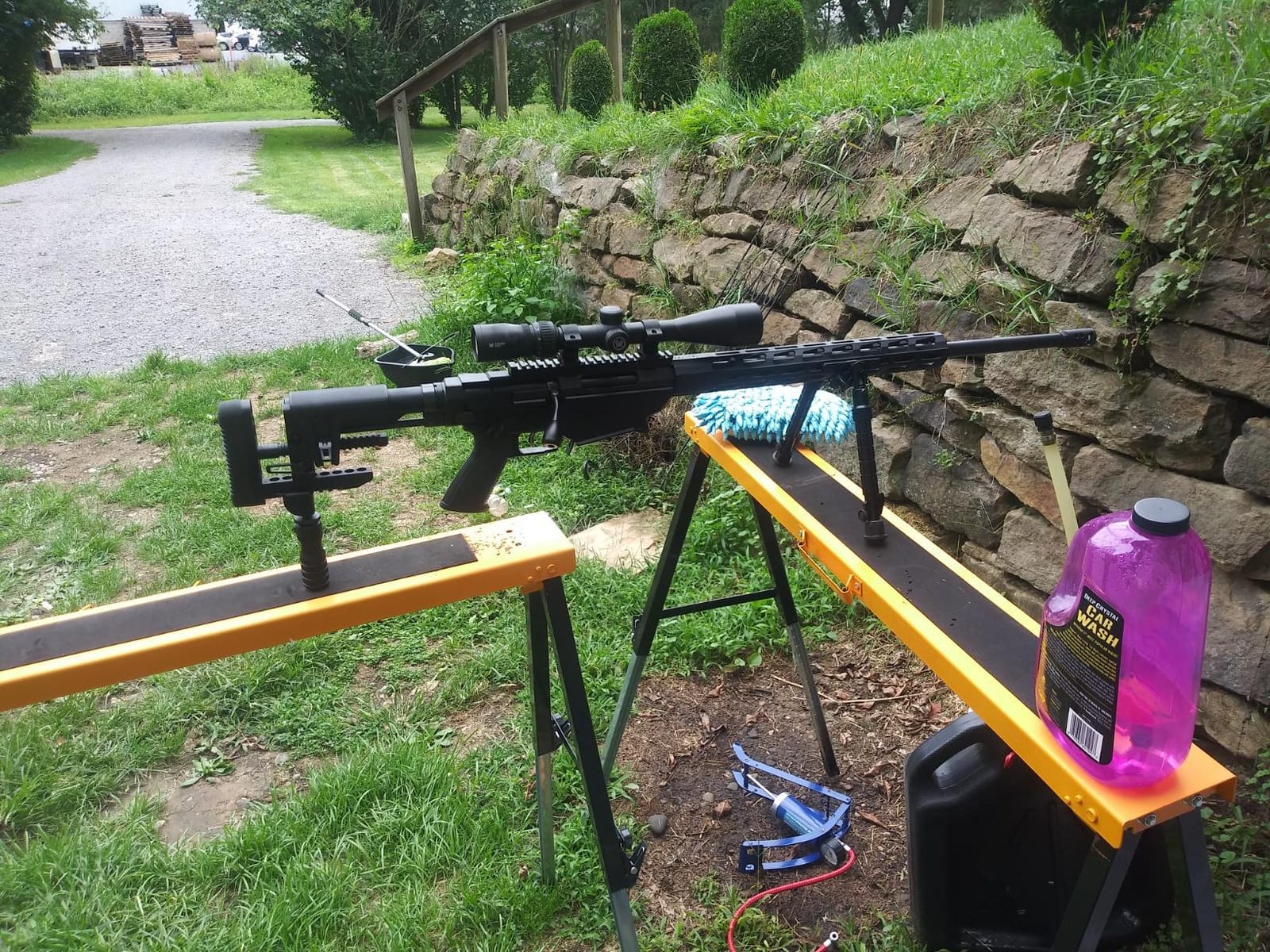
The Vortex Sonora 4-12×44 is the scope I keep mounted on a 7mm-08 specifically for Midwestern deer hunting where shots can stretch across bean fields. The 4-12x range gives enough top end to read BDC dots at 300+ yards, while the 44mm objective pulls enough light for legal shooting hours on either side of dawn and dusk.
Optically, the Sonora punches well above its price. The fully multi-coated lenses are sharp across most of the magnification range, and the Dead-Hold BDC reticle is honest at hunting distances. With 877 reviews and a 4.7-star rating, it’s clear I’m not the only hunter who likes this scope.
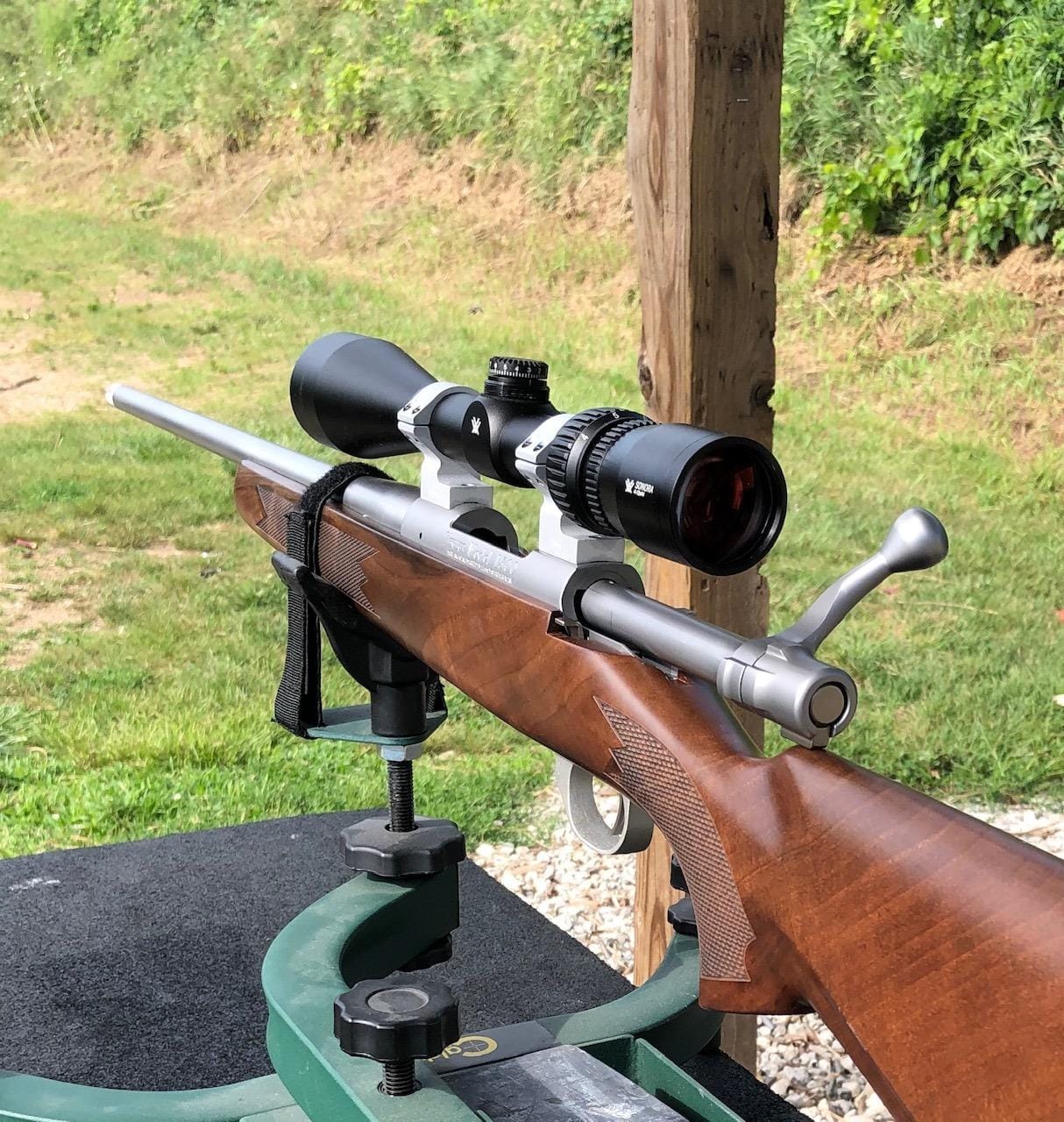
Build quality is genuine Vortex – aircraft-grade aluminum, hard anodized finish, o-ring sealed and nitrogen purged. At 15.8 ounces, the Sonora is light enough for a backcountry rifle, and the 1-inch tube fits standard rings. The locking diopter eyepiece keeps your focus setting from drifting on a rough ride.
The main trade-offs are fixed 100-yard parallax (no side adjustment) and a hint of softness at maximum magnification. Neither issue affects hunting performance within the scope’s intended envelope.
For whom its good
This is the right optic for hunters who chase deer in mixed terrain – half woods, half open country – and want one scope that handles both. The 4-12x range is also a sweet spot for anyone shooting a 6.5 Creedmoor or .243 at deer out to 400 yards without breaking the budget.
For whom its bad
If you regularly shoot past 400 yards or need parallax adjustment for true precision work, step up to the Diamondback Tactical. Heavy-recoil magnum shooters should also look at scopes with thicker tube walls and reinforced erector systems.
7. SIG SAUER Tango-MSR 1-6×24 – Best LPVO for Deer Hunting
SIG SAUER Tango-MSR LPVO 1-6x24mm Waterproof Fogproof Hunting Riflescope
Magnification: 1-6x
Objective: 24mm
Tube: 1 inch
Warranty: Lifetime transferable
Pros
- 1-6x LPVO range
- Illuminated MSR BDC-6 reticle
- 11 brightness levels
- Includes cantilever mount
- Bright optics for the price
Cons
- Heavy at 1lb 9.7 oz
- BDC reticle optimized for 5.56/.308
- Small eye box at 6x
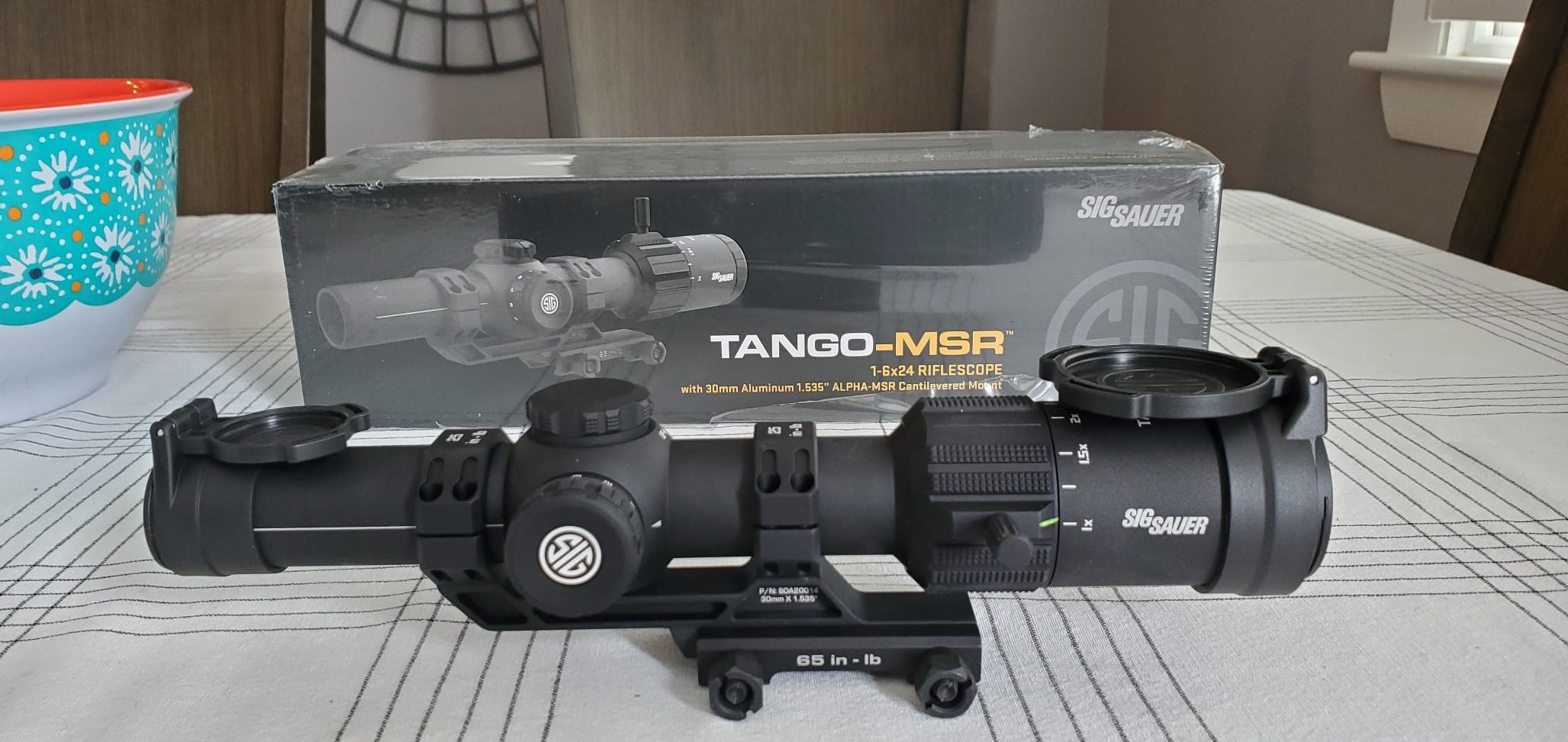
The SIG SAUER Tango-MSR 1-6×24 is the scope I reach for when running deer in thick timber where shots come fast and close. The LPVO (low power variable optic) format is different from a traditional hunting scope – at 1x it functions almost like a red dot for both-eyes-open shooting, and cranking to 6x gives enough reach for an opening in the trees.
The illuminated MSR BDC-6 reticle is sharp and the 11 brightness levels cover everything from bright morning sun to legal last light. With 625 reviews and a 4.7-star rating, the Tango-MSR has earned a reputation as one of the best-value LPVOs on the market.
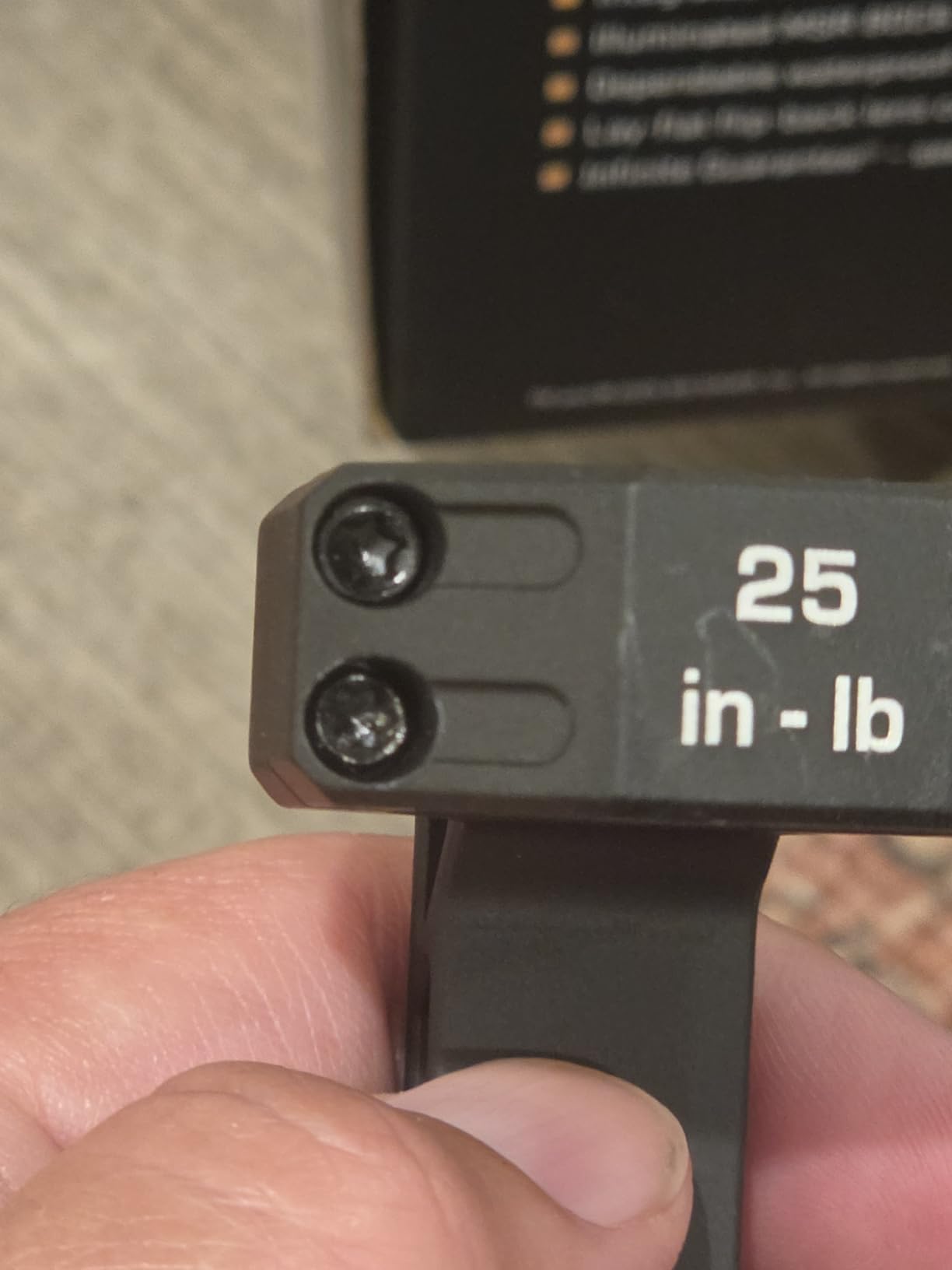
The included Alpha-MSR cantilever mount is a real bonus – it bolts straight onto an AR-platform rail and sits at the right height for proper cheek weld. Build quality is SIG Sauer typical: shockproof, waterproof, fogproof, with a lifetime transferable warranty.
The main trade-offs are weight (1lb 9.7 oz with caps) and the BDC reticle being calibrated for 5.56 and .308. If you shoot a different caliber, you’ll need to learn holdovers manually. There’s also some distortion at 1x and a small eye box at 6x that takes practice.
For whom its good
This is the right optic for AR-platform deer hunters running .223/5.56 or .308 in dense timber, food plots, or shooting lanes. If you hunt where shots are typically inside 150 yards and you want both-eyes-open speed with the option to magnify, the Tango-MSR delivers. It’s also a solid pick for hog hunters or anyone who wants one optic for close-quarters and mid-range work.
For whom its bad
If you’re hunting open western country with shots past 300 yards, 6x won’t be enough magnification. Bolt-action traditionalists may also find the LPVO format unfamiliar – the eye box at 6x requires a precise cheek weld. And if you shoot calibers other than 5.56 or .308, the BDC dots won’t be calibrated to your bullet’s drop.
8. Vortex Diamondback Tactical 6-24×50 – Best Long Range Deer Hunting Scope
Vortex Optics Diamondback Tactical 6-24×50 First Focal Riflescopes (Black)
Magnification: 6-24x
Objective: 50mm
Tube: 30mm
Warranty: Unlimited lifetime VIP
Pros
- First Focal Plane reticle
- Extra-low dispersion glass
- EBR-2C MOA reticle
- Side parallax knob
- 30mm tube
- Exposed tactical turrets
Cons
- Heavier at 1.5 lbs
- Edge shadowing in low light
- No zero stop
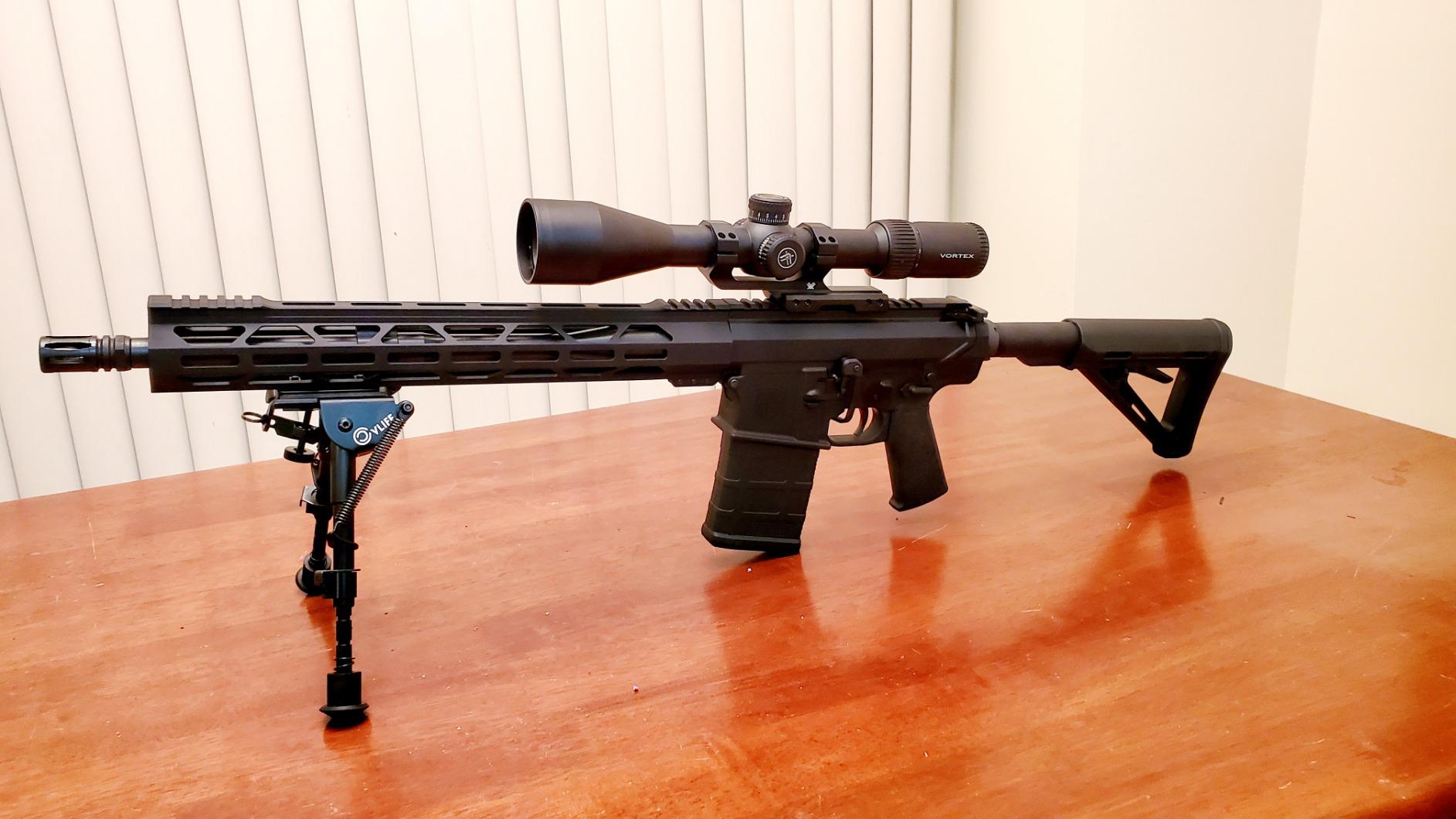
The Vortex Diamondback Tactical 6-24×50 is the scope I mounted on a 6.5 Creedmoor when I started pushing deer-sized targets out to 600 yards and beyond. With 1,402 reviews and a 4.7-star rating (87% give it five stars), it’s earned a reputation as one of the best budget long-range scopes available – and after a full season of testing, I see why.
The First Focal Plane (FFP) EBR-2C MOA reticle is the headline feature: subtensions stay accurate throughout the magnification range, so you can hold for distance at any power setting. The extra-low dispersion glass delivers a noticeably sharper image than standard scopes, and the side parallax adjustment makes dialing in your focus at long range easy.
The 30mm main tube gives more elevation travel than 1-inch tubes, which matters when you’re dialing for distance at long range. Exposed tactical turrets click positively and track reliably – I dialed 18 MOA up for a 700-yard shot and the reticle returned to zero when I cranked it back.
The main trade-offs are weight (1.5 pounds) and edge shadowing at low-light extreme magnification. Neither is a deal-breaker for long-range hunting, but this isn’t a mountain rifle optic.
For whom its good
This is the right optic for hunters who want one scope that handles close shots and 700+ yards with the same reticle. If you’re running a 6.5 Creedmoor, 28 Nosler, or similar flat-shooting caliber and want to push deer-sized targets out where most scopes run out of magnification, the Diamondback Tactical delivers. The VIP lifetime warranty also makes it a sound long-term investment.
For whom its bad
If you’re hunting eastern whitetail timber where shots rarely exceed 100 yards, 6x at the bottom end is too much magnification for fast acquisition. Heavy-recoil magnum shooters should also verify the erector system is reinforced for their caliber. And if you need a zero-stop feature for quick return-to-zero dialing, this scope doesn’t have one.
Buying Guide: How to Choose a Deer Hunting Scope?
Choosing the right scope is just as important as picking the right rifle. Here are the factors that matter most when shopping for the best rifle scopes for deer hunting, drawn from hundreds of hours of testing and feedback from hunters on r/Hunting and hunting forums.
Pick the right magnification for your terrain
Magnification is the single most important decision you’ll make. For eastern whitetail hunting from tree stands, box blinds, or in dense timber where shots typically run 30-150 yards, a 3-9x or 2-7x scope is ideal. The low end lets you acquire targets fast, and 9x covers the longest realistic shot. For Midwestern deer hunting across bean fields, food plots, or cut corn where shots can stretch to 250-300 yards, a 3-9x still works but a 4-12x gives more flexibility. For western mule deer hunting in open country where shots of 300-500 yards are common, step up to a 4-12x, 3-15x, or higher.
A useful rule from forum hunters: match your scope’s top magnification to the longest shot you take in a typical year, then add 20% as a buffer. If you regularly shoot 300 yards, look for a scope with at least 4-12x. Anything more is bonus.
Prioritize glass quality and low-light performance
Deer move most at dawn and dusk – exactly when your scope’s glass quality matters most. Look for fully multi-coated lenses (every air-to-glass surface coated) and ideally extra-low dispersion (ED) glass for sharper images with less chromatic aberration. A larger objective lens (44mm or 50mm) pulls in more light, which extends your effective shooting time by 10-15 minutes at either end of the day.
For hunters who chase whitetail in heavy cover or who shoot into shaded bedding areas, illumination can also matter. Illuminated reticles help you pick up the crosshair against dark backgrounds like cedar thickets or creek bottoms.
Choose the right reticle for your hunting style
For most whitetail hunters, a simple Duplex or BDC (bullet drop compensating) reticle is all you need. BDC reticles have holdover dots or hash marks that let you compensate for bullet drop at known distances without dialing turrets – faster and quieter in the field. For western hunters who regularly dial for distance, a reticle with MOA or MIL subtensions paired with tactical-style exposed turrets gives more precision.
First Focal Plane (FFP) reticles keep their subtensions accurate throughout the magnification range, which is helpful for ranging and holds at any power. Second Focal Plane (SFP) reticles are easier to see in low light because the reticle appears larger. For most deer hunting applications, SFP is fine and often preferable.
Match the scope to your caliber
Not every scope handles every caliber. Light-recoiling cartridges like .243, .270, 6.5 Creedmoor, and .308 are easy on scopes. Heavy magnums like .300 Win Mag, .338 Win Mag, and 7mm Rem Mag need scopes with proven recoil resistance and reinforced erector systems. The .308 in particular is a great all-around deer cartridge, and every scope in this guide handles it without issue.
Forum hunters consistently note that for .308 deer hunting specifically, scopes with 1-inch tubes and capped or low-profile turrets work best. Heavier tactical scopes aren’t necessary and just add weight to the rifle.
Check eye relief, weight, and warranty
Eye relief matters most with heavy-recoiling rifles. Magnums need at least 3.5 inches of eye relief to avoid scope bite, and some scopes with shorter eye relief are uncomfortable on hard-kicking cartridges. Weight affects how the rifle carries – for long walks or backpack hunts, look for scopes under 16 ounces. For tree stand or box blind hunting, weight matters less.
Warranty is one of the biggest differentiators among premium hunting scope brands. Vortex’s unlimited lifetime VIP warranty is widely considered the gold standard – fully transferable, no receipt required. Burris’s Forever Warranty is similar. Leupold’s lifetime guarantee is also excellent. Budget brands often have shorter or limited warranties, which is worth factoring into your decision.
Vortex vs Leupold vs Burris vs SIG Sauer
Each major brand has a different strength. Vortex dominates the value-to-performance ratio and offers the best warranty in the industry. Leupold is the American-made heritage brand with legendary build quality and a strong reputation for low-light performance. Burris delivers proven American-built quality with a strong forever-warranty and slightly understated features. SIG Sauer has rapidly built a reputation for affordable LPVOs and tactical scopes with solid glass.
For most whitetail hunters, Vortex’s combination of glass quality, warranty, and price-to-performance ratio is hard to beat. Leupold wins if you prioritize American manufacturing and slightly better low-light glass. Burris is the right call if you want proven reliability and traditional American craftsmanship.
What magnification is ideal for deer hunting?
For most whitetail hunters, a 3-9x scope is the ideal starting point. It covers the realistic range of shots (30-200 yards), has a low enough bottom end for quick target acquisition, and a high enough top end for occasional longer shots. For western hunting, step up to 4-12x or higher. Anything beyond 12x at the top end is only useful for open-country long-range hunting.
Frequently Asked Questions
Is Vortex or Leupold better for hunting?
Both Vortex and Leupold make excellent hunting scopes, but they have different strengths. Vortex typically offers better value-to-performance ratio at every price tier and backs every optic with an unlimited lifetime VIP warranty. Leupold is American-made, slightly better in extreme low-light conditions, and has a long heritage of hunting-specific optics. For most whitetail hunters, Vortex is the better value. For hunters who prioritize American manufacturing and top-tier low-light glass, Leupold is worth the premium.
What scope magnification is best for deer hunting?
For most whitetail deer hunting scenarios, a 3-9x scope is ideal. The 3x bottom end allows fast target acquisition in close timber, while 9x handles the longest realistic shots (around 200 yards in most eastern hunting situations). For Midwestern hunting across open fields or western mule deer hunting, step up to 4-12x or 3-15x. Anything more than 12x is only needed for shots past 300 yards.
What is the best scope for a 308 deer rifle?
The .308 Winchester is one of the most popular deer cartridges and works well with most quality hunting scopes. Top picks include the Vortex Diamondback 4-12×40 for versatility, the SIG SAUER Buckmasters 3-9×50 for value, and the Burris Droptine 3-9×40 for traditional reliability. Match the magnification range to your typical shooting distance – 3-9x for timber, 4-12x for mixed terrain.
Is a 308 overkill for deer?
The .308 Winchester is not overkill for deer – it’s actually one of the most popular and effective deer cartridges in North America. With proper bullet selection (150-180 grain), the .308 delivers excellent terminal performance on whitetail, mule deer, and elk out to several hundred yards. It hits a sweet spot between recoil, trajectory, and energy that makes it ideal for hunters of all experience levels.
What features matter most in a deer hunting scope?
The four most important features in a deer hunting scope are: (1) glass quality and low-light performance, since most deer are shot at dawn or dusk; (2) appropriate magnification range for your terrain, typically 3-9x for timber or 4-12x for mixed/open country; (3) reliable zero retention and recoil resistance; and (4) a strong warranty. Eye relief, weight, and reticle type are also worth considering but secondary to these four.
Conclusion
Choosing the best rifle scopes for deer hunting comes down to matching the optic to your terrain, your caliber, and your budget. The Vortex Diamondback 4-12×40 is my top overall pick for its blend of glass quality, durability, and warranty. The SIG SAUER Buckmasters 3-9×50 delivers the best value under $150, and the CVLIFE 3-9×40 is the budget scope I actually trust for new hunters.
For most whitetail hunters shooting a flat-shooting caliber at distances under 300 yards, a 3-9x or 4-12x scope with fully multi-coated lenses and a solid warranty is all you need. For western hunters pushing longer shots, step up to a Vortex Diamondback Tactical 6-24×50. For close-quarters timber hunting with an AR-platform rifle, the SIG SAUER Tango-MSR 1-6×24 LPVO is hard to beat.
Whatever scope you choose, mount it correctly, verify your zero at the range, and trust the optic when the moment comes. The best deer hunting scope is the one that lets you make an ethical shot when it counts. Use this guide to find your fit, and get out in the woods this season.