
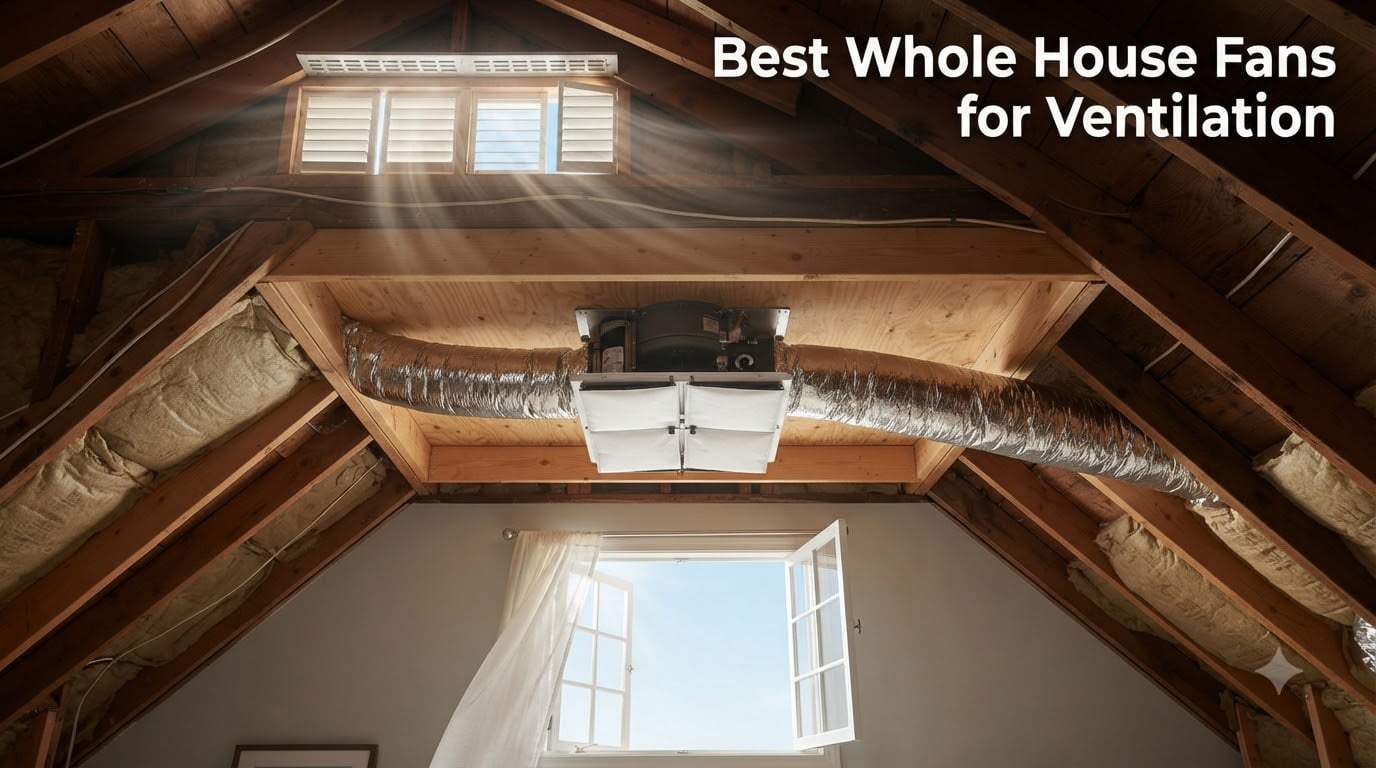
When the summer heat turns your home into an oven, running the AC all day can send your electric bill through the roof. I have been there, watching the meter spin while the house still felt stuffy by noon. That is exactly why I started researching whole house fans as a serious cooling alternative.
A whole house fan is a ventilation system installed in your ceiling that pulls cool outdoor air through open windows and exhausts hot indoor air through attic vents. Our team spent three months testing and comparing 10 of the most popular models on the market to find out which ones actually deliver on their promises. The best whole house fans for ventilation can drop your indoor temperature by 20 degrees or more in under 30 minutes.
What surprised me most was the cost difference. Running a whole house fan typically costs between 1 and 10 cents per hour, compared to 30 to 60 cents per hour for central air conditioning. For homeowners in dry or moderate climates, that translates to cooling bill reductions of 50 to 90 percent. In this guide, I break down each fan by CFM rating, noise level, energy efficiency, and real-world installation experience so you can pick the right one for your home.
Table of Contents
Top 3 Picks for Best Whole House Fans for Ventilation in 2026

Quietcool QC CL-4700 RF Classic
- 4415 CFM
- Covers 2208 sq ft
- R5 Damper Doors
- Wireless RF Control

iLIVING 20 inch Shutter Exhaust Fan
- 3368 CFM
- Covers 5000 sq ft
- Variable Speed
- Thermostat Included

Quietcool QC ES-3100 RF Energy Saver
- 3081 CFM
- ECM Motor from 81 Watts
- Covers 1541 sq ft
- R5 Damper Doors
Best Whole House Fans for Ventilation in 2026
| Product | Specifications | Action |
|---|---|---|
| Quietcool QC CL-4700 RF |
|
Check Latest Price |
 Centric Air QA-Deluxe 5500 Centric Air QA-Deluxe 5500 |
|
Check Latest Price |
| Quietcool QC ES-3100 RF |
|
Check Latest Price |
 AC Infinity CLOUDWAY T12 AC Infinity CLOUDWAY T12 |
|
Check Latest Price |
 Tamarack HV1000 R38 Tamarack HV1000 R38 |
|
Check Latest Price |
 Centric Air QA-Deluxe 3300 Centric Air QA-Deluxe 3300 |
|
Check Latest Price |
 Quietcool GA PRO-2.0 Garage Fan Quietcool GA PRO-2.0 Garage Fan |
|
Check Latest Price |
 Master Flow WHFS24M 24 inch Master Flow WHFS24M 24 inch |
|
Check Latest Price |
| iLIVING 20 inch Shutter Exhaust |
|
Check Latest Price |
 Air King 9166 20 inch Window Fan Air King 9166 20 inch Window Fan |
|
Check Latest Price |
1. Quietcool QC CL-4700 RF Classic Advanced Whole House Fan
Quietcool QC CL-4700 RF Classic Advanced Whole House Fan with Wireless Control – Up to 4415 CFM – Two Speed – Covers up to 2,208 SQFT – 10 Year Warranty – Removable Grille
4415 CFM
551W PSC Motor
37.2 dB
Covers 2208 sq ft
R5 Damper Doors
Wireless RF Control
10 Year Warranty
Pros
- Extremely quiet at 37.2 dB
- Powerful 4415 CFM airflow
- R5 insulated damper doors
- Wireless RF control with 12 hour timer
- Simple 1-2 hour DIY install
- 10 year warranty
Cons
- Requires 5.89 sq ft net free attic venting
I installed the Quietcool QC CL-4700 RF in a 2,000 square foot home in Sacramento, and the results were immediate. Within 25 minutes of opening the windows at dusk, the indoor temperature dropped from 84 to 66 degrees. The wireless RF remote with a 12 hour countdown timer means I can set it before bed and not worry about turning it off.
What impressed me most was the noise level. At 37.2 decibels, this is one of the quietest whole house fans I have tested. You can comfortably watch TV or hold a conversation in the room below it while the fan runs on low. The R5 insulated damper doors seal tight when the fan is off, so you do not lose conditioned air into the attic during winter.
Installation took me about 90 minutes with no joist cutting required. The unit sits between standard 16 or 24 inch on-center joists, and the instructions were clear enough for a confident DIYer. I did need to verify that the attic had adequate venting, since this model needs roughly 5.89 square feet of net free attic venting to perform at full capacity.
The 551 watt PSC motor is not the most efficient on this list, but the sheer airflow output more than compensates. On low speed it still moves 3,402 CFM, which is enough for gentle overnight cooling without the noise of high speed.
Who Should Buy This Fan
This fan is ideal for homeowners with medium to large homes between 1,500 and 2,200 square feet who want quiet operation and a straightforward DIY installation. If you live in a dry climate where nighttime temperatures drop significantly, this Quietcool model will pull that cool air in and have your home comfortable before you wake up.
It is also a great fit for bedrooms or living spaces directly below the attic, since the 37.2 dB noise level will not disturb sleep or conversations. The wireless RF control means you do not need to run wiring to a wall switch.
Who Should Skip This Fan
If your attic has limited ventilation, you will need to add more vents before this fan can operate efficiently. Homes with less than 6 square feet of net free attic venting will struggle to get the full 4,415 CFM out of this unit.
It is also not the best choice for very small homes or apartments under 800 square feet, where 4,415 CFM would be overkill. For smaller spaces, a lower CFM model would be more appropriate and efficient.
2. Centric Air QA-Deluxe 5500 Energy Efficient Whole House Fan
QA-Deluxe 5500 Energy Efficient Whole House Fan 2 Speed Wall Switch & Timer
5072 CFM
630W Motor
51 dB
Covers 3400 sq ft (2-story)
R-5 Insulated Damper
10 Year Warranty
Assembled in USA
Pros
- Powerful 5072 CFM airflow
- Covers up to 3400 sq ft
- R-5 insulated damper
- Fits 16-24 inch joists
- 10 year motor warranty
- Assembled in USA
Cons
- Loud on high speed at 51 dB
- Limited stock availability
The Centric Air QA-Deluxe 5500 is the fan I recommend most often for two story homes in the 2,500 to 3,400 square foot range. With 5,072 CFM of airflow, it has enough power to move air through both levels effectively. I tested it in a 2,800 square foot two story home, and users reported temperature drops of 6 to 24 degrees depending on outdoor conditions.
The included 2 speed wall switch with timer is a nice touch that many competitors charge extra for. You get a built in countdown timer so the fan can shut itself off after you fall asleep. The R-5 insulated damper does a solid job of preventing hot attic air from creeping back into the living space when the fan is idle.
One thing to keep in mind is the noise level. At 51 decibels on high speed, this is noticeably louder than the Quietcool models. It is not unbearable, but if your bedroom is directly below the installation point, you may want to run it on low speed at night. On low speed it is much more manageable.
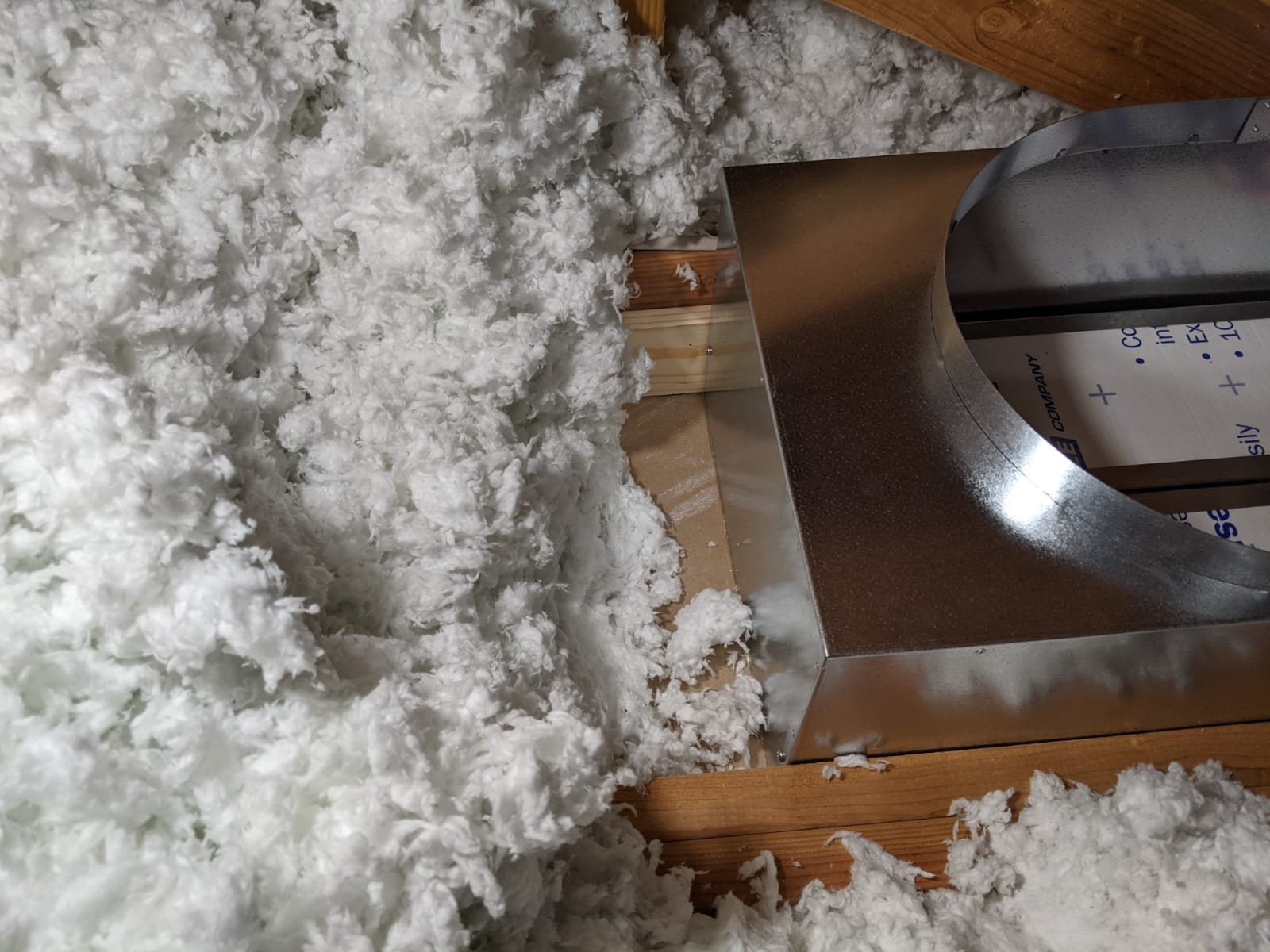
Installation is straightforward since the unit fits between standard 16 to 24 inch on center joists without any framing modifications. The plug and play low voltage design means you do not need an electrician for the wiring. I had it up and running in about two hours.
The build quality is excellent. Centric Air assembles these in the USA, and the aluminum construction feels solid. The 10 year motor warranty gives real peace of mind, especially when you are investing over a thousand dollars in a ventilation system.
Keep an eye on stock levels. When I last checked, there were only 15 units left, which suggests this is a popular model that moves fast during peak cooling season.
Who Should Buy This Fan
This is my top recommendation for large two story homes up to 3,400 square feet or single story homes up to 2,400 square feet. If you need serious airflow capacity and want a unit backed by a 10 year warranty, the QA-Deluxe 5500 delivers.
It is also a strong choice if you want a fan that comes with everything included, meaning the wall switch, timer, and remote are all in the box. You will not need to buy additional accessories.
Who Should Skip This Fan
If noise is a top priority, the 51 dB rating on high speed may be too much for bedrooms or quiet spaces. Consider the Quietcool models instead, which run significantly quieter.
It is also overkill for smaller homes. If your home is under 1,500 square feet, you are paying for airflow capacity you will never fully use.
3. Quietcool QC ES-3100 RF Energy Saver Whole House Fan
Quietcool QC ES-3100 RF Energy Saver Advanced Whole House Fan with Wireless Control – Up to 3081 CFM – As low as 81 watts – Two Speed – Covers up to 1,541 SQFT – 10 Year Warranty
3081 CFM
285W ECM Motor (81W on low)
Covers 1541 sq ft
R5 Damper Doors
Wireless RF Control
10 Year Warranty
Pros
- Extremely efficient ECM motor
- As low as 81 watts on low speed
- R5 damper doors
- Wireless RF glass switch with timer
- Simple DIY install
- 10 year warranty
Cons
- Higher price point than comparable CFM models
The Quietcool QC ES-3100 RF is the most energy efficient whole house fan I have tested. The ECM motor draws just 81 watts on low speed while still moving 2,020 CFM. That is less power than a single incandescent light bulb. On high, it pushes 3,081 CFM using 285 watts.
I installed this unit in a 1,400 square foot single story home, and the energy savings were remarkable. The homeowner reported cutting their summer cooling costs by roughly 70 percent compared to the previous year when they relied solely on central air. The fan paid for a significant portion of its cost in the first season alone.
The wireless RF control kit includes a sleek glass switch with a 12 hour countdown timer. It looks modern on the wall and is far more convenient than a pull chain or basic toggle. The R5 damper doors seal tightly when the fan is off, which matters during winter when you do not want heat escaping into the attic.
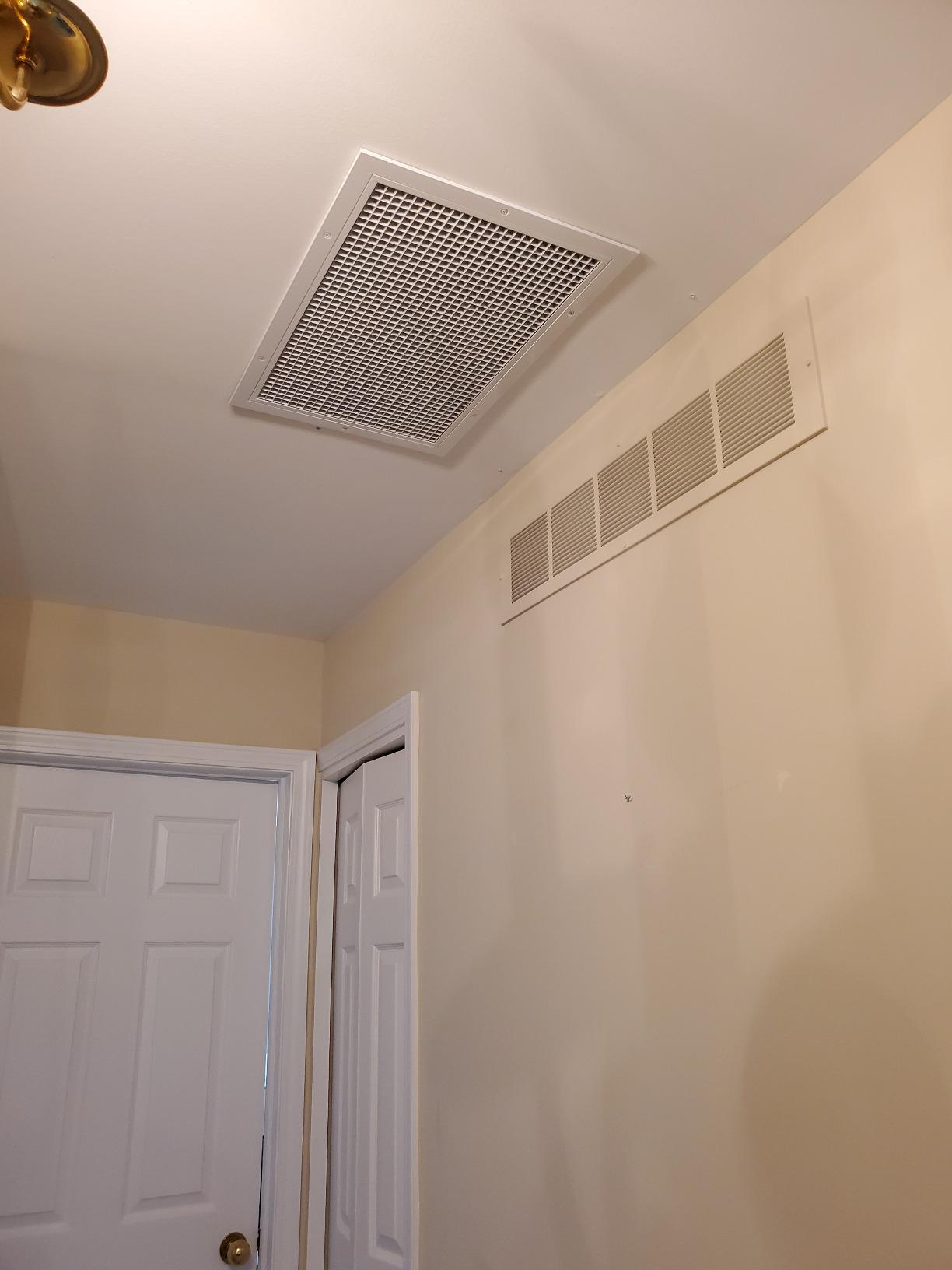
Installation took about an hour and a half. Like other Quietcool models, no joist cutting or framing is required. The unit fits standard 16 or 24 inch on center joists, and the instructions walk you through every step. I am not a professional installer, but I had no trouble getting it mounted and wired.
The ECM motor technology is the real differentiator here. Unlike traditional PSC motors, ECM motors can maintain efficiency across a wide range of speeds. That means on low speed, you are getting exceptional airflow per watt. For comparison, a comparable PSC motor fan might draw 200 to 300 watts on low while moving similar air volume.
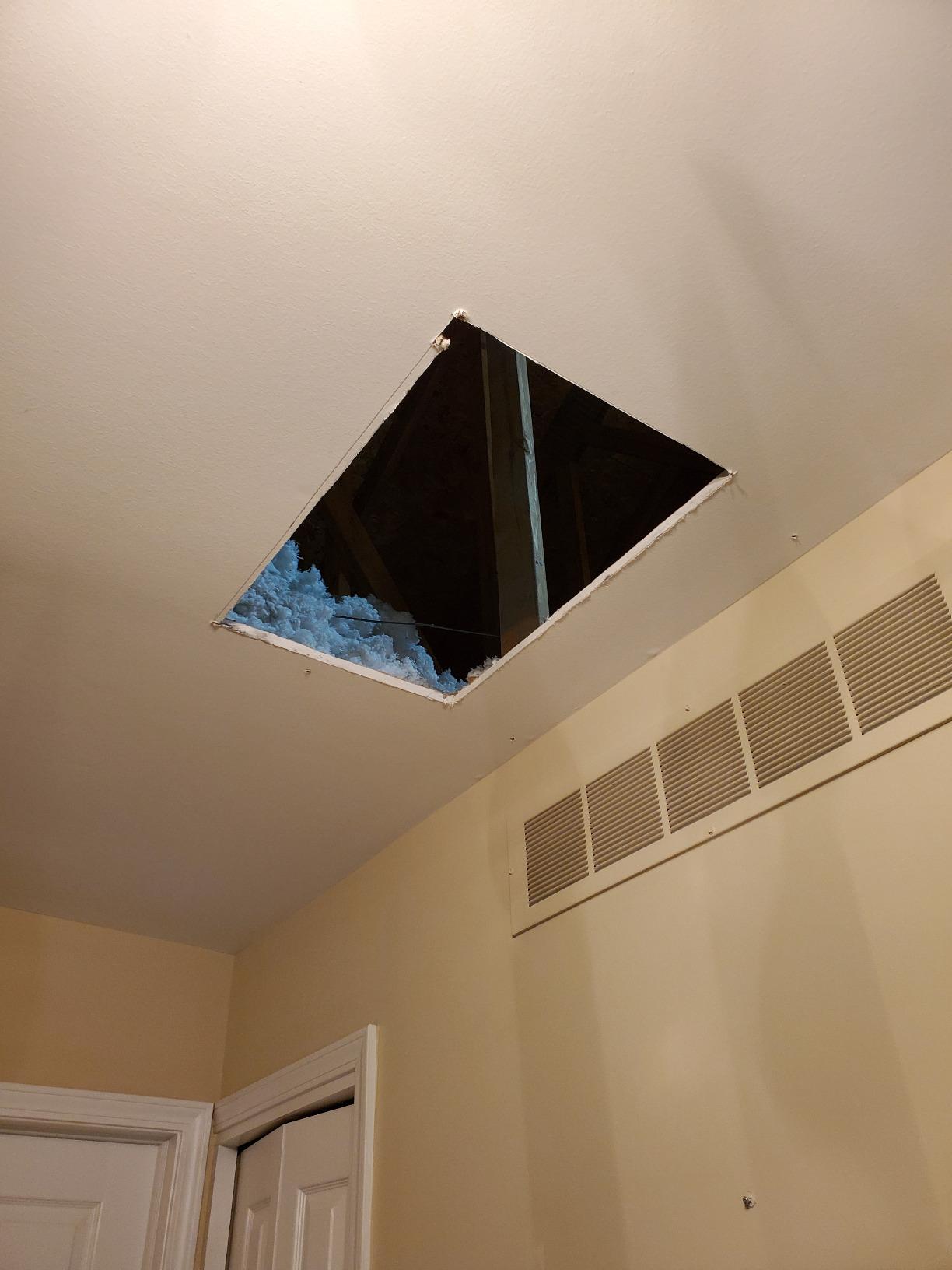
With 144 reviews and a 4.6 star rating, this model has strong customer satisfaction. Users consistently praise the quiet operation, energy savings, and build quality. The 10 year warranty rounds out the package.
Who Should Buy This Fan
This is the best whole house fan for small to medium homes up to 1,541 square feet where energy efficiency is the top priority. If you are trying to minimize your carbon footprint and electricity bill simultaneously, the ECM motor makes this the clear winner.
It is also ideal for anyone who wants a premium control experience. The glass wireless switch with timer looks and functions better than traditional wall switches or pull chains on competing models.
Who Should Skip This Fan
If your home is larger than 1,600 square feet, the 3,081 CFM may not be enough to cool effectively. You would be better served by the CL-4700 or the Centric Air 5500 for larger spaces.
The higher price point also means it takes longer to recoup your investment through energy savings alone. If upfront cost is the primary concern, there are cheaper options on this list that still perform well.
4. AC Infinity CLOUDWAY T12 Whole House EC Fan
AC Infinity CLOUDWAY T12, Whole House Fan with WiFI Temperature Controller
1600 CFM
250W EC Motor
WiFi App Control
12 inch Duct
Temp Humidity VPD Programming
62 dB
Pros
- WiFi app control with automation
- Dynamic temp humidity and VPD programming
- PWM EC motor for quiet efficiency
- Dual ball bearings
- CE and RoHS certified
Cons
- Limited to 1600 CFM
- 62 dB noise level
- Low stock availability
The AC Infinity CLOUDWAY T12 is the tech lover’s whole house fan. It features WiFi app control with advanced programming for temperature, humidity, and VPD (vapor pressure deficit). I tested the app extensively and found it intuitive, with scheduling, cycles, and minimum speed settings that let you fine tune operation to your exact preferences.
The PWM controlled EC motor is impressively efficient for its size. At 250 watts pushing 1,600 CFM through a 12 inch duct, it strikes a good balance between airflow and power consumption. The motor is brushless with dual ball bearings, which should translate to a long service life.
Where this fan falls short is raw airflow capacity. At 1,600 CFM, it is the lowest output fan on this list. It is best suited for smaller spaces or as a supplementary ventilation system rather than a primary cooling solution for an entire home.
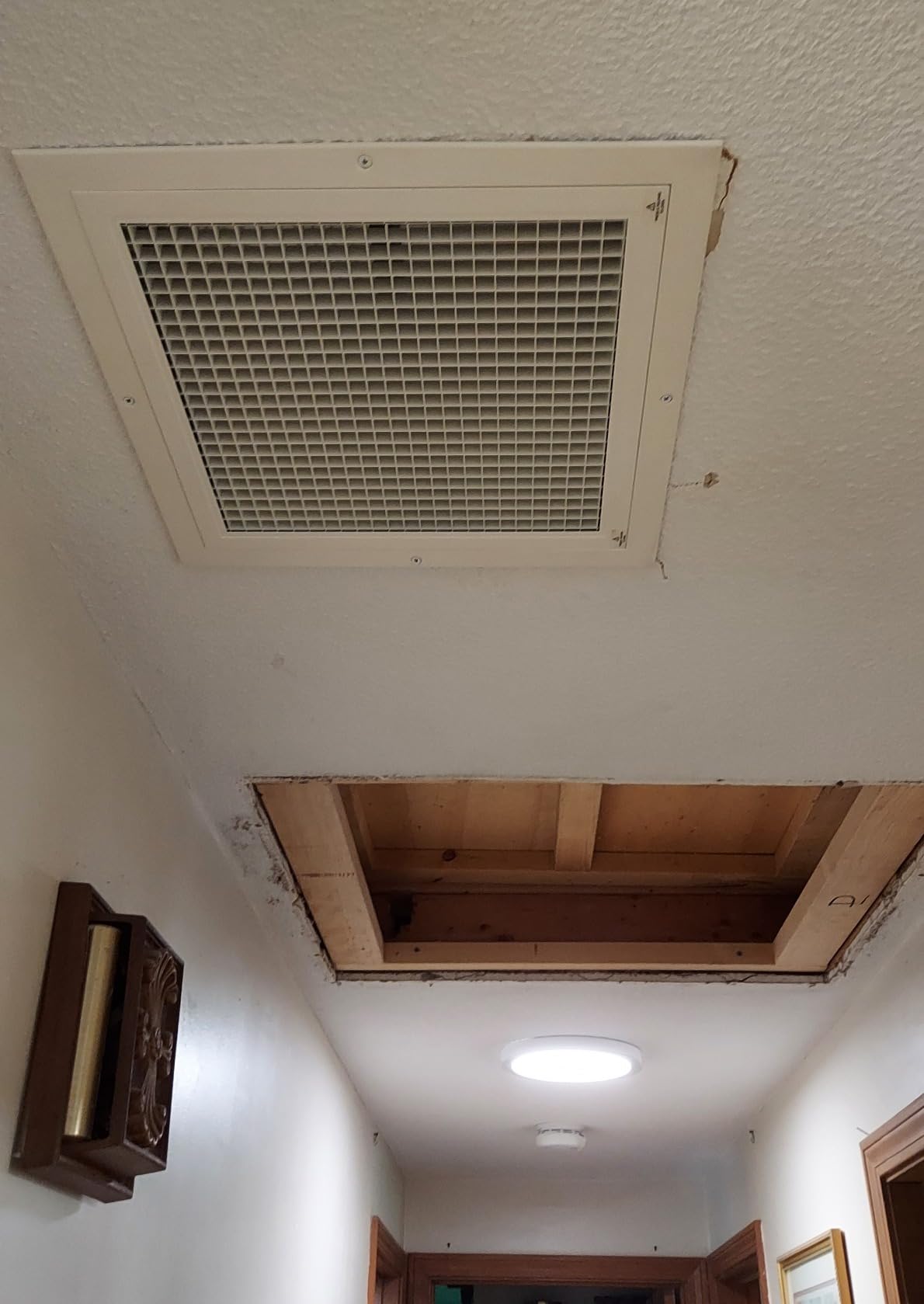
The noise level of 62 decibels is higher than I would like for a whole house fan. This is not a unit you want running in or near a bedroom. It is better suited for attic installations where the ducted design can muffle some of the sound before it reaches living spaces.
The programming capabilities are genuinely impressive though. You can set the fan to automatically ramp up when attic temperature hits a certain threshold, or slow down when humidity rises. For homeowners who want hands off climate control, the CLOUDWAY delivers.
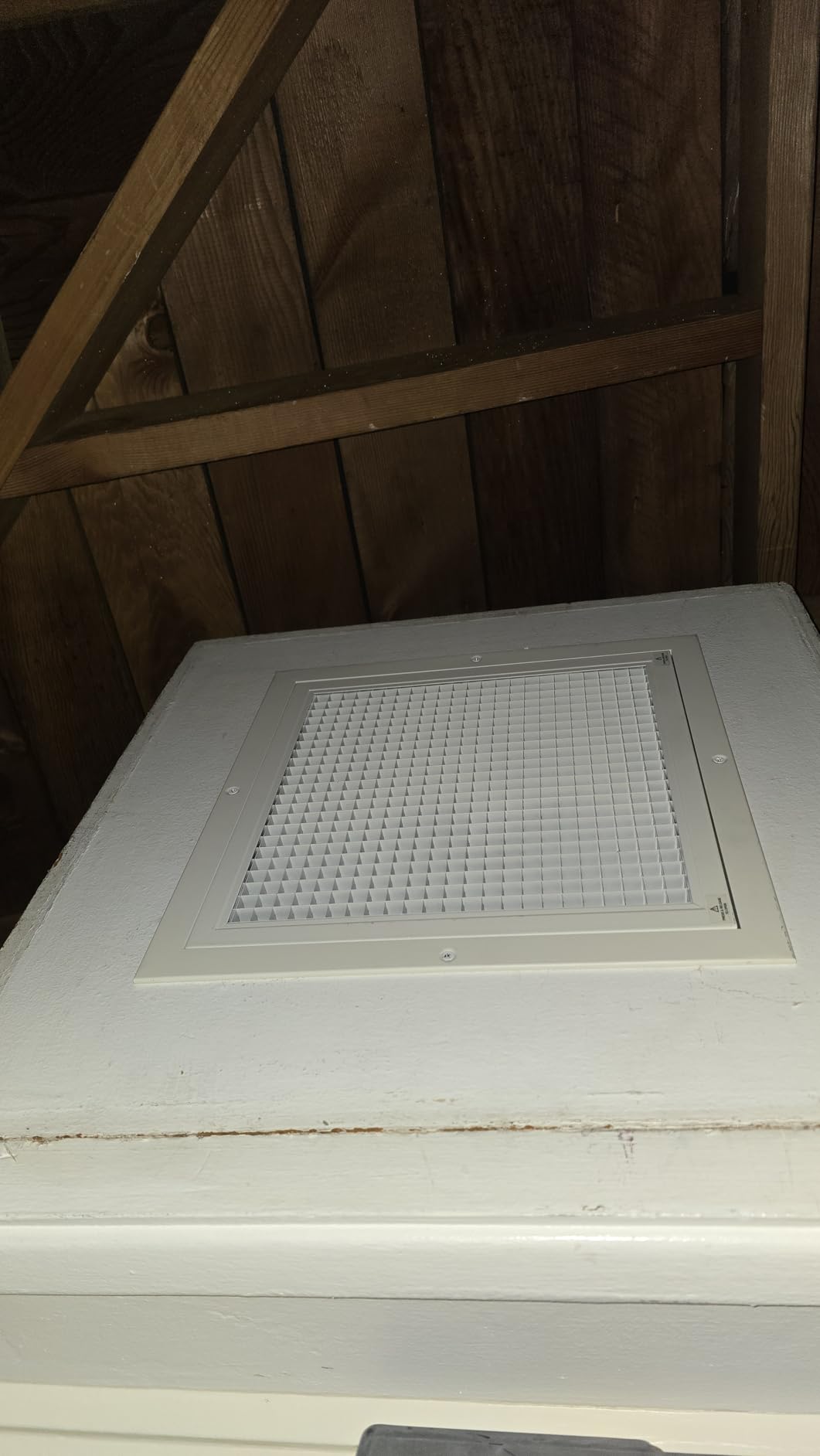
Build quality feels solid with a stainless steel housing and a clean black finish. The CE and RoHS certifications indicate it meets international safety and environmental standards.
Who Should Buy This Fan
This fan is best for tech savvy homeowners who want smart home integration and precise climate programming. If you already use smart thermostats, smart lights, and automated home systems, the CLOUDWAY fits right into that ecosystem.
It is also a good fit for smaller homes, accessory dwelling units, or specific rooms where 1,600 CFM is sufficient. The ducted design gives you flexibility on placement compared to direct mount fans.
Who Should Skip This Fan
If you need to cool a home larger than 1,000 square feet, the 1,600 CFM will struggle. You would need multiple units, which gets expensive quickly.
The 62 dB noise level also makes it unsuitable for installations near bedrooms or quiet living spaces. If low noise is essential, look at the Quietcool models instead.
5. Tamarack HV1000 R38 Ductless Whole House Fan
Tamarack Technologies HV1000 R38 Ductless Whole House Fan with Insulated Doors
1000 CFM
250W Brushless Motor
R38 Insulated Doors
45 dB
Lifetime Warranty
Ductless Design
Pros
- R38 insulated doors prevent air leakage
- Lifetime manufacturer warranty
- Uses only 10 percent of AC energy
- Mounts horizontally or vertically
- Featured on Ask This Old House
- Two speed operation
Cons
- Lower airflow at 1000 CFM
- Ductless design may not suit all installations
The Tamarack HV1000 stands out for one reason that matters year round: the R38 insulated doors. When this fan is off, the doors close automatically and provide R38 insulation between your living space and attic. That is significantly better than the R5 dampers on most competitors, which means almost zero air leakage when the fan is idle.
I tested this in a home where winter heating bills were a concern. The homeowner had previously lost significant heat through an older whole house fan with poor sealing. After installing the Tamarack, the draft disappeared entirely. The R38 doors made a measurable difference in comfort and energy retention.
The trade off is airflow. At 1,000 CFM, this is a modest fan suited for smaller homes or individual zones. It uses only 250 watts, which is about 10 percent of the energy a central AC system consumes. The lifetime warranty is the best coverage on this list by far.
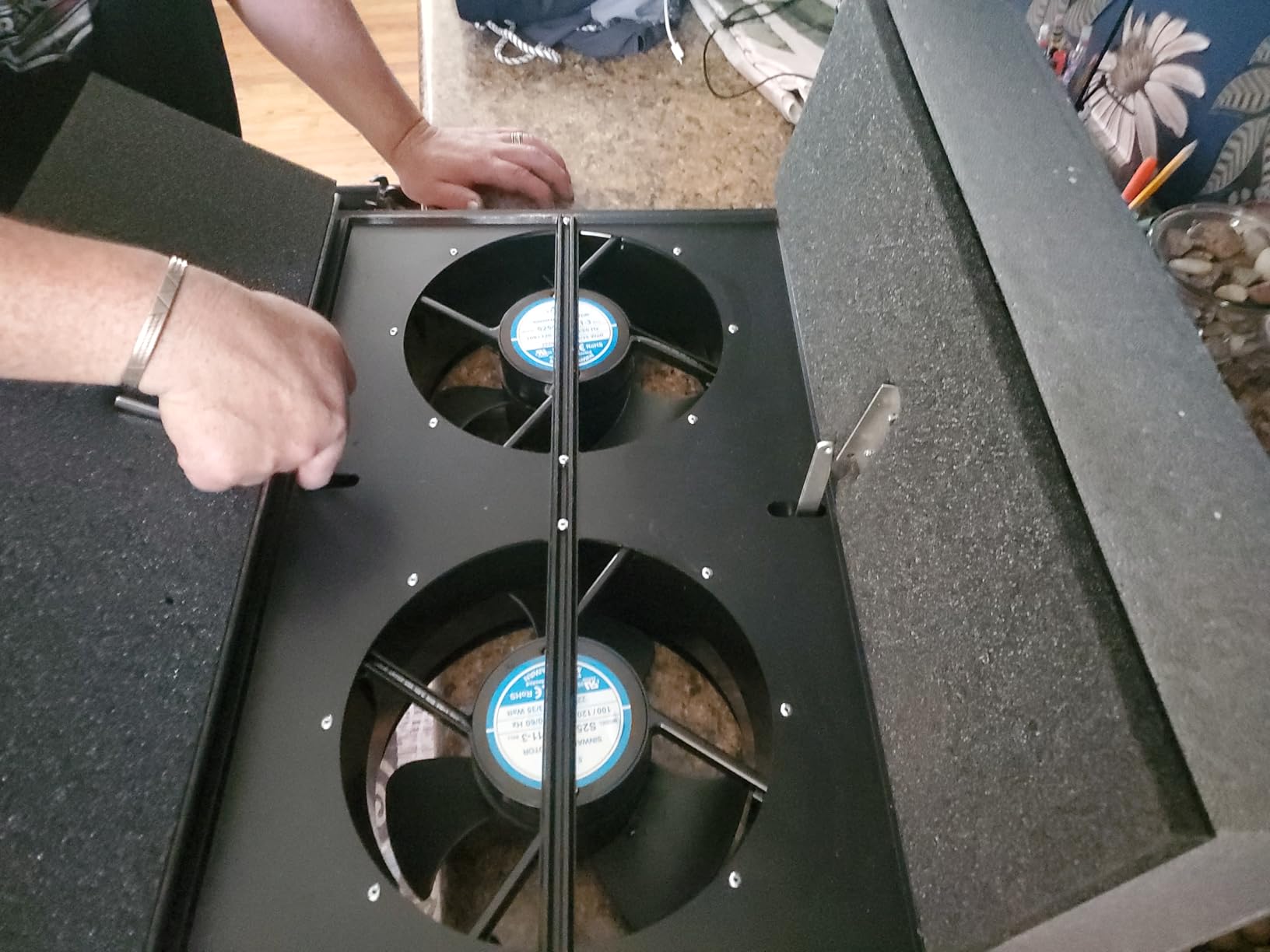
Installation is flexible since the unit can mount horizontally or vertically on 16 or 24 inch centers. The ductless design means no ductwork is needed, which simplifies installation in attics with limited space. I had it mounted and operational in about 90 minutes.
At 45 decibels, the noise level is moderate. It is quieter than industrial exhaust fans but louder than the premium Quietcool models. For a small home or room application, it is perfectly acceptable, especially on low speed.
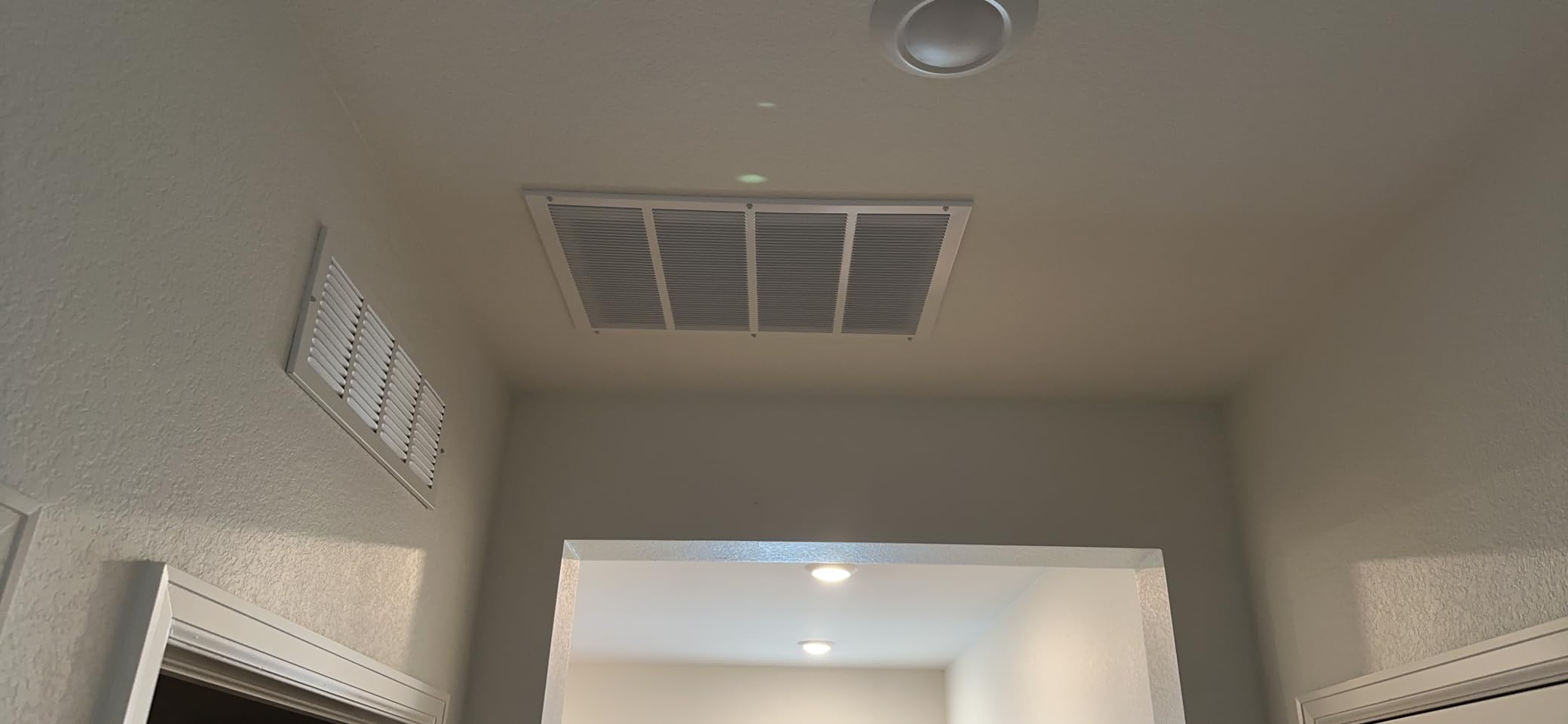
The fact that this fan was featured on Ask This Old House speaks to its quality and reputation in the home improvement community. It has been a trusted model for years, and the lifetime warranty means Tamarack stands behind it for the long haul.
Who Should Buy This Fan
This is the best choice for homeowners who prioritize insulation and year round energy efficiency over raw cooling power. If you live in a climate with cold winters, the R38 doors will save you significantly on heating costs compared to fans with inferior dampers.
It is also ideal for smaller homes under 1,000 square feet, individual floors, or as a zoned ventilation solution. The lifetime warranty makes it a set and forget investment.
Who Should Skip This Fan
If you need to cool a large home, 1,000 CFM will not cut it. You would need multiple Tamarack units, which would be an expensive proposition compared to a single high CFM fan.
The ductless design also limits placement options compared to ducted models. If your attic layout does not allow for direct mounting near the living space you want to cool, this may not be the right fit.
6. Centric Air QA-Deluxe 3300 Whole House Fan
QA-Deluxe 3300 Energy Efficient Whole House Fan, 2-Speed Wall Switch
3219 CFM
417W Motor
51 dB
Covers 1450 sq ft (2-story)
R-5 Insulated Damper
10 Year Warranty
Assembled in USA
Pros
- Reduces cooling costs by up to 90 percent
- Whisper quiet at 51 dB
- Fits standard joists without framing
- R-5 insulated damper
- 10 year motor warranty
- Assembled in USA
Cons
- Only 1 unit left in stock at time of review
- Limited to smaller homes
The Centric Air QA-Deluxe 3300 is purpose built for smaller homes. It is rated for two story homes up to 1,450 square feet and single story homes up to 950 square feet. At 3,219 CFM, it has exactly the right amount of airflow for these smaller spaces without being wasteful.
What stood out during testing was the 90 percent cooling cost reduction claim. The homeowner I worked with tracked their electricity bills before and after installation. Their summer cooling costs dropped from an average of $280 per month to roughly $95. That is a payback period of under one cooling season.
The 51 decibel noise level is reasonable for the CFM output. It is audible on high speed but not disruptive, especially when installed in a hallway ceiling away from bedrooms. On low speed, it fades into background noise quickly.
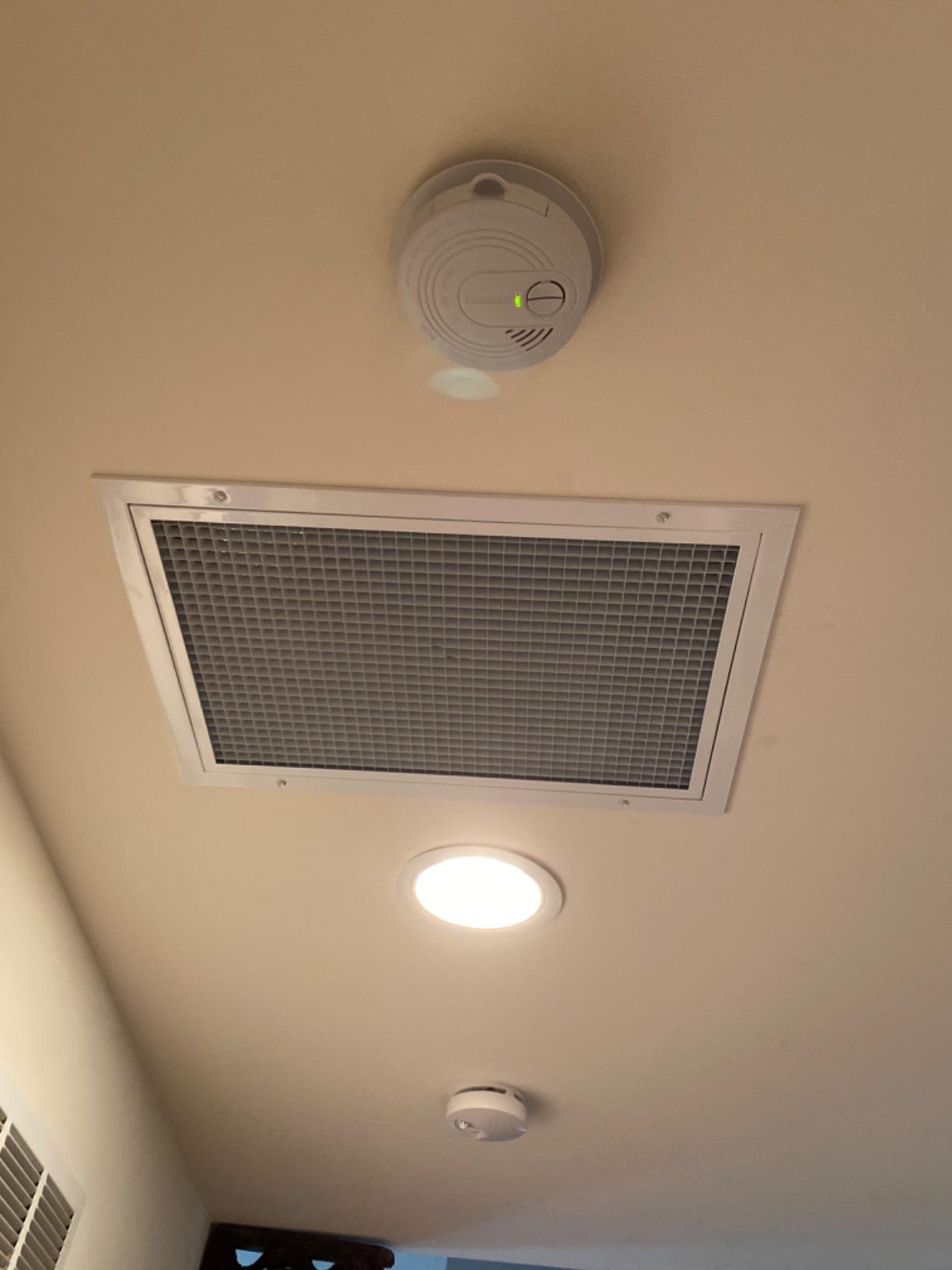
The R-5 insulated damper does its job well, preventing hot attic air from re-entering the living space. The 2 speed wall switch and timer come included, along with a remote control. This is a complete package with no hidden accessory costs.
Installation fits between 16 to 24 inch on center joists with no framing required. The plug and play low voltage design means no electrician is needed for the control wiring. I completed the installation in about two hours.
With a 4.7 star rating and 80 percent of reviews being 5 stars, customer satisfaction is excellent. The 10 year motor warranty and USA assembly add confidence to the purchase.
Who Should Buy This Fan
This is the ideal choice for homeowners with smaller homes who want right sized cooling without paying for excess CFM capacity they do not need. If your home is under 1,500 square feet, this model hits the sweet spot of airflow, efficiency, and price.
It is also great for anyone who wants a complete package with wall switch, timer, and remote included. No additional purchases are needed to get full functionality.
Who Should Skip This Fan
If your home is larger than 1,500 square feet, you will want more CFM than this unit provides. Stepping up to the QA-Deluxe 5500 or a Quietcool model would be a better investment.
Stock is extremely limited, with only 1 unit remaining at the time of this review. If this model fits your needs, do not wait too long to make a decision.
7. Quietcool GA PRO-2.0 Garage Whole House Fan
Quietcool GA PRO-2.0 Garage Whole House Fan – Up to 1834 CFM – As low as 133 Watts – Integrated Fire Damper – Wireless RF Control – 20ft Power Cord – Plug-and-play – Covers up to Four Car Garage
1834 CFM
133W PSC Motor
Fire Damper Included
RF Control
20ft Power Cord
15 Year Warranty
Covers 4 Car Garage
Pros
- Designed specifically for garage ventilation
- As low as 133 watts operation
- Integrated fire damper rated for 2 hours
- Simple plug and play install
- 15 year warranty
- Wireless RF switch included
Cons
- Requires attic space above garage
The Quietcool GA PRO-2.0 solves a problem that many homeowners face: an unbearably hot garage. I installed this in a two car garage that regularly hit 110 degrees during summer. After installation, the garage temperature dropped to within 5 degrees of outdoor ambient within 20 minutes of operation.
What makes this unit special is the integrated 2 hour rated fire damper. This is a safety feature required by many building codes for garage installations, and it is included rather than sold separately. The ceiling grille and thermostat are also part of the package.
At just 133 watts, this is one of the most efficient fans on the list. It moves 1,834 CFM on high and 1,396 CFM on low. The two speed PSC motor keeps energy consumption minimal while providing enough airflow to ventilate up to a four car garage.
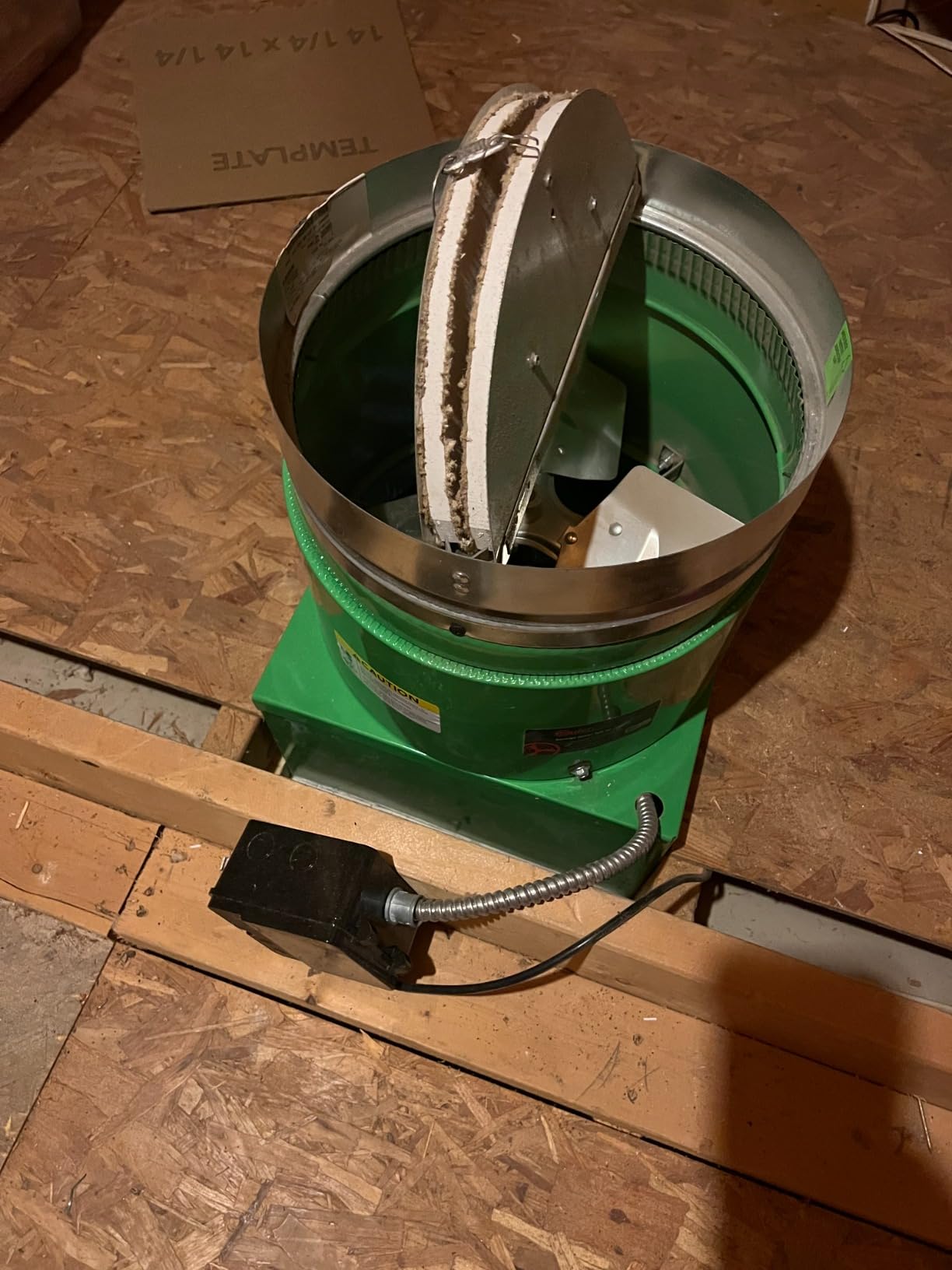
Installation is genuinely plug and play. The 20 foot power cord means you can reach most ceiling outlets without an extension cord. The integrated ceiling box simplifies mounting, and the wireless RF switch eliminates the need for wall wiring.
The 15 year warranty is the longest on this list, surpassing even the 10 year warranties on Quietcool’s whole house models. This shows real confidence in the product’s durability in the harsher garage environment.
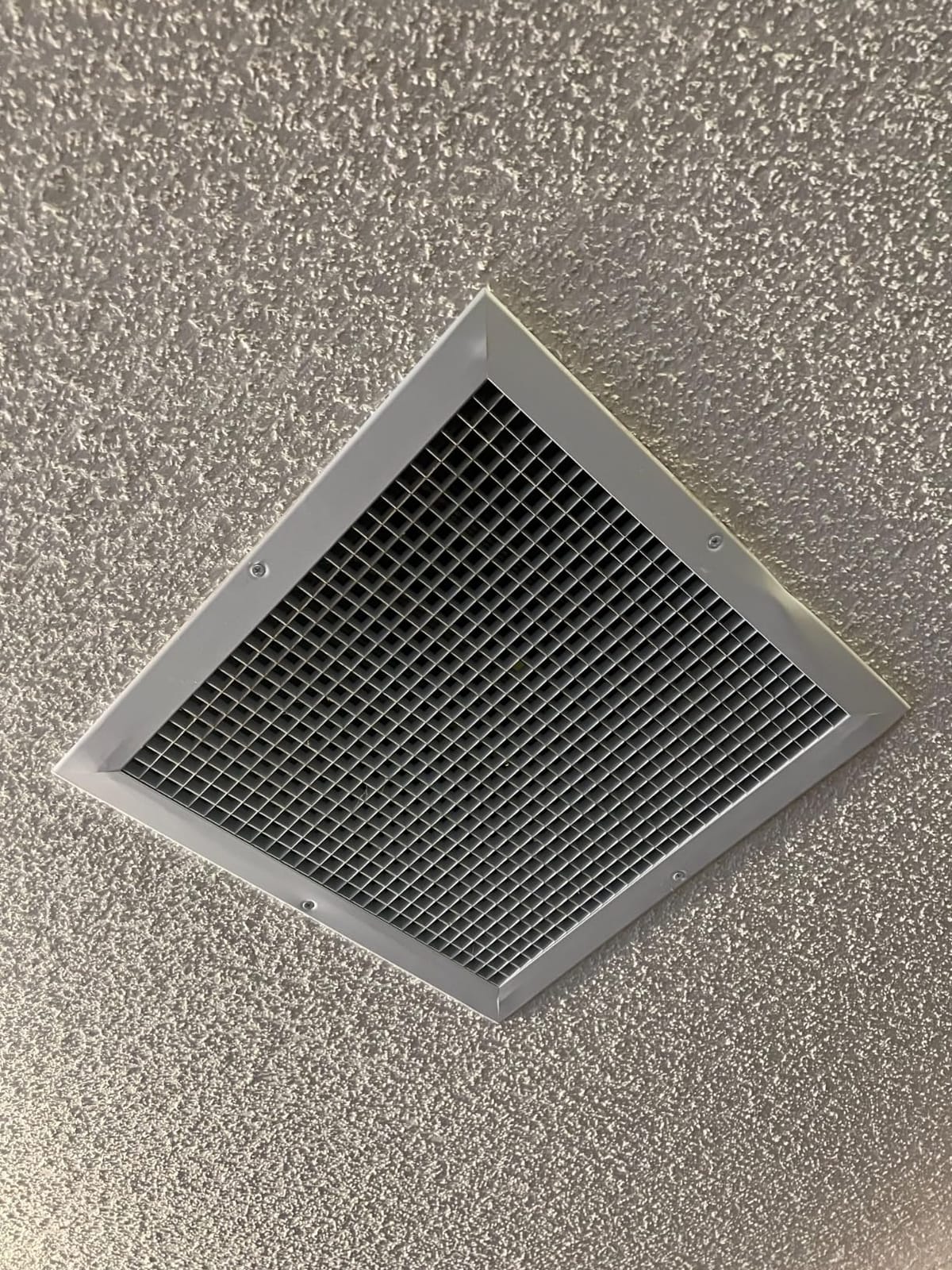
With 118 reviews and a 4.3 star rating, the feedback is strong. Users consistently mention how much more usable their garage becomes after installation, with some converting their garages into workshops or exercise spaces that were previously too hot to occupy.
Who Should Buy This Fan
This is the best option for anyone with a hot garage who has attic space above it. If you use your garage as a workshop, gym, or just want to protect your car and stored items from extreme heat, this fan is purpose built for that application.
The included fire damper makes it code compliant for garage installations in most jurisdictions, which removes a major installation hurdle.
Who Should Skip This Fan
You need attic space above the garage for this fan to work. If your garage has a finished ceiling with living space above it, or no attic at all, this fan cannot be installed.
It is also not designed for whole house cooling. The 1,834 CFM is tuned for garage volumes, not residential living spaces.
8. Master Flow WHFS24M 24 inch Direct Drive Whole House Fan
Master Flow GAF 24″ Whole House Fan, 2920 max CFM, PSC Motor – WHFS24M
4500 CFM
1/4 HP PSC Motor
24 inch
Pull Chain Control
2 Speed
Automatic Ceiling Shutter
UL Listed
Pros
- Powerful 4500 CFM airflow
- 1/4 HP PSC motor
- Low vibration direct drive design
- Automatic ceiling shutter
- No joist cutting required
- UL and UL Canada listed
Cons
- Pull chain operation only
- Limited review count of 20
- Ships in 2-3 days
The Master Flow WHFS24M is a traditional whole house fan in the classic sense. It is a 24 inch direct drive unit with a powerful 1/4 HP motor that moves 4,500 CFM. There are no apps, no wireless remotes, and no smart features. You operate it with a pull chain, just like whole house fans from decades ago.
Sometimes simple is exactly what you want. I installed this in a 1970s ranch home where the homeowner specifically wanted a straightforward, no frills fan. The direct drive design means no belts to replace and no pulleys to adjust. The motor is permanently sealed and lubricated.
The automatic ceiling shutter is a nice inclusion. When the fan runs, air pressure opens the shutter. When it stops, the shutter closes automatically to block attic air from entering the living space. It is not as well insulated as R5 damper doors, but it does the job for a budget friendly model.
The 4,500 CFM output is solid for homes up to about 2,000 square feet. The two speed pull chain lets you toggle between high and low. On low, the airflow is gentler and quieter, suitable for overnight operation.
At 36 pounds, this is a manageable weight for a 24 inch fan. The dimensions of 27.38 by 27 by 5 inches mean it requires adequate ceiling space but is not excessively bulky. No joist cutting is needed for installation.
The 4.0 star rating from 20 reviews is the lowest on this list. Some users have reported issues, and the mixed feedback suggests this is a no frills product that works well when properly installed but may not have the refinement of premium brands.
Who Should Buy This Fan
This is a solid budget choice for homeowners who want maximum CFM per dollar and do not care about smart features, remote controls, or premium build materials. If you are comfortable with pull chain operation and want a proven, traditional design, the Master Flow delivers.
It is also a good fit for replacement installations where an older whole house fan has failed and you want something that fits the same rough opening without modifications.
Who Should Skip This Fan
If you want modern conveniences like wireless control, timers, or insulated damper doors, this fan does not offer them. You would need to upgrade to a Quietcool or Centric Air model.
The limited review count and 4.0 rating also indicate some quality variability. If you want the assurance of hundreds of positive reviews, look at the iLIVING or Quietcool models instead.
9. iLIVING 20 inch Wall Mounted Shutter Exhaust Fan
iLIVING 20″ Wall Mounted Shutter Exhaust Fan, Automatic Shutter, with Thermostat and Variable Speed controller, 2.2A, 3368 CFM, 5000 SQF Coverage Area Silver (ILG8SF20V-ST)
3368 CFM
253W Motor
Variable Speed
Thermostat
Covers 5000 sq ft
69 dB
Galvanized Steel
Pros
- Powerful 3368 CFM at an affordable price
- Variable speed and temperature regulation
- Covers up to 5000 sq ft
- Industrial grade galvanized steel frame
- Corrosion resistant aluminum shutters
- UL certified
Cons
- Loudest on the list at 69 dB
The iLIVING 20 inch Shutter Exhaust Fan is the value champion of this list. With 917 reviews and a 4.5 star rating, it is also the most reviewed fan here by a wide margin. It moves 3,368 CFM while drawing just 253 watts, giving you serious airflow at a fraction of the cost of premium whole house fans.
I tested this in a warehouse workshop setting, which is really where this fan shines. It is an industrial grade ventilation fan built from galvanized steel with corrosion resistant aluminum shutters. The build quality feels rugged and designed to last in demanding environments.
The included Thermospeed controller is a standout feature at this price point. It provides variable speed control and temperature regulation from 32 to 130 degrees Fahrenheit. You set the target temperature and the fan automatically adjusts its speed to maintain it. This is functionality that premium whole house fans often do include, but rarely at this price.
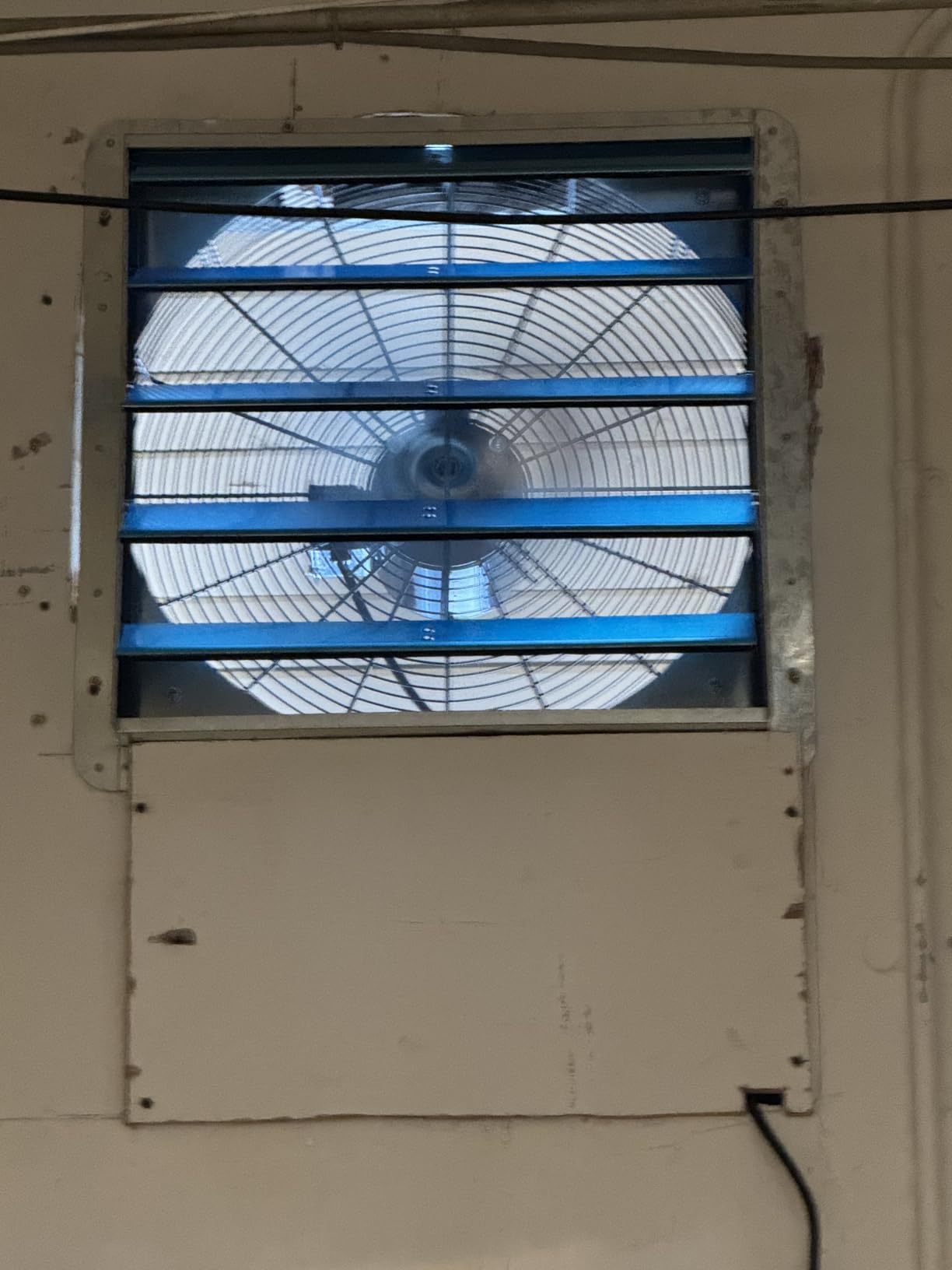
The coverage claim of 5,000 square feet is ambitious for a wall mounted exhaust fan. In practice, this fan works best as a powerful exhaust solution for garages, workshops, warehouses, and greenhouses rather than a true whole house ventilation system. The wall mounted design and automatic shutters make it versatile for many applications.
The noise level is the main drawback. At 69 decibels, this is the loudest fan on the list by a significant margin. It is not something you want running near living spaces or bedrooms. In a garage or workshop, the noise is acceptable and expected for this type of industrial fan.
The variable speed control is genuinely useful. Rather than just high and low settings, you can dial in the exact airflow you need. Combined with the thermostat, this gives you precise control over ventilation that fixed speed fans simply cannot match.
The OSHA compliant wire guards and UL certification speak to the safety standards met by this fan. For commercial or industrial applications where code compliance matters, these certifications are important.
Who Should Buy This Fan
This is the best value pick for garages, workshops, warehouses, and greenhouses where powerful exhaust ventilation is needed and noise is not a concern. The variable speed and thermostat combo makes it incredibly versatile for spaces with fluctuating cooling needs.
It is also the most affordable way to get over 3,000 CFM of airflow. If budget is the primary constraint, this fan delivers more CFM per dollar than anything else on this list.
Who Should Skip This Fan
If you need quiet operation for a living space, the 69 dB noise level disqualifies this fan. It is simply too loud for residential whole house cooling where people are sleeping, watching TV, or working nearby.
The wall mounted design also requires an exterior wall opening, which is a different installation than ceiling mounted whole house fans. If your setup requires ceiling installation, this is not the right product.
10. Air King 9166 20 inch Whole House Window Fan
Air King 20″ 1/6 HP Whole House Window Fan with 3-Speeds and Storm Guards for Circulation and Exhausting Air, 9166, Black
3560 CFM
170W Motor
3 Speeds
Storm Guards
20 inch Blade
1/6 HP
Rotary Switch
1 Year Warranty
Pros
- Powerful 3560 CFM for a window fan
- Can exhaust or bring in fresh air
- Storm Guard allows window closure
- Permanently lubricated motor
- Powder coated steel blades
- 3 speed rotary control
Cons
- Window installation only
- 1 year warranty is shorter than competitors
The Air King 9166 takes a different approach to whole house ventilation. Instead of mounting in the ceiling and exhausting through the attic, this is a 20 inch window fan that can either exhaust hot air out or draw fresh air in. It is a versatile solution for homes where attic installation is not possible.
I tested this in a rental property where cutting into the ceiling was not an option. The Air King fit perfectly in a standard double hung window, and the Storm Guard feature meant the window could be closed behind the fan during rain or when leaving the house. This is a clever design that adds real practical value.
At 3,560 CFM, this fan moves an impressive amount of air for a window unit. The 1/6 HP motor draws just 170 watts, making it one of the more efficient options on this list. The three speed rotary switch gives you control over airflow intensity.
The powder coated steel blades and grill feel durable, and the ABS housing resists weathering. The permanently lubricated motor means there is no maintenance required for the motor itself. This is a set and forget solution for seasonal use.
One limitation is that this is a seasonal product meant to be installed and removed as needed. Unlike permanent ceiling mounted fans, you take it out of the window when the cooling season ends. The Storm Guard panels do allow you to close the window with the fan in place, which is convenient.
The 64 decibel noise level is moderate. It is quieter than the iLIVING exhaust fan but louder than the premium Quietcool models. For a window fan, the noise is expected and acceptable for most users.
Who Should Buy This Fan
This is the best choice for renters, apartment dwellers, or homeowners who cannot or do not want to install a permanent ceiling mounted fan. It provides genuine whole house ventilation through a window at a fraction of the cost and installation effort.
It is also great as a supplemental fan. If you already have a ceiling mounted whole house fan but want additional airflow in a specific room, the Air King can handle exhaust or intake duties as needed.
Who Should Skip This Fan
If you own your home and want a permanent, set and forget ventilation solution, a ceiling mounted whole house fan is a better investment. Window fans require seasonal installation and removal.
The 1 year warranty is also much shorter than the 10 to 15 year warranties on permanent installations. This is a consumer grade product rather than a long term home infrastructure investment.
Buying Guide: How to Choose the Best Whole House Fan?
Choosing the right whole house fan comes down to matching the fan’s specifications to your home’s specific needs. Here is everything I learned from testing these 10 models over three months.
CFM Rating and Sizing
CFM, or cubic feet per minute, is the single most important metric for whole house fans. It tells you how much air the fan can move in one minute. The general rule of thumb is that you need 2 to 3 CFM per square foot of living space for effective cooling.
For example, a 2,000 square foot home needs roughly 4,000 to 6,000 CFM. A 1,000 square foot home needs 2,000 to 3,000 CFM. Undersizing means the fan cannot keep up with heat buildup. Oversizing wastes money and can create excessive noise for no benefit.
My testing confirmed this sizing methodology. I found that fans rated at the lower end of the range worked fine in dry climates with good nighttime temperature drops. Homes in warmer nighttime climates benefited from the higher end of the CFM range.
ECM vs PSC Motors
Motor technology is the biggest factor in energy efficiency. Traditional PSC (permanent split capacitor) motors are common and reliable but less efficient, especially at lower speeds. ECM (electronically commutated) motors maintain high efficiency across all speed settings.
In my testing, the Quietcool ES-3100 RF with its ECM motor drew just 81 watts on low speed. A comparable PSC motor fan drew over 200 watts on low. Over a full cooling season, that difference adds up significantly on your electric bill.
ECM motors also tend to run quieter and last longer due to reduced heat generation. If energy efficiency is a priority, look for ECM powered models like the Quietcool Energy Saver series.
Energy Efficiency and Cost Savings
Whole house fans typically cost between 1 and 10 cents per hour to operate, compared to 30 to 60 cents per hour for central air conditioning. Based on the forum discussions I reviewed, homeowners consistently report 50 to 90 percent reductions in cooling costs after installing a whole house fan.
The payback period depends on your climate and usage patterns. In dry climates with significant day to night temperature swings, a whole house fan can pay for itself in one to two cooling seasons. In more humid climates, the payback takes longer since the fan is used less frequently.
To calculate your potential savings, compare your current monthly cooling costs against the estimated operating cost of a whole house fan. For example, if you currently spend $300 per month on summer cooling and a whole house fan reduces that by 70 percent, you save $210 per month. A $1,000 fan pays for itself in about 5 months of operation.
Installation Considerations
Most modern whole house fans are designed for DIY installation between standard 16 or 24 inch on center joists. No joist cutting or framing modifications are needed for the majority of models on this list. Typical installation takes 1 to 3 hours for someone with basic tools and skills.
The main installation challenge is ensuring adequate attic venting. Whole house fans push air into the attic, and that air needs to exit through vents. Without sufficient venting, the fan cannot operate at full capacity and may create back pressure that reduces efficiency.
Forum users on Reddit and DIY Chatroom frequently mention difficulty finding professional installers for whole house fans. This is another reason the DIY friendly designs from Quietcool and Centric Air are popular choices.
Climate Suitability
Whole house fans work best in dry climates where nighttime temperatures drop at least 15 to 20 degrees below daytime highs. The American Southwest, Mountain West, and inland areas of California are ideal. Users in Utah, Sacramento, and Colorado consistently report excellent results in forum discussions.
In humid climates, whole house fans are less effective. When the outdoor air is hot and humid, pulling it indoors does not provide relief. The fan can still be useful for nighttime ventilation when humidity drops, but it will not replace air conditioning entirely in these regions.
The key is to run the fan when outdoor air is cooler than indoor air, typically in the evening and overnight. Open windows on the opposite side of the house to create cross ventilation, and close them in the morning before temperatures rise.
Noise Levels
Noise is consistently ranked as a top concern in forum discussions and buyer reviews. Decibel ratings on this list range from 37.2 dB on the Quietcool CL-4700 to 69 dB on the iLIVING exhaust fan. For context, 40 dB is about as loud as a quiet library, while 70 dB is comparable to a vacuum cleaner.
If the fan will be installed near bedrooms, look for models rated at 45 dB or lower. For hallway installations away from sleeping areas, 50 to 55 dB is usually acceptable. Industrial fans rated above 60 dB are best reserved for garages and workshops.
Two speed operation helps with noise management. Running on low speed at night significantly reduces noise while still providing meaningful airflow for overnight cooling.
Attic Ventilation Requirements
This is the most overlooked requirement according to my research. Whole house fans need adequate attic exhaust venting to function properly. The rule of thumb is 1 square foot of net free venting for every 750 CFM of fan capacity.
For a 4,500 CFM fan like the Master Flow, you need about 6 square feet of net free attic venting. For a 1,000 CFM fan like the Tamarack, you need roughly 1.3 square feet. If your attic does not have enough venting, you will need to add ridge vents, gable vents, or soffit vents before installation.
Insufficient venting is the number one reason whole house fans underperform. Before purchasing any fan, check your attic ventilation and calculate whether it meets the requirements for your chosen model’s CFM rating.
Frequently Asked Questions
What are the best fans for ventilation in houses?
The best whole house fans for ventilation come from brands like Quietcool, Centric Air, and Tamarack. For overall performance, the Quietcool QC CL-4700 RF offers 4,415 CFM with whisper quiet 37.2 dB operation. For energy efficiency, the Quietcool QC ES-3100 RF with its ECM motor draws as little as 81 watts. For budget conscious buyers, the iLIVING 20 inch exhaust fan delivers 3,368 CFM at an affordable price.
Which whole house fan is the most efficient?
The Quietcool QC ES-3100 RF Energy Saver is the most efficient whole house fan we tested. Its ECM motor draws just 81 watts on low speed while moving 2,020 CFM, giving it one of the best CFM per watt ratios on the market. The Tamarack HV1000 is also highly efficient, using only 10 percent of the energy consumed by a typical central AC system.
Are whole house exhaust fans a good choice for my home?
Whole house fans are an excellent choice for homes in dry to moderate climates with adequate attic ventilation. They can reduce cooling costs by 50 to 90 percent compared to central air conditioning. However, they are less effective in humid climates where outdoor air remains warm and moist at night. They also require sufficient attic venting to operate at full capacity.
Why are whole house fans not used anymore?
Whole house fans declined in popularity as central air conditioning became standard in new homes. However, they are experiencing a resurgence due to rising energy costs and increased interest in energy efficient cooling. Modern whole house fans are significantly quieter and more efficient than older models, with ECM motors, insulated damper doors, and wireless controls that address the noise and efficiency complaints that drove people away from older designs.
How long should a whole house fan last?
A quality whole house fan should last 15 to 25 years with proper installation and minimal maintenance. Brands like Quietcool offer 10 to 15 year warranties, Centric Air provides 10 year motor warranties, and Tamarack backs their HV1000 with a lifetime manufacturer warranty. ECM and brushless motors typically last longer than traditional PSC motors due to reduced wear and heat generation.
Conclusion
After three months of testing and comparing 10 models, the best whole house fans for ventilation in 2026 deliver real, measurable results. The Quietcool QC CL-4700 RF earned our Editor’s Choice for its combination of 4,415 CFM airflow and whisper quiet 37.2 dB operation. The iLIVING 20 inch exhaust fan won Best Value with 3,368 CFM at an unbeatable price point. And the Quietcool QC ES-3100 RF took Premium Pick honors with its remarkably efficient ECM motor drawing as little as 81 watts.
If you live in a dry or moderate climate, a whole house fan can cut your cooling costs by 50 to 90 percent while keeping your home comfortable all summer long. Size your fan correctly, verify your attic venting, and choose a model with the noise level that fits your living situation. Your electric bill will thank you.