
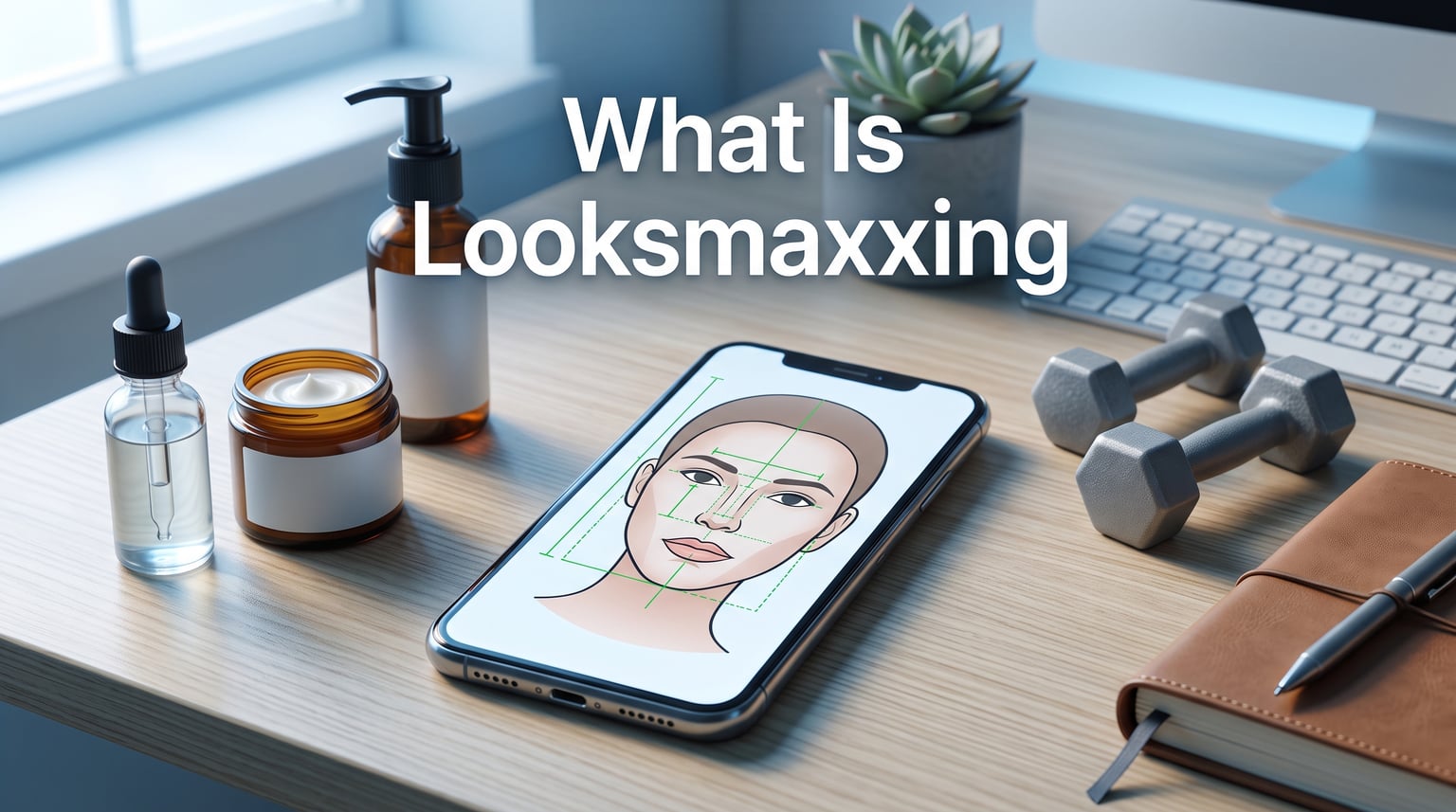
If you have heard teenagers talking about “softmaxxing,” “mewing,” or getting a better “canthal tilt,” you have already brushed up against looksmaxxing. Looksmaxxing is an internet slang term referring to the practice of maximizing one’s physical attractiveness through appearance-focused self-improvement, ranging from basic grooming routines to extreme and sometimes dangerous cosmetic procedures. The trend exploded across TikTok, YouTube, and Reddit in 2026, pulling in millions of adolescent boys and young men who want to look better, feel more confident, and fit a specific ideal of masculinity.
I started digging into this topic after noticing how many forum threads and social media communities had formed around it. Some of the advice is genuinely helpful. A solid skincare routine, regular exercise, and decent grooming can absolutely boost how you feel about yourself. But a significant portion of looksmaxxing culture pushes young people toward harmful extremes like bone smashing, anabolic steroids, and obsessive appearance tracking that can damage both body and mind.
This guide breaks down what looksmaxxing actually means, where it came from, the difference between safe and dangerous practices, and what parents, friends, and participants themselves need to watch for. Whether you are a curious teen, a confused parent, or just someone trying to understand the trend, you will find clear, practical answers here.
Table of Contents
What Is Looksmaxxing? A Clear Definition
Looksmaxxing is the practice of systematically trying to maximize one’s physical attractiveness using methods shared across online communities. The word combines “looks” with the suffix “-maxxing,” a slang pattern popularized in internet forums that means pushing something to its absolute limit. Merriam-Webster and other dictionaries now track the term because it has moved far beyond niche message boards into mainstream teenage vocabulary.
The practice spans a wide spectrum. On one end, it includes completely reasonable habits like exercising, eating well, fixing your posture, and building a skincare routine. On the other end, it includes dangerous activities like striking your own face with objects to reshape bone structure, taking unprescribed steroids, and pursuing invasive cosmetic surgery based on online advice from unqualified strangers.
What makes looksmaxxing different from ordinary self-care is its obsession with measurement and comparison. Participants analyze facial ratios, jaw angles, and body proportions against community-defined ideals. They post photos asking strangers to rate their appearance and suggest improvements. The community-driven feedback loop creates a constant pressure to keep optimizing.
The movement grew out of the manosphere, a loose network of online communities centered around male self-improvement, dating strategy, and discussions about masculinity. While some participants simply want to look and feel better, the deeper cultural roots tie looksmaxxing to spaces that often promote rigid, sometimes harmful ideas about what makes a man valuable.
Where Did Looksmaxxing Come From?
Looksmaxxing originated in online forums associated with the manosphere, particularly incel and “looks theory” communities on platforms like 4chan, Lookism.net, and specialized subreddits. These spaces promoted the idea that physical attractiveness determines social and romantic success more than personality or effort ever could.
The term itself started appearing around the late 2010s in these niche communities. For years it stayed relatively underground, confined to forums where users posted detailed analyses of facial symmetry, bone structure, and anthropometric measurements. The vocabulary was dense and technical, full of terms like “canthal tilt,” “zygomatic arch,” and “hunter eyes.”
Everything changed when the concept migrated to TikTok and YouTube Shorts. Short-form video algorithms favored before-and-after transformations, dramatic claims, and visually striking content about jawlines and facial structure. Suddenly, a trend that had been limited to a few thousand forum users reached millions of teenagers worldwide. Influencers built entire channels around looksmaxxing advice, and the language of the movement spread into everyday schoolyard conversation.
This matters because the original communities were not neutral self-help spaces. Many promoted hopelessness, linking physical appearance to romantic failure and life outcomes in ways that fueled anxiety and despair. When that worldview reached a mass adolescent audience through social media, it began shaping how young people think about their own worth and identity during their most vulnerable developmental years.
Softmaxxing vs Hardmaxxing: The Two Approaches
People involved in looksmaxxing generally divide their practices into two categories: softmaxxing and hardmaxxing. Understanding this distinction is essential because it marks the line between reasonable self-improvement and genuinely dangerous behavior.
Softmaxxing refers to non-invasive, reversible changes anyone can make to improve their appearance. These are things like establishing a skincare routine, getting regular exercise, improving grooming habits, fixing posture, dressing better, and maintaining a healthy diet. Most of these practices are things doctors, dermatologists, and fitness professionals would happily recommend.
Hardmaxxing covers invasive, irreversible, or high-risk methods aimed at fundamentally altering physical structure. This category includes practices like bone smashing, mewing, taking anabolic steroids or research peptides, and undergoing cosmetic surgeries such as jaw implants or facial contouring procedures. Some of these activities carry serious health risks, and many are performed based on advice from anonymous internet users rather than qualified medical professionals.
The problem is that the line between the two categories blurs inside looksmaxxing communities. What starts as a reasonable skincare interest can spiral into obsessive appearance tracking, restrictive eating, and eventually a slide toward harder practices. Community pressure and the constant exposure to idealized faces make the extreme methods feel more normal over time.
Softmaxxing: The Safer Practices
Not everything in looksmaxxing is dangerous. The softmaxxing side includes practices that align with mainstream health and grooming advice. Here are the most common safe approaches:
Skincare routines: Cleansing, moisturizing, using sunscreen daily, and treating specific concerns like acne with proven ingredients.
Regular exercise: Building muscle mass, improving cardiovascular fitness, and maintaining a healthy body composition through consistent training.
Grooming and hair styling: Finding a haircut that suits your face shape, keeping facial hair neat, and maintaining basic hygiene.
Posture correction: Working on standing tall, fixing rounded shoulders, and improving body alignment through stretching and targeted exercises.
Nutrition and hydration: Eating a balanced diet that supports skin health, energy levels, and physical performance.
Sleep optimization: Getting adequate rest, which affects everything from skin appearance to mood and energy.
Wardrobe improvements: Wearing clothes that fit well and complement your body type.
None of these practices are inherently harmful. In fact, I would encourage most of them. A teenager who starts exercising, takes care of their skin, and dresses with intention is building habits that will serve them for life. The key difference between healthy self-care and looksmaxxing is the mindset behind it. Self-care says “I want to feel good and be healthy.” Looksmaxxing says “I need to optimize my facial ratios to be worth something.”
That mental framing matters more than people realize. Forum users I studied described cycling through endless appearance routines, spending significant money on products, and never feeling satisfied with the results. The practices themselves were fine, but the obsessive mindset turned them into a source of anxiety rather than confidence.
Hardmaxxing: The Dangerous Extremes
The hardmaxxing side of looksmaxxing is where serious concern begins. These practices range from scientifically unsupported to actively harmful, and some have landed young people in hospital emergency rooms. Here is what the extreme end looks like:
Bone smashing: The practice of striking one’s own face with heavy objects, based on the false belief that repeated impact will reshape facial bones. This can cause fractures, nerve damage, infections, and permanent disfigurement.
Mewing: A technique involving pressing the tongue against the roof of the mouth to supposedly reshape the jawline over time. While tongue posture is a real concept in orthodontics, the claims made in looksmaxxing communities far exceed what any evidence supports.
Anabolic steroids and peptides: Taking performance-enhancing drugs without medical supervision to accelerate muscle growth. Side effects include heart damage, liver problems, hormonal disruption, mood disorders, and stunted growth in adolescents whose bodies are still developing.
Unregulated supplements: Using research chemicals, growth hormone secretagogues, and other substances purchased online without prescriptions or medical oversight.
Cosmetic surgery based on online advice: Pursuing procedures like jaw implants, chin augmentation, or facial contouring based on recommendations from anonymous forum members rather than consultations with qualified, independent surgeons.
Extreme restrictive dieting: Severely limiting food intake to achieve specific facial or body proportions, which can lead to eating disorders and nutritional deficiencies.
I want to be direct here. Bone smashing does not work and it will hurt you. Mewing will not dramatically reshape an adult face. Steroids taken without medical supervision can cause irreversible damage, especially in teenagers. Cosmetic surgery driven by internet advice rather than genuine medical consultation frequently produces disappointing or disfiguring results.
The communities promoting these practices often frame them as cutting-edge or hidden knowledge that mainstream professionals do not want you to know about. That framing is dangerous. When teenagers believe that anonymous forum users know more than board-certified doctors, they put themselves at real risk of physical and psychological harm.
Why Is Looksmaxxing Everywhere? The Algorithm Behind the Trend
Looksmaxxing did not reach millions of teenagers by accident. Short-form video platforms like TikTok and YouTube Shorts use recommendation algorithms designed to maximize engagement, and appearance-focused content is extraordinarily engaging. Before-and-after transformations, jawline tutorials, and dramatic claims about facial ratios generate massive view counts, comments, and shares.
Here is how the cycle works. A teenager watches one video about improving their jawline. The algorithm interprets that as interest and immediately floods their feed with dozens more. Each video presents a slightly more extreme version of the advice, because extreme content performs better in the algorithm than moderate content. Within hours, the user’s entire feed is dedicated to looksmaxxing, creating the impression that everyone is doing it and that physical appearance is the most important thing in the world.
The dopamine reward mechanism deepens the pull. Posting a photo and receiving feedback, even harsh or critical feedback, triggers the same reward pathways that make social media so addictive. Users describe checking their posts compulsively, refreshing for new comments, and feeling anxious when engagement drops. The community-driven feedback loop becomes a cycle that is difficult to break.
There is also a business dimension that gets little attention. Influencers who build audiences around looksmaxxing content monetize through affiliate links to grooming products, supplements, and online courses. Some promote specific cosmetic clinics or telehealth services that prescribe medications with minimal oversight. The financial incentive structure rewards extreme claims and dramatic transformations because those drive clicks, not measured, responsible advice.
Understanding this commercial and algorithmic machinery helps explain why looksmaxxing has grown so fast. It is not just that young people are suddenly more interested in their appearance. They are being systematically served content designed to make them feel inadequate and then offered products and procedures to fix problems they may not have had before they started watching.
The Mental Health Toll: When Self-Improvement Becomes Obsession
The most serious concern about looksmaxxing is its impact on mental health. Mental health professionals at institutions like Michigan Medicine and Nebraska Medicine have warned that the trend is driving increased rates of body dysmorphic disorder, anxiety, and depression among adolescent boys and young men.
Body dysmorphic disorder is a mental health condition where someone becomes obsessively preoccupied with perceived flaws in their appearance, flaws that are either minor or invisible to others. The constant self-analysis, photo posting, and community criticism that defines looksmaxxing creates the perfect environment for this condition to develop. A teenager who spends hours every day measuring their facial angles and comparing themselves to idealized images is at serious risk.
Forum research reveals the human cost behind the trend. Users describe spending significant money on products and procedures with little lasting satisfaction. Many cycle through multiple appearance routines without ever feeling good enough. Dating struggles are a common motivator, and the connection between perceived attractiveness and romantic failure creates a painful feedback loop of inadequacy. Some users report social isolation as their routines consume more and more of their time and attention.
The identity formation angle is particularly important for adolescents. Teenagers are in the process of figuring out who they are and what gives them value. When they absorb the message that their worth is determined by their jawline or facial ratios, they build their entire sense of self on something fragile and largely outside their control. This affects how they define masculinity, how they relate to others, and how they handle the inevitable disappointments of growing up.
It is worth noting that looksmaxxing does not only affect boys. Young women are increasingly exposed to this content too, and some participate directly. Women in looksmaxxing communities face their own set of pressures around facial feminization standards and idealized features. The broader cultural impact is that everyone exposed to this content, regardless of gender, comes away with a narrower, more anxious view of what makes a person attractive or valuable.
Looksmaxxing Red Flags: Warning Signs for Parents and Friends
If you are a parent, sibling, teacher, or friend, knowing the warning signs can help you intervene before appearance interest becomes a serious problem. Here are the most common red flags that indicate looksmaxxing has crossed into unhealthy territory:
Obsessive mirror checking and photo analysis: Spending significant time each day examining specific facial features from multiple angles.
New, unfamiliar vocabulary: Suddenly talking about canthal tilt, mewing, bone smashing, softmaxxing, or hardmaxxing.
Sudden spending on grooming products or supplements: Especially unregulated substances purchased online without clear medical guidance.
Social withdrawal: Pulling away from friends and activities to focus on appearance routines.
Extreme diet or exercise changes: Severely restricting food or training obsessively in ways that seem driven by anxiety rather than health.
Expressions of hopelessness about appearance: Saying things like “nothing will ever make me attractive” or tying self-worth entirely to looks.
Posting photos for community ratings: Sharing selfies in online forums to receive appearance feedback from strangers.
Talking about cosmetic procedures at a young age: Researching jaw surgery, implants, or other invasive options during adolescence.
If you notice several of these signs, it is worth having a calm, non-judgmental conversation. Lecturing or banning internet access tends to backfire and push the behavior further underground. Instead, ask open questions about what they have seen online, what they hope to achieve, and how they feel about themselves.
When the obsession is deep, professional help may be needed. Cognitive behavioral therapy has shown effectiveness for body dysmorphic disorder and related appearance anxieties. A qualified therapist can help someone examine the thoughts driving their behavior and develop a healthier relationship with their appearance. Early intervention makes a real difference.
Healthy Alternatives: Building Real Confidence
Not all self-improvement is harmful, and it is important to offer positive alternatives rather than just warnings. The desire to look and feel better is completely normal. The goal is channeling that desire in directions that build genuine confidence rather than anxious obsession.
Focus on what you can sustainably control. A consistent skincare routine, regular exercise, enough sleep, and decent grooming are habits that improve how you look and feel without requiring obsessive measurement or community validation. These practices work because they support overall health, not because they optimize a specific facial ratio.
Build identity around more than appearance. Develop skills, pursue hobbies, invest in friendships, and contribute to your community. Confidence that comes from competence and connection is far more durable than confidence tied to a jawline measurement. The teenagers I have seen thrive are the ones who have multiple sources of self-worth, so that appearance is just one part of a full life rather than the whole foundation.
If you are recovering from an unhealthy looksmaxxing habit, start by curating your social media feed. Unfollow accounts that promote extreme appearance content and the algorithm will stop feeding it to you. Consider a temporary break from social media entirely if the pull feels overwhelming. Talk to someone you trust about what you are experiencing.
Remember that the before-and-after photos flooding social media are heavily curated, often filtered, and selectively shared to drive engagement. Real life does not look like a TikTok transformation video. The people you see online have bad skin days, awkward angles, and insecurities too. Comparing your unfiltered reality to someone else’s highlight reel is a game you will always lose.
FAQs
What are the basics of looksmaxxing?
The basics of looksmaxxing fall into two categories. Softmaxxing includes safe practices like skincare routines, regular exercise, grooming, posture correction, healthy eating, and getting enough sleep. Hardmaxxing includes extreme and dangerous practices like bone smashing, mewing, taking steroids, and pursuing cosmetic surgery based on online advice. Most medical professionals support the softmaxxing side and strongly discourage the hardmaxxing side.
Does looksmaxxing actually work?
Some looksmaxxing practices produce real results. Exercise, skincare, grooming, and good sleep genuinely improve appearance and confidence. However, the extreme practices promoted in looksmaxxing communities do not work as claimed. Bone smashing does not reshape facial bones safely, mewing will not dramatically alter an adult jawline, and the facial ratios communities obsess over have limited scientific backing. Many users report spending significant money and time without lasting satisfaction.
What does looksmaxxing actually mean?
Looksmaxxing means the practice of maximizing one’s physical attractiveness through appearance-focused self-improvement. The word combines looks with the suffix -maxxing, a slang pattern from internet forums meaning to push something to its absolute limit. The term originated in manosphere and incel communities before spreading to mainstream social media platforms like TikTok and YouTube.
What are people doing to Looksmax?
People engaged in looksmaxxing do a wide range of things. On the safe side, they follow skincare routines, exercise regularly, improve their grooming and hair styling, fix their posture, and adjust their diet. On the extreme side, some practice bone smashing, mewing, take anabolic steroids or unregulated peptides, pursue cosmetic surgeries like jaw implants, and follow restrictive diets. They also post photos in online communities to receive appearance ratings and improvement suggestions from strangers.
What is the looksmaxxing method?
There is no single looksmaxxing method. The practice is a loose collection of techniques shared across online communities, generally divided into softmaxxing (safe, non-invasive habits) and hardmaxxing (extreme, invasive procedures). Participants often start with softmaxxing practices and, influenced by community pressure and algorithm-driven content, gradually move toward more extreme hardmaxxing methods over time.
What do girls think about looksmaxxing?
Opinions among women vary, but many express concern about looksmaxxing rather than attraction to it. Forum discussions suggest that most women value confidence, kindness, humor, and genuine connection over obsessively optimized facial features. Some women worry that the trend promotes unhealthy standards of masculinity and pushes young men toward dangerous behaviors. The extreme practices in particular tend to be viewed negatively rather than as attractive.
How to get into looksmaxxing?
If you want to improve your appearance, focus on the safe softmaxxing practices that medical professionals actually recommend. Build a simple skincare routine, exercise regularly, get enough sleep, improve your grooming, and wear clothes that fit well. Avoid the extreme hardmaxxing practices promoted in online communities, as many are dangerous and unsupported by evidence. Consider talking to a dermatologist or doctor rather than taking advice from anonymous forum users.
Conclusion
So what is looksmaxxing, really? It is a broad and sometimes contradictory movement that mixes genuinely helpful self-improvement with dangerous extremes, all amplified by social media algorithms and community pressure. The safe side, skincare, exercise, grooming, and healthy habits, is worth embracing. The extreme side, bone smashing, unprescribed steroids, and surgery driven by forum advice, is worth avoiding completely.
The healthiest approach is to pursue self-improvement with a mindset grounded in wellbeing rather than obsessive optimization. Build habits that make you feel good physically and mentally. Develop confidence from multiple sources, not just appearance. And if you are a parent or friend watching someone slide toward unhealthy territory, step in with curiosity and compassion rather than judgment. The goal is not to stop young people from caring about how they look. It is to help them care in ways that build them up rather than tear them down.