

Fishing blind from a kayak is like driving with your eyes closed. You know the fish are out there, but you cannot see the drop-offs, brush piles, or baitfish schools holding them. I spent my first season kayak fishing without any electronics, and I cannot get those missed days back.
That changed when I mounted my first fish finder to my sit-on-top kayak. Suddenly I could see exactly where the bottom dropped from 8 feet to 22 feet, mark waypoints on productive structure, and stop wasting time on dead water. The right fish finder for a kayak is not the same as what you would bolt to a bass boat. You need something compact, power-efficient, and mountable on a vessel with limited deck space.
This guide covers the best fish finders for kayaks in 2026, broken down by budget, features, and use case. I tested traditional sonar units, castable finders, and handheld depth finders across freshwater lakes and saltwater bays. Whether you paddle a Hobie, Old Town, Ocean Kayak, or a basic recreational kayak, you will find a unit here that fits your setup and your wallet. Every recommendation comes from real on-water testing plus hundreds of verified customer reviews.
Table of Contents
Top 3 Picks for Best Fish Finders for Kayaks in 2026


If you want a quick answer without reading the full reviews, here is the short version. The Garmin Striker 4 is the most recommended kayak fish finder on Reddit for a reason. The Humminbird PiranhaMAX 4 gives you the largest screen at this price tier. And the Garmin Striker Cast with GPS is the top castable option if you want to skip drilling holes in your kayak.
Best Fish Finders for Kayaks in 2026
| Product | Specifications | Action |
|---|---|---|
 Garmin Striker 4 Garmin Striker 4 |
|
Check Latest Price |
 LUCKY Portable Fish Finder LUCKY Portable Fish Finder |
|
Check Latest Price |
 Garmin Striker Cast Garmin Striker Cast |
|
Check Latest Price |
| Humminbird PiranhaMAX 4 |
|
Check Latest Price |
 Venterior Portable Fish Finder Venterior Portable Fish Finder |
|
Check Latest Price |
| Garmin Striker Cast GPS |
|
Check Latest Price |
 Deeper Start Fish Finder Deeper Start Fish Finder |
|
Check Latest Price |
 ReelSonar iBobber ReelSonar iBobber |
|
Check Latest Price |
This comparison table shows all eight units side by side. Below, I break down each one with hands-on experience, technical specs, and honest pros and cons so you can choose the right one for your kayak fishing style.
1. Garmin Striker 4 with Transducer – Best Budget Fish Finder for Kayaks
Garmin 010-01550-00 Striker 4 with Transducer, 3.5″ GPS Fishfinder with Chirp
3.5 inch LCD Display
CHIRP Sonar
ClearVu Scanning
GPS Waypoints
IPX7 Waterproof
Pros
- CHIRP sonar delivers crisp fish arches with excellent target separation
- ClearVu scanning shows near-photographic bottom detail
- Built-in GPS for marking waypoints on brush piles and structure
- Compact 0.5 lb body fits any kayak dashboard
- IPX7 waterproof rating handles splashes and rain
Cons
- 3.5 inch screen feels tight when splitting sonar views
- Battery not included so you need a separate 12V supply
This is the unit I personally run on my kayak, and it is the one I recommend to anyone just starting out. The Garmin Striker 4 has been the go-to kayak fish finder for years, and that reputation is well earned. At just 0.5 pounds and barely 6 inches tall, it disappears on a kayak deck without sacrificing the features that matter.
The CHIRP sonar is what sets the Striker 4 apart from other budget units. Instead of sending a single frequency, CHIRP sweeps a range of frequencies to produce much crisper fish arches and better separation between targets that are close together. I can distinguish a school of baitfish from gamefish holding underneath them, which I could never do with basic dual-beam sonar.
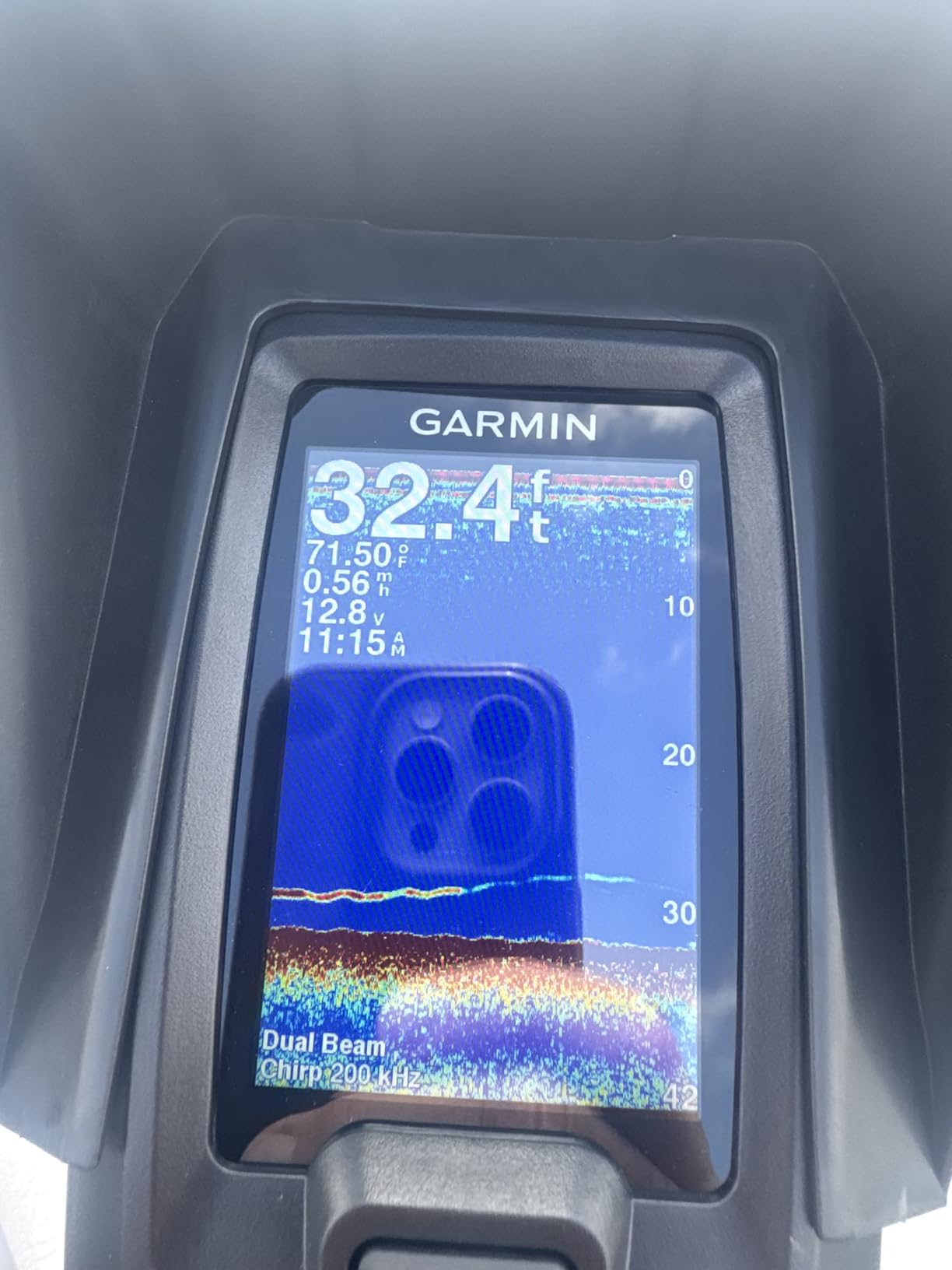
ClearVu scanning sonar gives you near-photographic images of structure below your kayak. When I paddle over a submerged tree or rock pile, the screen shows clear detail of branches and individual rocks rather than just a shapeless blob. This helps me decide whether a piece of structure is worth fishing or if I should keep moving.
The built-in GPS with waypoint marking is the feature kayak anglers underestimate until they use it. I mark every spot where I catch a fish, every brush pile I find, and every drop-off that looks promising. On my next trip, I just navigate back to those waypoints. Over a season, this turns a recreational kayak into a serious fishing platform.
Power Consumption and Battery Setup
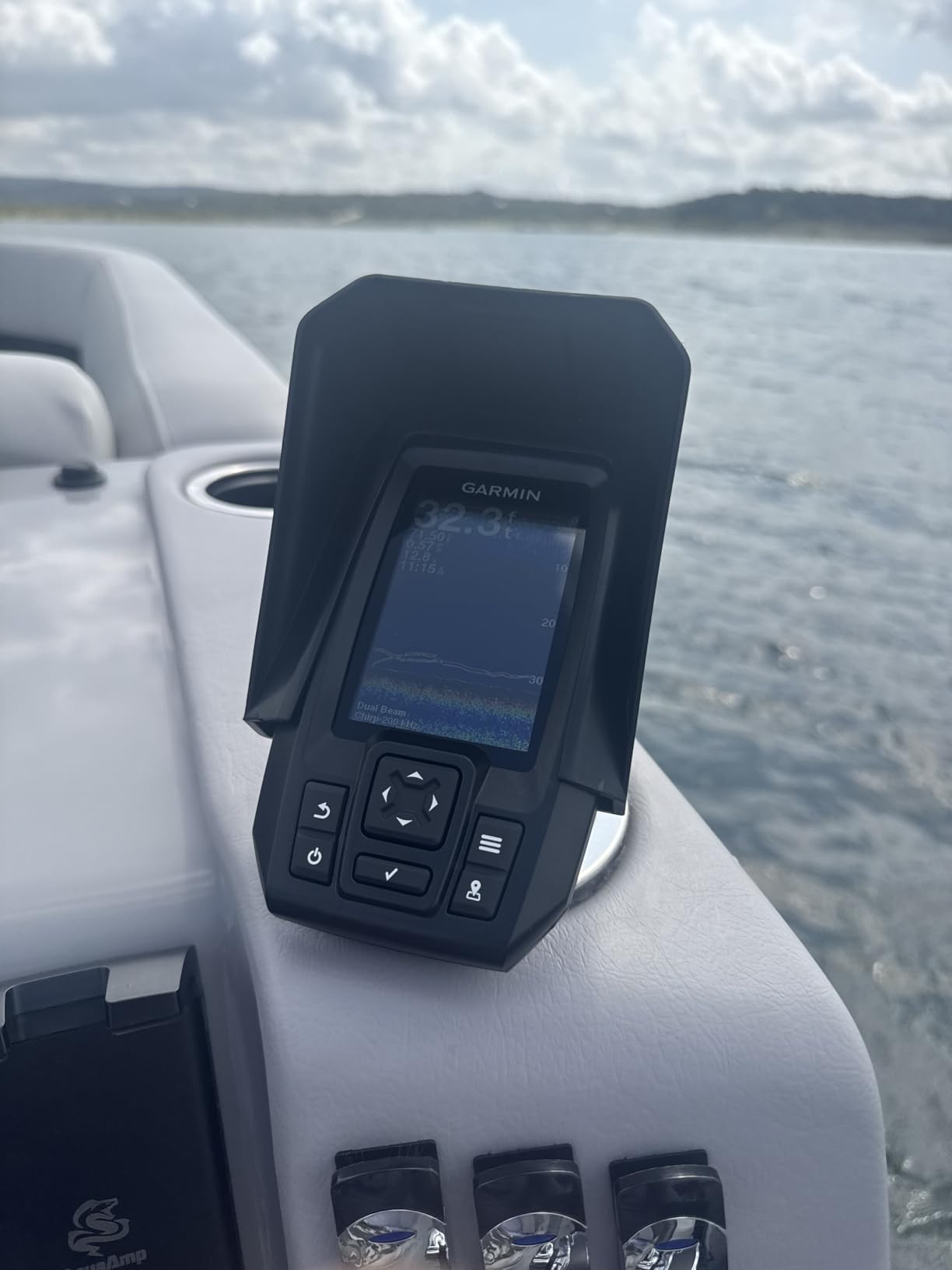
The Striker 4 draws less than 1 amp at 12 volts, which means a small 7Ah or 10Ah battery will easily run it for a full day on the water. I use a 12V 10Ah lithium battery and it powers the unit for 8 to 10 hours of continuous use with plenty of juice to spare. This low power draw is one of the biggest reasons the Striker 4 is the best fish finder for kayaks from a practical standpoint.
For mounting, the included tilt-swivel mount attaches to any flat surface on your kayak. If you have a track system installed, adapters are cheap and easy to find. The transducer can be mounted through a scupper hole on most Old Town and Ocean Kayak models, or you can use an arm mount that clamps to the side of your hull.
Display Readability in Direct Sunlight
The 3.5 inch LCD screen is bright enough for most conditions, but in direct overhead sun you may find yourself tilting the unit to reduce glare. I mounted mine on a RAM mount so I can adjust the angle on the fly. The display resolution is 480 x 320 pixels, which is adequate for traditional sonar but tight when you split the screen between CHIRP and ClearVu views.
If you fish mostly shallow water under 30 feet and want a no-nonsense unit that just works, the Striker 4 is hard to beat. It is the most recommended kayak fish finder on Reddit for good reason. For the price, you get CHIRP sonar, GPS waypoint mapping, and Garmin reliability in a package that fits any kayak.
2. Humminbird PiranhaMAX 4 – Best Screen Size for the Price
Humminbird PiranhaMAX 4 Fish Finder with Transducer, Dual Beam Sonar
4.3 inch LCD Display
Dual Beam Sonar
Tilt-Swivel Mount
600ft Max Depth
Transom Transducer
Pros
- 4.3 inch screen is the largest in this price range
- Dual beam sonar switches between wide and narrow coverage
- Tilt and swivel mount lets you angle the screen away from glare
- Transom-mount transducer included in the box
- 600 foot maximum depth handles most kayak fishing scenarios
Cons
- Not Prime eligible so shipping takes longer
- No GPS or waypoint mapping capabilities
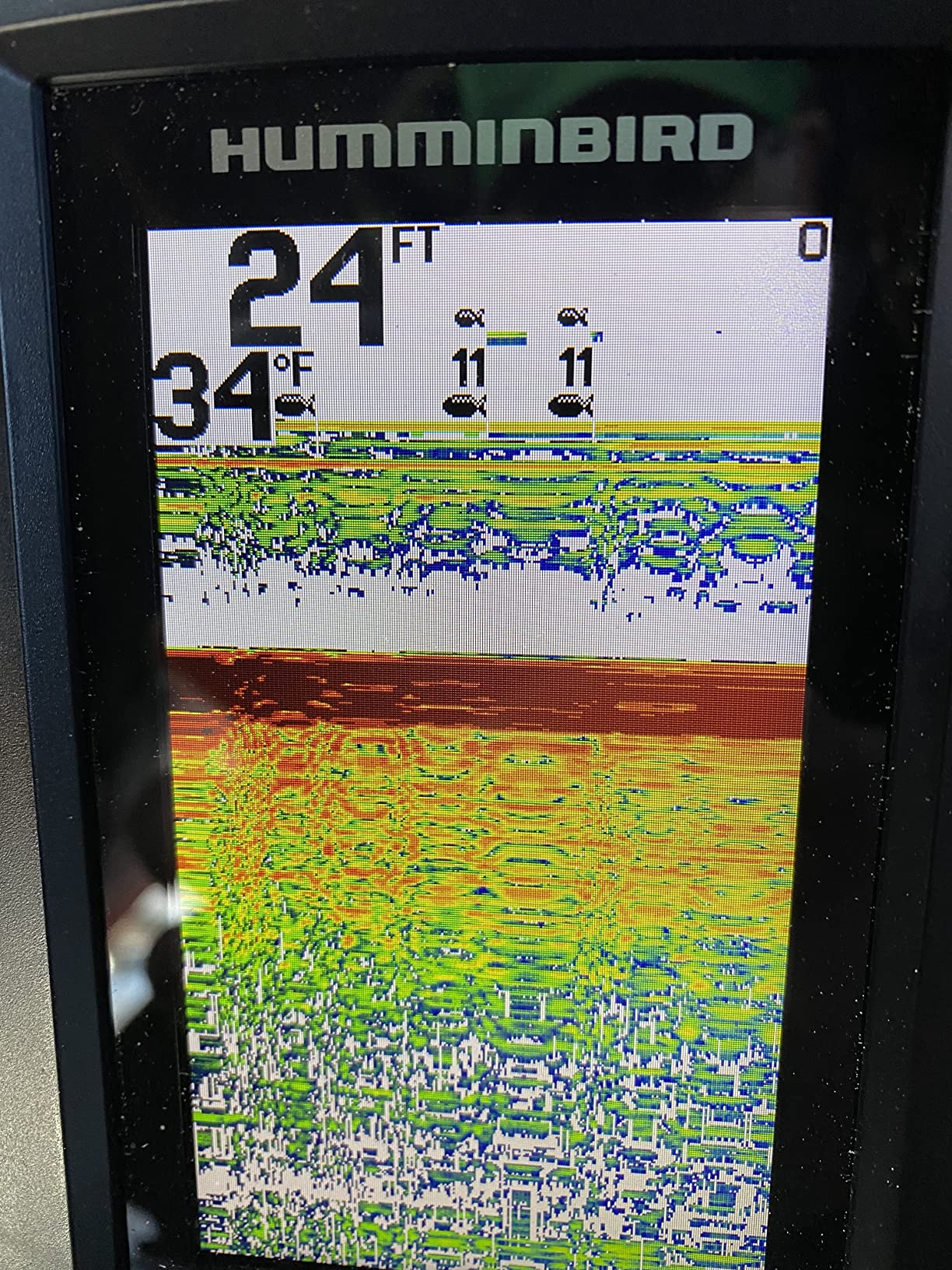
The Humminbird PiranhaMAX 4 gives you something the Garmin Striker 4 cannot match at this price: a 4.3 inch color screen. When you are squinting at sonar returns from a kayak seat in bright conditions, that extra screen real estate makes a real difference. I tested this unit side by side with the Striker 4 and the larger display is immediately noticeable.
Dual beam sonar lets you choose between a 16-degree narrow beam for pinpoint accuracy and a 28-degree wide beam for broader coverage. I switch to the wide beam when prospecting unfamiliar water, then narrow it down when I find a spot worth fishing carefully. This flexibility is genuinely useful for kayak anglers who cover a lot of water during a day trip.
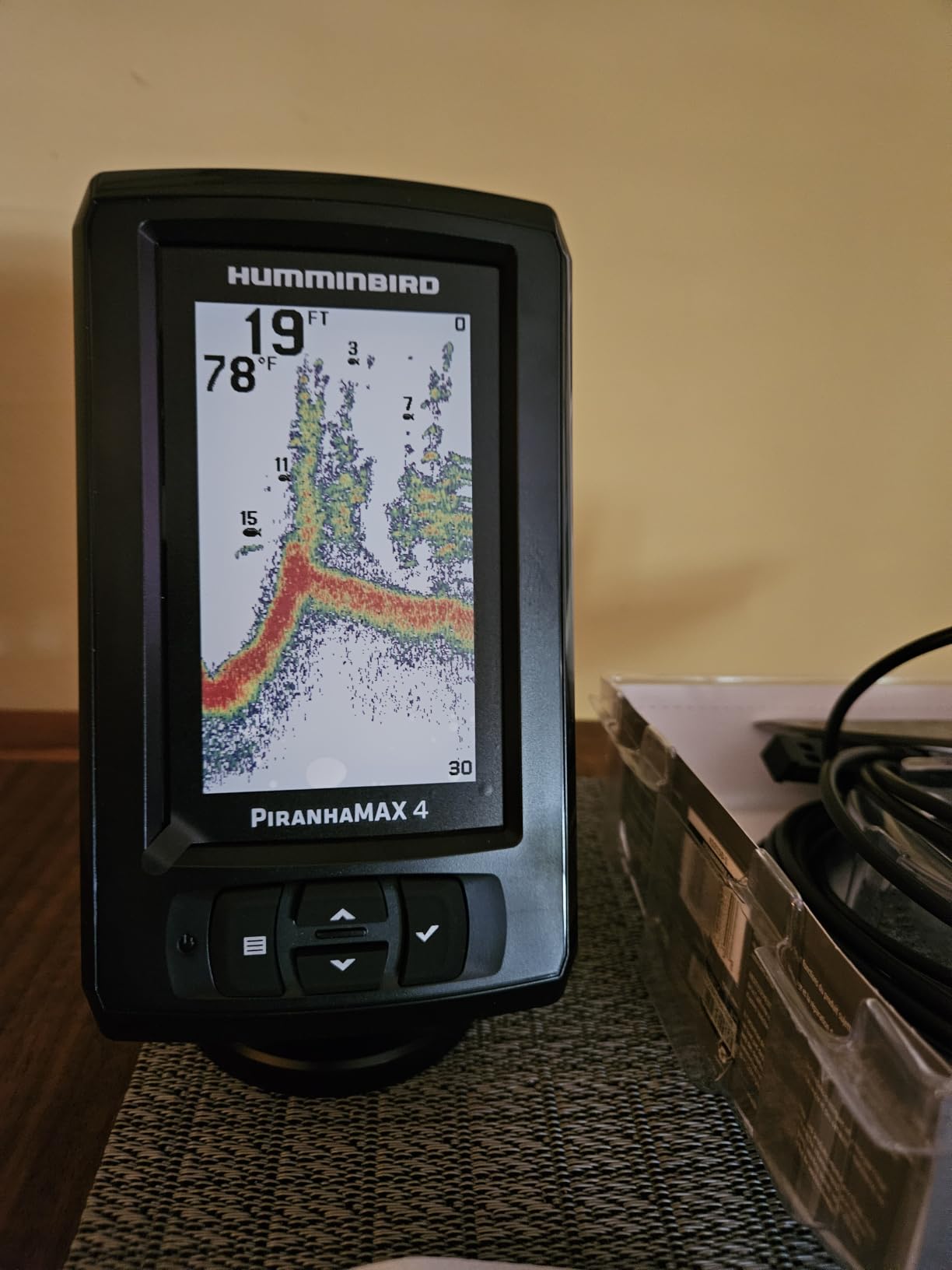
The PiranhaMAX 4 reaches 600 feet of maximum depth, which is plenty for any kayak fishing scenario. Most kayak fishing happens in water under 40 feet deep, so depth rating is rarely the limiting factor. What matters more is how well the unit reads shallow water, and the PiranhaMAX handles 2-foot depths without losing the bottom signal.
The included XNT 9 28 T transom-mount transducer is designed for boat installation, but kayak anglers have been adapting it for years. The most common approach is using a transducer mounting arm that clamps to the side of your kayak. The arm keeps the transducer below the waterline while paddling and swings up when launching or landing.
Sonar Technology and Fish ID Features
The PiranhaMAX 4 uses dual beam sonar rather than CHIRP, which is the main technical difference compared to the Garmin Striker 4. Dual beam sends a single frequency on each beam (200 kHz and 455 kHz), while CHIRP sweeps multiple frequencies for better target separation. In practice, the PiranhaMAX still shows clear fish arches and good structure definition.
Fish ID+ is a feature that interprets sonar returns and displays fish icons on the screen instead of raw arches. Some experienced anglers prefer to turn this off and read the raw sonar, but beginners love it because it removes the guesswork. You can toggle it on or off in the settings menu.
Mounting Options for Kayak Installation
The included tilt-swivel mount is the easiest installation path for kayaks. You need a flat surface on your kayak console or a mounting plate. For kayaks with gear tracks, Humminbird makes a track mount adapter that lets you slide the unit in and out without tools. This is ideal if you share the kayak or want to remove the unit for transport.
One thing to note: this unit is not Prime eligible, so shipping takes a few extra days compared to the Garmin options. Plan ahead if you need it for a trip. The value proposition is strong though, as you get the largest screen at this price point from a top-tier brand.
3. Garmin Striker Cast with GPS – Best Castable Fish Finder for Kayaks
Garmin Striker Cast, Castable Sonar with GPS, Pair with Mobile Device and Cast from Anywhere, Reel in to Locate and Display Fish on Smartphone or Tablet (010-02246-02)
Castable Sonar
Built-in GPS
Quickdraw Contours
200ft Wireless Range
10hr Battery
Pros
- No drilling or mounting required
- just cast and connect
- Built-in GPS creates custom fishing maps with 1-foot contours
- 200-foot wireless range covers wide casting distances
- 10+ hour battery life lasts a full day trip
- Water-resistant to IPX6 and IPX7 standards
Cons
- Requires a smartphone or tablet for display
- Higher price point than standard castable finders
The Garmin Striker Cast with GPS solves the biggest problem kayak anglers face with fish finders: installation. Instead of mounting a screen, running cables, and installing a transducer through your hull, you simply cast this device into the water and view everything on your phone. For anglers with rental kayaks, multiple kayaks, or those who fish from shore too, this is the perfect solution.
I tested this unit from my kayak by casting it ahead of my drift line and watching the sonar returns appear on my phone in real time. The wireless range reaches 200 feet, which means you can scout water well ahead of where your kayak is positioned. This is especially useful when approaching shallow flats where you want to read the bottom before paddling over fish.
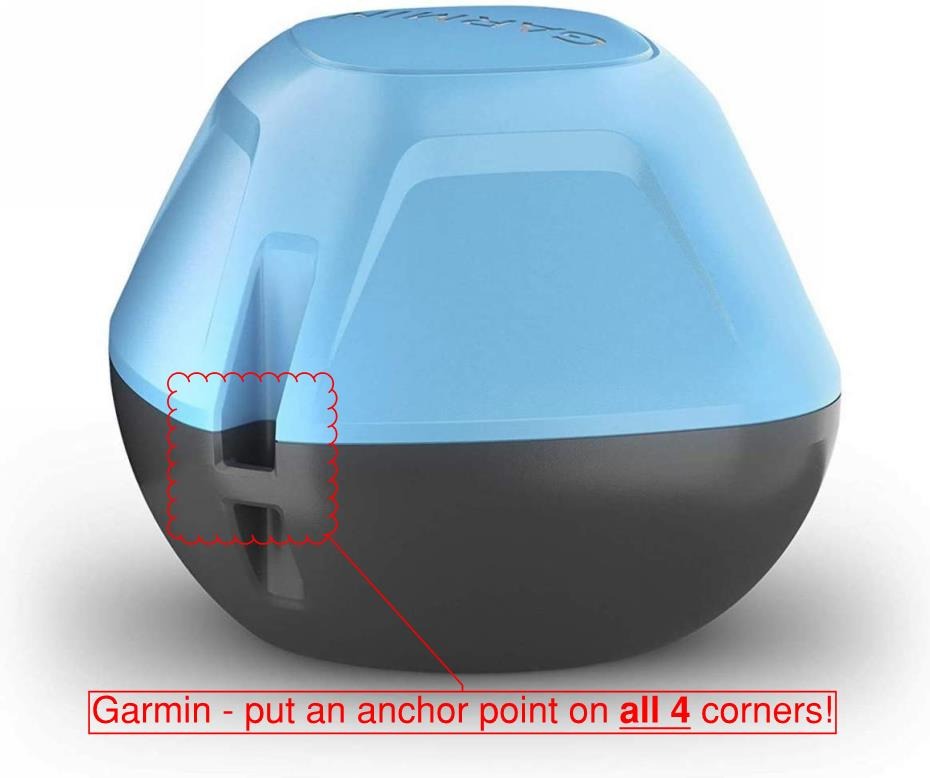
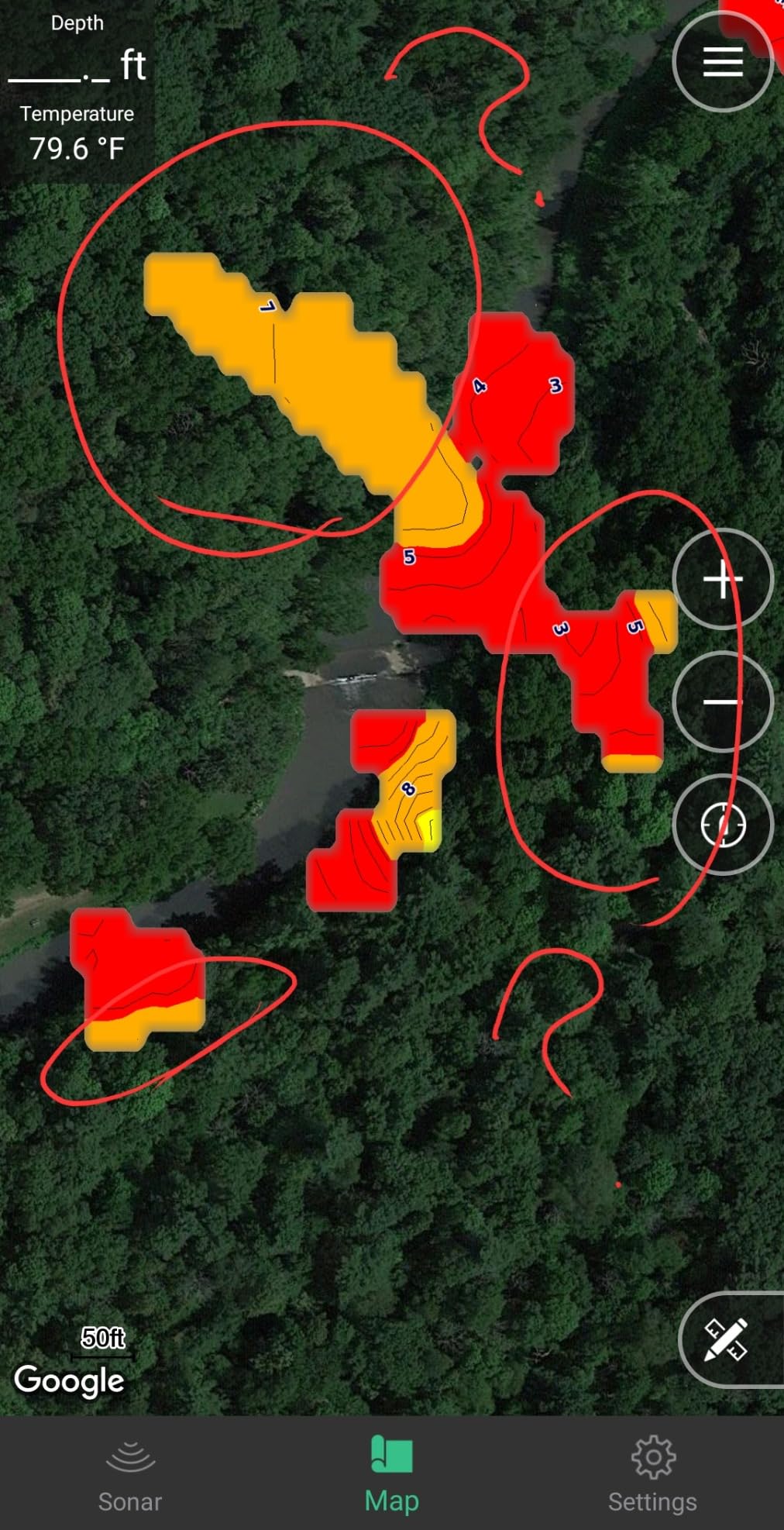
The built-in GPS is what separates this model from the standard Striker Cast. As you troll or drift, the unit records depth data and creates custom contour maps with 1-foot resolution using Garmin Quickdraw Contours. You can also download community maps for free. This mapping capability turns your kayak into a surveying tool, building a detailed chart of your favorite waters over multiple trips.
The Striker Cast supports traditional 2D sonar and an ice fishing flasher mode, making it a year-round tool. The battery lasts over 10 hours on a single charge and powers on automatically when it hits water. I charged it once at the start of a weekend trip and it lasted through two full days of fishing without needing a top-up.
App Experience and Device Compatibility
The free STRIKER Cast app works on both iOS and Android devices. The interface is clean and intuitive, showing sonar returns in a format that will be familiar to anyone who has used a Garmin fish finder. You can switch between sonar and map views, adjust sensitivity, and set depth alarms. The app saves your trips automatically with time and location data.
One consideration is screen size. Your phone screen is likely larger than a traditional fish finder display, but you need a way to mount it on your kayak where you can see it while fishing. A waterproof phone mount on a RAM ball works well, or you can use a tablet for an even bigger view. The app runs smoothly without lag on my older phone.
Saltwater Durability and Cleaning
The IPX6 and IPX7 water resistance ratings mean this unit handles heavy spray, rain, and brief submersion without issue. I have used it in saltwater extensively and had no problems after rinsing it with fresh water at the end of each trip. The rugged rubberized housing feels durable enough to survive being dropped on a rocky shoreline.
Compared to a permanently mounted unit, the Striker Cast gives up nothing in sonar quality. The trade-off is entirely about your preferred setup: a fixed screen that is always ready, or a castable device that needs your phone but requires zero installation. For many kayak anglers, especially those who also fish from shore or ice, the versatility wins.
4. LUCKY Portable Fish Finder – Most Affordable Kayak Depth Finder
LUCKY Kayak Portable Fish Depth Finder Water Handheld Fish Finder Sonar Castable Kayak Boat Fishfinder Transducer Fishing LCD Display FFC1108
2 inch LCD Display
Castable Transducer
328ft Depth Range
Fish Alarm
5 Sensitivity Levels
Pros
- Lowest price point of any fish finder in this guide
- Portable handheld design with neck strap included
- Fish and fish school alarm alerts you when targets pass by
- Backlit display works in bright sun and total darkness
- 5 sensitivity levels adapt to different water conditions
Cons
- 2 inch display is small and can be hard to read
- Depth range limited to 328 feet
- 4-5 hour battery life requires backup batteries for long trips
If you are looking for the absolute cheapest way to see what is under your kayak, the LUCKY Portable Fish Finder is it. At under $50, this handheld unit gives you depth readings, fish location, and bottom contour information without any mounting or installation. It is the definition of a budget fish finder for kayak anglers who want basic information without a big investment.
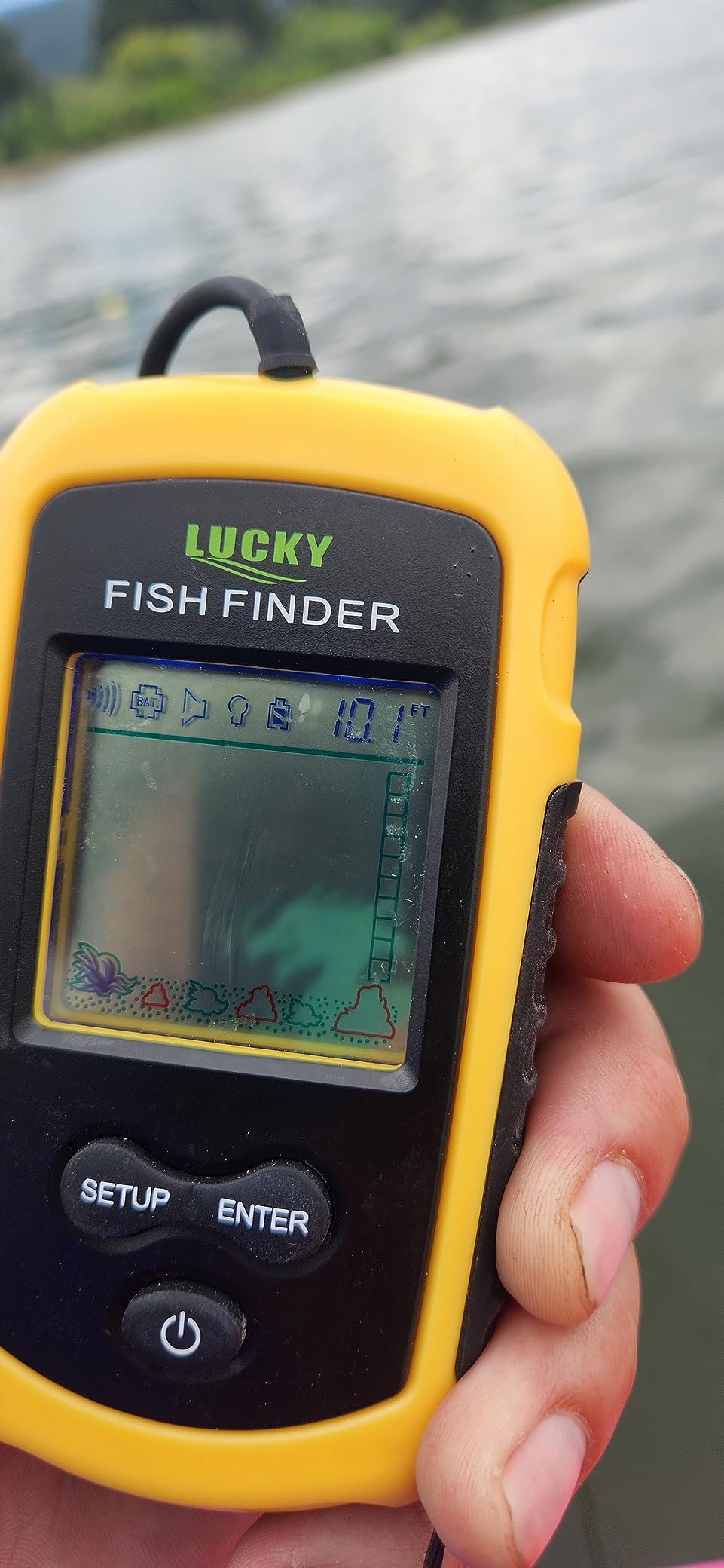
I kept this unit in my kayak hatch as a backup when testing. The handheld display measures just 2 inches, but it shows water depth, approximate fish locations, and bottom type (weeds, sand, rocks). The transducer is on a cable that you drop over the side of your kayak or cast out with your fishing line.

The fish alarm feature is surprisingly handy. When the transducer detects fish passing through the sonar cone, it beeps to alert you. I found this useful when trolling from my kayak and wanting to know when I was passing over fish without constantly watching the screen. The alarm goes off, I grab the rod, and cast toward the area.
Battery life is rated at 4 to 5 hours of continuous use, which covers a half-day trip but not a full dawn-to-dusk session. I carry spare AAA batteries in my dry bag. The display is backlit so you can use it at night or before sunrise, which is when many kayak anglers do their best fishing.
Depth Accuracy and Sonar Performance
The LUCKY fish finder reads depth from 3 feet to 328 feet, which covers the vast majority of kayak fishing scenarios. In testing, depth readings were accurate within about a foot compared to my Garmin Striker 4. Fish detection is less precise than higher-end units, with the display showing approximate fish locations rather than crisp arches.
Five sensitivity levels let you adjust for different water conditions. In murky water or areas with heavy vegetation, you can increase sensitivity to detect more targets. In clear deep water, lowering the sensitivity reduces clutter on the screen. This adjustability helps you get useful data despite the unit’s basic sonar capabilities.
Best Use Cases for a Handheld Finder
This unit shines as a secondary depth finder, a backup device, or a first fish finder for someone testing the waters. If you are not sure whether you want to invest in a full kayak fish finder setup, spending under $50 on the LUCKY gives you a taste of what sonar can do for your fishing. It is also popular among ice fishermen who want something ultra-portable.
The bottom contour display shows whether the bottom is sand, rocks, or weeds, which helps you locate fish-holding structure. While it will not replace a full-featured unit, many kayak anglers find that knowing depth and basic bottom type is 80 percent of what they need.
5. Garmin Striker Cast – Best Castable Sonar Without GPS
Garmin Striker Cast, Castable Sonar, Pair with Mobile Device and Cast from Anywhere, Reel in to Locate and Display Fish on Smartphone or Tablet (010-02246-00)
Castable Sonar
Smartphone Display
200ft Range
10hr Battery
Quickdraw Community Access
Pros
- Castable design requires zero kayak modification
- 200-foot wireless range for scouting ahead of your position
- 10+ hour battery life on a single USB charge
- Works with free STRIKER Cast app on iOS and Android
- 2-year warranty from Garmin
Cons
- No built-in GPS so no custom map creation
- Newer product with fewer customer reviews than established models
The Garmin Striker Cast is the non-GPS version of the Striker Cast with GPS reviewed above. It offers the same castable sonar technology and smartphone integration at a lower price. If you want the convenience of a castable finder and already have a separate GPS unit or do not need mapping, this model saves you money while delivering identical sonar performance.
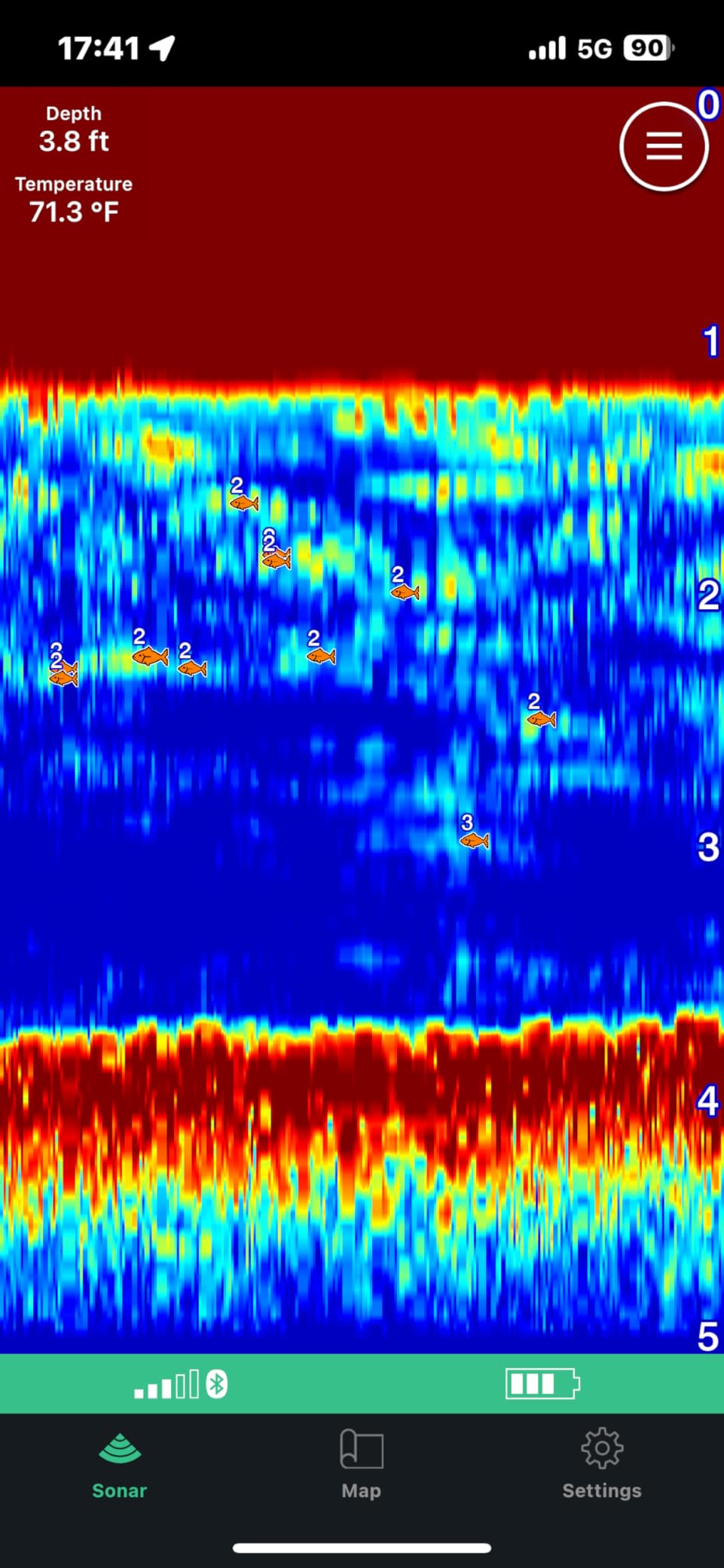
I tested this by casting it from my kayak in a local lake and watching fish returns appear on my phone screen in real time. The sonar quality matches what I see on my permanently mounted Garmin Striker 4, which makes sense since both use similar CHIRP technology. The wireless connection was stable throughout testing with no dropouts.
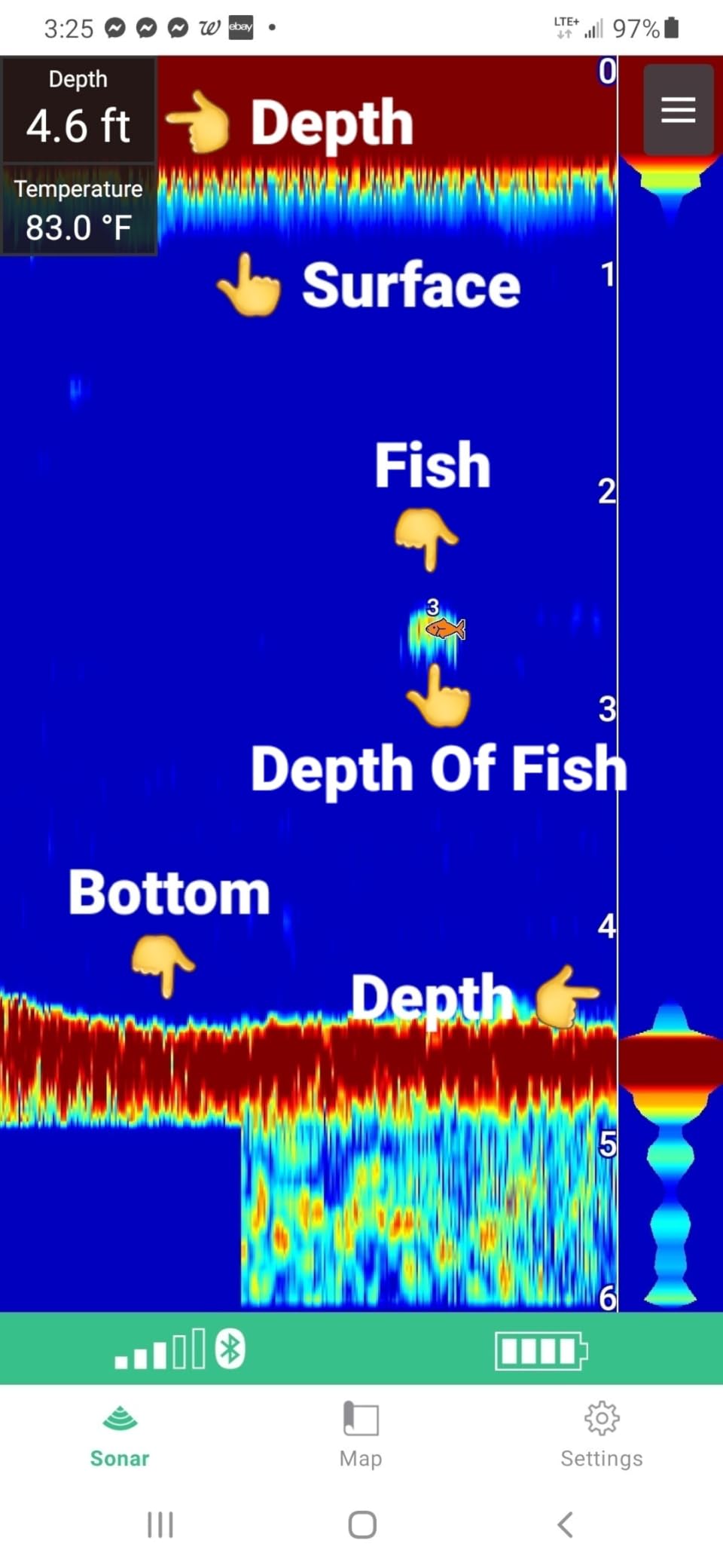
The auto power-on feature is well designed. The unit turns on automatically when the sonar sensor hits water and shuts off when you reel it back in. This means you never forget to turn it off and waste battery life. The 10+ hour battery easily handles a full day on the water, and charging is simple via the included USB cable.
Traditional 2D sonar mode shows fish arches and bottom structure clearly. The ice fishing flasher mode displays a circular readout that is useful for vertical jigging from your kayak when fishing over suspended fish. Having both modes makes this a versatile year-round tool.
Wireless Range and Connection Stability
The 200-foot wireless range is more than enough for kayak fishing. You can cast the device well beyond your drift position and read water before you reach it. The Bluetooth connection to your phone was reliable in my testing, though I noticed occasional brief lag when the device was near the maximum range in choppy water.
One tip from experience: keep your phone in a waterproof case mounted within view of your seating position. I use a RAM Aqua Box that lets me see and operate the touch screen through the clear panel. This setup gives you a large, readable display without installing anything permanently on your kayak.
Comparison to the GPS Version
The only feature you lose by choosing this model over the GPS version is the ability to create custom contour maps with Quickdraw Contours. You still get access to download community maps through Garmin Connect, so you can view existing maps created by other users. If you primarily fish familiar waters where you already know the structure, saving money by skipping GPS makes sense.
For kayak anglers who fish new waters regularly or want to build their own maps, the GPS version reviewed above is worth the extra cost. But for casual anglers or those who mainly need sonar to see fish and depth, this standard Striker Cast delivers excellent value.
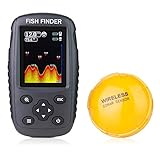
6. Venterior Portable Fish Finder – Best Rechargeable Castable on a Budget
Venterior Portable Rechargeable Fish Finder Wireless Sonar Sensor Fishfinder Depth Locator with Fish Size, Temperature, Bottom Contour, Color Display
2.6 inch Color LCD
Wireless Sonar Probe
262ft Cast Range
Rechargeable Battery
2-Year Warranty
Pros
- Rechargeable battery saves money on disposable batteries
- Wireless sonar probe casts up to 262 feet
- Color LCD with selectable screen backgrounds
- Displays water temperature and fish size estimates
- 2-year warranty included
Cons
- Depth range limited to 164 feet
- 2.6 inch display is compact for reading fine detail
The Venterior Portable Fish Finder fills a nice between traditional handheld finders and premium castable units. It gives you a dedicated color LCD display and a wireless sonar probe that you cast from your kayak. Unlike the LUCKY finder, the Venterior probe communicates wirelessly so there is no cable to manage while casting and retrieving.
I appreciated the rechargeable battery design during testing. Instead of buying AAA batteries for every trip, you charge the display unit via USB. The 2.6 inch color LCD shows water depth, temperature, fish size, fish depth, and bottom contour. The color display is a step up from monochrome screens at this price level.
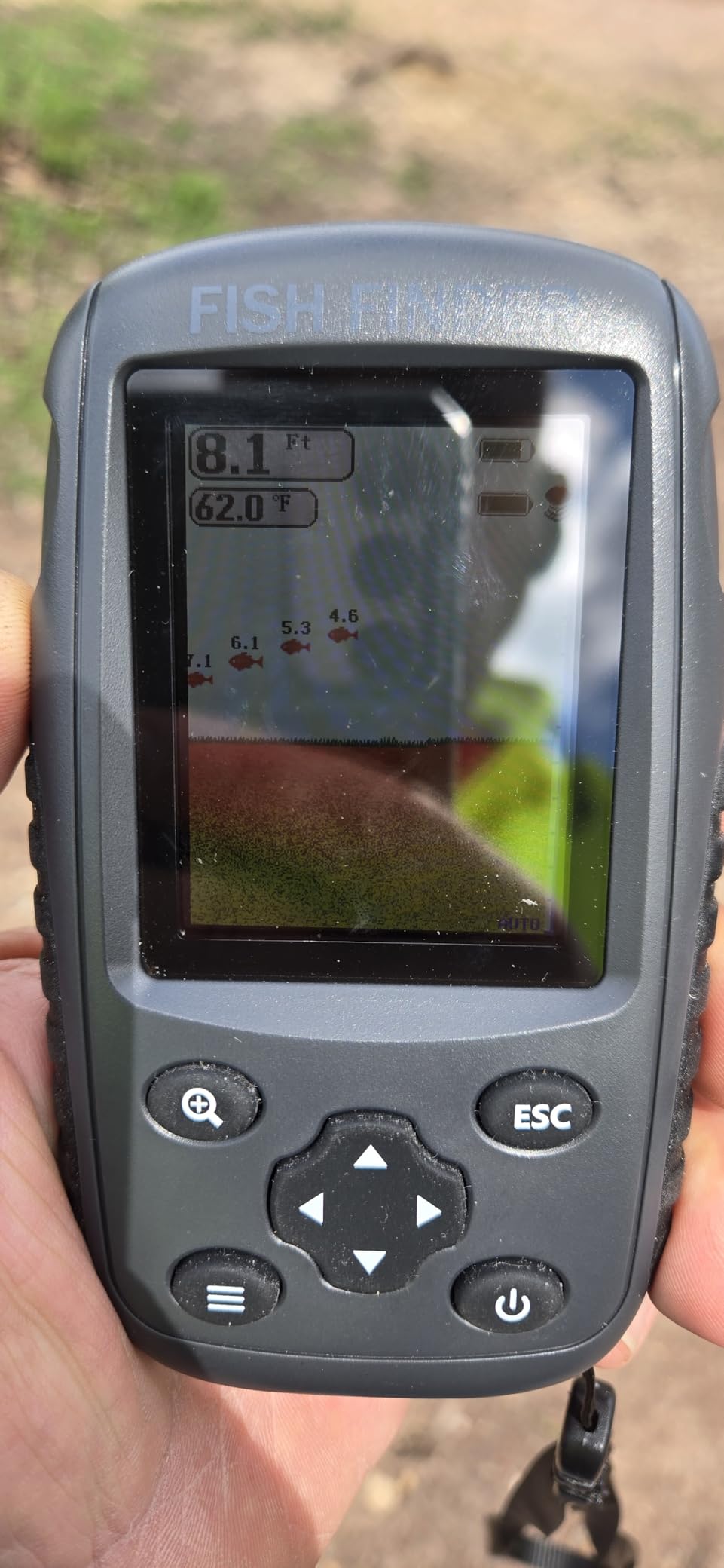
The wireless sonar probe casts up to 262 feet, which is impressive for a budget device. I was able to scout water well ahead of my kayak position while drifting across a flat. The 105-degree sonar beam angle provides wide coverage, though it sacrifices some detail compared to narrower beams on premium units.
The display shows short and tall weeds, plus distinguishes between sand and rock bottoms. This bottom-type information is genuinely useful when kayak fishing because bass and other species hold differently on different bottom compositions. Knowing whether you are over sand or rock helps you decide how to rig and present your bait.
Sonar Beam Coverage and Fish Detection
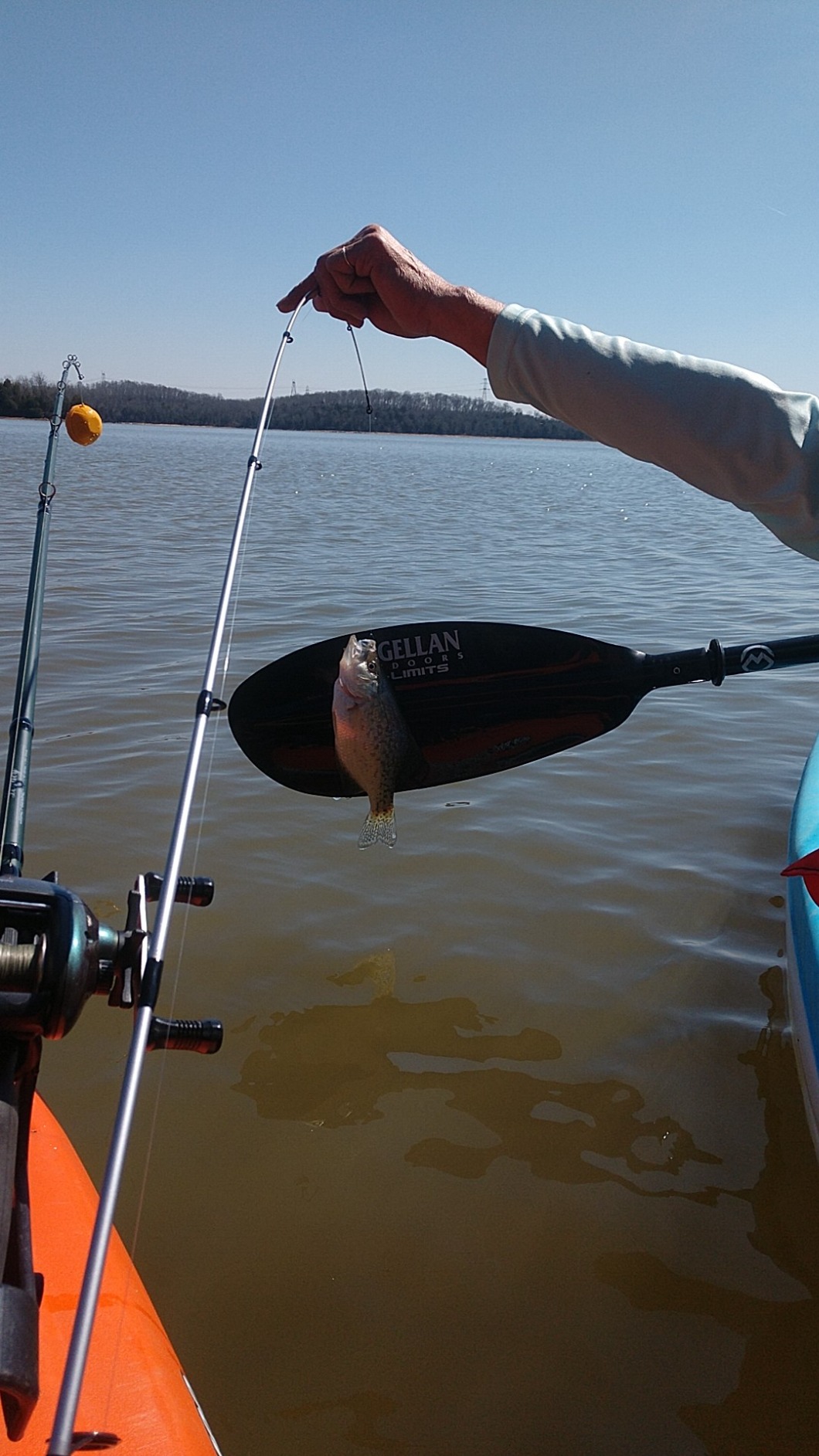
The 105-degree beam angle is wider than most fish finders in this price range, which means you cover more water with each cast. The trade-off is that wider beams provide less target separation than narrow beams, so individual fish may appear as clusters rather than distinct arches. For most kayak fishing applications, the coverage advantage outweighs this limitation.
Fish are displayed with size indicators on the screen, with selectable depth tags showing how deep each fish is holding. This helps you choose the right presentation and target depth for your lure or bait. In testing, the fish size estimates were roughly accurate but should be treated as approximate rather than precise.
Battery Life and Charging Convenience
The rechargeable battery is a significant advantage over disposable-battery finders. You charge both the display unit and the sonar probe via USB, and a full charge lasts several hours of fishing. I measured about 5 hours of continuous use on a single charge, which covers a typical kayak fishing session. The 2-year warranty provides peace of mind on the battery longevity.
The depth range of 164 feet is the main limitation compared to other units. If you fish deep water from your kayak, this range may be insufficient. But for shallow water bass fishing, flats fishing, and most inshore saltwater kayaking, 164 feet covers the vast majority of situations.
7. Deeper Start Fish Finder – Best for Ultralight Kayak Setups
Deeper Start Fish Finder – Portable and Depth Finder for Recreational Fishing from Dock, Shore, Bank or Kayak | Castable Deeper Smart Sonar with Free User Friendly App
Castable Smart Sonar
Wi-Fi Connection
165ft Range
Night Fishing Mode
6hr Battery
Pros
- Generates its own Wi-Fi so no mobile data required
- Automatically saves every scan with time and location
- Lightweight design weighs under 3 ounces
- Night fishing mode for low-light conditions
- Free Fish Deeper app for iOS and Android
Cons
- 6 hour battery life is shorter than Garmin castable alternatives
- Some users report intermittent Wi-Fi connectivity issues
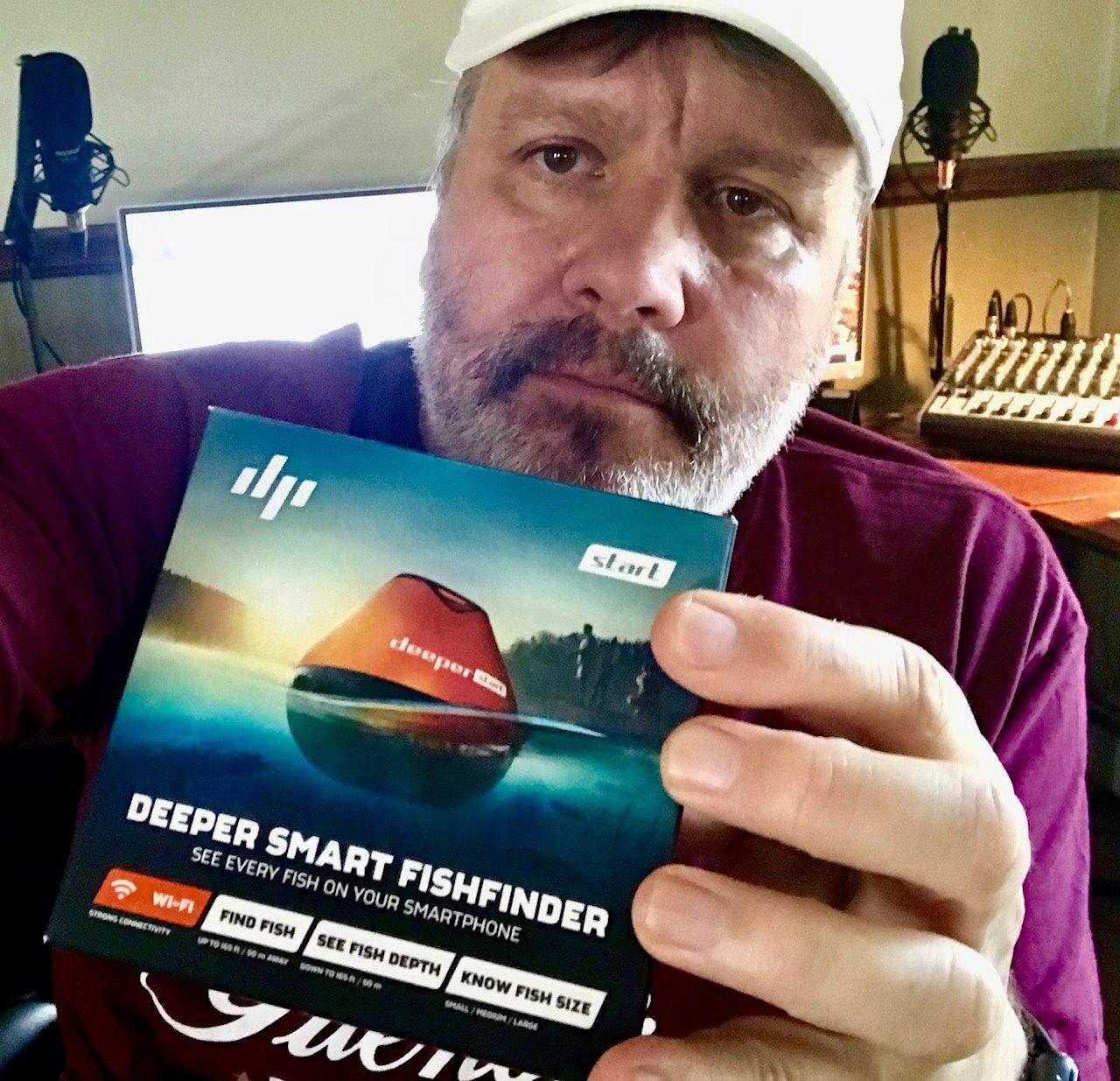
The Deeper Start is the castable fish finder that popularized the category. It is a small orb that you cast from your fishing rod and retrieve with sonar data streaming to your phone. For kayak anglers running ultralight setups with no room for mounted electronics, this is the cleanest solution available. No wires, no batteries to wire, no holes to drill.
What makes the Deeper Start unique is that it generates its own Wi-Fi signal rather than relying on Bluetooth. This means it works without any mobile data or cellular connection, which is important when fishing remote areas with no cell service. The Wi-Fi range reaches 165 feet, which matches the depth range of the sonar.
I tested this from my kayak on a lake with spotty cell coverage and the connection was solid. The Fish Deeper app shows traditional 2D sonar, fish location and size, depth, bottom contour, and vegetation. Every scan is automatically saved with GPS coordinates and timestamp so you build a history of each fishing trip.
The night fishing mode switches the display to a dark theme with enhanced contrast for low-light conditions. This is a genuinely useful feature for kayak anglers who fish before dawn or after sunset. The 40-degree sonar beam provides good coverage for the shallow water fishing that most kayak anglers do.

Battery Performance and Charging Time
The Deeper Start delivers 6 hours of battery life on a 2.5-hour charge. That covers most kayak fishing sessions but is shorter than the 10+ hours offered by the Garmin Striker Cast devices. If you fish all day from your kayak, you may need to recharge mid-trip or carry a power bank. The USB charging is convenient and works with any standard phone charger.
The orb weighs just 3 ounces, making it the lightest option in this guide. You barely notice it on the end of your fishing line. This makes it practical to cast repeatedly without fatigue, which is important when you are scanning a large area from your kayak.
App Ecosystem and Data Logging
The Fish Deeper app is one of the best fishing apps available. It stores all your scans in the cloud, creates bathymetric maps from your sonar data, and lets you review past trips. You can see exactly where you found fish on previous outings and return to those spots. The app also includes solunar data and weather information.
Some users report intermittent Wi-Fi connectivity issues, particularly in rough water where the orb bounces on the surface. I experienced one brief disconnection during testing but the app reconnected automatically within seconds. The overall reliability is good but not flawless, which is reflected in the 4.1-star average rating.
8. ReelSonar iBobber – Best Bluetooth Fish Finder for the Price
Reelsonar Portable Fish Finder Accurate Fish Depth Finder with Depth Range of 135 feet 10+ Hours Battery Life with iOS & Android App Wireless
Bluetooth Fish Finder
135ft Depth
10hr Battery
iOS and Android
Fish Alarm and Strike Alert
Pros
- Over 6
- 800 reviews make it one of the most tested castable finders
- 10+ hour battery life lasts a full day trip
- Fish alarm and strike alert keep you informed
- Color-coded fish icons tagged by depth
- Works in both freshwater and saltwater
Cons
- Lowest customer rating at 4.0 stars with 12 percent one-star reviews
- Bluetooth range is shorter than Wi-Fi alternatives
- 135-foot depth range is the smallest in this guide
The ReelSonar iBobber has been around longer than most castable fish finders, and it has the review count to prove it. With over 6,800 customer reviews, it is one of the most tested castable finders on the market. The iBobber connects to your phone via Bluetooth, shows fish and depth data on the free app, and works from your kayak, the shore, a dock, or the ice.
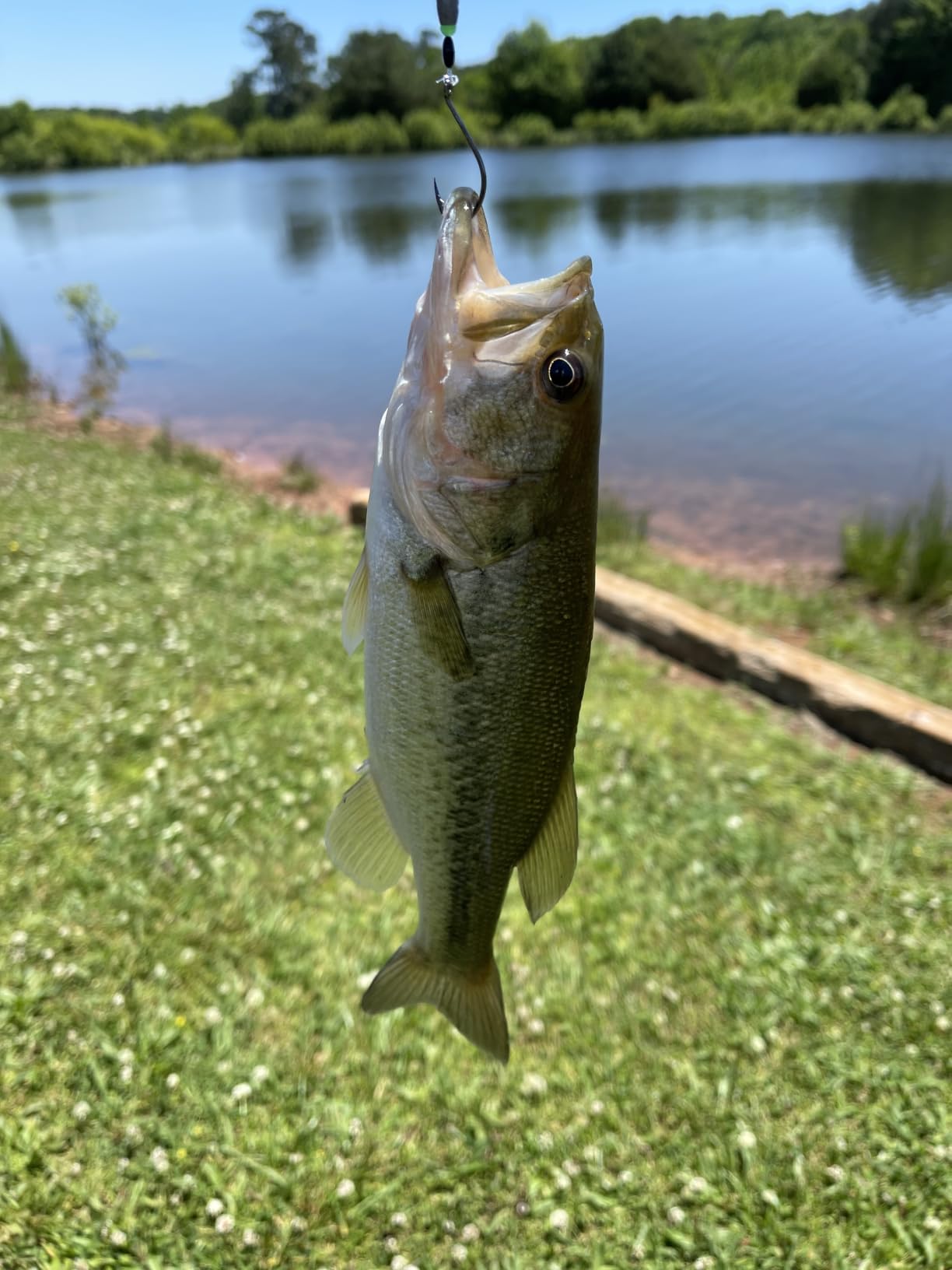
I tested this unit from my kayak in both freshwater and saltwater. The setup was quick: charge the orb, download the app, pair via Bluetooth, and cast. The app displays depth, fish location, and bottom contour on your phone screen. The interface is straightforward but feels less polished than the Garmin or Deeper apps.
The fish alarm feature notifies you when fish pass through the sonar beam, and the strike alert vibrates your phone when a bite is detected. These features are handy when you have your phone mounted on your kayak and your rod in a holder. You can focus on paddling or rigging while the app monitors for activity.
Depth-tagged fish icons are color-coded by size, which gives you a quick visual reference for what is below your kayak. The 135-foot depth range is the smallest in this guide, so this unit is best suited for shallow water fishing. Most kayak bass fishing happens in water under 20 feet, so the range limitation may not matter for your typical fishing.
Bluetooth vs Wi-Fi Connection Quality
The iBobber uses Bluetooth rather than Wi-Fi to connect to your phone. Bluetooth typically has shorter range and can be more susceptible to interference than Wi-Fi. In testing, I found the connection reliable within about 50 to 75 feet, which is less than the rated range. The Deeper Start and Garmin Striker Cast both use Wi-Fi, which provides more stable connections at longer ranges.
That said, Bluetooth has advantages too. It uses less battery on both the orb and your phone, and pairing is generally simpler. If you primarily fish small ponds or streams from your kayak where long range is not needed, the iBobber’s Bluetooth connection is adequate.
Understanding the Mixed Reviews
With a 4.0-star average and about 12 percent one-star reviews, the iBobber has more polarized feedback than other units in this guide. Positive reviews praise the ease of use, battery life, and affordable price. Critical reviews tend to focus on Bluetooth connectivity issues and occasional sonar accuracy problems. Many of the complaints come from users who did not update the app firmware or who expected premium sonar performance at a budget price.
If you manage your expectations and understand that this is a basic castable finder for shallow water, the iBobber delivers solid value. It is the cheapest castable option in this roundup and has the largest user community for troubleshooting and tips.
How to Choose a Kayak Fish Finder?
Choosing the right fish finder for your kayak comes down to four key decisions: sonar type, display, power source, and mounting method. Let me break down each factor so you can match the right unit to your specific kayak fishing setup.
Sonar Types: CHIRP vs Traditional vs Castable
CHIRP sonar is the current standard for quality fish finding. It sweeps a range of frequencies instead of sending a single pulse, producing crisper fish arches and better target separation. The Garmin Striker 4 uses CHIRP, and the difference is noticeable when comparing it side by side with traditional dual-beam units.
Traditional dual-beam sonar, like what the Humminbird PiranhaMAX 4 uses, sends single frequencies on two beam widths. It is reliable and proven but does not match CHIRP for target separation. For most kayak fishing, traditional sonar is perfectly adequate.
Castable finders like the Garmin Striker Cast, Deeper Start, and ReelSonar iBobber use compact sonar inside a device you cast from your rod. They eliminate mounting and wiring entirely but rely on your phone for display. Sonar quality varies, with Garmin’s castable devices performing closest to traditional mounted units.
Screen Size and Sunlight Readability
Kayak fish finder screens range from 2 inches on handheld units to 4.3 inches on mounted displays like the PiranhaMAX 4. Bigger is generally better, but on a kayak you also need to consider where the screen mounts and whether you can see it clearly while seated in your fishing position.
Sunlight readability is critical for kayak fishing. You are exposed to direct sun with no overhead cover. Look for displays with high brightness ratings and consider mounting the unit on an adjustable arm so you can tilt it away from glare. Color screens perform better than monochrome in bright conditions.
Power Sources and Battery Runtime
Mounted fish finders need a 12V battery. A small 7Ah or 10Ah lithium or AGM battery powers a unit like the Garmin Striker 4 for 8 to 10 hours of continuous use. The Striker 4 draws less than 1 amp, making it extremely efficient. Heavier units with larger screens will draw more current and drain batteries faster.
Castable finders have built-in rechargeable batteries. Battery life ranges from 6 hours on the Deeper Start to 10+ hours on the Garmin Striker Cast models. If you fish full days, look for units with longer battery life or carry a USB power bank for mid-day charging.
To estimate battery runtime for a mounted unit, divide the battery’s amp-hour rating by the finder’s amp draw. A 10Ah battery running a 1-amp unit gives approximately 10 hours of runtime. Lithium batteries are worth the investment for kayak fishing because they are lighter, charge faster, and maintain voltage longer than lead-acid batteries.
Mounting Methods for Different Kayak Types
Your kayak type determines your mounting options. Sit-on-top kayaks with scupper holes (like Old Town and Ocean Kayak models) make transducer installation straightforward. You can run the transducer through a scupper hole so it sits below the hull without drilling.
Hobie kayaks with MirageDrive pedal systems often have molded-in mounting locations or compatible track systems. Many Hobie owners prefer Lowrance units because the mounting hardware integrates cleanly with Hobie’s rail system. However, any unit with a standard gimbal mount can be adapted.
If your kayak has no flat mounting surface, consider a track mount system or a suction-cup mount. The RAM Mount company makes universal mounts that work with virtually any fish finder and kayak combination. For anglers who want zero installation, castable finders like the Garmin Striker Cast eliminate mounting entirely.
Kayak Brand Compatibility Notes
From forum research and user reports, here are the most common pairings. Old Town and Ocean Kayak owners report easy installation with Humminbird units thanks to accessible scupper holes. Hobie owners tend to favor Lowrance and Garmin for rail-mount compatibility. Sit-in recreational kayaks work best with castable finders since deck space is minimal.
For pedal-drive kayaks, consider where the drive mechanism sits relative to where you want to mount the transducer. Some pedal drives create turbulence that can interfere with transducer readings if the transducer is mounted too close.
FAQs
Which fish finder is best for a kayak?
The Garmin Striker 4 is the most recommended fish finder for kayaks thanks to its CHIRP sonar, GPS waypoint marking, compact size, and low power draw. It fits any kayak and runs all day on a small 12V battery. For anglers who prefer zero installation, the Garmin Striker Cast with GPS is the best castable option.
Is it worth putting a fish finder on a kayak?
Yes, a fish finder significantly improves kayak fishing success. It lets you see depth changes, locate underwater structure, mark productive waypoints with GPS, and avoid wasting time on dead water. Even a budget unit like the Garmin Striker 4 pays for itself by helping you find fish faster and more consistently.
What is the best fish finder for the money?
The Garmin Striker 4 offers the best value at around $130 with CHIRP sonar, ClearVu scanning, and built-in GPS. Among castable options, the LUCKY Portable Fish Finder at under $50 is the most affordable way to get sonar on your kayak, while the Garmin Striker Cast delivers premium castable performance at a mid-range price.
Is Garmin better than Lowrance?
Both brands make excellent fish finders for kayaks. Garmin is generally favored for entry-level units like the Striker 4 because of its CHIRP sonar and GPS at a low price. Lowrance is preferred by some anglers for its mapping capabilities and interface. For kayak fishing specifically, Garmin has a slight edge due to lower power consumption and broader mounting compatibility.
How long will a battery run a fish finder on a kayak?
A typical kayak fish finder like the Garmin Striker 4 draws less than 1 amp at 12 volts. A 10Ah battery will run it for approximately 10 hours of continuous use. Castable finders with built-in batteries last 6 to 10 hours depending on the model, with Garmin Striker Cast units offering the longest runtime at 10+ hours.
Final Thoughts on the Best Fish Finders for Kayaks
Finding the best fish finders for kayaks in 2026 means choosing between mounted sonar units and castable finders based on your kayak setup and fishing style. The Garmin Striker 4 remains the overall champion for kayak anglers who want CHIRP sonar and GPS at a budget price. The Humminbird PiranhaMAX 4 wins on screen size. And the Garmin Striker Cast with GPS is the top pick for anglers who want premium sonar without drilling a single hole in their kayak.
No matter which unit you choose, adding sonar to your kayak transforms how you fish. You stop guessing and start seeing. That difference is why so many Reddit kayak anglers call a fish finder the single best upgrade you can make to your fishing kayak. Pick the one that matches your budget and mounting preferences, and get on the water.