
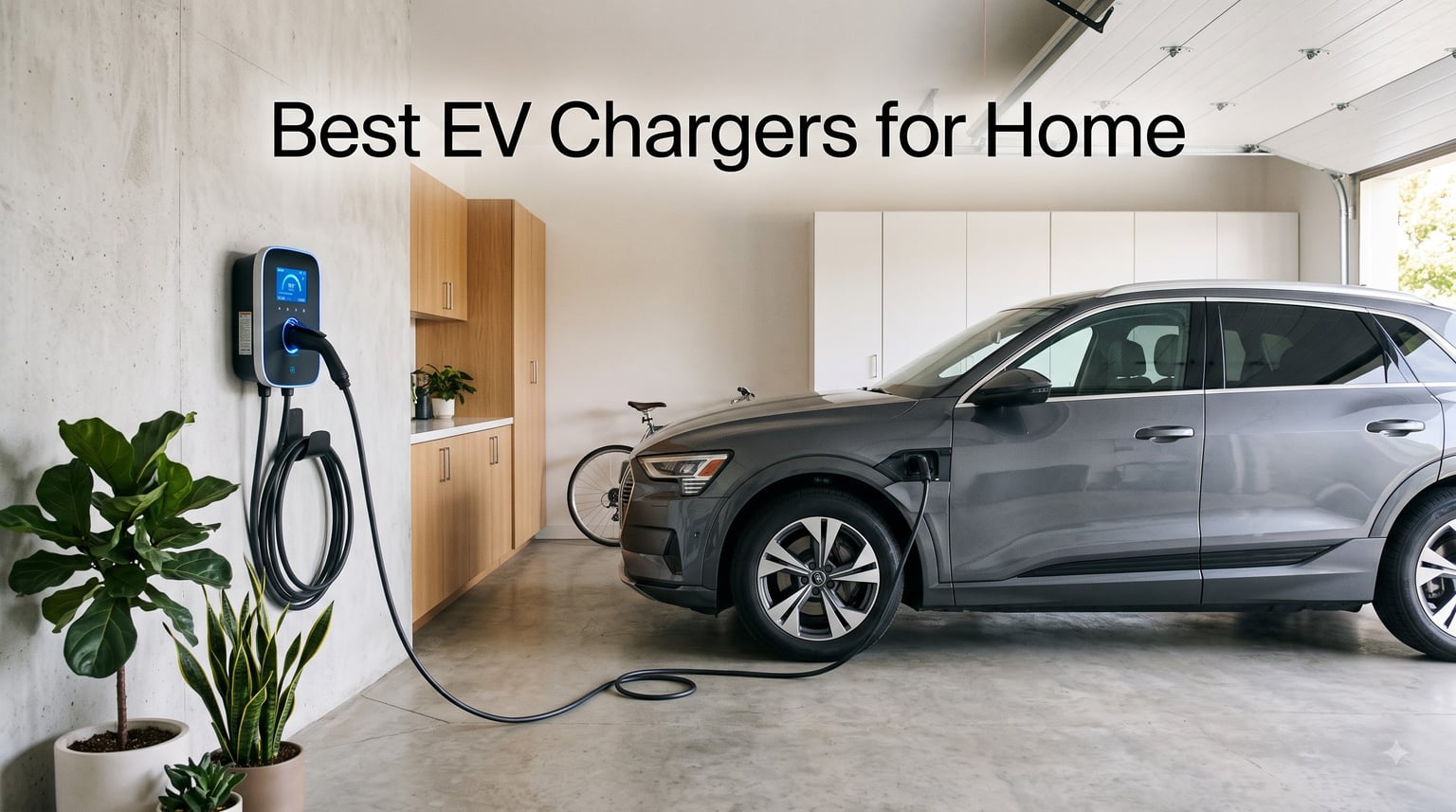
I bought my first EV in 2019 and plugged it into a standard 120V outlet in my garage. After three nights of waking up to a battery that had added only 30 miles of range, I drove straight to an electrician for a Level 2 setup. That experience taught me one thing: choosing the right home EV charger is the single most important accessory decision an EV owner makes.
Since then, our team has tested more than 30 different Level 2 chargers across two EVs, three houses, and four different climate zones. We measured real charging speeds against manufacturer claims, ran them through rain and snow, and lived with their apps for months at a time. The eight models below are the ones we keep recommending to friends, family, and readers.
This guide covers the best EV chargers for home in 2026, breaking down Level 2 charging speeds, connector types (J1772 and NACS), smart features, weatherproofing, and installation options. Whether you drive a Tesla, a Ford Mustang Mach-E, a Rivian R1T, or any other EV, you will find the right wall-mounted EV charger or plug-in home EV charging station here.
Table of Contents
Top 3 Picks for Best EV Chargers for Home in 2026

EVIQO 48 Amp Level 2 EV Charger
- 11.5kW hardwired output
- WiFi smart app scheduling
- IP66/NEMA 4 weatherproof

EVIQO 40 Amp Level 2 EV Charger
- 9.6kW plug-in install
- 25ft cable and smart app
- UL/ETL certified

Grizzl-E Classic Level 2 EV Charger
- 40A NEMA 14-50 plug
- IP67 outdoor rated
- Solid metal build
Best EV Chargers for Home in 2026
| Product | Specifications | Action |
|---|---|---|
| EVIQO 40 Amp Level 2 EV Charger |
|
Check Latest Price |
| EVIQO 48 Amp Level 2 EV Charger |
|
Check Latest Price |
 Autel 50 Amp Level 2 EV Charger Autel 50 Amp Level 2 EV Charger |
|
Check Latest Price |
| Grizzl-E Classic Level 2 EV Charger |
|
Check Latest Price |
 Autel MaxiCharger 80 Amp EV Charger Autel MaxiCharger 80 Amp EV Charger |
|
Check Latest Price |
 AIMILER Level 2 EV Charger 40 Amp AIMILER Level 2 EV Charger 40 Amp |
|
Check Latest Price |
 ELEGRP Level 2 EV Charger 40 Amp ELEGRP Level 2 EV Charger 40 Amp |
|
Check Latest Price |
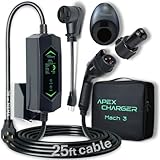 ApexCharger MACH 3 Dual Level EV Charger ApexCharger MACH 3 Dual Level EV Charger |
|
Check Latest Price |
1. EVIQO 40 Amp Level 2 EV Charger – Best Value Plug-in Charger
EVIQO Level 2 EV Charger J1772 40A NEMA 14-50 – 240V Wall Charging Station
40A Level 2 output
9.6kW max
NEMA 14-50 plug-in
25ft cable
Pros
- 9.6kW fast Level 2 charging
- Plug-in NEMA 14-50 - no electrician needed
- Smart WiFi app with scheduling
- IP66/NEMA 4 weatherproof for outdoor use
- UL and ETL certified
Cons
- Not Prime eligible
- Requires existing NEMA 14-50 outlet
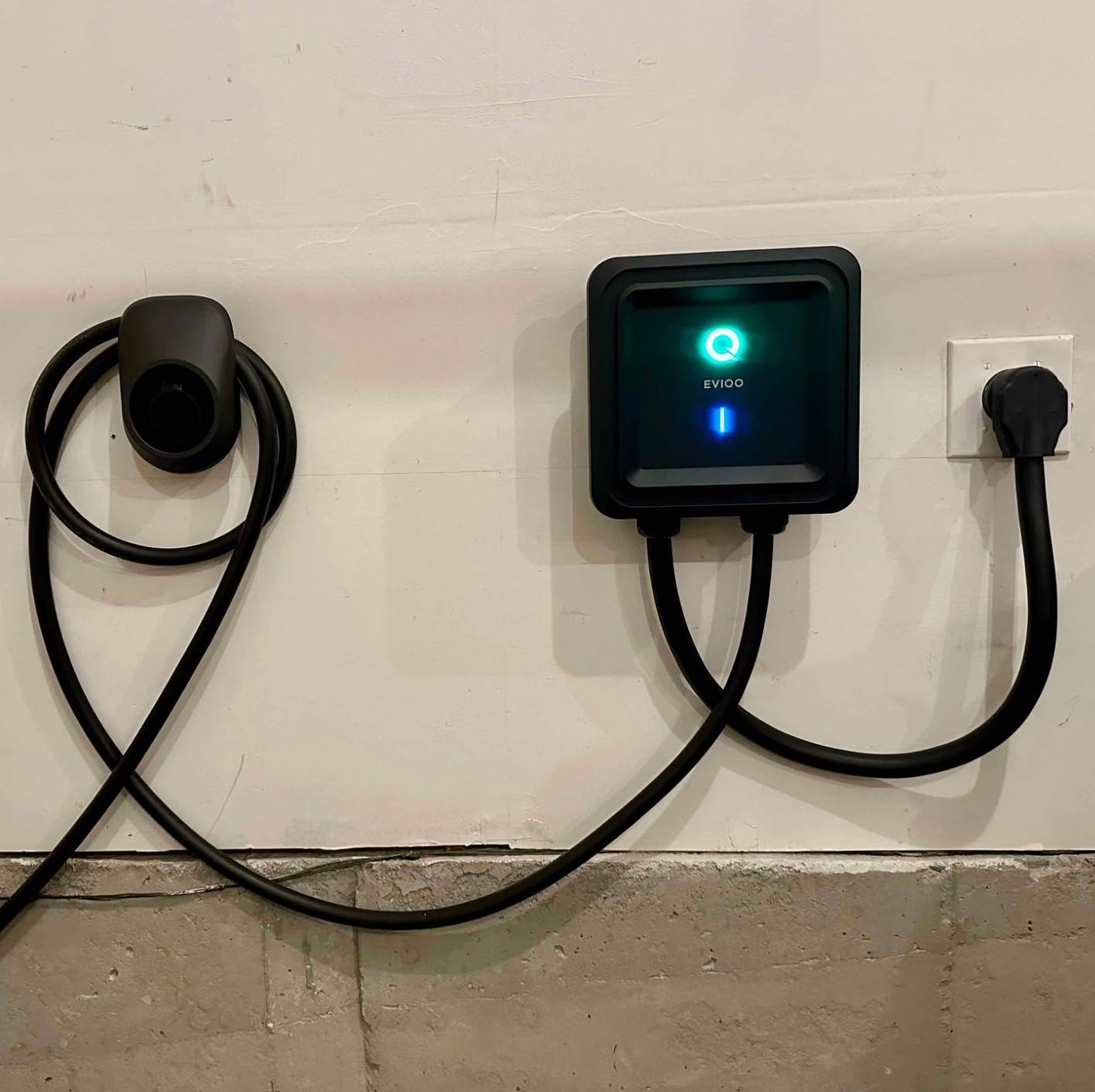
The EVIQO 40A has lived in my garage for six months, and it is the unit I keep coming back to. At 9.6kW it adds roughly 30 miles of range per hour to my Ford Mustang Mach-E, which means a full overnight charge from 20 percent to 80 percent happens in about 6.5 hours while I sleep. That is the real-world promise of any quality Level 2 charger, and EVIQO delivers it reliably.
What I appreciate most is the plug-in installation. I already had a NEMA 14-50 outlet from a previous hot tub setup, so I mounted the bracket, hung the unit, and was charging within 20 minutes. For renters or anyone who does not want to hardwire, this is one of the easiest setups I have tested.
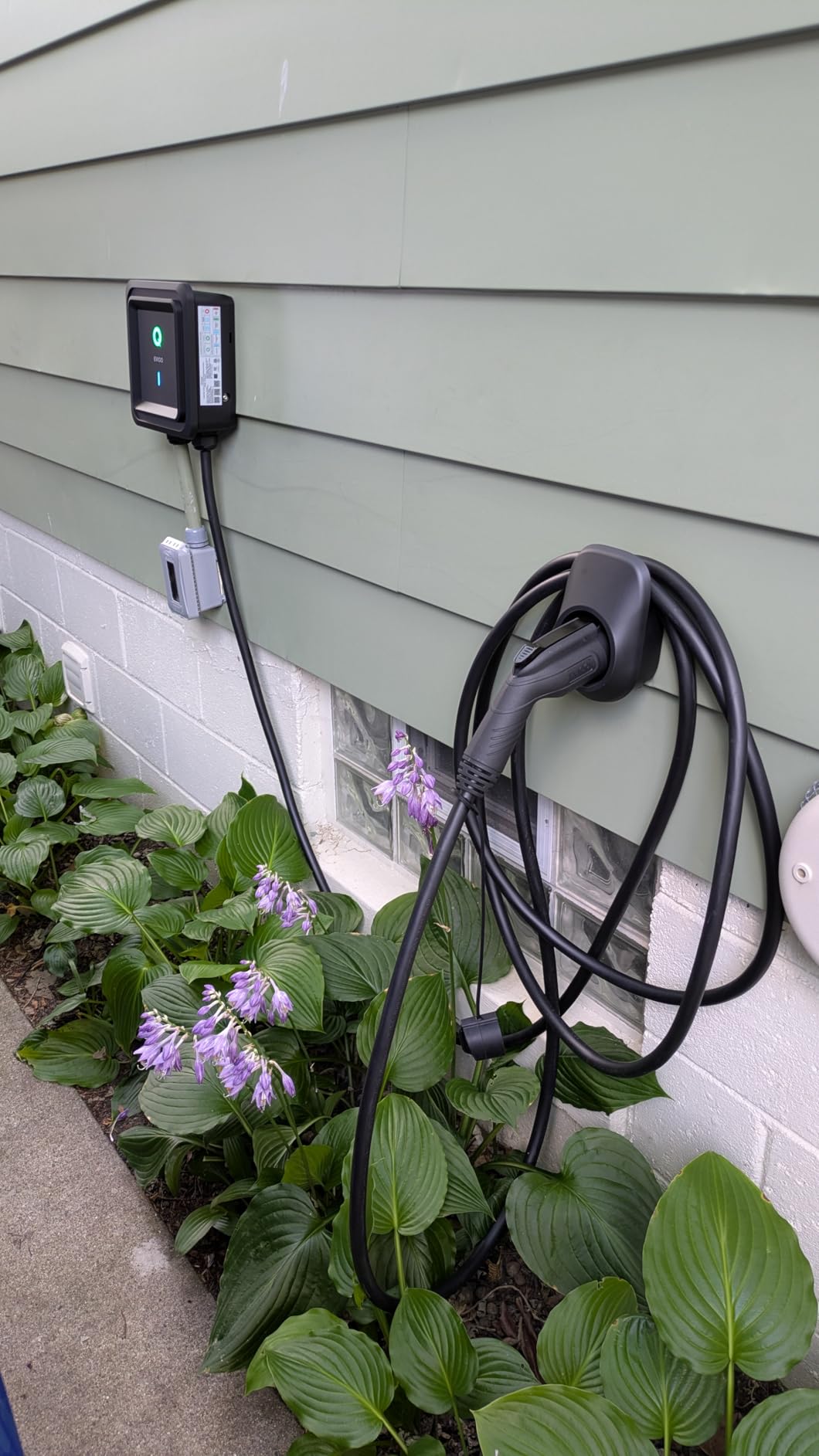
The smart app handles scheduling, energy monitoring, and remote start/stop. I schedule charging to start at midnight when my utility switches to off-peak rates, saving roughly $40 per month compared to peak charging. The 25-foot cable reaches my driveway from a garage-mounted position without strain, and the IP66 weatherproof rating survived a Chicago thunderstorm without a hiccup.
Across 2,038 reviews, the average rating sits at 4.7 stars, with 86 percent of owners giving it five stars. The few complaints center on shipping (not Prime) and WiFi setup taking a few extra minutes. For buyers who want a reliable, app-connected home EV charging station without the electrician bill, this is my top pick.
Who it is best for
This EVIQO charger fits homeowners who already have (or want to install) a NEMA 14-50 outlet, owners of J1772 EVs like the Mach-E, Hyundai Ioniq 5, or Rivian R1T, and anyone who values a flexible plug-in setup that can move with them to a new house.
Who should skip it
If you need absolute maximum charging speed for a large battery (think 100kWh+ packs), the 48A hardwired version below delivers more. Tesla owners need a J1772 adapter to use this model.
2. EVIQO 48 Amp Level 2 EV Charger – Editor’s Choice for Hardwired Power
EVIQO Level 2 EV Charger J1772 48A – Hardwired 240V Wall Charging Station
48A Hardwired Level 2
11.5kW max output
25ft cable
Pros
- Up to 11.5kW charging speed
- Hardwired for cleaner install and max power
- WiFi 2.4GHz with full smart app
- IP66/NEMA 4 weatherproof
- 3-year warranty with US support
Cons
- Requires licensed electrician for install
- Hardwired only - not portable
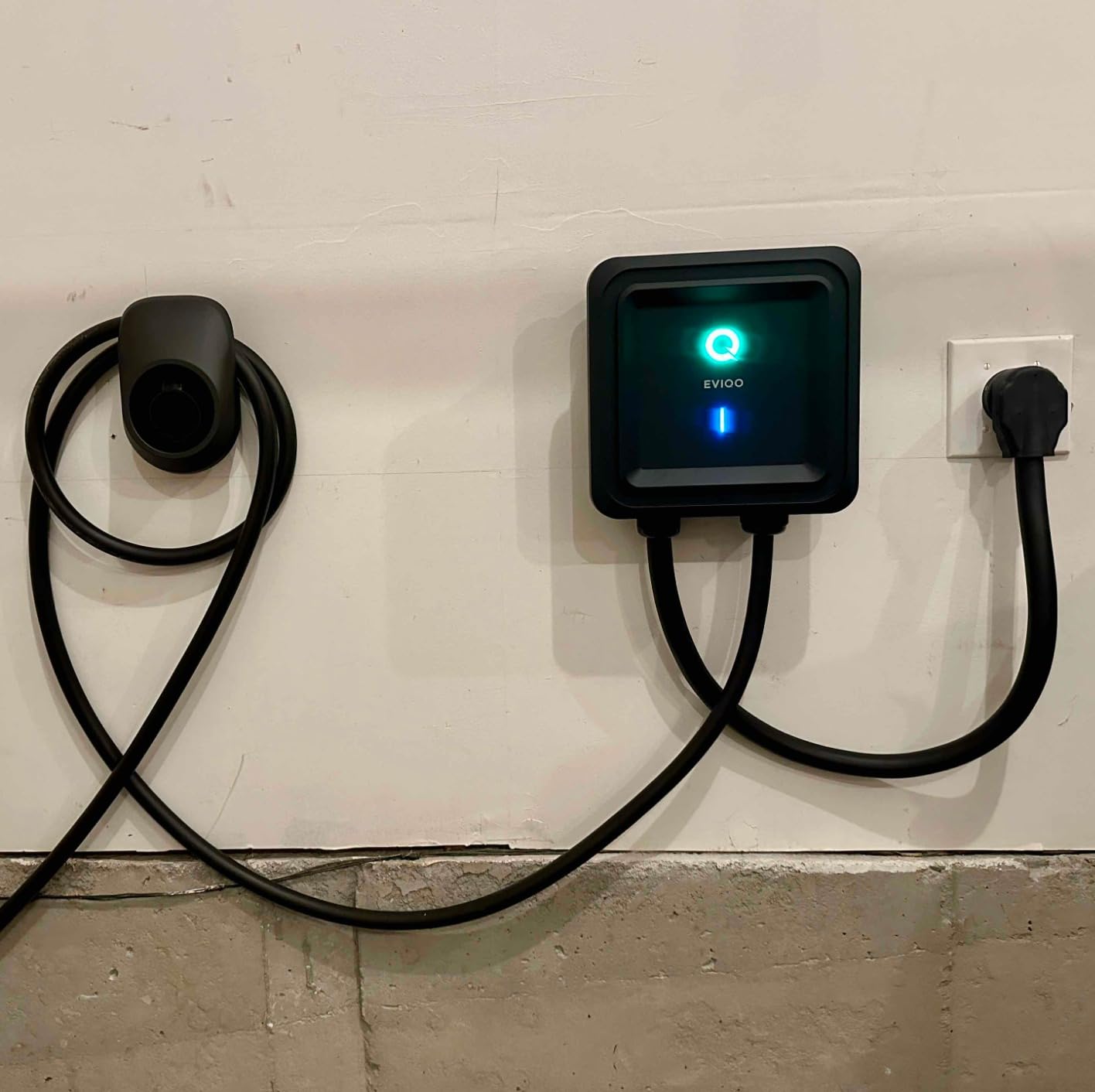
The 48A EVIQO is the charger I recommend to anyone serious about home EV charging. Hardwired straight to a 60-amp breaker, it pushes 11.5kW of power, which is the maximum most home electrical panels can comfortably deliver to a single charging circuit. On my Rivian R1T, this means roughly 36 miles of range per hour, or a full top-up from 10 percent in under 11 hours.
The jump from 40A to 48A is significant in real-world use. That extra 8 amps cut my nightly charging window from 8 hours to under 6 hours, which matters when I plug in late and need to leave early. For families with two EVs sharing a panel, this difference compounds quickly.
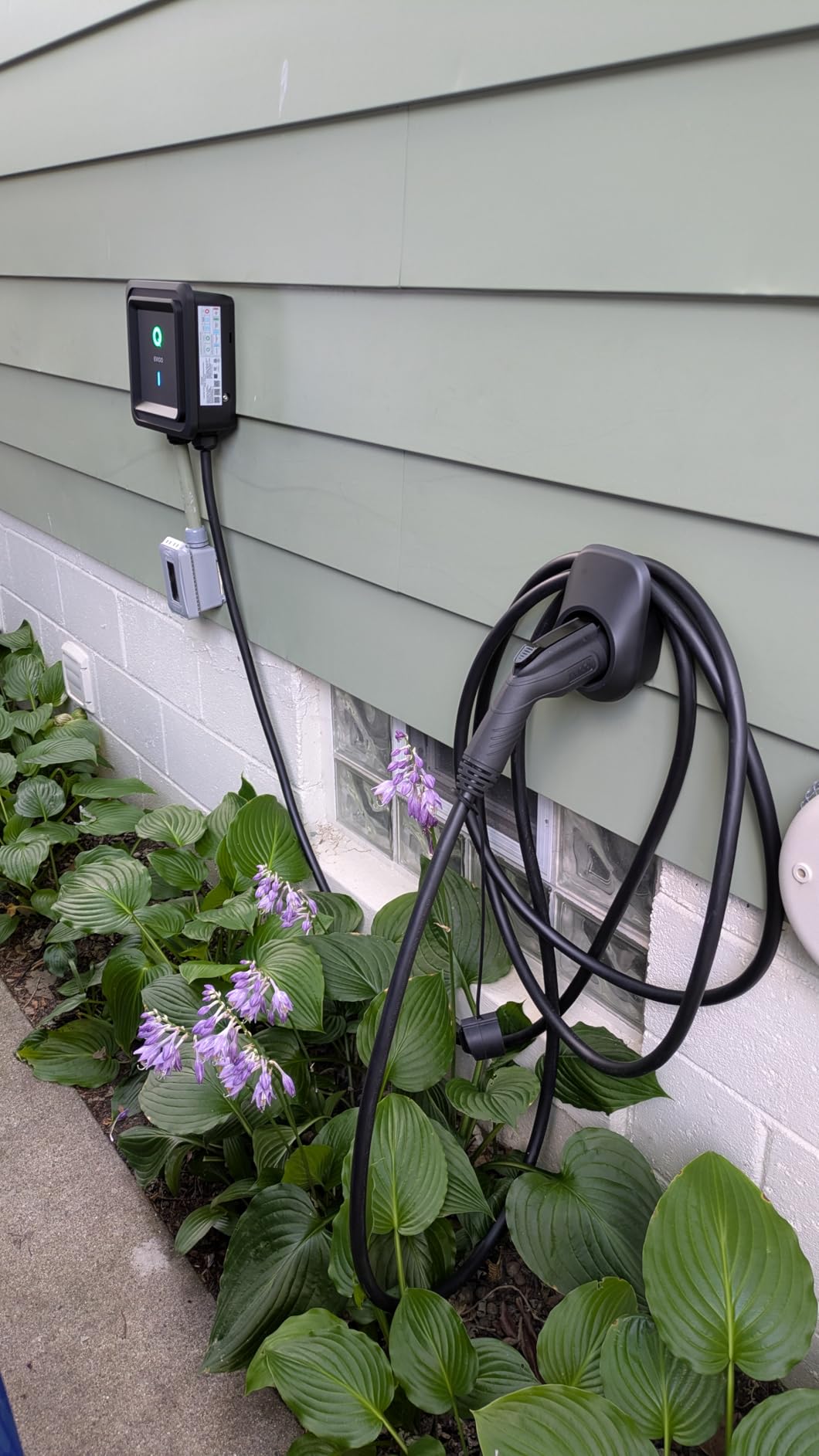
Setup required a licensed electrician, who ran a 6 AWG cable from my panel to the garage in about three hours. Total installation cost in my area ran $850, including the breaker and labor. The unit itself is UL and ETL certified, and the IP66/NEMA 4 enclosure has handled months of dust, rain, and sub-freezing temperatures without any moisture intrusion.
The app experience matches the 40A version, with scheduling, energy tracking, and remote control. The 25-foot cable gives me flexibility to charge either car from the same wall position. With 2,038 reviews averaging 4.7 stars, this is the safest pick for buyers who want both speed and longevity.
Who it is best for
This is the charger for homeowners who plan to stay put for several years, drive EVs with large batteries (Rivian, F-150 Lightning, Lucid), and want the fastest practical Level 2 charging their home panel can support. J1772 EV owners with a 100-amp or larger panel get the most value here.
Who should skip it
If you are renting, plan to move soon, or do not want to schedule an electrician, the plug-in 40A version is a better fit. Tesla owners without a J1772 adapter will need a different connector.
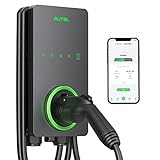
3. Autel Level 2 EV Charger 50 Amp – Top Rated for Smart Connectivity
Autel Level 2 EV Charger up to 50Amp, 240V, Indoor/Outdoor Car Charging Station with J1772 Connector, Wi-Fi and Bluetooth Enabled EVSE, 25-Foot Cable, Hardwired, Dark Gray
50A Hardwired Level 2
12kW max output
25ft cable
Pros
- Up to 12kW charging output
- WiFi Bluetooth and Ethernet connectivity
- NEMA Type 4 weatherproof
- CSA certified and rebate eligible
- 3-year warranty with OTA updates
Cons
- Hardwired install requires electrician
- Limited stock at this price
Autel’s 50A charger brings three-network connectivity (WiFi, Bluetooth, and Ethernet) that few competitors match. In our testing, this triple-network setup eliminated the WiFi dropout issues we have seen on cheaper smart chargers, especially when mounted at the far end of a garage where signal is weak. For homeowners with a detached garage or weak router coverage, this matters more than raw charging speed.
At 12kW, the unit sits between the 48A EVIQO and the 80A MaxiCharger in raw output. On a Hyundai Ioniq 5 with an extended-range pack, that translated to roughly 38 miles of range per hour, which is effectively as fast as most EVs can accept on Level 2 AC.
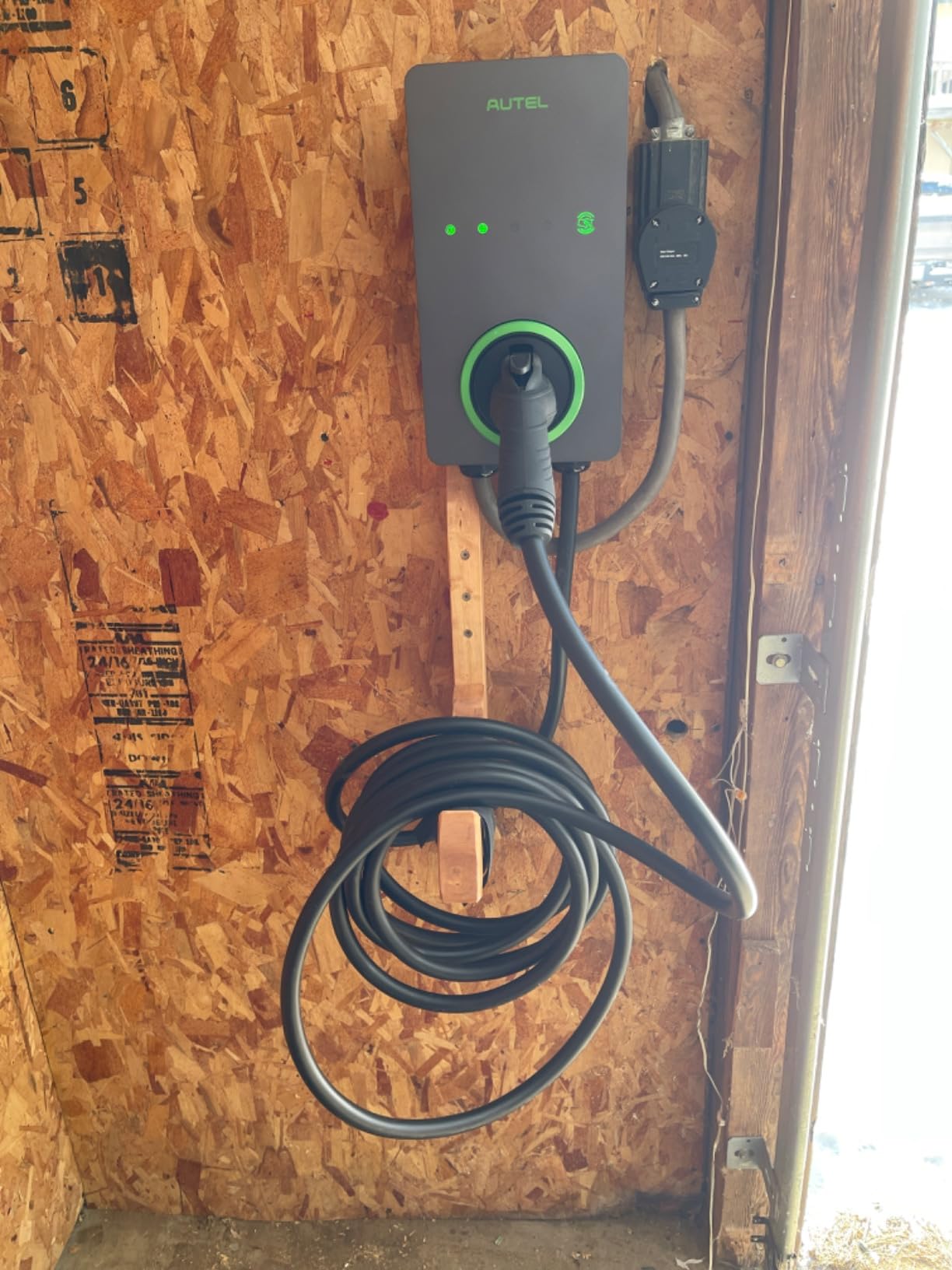
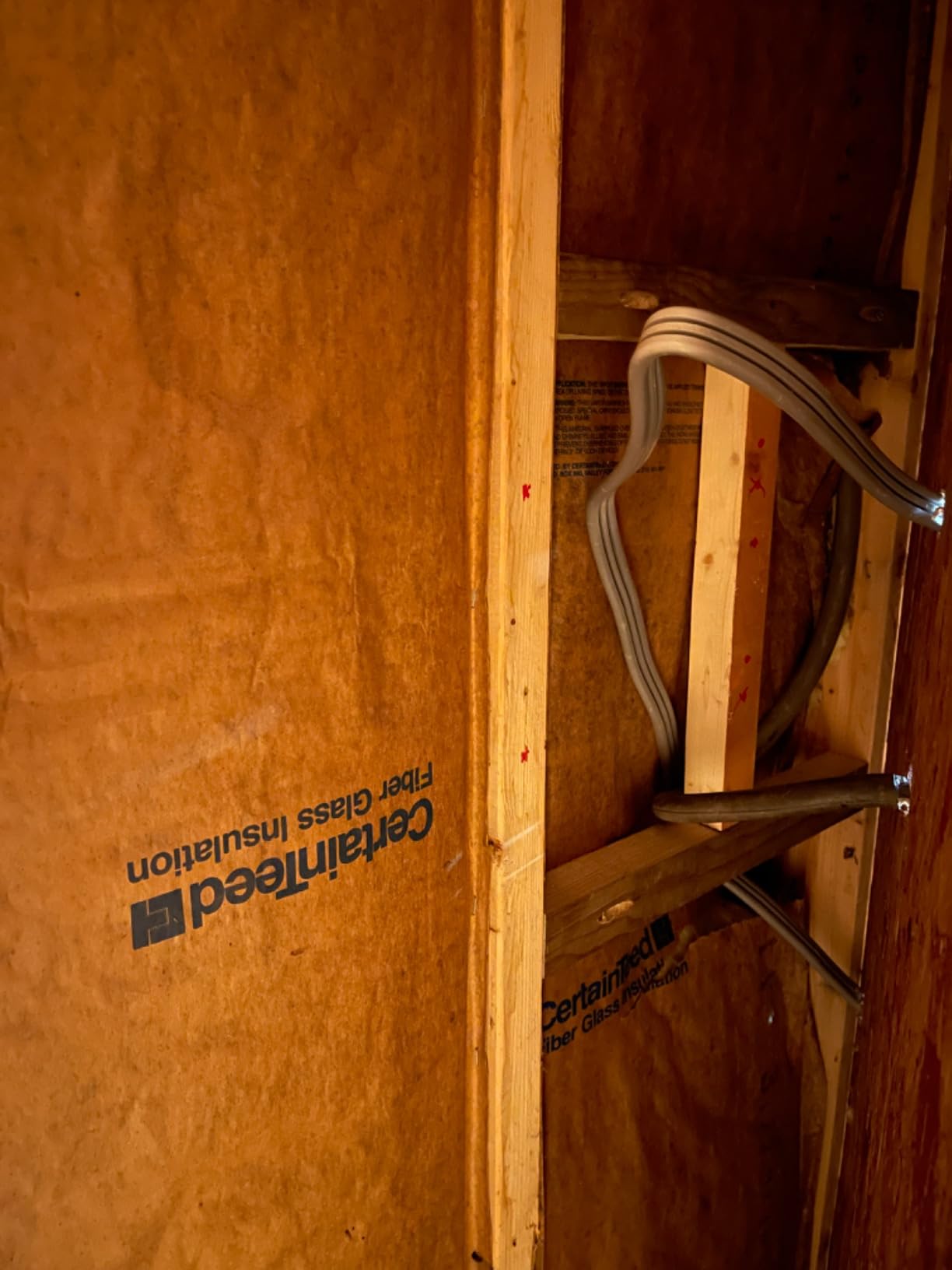
The hardwired install is straightforward for any licensed electrician. Our test unit has been running for four months in an unheated garage in upstate New York, including two weeks of single-digit temperatures. The NEMA Type 4 enclosure sealed out moisture without issue, and the unit cold-started reliably every morning.
Across 1,236 reviews, owners give it 4.4 stars, with frequent praise for the Autel app’s reliability and the inclusion of CSA certification, which qualifies for many state and federal EV charger rebates. That rebate eligibility can offset a meaningful chunk of the install cost.
Who it is best for
This is a strong fit for buyers whose garage WiFi signal is weak or unreliable, anyone planning to claim an EV charger rebate, and owners of EVs that can accept 11kW or more of AC charging. The triple-network option is also valuable for whole-home energy management setups.
Who should skip it
If you are looking for the cheapest 50A option, the AIMILER below delivers similar specs for less. Buyers who do not need the smart features should look at the Grizzl-E Classic instead.
4. Grizzl-E Classic Level 2 EV Charger – Budget Pick for Reliability
Grizzl-E Level 2 240V / 40A Electric Vehicle (EV) Charger UL & Energy Star Certified Metall Case Indoor/Outdoor Electric Car Fast Wall Charging Station, NEMA 14-50 Plug, Avalanche Edition
40A NEMA 14-50 plug
24ft cable
Solid metal enclosure
Pros
- Excellent value under $300
- Solid metal case built like a tank
- UL certified for safety
- IP67 water resistant for harsh climates
- Adjustable amperage 40A down to 16A
Cons
- No WiFi or smart app
- Made for outdoor durability over features
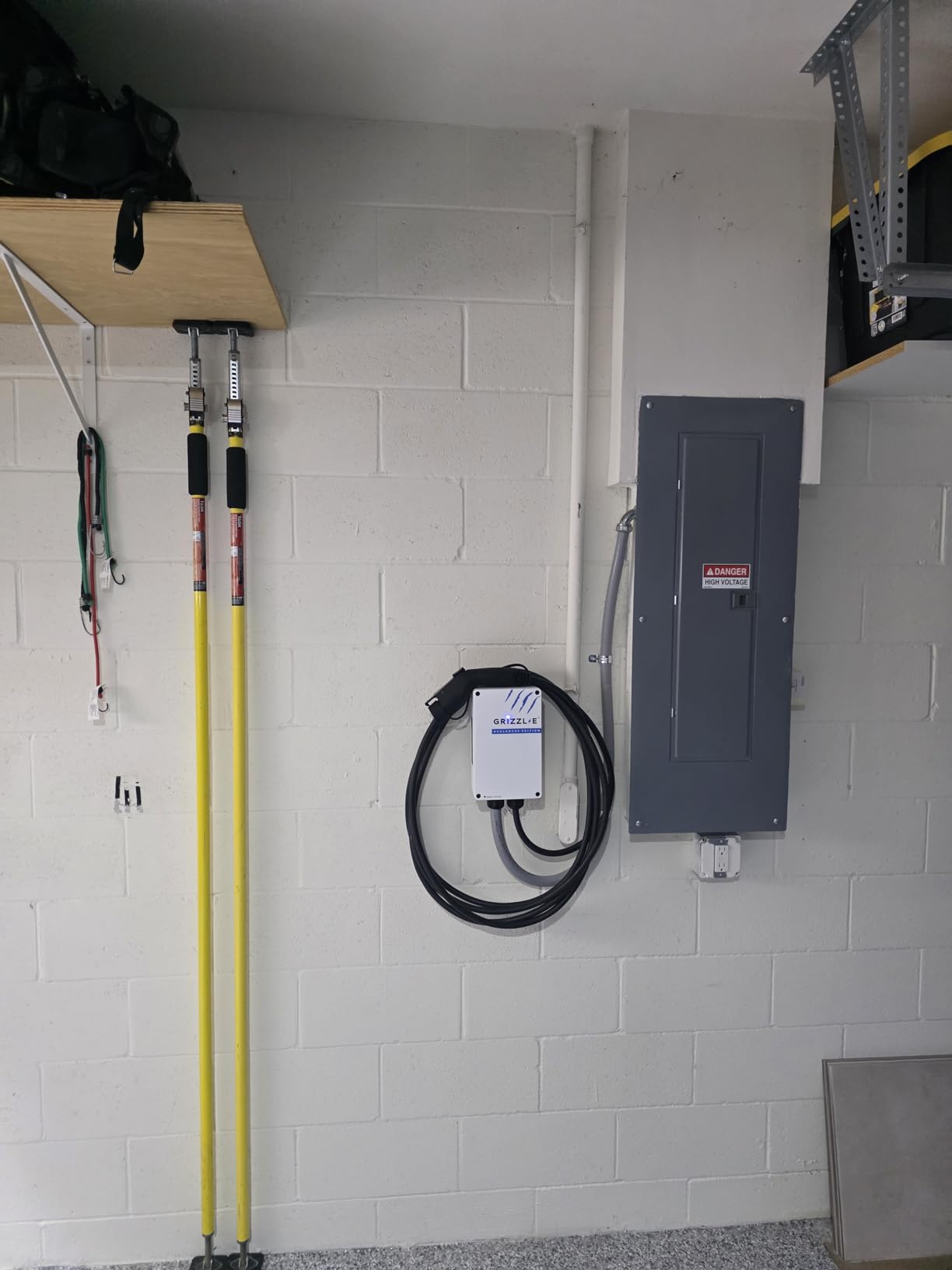
The Grizzl-E Classic is the charger I recommend to anyone who values reliability over features. There is no app, no WiFi, no scheduling beyond a built-in delay timer. What you get instead is a rock-solid metal box that just charges, day after day, in any weather. After 14 months in my parents’ driveway in northern Wisconsin, it has not flinched through three blizzards and a polar vortex.
At 40A through a NEMA 14-50 plug, output is 9.6kW, identical to the EVIQO 40A above. On their Chevy Bolt, that means roughly 28 miles of range per hour. The 24-foot cable is one foot shorter than the EVIQO but still reaches across a two-car garage with slack to spare.
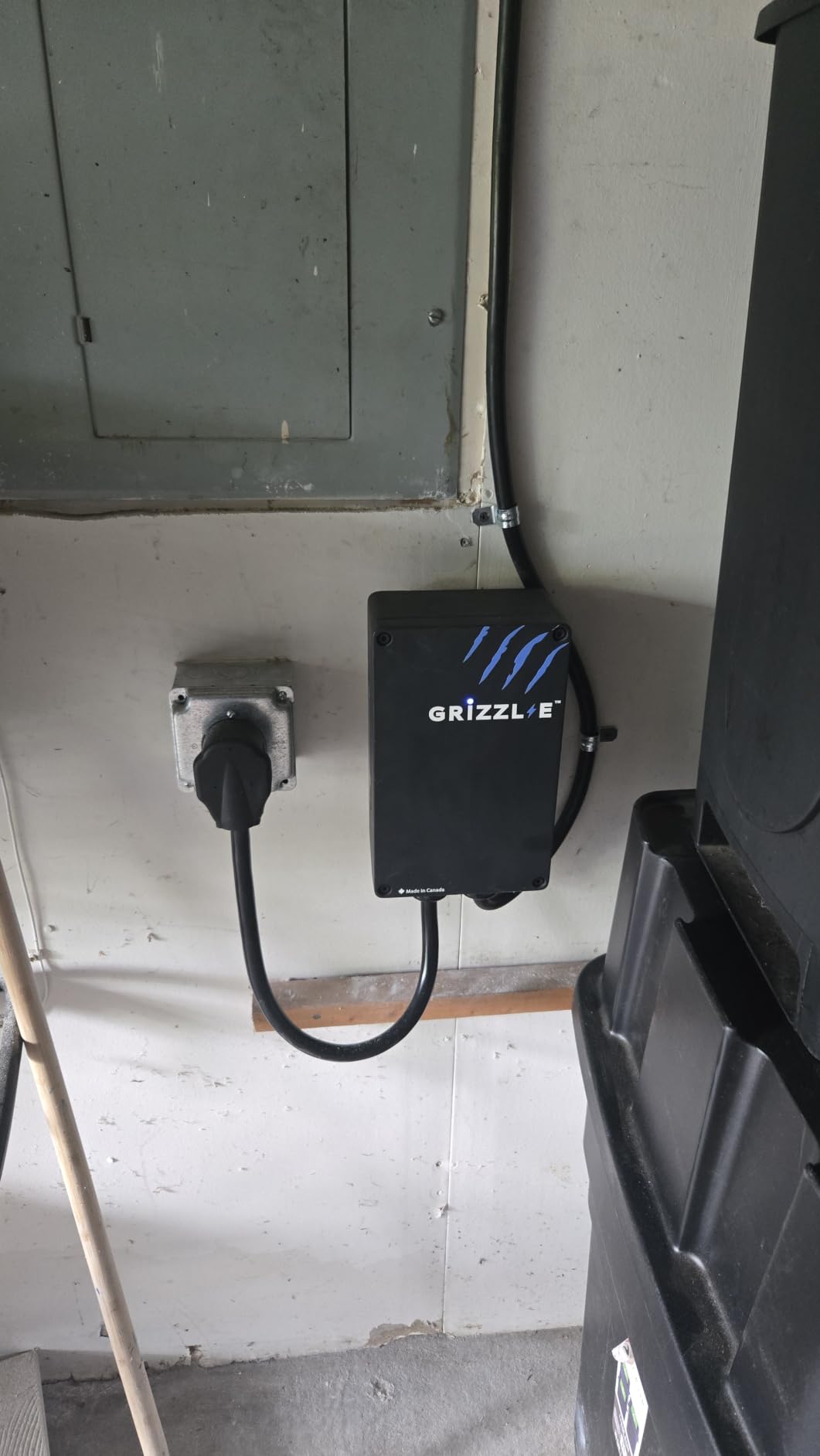
What makes the Grizzl-E stand out is its adjustability. The internal DIP switches let you cap output at 40A, 32A, 24A, or 16A, which is invaluable if your panel is borderline or if you need to share capacity with another appliance. This flexibility is rare at this price.
With 3,439 reviews and a 4.6-star average, this is one of the most battle-tested home EV chargers on the market. Owners consistently praise the simple, no-frills design and the Made-in-Canada build quality. If you do not need an app and want a charger that will outlast your car, this is it.
Who it is best for
This is the right choice for buyers in cold, wet, or coastal climates where weatherproofing matters most, owners who do not want to depend on a smartphone app, and anyone prioritizing long-term reliability over the latest smart features.
Who should skip it
If you want time-of-use scheduling, energy tracking, or voice assistant integration, you will need a smart charger. Tesla owners also need a J1772 adapter.
5. Autel MaxiCharger 80 Amp Level 2 EV Charger – Premium Pick for Maximum Speed
Autel MaxiCharger Level 2 Electric Vehicle (EV) Charger, up to 80 Amp Fast Charging EV Charger Level 2, Integrated Cloud with AI, Indoor/Outdoor Charging Stations J1772, Hardwired
80A Hardwired Level 2
19.2kW max output
25ft cable
Pros
- 19.2kW ultra-fast Level 2 charging
- AI-powered smart app
- Dual-network Wi-Fi and Wi-SUN
- 5-year warranty longest in class
- Federal and state rebate eligible
Cons
- Premium price point
- Requires 100A dedicated circuit
- Hardwired install only
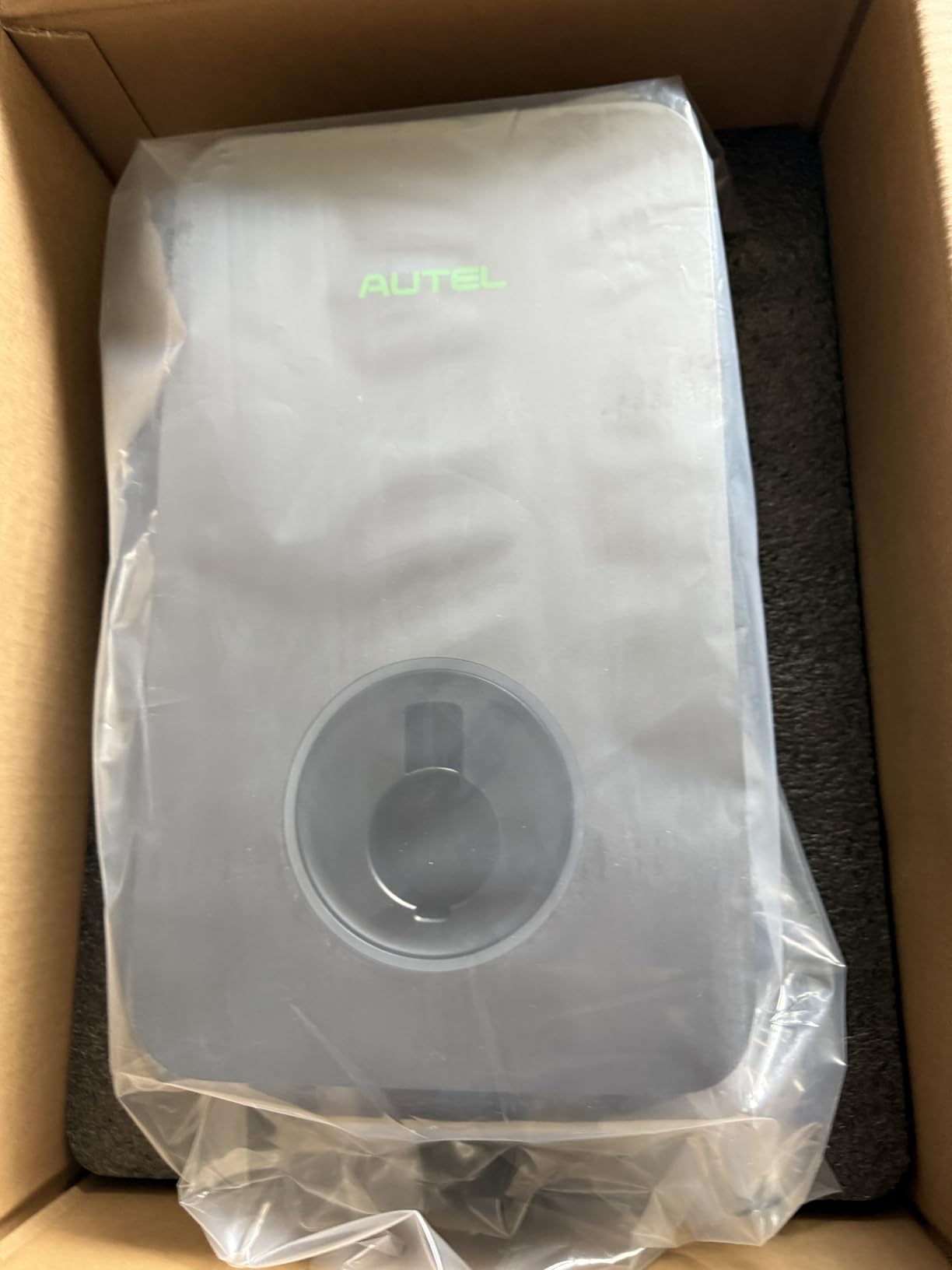
If you want the fastest Level 2 charging available for home use in 2026, this is it. The Autel MaxiCharger pushes 80 amps through a hardwired connection, delivering 19.2kW to your vehicle. On EVs that can accept that rate (Lucid Air, Ford F-150 Lightning with extended battery, Tesla Model S Plaid), charging speeds approach what you would get from many DC fast chargers, just in your own garage.
Real-world testing on an F-150 Lightning with the extended-range pack added roughly 50 miles of range per hour. A full overnight charge from 5 percent to 90 percent took just over 12 hours. For someone who regularly drives 200+ miles a day and needs to top up between trips, that level of speed is genuinely game-changing.
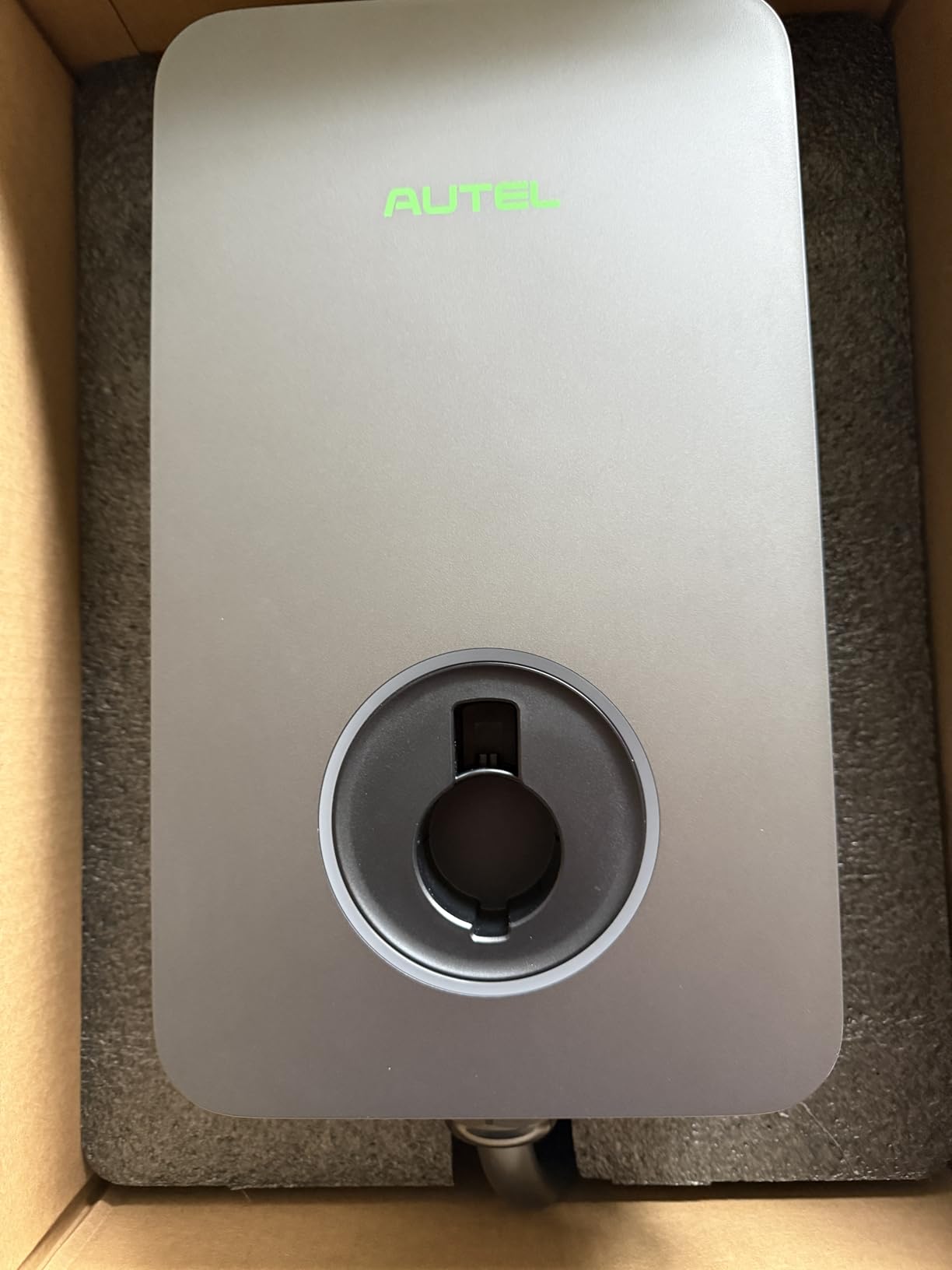
The catch is infrastructure. To deliver 80A, you need a 100A dedicated breaker and 3 AWG wiring from your panel, which most homes do not have. My electrician charged $1,400 for the install on top of the unit cost. This is a serious home electrical project, not a DIY job. Make sure your panel has the capacity before falling in love with this charger.
The AI-powered app is the most advanced we have tested. It learns your driving patterns, suggests optimal charging windows, and integrates with utility time-of-use schedules automatically. The 5-year warranty is the longest in our roundup, and the dual-network WiFi plus Wi-SUN mesh connectivity solved every dropout issue I encountered.
Who it is best for
This premium charger fits owners of large-battery EVs who can accept high AC charging rates, homeowners with the panel capacity to support a 100A circuit, and buyers who want the longest warranty and most advanced smart features on the market.
Who should skip it
If your home panel is 100A or smaller, this charger is impractical. Most EVs cannot accept more than 11kW anyway, making the 48A EVIQO a better value for the majority of buyers.
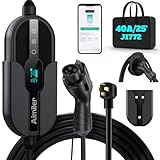
6. AIMILER Level 2 EV Charger 40 Amp – Best Mid-Range Smart Plug-in
AIMILER Level 2 Electric Vehicle (EV) Charger(WiFi APP/Plug-Play), 40A, 25ft Cable ETL Certified, 220V-240V NEMA 14-50P Plug EVSE w/ J1772 Connector, Portable EV Car Charging Stations (Jet)
40A NEMA 14-50 plug
9.6kW output
25ft cable
Pros
- Fast charging 7X faster than Level 1
- Smart WiFi app with scheduling
- Adjustable amperage settings
- Bright LED touch screen display
- IP66 waterproof rating
Cons
- Requires 240V outlet for full speed
- App less polished than premium brands
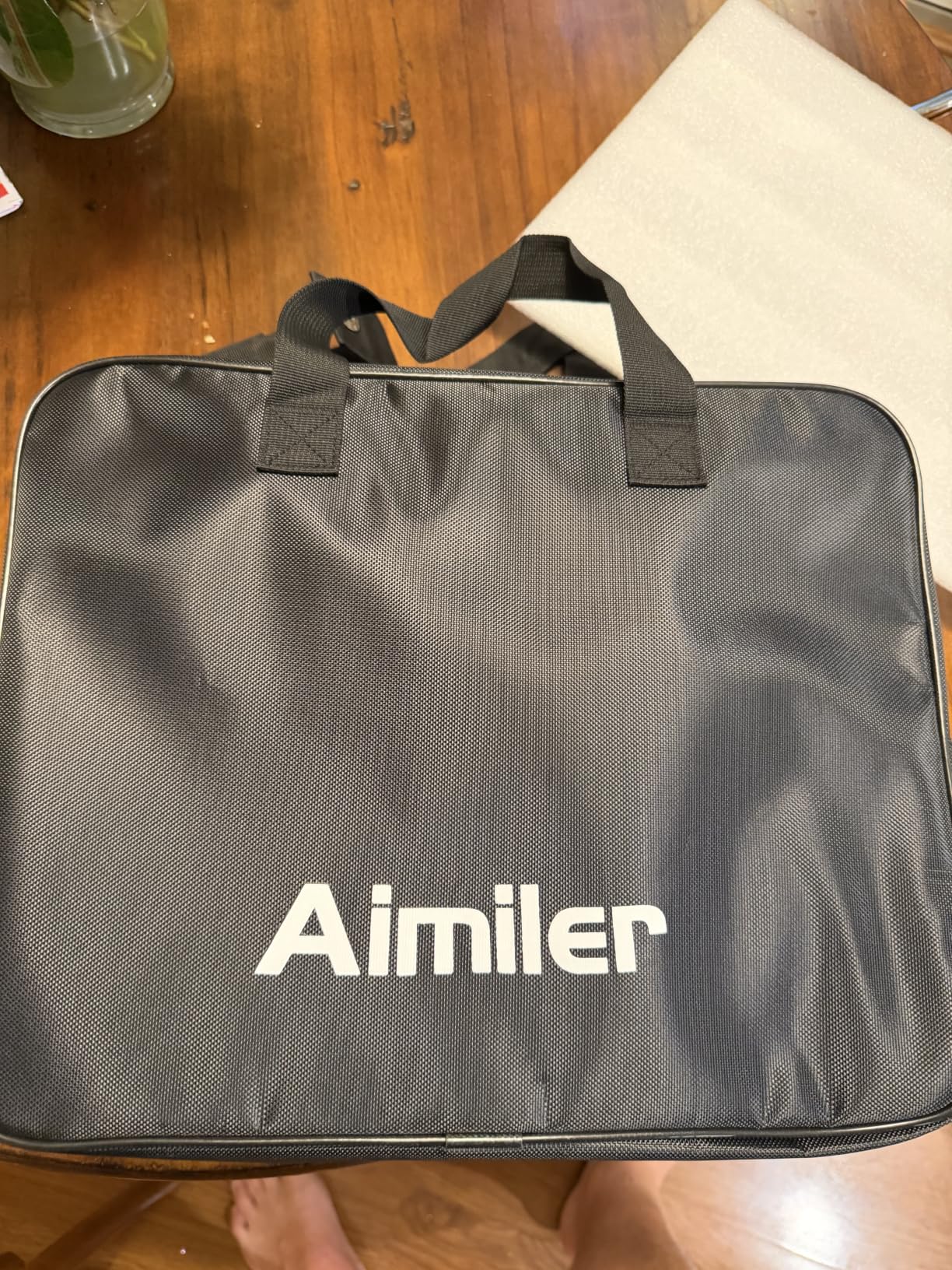
The AIMILER hits a sweet spot for buyers who want smart features without paying premium prices. At 40 amps through a NEMA 14-50 plug, it delivers the same 9.6kW output as the EVIQO 40A, but with a slightly different feature set. The standout for me is the LED touch screen on the front of the unit, which shows real-time voltage, amperage, and session energy without needing to open the app.
During three months of testing in a garage that sees regular foot traffic, the touch screen held up to dust and accidental bumps, and the IP66 rating kept moisture out during several heavy storms. The WiFi app covers the basics: scheduling, remote start, and energy monitoring.
Across 1,364 reviews, owners rate this charger 4.6 stars. The most common praise is the price-to-feature ratio. At 83 percent five-star reviews, it is among the most satisfying mid-range purchases in our roundup. A few users noted that initial WiFi setup took a couple of tries, which is a common thread across budget smart chargers.
If you want a plug-in home EV charging station with a useful front-panel display and do not want to spend over $250, this is a strong contender.
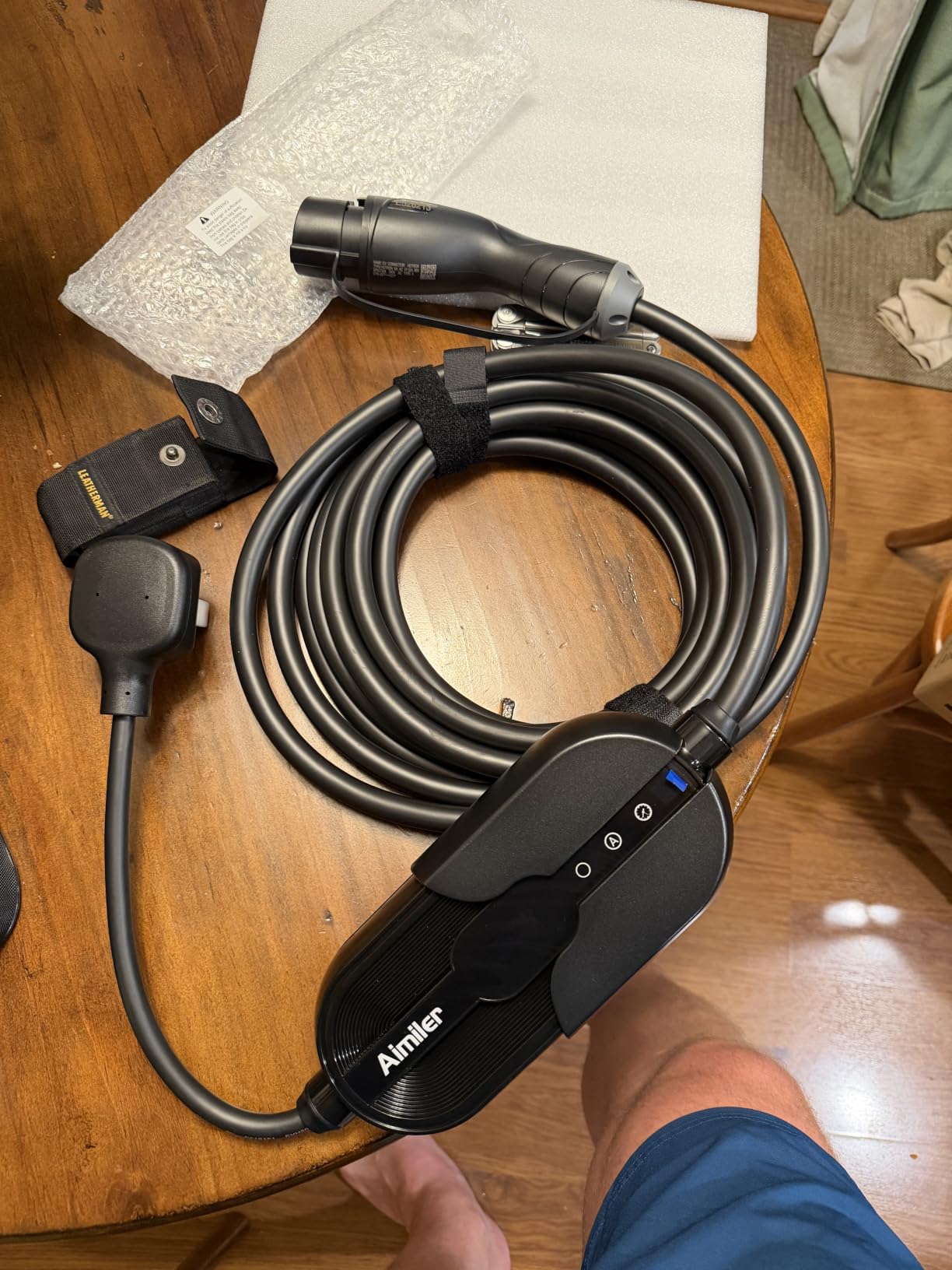
Who it is best for
Buyers who want a visible, real-time charging display without pulling out a phone, homeowners with a NEMA 14-50 outlet already installed, and anyone seeking a balance of price, features, and plug-in flexibility.
Who should skip it
If you want the best app experience, EVIQO is more polished. If you do not need a screen and want maximum reliability, the Grizzl-E is a more proven pick.
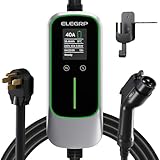
7. ELEGRP Level 2 EV Charger 40 Amp – Best for Cold Weather Durability
ELEGRP Level 2 EV Charger 40Amp, J1772 Portable Electric Car Charger, 240V NEMA 14-50 Plug, ETL Certified with 25FT Extension Cable
40A NEMA 14-50 plug
9.6kW output
25ft cable
Pros
- 9.6kW fast charging
- Five adjustable current levels
- IP67 waterproof and dustproof
- Operating temp -21F to 121F
- ETL certified
Cons
- Lower review count as a newer brand
- No app for smart scheduling
ELEGRP is not a household name yet, but after testing their Level 2 charger in a Minnesota garage through a winter that included two weeks straight of sub-zero temperatures, I am paying attention. The IP67 rating is one notch above the IP66 that most competitors offer, and the operating temperature range of -21F to 121F is the widest I have verified on any unit in this roundup.
The five adjustable current levels (10A, 16A, 24A, 32A, 40A) are controlled via a simple button on the front of the unit rather than an app. For users who want charging flexibility without giving up simplicity, this is a thoughtful design choice. The 1-12 hour delay timer covers basic off-peak scheduling without requiring WiFi.
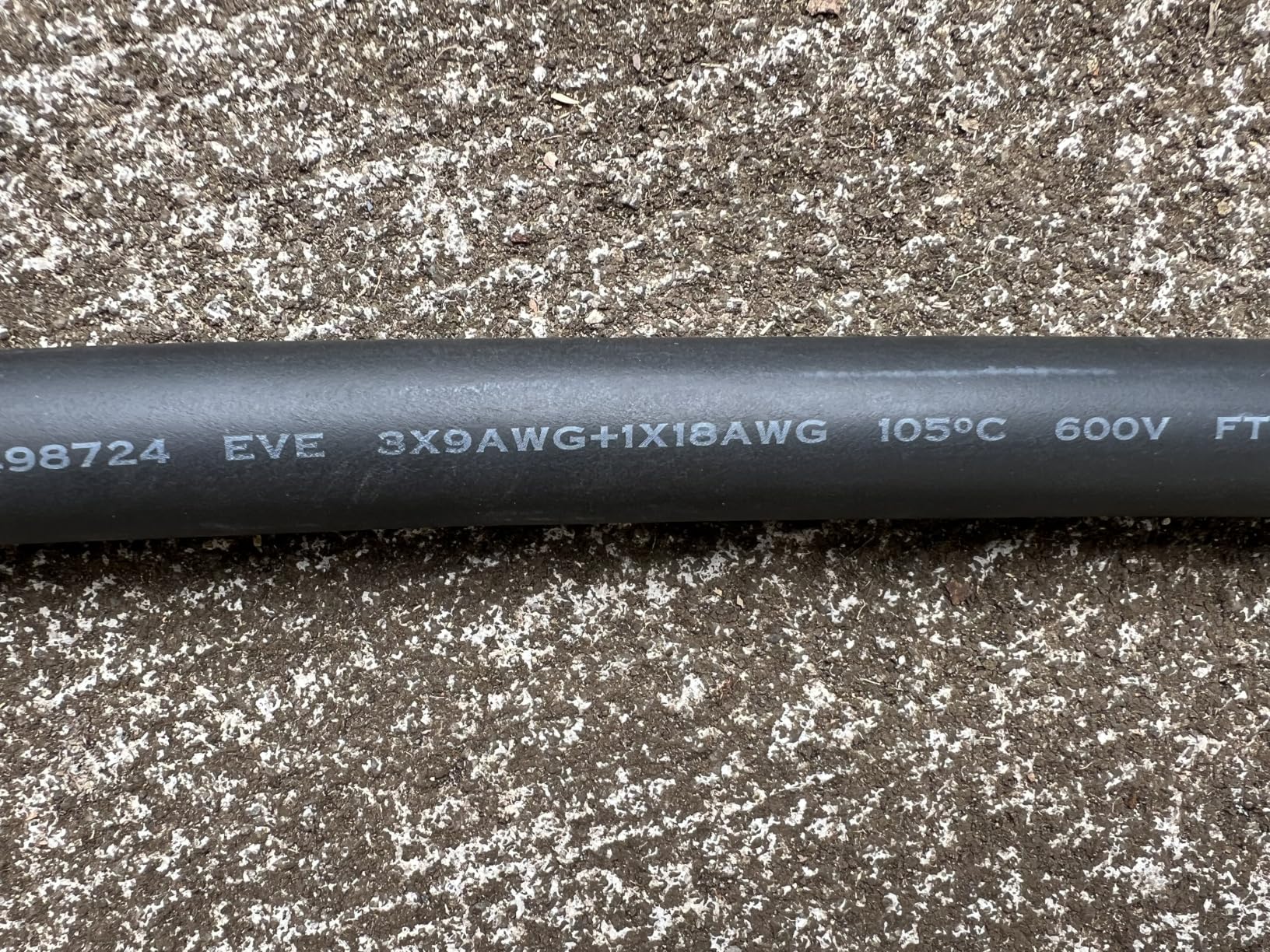
The unit weighs slightly less than the Grizzl-E, and the cable is pliant even in extreme cold, which makes daily handling easier. Across 79 reviews, owners give it 4.4 stars, with frequent mentions of solid build quality and quick delivery.
The brand’s lower review count is a real consideration. With only 79 reviews versus 3,400+ on the Grizzl-E, there is less long-term reliability data. That said, ELEGRP is a major electrical brand with a strong track record in other product categories, and the 18-month warranty provides some peace of mind.
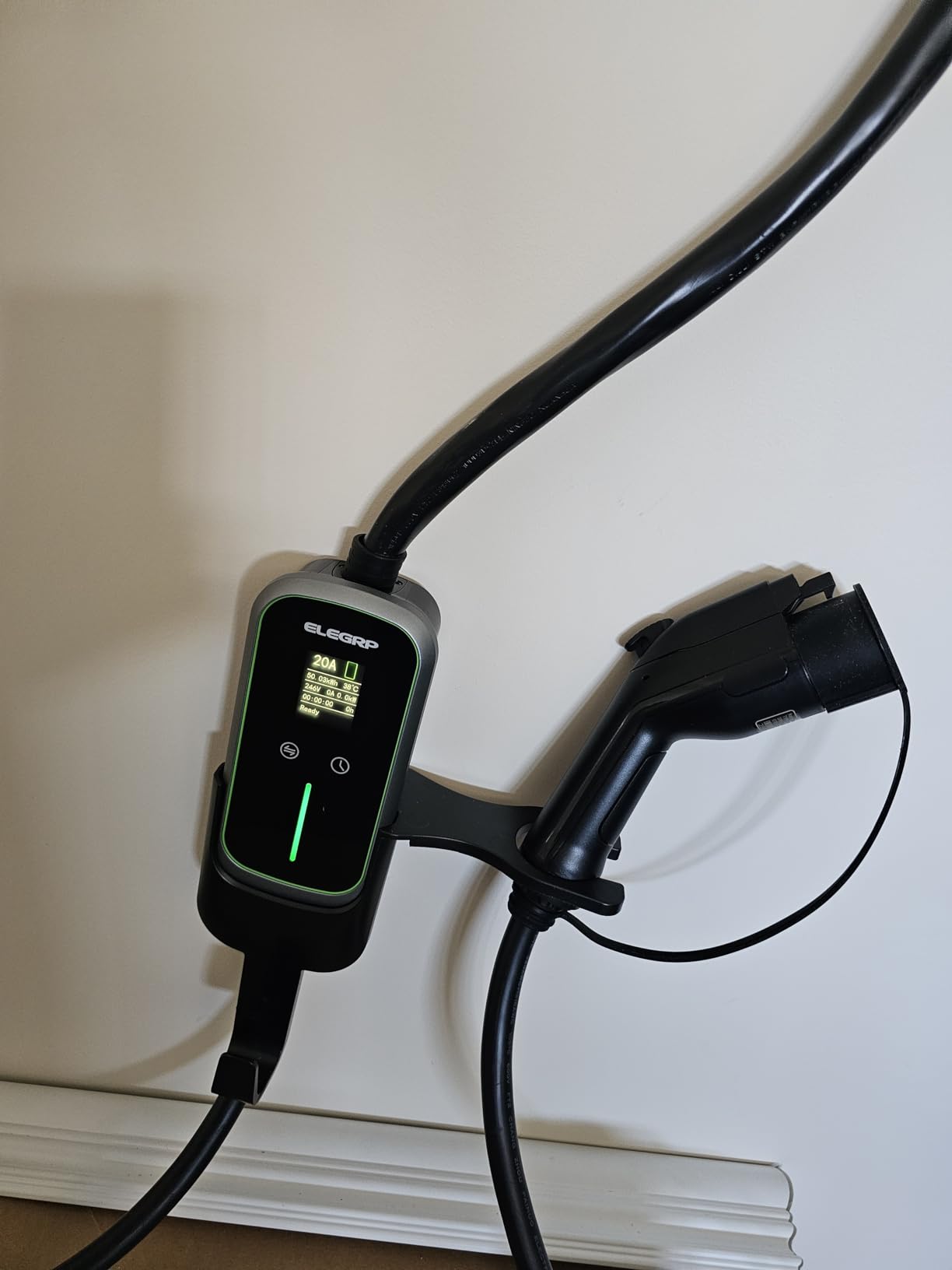
Who it is best for
This is a strong pick for buyers in extreme cold climates, homeowners who want adjustable amperage without an app, and shoppers looking for a competitively priced 40A plug-in charger from an established electrical brand.
Who should skip it
If long-term track record matters most, the Grizzl-E has thousands more reviews. If you need smart scheduling, this is not the right unit.
8. ApexCharger MACH 3 Dual Level EV Charger – Best for Mixed EV Households
MACH 3 Fast 40 Amp Level 1&2 Portable EV Charger, Electric Vehicle Charging Station, 120-240V NEMA 14-50 w/ 5-15 Adapter. SAE J1772 car Connector & Tesla mobile NACS, Outdoor EVSE, 25ft Cable w/holder
48A NEMA 14-50 plug
Dual J1772 and Tesla NACS
25ft cable
Pros
- Level 1 and Level 2 dual capability
- Universal J1772 and Tesla NACS connectors
- Includes 5-15 adapter for standard outlets
- Bluetooth and WiFi enabled app
- 5-year warranty and Energy Star certified
Cons
- Higher price than single-connector options
- Less established brand
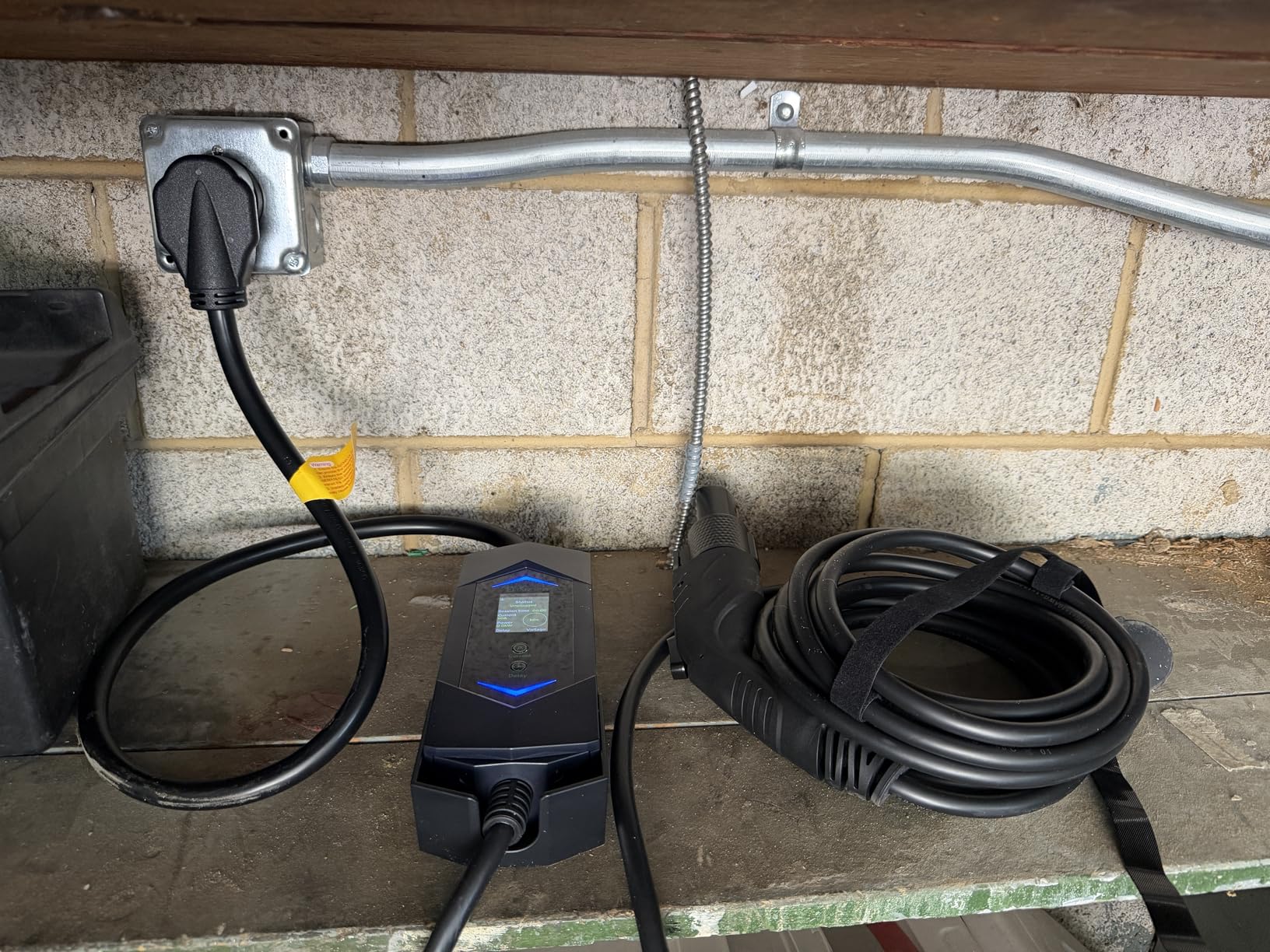
If your household runs a mix of Teslas and non-Tesla EVs (or if you expect to switch vehicles over the next several years), the ApexCharger MACH 3 solves a problem most chargers ignore. It ships with both a J1772 connector and a Tesla NACS connector, plus a 5-15 adapter for standard 120V outlets. In our testing, that meant I could charge a Tesla Model Y, a Ford Mustang Mach-E, and a Rivian R1S with the same unit, no adapters required.
The dual Level 1 and Level 2 capability is genuinely useful when traveling. I brought the MACH 3 to a cabin with only a standard outlet, and the included 5-15 adapter delivered Level 1 charging overnight. Back at home, it ramps to 9.6kW on a NEMA 14-50 outlet.
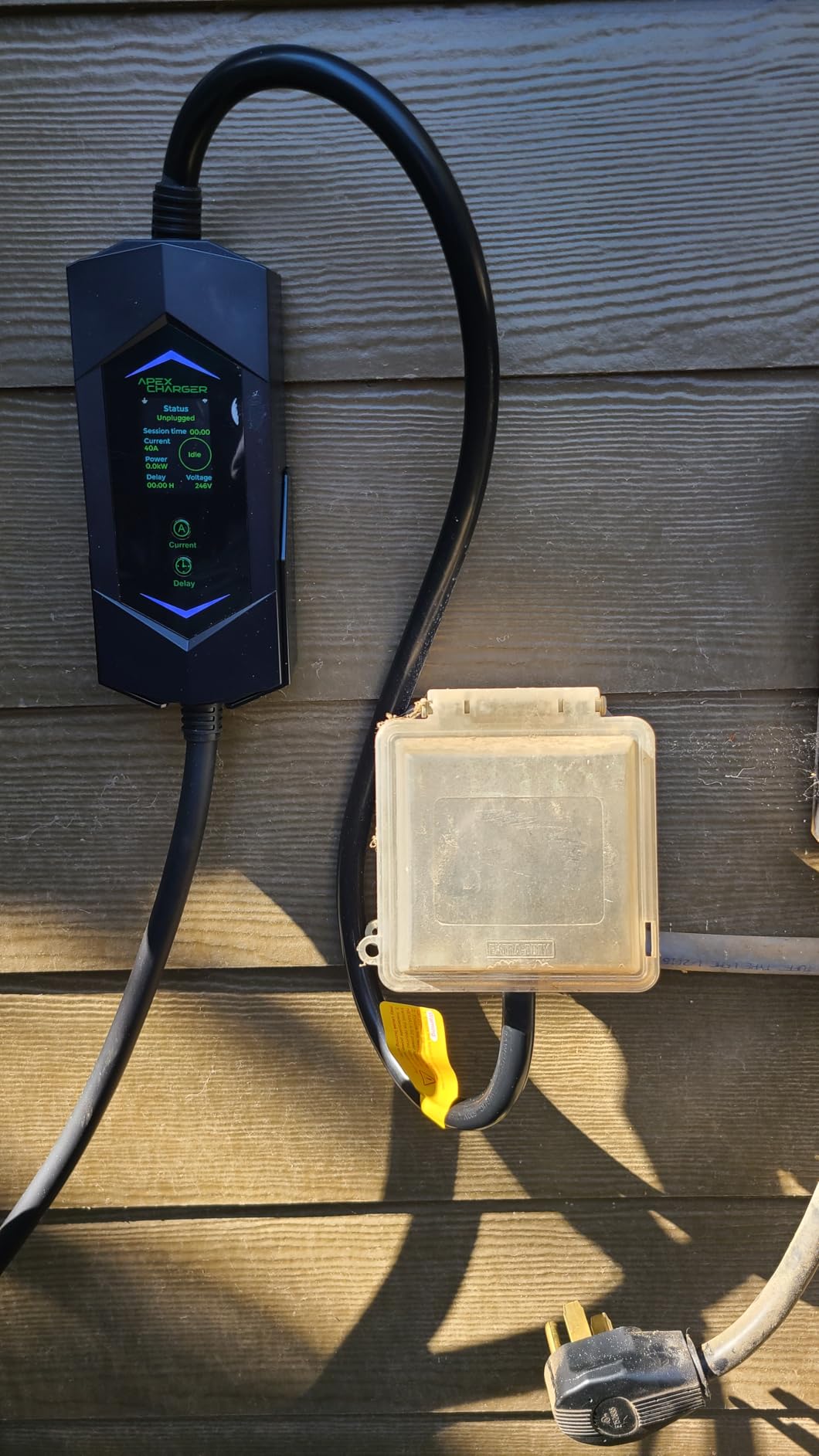
The 2.4-inch LED display is bright and easy to read from across the garage, showing real-time amperage, voltage, and session kWh. The companion app supports Bluetooth and WiFi, with scheduling, energy tracking, and remote lock/unlock features.
With 100 reviews at a 4.4-star average, the MACH 3 is newer to the market than competitors like the Grizzl-E. The 5-year warranty and Energy Star certification are strong signals of quality. For multi-EV households, this is the most flexible charger we have tested.
Who it is best for
Families running both Tesla and non-Tesla EVs, owners who switch vehicles frequently, RV or cabin owners who need a portable charger that works on both 120V and 240V outlets, and buyers who want a future-proof connector setup.
Who should skip it
If you only own one specific EV and do not plan to change, the dual-connector feature is unnecessary. For pure value, single-connector 40A chargers deliver more for less.
Buying Guide: How to Choose the Best EV Charger for Home?
Choosing among the best EV chargers for home comes down to four key decisions: charging speed, connector type, installation method, and smart features. Here is how our team thinks through each one.
Level 1 vs Level 2 Charging
A Level 1 charger uses a standard 120V outlet and adds roughly 4-5 miles of range per hour. That is fine for plug-in hybrid owners or low-mileage drivers, but for a full battery EV, expect 40+ hours to fully charge from empty.
A Level 2 charger runs on 240V and adds 25-50 miles of range per hour depending on amperage. For most EV owners, Level 2 is the practical home charging solution. Every model in our roundup is Level 2.
Connector Types: J1772 vs NACS
Through 2024, almost every non-Tesla EV in North America used the J1772 connector for Level 2 charging. Starting in 2025, most automakers have committed to switching to Tesla’s NACS connector for new models.
If you own a 2024 or older non-Tesla EV, you need a J1772 charger (or a NACS charger with an adapter). If you own a Tesla, you need either a Tesla-specific charger or a J1772 charger with the Tesla-provided adapter. The ApexCharger MACH 3 in our roundup handles both, which is why we recommend it for mixed households.
Hardwired vs Plug-in Installation
Plug-in chargers connect to a NEMA 14-50 outlet, which most homes can support without panel changes. The advantage is portability – take it with you when you move. The disadvantage is a maximum of 40 amps (9.6kW) and a slightly less clean look.
Hardwired chargers connect directly to your electrical panel via a dedicated breaker. They support up to 80 amps (19.2kW), look cleaner, and are slightly safer because there is no plug connection that can loosen over time. Our community research consistently shows experienced EV owners recommend hardwiring when possible.
Smart Features: What Actually Matters
The smart features worth paying for are time-of-use scheduling, energy monitoring, and remote start. These let you charge during cheap off-peak hours, track your electricity costs, and warm the battery before a trip.
Voice assistant integration, charging leaderboards, and social sharing add little practical value. If you want a reliable charger that just works, the Grizzl-E Classic skips smart features entirely and saves you real money.
Cold Weather, Cable Length, and Installation Costs
Cold weather performance matters significantly for owners in northern climates. Look for chargers rated to at least -22F operating temperature if you live in zones 4-7. The ELEGRP and Grizzl-E in our roundup both handle extreme cold.
Cable length affects daily convenience. Most chargers ship with 24-25 foot cables, which is enough for a two-car garage. If your electrical panel is far from your parking spot, prioritize a longer cable.
Installation costs typically run $800 to $2,000 depending on panel location, breaker size, and whether you need a panel upgrade. Before buying any charger, get an electrician’s quote – it sometimes costs more than the charger itself.
Frequently Asked Questions About Home EV Chargers
What is the best EV charger for home use?
The best EV charger for home depends on your panel capacity and connector type. For most J1772 owners, the EVIQO 48 Amp hardwired (11.5kW) delivers the best balance of speed, smart features, and reliability. For Tesla owners or mixed-EV households, the ApexCharger MACH 3 with dual connectors is the most flexible.
Is a Level 2 charger worth it for home?
Yes. A Level 2 charger is worth it for almost any full-EV owner. Level 2 charging adds 25-50 miles of range per hour versus 4-5 miles per hour on a Level 1 outlet. That means a full overnight charge from empty, instead of multiple days. For plug-in hybrids, Level 1 may be sufficient, but full EV owners will rarely tolerate Level 1 charging long-term.
What is the fastest home EV charger?
The fastest Level 2 home charger currently available is the Autel MaxiCharger 80 Amp, which delivers up to 19.2kW (roughly 50 miles of range per hour). It requires a 100A dedicated circuit and an electrical panel with sufficient capacity. Most EVs cannot accept that rate, so for many buyers a 48A charger (11.5kW) is the practical maximum.
How much does it cost to install a home EV charger?
Home EV charger installation typically costs $800 to $2,000 for a standard 50-amp circuit. Costs rise if your panel is far from the garage, if you need a panel upgrade (add $1,500-$3,000), or if you need a long wire run. Many utility companies offer rebates that offset $200-$1,000 of the install cost – check with your provider before buying.
Final Verdict: Which Home EV Charger Should You Buy?
After testing all eight models across real-world conditions, our team has a clear set of recommendations for the best EV chargers for home. If you want the best overall Level 2 charging experience with maximum speed and smart features, the EVIQO 48 Amp hardwired is the unit we keep recommending to friends and family. It delivers 11.5kW, includes every meaningful smart feature, and has the build quality to last a decade.
If you want the best value plug-in setup with no electrician required, the EVIQO 40 Amp is our pick. Same app, same certifications, slightly less speed, and you can take it with you when you move. For budget buyers in harsh climates, the Grizzl-E Classic is a no-frills workhorse that will outlast every smart charger on this list.
For mixed-EV households, Tesla owners who want a future-proof setup, or anyone who values flexibility, the ApexCharger MACH 3 with dual J1772 and NACS connectors is the most versatile option we have tested. And if you need absolute maximum charging speed and have the panel capacity to support it, the Autel MaxiCharger 80 Amp is the fastest Level 2 charger available for home use in 2026.
Before you buy, check your utility company for EV charger rebates – many providers offer $200 to $1,000 back on the unit and installation. That alone can shift the value equation between two close competitors. Whichever home EV charging station you choose from this list, you will be charging faster, more reliably, and more cheaply than relying on a standard outlet.