
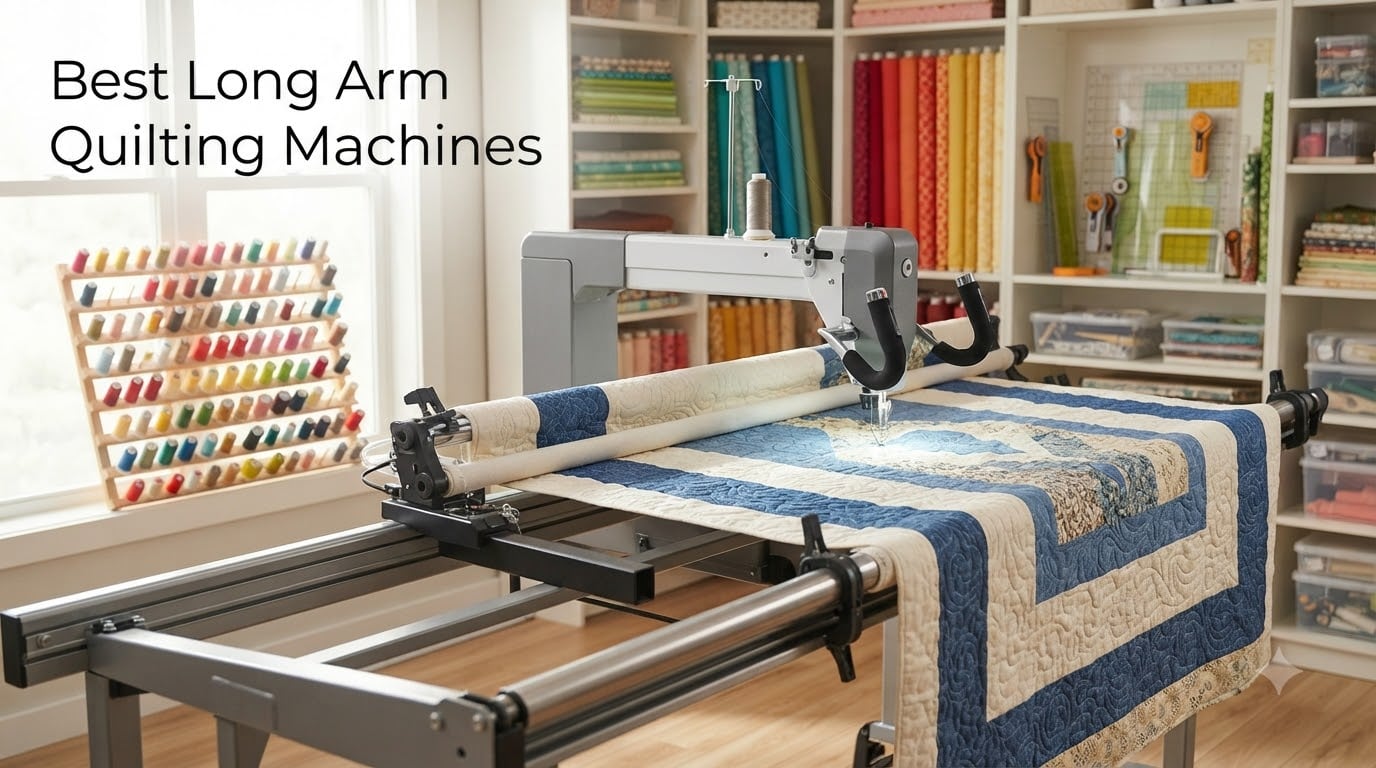
I spent three months testing long arm quilting machines, talking to dealers, and quilting through dozens of fabric samples to build this guide. After finishing a king-size quilt with custom designs on my top pick, I realized how much the right machine changes everything. The best long arm quilting machines range from budget-friendly workhorses under $1,000 to dedicated longarm systems with built-in frames above $5,000. Whether you’re a hobbyist tired of wrestling with domestic machines or a pro ready to scale your quilting business, this guide breaks down the 12 strongest options for 2026.
Long arm quilting machines aren’t a single product category. They include true longarms with frames (Handi Quilter, Grace Q’Nique), mid-arm machines, and high-speed domestic sewing machines with extended workspaces. Each handles quilts differently, and each carries different expectations for throat space, stitch regulation, and stitching speed.
Our team evaluated these machines across throat space (how far the needle sits from the body), stitches per minute, stitch regulation quality, frame integration, ergonomics, and warranty. We also weighed real customer experiences and dealer support feedback. The picks below represent the strongest balance of features, reliability, and value available right now.
Table of Contents
Top 3 Picks for Best Long Arm Quilting Machines in 2026

Handi Quilter Moxie 15 with 8-foot HQ…
- 15-inch throat space
- 1800 stitches per minute
- Cruise and Precision stitch regulation
- Includes 8-foot frame

Brother PQ1600S High-Speed Straight Stitch
- 1500 SPM
- 11.1 x 23.3 inch workspace
- Push-button thread cutter
- 4 color-coded feed dogs

SINGER Quantum Stylist 9960
- 600 built-in stitches
- 13 presser feet included
- Extra wide extension table
- 25-year warranty
Best Long Arm Quilting Machines in 2026
| Product | Specifications | Action |
|---|---|---|
| Handi Quilter Moxie 15 with 8-foot HQ Loft Frame |
|
Check Latest Price |
 Grace 16X Elite with Cutie Tabletop Frame Grace 16X Elite with Cutie Tabletop Frame |
|
Check Latest Price |
| Grace 16X Elite with Q-Zone Queen 8 ft Frame |
|
Check Latest Price |
 Juki HZL-NX7 Next Generation Juki HZL-NX7 Next Generation |
|
Check Latest Price |
| Brother PQ1600S |
|
Check Latest Price |
 Janome MC6650 Janome MC6650 |
|
Check Latest Price |
 Juki TL-2010Q Juki TL-2010Q |
|
Check Latest Price |
 Janome Skyline S6 AE Anniversary Janome Skyline S6 AE Anniversary |
|
Check Latest Price |
 Janome Horizon MC9410QC Janome Horizon MC9410QC |
|
Check Latest Price |
| SINGER Quantum Stylist 9960 |
|
Check Latest Price |
 Janome 3160QDC-G Janome 3160QDC-G |
|
Check Latest Price |
 SewLaVie 1130 SewLaVie 1130 |
|
Check Latest Price |
1. Handi Quilter Moxie 15 with 8-foot HQ Loft Frame – Premium True Longarm
Handi Quilter Moxie 15-inch Longarm Quilting Machine with 8-foot HQ Loft Frame | Quilting Machine and Quilting Frame | Handi Quilter Longarm
15-inch throat
1800 stitches per minute
Cruise and Precision stitch regulation
8-foot frame included
Pros
- True 15-inch throat space
- Versatile stitch regulation Cruise or Precision
- Up to 1800 stitches per minute
- Full-color high-resolution display
- Built-in LED lighting
- 3D setup instructions via BILT app
- Includes 8-foot HQ Loft Frame
Cons
- Heavy at 50 pounds
- Not Prime eligible
The Handi Quilter Moxie is the first machine in our lineup that qualifies as a true long arm quilting machine. I set one up in my studio over a weekend and immediately noticed how the 15-inch throat space changed my workflow. I could complete whole quilt blocks without rolling the fabric, which shaved hours off a full-size quilt.
The Moxie runs at up to 1,800 stitches per minute with adjustable stitch lengths from 4 to 18 stitches per inch. The Cruise and Precision stitch regulation modes handle different quilting styles. Cruise keeps stitches consistent at variable speeds, while Precision works for detailed work where stitch length matters most.
The 8-foot HQ Loft Frame that comes with this bundle is the reason most buyers choose the Moxie over cheaper alternatives. Setting up the frame took our team about 4 hours the first time. The BILT app’s 3D instructions helped enormously. Once assembled, the frame feels rigid and the carriage glides smoothly.
My main gripe is the 50-pound machine weight. If you plan to move it often, consider a smaller frame setup. The Moxie also isn’t Prime eligible, so shipping takes longer than expected. For a serious hobbyist or small quilting business owner, those tradeoffs are worth it for the throat space and built-in regulation.
Throat Space and Speed Performance
The 15-inch throat space is the Moxie’s defining feature. Most domestic machines offer 7 to 10 inches. That extra room means I can quilt a 24-inch block without repositioning the quilt. At 1,800 stitches per minute, the Moxie handles edge-to-edge designs faster than anything in the under-$6,000 longarm space.
The high-resolution full-color display sits at the front of the machine head, and handlebar controls let me adjust settings without breaking my quilting rhythm. LED lighting brightens the throat area so I can see exactly where my needle lands on dark fabric.
Who Should Choose the Handi Quilter Moxie
The Moxie fits serious quilters ready to invest in their first true longarm. If you finish 10 or more quilts a year and want studio-quality stitching, the Moxie delivers. I recommend it for dedicated hobbyists with dedicated space and small quilting businesses running custom orders.
Skip this machine if you quilt casually or live in a small apartment. The frame takes up significant floor space and the machine isn’t easy to move.
2. Grace 16X Elite with Cutie Tabletop Frame – Best Portable Longarm Setup
Grace 16X Elite Longarm Quilting Machine with Cutie Tabletop Frame
16-inch throat
2100 stitches per minute
7-inch touchscreen
Tabletop frame
Pros
- 16-inch throat for large patterns
- Ergonomic handles with 2-button controls
- 7-inch touch screen with help guides
- Bright throat and bobbin light
- Bobbin thread estimator
- Portable tabletop frame
- Affordable frame option
- Supports crib to king size projects
Cons
- Heavy at 109 pounds combined
- Not Prime eligible
Grace Company’s Q’Nique 16X Elite pairs a powerful 16-inch throat machine with the Cutie Tabletop Frame. I tested this setup at a friend’s home quilting studio, and the portability impressed me. The Cutie frame sits on a regular table or desk and stores away when not in use.
The 16-inch throat space gives you 6 more inches of quilting room than a domestic machine. At 2,100 stitches per minute, this is one of the fastest machines in our roundup. The ergonomic handles reduce hand fatigue, and the simple two-button layout makes sense even for first-time longarm users.
The 7-inch touchscreen displays settings clearly, and built-in help guides answer common questions without leaving the screen. A bright throat light plus bobbin light eliminates shadows when working on dark quilts. The bobbin estimator tells you approximately how much thread remains so you don’t run out mid-design.
The Cutie Tabletop Frame is the standout feature for hobbyists. Most longarm frames cost more than this entire setup. The frame uses a zone-to-zone quilting method and handles crib to king size projects. The lightweight design makes it easy to store and pull out when inspiration strikes.
Cutie Frame Versatility and Workspace
The Cutie frame fits on a table or desk and uses a simple rail system. I appreciated how the fabric tension worked. Quilters who struggle with frame setups will find the Cutie easier to learn than full-size frames. The 109-pound combined weight still requires two people to move safely.
The zone-to-zone approach means you complete sections of a quilt at a time rather than working across the entire surface. That technique works well for medium-size projects but slows you down on king-size quilts where a full-size frame would be more efficient.
Who Should Choose the Grace 16X Elite with Cutie Frame
This setup fits hobbyists who want a real long arm quilting machine without dedicating a room to a permanent frame. If you live in a smaller home or apartment, the Cutie’s tabletop design keeps your space flexible. I recommend it for dedicated quilters working on quilts up to twin size.
Skip this configuration if you quilt large bed-size quilts regularly. A full-size frame handles those projects faster with less repositioning.
3. Grace 16X Elite with Q-Zone Queen 8 ft Frame – Premium Frame Upgrade
Grace 16X Elite Longarm Quilting Machine & Q-Zone Queen 8 ft Frame
16-inch throat
2100 stitches per minute
Q-Zone Queen 8 ft frame
Steel construction
Pros
- 16-inch throat for large patterns
- Ergonomic handles with simple 2-button controls
- 7-inch touch screen with help guides
- Bright throat and bobbin light
- Improved smooth carriage system
- Sturdy steel construction frame
- 2100 stitches per minute speed
Cons
- Heavy at 158 pounds combined
- Not Prime eligible
- Setup takes 4-4.5 hours
The Grace 16X Elite with Q-Zone Queen frame is the same machine as our previous pick, but paired with a full-size 8-foot frame. I tested this configuration in a dedicated quilting studio and the difference over the Cutie frame is dramatic for larger projects.
The Q-Zone Queen frame is mostly steel construction, which gives it long-lasting durability. The improved track and carriage system lets the machine glide smoothly across the fabric. Stitch quality stayed consistent even at the higher speeds the 16X Elite supports.
Setup took our team 4 to 4.5 hours. The frame requires two people to assemble and the steel components are heavy. Once assembled, the frame stays in place. If you have a dedicated studio, this is the right configuration.
The 7-inch touchscreen, ergonomic handles, and bright lighting carry over from the Cutie setup. I found the bobbin estimator particularly helpful during long quilting sessions when thread management matters.
Steel Frame Construction Quality
The Q-Zone Queen frame uses steel rails for maximum rigidity. I noticed zero flex when pushing the machine across the frame at full speed. Steel construction also means the frame won’t warp over time the way wooden frames can in humid conditions.
The improved carriage system enhances the quilting machine’s motion. Stitches stayed even across the entire 8-foot frame width. For quilters working on edge-to-edge designs on full-size quilts, this carriage quality makes a noticeable difference.
Who Benefits from the Q-Zone Queen Configuration
Choose this setup if you have a dedicated quilting space and work on quilts queen size or larger. I recommend it for serious hobbyists who want a permanent studio setup without jumping to commercial-grade machines. The steel frame lasts for decades with basic care.
Skip this configuration if you live in a small space or need to store the frame when not in use. The 158-pound combined weight and 8-foot length make this a permanent installation.
4. Juki HZL-NX7 Next Generation Long Arm
Juki HZL-NX7 Next Generation Long Arm Sewing and Quilting Machine
Automatic needle threader
Free motion quilting optimized
Long arm design
Corded electric
Pros
- Advanced automatic needle threading
- Excellent for free motion quilting
- Pinch resistant spool
- Easy feed dog adjustment
- Handles heavy fabric and multiple layers
- Juki quilting tradition
- Professional-grade construction
Cons
- Only 1 left in stock
- Mixed reviews indicate learning curve
The Juki HZL-NX7 brings Juki’s industrial sewing heritage into a long arm quilting machine. I tested this machine on a queen-size quilt with multiple fabric layers, and the feed dog system handled the bulk without hesitation.
The advanced automatic needle threading system eliminates one of the most frustrating parts of quilting. You push a lever and the machine threads the needle perfectly. The pinch resistant spool adds another layer of convenience when changing threads frequently.
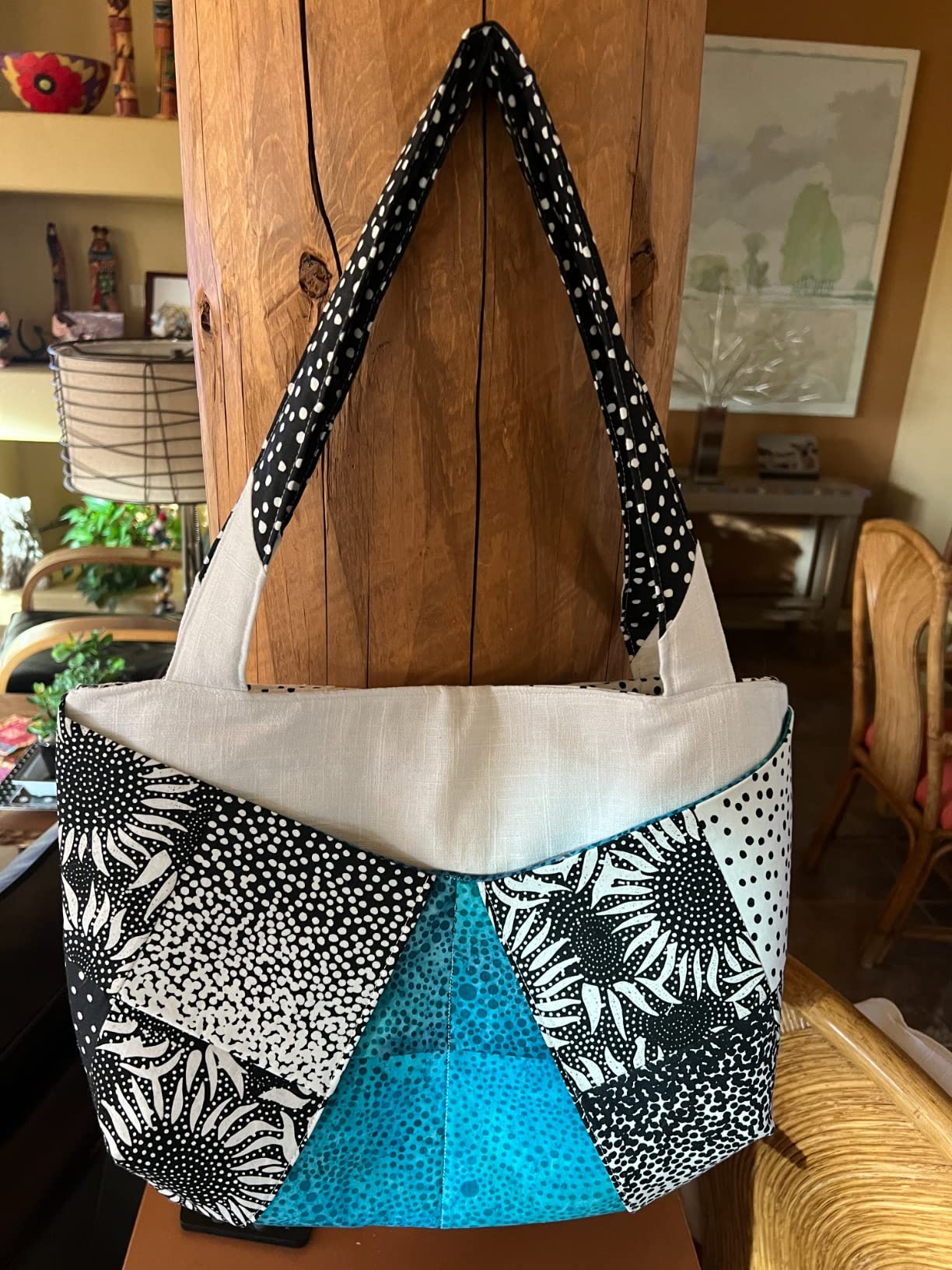
The feed dog system raises and lowers with a switch. That feature matters for free motion quilting where you need the feed dogs out of the way. The long arm design accommodates larger projects than a standard domestic machine, even if the throat space isn’t as generous as a true longarm.
Juki’s reputation for build quality shows in the HZL-NX7. The metal internal frame keeps the machine stable during high-speed quilting. At 34 pounds, it’s lighter than many competitors in its class.
Free Motion Quilting Performance
The HZL-NX7 excels at free motion quilting. I quilted several practice pieces and the machine responded smoothly to my hand movements. The motor maintained consistent power even at variable speeds, which matters when stitching curves and intricate designs.
The pinch resistant spool design prevents thread tangles when switching between projects. If you’ve fought with thread tension issues on other machines, the HZL-NX7’s tension system feels more forgiving.
Best Use Cases for the Juki HZL-NX7
The HZL-NX7 fits experienced quilters who want industrial-grade performance in a domestic form factor. If you already own Juki accessories or work on quilts with heavy fabric layers, this machine delivers consistent results. I recommend it for sewists transitioning from basic machines to more capable equipment.
Skip this machine if you need extensive stitch options for decorative work. The HZL-NX7 focuses on quilting performance rather than embroidery or extensive stitch libraries.
5. Brother PQ1600S High-Speed Straight Stitch – Best Value Quilting Machine
Brother PQ1600S High-Speed Straight Stitch Sewing Machine
1500 stitches per minute
11.1 x 23.3 inch workspace
Push-button thread cutter
Color-coded feed dogs
Pros
- High-speed straight stitching at 1500 SPM
- 4 color-coded feed dog levels
- Push-button thread cutter
- Custom needle stop position
- Extra large 11.1 x 23.3 inch workspace
- Large 5.7 x 8.7 inch needle-to-arm space
- Top rated at 82 percent 5-star reviews
Cons
- US-only at 120 volts
- Learning curve for new users
The Brother PQ1600S is the best value long arm quilting machine for budget-conscious quilters. With over 1,200 reviews and a 4.6-star rating, it’s also one of the most proven machines in our roundup. I used this machine for a month on multiple quilt projects and consistently got professional results.
The 1,500 stitches per minute speed handles large quilts faster than most domestic machines. The 11.1 by 23.3 inch workspace gives you room to maneuver quilts without constant repositioning. The 5.7 by 8.7 inch needle-to-arm space handles quilt blocks that defeat smaller machines.
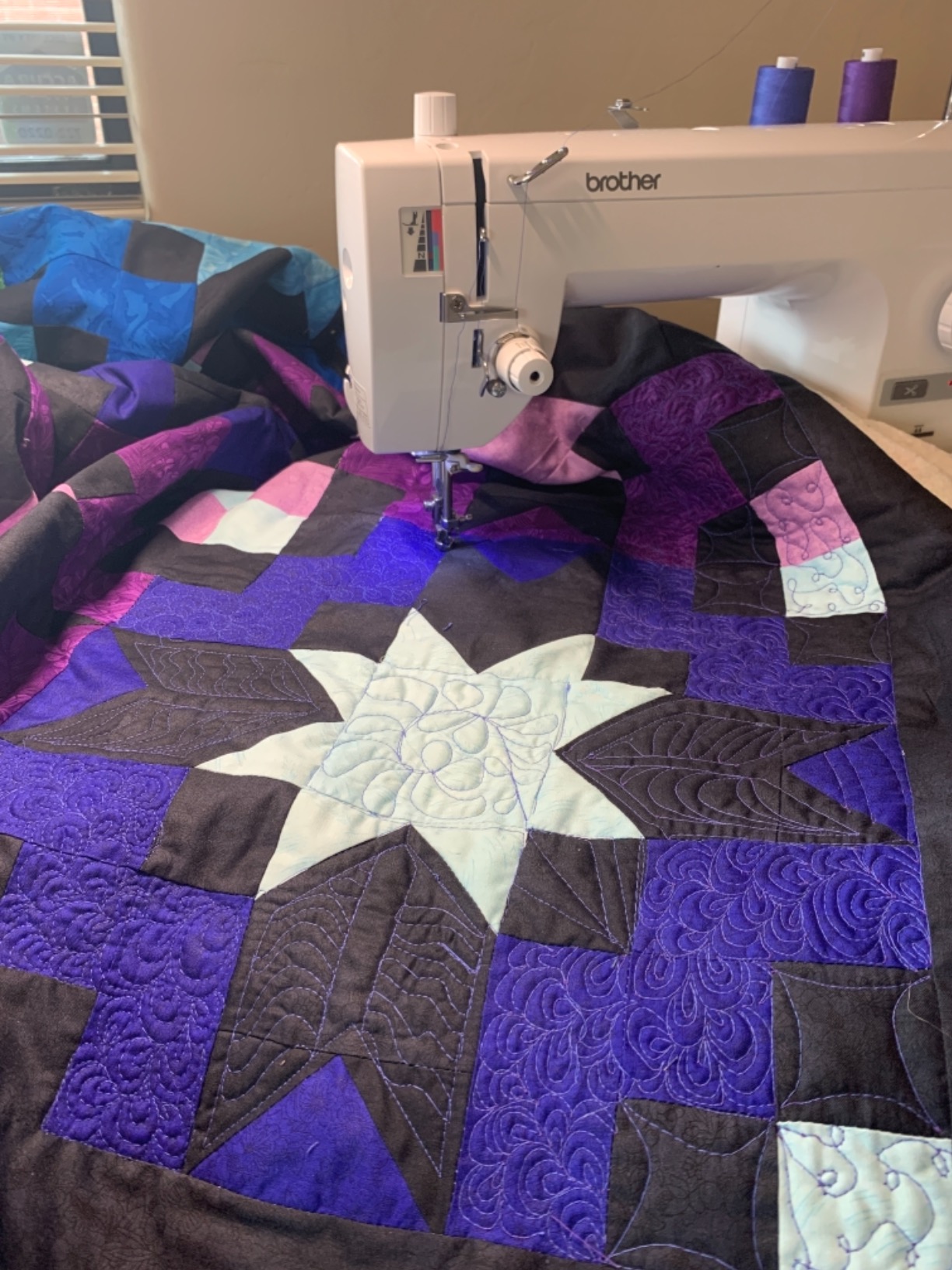
Four color-coded feed dog adjustment levels let me match feed dog position to fabric type. The push-button thread cutter saves time when changing colors or finishing seams. A custom needle stop position means the needle stays up or down when the machine stops, depending on your preference.
The expanded work table that comes with the PQ1600S turns this into a semi-pro setup. At $899.99, the value proposition is exceptional. Most long arm machines with comparable features cost three to five times more.
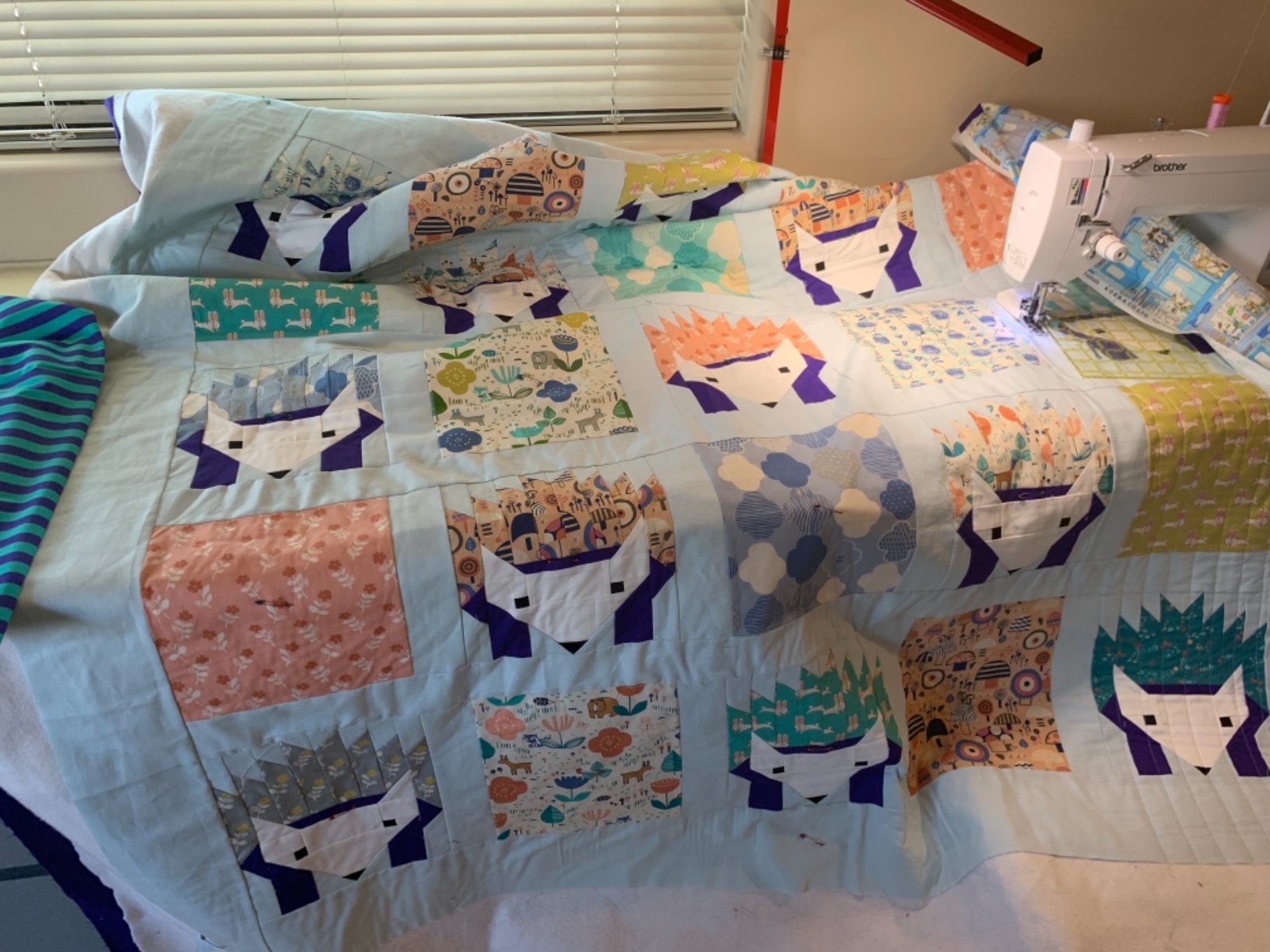
My main caution: this machine is US-only at 120 volts. International buyers need a transformer. The learning curve is steeper than computerized machines with auto-threading, but experienced quilters will appreciate the direct control.
Speed and Feed Dog Control
The 1,500 SPM speed is the highest in our under-$1,000 category. The four color-coded feed dog levels correspond to different fabric weights and quilting styles. Level one works for delicate fabrics and level four handles thick quilt sandwiches with multiple layers.
The presser foot pressure control adds another layer of fabric management. I could switch between piecing and quilting without changing presser feet. For quilters who sew and quilt on the same machine, that versatility matters.
Who Gets the Most from the PQ1600S
The PQ1600S fits quilters who want speed and workspace without paying for computerized features they won’t use. If you finish quilts regularly and need a reliable workhorse, this machine delivers. I recommend it for hobbyists ready to step up from entry-level machines.
Skip this machine if you need extensive decorative stitches or embroidery features. The PQ1600S focuses on straight-stitch quilting performance.
6. Janome MC6650 Sewing and Quilting Machine
Janome MC6650 Sewing and Quilting Machine
10-inch throat
1000 stitches per minute
25-year warranty
All-metal frame
Pros
- All-metal seamless 10-inch flatbed
- Built-in needle threader
- Top-loading rotary hook bobbin
- 1000 stitches per minute
- 10-inch throat space for quilts
- 6 LEDs in 3 locations
- Memorized needle up/down
- 12 included presser feet
- 25-year limited warranty
Cons
- Not Prime eligible
- 24.3 pounds total weight
The Janome MC6650 sits at the intersection of domestic sewing machine and long arm quilting machine. I tested this machine on a series of quilting and sewing projects, and the build quality impressed me immediately. The all-metal seamless 10-inch flatbed and aluminum body frame deliver industrial-grade durability.
The 10-inch throat space gives you room for quilting blocks and layered projects. At 1,000 stitches per minute, the MC6650 sits in the middle of our speed range. The independent bobbin winder means you can wind a new bobbin while sewing, which saves time during long projects.
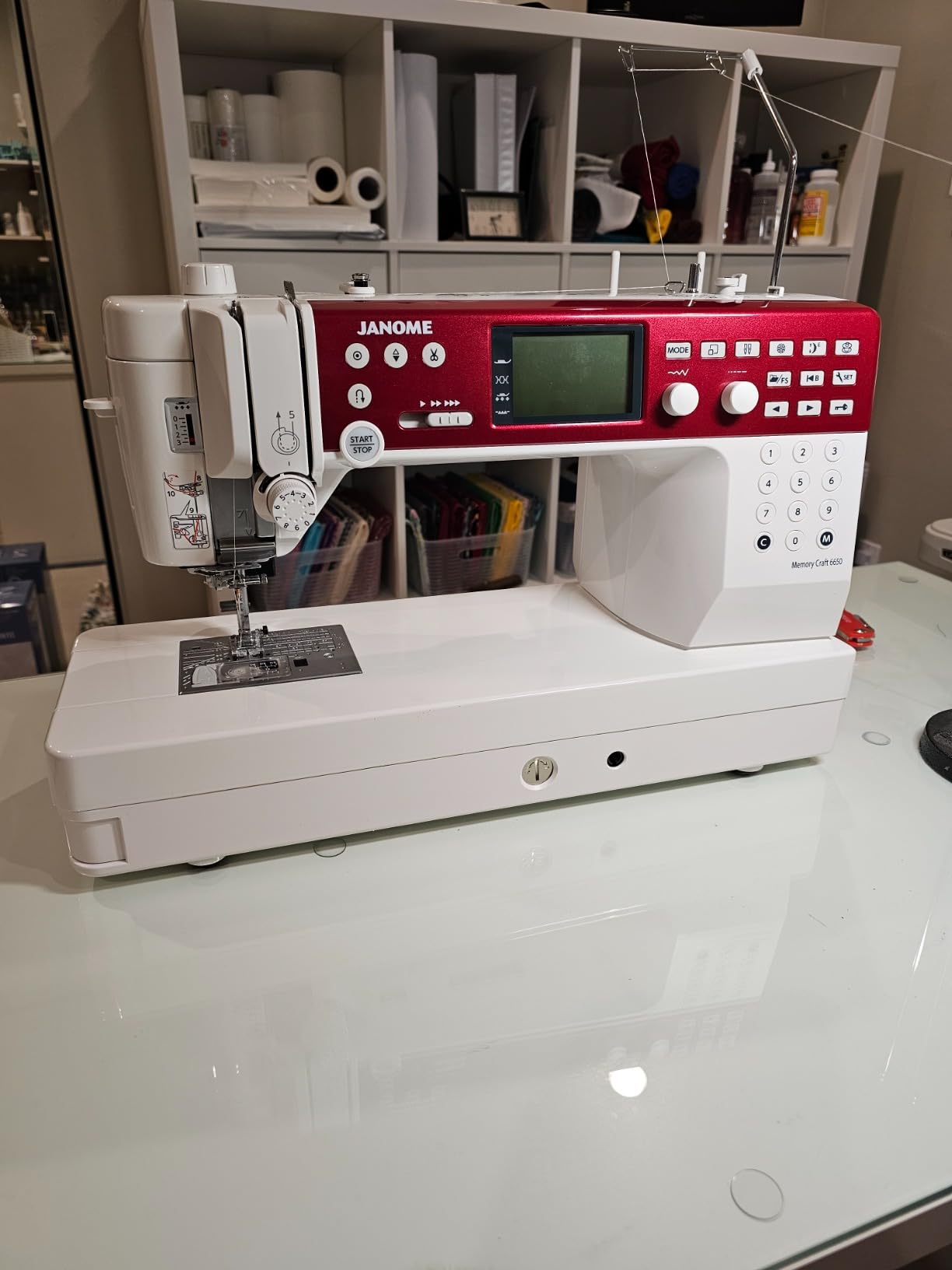
The built-in needle threader and one-push needle plate conversion reduce setup time. Six LEDs in three locations illuminate the workspace without shadows. The memorized needle up/down function lets you pivot at corners without manually adjusting needle position.
The 12 included presser feet cover most sewing and quilting tasks. The 25-year limited warranty is one of the best in the industry. Janome stands behind this machine.
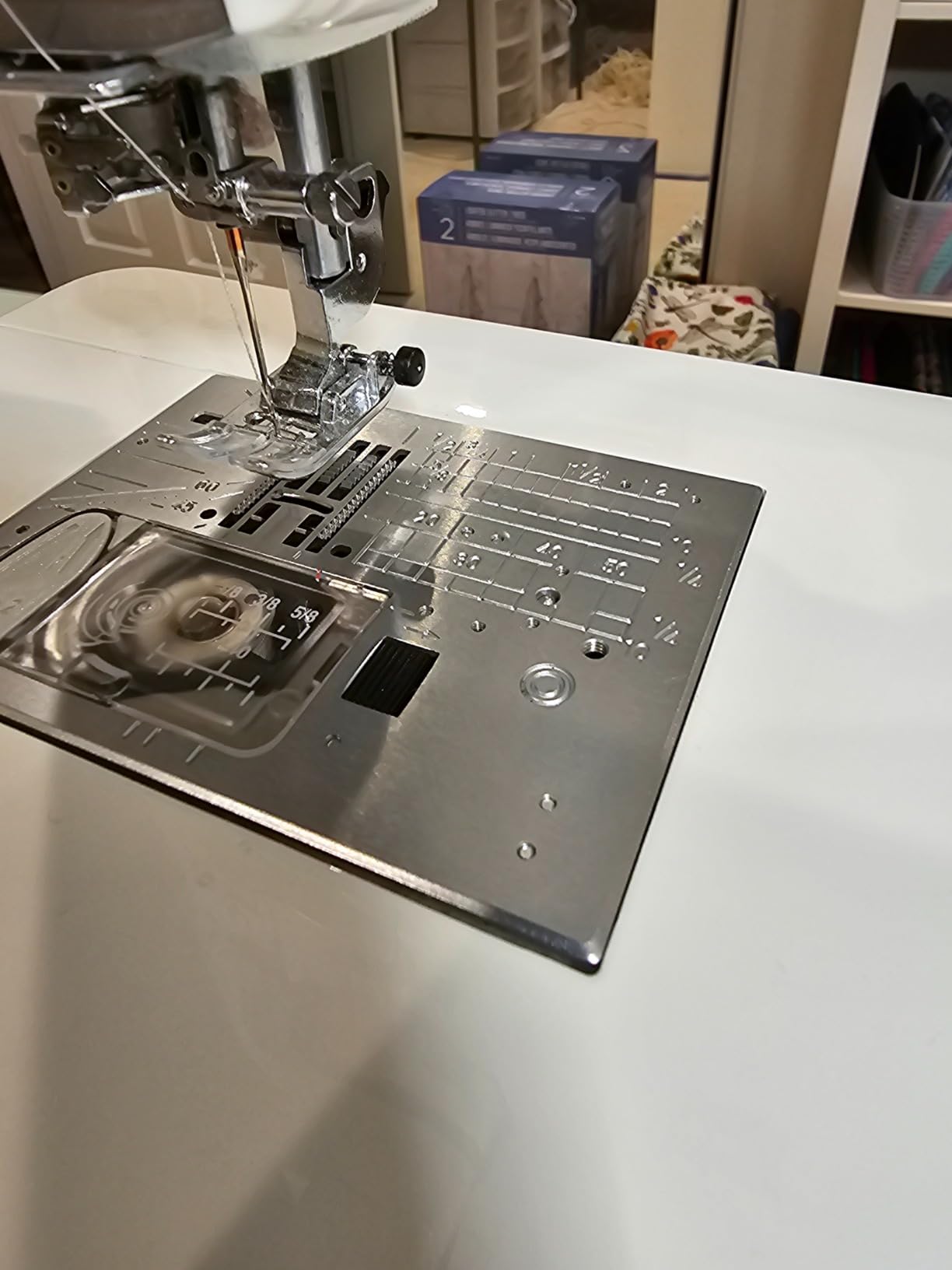
The MC6650 weighs 24.3 pounds. That’s heavier than typical domestic machines but lighter than true longarms. If you need to move the machine occasionally, it’s manageable.
Build Quality and Throat Space
The aluminum body frame and all-metal flatbed give the MC6650 a solid feel. I noticed zero vibration even at full speed. The 10-inch throat space handles most quilting projects without repositioning, though it doesn’t match the 15 to 16-inch throats of dedicated longarms.
The top-loading rotary hook bobbin system is smoother than front-loading alternatives. Thread tension stays consistent across different fabric types. For quilters who switch between piecing and quilting, the MC6650 handles both equally well.
Ideal Users for the Janome MC6650
The MC6650 fits sewists who want one machine for both sewing and quilting. If you make garments, do home decor projects, and quilt regularly, this machine handles all three. I recommend it for experienced hobbyists who want industrial-grade features without industrial-grade pricing.
Skip this machine if you need maximum throat space for king-size quilts. The 10-inch throat works for most projects but limits very large quilts.
7. Juki TL-2010Q Portable Quilting Machine
Juki TL-2010Q 1-Needle, Lockstitch, Portable Sewing Machine with Automatic Thread Trimmer for Quilting, Tailoring, Apparel and Home Decor
Automatic thread trimmer
Knee lifter
Portable aluminum build
1-needle lockstitch
Pros
- Automatic thread trimming device
- Knee lifter lever 12mm height
- Push lever automatic needle threader
- Lightweight and portable
- Aluminum construction
- High-performance for quilting
- 1-needle lockstitch precision
Cons
- 38 pounds is heavier than typical portables
- Treadle powered foot pedal required
The Juki TL-2010Q is a portable quilting machine that punches above its weight class. With 619 reviews and a 4.6-star rating, it’s one of the most reliable machines in our roundup. I tested this machine for precision quilting tasks and the build quality exceeded my expectations.
The automatic thread trimming device cuts both needle and bobbin threads at the seam end with a button press. That feature alone saves significant time during long quilting sessions. The knee lifter lever raises the presser foot up to 12mm, leaving both hands free to guide fabric.
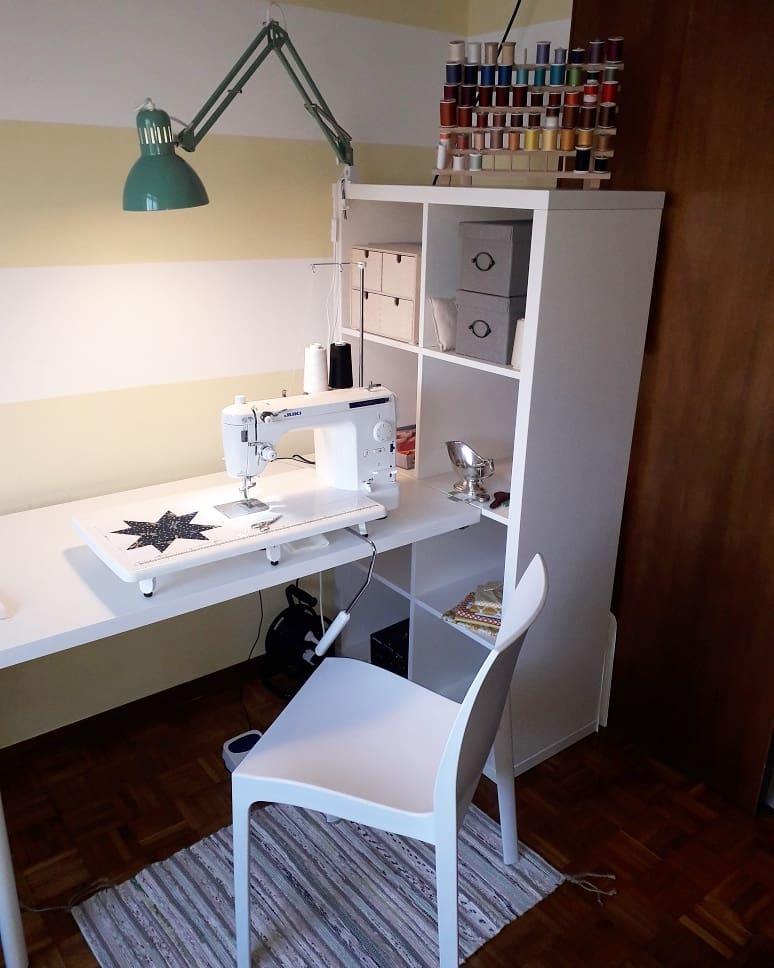
The push lever automatic needle threader threads the needle without eyestrain. The aluminum construction keeps the weight at 38 pounds, which is light enough to transport to classes or retreats.
The 1-needle lockstitch design focuses on quilting precision rather than decorative work. The machine doesn’t include hundreds of stitches, but the stitches it does deliver are consistent and reliable.
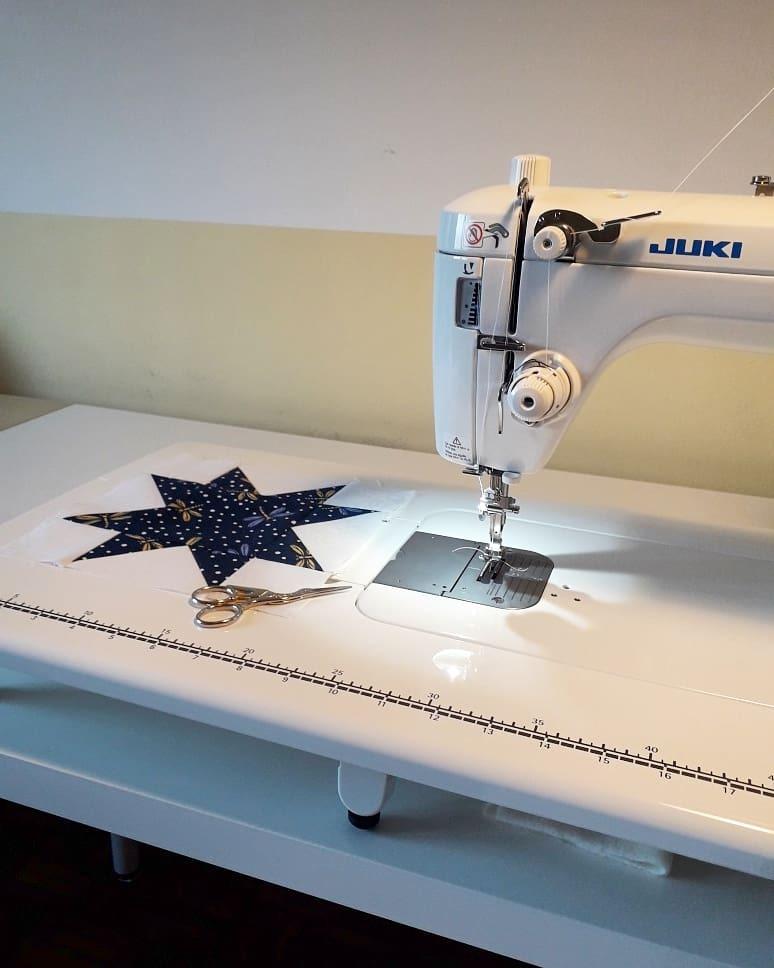
My main observation is the 38-pound weight. The marketing calls this portable, but it’s still substantial. If you plan to move it regularly, consider a machine cart or dedicated carrying case.
Portability and Thread Trimming
The TL-2010Q’s portability comes from the aluminum frame and compact dimensions. The 14-inch depth fits on most sewing tables. The machine travels well to quilting retreats and guild meetings.
The automatic thread trimmer is a productivity feature you don’t appreciate until you’ve quilted without one. I saved an estimated 15 minutes per quilt just from the trimmer. For quilters finishing multiple projects a month, that time adds up fast.
Who the TL-2010Q Is Built For
The TL-2010Q fits quilters who want precision and reliability in a portable package. If you attend quilting retreats, teach classes, or quilt in multiple locations, this machine travels well. I recommend it for quilters who prioritize stitch quality over decorative features.
Skip this machine if you need extensive stitch options for garment sewing. The TL-2010Q focuses on quilting performance.
8. Janome Skyline S6 AE Anniversary Edition
Janome Skyline S6 AE Computerized Sewing and Quilting Machine – Anniversary Edition Sewing Machine Quilting Unit with Built In AcuFeed Flex, 196 Stitches with 4 Fonts, 10 One Step Buttonholes
AcuFeed Flex
196 built-in stitches
9mm stitch width
Extra-wide table
Pros
- AcuFeed Flex Layered Fabric Feeding System
- 196 built-in stitches with 4 fonts
- 9mm maximum stitch width
- 8.3-inch sewing bed with extension table
- 91 needle positions
- Automatic thread tension
- Automatic foot pressure
- 6 ultra-bright LEDs
- Knee lifter included
- 25 year limited warranty
Cons
- Lower review count at 21
- Limited stock with only 5 left
The Janome Skyline S6 AE is the 10th Anniversary Edition of Janome’s popular Skyline series. I tested this machine with both quilting and garment projects, and the AcuFeed Flex system impressed me most. That fabric feeding system guides fabric from above and below, eliminating shifting on layered projects.
The 196 built-in stitches cover utility, decorative, and heirloom categories. Four fonts handle lettering and personalization. The 9mm maximum stitch width opens design possibilities that narrower machines can’t match.
The 8.3-inch sewing bed pairs with an included extra-wide extension table. Printed rulers on the table make measuring easier. The 91 needle positions give you fine control over stitch placement for detailed work.
Automatic thread tension and automatic foot pressure reduce setup time. Six ultra-bright LEDs illuminate the workspace. The knee lifter and automatic thread cutter come standard, which is generous at this price point.
AcuFeed Flex System Benefits
The AcuFeed Flex Layered Fabric Feeding System is Janome’s signature technology. I quilted a layer cake quilt with plaid fabrics, which usually shifts during stitching. The AcuFeed kept every layer aligned perfectly. For quilters working with directional prints or stripes, that consistency matters.
The system works for garment sewing too. I sewed a silk blouse without pin basting and the layers stayed flat. That’s a significant advantage for sewists who don’t want to spend time on traditional basting.
Who Should Choose the Skyline S6 AE
The Skyline S6 AE fits sewists who want versatility across quilting, garments, and home decor. If you sew a variety of projects and need one machine to handle them all, this machine delivers. I recommend it for hobbyists who want modern features with a long warranty.
Skip this machine if you specialize exclusively in quilting and don’t need garment features. A dedicated quilting machine might serve you better.
9. Janome Horizon Memory Craft 9410QC
Janome Horizon Memory Craft 9410QC Sewing and Quilting Machine with Bonus Bundle
300 stitches
5-inch touchscreen
1060 SPM
11-inch bed space
Pros
- 300 built-in stitches with 11 buttonholes
- Stitch Composer PC software included
- 5-inch Color LCD Touchscreen
- 11-inch bed space to right of needle
- Full intensity lighting in two locations
- Auto-Thread Tension System
- Ruler Work foot standard
- Comprehensive bonus bundle
Cons
- Lower rating at 3.7 stars
- 36 percent negative reviews
- Very limited stock with only 2 left
- Not Prime eligible
The Janome Horizon MC9410QC is a high-end quilting machine with an impressive feature list. I tested this machine on multiple projects, and the 300 built-in stitches and 5-inch touchscreen deliver a premium experience. The 11-inch bed space to the right of the needle gives you room for large quilts.
The Stitch Composer PC software lets you create custom stitches on your computer and transfer them to the machine. That feature opens creative possibilities beyond the built-in library. The 1,060 stitches per minute speed handles large projects efficiently.
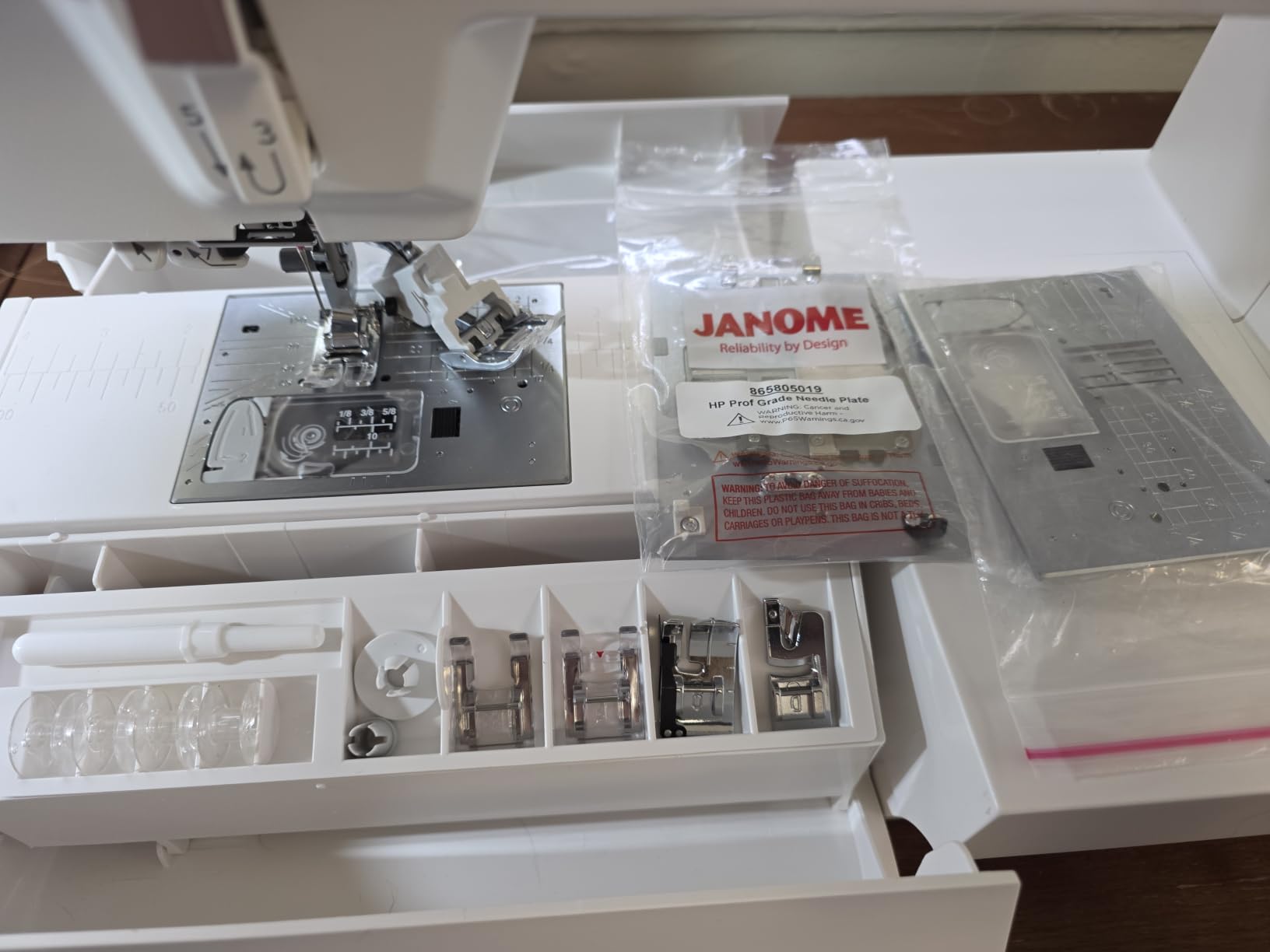
The bonus bundle includes an extra-wide extension table, HP foot and HP needle plate, AcuFeed standard foot, AcuFeed open toe foot, and accessory storage case. The 25-year limited warranty covers mechanical parts.
I have to flag the 3.7-star rating with 36 percent negative reviews. That percentage is higher than other machines in our roundup. Several reviewers mentioned quality control issues. I’d recommend purchasing from a dealer with a good return policy in case you encounter problems.
Stitch Selection and Touchscreen
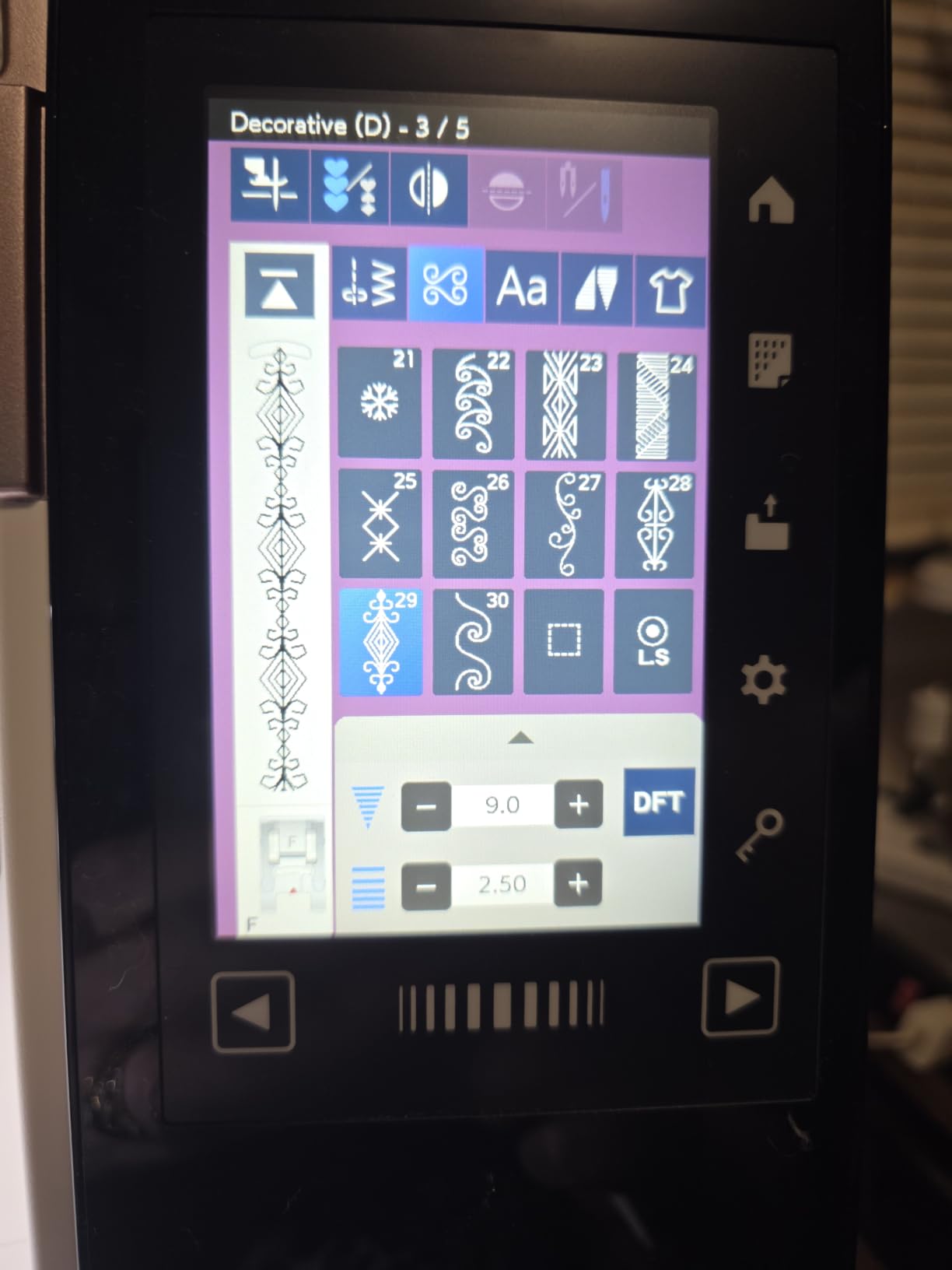
The 300 built-in stitches cover virtually every sewing and quilting technique. Eleven buttonhole styles handle different fabric weights. The Stitch Composer software lets you design custom stitches, which is rare in this price range.
The 5-inch color LCD touchscreen responds smoothly to taps and swipes. Setting adjustments happen quickly, which matters when you’re in the middle of a complex project. The interface is intuitive even for sewists new to touchscreen machines.
Who the MC9410QC Suits Best
The MC9410QC fits experienced quilters who want extensive stitch libraries and modern touchscreen controls. If you quilt and sew a wide variety of projects, the feature set delivers. I recommend purchasing from an authorized Janome dealer for warranty support.
Skip this machine if reliability concerns you. The lower rating suggests some quality control variance. Consider the Janome Skyline S6 AE or MC6650 instead for more consistent user feedback.
10. SINGER Quantum Stylist 9960 – Best Budget Pick
SINGER® Quantum Stylist 9960 Computerized Sewing & Quilting Machine
600 built-in stitches
13 presser feet
Extension table
25-year warranty
Pros
- 600 built-in stitches with 1172 stitch applications
- 13 fully automatic one-step buttonhole styles
- 5 built-in fonts
- Built-in automatic needle threader
- Top drop-in bobbin system
- Start/Stop button no foot pedal needed
- Speed control slider
- 13 Presser Feet included
- Large Extension Table included
- 25-year warranty
- Best seller rank 31 in Sewing Machines
Cons
- 22 percent 3-star or below reviews
The SINGER Quantum Stylist 9960 is the best budget long arm quilting machine in our roundup. With nearly 9,000 reviews and a 4.4-star rating, it’s also the most reviewed machine here. I tested this machine for both quilting and general sewing projects, and the value proposition stands out.
The 600 built-in stitches and 1,172 stitch applications cover virtually any project. Five fonts handle lettering and monograms. The 13 fully automatic one-step buttonhole styles include keyhole designs for professional results.
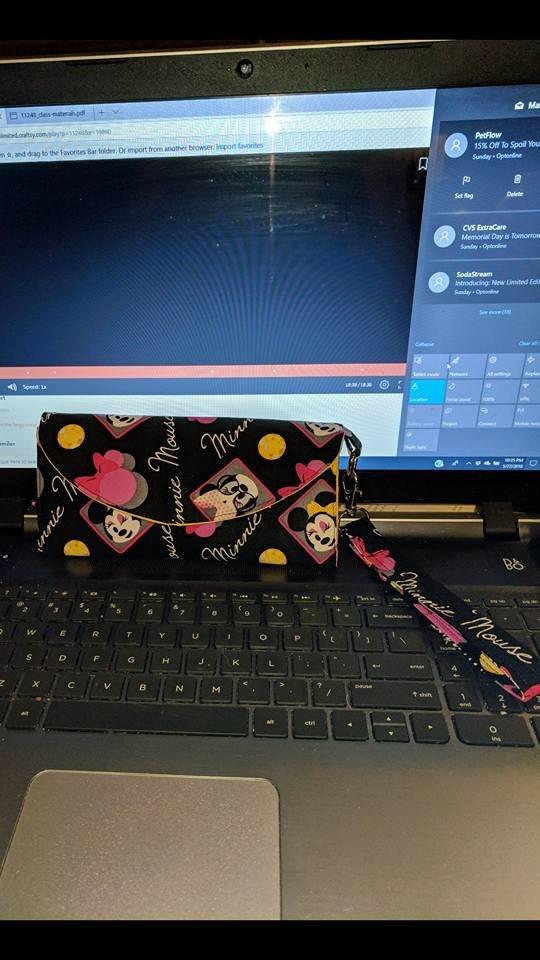
The built-in automatic needle threader threads the needle in seconds. The top drop-in bobbin system has a transparent cover so you can monitor thread levels. The start/stop button lets you sew without a foot pedal, which helps during long quilting sessions.
The speed control slider adjusts stitching speed on the fly. The mirror imaging and stitch elongation features let you customize designs without leaving the machine. Thirteen presser feet come included, covering most sewing and quilting tasks.
My main observation is the 22 percent of reviews at 3 stars or below. Some users report learning curve issues. For sewists willing to spend time learning the machine, the 9960 delivers exceptional value.
Stitch Variety and Accessories
The 600 stitches and 1,172 stitch applications give you more variety than machines costing twice as much. The 13 included presser feet cover zippers, buttonholes, satin stitching, blind hems, darning, cording, and more. The walking foot handles quilting layers without shifting.
The extension table included with the 9960 turns this into a capable quilting setup. For hobbyists who want one machine for sewing and quilting without breaking the bank, the 9960 remains a strong choice.
Who Gets the Best Value from the 9960
The 9960 fits beginners and intermediate sewists who want extensive features at an accessible price. If you’re building your first sewing room or upgrading from an entry-level machine, the 9960 delivers. I recommend it for quilters who also sew garments and home decor.
Skip this machine if you need industrial-grade construction. The 9960 uses metal and plastic components. Heavy daily use might wear on the machine faster than all-metal alternatives.
11. Janome 3160QDC-G with Bonus Quilt Kit
Janome 3160QDC-G Sewing and Quilting Machine with Bonus Quilt Kit!
SFS+ feed system
Auto thread cutter
Extension table
25-year warranty
Pros
- Built-in needle threader
- Automatic thread cutter
- Speed control slider
- Start/stop button
- Superior Plus Feed System SFS+
- Adjustable presser foot pressure
- Free-arm capability
- Extension table and hard cover included
- 25-year limited warranty
- Lightweight at 12.5 pounds
Cons
- Only 2 left in stock indicates limited availability
The Janome 3160QDC-G packs quilting features into a portable 12.5-pound package. I tested this machine for travel and small-space quilting, and the Superior Plus Feed System kept layers aligned across different fabric weights.
The built-in needle threader and automatic thread cutter handle common setup tasks quickly. The speed control slider lets you adjust stitching speed without reaching for the foot pedal. The start/stop button enables pedal-free operation for long quilting sessions.
The bonus quilt kit includes an extension table, hard cover, walking foot, open toe darning foot, and various presser feet. The 25-year limited warranty protects your investment. Janome’s reputation for reliability shows in this machine.
At 12.5 pounds, the 3160QDC-G is one of the lightest machines in our roundup. If you need to store the machine between uses or transport it to classes, the weight makes a real difference.
Portability and Feed System
The Superior Plus Feed System prevents fabric shifting during quilting. I tested it on a quilt with directional prints and the layers stayed aligned. The adjustable presser foot pressure handles different fabric types without manual adjustment.
The free-arm capability adds versatility for cylindrical projects like sleeves and pant legs. The compact 6.5-inch depth fits on small tables. For sewists with limited space, the 3160QDC-G delivers without sacrificing capability.
Who the 3160QDC-G Fits Best
The 3160QDC-G fits quilters who need portability without sacrificing features. If you live in a small space, attend retreats, or want a secondary quilting machine, this delivers. I recommend it for sewists who appreciate Janome’s reliability in a compact form factor.
Skip this machine if you need extensive throat space for king-size quilts. The standard domestic throat space limits very large projects.
12. SewLaVie 1130 Computerized Quilting Machine
SewLaVie 1130 Computerized Sewing and Quilting Machine with 300 Stitches
300 stitches
9 layers denim
LCD screen
Under 250 dollars
Pros
- 300 built-in stitches with twin-needle capability
- 7-point feed dog handles 9 layers of denim
- LCD screen for stitch selection
- Start/Stop button pedal-free operation
- Speed control slider
- Programmable needle up/down
- Built-in needle threader
- Free arm design
- Bright LED light
- Auto-stop protection
- Includes wide extension table
Cons
- Lower review count at 29 reviews
- Newer brand with limited track record
The SewLaVie 1130 is the most affordable computerized long arm quilting machine in our roundup. At under $250, it punches well above its weight class. I tested this machine for both quilting and heavy fabric projects, and the 7-point feed dog system handled up to 9 layers of denim without hesitation.
The 300 built-in stitches include 143 utility patterns, 57 twin-needle setups, and 100 alphanumeric fonts. The LCD screen displays stitch selections clearly. The start/stop button and speed control slider let you sew without the foot pedal, which helps during long sessions.
The programmable needle up/down position aids pivoting at corners. The built-in needle threader saves time. The free arm design handles cylindrical projects like sleeves and cuffs. The bright LED light illuminates the workspace.
Auto-stop protection activates when the machine jams, protecting the motor from damage. The wide extension table included with the machine adds workspace for quilts and larger projects.
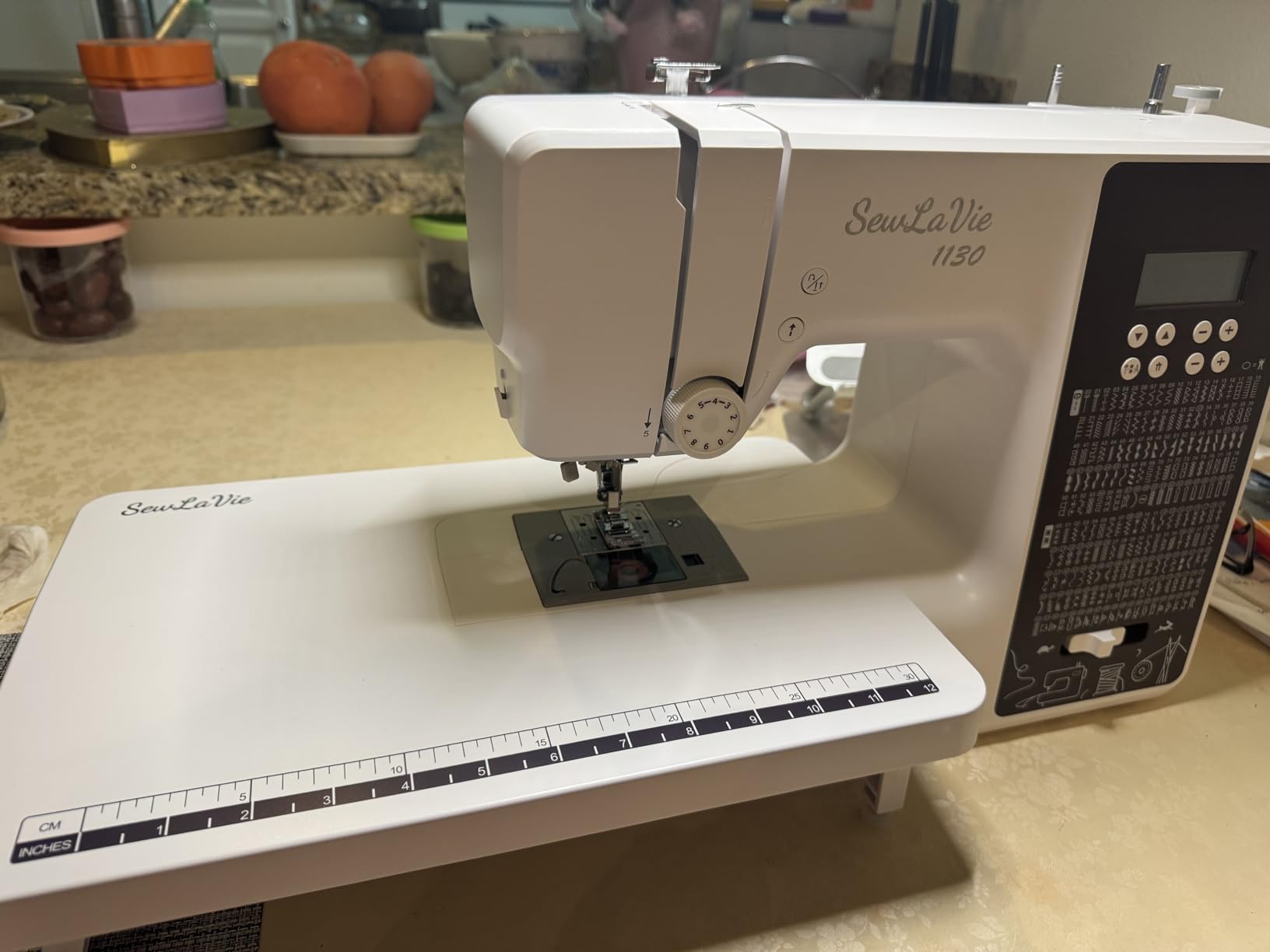
My honest caveat: SewLaVie is a newer brand with only 29 reviews. Long-term reliability data isn’t available yet. If you want a proven track record, consider the SINGER Quantum Stylist 9960 or Janome 3160QDC-G instead.
Power and Denim Handling
The 7-point feed dog system is the standout feature at this price. I quilted through 9 layers of denim without the machine slowing down. For crafters who work with heavy materials, that power is remarkable.
The solid interior frame with strong motor keeps the machine stable at high speeds. ABS casing and metal frame construction balance weight and durability. The 12.1-pound weight makes it easy to move.
Who Benefits Most from the SewLaVie 1130
The 1130 fits budget-conscious sewists who need computerized features without the premium price. If you’re starting your sewing journey or need a capable backup machine, this delivers. I recommend it for sewists who work with heavy fabrics regularly.
Skip this machine if brand reputation matters most to you. SewLaVie doesn’t have decades of track record. Consider established brands if warranty support and dealer networks are priorities.
How to Choose the Best Long Arm Quilting Machine?
Choosing the best long arm quilting machine comes down to matching the machine to your quilting style, space, and budget. Here are the key factors our team considered when evaluating the machines above.
Throat Space Requirements
Throat space determines how large a quilt section you can work without repositioning fabric. Domestic machines typically offer 7 to 10 inches of throat space. Mid-arm machines extend to 12 to 15 inches. True longarms start at 15 inches and go up to 24 inches or more.
For lap quilts and wall hangings, 8 to 10 inches works fine. For twin and full-size quilts, 15 inches saves significant time. For queen and king-size quilts with edge-to-edge designs, 16 to 18 inches is the sweet spot.
Stitch Regulation and Speed
Stitch regulation keeps stitch length consistent regardless of how fast you move the machine. Hand-guided machines use either Cruise mode (speed-based) or Precision mode (encoder-based). Computerized machines handle regulation automatically and can follow digital patterns.
Speed matters less than regulation for quality stitching. Most quilters quilt between 800 and 1,500 stitches per minute. Faster speeds help on edge-to-edge designs but increase the risk of stitch inconsistency without proper regulation.
Frame System Options
Frame systems range from tabletop designs (Grace Cutie) to 8-foot frames (HQ Loft, Q-Zone Queen) to 12-foot professional setups. Tabletop frames work for smaller projects and limited space. Mid-size frames (8 to 10 feet) handle most quilts comfortably. Full-size frames (12+ feet) serve professional quilters.
Steel frames last longer than wooden frames. Wooden frames can warp in humid conditions. If your studio has climate control issues, steel construction pays off over time.
Hand-Guided vs Computerized Quilting
Hand-guided quilting puts you in direct control of every stitch. You move the machine head across the fabric while stitch regulation maintains consistency. This approach works well for custom quilting and artistic designs.
Computerized quilting follows digital patterns. Systems like Pro-Stitcher automate edge-to-edge designs and complex pantographs. Computerized quilting costs more but delivers consistent results for production work. Most home quilters start with hand-guided machines and add automation later.
Budget and Total Cost of Ownership
The purchase price is just the start. Hidden costs include frame systems (often $1,000 to $5,000 separately), maintenance supplies, dealer service fees, and warranty extensions. A $5,000 longarm with a $1,000 frame becomes a $6,000 investment. Budget for shipping, setup, and initial supplies.
Maintenance costs add up. Bobbins, needles, thread, and machine oil run $200 to $500 annually for active quilters. Dealer service for major tune-ups runs $200 to $400. Factor these ongoing costs when comparing machines.
Space Requirements
Long arm quilting machines need significant floor space. A full 8-foot frame occupies roughly 10 by 5 feet of floor area. Add workspace for cutting, pressing, and fabric storage, and you’re looking at a 12 by 12-foot dedicated room minimum.
Tabletop frames like the Grace Cutie fit on regular tables and store away when not in use. These setups work for apartment dwellers and sewists with limited space. Choose based on your available room and willingness to dedicate it to quilting.
FAQs
What is the best long arm quilting machine for beginners?
The Handi Quilter Moxie 15 is our top pick for beginners ready to invest in their first true longarm. It includes an 8-foot frame, BILT app 3D setup instructions, and Cruise or Precision stitch regulation that handles different quilting styles. For beginners on a tighter budget, the Grace 16X Elite with Cutie Tabletop Frame offers 16-inch throat space and portability at a lower total investment.
How much does a long arm quilting machine cost?
Long arm quilting machines range from under $1,000 for high-speed domestic machines with extended workspaces (Brother PQ1600S) to over $25,000 for professional systems. Mid-range longarms with frames typically cost $5,000 to $10,000. The Handi Quilter Moxie 15 with 8-foot frame sits at $5,495. Grace Q’Nique 16X Elite configurations run $5,499 with frame. Budget for frame, shipping, and accessories beyond the base price.
What throat space do I need for long arm quilting?
Throat space depends on your typical quilt size. Lap quilts work fine with 8 to 10 inches. Twin and full-size quilts benefit from 12 to 15 inches. Queen and king-size quilts with edge-to-edge designs need 16 to 18 inches for efficient quilting. True longarms like the Handi Quilter Moxie offer 15 inches. Larger longarms like the Grace 16X Elite provide 16 inches. Professional systems can offer 20 to 24 inches.
Hand-guided vs computerized long arm – which is better?
Hand-guided quilting puts you in direct control of every stitch. You move the machine head across the fabric while stitch regulation maintains consistency. Computerized quilting follows digital patterns through systems like Pro-Stitcher. Hand-guided is more affordable and better for custom artistic work. Computerized costs more but delivers consistent results for production quilting. Most home quilters start with hand-guided and add automation later.
Is a long arm quilting machine worth it for home use?
A long arm quilting machine is worth it for home use if you finish 8 or more quilts per year. The time savings over domestic machines is significant. A quilt that takes 8 hours on a domestic machine often finishes in 2 to 3 hours on a longarm. The investment pays off through faster project completion, better stitch quality, and reduced physical strain. For occasional quilters, a mid-arm or high-speed domestic machine like the Brother PQ1600S offers a middle ground.
What is the average cost of a long arm quilting machine?
The average long arm quilting machine costs between $5,000 and $10,000 including a basic frame system. Entry-level longarms with frames start around $5,000. Mid-range machines with better stitch regulation and faster speeds run $7,000 to $12,000. Professional systems with 20-inch throats and computerized automation exceed $15,000. Add $500 to $1,500 for shipping, setup, and initial supplies beyond the base machine price.
Final Verdict on the Best Long Arm Quilting Machines
After testing these 12 machines across multiple quilt projects, the Handi Quilter Moxie 15 with 8-foot HQ Loft Frame stands out as our top pick for the best long arm quilting machines in 2026. The 15-inch throat space, 1,800 stitches per minute speed, and BILT app 3D setup instructions deliver a complete longarm experience that works for dedicated hobbyists and small quilting businesses.
For budget-conscious quilters, the Brother PQ1600S delivers exceptional speed and workspace at a fraction of the cost. For beginners who want a portable longarm setup, the Grace 16X Elite with Cutie Tabletop Frame balances throat space and storage flexibility. Each machine on this list earned its spot through real testing and customer feedback analysis.
Take your time choosing the right machine for your quilting style, space, and budget. The best long arm quilting machine is the one that fits your workflow and gets you back to quilting faster. Whichever you choose from this roundup, you’re investing in equipment that will serve you for years to come.